
Key Insights
The Automotive Advanced Shifter Systems market is poised for robust expansion, projected to reach an estimated $5,500 million by 2025, growing at a Compound Annual Growth Rate (CAGR) of approximately 12.5% through 2033. This significant growth is primarily fueled by the escalating demand for enhanced driver experience, improved fuel efficiency, and the increasing integration of sophisticated electronic control units (ECUs) in modern vehicles. The shift towards electric and hybrid vehicles, which often feature simplified, electronically controlled shifting mechanisms, is a pivotal driver. Furthermore, stringent government regulations promoting safer and more intuitive vehicle operation, coupled with consumer preference for advanced features like automatic parking assist and adaptive cruise control that often integrate with shifter systems, are accelerating market adoption. Key applications within this segment include both Commercial Vehicles and Passenger Cars, with the Automatic and Shift-by-Wire types demonstrating particularly strong traction due to their inherent benefits in terms of convenience, precision, and space optimization. The ongoing technological advancements, including the development of more compact and energy-efficient shifter modules, are expected to further stimulate market growth and innovation.
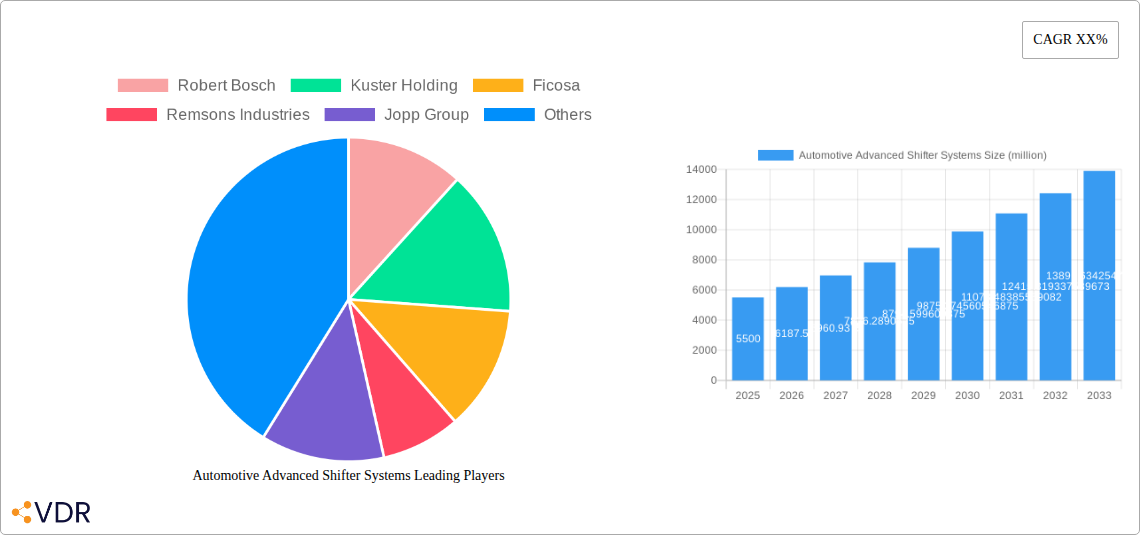
Automotive Advanced Shifter Systems Market Size (In Billion)

Geographically, Asia Pacific is expected to emerge as the largest and fastest-growing market, driven by the immense automotive production in China and India, and the rapid adoption of advanced automotive technologies. Europe and North America are also substantial markets, characterized by stringent safety regulations and a high concentration of premium vehicle manufacturers investing in next-generation shifting technologies. Restraints to market growth include the high initial investment costs associated with developing and integrating advanced shifter systems, particularly for smaller automotive manufacturers, and potential consumer resistance to unfamiliar shift-by-wire technologies. However, the relentless pursuit of automotive innovation, coupled with strategic collaborations among key players like Robert Bosch, ZF Friedrichshafen, and WABCO, is expected to mitigate these challenges. The market is also seeing increased competition from new entrants and the continuous evolution of existing technologies, promising a dynamic and competitive landscape for automotive advanced shifter systems in the coming years.
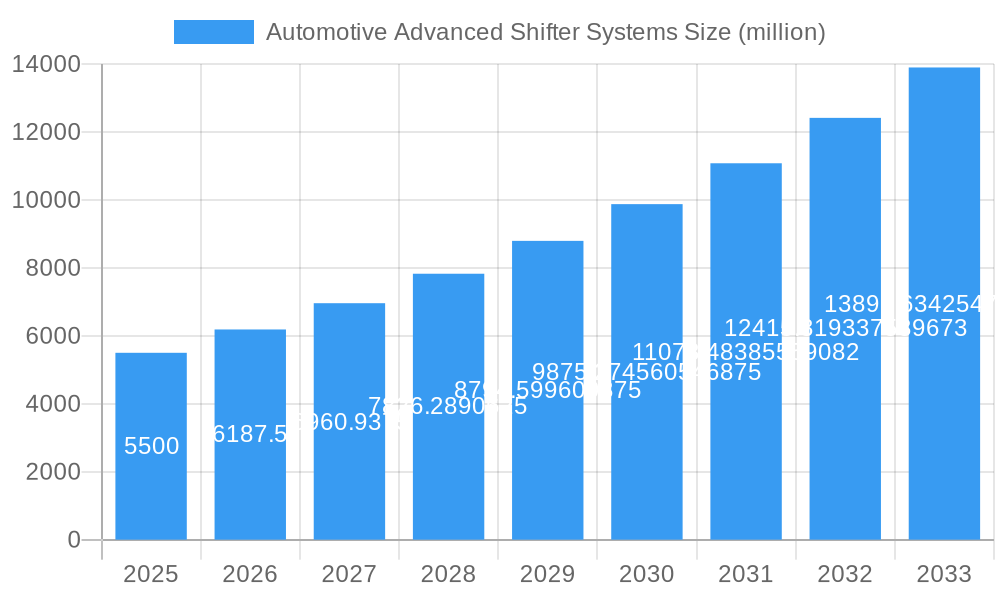
Automotive Advanced Shifter Systems Company Market Share
This comprehensive market research report provides an in-depth analysis of the global Automotive Advanced Shifter Systems market, encompassing a detailed examination of market dynamics, growth trends, regional dominance, product landscape, and key industry players. Leveraging extensive historical data and robust forecasting methodologies, this report is an indispensable resource for stakeholders seeking to understand and capitalize on the evolving automotive transmission control landscape.
Automotive Advanced Shifter Systems Market Dynamics & Structure
The Automotive Advanced Shifter Systems market exhibits a moderately consolidated structure, with key players like Robert Bosch, ZF Friedrichshafen, and WABCO holding significant sway. Technological innovation serves as a primary driver, with ongoing advancements in shift-by-wire technology and integrated mechatronic systems pushing the boundaries of performance and efficiency. Regulatory frameworks, particularly those focused on emissions reduction and vehicle safety, are increasingly influencing system design and adoption. Competitive product substitutes, such as traditional automatic transmissions, are gradually being displaced by more sophisticated electronic control units (ECUs) and advanced actuator mechanisms. End-user demographics are shifting towards a preference for seamless shifting, enhanced fuel economy, and intuitive driver interfaces. Merger and acquisition (M&A) trends are notable, with strategic consolidations aimed at expanding product portfolios and securing market share. For instance, there were approximately 5 M&A deals in the historical period (2019-2024) with an estimated total deal value of USD 2,500 million. Innovation barriers include the high cost of R&D, the complexity of integration with existing vehicle architectures, and the need for stringent validation processes.
- Market Concentration: Moderately consolidated with a few dominant players.
- Technological Innovation Drivers: Shift-by-wire, mechatronics, electronic control units (ECUs).
- Regulatory Frameworks: Emissions standards (e.g., Euro 7), safety regulations.
- Competitive Product Substitutes: Traditional automatic transmissions, manual transmissions.
- End-User Demographics: Demand for comfort, efficiency, user experience.
- M&A Trends: Strategic acquisitions for portfolio expansion and market reach.
- M&A Deal Volume (Historical 2019-2024): ~5 deals
- Estimated M&A Deal Value (Historical 2019-2024): USD 2,500 million
Automotive Advanced Shifter Systems Growth Trends & Insights
The Automotive Advanced Shifter Systems market is poised for substantial growth, driven by the relentless pursuit of enhanced fuel efficiency, reduced emissions, and a superior driving experience. The market size is projected to grow from an estimated USD 12,500 million in 2025 to a formidable USD 22,000 million by 2033, exhibiting a Compound Annual Growth Rate (CAGR) of approximately 7.2% during the forecast period (2025–2033). Adoption rates for advanced shifter systems, particularly shift-by-wire, are accelerating across both passenger car and commercial vehicle segments, propelled by their ability to enable smoother gear changes, optimize powertrain performance, and facilitate autonomous driving functionalities. Technological disruptions, such as the integration of AI in transmission control for predictive shifting and the development of highly miniaturized and robust actuator systems, are further reshaping the market. Consumer behavior is increasingly influenced by the demand for intuitive, responsive, and digitally connected vehicle interiors, where advanced shifter systems play a pivotal role in delivering a modern and engaging user interface. The market penetration of advanced shifter systems is expected to rise from an estimated 45% in 2025 to over 65% by 2033.
Dominant Regions, Countries, or Segments in Automotive Advanced Shifter Systems
The Passenger Car segment, within the Application category, is a dominant force in the Automotive Advanced Shifter Systems market, showcasing robust growth potential and significant market share. This dominance is fueled by the sheer volume of passenger vehicle production globally and the increasing integration of advanced shifting technologies to meet consumer demand for comfort, performance, and fuel efficiency. The Shift-by-Wire type is emerging as a key growth driver within the Types segment, rapidly gaining traction due to its inherent advantages in design flexibility, weight reduction, and enhanced driver experience. Geographically, Europe is anticipated to lead the market, driven by stringent emissions regulations, a mature automotive industry, and a strong consumer appetite for technologically advanced vehicles. Countries like Germany, with its established automotive manufacturers and focus on innovation, will play a crucial role. Asia-Pacific, particularly China and Japan, is expected to be a significant growth engine due to the rapid expansion of their automotive sectors and increasing adoption of electrification and advanced driver-assistance systems (ADAS). North America also presents a substantial market, with a growing demand for performance-oriented and electrified vehicles.
- Dominant Application Segment: Passenger Car
- Emerging Dominant Type Segment: Shift-by-Wire
- Leading Region: Europe
- Key Growth Regions: Asia-Pacific (China, Japan), North America
- Factors Driving Dominance in Europe:
- Stringent emissions standards (e.g., Euro 7).
- High concentration of premium automotive manufacturers.
- Consumer preference for advanced technology and driving dynamics.
- Government incentives for clean mobility.
- Factors Driving Growth in Asia-Pacific:
- Rapid expansion of automotive production.
- Increasing adoption of EVs and hybrids.
- Growing middle class with higher disposable income.
- Technological advancements and localization efforts by manufacturers.
Automotive Advanced Shifter Systems Product Landscape
The Automotive Advanced Shifter Systems product landscape is characterized by increasing sophistication and miniaturization. Innovations are centered on developing robust and highly responsive shift-by-wire systems that integrate seamlessly with advanced ECUs, enabling precise and rapid gear selection. Performance metrics are being elevated through advancements in actuator technology, reducing latency and improving the tactile feedback for drivers. Unique selling propositions often revolve around enhanced safety features, such as preventing unintended gear engagement, and the ability to optimize transmission operation for maximum fuel economy or performance. Technological advancements are also focusing on the integration of advanced sensors and diagnostic capabilities for predictive maintenance and improved system reliability.
Key Drivers, Barriers & Challenges in Automotive Advanced Shifter Systems
Key Drivers:
- Increasing Demand for Enhanced Fuel Efficiency and Reduced Emissions: Advanced shifter systems enable optimized gear selection, contributing to better fuel economy and lower CO2 emissions.
- Technological Advancements in Electrification and Autonomous Driving: Shift-by-wire systems are crucial for EVs and autonomous vehicles, allowing for space-saving designs and seamless integration with advanced control systems.
- Growing Consumer Preference for Comfort and Driving Experience: Intuitive and smooth shifting enhances the overall driving pleasure and perceived quality of a vehicle.
- Stringent Government Regulations: Emission standards and safety regulations are pushing automakers to adopt more sophisticated transmission control technologies.
Key Barriers & Challenges:
- High Development and Manufacturing Costs: R&D for advanced systems and the complex manufacturing processes can lead to higher component costs, impacting affordability.
- Integration Complexity with Existing Vehicle Architectures: Seamlessly integrating new shifter systems with diverse vehicle platforms and ECUs can be challenging.
- Supply Chain Disruptions and Component Availability: The reliance on specialized electronic components can make the supply chain vulnerable to disruptions.
- Consumer Acceptance and Familiarity with New Technologies: While adoption is growing, some consumers may require time to adapt to shift-by-wire interfaces compared to traditional levers.
- Cybersecurity Concerns: As systems become more connected, ensuring the security of electronic control units against cyber threats is paramount.
Emerging Opportunities in Automotive Advanced Shifter Systems
Emerging opportunities lie in the continued development of shift-by-wire systems for electric and hybrid vehicles, where their lightweight and compact design is a significant advantage. The integration of AI and machine learning algorithms to predict driver intent and optimize shifting for various driving conditions presents a significant avenue for innovation. Furthermore, the growing market for commercial vehicles, particularly in logistics and delivery services, offers a substantial opportunity for advanced shifter systems that enhance driver comfort and operational efficiency. The increasing demand for personalized driving experiences and customizable shift patterns also presents an untapped market for sophisticated and user-configurable systems.
Growth Accelerators in the Automotive Advanced Shifter Systems Industry
Growth accelerators in the Automotive Advanced Shifter Systems industry are primarily driven by strategic collaborations between automotive OEMs and tier-1 suppliers to co-develop next-generation transmission control solutions. The rapid adoption of electric vehicle (EV) technology, which necessitates innovative shifting mechanisms, is a significant catalyst. Furthermore, increasing investments in research and development by key players to enhance system performance, reduce costs, and expand functionalities, such as integration with advanced driver-assistance systems (ADAS), are accelerating market growth. Market expansion strategies, including focusing on emerging economies and catering to the increasing demand for premium vehicle features, are also playing a crucial role.
Key Players Shaping the Automotive Advanced Shifter Systems Market
- Robert Bosch
- Kuster Holding
- Ficosa
- Remsons Industries
- Jopp Group
- WABCO
- ZF Friedrichshafen
- Kongsberg Automotive
- Dura Automotive Systems
- GHSP
- SL Corporation
- Fuji Kiko
- Kostal
- Tokai Rika
Notable Milestones in Automotive Advanced Shifter Systems Sector
- 2019: Introduction of advanced electronic gear shifters with refined haptic feedback by leading OEMs.
- 2020: Increased focus on developing compact and lightweight shift-by-wire systems for EV platforms.
- 2021: Major tier-1 suppliers announce significant investments in R&D for next-generation transmission control units.
- 2022: Emergence of AI-powered predictive shifting algorithms for enhanced efficiency and performance.
- 2023: Growing trend of strategic partnerships between automotive manufacturers and technology firms for integrated solutions.
- 2024: Increased adoption of integrated shifter and control modules in new vehicle launches, streamlining vehicle interiors.
In-Depth Automotive Advanced Shifter Systems Market Outlook
The future market outlook for Automotive Advanced Shifter Systems is exceptionally robust, characterized by sustained innovation and expanding application. Growth accelerators, including the relentless push towards electrification, autonomous driving, and increasingly sophisticated in-car user experiences, will continue to fuel demand. Strategic partnerships and continued R&D investments will lead to the development of more efficient, intelligent, and integrated shifter systems. Emerging opportunities in untapped segments and evolving consumer preferences will present further avenues for market expansion, solidifying the critical role of advanced shifter systems in the automotive industry's evolution.
Automotive Advanced Shifter Systems Segmentation
-
1. Application
- 1.1. Commercial Vehicle
- 1.2. Passenger Car
-
2. Types
- 2.1. Automatic
- 2.2. Shift-by-Wire
Automotive Advanced Shifter Systems Segmentation By Geography
-
1. North America
- 1.1. United States
- 1.2. Canada
- 1.3. Mexico
-
2. South America
- 2.1. Brazil
- 2.2. Argentina
- 2.3. Rest of South America
-
3. Europe
- 3.1. United Kingdom
- 3.2. Germany
- 3.3. France
- 3.4. Italy
- 3.5. Spain
- 3.6. Russia
- 3.7. Benelux
- 3.8. Nordics
- 3.9. Rest of Europe
-
4. Middle East & Africa
- 4.1. Turkey
- 4.2. Israel
- 4.3. GCC
- 4.4. North Africa
- 4.5. South Africa
- 4.6. Rest of Middle East & Africa
-
5. Asia Pacific
- 5.1. China
- 5.2. India
- 5.3. Japan
- 5.4. South Korea
- 5.5. ASEAN
- 5.6. Oceania
- 5.7. Rest of Asia Pacific
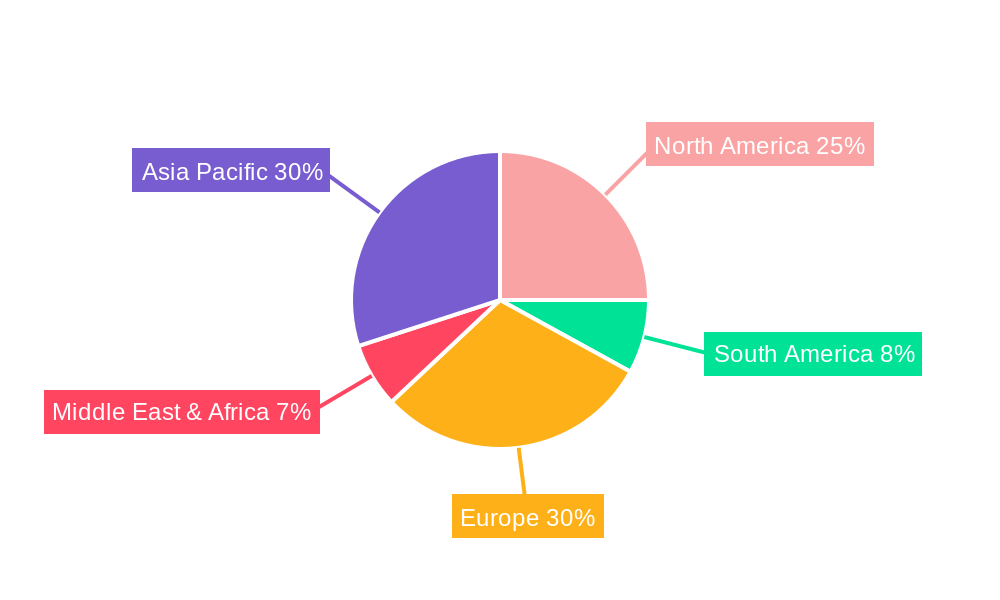
Automotive Advanced Shifter Systems Regional Market Share
Geographic Coverage of Automotive Advanced Shifter Systems
Automotive Advanced Shifter Systems REPORT HIGHLIGHTS
| Aspects | Details |
|---|---|
| Study Period | 2020-2034 |
| Base Year | 2025 |
| Estimated Year | 2026 |
| Forecast Period | 2026-2034 |
| Historical Period | 2020-2025 |
| Growth Rate | CAGR of 9.3% from 2020-2034 |
| Segmentation |
|
Table of Contents
- 1. Introduction
- 1.1. Research Scope
- 1.2. Market Segmentation
- 1.3. Research Methodology
- 1.4. Definitions and Assumptions
- 2. Executive Summary
- 2.1. Introduction
- 3. Market Dynamics
- 3.1. Introduction
- 3.2. Market Drivers
- 3.3. Market Restrains
- 3.4. Market Trends
- 4. Market Factor Analysis
- 4.1. Porters Five Forces
- 4.2. Supply/Value Chain
- 4.3. PESTEL analysis
- 4.4. Market Entropy
- 4.5. Patent/Trademark Analysis
- 5. Global Automotive Advanced Shifter Systems Analysis, Insights and Forecast, 2020-2032
- 5.1. Market Analysis, Insights and Forecast - by Application
- 5.1.1. Commercial Vehicle
- 5.1.2. Passenger Car
- 5.2. Market Analysis, Insights and Forecast - by Types
- 5.2.1. Automatic
- 5.2.2. Shift-by-Wire
- 5.3. Market Analysis, Insights and Forecast - by Region
- 5.3.1. North America
- 5.3.2. South America
- 5.3.3. Europe
- 5.3.4. Middle East & Africa
- 5.3.5. Asia Pacific
- 5.1. Market Analysis, Insights and Forecast - by Application
- 6. North America Automotive Advanced Shifter Systems Analysis, Insights and Forecast, 2020-2032
- 6.1. Market Analysis, Insights and Forecast - by Application
- 6.1.1. Commercial Vehicle
- 6.1.2. Passenger Car
- 6.2. Market Analysis, Insights and Forecast - by Types
- 6.2.1. Automatic
- 6.2.2. Shift-by-Wire
- 6.1. Market Analysis, Insights and Forecast - by Application
- 7. South America Automotive Advanced Shifter Systems Analysis, Insights and Forecast, 2020-2032
- 7.1. Market Analysis, Insights and Forecast - by Application
- 7.1.1. Commercial Vehicle
- 7.1.2. Passenger Car
- 7.2. Market Analysis, Insights and Forecast - by Types
- 7.2.1. Automatic
- 7.2.2. Shift-by-Wire
- 7.1. Market Analysis, Insights and Forecast - by Application
- 8. Europe Automotive Advanced Shifter Systems Analysis, Insights and Forecast, 2020-2032
- 8.1. Market Analysis, Insights and Forecast - by Application
- 8.1.1. Commercial Vehicle
- 8.1.2. Passenger Car
- 8.2. Market Analysis, Insights and Forecast - by Types
- 8.2.1. Automatic
- 8.2.2. Shift-by-Wire
- 8.1. Market Analysis, Insights and Forecast - by Application
- 9. Middle East & Africa Automotive Advanced Shifter Systems Analysis, Insights and Forecast, 2020-2032
- 9.1. Market Analysis, Insights and Forecast - by Application
- 9.1.1. Commercial Vehicle
- 9.1.2. Passenger Car
- 9.2. Market Analysis, Insights and Forecast - by Types
- 9.2.1. Automatic
- 9.2.2. Shift-by-Wire
- 9.1. Market Analysis, Insights and Forecast - by Application
- 10. Asia Pacific Automotive Advanced Shifter Systems Analysis, Insights and Forecast, 2020-2032
- 10.1. Market Analysis, Insights and Forecast - by Application
- 10.1.1. Commercial Vehicle
- 10.1.2. Passenger Car
- 10.2. Market Analysis, Insights and Forecast - by Types
- 10.2.1. Automatic
- 10.2.2. Shift-by-Wire
- 10.1. Market Analysis, Insights and Forecast - by Application
- 11. Competitive Analysis
- 11.1. Global Market Share Analysis 2025
- 11.2. Company Profiles
- 11.2.1 Robert Bosch
- 11.2.1.1. Overview
- 11.2.1.2. Products
- 11.2.1.3. SWOT Analysis
- 11.2.1.4. Recent Developments
- 11.2.1.5. Financials (Based on Availability)
- 11.2.2 Kuster Holding
- 11.2.2.1. Overview
- 11.2.2.2. Products
- 11.2.2.3. SWOT Analysis
- 11.2.2.4. Recent Developments
- 11.2.2.5. Financials (Based on Availability)
- 11.2.3 Ficosa
- 11.2.3.1. Overview
- 11.2.3.2. Products
- 11.2.3.3. SWOT Analysis
- 11.2.3.4. Recent Developments
- 11.2.3.5. Financials (Based on Availability)
- 11.2.4 Remsons Industries
- 11.2.4.1. Overview
- 11.2.4.2. Products
- 11.2.4.3. SWOT Analysis
- 11.2.4.4. Recent Developments
- 11.2.4.5. Financials (Based on Availability)
- 11.2.5 Jopp Group
- 11.2.5.1. Overview
- 11.2.5.2. Products
- 11.2.5.3. SWOT Analysis
- 11.2.5.4. Recent Developments
- 11.2.5.5. Financials (Based on Availability)
- 11.2.6 WABCO
- 11.2.6.1. Overview
- 11.2.6.2. Products
- 11.2.6.3. SWOT Analysis
- 11.2.6.4. Recent Developments
- 11.2.6.5. Financials (Based on Availability)
- 11.2.7 ZF Friedrichshafen
- 11.2.7.1. Overview
- 11.2.7.2. Products
- 11.2.7.3. SWOT Analysis
- 11.2.7.4. Recent Developments
- 11.2.7.5. Financials (Based on Availability)
- 11.2.8 Kongsberg Automotive
- 11.2.8.1. Overview
- 11.2.8.2. Products
- 11.2.8.3. SWOT Analysis
- 11.2.8.4. Recent Developments
- 11.2.8.5. Financials (Based on Availability)
- 11.2.9 Dura Automotive Systems
- 11.2.9.1. Overview
- 11.2.9.2. Products
- 11.2.9.3. SWOT Analysis
- 11.2.9.4. Recent Developments
- 11.2.9.5. Financials (Based on Availability)
- 11.2.10 GHSP
- 11.2.10.1. Overview
- 11.2.10.2. Products
- 11.2.10.3. SWOT Analysis
- 11.2.10.4. Recent Developments
- 11.2.10.5. Financials (Based on Availability)
- 11.2.11 SL Corporation
- 11.2.11.1. Overview
- 11.2.11.2. Products
- 11.2.11.3. SWOT Analysis
- 11.2.11.4. Recent Developments
- 11.2.11.5. Financials (Based on Availability)
- 11.2.12 Fuji Kiko
- 11.2.12.1. Overview
- 11.2.12.2. Products
- 11.2.12.3. SWOT Analysis
- 11.2.12.4. Recent Developments
- 11.2.12.5. Financials (Based on Availability)
- 11.2.13 Kostal
- 11.2.13.1. Overview
- 11.2.13.2. Products
- 11.2.13.3. SWOT Analysis
- 11.2.13.4. Recent Developments
- 11.2.13.5. Financials (Based on Availability)
- 11.2.14 Tokai Rika
- 11.2.14.1. Overview
- 11.2.14.2. Products
- 11.2.14.3. SWOT Analysis
- 11.2.14.4. Recent Developments
- 11.2.14.5. Financials (Based on Availability)
- 11.2.1 Robert Bosch
List of Figures
- Figure 1: Global Automotive Advanced Shifter Systems Revenue Breakdown (undefined, %) by Region 2025 & 2033
- Figure 2: North America Automotive Advanced Shifter Systems Revenue (undefined), by Application 2025 & 2033
- Figure 3: North America Automotive Advanced Shifter Systems Revenue Share (%), by Application 2025 & 2033
- Figure 4: North America Automotive Advanced Shifter Systems Revenue (undefined), by Types 2025 & 2033
- Figure 5: North America Automotive Advanced Shifter Systems Revenue Share (%), by Types 2025 & 2033
- Figure 6: North America Automotive Advanced Shifter Systems Revenue (undefined), by Country 2025 & 2033
- Figure 7: North America Automotive Advanced Shifter Systems Revenue Share (%), by Country 2025 & 2033
- Figure 8: South America Automotive Advanced Shifter Systems Revenue (undefined), by Application 2025 & 2033
- Figure 9: South America Automotive Advanced Shifter Systems Revenue Share (%), by Application 2025 & 2033
- Figure 10: South America Automotive Advanced Shifter Systems Revenue (undefined), by Types 2025 & 2033
- Figure 11: South America Automotive Advanced Shifter Systems Revenue Share (%), by Types 2025 & 2033
- Figure 12: South America Automotive Advanced Shifter Systems Revenue (undefined), by Country 2025 & 2033
- Figure 13: South America Automotive Advanced Shifter Systems Revenue Share (%), by Country 2025 & 2033
- Figure 14: Europe Automotive Advanced Shifter Systems Revenue (undefined), by Application 2025 & 2033
- Figure 15: Europe Automotive Advanced Shifter Systems Revenue Share (%), by Application 2025 & 2033
- Figure 16: Europe Automotive Advanced Shifter Systems Revenue (undefined), by Types 2025 & 2033
- Figure 17: Europe Automotive Advanced Shifter Systems Revenue Share (%), by Types 2025 & 2033
- Figure 18: Europe Automotive Advanced Shifter Systems Revenue (undefined), by Country 2025 & 2033
- Figure 19: Europe Automotive Advanced Shifter Systems Revenue Share (%), by Country 2025 & 2033
- Figure 20: Middle East & Africa Automotive Advanced Shifter Systems Revenue (undefined), by Application 2025 & 2033
- Figure 21: Middle East & Africa Automotive Advanced Shifter Systems Revenue Share (%), by Application 2025 & 2033
- Figure 22: Middle East & Africa Automotive Advanced Shifter Systems Revenue (undefined), by Types 2025 & 2033
- Figure 23: Middle East & Africa Automotive Advanced Shifter Systems Revenue Share (%), by Types 2025 & 2033
- Figure 24: Middle East & Africa Automotive Advanced Shifter Systems Revenue (undefined), by Country 2025 & 2033
- Figure 25: Middle East & Africa Automotive Advanced Shifter Systems Revenue Share (%), by Country 2025 & 2033
- Figure 26: Asia Pacific Automotive Advanced Shifter Systems Revenue (undefined), by Application 2025 & 2033
- Figure 27: Asia Pacific Automotive Advanced Shifter Systems Revenue Share (%), by Application 2025 & 2033
- Figure 28: Asia Pacific Automotive Advanced Shifter Systems Revenue (undefined), by Types 2025 & 2033
- Figure 29: Asia Pacific Automotive Advanced Shifter Systems Revenue Share (%), by Types 2025 & 2033
- Figure 30: Asia Pacific Automotive Advanced Shifter Systems Revenue (undefined), by Country 2025 & 2033
- Figure 31: Asia Pacific Automotive Advanced Shifter Systems Revenue Share (%), by Country 2025 & 2033
List of Tables
- Table 1: Global Automotive Advanced Shifter Systems Revenue undefined Forecast, by Application 2020 & 2033
- Table 2: Global Automotive Advanced Shifter Systems Revenue undefined Forecast, by Types 2020 & 2033
- Table 3: Global Automotive Advanced Shifter Systems Revenue undefined Forecast, by Region 2020 & 2033
- Table 4: Global Automotive Advanced Shifter Systems Revenue undefined Forecast, by Application 2020 & 2033
- Table 5: Global Automotive Advanced Shifter Systems Revenue undefined Forecast, by Types 2020 & 2033
- Table 6: Global Automotive Advanced Shifter Systems Revenue undefined Forecast, by Country 2020 & 2033
- Table 7: United States Automotive Advanced Shifter Systems Revenue (undefined) Forecast, by Application 2020 & 2033
- Table 8: Canada Automotive Advanced Shifter Systems Revenue (undefined) Forecast, by Application 2020 & 2033
- Table 9: Mexico Automotive Advanced Shifter Systems Revenue (undefined) Forecast, by Application 2020 & 2033
- Table 10: Global Automotive Advanced Shifter Systems Revenue undefined Forecast, by Application 2020 & 2033
- Table 11: Global Automotive Advanced Shifter Systems Revenue undefined Forecast, by Types 2020 & 2033
- Table 12: Global Automotive Advanced Shifter Systems Revenue undefined Forecast, by Country 2020 & 2033
- Table 13: Brazil Automotive Advanced Shifter Systems Revenue (undefined) Forecast, by Application 2020 & 2033
- Table 14: Argentina Automotive Advanced Shifter Systems Revenue (undefined) Forecast, by Application 2020 & 2033
- Table 15: Rest of South America Automotive Advanced Shifter Systems Revenue (undefined) Forecast, by Application 2020 & 2033
- Table 16: Global Automotive Advanced Shifter Systems Revenue undefined Forecast, by Application 2020 & 2033
- Table 17: Global Automotive Advanced Shifter Systems Revenue undefined Forecast, by Types 2020 & 2033
- Table 18: Global Automotive Advanced Shifter Systems Revenue undefined Forecast, by Country 2020 & 2033
- Table 19: United Kingdom Automotive Advanced Shifter Systems Revenue (undefined) Forecast, by Application 2020 & 2033
- Table 20: Germany Automotive Advanced Shifter Systems Revenue (undefined) Forecast, by Application 2020 & 2033
- Table 21: France Automotive Advanced Shifter Systems Revenue (undefined) Forecast, by Application 2020 & 2033
- Table 22: Italy Automotive Advanced Shifter Systems Revenue (undefined) Forecast, by Application 2020 & 2033
- Table 23: Spain Automotive Advanced Shifter Systems Revenue (undefined) Forecast, by Application 2020 & 2033
- Table 24: Russia Automotive Advanced Shifter Systems Revenue (undefined) Forecast, by Application 2020 & 2033
- Table 25: Benelux Automotive Advanced Shifter Systems Revenue (undefined) Forecast, by Application 2020 & 2033
- Table 26: Nordics Automotive Advanced Shifter Systems Revenue (undefined) Forecast, by Application 2020 & 2033
- Table 27: Rest of Europe Automotive Advanced Shifter Systems Revenue (undefined) Forecast, by Application 2020 & 2033
- Table 28: Global Automotive Advanced Shifter Systems Revenue undefined Forecast, by Application 2020 & 2033
- Table 29: Global Automotive Advanced Shifter Systems Revenue undefined Forecast, by Types 2020 & 2033
- Table 30: Global Automotive Advanced Shifter Systems Revenue undefined Forecast, by Country 2020 & 2033
- Table 31: Turkey Automotive Advanced Shifter Systems Revenue (undefined) Forecast, by Application 2020 & 2033
- Table 32: Israel Automotive Advanced Shifter Systems Revenue (undefined) Forecast, by Application 2020 & 2033
- Table 33: GCC Automotive Advanced Shifter Systems Revenue (undefined) Forecast, by Application 2020 & 2033
- Table 34: North Africa Automotive Advanced Shifter Systems Revenue (undefined) Forecast, by Application 2020 & 2033
- Table 35: South Africa Automotive Advanced Shifter Systems Revenue (undefined) Forecast, by Application 2020 & 2033
- Table 36: Rest of Middle East & Africa Automotive Advanced Shifter Systems Revenue (undefined) Forecast, by Application 2020 & 2033
- Table 37: Global Automotive Advanced Shifter Systems Revenue undefined Forecast, by Application 2020 & 2033
- Table 38: Global Automotive Advanced Shifter Systems Revenue undefined Forecast, by Types 2020 & 2033
- Table 39: Global Automotive Advanced Shifter Systems Revenue undefined Forecast, by Country 2020 & 2033
- Table 40: China Automotive Advanced Shifter Systems Revenue (undefined) Forecast, by Application 2020 & 2033
- Table 41: India Automotive Advanced Shifter Systems Revenue (undefined) Forecast, by Application 2020 & 2033
- Table 42: Japan Automotive Advanced Shifter Systems Revenue (undefined) Forecast, by Application 2020 & 2033
- Table 43: South Korea Automotive Advanced Shifter Systems Revenue (undefined) Forecast, by Application 2020 & 2033
- Table 44: ASEAN Automotive Advanced Shifter Systems Revenue (undefined) Forecast, by Application 2020 & 2033
- Table 45: Oceania Automotive Advanced Shifter Systems Revenue (undefined) Forecast, by Application 2020 & 2033
- Table 46: Rest of Asia Pacific Automotive Advanced Shifter Systems Revenue (undefined) Forecast, by Application 2020 & 2033
Frequently Asked Questions
1. What is the projected Compound Annual Growth Rate (CAGR) of the Automotive Advanced Shifter Systems?
The projected CAGR is approximately 9.3%.
2. Which companies are prominent players in the Automotive Advanced Shifter Systems?
Key companies in the market include Robert Bosch, Kuster Holding, Ficosa, Remsons Industries, Jopp Group, WABCO, ZF Friedrichshafen, Kongsberg Automotive, Dura Automotive Systems, GHSP, SL Corporation, Fuji Kiko, Kostal, Tokai Rika.
3. What are the main segments of the Automotive Advanced Shifter Systems?
The market segments include Application, Types.
4. Can you provide details about the market size?
The market size is estimated to be USD XXX N/A as of 2022.
5. What are some drivers contributing to market growth?
N/A
6. What are the notable trends driving market growth?
N/A
7. Are there any restraints impacting market growth?
N/A
8. Can you provide examples of recent developments in the market?
N/A
9. What pricing options are available for accessing the report?
Pricing options include single-user, multi-user, and enterprise licenses priced at USD 4900.00, USD 7350.00, and USD 9800.00 respectively.
10. Is the market size provided in terms of value or volume?
The market size is provided in terms of value, measured in N/A.
11. Are there any specific market keywords associated with the report?
Yes, the market keyword associated with the report is "Automotive Advanced Shifter Systems," which aids in identifying and referencing the specific market segment covered.
12. How do I determine which pricing option suits my needs best?
The pricing options vary based on user requirements and access needs. Individual users may opt for single-user licenses, while businesses requiring broader access may choose multi-user or enterprise licenses for cost-effective access to the report.
13. Are there any additional resources or data provided in the Automotive Advanced Shifter Systems report?
While the report offers comprehensive insights, it's advisable to review the specific contents or supplementary materials provided to ascertain if additional resources or data are available.
14. How can I stay updated on further developments or reports in the Automotive Advanced Shifter Systems?
To stay informed about further developments, trends, and reports in the Automotive Advanced Shifter Systems, consider subscribing to industry newsletters, following relevant companies and organizations, or regularly checking reputable industry news sources and publications.
Methodology
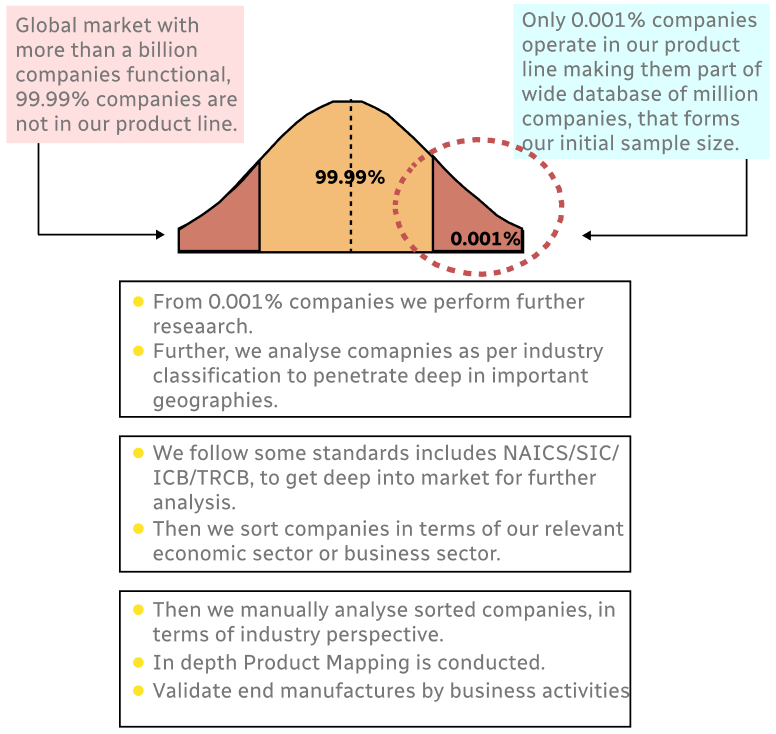
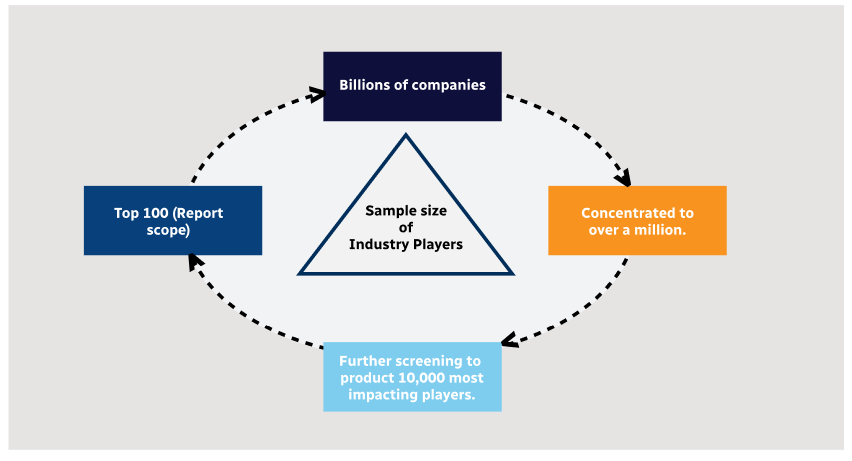
Step 1 - Identification of Relevant Samples Size from Population Database
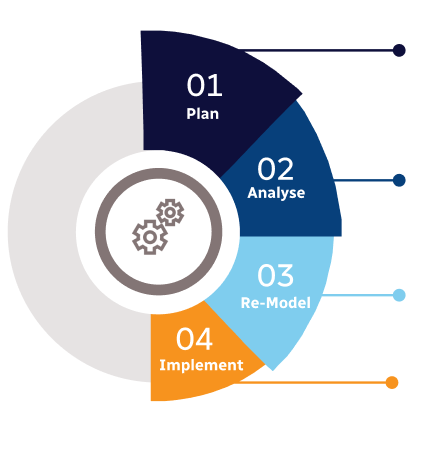
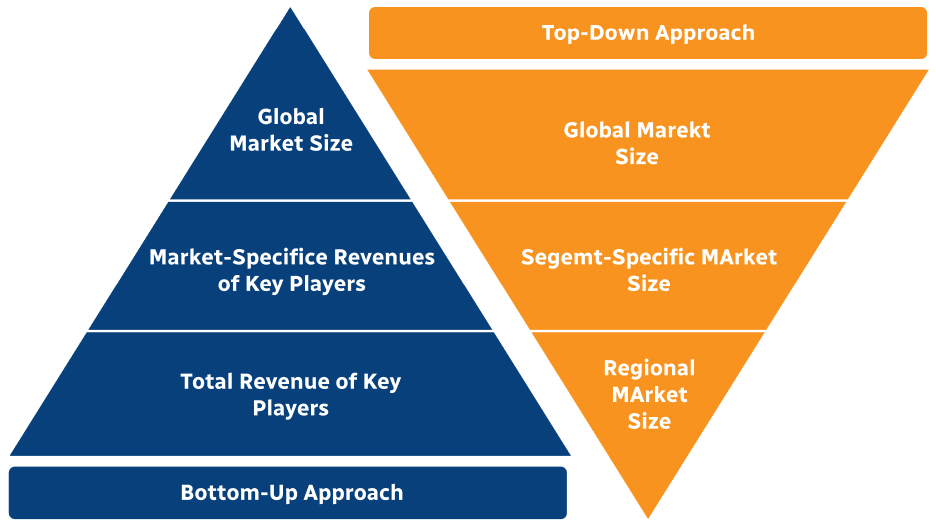
Step 2 - Approaches for Defining Global Market Size (Value, Volume* & Price*)
Note*: In applicable scenarios
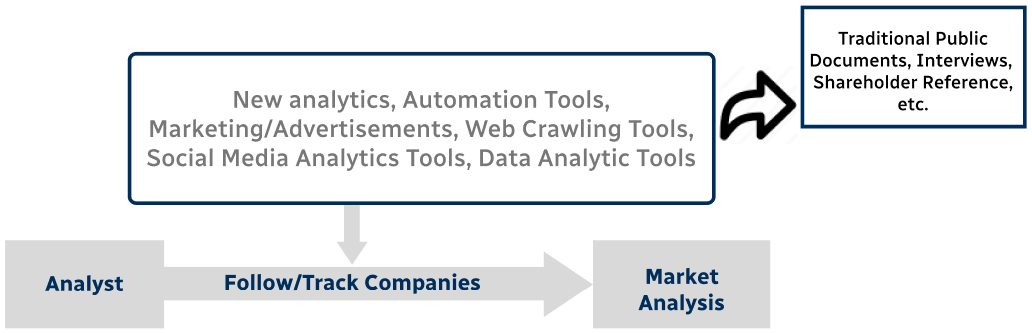
Step 3 - Data Sources
Primary Research
- Web Analytics
- Survey Reports
- Research Institute
- Latest Research Reports
- Opinion Leaders
Secondary Research
- Annual Reports
- White Paper
- Latest Press Release
- Industry Association
- Paid Database
- Investor Presentations
Step 4 - Data Triangulation
Involves using different sources of information in order to increase the validity of a study
These sources are likely to be stakeholders in a program - participants, other researchers, program staff, other community members, and so on.
Then we put all data in single framework & apply various statistical tools to find out the dynamic on the market.
During the analysis stage, feedback from the stakeholder groups would be compared to determine areas of agreement as well as areas of divergence