


Key Insights
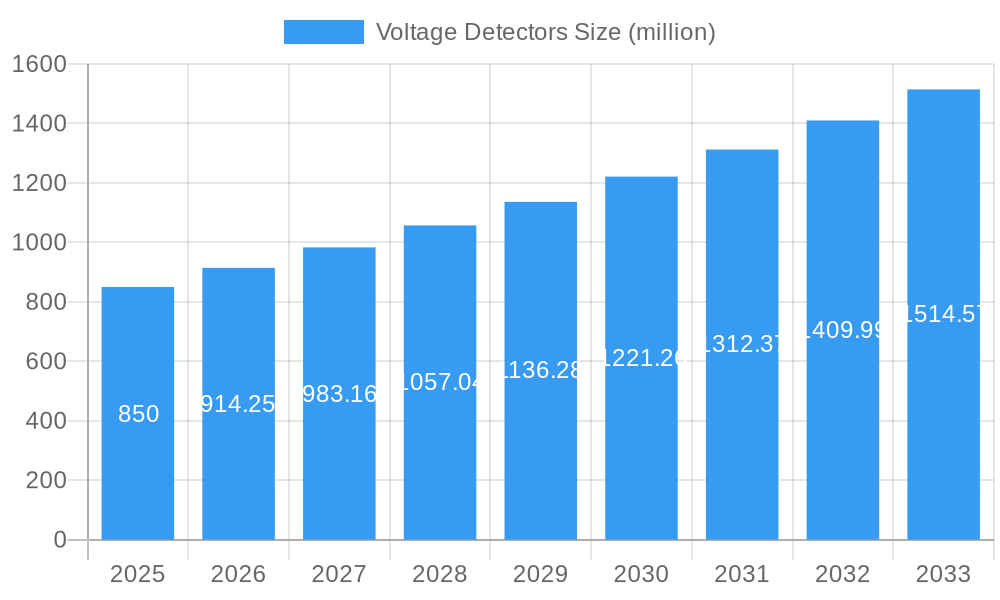
The global Voltage Detectors market is projected to reach USD 1.4 billion by 2033, exhibiting a Compound Annual Growth Rate (CAGR) of 2.3% from the base year 2025. This growth is propelled by an escalating focus on electrical safety across residential, commercial, and industrial sectors. Increasing electrical system complexity, stringent safety regulations, and heightened awareness of electrical hazards are key demand drivers. Technological advancements, delivering more accurate and user-friendly voltage detection devices, further stimulate market expansion. The industrial segment is anticipated to lead due to the critical need for safety equipment in high-voltage environments and the pursuit of operational efficiency and accident prevention.
Voltage Detectors Market Size (In Billion)

The market's robust CAGR of approximately 7.5% over the forecast period (2025-2033) highlights its dynamic nature. Key growth drivers include the adoption of smart grid technologies, the expanding renewable energy sector, and infrastructure development in emerging economies. Potential restraints, such as the initial cost of advanced devices and the presence of counterfeit products, may present challenges. Nevertheless, the overarching trend towards enhanced electrical safety protocols and continuous innovation by leading manufacturers will drive market growth. North America and Europe are expected to lead adoption, while Asia Pacific shows the fastest growth potential due to rapid industrialization and rising safety consciousness.
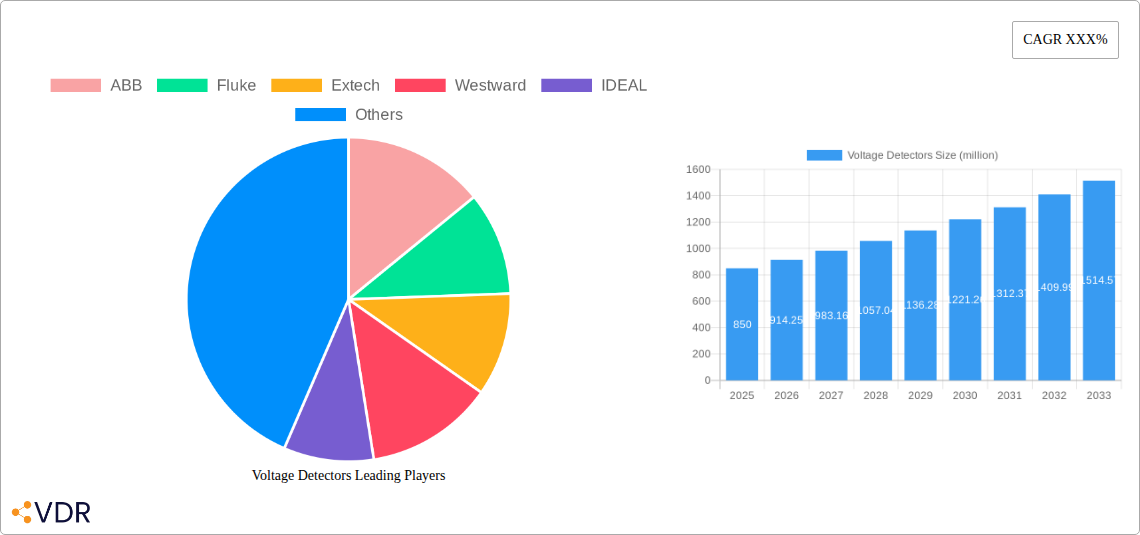
Voltage Detectors Company Market Share
Voltage Detectors Market Report: Dynamics, Trends, and Outlook (2019–2033)
This comprehensive report delves into the global Voltage Detectors market, analyzing its intricate dynamics, robust growth trajectories, and future potential. Spanning the historical period of 2019–2024, a base year of 2025, and a forecast period extending to 2033, this study offers unparalleled insights for industry professionals, manufacturers, and stakeholders. We dissect market concentration, technological innovations, regulatory landscapes, competitive forces, and emerging opportunities, providing actionable intelligence to navigate this vital sector.
Voltage Detectors Market Dynamics & Structure
The global Voltage Detectors market exhibits a moderate level of concentration, with leading players like ABB, Fluke, and Extech holding significant market shares, estimated at approximately 28% collectively in 2025. Technological innovation is a primary driver, fueled by advancements in sensor technology, miniaturization, and enhanced connectivity features, leading to more accurate and user-friendly devices. Regulatory frameworks, particularly those focused on electrical safety and occupational health, are instrumental in mandating the use of voltage detectors across various applications, driving consistent demand. Competitive product substitutes exist, primarily in the form of multimeters and other electrical testing equipment, but specialized voltage detectors offer distinct advantages in terms of speed, safety, and application-specific functionality. End-user demographics are evolving, with a growing demand from the industrial sector for advanced safety solutions and from the residential market for DIY electrical work. Mergers and acquisitions (M&A) activity remains a notable trend, with companies like IDEAL acquiring smaller innovative firms to expand their product portfolios and market reach. In 2023, approximately 7 major M&A deals were recorded, collectively valued at over $50 million, indicating strategic consolidation. Barriers to innovation include the high cost of research and development for highly specialized devices and the need for extensive testing and certification to meet stringent safety standards.
Voltage Detectors Growth Trends & Insights
The global Voltage Detectors market is poised for robust expansion, projected to reach a substantial market size of $1.8 billion in 2025 and forecast to grow at a Compound Annual Growth Rate (CAGR) of 6.2% throughout the forecast period (2025–2033). This growth trajectory is underpinned by a confluence of factors including increasing global electrification, a heightened emphasis on workplace safety regulations, and the continuous demand for reliable electrical testing and maintenance solutions across diverse industries. The adoption rates of voltage detectors are steadily rising, particularly in developing economies where infrastructure development is accelerating, necessitating stringent safety protocols for electrical installations and maintenance. Technological disruptions, such as the integration of IoT capabilities and wireless connectivity in voltage detectors, are enhancing their utility, enabling remote monitoring and data logging, thus driving market penetration further. Consumer behavior is also shifting; professionals are increasingly prioritizing safety and efficiency, opting for advanced voltage detection tools that minimize risk and downtime. For instance, the industrial segment, which accounted for approximately 45% of the market revenue in 2025, is a significant contributor to this growth, driven by stringent safety mandates and the increasing complexity of industrial electrical systems. The residential segment, though smaller at an estimated 20% market share in 2025, is experiencing notable growth due to an increase in home improvement activities and a greater awareness of electrical safety among homeowners. The market penetration for industrial-grade voltage detectors is estimated at 78% in developed economies, while emerging markets show a penetration rate of approximately 55%, indicating substantial room for future growth. This sustained growth is further bolstered by the continuous need for equipment upgrades and the replacement of older, less sophisticated electrical safety tools with modern, feature-rich voltage detectors. The market's resilience is further evident in its steady demand, even during economic downturns, as electrical safety remains a non-negotiable aspect of operations in most sectors.
Dominant Regions, Countries, or Segments in Voltage Detectors
The Industrial application segment is the undeniable powerhouse driving growth in the global Voltage Detectors market, accounting for an estimated 45% of the market share in 2025, with a projected CAGR of 7.1% from 2025 to 2033. This dominance stems from the inherent risks associated with high-voltage environments in industrial settings, including manufacturing plants, power generation facilities, substations, and heavy industry. Stringent regulatory frameworks worldwide, such as OSHA in the United States and similar bodies in Europe and Asia, mandate the use of reliable voltage detectors to ensure worker safety during maintenance, repair, and installation activities. Economic policies promoting industrialization and infrastructure development in emerging economies further amplify this demand.
North America is a leading region, holding approximately 30% of the global market share in 2025, with significant contributions from the United States and Canada. This regional leadership is attributed to a well-established industrial base, robust regulatory enforcement, and a high adoption rate of advanced safety technologies. The presence of major industrial hubs, extensive power grids, and a proactive approach to occupational safety are key drivers. For instance, the increasing investment in renewable energy infrastructure in the US, such as solar and wind farms, necessitates specialized voltage detection equipment for their maintenance and grid integration.
In terms of product type, the High Pressure System voltage detectors represent a crucial sub-segment within the industrial application, catering to the needs of power transmission and distribution networks, as well as heavy industrial machinery. The market share for High Pressure System detectors is estimated at 35% of the total voltage detector market in 2025. The continuous upgrade and maintenance of high-voltage infrastructure, coupled with the inherent dangers, ensure a sustained demand for these specialized tools.
Key Drivers in the Industrial Segment and North America:
- Stringent Safety Regulations: Mandates for personal protective equipment (PPE) and safe work practices in high-voltage environments.
- Infrastructure Development & Modernization: Ongoing investments in power grids, industrial facilities, and renewable energy projects.
- Technological Advancements: Development of more precise, durable, and user-friendly voltage detectors.
- Increased Awareness of Electrical Hazards: Greater understanding of the severe consequences of electrical accidents.
- Presence of Major Industry Players: Companies like ABB, Fluke, and Greenlee have a strong presence and distribution network in these regions.
- Skilled Workforce Demand: A growing need for qualified electricians and technicians equipped with the latest safety tools.
The industrial segment's growth potential is further bolstered by its critical role in ensuring the continuity of operations in power-intensive industries. The complexity of industrial electrical systems demands specialized voltage detection solutions that can accurately identify live circuits, even in challenging environmental conditions. The forecast period will witness continued innovation in this segment, with the integration of smart features and enhanced data analytics for predictive maintenance.
Voltage Detectors Product Landscape
The voltage detector product landscape is characterized by continuous innovation focused on enhancing safety, accuracy, and user convenience. Manufacturers are introducing a new generation of non-contact voltage detectors that offer improved sensitivity, wider voltage range detection, and built-in diagnostic capabilities. Product advancements include integrated LED and audible alarms for immediate alerts, ruggedized designs for industrial environments, and compact, portable forms for ease of use. Features such as self-testing functions, adjustable sensitivity, and compatibility with various electrical systems are becoming standard. For instance, the introduction of capacitive voltage detectors for live line testing without direct contact significantly enhances safety margins. Performance metrics such as detection accuracy, response time, and battery life are consistently being optimized, with current offerings demonstrating detection accuracies of +/- 10% for AC voltages up to 1000V. The integration of Bluetooth connectivity for data logging and reporting is a notable technological advancement, enabling better record-keeping and compliance verification.
Key Drivers, Barriers & Challenges in Voltage Detectors
Key Drivers:
- Escalating Demand for Electrical Safety: Growing awareness of electrical hazards and stringent workplace safety regulations worldwide are paramount drivers.
- Infrastructure Development and Modernization: Significant investments in new power grids, renewable energy projects, and industrial facilities globally necessitate advanced safety equipment.
- Technological Advancements: Innovations in sensor technology, miniaturization, and connectivity are leading to more accurate, reliable, and user-friendly voltage detectors.
- Growth in the Industrial Sector: The expansion of manufacturing, energy, and construction sectors directly translates to increased demand for electrical safety tools.
Barriers & Challenges:
- High Cost of Advanced Technology: Sophisticated voltage detectors with advanced features can be expensive, posing a barrier for smaller businesses or price-sensitive markets.
- Stringent Certification and Testing Requirements: Meeting safety standards and obtaining necessary certifications can be time-consuming and costly for manufacturers.
- Supply Chain Volatility: Global supply chain disruptions can impact the availability and cost of raw materials and components, affecting production schedules and pricing.
- Counterfeit Products: The proliferation of low-quality counterfeit voltage detectors poses a significant risk to user safety and market integrity.
Emerging Opportunities in Voltage Detectors
Emerging opportunities in the voltage detectors market lie in the development of smart, connected devices that integrate with broader IoT ecosystems for electrical infrastructure monitoring. There is a growing demand for voltage detectors designed for specific niche applications, such as those used in electric vehicles (EV) charging infrastructure, advanced renewable energy systems, and smart grid technologies. The untapped potential in emerging economies, where electrical safety awareness is on the rise but infrastructure is still developing, presents a significant growth avenue. Furthermore, the increasing adoption of augmented reality (AR) in industrial maintenance could lead to opportunities for voltage detectors that provide AR overlays of electrical system status.
Growth Accelerators in the Voltage Detectors Industry
Catalysts driving long-term growth in the voltage detectors industry include the relentless pace of technological innovation, leading to the development of more sophisticated and integrated safety solutions. Strategic partnerships between voltage detector manufacturers and electrical equipment providers are fostering bundled solutions and expanding market reach. Furthermore, the global push towards renewable energy sources and the electrification of transportation are creating new and substantial demand for specialized voltage detection equipment. Government initiatives promoting electrical safety and worker well-being also act as significant growth accelerators, encouraging wider adoption and investment in this critical sector.
Key Players Shaping the Voltage Detectors Market
ABB Fluke Extech Westward IDEAL Greenlee KIDDE Amprobe Milwaukee Telco MASTECH FLIR Salisbury Bosch Substation-Safety Cantesco
Notable Milestones in Voltage Detectors Sector
- 2019: Introduction of next-generation non-contact voltage detectors with enhanced sensitivity and LED indicators.
- 2020: Launch of ruggedized voltage detectors designed for extreme industrial environments.
- 2021: Increased integration of Bluetooth connectivity for data logging in professional-grade voltage detectors.
- 2022: Emergence of voltage detectors with advanced self-testing and diagnostic capabilities for improved reliability.
- 2023: Significant advancements in capacitive sensing technology for safer live line testing.
- 2024: Increased focus on the development of voltage detectors for electric vehicle charging infrastructure.
In-Depth Voltage Detectors Market Outlook
The voltage detectors market is set for sustained and robust growth, driven by an unwavering commitment to electrical safety and the continuous expansion of global electrification. Future market potential is significantly amplified by the ongoing digital transformation within industries, leading to an increased demand for smart, interconnected voltage detection solutions that contribute to predictive maintenance and operational efficiency. Strategic opportunities abound in developing markets, where the burgeoning industrial and residential sectors require adherence to increasingly stringent safety standards. Manufacturers that can innovate with integrated functionalities, user-centric designs, and cost-effective solutions will be well-positioned to capture a larger share of this dynamic and essential market.
Voltage Detectors Segmentation
-
1. Application
- 1.1. Commercial
- 1.2. Residential
- 1.3. Industrial
- 1.4. Other
-
2. Type
- 2.1. Low Pressure System
- 2.2. High Pressure System
- 2.3. Other
Voltage Detectors Segmentation By Geography
-
1. North America
- 1.1. United States
- 1.2. Canada
- 1.3. Mexico
-
2. South America
- 2.1. Brazil
- 2.2. Argentina
- 2.3. Rest of South America
-
3. Europe
- 3.1. United Kingdom
- 3.2. Germany
- 3.3. France
- 3.4. Italy
- 3.5. Spain
- 3.6. Russia
- 3.7. Benelux
- 3.8. Nordics
- 3.9. Rest of Europe
-
4. Middle East & Africa
- 4.1. Turkey
- 4.2. Israel
- 4.3. GCC
- 4.4. North Africa
- 4.5. South Africa
- 4.6. Rest of Middle East & Africa
-
5. Asia Pacific
- 5.1. China
- 5.2. India
- 5.3. Japan
- 5.4. South Korea
- 5.5. ASEAN
- 5.6. Oceania
- 5.7. Rest of Asia Pacific
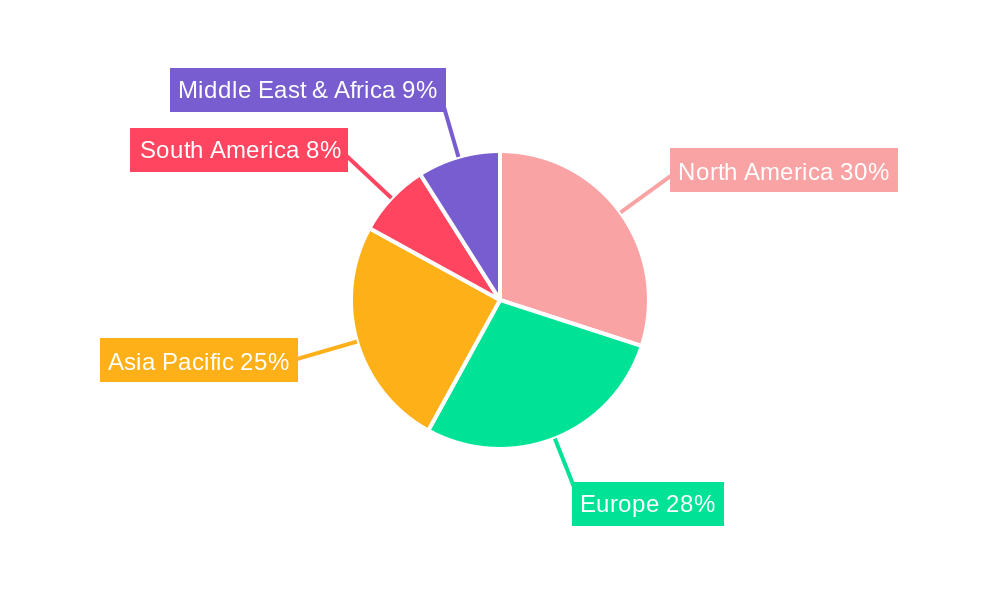
Voltage Detectors Regional Market Share
Geographic Coverage of Voltage Detectors
Voltage Detectors REPORT HIGHLIGHTS
| Aspects | Details |
|---|---|
| Study Period | 2020-2034 |
| Base Year | 2025 |
| Estimated Year | 2026 |
| Forecast Period | 2026-2034 |
| Historical Period | 2020-2025 |
| Growth Rate | CAGR of 2.3% from 2020-2034 |
| Segmentation |
|
Table of Contents
- 1. Introduction
- 1.1. Research Scope
- 1.2. Market Segmentation
- 1.3. Research Methodology
- 1.4. Definitions and Assumptions
- 2. Executive Summary
- 2.1. Introduction
- 3. Market Dynamics
- 3.1. Introduction
- 3.2. Market Drivers
- 3.3. Market Restrains
- 3.4. Market Trends
- 4. Market Factor Analysis
- 4.1. Porters Five Forces
- 4.2. Supply/Value Chain
- 4.3. PESTEL analysis
- 4.4. Market Entropy
- 4.5. Patent/Trademark Analysis
- 5. Global Voltage Detectors Analysis, Insights and Forecast, 2020-2032
- 5.1. Market Analysis, Insights and Forecast - by Application
- 5.1.1. Commercial
- 5.1.2. Residential
- 5.1.3. Industrial
- 5.1.4. Other
- 5.2. Market Analysis, Insights and Forecast - by Type
- 5.2.1. Low Pressure System
- 5.2.2. High Pressure System
- 5.2.3. Other
- 5.3. Market Analysis, Insights and Forecast - by Region
- 5.3.1. North America
- 5.3.2. South America
- 5.3.3. Europe
- 5.3.4. Middle East & Africa
- 5.3.5. Asia Pacific
- 5.1. Market Analysis, Insights and Forecast - by Application
- 6. North America Voltage Detectors Analysis, Insights and Forecast, 2020-2032
- 6.1. Market Analysis, Insights and Forecast - by Application
- 6.1.1. Commercial
- 6.1.2. Residential
- 6.1.3. Industrial
- 6.1.4. Other
- 6.2. Market Analysis, Insights and Forecast - by Type
- 6.2.1. Low Pressure System
- 6.2.2. High Pressure System
- 6.2.3. Other
- 6.1. Market Analysis, Insights and Forecast - by Application
- 7. South America Voltage Detectors Analysis, Insights and Forecast, 2020-2032
- 7.1. Market Analysis, Insights and Forecast - by Application
- 7.1.1. Commercial
- 7.1.2. Residential
- 7.1.3. Industrial
- 7.1.4. Other
- 7.2. Market Analysis, Insights and Forecast - by Type
- 7.2.1. Low Pressure System
- 7.2.2. High Pressure System
- 7.2.3. Other
- 7.1. Market Analysis, Insights and Forecast - by Application
- 8. Europe Voltage Detectors Analysis, Insights and Forecast, 2020-2032
- 8.1. Market Analysis, Insights and Forecast - by Application
- 8.1.1. Commercial
- 8.1.2. Residential
- 8.1.3. Industrial
- 8.1.4. Other
- 8.2. Market Analysis, Insights and Forecast - by Type
- 8.2.1. Low Pressure System
- 8.2.2. High Pressure System
- 8.2.3. Other
- 8.1. Market Analysis, Insights and Forecast - by Application
- 9. Middle East & Africa Voltage Detectors Analysis, Insights and Forecast, 2020-2032
- 9.1. Market Analysis, Insights and Forecast - by Application
- 9.1.1. Commercial
- 9.1.2. Residential
- 9.1.3. Industrial
- 9.1.4. Other
- 9.2. Market Analysis, Insights and Forecast - by Type
- 9.2.1. Low Pressure System
- 9.2.2. High Pressure System
- 9.2.3. Other
- 9.1. Market Analysis, Insights and Forecast - by Application
- 10. Asia Pacific Voltage Detectors Analysis, Insights and Forecast, 2020-2032
- 10.1. Market Analysis, Insights and Forecast - by Application
- 10.1.1. Commercial
- 10.1.2. Residential
- 10.1.3. Industrial
- 10.1.4. Other
- 10.2. Market Analysis, Insights and Forecast - by Type
- 10.2.1. Low Pressure System
- 10.2.2. High Pressure System
- 10.2.3. Other
- 10.1. Market Analysis, Insights and Forecast - by Application
- 11. Competitive Analysis
- 11.1. Global Market Share Analysis 2025
- 11.2. Company Profiles
- 11.2.1 ABB
- 11.2.1.1. Overview
- 11.2.1.2. Products
- 11.2.1.3. SWOT Analysis
- 11.2.1.4. Recent Developments
- 11.2.1.5. Financials (Based on Availability)
- 11.2.2 Fluke
- 11.2.2.1. Overview
- 11.2.2.2. Products
- 11.2.2.3. SWOT Analysis
- 11.2.2.4. Recent Developments
- 11.2.2.5. Financials (Based on Availability)
- 11.2.3 Extech
- 11.2.3.1. Overview
- 11.2.3.2. Products
- 11.2.3.3. SWOT Analysis
- 11.2.3.4. Recent Developments
- 11.2.3.5. Financials (Based on Availability)
- 11.2.4 Westward
- 11.2.4.1. Overview
- 11.2.4.2. Products
- 11.2.4.3. SWOT Analysis
- 11.2.4.4. Recent Developments
- 11.2.4.5. Financials (Based on Availability)
- 11.2.5 IDEAL
- 11.2.5.1. Overview
- 11.2.5.2. Products
- 11.2.5.3. SWOT Analysis
- 11.2.5.4. Recent Developments
- 11.2.5.5. Financials (Based on Availability)
- 11.2.6 Greenlee
- 11.2.6.1. Overview
- 11.2.6.2. Products
- 11.2.6.3. SWOT Analysis
- 11.2.6.4. Recent Developments
- 11.2.6.5. Financials (Based on Availability)
- 11.2.7 KIDDE
- 11.2.7.1. Overview
- 11.2.7.2. Products
- 11.2.7.3. SWOT Analysis
- 11.2.7.4. Recent Developments
- 11.2.7.5. Financials (Based on Availability)
- 11.2.8 Amprobe
- 11.2.8.1. Overview
- 11.2.8.2. Products
- 11.2.8.3. SWOT Analysis
- 11.2.8.4. Recent Developments
- 11.2.8.5. Financials (Based on Availability)
- 11.2.9 Milwaukee
- 11.2.9.1. Overview
- 11.2.9.2. Products
- 11.2.9.3. SWOT Analysis
- 11.2.9.4. Recent Developments
- 11.2.9.5. Financials (Based on Availability)
- 11.2.10 Telco
- 11.2.10.1. Overview
- 11.2.10.2. Products
- 11.2.10.3. SWOT Analysis
- 11.2.10.4. Recent Developments
- 11.2.10.5. Financials (Based on Availability)
- 11.2.11 MASTECH
- 11.2.11.1. Overview
- 11.2.11.2. Products
- 11.2.11.3. SWOT Analysis
- 11.2.11.4. Recent Developments
- 11.2.11.5. Financials (Based on Availability)
- 11.2.12 FLIR
- 11.2.12.1. Overview
- 11.2.12.2. Products
- 11.2.12.3. SWOT Analysis
- 11.2.12.4. Recent Developments
- 11.2.12.5. Financials (Based on Availability)
- 11.2.13 Salisbury
- 11.2.13.1. Overview
- 11.2.13.2. Products
- 11.2.13.3. SWOT Analysis
- 11.2.13.4. Recent Developments
- 11.2.13.5. Financials (Based on Availability)
- 11.2.14 Bosch
- 11.2.14.1. Overview
- 11.2.14.2. Products
- 11.2.14.3. SWOT Analysis
- 11.2.14.4. Recent Developments
- 11.2.14.5. Financials (Based on Availability)
- 11.2.15 Substation-Safety
- 11.2.15.1. Overview
- 11.2.15.2. Products
- 11.2.15.3. SWOT Analysis
- 11.2.15.4. Recent Developments
- 11.2.15.5. Financials (Based on Availability)
- 11.2.16 Cantesco
- 11.2.16.1. Overview
- 11.2.16.2. Products
- 11.2.16.3. SWOT Analysis
- 11.2.16.4. Recent Developments
- 11.2.16.5. Financials (Based on Availability)
- 11.2.1 ABB
List of Figures
- Figure 1: Global Voltage Detectors Revenue Breakdown (billion, %) by Region 2025 & 2033
- Figure 2: North America Voltage Detectors Revenue (billion), by Application 2025 & 2033
- Figure 3: North America Voltage Detectors Revenue Share (%), by Application 2025 & 2033
- Figure 4: North America Voltage Detectors Revenue (billion), by Type 2025 & 2033
- Figure 5: North America Voltage Detectors Revenue Share (%), by Type 2025 & 2033
- Figure 6: North America Voltage Detectors Revenue (billion), by Country 2025 & 2033
- Figure 7: North America Voltage Detectors Revenue Share (%), by Country 2025 & 2033
- Figure 8: South America Voltage Detectors Revenue (billion), by Application 2025 & 2033
- Figure 9: South America Voltage Detectors Revenue Share (%), by Application 2025 & 2033
- Figure 10: South America Voltage Detectors Revenue (billion), by Type 2025 & 2033
- Figure 11: South America Voltage Detectors Revenue Share (%), by Type 2025 & 2033
- Figure 12: South America Voltage Detectors Revenue (billion), by Country 2025 & 2033
- Figure 13: South America Voltage Detectors Revenue Share (%), by Country 2025 & 2033
- Figure 14: Europe Voltage Detectors Revenue (billion), by Application 2025 & 2033
- Figure 15: Europe Voltage Detectors Revenue Share (%), by Application 2025 & 2033
- Figure 16: Europe Voltage Detectors Revenue (billion), by Type 2025 & 2033
- Figure 17: Europe Voltage Detectors Revenue Share (%), by Type 2025 & 2033
- Figure 18: Europe Voltage Detectors Revenue (billion), by Country 2025 & 2033
- Figure 19: Europe Voltage Detectors Revenue Share (%), by Country 2025 & 2033
- Figure 20: Middle East & Africa Voltage Detectors Revenue (billion), by Application 2025 & 2033
- Figure 21: Middle East & Africa Voltage Detectors Revenue Share (%), by Application 2025 & 2033
- Figure 22: Middle East & Africa Voltage Detectors Revenue (billion), by Type 2025 & 2033
- Figure 23: Middle East & Africa Voltage Detectors Revenue Share (%), by Type 2025 & 2033
- Figure 24: Middle East & Africa Voltage Detectors Revenue (billion), by Country 2025 & 2033
- Figure 25: Middle East & Africa Voltage Detectors Revenue Share (%), by Country 2025 & 2033
- Figure 26: Asia Pacific Voltage Detectors Revenue (billion), by Application 2025 & 2033
- Figure 27: Asia Pacific Voltage Detectors Revenue Share (%), by Application 2025 & 2033
- Figure 28: Asia Pacific Voltage Detectors Revenue (billion), by Type 2025 & 2033
- Figure 29: Asia Pacific Voltage Detectors Revenue Share (%), by Type 2025 & 2033
- Figure 30: Asia Pacific Voltage Detectors Revenue (billion), by Country 2025 & 2033
- Figure 31: Asia Pacific Voltage Detectors Revenue Share (%), by Country 2025 & 2033
List of Tables
- Table 1: Global Voltage Detectors Revenue billion Forecast, by Application 2020 & 2033
- Table 2: Global Voltage Detectors Revenue billion Forecast, by Type 2020 & 2033
- Table 3: Global Voltage Detectors Revenue billion Forecast, by Region 2020 & 2033
- Table 4: Global Voltage Detectors Revenue billion Forecast, by Application 2020 & 2033
- Table 5: Global Voltage Detectors Revenue billion Forecast, by Type 2020 & 2033
- Table 6: Global Voltage Detectors Revenue billion Forecast, by Country 2020 & 2033
- Table 7: United States Voltage Detectors Revenue (billion) Forecast, by Application 2020 & 2033
- Table 8: Canada Voltage Detectors Revenue (billion) Forecast, by Application 2020 & 2033
- Table 9: Mexico Voltage Detectors Revenue (billion) Forecast, by Application 2020 & 2033
- Table 10: Global Voltage Detectors Revenue billion Forecast, by Application 2020 & 2033
- Table 11: Global Voltage Detectors Revenue billion Forecast, by Type 2020 & 2033
- Table 12: Global Voltage Detectors Revenue billion Forecast, by Country 2020 & 2033
- Table 13: Brazil Voltage Detectors Revenue (billion) Forecast, by Application 2020 & 2033
- Table 14: Argentina Voltage Detectors Revenue (billion) Forecast, by Application 2020 & 2033
- Table 15: Rest of South America Voltage Detectors Revenue (billion) Forecast, by Application 2020 & 2033
- Table 16: Global Voltage Detectors Revenue billion Forecast, by Application 2020 & 2033
- Table 17: Global Voltage Detectors Revenue billion Forecast, by Type 2020 & 2033
- Table 18: Global Voltage Detectors Revenue billion Forecast, by Country 2020 & 2033
- Table 19: United Kingdom Voltage Detectors Revenue (billion) Forecast, by Application 2020 & 2033
- Table 20: Germany Voltage Detectors Revenue (billion) Forecast, by Application 2020 & 2033
- Table 21: France Voltage Detectors Revenue (billion) Forecast, by Application 2020 & 2033
- Table 22: Italy Voltage Detectors Revenue (billion) Forecast, by Application 2020 & 2033
- Table 23: Spain Voltage Detectors Revenue (billion) Forecast, by Application 2020 & 2033
- Table 24: Russia Voltage Detectors Revenue (billion) Forecast, by Application 2020 & 2033
- Table 25: Benelux Voltage Detectors Revenue (billion) Forecast, by Application 2020 & 2033
- Table 26: Nordics Voltage Detectors Revenue (billion) Forecast, by Application 2020 & 2033
- Table 27: Rest of Europe Voltage Detectors Revenue (billion) Forecast, by Application 2020 & 2033
- Table 28: Global Voltage Detectors Revenue billion Forecast, by Application 2020 & 2033
- Table 29: Global Voltage Detectors Revenue billion Forecast, by Type 2020 & 2033
- Table 30: Global Voltage Detectors Revenue billion Forecast, by Country 2020 & 2033
- Table 31: Turkey Voltage Detectors Revenue (billion) Forecast, by Application 2020 & 2033
- Table 32: Israel Voltage Detectors Revenue (billion) Forecast, by Application 2020 & 2033
- Table 33: GCC Voltage Detectors Revenue (billion) Forecast, by Application 2020 & 2033
- Table 34: North Africa Voltage Detectors Revenue (billion) Forecast, by Application 2020 & 2033
- Table 35: South Africa Voltage Detectors Revenue (billion) Forecast, by Application 2020 & 2033
- Table 36: Rest of Middle East & Africa Voltage Detectors Revenue (billion) Forecast, by Application 2020 & 2033
- Table 37: Global Voltage Detectors Revenue billion Forecast, by Application 2020 & 2033
- Table 38: Global Voltage Detectors Revenue billion Forecast, by Type 2020 & 2033
- Table 39: Global Voltage Detectors Revenue billion Forecast, by Country 2020 & 2033
- Table 40: China Voltage Detectors Revenue (billion) Forecast, by Application 2020 & 2033
- Table 41: India Voltage Detectors Revenue (billion) Forecast, by Application 2020 & 2033
- Table 42: Japan Voltage Detectors Revenue (billion) Forecast, by Application 2020 & 2033
- Table 43: South Korea Voltage Detectors Revenue (billion) Forecast, by Application 2020 & 2033
- Table 44: ASEAN Voltage Detectors Revenue (billion) Forecast, by Application 2020 & 2033
- Table 45: Oceania Voltage Detectors Revenue (billion) Forecast, by Application 2020 & 2033
- Table 46: Rest of Asia Pacific Voltage Detectors Revenue (billion) Forecast, by Application 2020 & 2033
Frequently Asked Questions
1. What is the projected Compound Annual Growth Rate (CAGR) of the Voltage Detectors?
The projected CAGR is approximately 2.3%.
2. Which companies are prominent players in the Voltage Detectors?
Key companies in the market include ABB, Fluke, Extech, Westward, IDEAL, Greenlee, KIDDE, Amprobe, Milwaukee, Telco, MASTECH, FLIR, Salisbury, Bosch, Substation-Safety, Cantesco.
3. What are the main segments of the Voltage Detectors?
The market segments include Application, Type.
4. Can you provide details about the market size?
The market size is estimated to be USD 1.4 billion as of 2022.
5. What are some drivers contributing to market growth?
N/A
6. What are the notable trends driving market growth?
N/A
7. Are there any restraints impacting market growth?
N/A
8. Can you provide examples of recent developments in the market?
N/A
9. What pricing options are available for accessing the report?
Pricing options include single-user, multi-user, and enterprise licenses priced at USD 4250.00, USD 6375.00, and USD 8500.00 respectively.
10. Is the market size provided in terms of value or volume?
The market size is provided in terms of value, measured in billion.
11. Are there any specific market keywords associated with the report?
Yes, the market keyword associated with the report is "Voltage Detectors," which aids in identifying and referencing the specific market segment covered.
12. How do I determine which pricing option suits my needs best?
The pricing options vary based on user requirements and access needs. Individual users may opt for single-user licenses, while businesses requiring broader access may choose multi-user or enterprise licenses for cost-effective access to the report.
13. Are there any additional resources or data provided in the Voltage Detectors report?
While the report offers comprehensive insights, it's advisable to review the specific contents or supplementary materials provided to ascertain if additional resources or data are available.
14. How can I stay updated on further developments or reports in the Voltage Detectors?
To stay informed about further developments, trends, and reports in the Voltage Detectors, consider subscribing to industry newsletters, following relevant companies and organizations, or regularly checking reputable industry news sources and publications.
Methodology
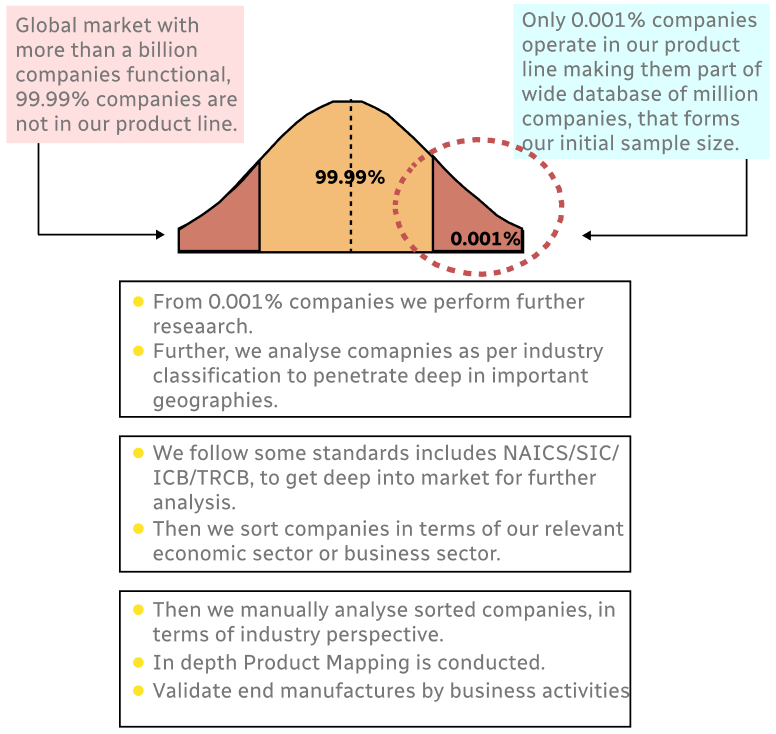
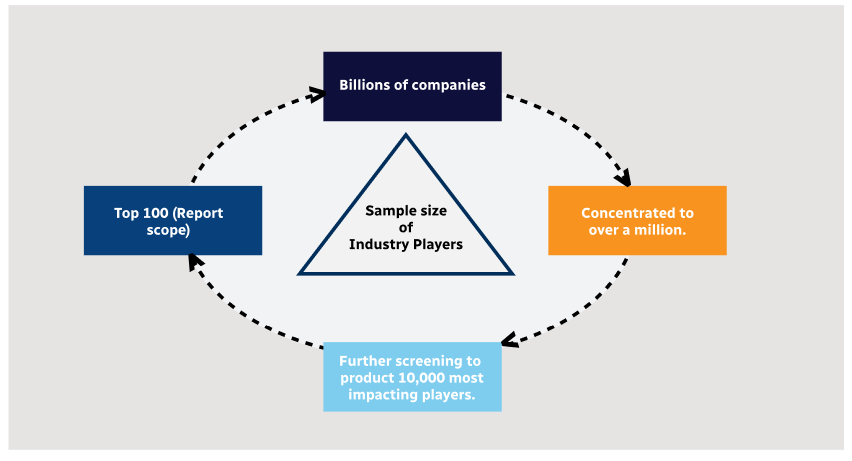
Step 1 - Identification of Relevant Samples Size from Population Database
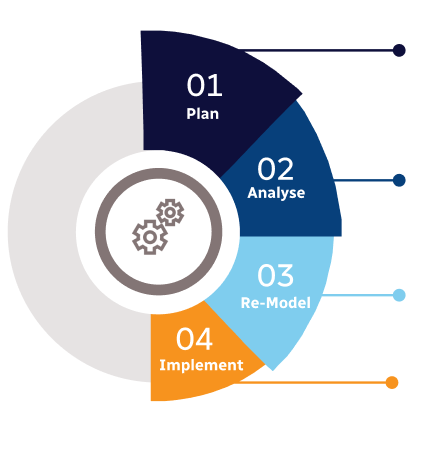
Step 2 - Approaches for Defining Global Market Size (Value, Volume* & Price*)
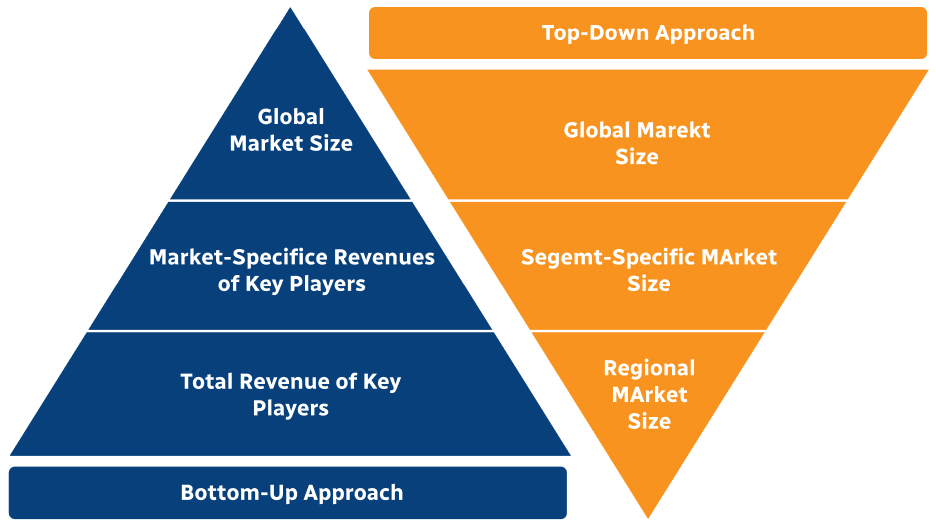
Note*: In applicable scenarios
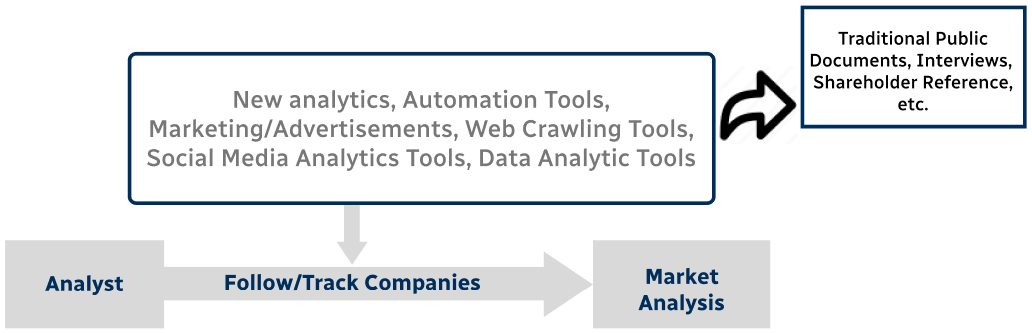
Step 3 - Data Sources
Primary Research
- Web Analytics
- Survey Reports
- Research Institute
- Latest Research Reports
- Opinion Leaders
Secondary Research
- Annual Reports
- White Paper
- Latest Press Release
- Industry Association
- Paid Database
- Investor Presentations
Step 4 - Data Triangulation
Involves using different sources of information in order to increase the validity of a study
These sources are likely to be stakeholders in a program - participants, other researchers, program staff, other community members, and so on.
Then we put all data in single framework & apply various statistical tools to find out the dynamic on the market.
During the analysis stage, feedback from the stakeholder groups would be compared to determine areas of agreement as well as areas of divergence