


Key Insights
The global sweaters market is projected for significant expansion, anticipating a market size of $111.2 billion by 2024, with a Compound Annual Growth Rate (CAGR) of 12% forecast for the period of 2024-2033. This growth is propelled by evolving consumer demand for comfortable, versatile, and fashionable apparel, including casual wear, athleisure, and sustainable clothing. Increased disposable incomes in emerging markets and the influence of social media on fashion trends further contribute to market momentum. Key industry players are prioritizing innovation, developing sweaters from sustainable materials like organic cotton and recycled synthetics, and integrating advanced features such as temperature regulation and moisture-wicking properties. The rise of e-commerce is also enhancing accessibility and product variety, stimulating sales.
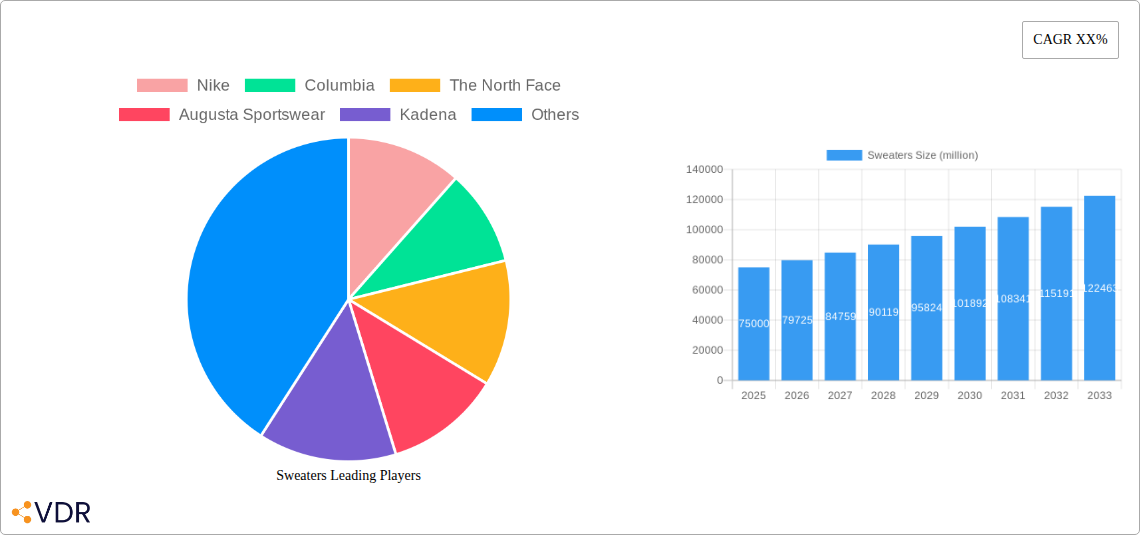
Sweaters Market Size (In Billion)

While the sweaters market demonstrates strong growth potential, it encounters challenges such as fluctuating raw material costs, impacting profitability and potentially influencing consumer spending. Intense market competition from established and emerging brands exerts pressure on pricing and market share. Nonetheless, these hurdles are being mitigated through strategic sourcing, optimized supply chains, and the creation of unique product offerings. Market segmentation indicates balanced demand across men's, women's, and children's categories. Cotton remains a preferred material, though synthetic fibers are gaining popularity for their durability and performance. Geographically, the Asia Pacific region is anticipated to dominate market share, fueled by its large population, urbanization, and growing fashion awareness. North America and Europe represent established, substantial markets.

Sweaters Company Market Share
Sweaters Market Dynamics & Structure
The global sweaters market exhibits a moderately concentrated structure, with key players like Nike, Adidas, and Columbia holding significant market share in the athletic and outdoor wear segments. Technological innovation is primarily driven by advancements in fabric technology, leading to the development of moisture-wicking, temperature-regulating, and sustainable sweater materials. Regulatory frameworks, particularly those concerning sustainable sourcing and ethical manufacturing, are increasingly influencing production processes. Competitive substitutes include other outerwear categories such as hoodies, jackets, and fleeces, though sweaters maintain a distinct appeal for their comfort and style. End-user demographics show a growing demand from millennials and Gen Z, who prioritize athleisure and sustainable fashion. Mergers and acquisitions (M&A) trends are notable, with larger brands acquiring smaller, niche players to expand their product portfolios and market reach. For instance, Augusta Sportswear's acquisition of Kadena in 2022 aimed to bolster its custom apparel offerings. The market share of the top 5 players is estimated at 45% in 2025.
- Market Concentration: Moderate, with top players dominating specific segments.
- Technological Drivers: Advancements in performance fabrics and sustainable materials.
- Regulatory Influence: Increasing focus on environmental and ethical manufacturing standards.
- Competitive Substitutes: Hoodies, fleeces, lightweight jackets.
- End-User Demographics: Growing influence of younger consumers seeking comfort and sustainability.
- M&A Activity: Strategic acquisitions to enhance product range and market penetration.
Sweaters Growth Trends & Insights
The global sweaters market is poised for robust growth, projected to expand at a Compound Annual Growth Rate (CAGR) of 5.8% from 2025 to 2033. This growth is underpinned by a confluence of evolving consumer behaviors, technological advancements, and market penetration strategies. The athleisure trend continues its dominance, blurring the lines between activewear and casual wear, thereby elevating the everyday appeal of sweaters across all demographics. Consumers are increasingly seeking comfort, versatility, and style in their wardrobe, making sweaters a staple for both indoor and outdoor activities.
Technological disruptions are playing a pivotal role in reshaping the product landscape. Innovations in smart textiles, such as temperature-regulating fibers and embedded connectivity features, are beginning to emerge, albeit in nascent stages for the mass market. Furthermore, the growing consumer consciousness towards sustainability is driving demand for sweaters made from recycled materials, organic cotton, and eco-friendly synthetic fibers. Brands that can effectively communicate and deliver on their sustainability commitments are capturing a significant share of this environmentally aware consumer base.
Adoption rates are projected to remain high, particularly within the Men's and Women's application segments, which collectively accounted for an estimated 75% of the market in 2025. The Kids' segment is also experiencing steady growth, fueled by the athleisure trend filtering down to younger demographics and parents seeking comfortable, durable apparel for their children. The market penetration is currently at 70% of the total addressable market, with significant room for expansion in emerging economies.
Consumer behavior shifts are also a critical growth driver. The rise of e-commerce and direct-to-consumer (DTC) models has provided brands with more direct access to consumers, enabling personalized marketing and product offerings. Social media influencers and digital marketing campaigns are effectively shaping consumer preferences, promoting specific styles, brands, and functionalities. The demand for customization and personalized products is also on the rise, with consumers seeking sweaters that reflect their individual style and preferences.
The integration of innovative materials, such as performance-enhancing synthetic fibers like polyester and nylon blends, which offer superior durability, moisture-wicking properties, and ease of care, is significantly contributing to market expansion. While cotton-based sweaters remain a popular choice due to their natural comfort and breathability, the demand for advanced synthetic alternatives is steadily increasing, especially for activewear applications. The market size for sweaters was estimated at $XX billion in 2025, with projections reaching $YY billion by 2033. The CAGR of 5.8% is driven by these multifaceted trends, indicating a healthy and dynamic market.
Dominant Regions, Countries, or Segments in Sweaters
The global sweaters market is witnessing significant growth across various regions, driven by a combination of economic factors, lifestyle trends, and evolving consumer preferences. Among the application segments, Men's sweaters are projected to remain the dominant force, accounting for an estimated 40% of the market share in 2025. This dominance is attributed to the pervasive athleisure trend, the increasing adoption of smart casual dressing in professional environments, and the broad appeal of versatile knitwear in men's fashion. The rising disposable incomes in developing economies and a greater emphasis on personal grooming and style among men further bolster this segment's growth.
In terms of types, Synthetic Fibers are emerging as a key growth driver, projected to capture approximately 35% of the market by 2025. This segment's growth is propelled by the superior performance characteristics of synthetic materials, including enhanced durability, moisture-wicking capabilities, quick-drying properties, and resistance to pilling and shrinking. Brands are increasingly incorporating advanced synthetic blends to cater to the demand for performance-oriented activewear and casual wear. The environmental considerations are also being addressed through the development of recycled synthetic fibers, appealing to eco-conscious consumers.
Regionally, North America is expected to lead the sweaters market, holding an estimated 30% market share in 2025. This leadership is underpinned by a strong consumer culture embracing athleisure, a high disposable income, and a well-established retail infrastructure that supports both online and offline sales channels. The presence of major sportswear and fashion brands, coupled with a keen consumer interest in innovative and sustainable fashion, further solidifies North America's dominant position. The United States, in particular, is a key market within this region, characterized by a high adoption rate of premium and performance-oriented sweaters.
Asia Pacific is poised to be the fastest-growing region, driven by rising disposable incomes, a rapidly expanding middle class, and increasing urbanization. Countries like China and India are witnessing a surge in demand for casual and activewear, including sweaters, as consumers become more fashion-conscious and adopt Western lifestyle trends. The burgeoning e-commerce sector in this region also plays a crucial role in expanding market reach and accessibility.
Key drivers of dominance in these segments and regions include:
- Economic Policies: Favorable trade policies and economic growth in emerging markets are boosting consumer spending on apparel.
- Infrastructure Development: Robust retail networks, efficient logistics, and widespread internet penetration facilitate market access.
- Consumer Lifestyles: The global adoption of athleisure and the increasing demand for comfortable, versatile clothing are major lifestyle drivers.
- Brand Innovation: Companies are investing heavily in product development, introducing new materials, designs, and functional features to appeal to diverse consumer needs.
- Marketing & E-commerce: Effective digital marketing strategies and the expansion of online retail platforms are crucial for market penetration and consumer engagement.
The Women's segment, projected at 30% market share in 2025, and the Kids' segment, at 15% market share, are also experiencing substantial growth, driven by fashion trends and the universal need for comfortable apparel. Cotton sweaters, while a significant category with an estimated 40% market share in 2025, are facing increasing competition from synthetic and blended fibers, particularly in performance-oriented applications. The "Others" category, encompassing blended fabrics and specialized materials, is expected to grow at a healthy pace.
Sweaters Product Landscape
The global sweaters market is characterized by a dynamic product landscape focused on enhancing comfort, functionality, and style. Innovations in fabric technology are at the forefront, with an increasing emphasis on sustainable materials such as recycled polyester, organic cotton, and Tencel™ Lyocell. Performance-driven sweaters are incorporating advanced synthetic fibers that offer moisture-wicking, thermal regulation, and breathability, catering to active lifestyles. The aesthetic appeal is evolving, with a resurgence of classic cable-knit designs alongside modern, minimalist aesthetics and vibrant color palettes. Unique selling propositions often lie in the combination of material innovation, ergonomic design, and ethical sourcing practices.
Key Drivers, Barriers & Challenges in Sweaters
Key Drivers:
- Athleisure Trend: The continued popularity of comfortable, versatile clothing for both active and casual wear significantly boosts sweater demand.
- Sustainable Fashion Movement: Growing consumer preference for eco-friendly and ethically produced garments drives innovation in materials and manufacturing.
- Technological Advancements: Development of advanced synthetic fibers with enhanced performance (e.g., moisture-wicking, temperature regulation) expands product utility.
- Growing Disposable Incomes: Increased purchasing power, especially in emerging economies, fuels demand for apparel.
- Online Retail Expansion: E-commerce platforms provide wider accessibility and convenience for consumers.
Barriers & Challenges:
- Supply Chain Disruptions: Geopolitical instability, raw material price volatility, and logistical issues can impact production and costs.
- Intense Competition: A highly saturated market with numerous global and local brands leads to price pressures and challenges in differentiation.
- Raw Material Costs: Fluctuations in the prices of cotton, wool, and synthetic fibers can affect profit margins.
- Counterfeiting: The prevalence of counterfeit products can dilute brand value and impact sales.
- Shifting Fashion Trends: Rapidly changing fashion cycles require continuous product innovation and inventory management.
Emerging Opportunities in Sweaters
Emerging opportunities in the sweaters industry lie in the growing demand for smart textiles that integrate technology for enhanced functionality, such as embedded heating elements or biometric sensors. The increasing consumer focus on circular fashion presents a significant opportunity for brands that can implement effective recycling and upcycling programs for their sweater products. Furthermore, the expansion of the plus-size and adaptive apparel segments offers untapped market potential for inclusive designs. Personalized and customizable sweater options, leveraging digital platforms, also represent a growing trend.
Growth Accelerators in the Sweaters Industry
Long-term growth in the sweaters industry is being accelerated by significant technological breakthroughs in material science, leading to the creation of more sustainable, durable, and high-performance fabrics. Strategic partnerships between fashion brands and technology companies are fostering the development of innovative product features. Market expansion into untapped geographical regions, particularly in developing economies with a growing middle class, is a key growth accelerator. The increasing adoption of direct-to-consumer (DTC) models allows brands to build stronger customer relationships and gather valuable market insights for product development.
Key Players Shaping the Sweaters Market
- Nike
- Columbia
- The North Face
- Augusta Sportswear
- Kadena
- Bay Island
- Medi
- Mizuno
- Puma
- Adidas
- Fila
- Kappa
- Lotto
- LINING
- ANTA
- Xtep
- 361sport
- Erke
- PEAK
Notable Milestones in Sweaters Sector
- 2023: Launch of advanced recycled polyester sweaters by several leading athletic brands, emphasizing sustainability.
- 2023: Increased adoption of AI-powered design tools to predict fashion trends and optimize sweater designs.
- 2022: Augusta Sportswear's acquisition of Kadena to expand its custom apparel offerings, including knitted garments.
- 2021: Introduction of temperature-regulating synthetic fibers in performance sweaters by major sportswear manufacturers.
- 2020: Rise of athleisure wear as a dominant fashion trend, significantly boosting sweater sales for casual use.
In-Depth Sweaters Market Outlook
The future outlook for the sweaters market is exceptionally promising, driven by sustained growth accelerators. The continued evolution of sustainable materials, coupled with advancements in smart textile technology, will redefine product offerings and consumer expectations. Strategic market expansion, particularly in burgeoning economies, will unlock new revenue streams. The increasing emphasis on personalized and inclusive apparel, supported by robust e-commerce infrastructure, presents significant opportunities for brands to innovate and capture market share. The industry is set for dynamic growth, fueled by innovation and evolving consumer demands.
Sweaters Segmentation
-
1. Application
- 1.1. Men
- 1.2. Women
- 1.3. Kids
-
2. Types
- 2.1. Cotton
- 2.2. Synthetic Fibers
- 2.3. Others
Sweaters Segmentation By Geography
-
1. North America
- 1.1. United States
- 1.2. Canada
- 1.3. Mexico
-
2. South America
- 2.1. Brazil
- 2.2. Argentina
- 2.3. Rest of South America
-
3. Europe
- 3.1. United Kingdom
- 3.2. Germany
- 3.3. France
- 3.4. Italy
- 3.5. Spain
- 3.6. Russia
- 3.7. Benelux
- 3.8. Nordics
- 3.9. Rest of Europe
-
4. Middle East & Africa
- 4.1. Turkey
- 4.2. Israel
- 4.3. GCC
- 4.4. North Africa
- 4.5. South Africa
- 4.6. Rest of Middle East & Africa
-
5. Asia Pacific
- 5.1. China
- 5.2. India
- 5.3. Japan
- 5.4. South Korea
- 5.5. ASEAN
- 5.6. Oceania
- 5.7. Rest of Asia Pacific
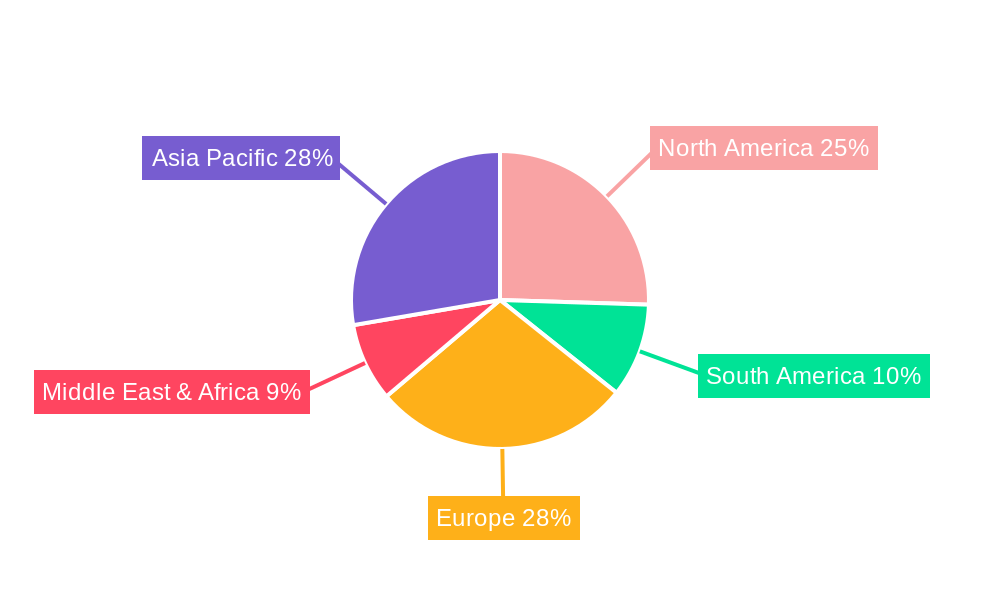
Sweaters Regional Market Share
Geographic Coverage of Sweaters
Sweaters REPORT HIGHLIGHTS
| Aspects | Details |
|---|---|
| Study Period | 2020-2034 |
| Base Year | 2025 |
| Estimated Year | 2026 |
| Forecast Period | 2026-2034 |
| Historical Period | 2020-2025 |
| Growth Rate | CAGR of 12% from 2020-2034 |
| Segmentation |
|
Table of Contents
- 1. Introduction
- 1.1. Research Scope
- 1.2. Market Segmentation
- 1.3. Research Methodology
- 1.4. Definitions and Assumptions
- 2. Executive Summary
- 2.1. Introduction
- 3. Market Dynamics
- 3.1. Introduction
- 3.2. Market Drivers
- 3.3. Market Restrains
- 3.4. Market Trends
- 4. Market Factor Analysis
- 4.1. Porters Five Forces
- 4.2. Supply/Value Chain
- 4.3. PESTEL analysis
- 4.4. Market Entropy
- 4.5. Patent/Trademark Analysis
- 5. Global Sweaters Analysis, Insights and Forecast, 2020-2032
- 5.1. Market Analysis, Insights and Forecast - by Application
- 5.1.1. Men
- 5.1.2. Women
- 5.1.3. Kids
- 5.2. Market Analysis, Insights and Forecast - by Types
- 5.2.1. Cotton
- 5.2.2. Synthetic Fibers
- 5.2.3. Others
- 5.3. Market Analysis, Insights and Forecast - by Region
- 5.3.1. North America
- 5.3.2. South America
- 5.3.3. Europe
- 5.3.4. Middle East & Africa
- 5.3.5. Asia Pacific
- 5.1. Market Analysis, Insights and Forecast - by Application
- 6. North America Sweaters Analysis, Insights and Forecast, 2020-2032
- 6.1. Market Analysis, Insights and Forecast - by Application
- 6.1.1. Men
- 6.1.2. Women
- 6.1.3. Kids
- 6.2. Market Analysis, Insights and Forecast - by Types
- 6.2.1. Cotton
- 6.2.2. Synthetic Fibers
- 6.2.3. Others
- 6.1. Market Analysis, Insights and Forecast - by Application
- 7. South America Sweaters Analysis, Insights and Forecast, 2020-2032
- 7.1. Market Analysis, Insights and Forecast - by Application
- 7.1.1. Men
- 7.1.2. Women
- 7.1.3. Kids
- 7.2. Market Analysis, Insights and Forecast - by Types
- 7.2.1. Cotton
- 7.2.2. Synthetic Fibers
- 7.2.3. Others
- 7.1. Market Analysis, Insights and Forecast - by Application
- 8. Europe Sweaters Analysis, Insights and Forecast, 2020-2032
- 8.1. Market Analysis, Insights and Forecast - by Application
- 8.1.1. Men
- 8.1.2. Women
- 8.1.3. Kids
- 8.2. Market Analysis, Insights and Forecast - by Types
- 8.2.1. Cotton
- 8.2.2. Synthetic Fibers
- 8.2.3. Others
- 8.1. Market Analysis, Insights and Forecast - by Application
- 9. Middle East & Africa Sweaters Analysis, Insights and Forecast, 2020-2032
- 9.1. Market Analysis, Insights and Forecast - by Application
- 9.1.1. Men
- 9.1.2. Women
- 9.1.3. Kids
- 9.2. Market Analysis, Insights and Forecast - by Types
- 9.2.1. Cotton
- 9.2.2. Synthetic Fibers
- 9.2.3. Others
- 9.1. Market Analysis, Insights and Forecast - by Application
- 10. Asia Pacific Sweaters Analysis, Insights and Forecast, 2020-2032
- 10.1. Market Analysis, Insights and Forecast - by Application
- 10.1.1. Men
- 10.1.2. Women
- 10.1.3. Kids
- 10.2. Market Analysis, Insights and Forecast - by Types
- 10.2.1. Cotton
- 10.2.2. Synthetic Fibers
- 10.2.3. Others
- 10.1. Market Analysis, Insights and Forecast - by Application
- 11. Competitive Analysis
- 11.1. Global Market Share Analysis 2025
- 11.2. Company Profiles
- 11.2.1 Nike
- 11.2.1.1. Overview
- 11.2.1.2. Products
- 11.2.1.3. SWOT Analysis
- 11.2.1.4. Recent Developments
- 11.2.1.5. Financials (Based on Availability)
- 11.2.2 Columbia
- 11.2.2.1. Overview
- 11.2.2.2. Products
- 11.2.2.3. SWOT Analysis
- 11.2.2.4. Recent Developments
- 11.2.2.5. Financials (Based on Availability)
- 11.2.3 The North Face
- 11.2.3.1. Overview
- 11.2.3.2. Products
- 11.2.3.3. SWOT Analysis
- 11.2.3.4. Recent Developments
- 11.2.3.5. Financials (Based on Availability)
- 11.2.4 Augusta Sportswear
- 11.2.4.1. Overview
- 11.2.4.2. Products
- 11.2.4.3. SWOT Analysis
- 11.2.4.4. Recent Developments
- 11.2.4.5. Financials (Based on Availability)
- 11.2.5 Kadena
- 11.2.5.1. Overview
- 11.2.5.2. Products
- 11.2.5.3. SWOT Analysis
- 11.2.5.4. Recent Developments
- 11.2.5.5. Financials (Based on Availability)
- 11.2.6 Bay Island
- 11.2.6.1. Overview
- 11.2.6.2. Products
- 11.2.6.3. SWOT Analysis
- 11.2.6.4. Recent Developments
- 11.2.6.5. Financials (Based on Availability)
- 11.2.7 Medi
- 11.2.7.1. Overview
- 11.2.7.2. Products
- 11.2.7.3. SWOT Analysis
- 11.2.7.4. Recent Developments
- 11.2.7.5. Financials (Based on Availability)
- 11.2.8 Mizuno
- 11.2.8.1. Overview
- 11.2.8.2. Products
- 11.2.8.3. SWOT Analysis
- 11.2.8.4. Recent Developments
- 11.2.8.5. Financials (Based on Availability)
- 11.2.9 Puma
- 11.2.9.1. Overview
- 11.2.9.2. Products
- 11.2.9.3. SWOT Analysis
- 11.2.9.4. Recent Developments
- 11.2.9.5. Financials (Based on Availability)
- 11.2.10 Adidas
- 11.2.10.1. Overview
- 11.2.10.2. Products
- 11.2.10.3. SWOT Analysis
- 11.2.10.4. Recent Developments
- 11.2.10.5. Financials (Based on Availability)
- 11.2.11 Fila
- 11.2.11.1. Overview
- 11.2.11.2. Products
- 11.2.11.3. SWOT Analysis
- 11.2.11.4. Recent Developments
- 11.2.11.5. Financials (Based on Availability)
- 11.2.12 Kappa
- 11.2.12.1. Overview
- 11.2.12.2. Products
- 11.2.12.3. SWOT Analysis
- 11.2.12.4. Recent Developments
- 11.2.12.5. Financials (Based on Availability)
- 11.2.13 Lotto
- 11.2.13.1. Overview
- 11.2.13.2. Products
- 11.2.13.3. SWOT Analysis
- 11.2.13.4. Recent Developments
- 11.2.13.5. Financials (Based on Availability)
- 11.2.14 LINING
- 11.2.14.1. Overview
- 11.2.14.2. Products
- 11.2.14.3. SWOT Analysis
- 11.2.14.4. Recent Developments
- 11.2.14.5. Financials (Based on Availability)
- 11.2.15 ANTA
- 11.2.15.1. Overview
- 11.2.15.2. Products
- 11.2.15.3. SWOT Analysis
- 11.2.15.4. Recent Developments
- 11.2.15.5. Financials (Based on Availability)
- 11.2.16 Xtep
- 11.2.16.1. Overview
- 11.2.16.2. Products
- 11.2.16.3. SWOT Analysis
- 11.2.16.4. Recent Developments
- 11.2.16.5. Financials (Based on Availability)
- 11.2.17 361sport
- 11.2.17.1. Overview
- 11.2.17.2. Products
- 11.2.17.3. SWOT Analysis
- 11.2.17.4. Recent Developments
- 11.2.17.5. Financials (Based on Availability)
- 11.2.18 Erke
- 11.2.18.1. Overview
- 11.2.18.2. Products
- 11.2.18.3. SWOT Analysis
- 11.2.18.4. Recent Developments
- 11.2.18.5. Financials (Based on Availability)
- 11.2.19 PEAK
- 11.2.19.1. Overview
- 11.2.19.2. Products
- 11.2.19.3. SWOT Analysis
- 11.2.19.4. Recent Developments
- 11.2.19.5. Financials (Based on Availability)
- 11.2.1 Nike
List of Figures
- Figure 1: Global Sweaters Revenue Breakdown (billion, %) by Region 2025 & 2033
- Figure 2: North America Sweaters Revenue (billion), by Application 2025 & 2033
- Figure 3: North America Sweaters Revenue Share (%), by Application 2025 & 2033
- Figure 4: North America Sweaters Revenue (billion), by Types 2025 & 2033
- Figure 5: North America Sweaters Revenue Share (%), by Types 2025 & 2033
- Figure 6: North America Sweaters Revenue (billion), by Country 2025 & 2033
- Figure 7: North America Sweaters Revenue Share (%), by Country 2025 & 2033
- Figure 8: South America Sweaters Revenue (billion), by Application 2025 & 2033
- Figure 9: South America Sweaters Revenue Share (%), by Application 2025 & 2033
- Figure 10: South America Sweaters Revenue (billion), by Types 2025 & 2033
- Figure 11: South America Sweaters Revenue Share (%), by Types 2025 & 2033
- Figure 12: South America Sweaters Revenue (billion), by Country 2025 & 2033
- Figure 13: South America Sweaters Revenue Share (%), by Country 2025 & 2033
- Figure 14: Europe Sweaters Revenue (billion), by Application 2025 & 2033
- Figure 15: Europe Sweaters Revenue Share (%), by Application 2025 & 2033
- Figure 16: Europe Sweaters Revenue (billion), by Types 2025 & 2033
- Figure 17: Europe Sweaters Revenue Share (%), by Types 2025 & 2033
- Figure 18: Europe Sweaters Revenue (billion), by Country 2025 & 2033
- Figure 19: Europe Sweaters Revenue Share (%), by Country 2025 & 2033
- Figure 20: Middle East & Africa Sweaters Revenue (billion), by Application 2025 & 2033
- Figure 21: Middle East & Africa Sweaters Revenue Share (%), by Application 2025 & 2033
- Figure 22: Middle East & Africa Sweaters Revenue (billion), by Types 2025 & 2033
- Figure 23: Middle East & Africa Sweaters Revenue Share (%), by Types 2025 & 2033
- Figure 24: Middle East & Africa Sweaters Revenue (billion), by Country 2025 & 2033
- Figure 25: Middle East & Africa Sweaters Revenue Share (%), by Country 2025 & 2033
- Figure 26: Asia Pacific Sweaters Revenue (billion), by Application 2025 & 2033
- Figure 27: Asia Pacific Sweaters Revenue Share (%), by Application 2025 & 2033
- Figure 28: Asia Pacific Sweaters Revenue (billion), by Types 2025 & 2033
- Figure 29: Asia Pacific Sweaters Revenue Share (%), by Types 2025 & 2033
- Figure 30: Asia Pacific Sweaters Revenue (billion), by Country 2025 & 2033
- Figure 31: Asia Pacific Sweaters Revenue Share (%), by Country 2025 & 2033
List of Tables
- Table 1: Global Sweaters Revenue billion Forecast, by Application 2020 & 2033
- Table 2: Global Sweaters Revenue billion Forecast, by Types 2020 & 2033
- Table 3: Global Sweaters Revenue billion Forecast, by Region 2020 & 2033
- Table 4: Global Sweaters Revenue billion Forecast, by Application 2020 & 2033
- Table 5: Global Sweaters Revenue billion Forecast, by Types 2020 & 2033
- Table 6: Global Sweaters Revenue billion Forecast, by Country 2020 & 2033
- Table 7: United States Sweaters Revenue (billion) Forecast, by Application 2020 & 2033
- Table 8: Canada Sweaters Revenue (billion) Forecast, by Application 2020 & 2033
- Table 9: Mexico Sweaters Revenue (billion) Forecast, by Application 2020 & 2033
- Table 10: Global Sweaters Revenue billion Forecast, by Application 2020 & 2033
- Table 11: Global Sweaters Revenue billion Forecast, by Types 2020 & 2033
- Table 12: Global Sweaters Revenue billion Forecast, by Country 2020 & 2033
- Table 13: Brazil Sweaters Revenue (billion) Forecast, by Application 2020 & 2033
- Table 14: Argentina Sweaters Revenue (billion) Forecast, by Application 2020 & 2033
- Table 15: Rest of South America Sweaters Revenue (billion) Forecast, by Application 2020 & 2033
- Table 16: Global Sweaters Revenue billion Forecast, by Application 2020 & 2033
- Table 17: Global Sweaters Revenue billion Forecast, by Types 2020 & 2033
- Table 18: Global Sweaters Revenue billion Forecast, by Country 2020 & 2033
- Table 19: United Kingdom Sweaters Revenue (billion) Forecast, by Application 2020 & 2033
- Table 20: Germany Sweaters Revenue (billion) Forecast, by Application 2020 & 2033
- Table 21: France Sweaters Revenue (billion) Forecast, by Application 2020 & 2033
- Table 22: Italy Sweaters Revenue (billion) Forecast, by Application 2020 & 2033
- Table 23: Spain Sweaters Revenue (billion) Forecast, by Application 2020 & 2033
- Table 24: Russia Sweaters Revenue (billion) Forecast, by Application 2020 & 2033
- Table 25: Benelux Sweaters Revenue (billion) Forecast, by Application 2020 & 2033
- Table 26: Nordics Sweaters Revenue (billion) Forecast, by Application 2020 & 2033
- Table 27: Rest of Europe Sweaters Revenue (billion) Forecast, by Application 2020 & 2033
- Table 28: Global Sweaters Revenue billion Forecast, by Application 2020 & 2033
- Table 29: Global Sweaters Revenue billion Forecast, by Types 2020 & 2033
- Table 30: Global Sweaters Revenue billion Forecast, by Country 2020 & 2033
- Table 31: Turkey Sweaters Revenue (billion) Forecast, by Application 2020 & 2033
- Table 32: Israel Sweaters Revenue (billion) Forecast, by Application 2020 & 2033
- Table 33: GCC Sweaters Revenue (billion) Forecast, by Application 2020 & 2033
- Table 34: North Africa Sweaters Revenue (billion) Forecast, by Application 2020 & 2033
- Table 35: South Africa Sweaters Revenue (billion) Forecast, by Application 2020 & 2033
- Table 36: Rest of Middle East & Africa Sweaters Revenue (billion) Forecast, by Application 2020 & 2033
- Table 37: Global Sweaters Revenue billion Forecast, by Application 2020 & 2033
- Table 38: Global Sweaters Revenue billion Forecast, by Types 2020 & 2033
- Table 39: Global Sweaters Revenue billion Forecast, by Country 2020 & 2033
- Table 40: China Sweaters Revenue (billion) Forecast, by Application 2020 & 2033
- Table 41: India Sweaters Revenue (billion) Forecast, by Application 2020 & 2033
- Table 42: Japan Sweaters Revenue (billion) Forecast, by Application 2020 & 2033
- Table 43: South Korea Sweaters Revenue (billion) Forecast, by Application 2020 & 2033
- Table 44: ASEAN Sweaters Revenue (billion) Forecast, by Application 2020 & 2033
- Table 45: Oceania Sweaters Revenue (billion) Forecast, by Application 2020 & 2033
- Table 46: Rest of Asia Pacific Sweaters Revenue (billion) Forecast, by Application 2020 & 2033
Frequently Asked Questions
1. What is the projected Compound Annual Growth Rate (CAGR) of the Sweaters?
The projected CAGR is approximately 12%.
2. Which companies are prominent players in the Sweaters?
Key companies in the market include Nike, Columbia, The North Face, Augusta Sportswear, Kadena, Bay Island, Medi, Mizuno, Puma, Adidas, Fila, Kappa, Lotto, LINING, ANTA, Xtep, 361sport, Erke, PEAK.
3. What are the main segments of the Sweaters?
The market segments include Application, Types.
4. Can you provide details about the market size?
The market size is estimated to be USD 111.2 billion as of 2022.
5. What are some drivers contributing to market growth?
N/A
6. What are the notable trends driving market growth?
N/A
7. Are there any restraints impacting market growth?
N/A
8. Can you provide examples of recent developments in the market?
N/A
9. What pricing options are available for accessing the report?
Pricing options include single-user, multi-user, and enterprise licenses priced at USD 2900.00, USD 4350.00, and USD 5800.00 respectively.
10. Is the market size provided in terms of value or volume?
The market size is provided in terms of value, measured in billion.
11. Are there any specific market keywords associated with the report?
Yes, the market keyword associated with the report is "Sweaters," which aids in identifying and referencing the specific market segment covered.
12. How do I determine which pricing option suits my needs best?
The pricing options vary based on user requirements and access needs. Individual users may opt for single-user licenses, while businesses requiring broader access may choose multi-user or enterprise licenses for cost-effective access to the report.
13. Are there any additional resources or data provided in the Sweaters report?
While the report offers comprehensive insights, it's advisable to review the specific contents or supplementary materials provided to ascertain if additional resources or data are available.
14. How can I stay updated on further developments or reports in the Sweaters?
To stay informed about further developments, trends, and reports in the Sweaters, consider subscribing to industry newsletters, following relevant companies and organizations, or regularly checking reputable industry news sources and publications.
Methodology
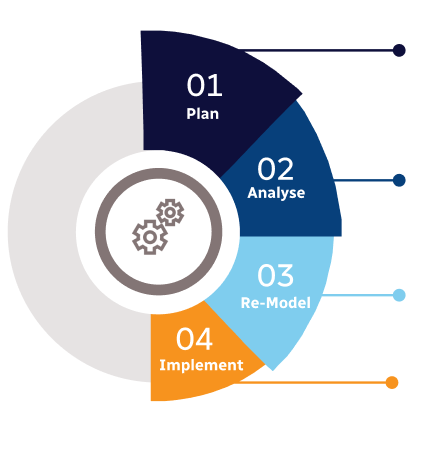
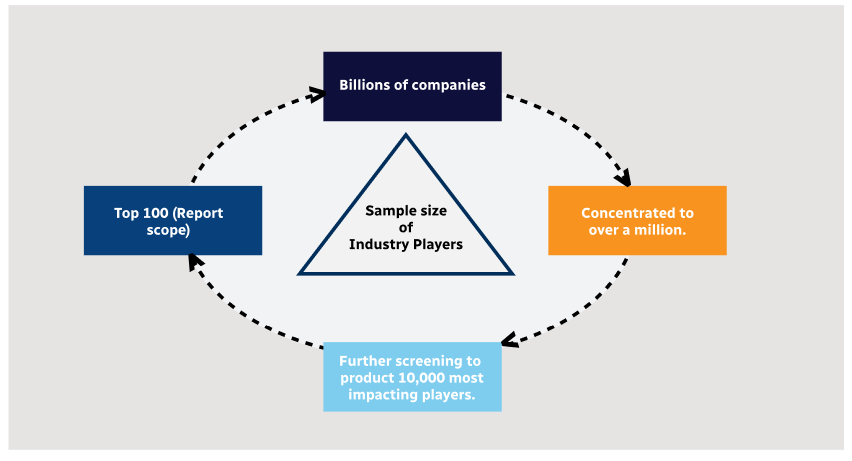
Step 1 - Identification of Relevant Samples Size from Population Database
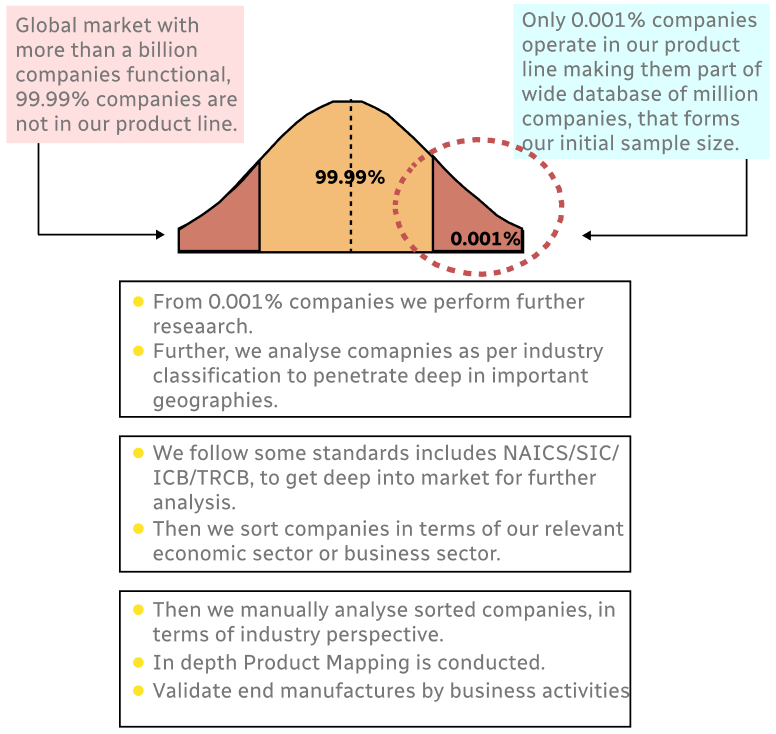
Step 2 - Approaches for Defining Global Market Size (Value, Volume* & Price*)
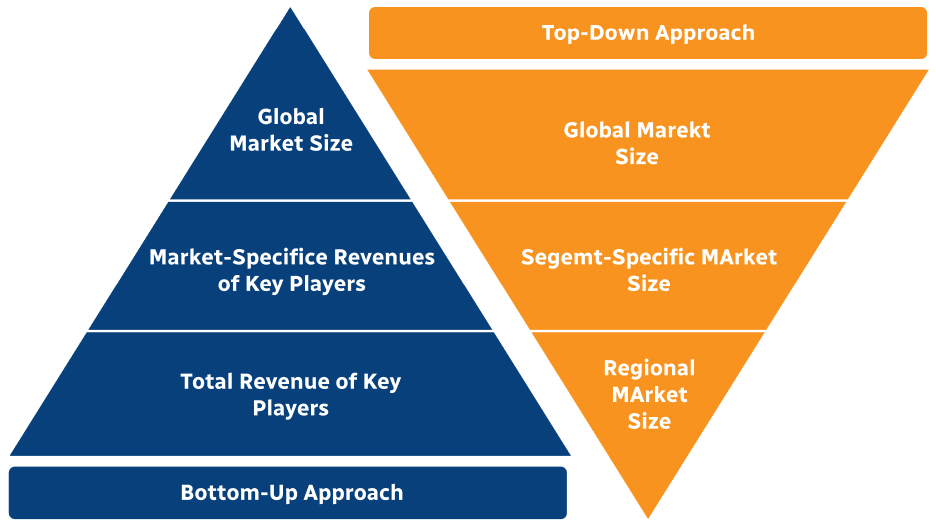
Note*: In applicable scenarios
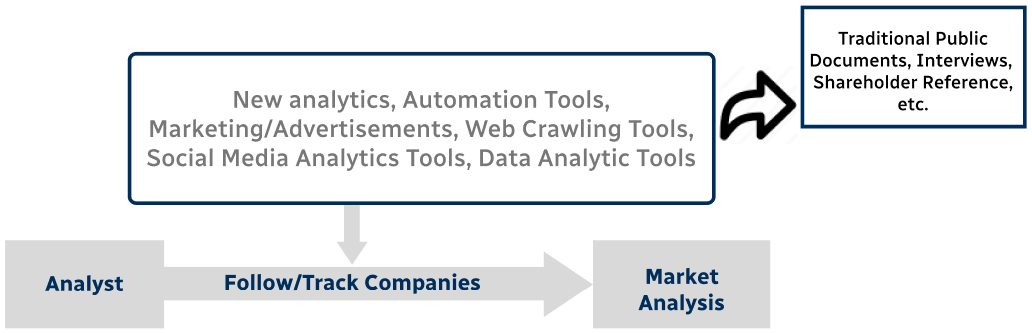
Step 3 - Data Sources
Primary Research
- Web Analytics
- Survey Reports
- Research Institute
- Latest Research Reports
- Opinion Leaders
Secondary Research
- Annual Reports
- White Paper
- Latest Press Release
- Industry Association
- Paid Database
- Investor Presentations
Step 4 - Data Triangulation
Involves using different sources of information in order to increase the validity of a study
These sources are likely to be stakeholders in a program - participants, other researchers, program staff, other community members, and so on.
Then we put all data in single framework & apply various statistical tools to find out the dynamic on the market.
During the analysis stage, feedback from the stakeholder groups would be compared to determine areas of agreement as well as areas of divergence