


Key Insights
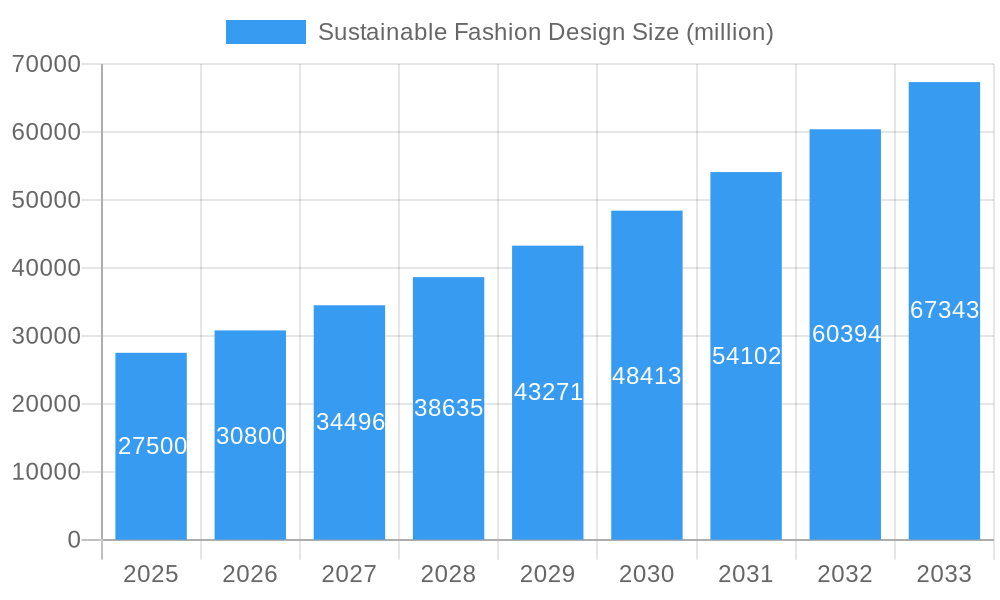
The global Sustainable Fashion Design market is poised for robust growth, projected to reach approximately $27,500 million by 2025, with an anticipated Compound Annual Growth Rate (CAGR) of around 12% through 2033. This expansion is largely fueled by increasing consumer awareness of environmental and social issues within the fashion industry, coupled with a growing demand for ethically produced and eco-friendly apparel. Key drivers include the rise of circular economy principles, the adoption of sustainable materials like organic cotton, recycled polyester, and innovative bio-fabrics, and advancements in manufacturing processes that minimize waste and carbon footprint. Furthermore, stringent government regulations and corporate sustainability initiatives are compelling brands to integrate eco-conscious practices into their design and production pipelines, creating a fertile ground for sustainable fashion innovation. The market is segmented into Personal Fashion and Commercial Fashion applications, with design sub-segments encompassing Fashion Design and Accessories Design, reflecting the broad integration of sustainability across the fashion value chain.
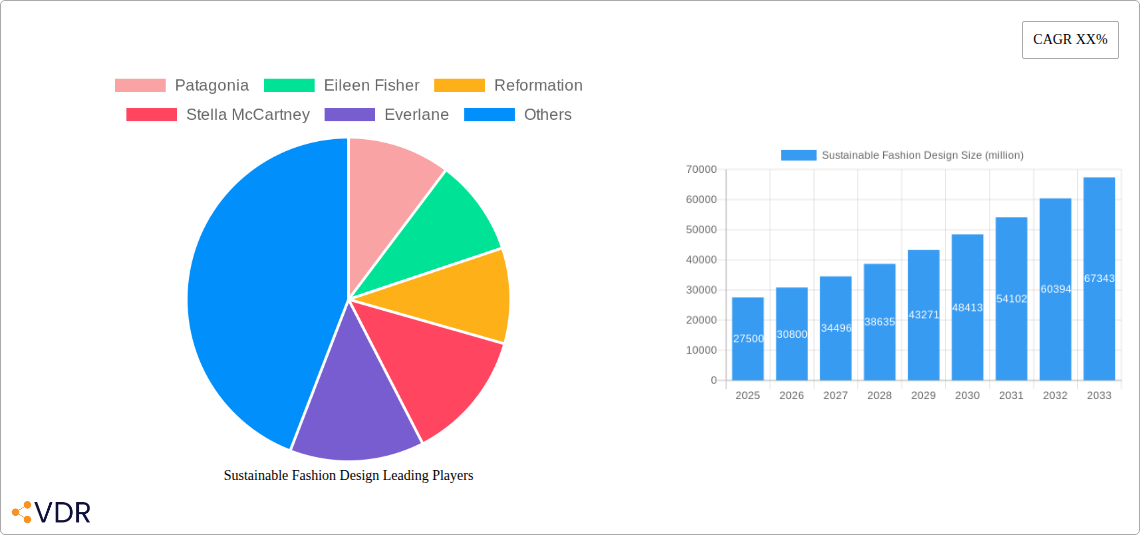
Sustainable Fashion Design Market Size (In Billion)

The market's trajectory is further shaped by prevailing trends such as transparency in supply chains, the burgeoning second-hand and rental fashion markets, and the proliferation of eco-certifications that build consumer trust. While the market benefits from these positive forces, it also faces certain restraints. These include the higher initial cost of sustainable materials and production, potential consumer skepticism regarding the authenticity of sustainability claims, and the challenges associated with scaling up eco-friendly manufacturing processes. Nevertheless, with leading companies like Patagonia, Eileen Fisher, and Stella McCartney championing sustainable practices, the industry is witnessing a paradigm shift. The market's regional dynamics indicate a strong presence and growth potential across North America, Europe, and Asia Pacific, driven by varying levels of consumer consciousness, regulatory frameworks, and market maturity. The forecast period is expected to witness accelerated adoption of sustainable design principles, solidifying its position as a critical and influential segment within the global fashion landscape.
Sustainable Fashion Design Company Market Share
Sustainable Fashion Design Market: A Comprehensive Report (2019-2033)
This report provides an in-depth analysis of the global Sustainable Fashion Design market, offering critical insights for industry stakeholders, designers, brands, and investors. We explore market dynamics, growth trends, regional dominance, product landscape, key drivers and barriers, emerging opportunities, and future outlook, with a comprehensive focus on the parent market of the overall fashion industry and its child markets for sustainable apparel and accessories. The study period spans from 2019 to 2033, with 2025 serving as the base and estimated year.
Sustainable Fashion Design Market Dynamics & Structure
The Sustainable Fashion Design market, a crucial segment within the broader apparel industry valued at an estimated $150 billion in 2025, is characterized by a moderate level of market concentration. Leading companies like Patagonia, Eileen Fisher, and Reformation are establishing strong brand identities through their commitment to ethical sourcing and eco-friendly materials, capturing significant market share. Technological innovation is a primary driver, with advancements in bio-based fabrics, circular design principles, and digital prototyping transforming the design and production processes. Regulatory frameworks, though still evolving, are increasingly pushing for greater transparency and accountability in the supply chain, impacting design choices and material selection. Competitive product substitutes are emerging, ranging from vintage and secondhand clothing to rental services, challenging traditional retail models. End-user demographics are shifting towards younger, environmentally conscious consumers who prioritize sustainability, influencing design aesthetics and brand messaging. Mergers and acquisitions (M&A) activity is moderate, with a focus on acquiring innovative startups and consolidating supply chains to enhance sustainability credentials. The total value of M&A deals in this sector is projected to reach $5 billion by 2025.
- Market Concentration: Moderate, with a few dominant players and a growing number of niche brands.
- Technological Innovation Drivers:
- Development of biodegradable and recycled materials.
- AI-powered design tools for optimized resource utilization.
- Blockchain for supply chain transparency.
- Regulatory Frameworks: Growing pressure for extended producer responsibility and fair labor practices.
- Competitive Product Substitutes:
- Secondhand and vintage clothing markets.
- Fashion rental platforms.
- Upcycling and DIY fashion initiatives.
- End-User Demographics: Predominantly Millennials and Gen Z, with increasing interest from Gen X and Boomers.
- M&A Trends: Strategic acquisitions of sustainable material suppliers and circular economy solution providers.
Sustainable Fashion Design Growth Trends & Insights
The global Sustainable Fashion Design market is poised for robust growth, driven by a confluence of evolving consumer consciousness, technological advancements, and supportive policy initiatives. The market size is projected to expand from an estimated $120 billion in 2024 to $280 billion by 2033, exhibiting a Compound Annual Growth Rate (CAGR) of approximately 8.5% during the forecast period (2025-2033). This significant expansion is fueled by an increasing adoption rate of sustainable practices across the entire fashion value chain. Consumers, now more informed than ever about the environmental and social impact of their purchasing decisions, are actively seeking out brands that align with their values. This shift in consumer behavior is compelling brands to integrate sustainable design principles into their core strategies, moving beyond niche offerings to mainstream product lines.
Technological disruptions are playing a pivotal role in accelerating this transition. Innovations in material science, such as the development of lab-grown leather and biodegradable textiles derived from agricultural waste, are providing designers with an expanded palette of eco-friendly options. Digitalization and AI are revolutionizing the design process, enabling virtual sampling, reducing material waste, and optimizing production for minimal environmental impact. Furthermore, the concept of the circular economy is gaining traction, with a growing emphasis on designing for longevity, repairability, and recyclability. This is leading to a decline in the traditional linear "take-make-dispose" model and a rise in business models centered on rental, resale, and take-back programs.
The market penetration of sustainable fashion is expected to witness a substantial increase. While specific penetration rates vary by region and product category, overall consumer willingness to pay a premium for sustainable products is on the rise. Studies indicate that over 60% of consumers are willing to pay more for sustainable fashion items, a figure that is projected to grow further. This demand is particularly strong among younger demographics who are actively engaging with brands through social media and digital platforms, driving trends and influencing purchasing behavior. The growing emphasis on transparency and ethical production further amplifies the appeal of sustainable fashion, as consumers seek to understand the origin of their garments and the conditions under which they were made.
- Market Size Evolution: Projected to grow from $120 billion (2024) to $280 billion (2033).
- CAGR (2025-2033): Approximately 8.5%.
- Adoption Rates: Increasing across all segments, driven by consumer demand and brand initiatives.
- Technological Disruptions:
- Advancements in bio-fabrication and recycled material technologies.
- AI and digitalization for efficient and waste-reducing design and production.
- Growth of circular economy business models (rental, resale).
- Consumer Behavior Shifts:
- Increased demand for transparency and ethical production.
- Willingness to pay a premium for sustainable products (over 60% of consumers).
- Influence of social media and digital platforms on purchasing decisions.
- Market Penetration: Expected to rise significantly across various product categories and regions.
Dominant Regions, Countries, or Segments in Sustainable Fashion Design
The Application segment of Commercial Fashion is currently the dominant driver of growth in the Sustainable Fashion Design market, with an estimated market share of 65% in 2025. This dominance stems from the substantial influence of major fashion brands and retailers in setting industry trends and adopting sustainable practices on a large scale. The financial capacity of commercial entities allows for significant investments in research and development of sustainable materials, innovative design processes, and ethical manufacturing. Furthermore, the wide reach of commercial fashion ensures that sustainable designs are accessible to a larger consumer base, thereby accelerating market adoption. Economic policies in developed regions, particularly in Europe and North America, have been instrumental in fostering this growth. Initiatives promoting circular economy principles, carbon footprint reduction, and fair labor standards are creating a conducive environment for sustainable commercial fashion.
Within the Types segment, Fashion Design commands a larger share than Accessories Design, accounting for approximately 70% of the sustainable market. This is primarily because the core of fashion design encompasses apparel, which forms the bulk of the fashion industry's output. Designing garments with sustainability in mind, from material sourcing to end-of-life considerations, has a more profound impact on the overall environmental footprint of the industry. Countries like Germany, France, the United Kingdom, and the United States are leading this charge due to strong consumer demand for eco-conscious products, robust governmental support for green initiatives, and the presence of fashion capitals that champion innovation. For instance, Germany's commitment to the circular economy and its stringent environmental regulations are pushing its domestic fashion industry towards greater sustainability. Similarly, the US market, driven by consumer awareness and the pioneering efforts of brands like Patagonia and Reformation, demonstrates significant growth in sustainable apparel.
The Commercial Fashion segment’s dominance is further bolstered by key drivers such as:
- Economic Policies: Government incentives for sustainable manufacturing and subsidies for eco-friendly materials.
- Infrastructure: Development of specialized recycling facilities and ethical sourcing networks.
- Brand Leadership: Proactive sustainability commitments from major fashion houses and retailers.
- Consumer Demand: Growing preference for ethically produced and environmentally friendly clothing.
The leading segment, Commercial Fashion, is projected to maintain its strong position throughout the forecast period. Its growth potential is further amplified by the increasing integration of sustainable practices into mass-market production. While Personal Fashion is a growing segment, its current impact is more localized and often driven by individual consumer choices rather than large-scale industry shifts. The Accessories Design segment is also experiencing growth, with a rising demand for sustainable jewelry, bags, and footwear, but it still represents a smaller portion of the overall sustainable fashion pie compared to apparel.
Sustainable Fashion Design Product Landscape
The Sustainable Fashion Design product landscape is rapidly evolving with a focus on innovative material utilization, ethical production, and circularity. Unique selling propositions are centered around traceable sourcing of organic cotton, recycled polyester, and biodegradable alternatives like Tencel and Piñatex. Designers are increasingly employing zero-waste pattern cutting techniques and modular design principles to minimize fabric waste during production, a key performance metric in this segment. Technological advancements include the integration of blockchain for supply chain transparency, allowing consumers to track the journey of their garments from raw material to finished product. Applications range from everyday apparel and activewear to high-fashion couture, all designed with reduced environmental impact. The emphasis is on creating durable, timeless pieces that can be repaired, repurposed, or recycled at the end of their lifecycle, thereby contributing to a more circular fashion economy.
Key Drivers, Barriers & Challenges in Sustainable Fashion Design
Key Drivers:
- Growing Consumer Awareness & Demand: Increasing global consciousness about environmental degradation and social injustice in the fashion industry is compelling consumers to seek sustainable alternatives. This demand fuels innovation and investment in eco-friendly materials and ethical production methods.
- Technological Advancements: Breakthroughs in material science, such as the development of biodegradable fabrics, recycled fibers, and lab-grown alternatives, are making sustainable fashion more accessible and appealing. Digitalization and AI are also optimizing design and production for reduced waste.
- Governmental Regulations & Policies: Stricter environmental regulations, carbon taxes, and incentives for sustainable practices are pushing fashion companies to adopt greener approaches. Extended Producer Responsibility schemes are also becoming more prevalent.
- Brand Initiatives & Corporate Social Responsibility (CSR): Leading brands are voluntarily adopting sustainable practices to enhance their brand image, attract ethically-minded consumers, and comply with evolving stakeholder expectations.
Barriers & Challenges:
- Higher Production Costs: Sustainable materials and ethical manufacturing processes often come with higher upfront costs, which can translate to higher retail prices, potentially limiting mass market adoption. The estimated increase in production cost can range from 10% to 30%.
- Supply Chain Complexity & Transparency: Establishing and maintaining a transparent and ethical supply chain across multiple tiers is challenging, especially for global brands. Traceability of materials and labor practices can be difficult to verify.
- Limited Availability of Sustainable Materials: While growing, the supply of certain high-quality sustainable materials may not yet meet the full demand of the global fashion industry, leading to potential bottlenecks and price volatility.
- Consumer Education & Perception: Educating consumers about the true value and impact of sustainable fashion, and overcoming perceptions of it being a niche or less fashionable segment, remains an ongoing challenge.
- Greenwashing: The prevalence of misleading marketing claims about sustainability (greenwashing) can erode consumer trust and make it difficult for genuinely sustainable brands to stand out.
Emerging Opportunities in Sustainable Fashion Design
Emerging opportunities in Sustainable Fashion Design lie in the expansion of innovative material applications and the development of advanced circular economy business models. The growing interest in upcycled and recycled materials presents a significant opportunity for designers to create unique, limited-edition collections, appealing to consumers seeking individuality and exclusivity. The integration of smart technologies within sustainable garments, such as self-repairing fabrics or garments that monitor wearer's environmental impact, opens new avenues for product innovation and market differentiation. Furthermore, the rise of localized and on-demand manufacturing powered by 3D printing and digital design offers the potential to reduce transportation emissions and waste, catering to the increasing demand for personalized and ethically produced fashion. Untapped markets in developing economies, with a growing middle class and increasing environmental awareness, also present substantial growth potential for accessible sustainable fashion solutions.
Growth Accelerators in the Sustainable Fashion Design Industry
Several catalysts are accelerating the growth of the Sustainable Fashion Design industry. Technological breakthroughs in bio-fabrication, such as the development of mushroom leather and algae-based dyes, are providing novel and sustainable alternatives to traditional materials. Strategic partnerships between fashion brands, material innovators, and recycling technology companies are crucial for scaling up sustainable solutions and making them more economically viable. For example, collaborations focused on developing efficient textile recycling infrastructure are vital. Market expansion strategies are also playing a key role, with a growing number of brands targeting environmentally conscious consumers in emerging markets. Furthermore, the increasing investment from venture capital firms in sustainable fashion startups signifies a growing confidence in the sector's long-term potential, providing essential funding for innovation and growth.
Key Players Shaping the Sustainable Fashion Design Market
- Patagonia
- Eileen Fisher
- Reformation
- Stella McCartney
- Everlane
- Amour Vert
- People Tree
- Thought Clothing
- Veja
- Nudie Jeans
- Alternative Apparel
- Outerknown
- Re & Done
Notable Milestones in Sustainable Fashion Design Sector
- 2019: Patagonia launches its Worn Wear program, encouraging repair and resale of its products, highlighting product longevity.
- 2020 (January): Stella McCartney showcases a collection entirely free of leather and fur at Paris Fashion Week, reinforcing her commitment to animal-free materials.
- 2020 (September): Reformation launches its first collection made from traceable deadstock fabrics, emphasizing waste reduction.
- 2021 (March): Eileen Fisher introduces its Renew program to take back and reintegrate used garments into new products, promoting circularity.
- 2021 (June): Veja launches its first collection using innovative materials like corn waste-based leather alternatives, expanding its sustainable material portfolio.
- 2022 (February): Amour Vert expands its use of Tencel Lyocell, a sustainable wood-pulp fiber, in its new collections.
- 2022 (October): Nudie Jeans intensifies its free repair services for all its jeans, promoting product lifespan and reducing textile waste.
- 2023 (April): Outerknown announces its commitment to using only recycled and regenerated materials by 2025, setting ambitious sustainability targets.
- 2023 (November): Re & Done launches a collection made entirely from pre-consumer recycled cotton, demonstrating advancements in textile recycling.
- 2024 (Ongoing): Increased adoption of digital product passports and blockchain technology across various brands to enhance supply chain transparency.
In-Depth Sustainable Fashion Design Market Outlook
The outlook for the Sustainable Fashion Design market remains exceptionally strong, driven by a persistent shift in consumer values and proactive industry innovation. Growth accelerators such as advancements in biodegradable and recycled materials, coupled with the scaling of circular economy models, will continue to propel market expansion. Strategic partnerships between technology providers and fashion houses are expected to foster greater efficiency and accessibility in sustainable production. The increasing focus on transparency, fueled by consumer demand for ethical sourcing and production, will incentivize brands to invest in robust supply chain traceability systems. Emerging markets represent a significant untapped potential, offering opportunities for brands to introduce sustainable fashion at more accessible price points. Overall, the market is poised for sustained growth, with an estimated market value of $350 billion by 2030, reflecting its critical role in the future of the global fashion industry.
Sustainable Fashion Design Segmentation
-
1. Application
- 1.1. Personal Fashion
- 1.2. Commercial Fashion
-
2. Types
- 2.1. Fashion Design
- 2.2. Accessories Design
Sustainable Fashion Design Segmentation By Geography
-
1. North America
- 1.1. United States
- 1.2. Canada
- 1.3. Mexico
-
2. South America
- 2.1. Brazil
- 2.2. Argentina
- 2.3. Rest of South America
-
3. Europe
- 3.1. United Kingdom
- 3.2. Germany
- 3.3. France
- 3.4. Italy
- 3.5. Spain
- 3.6. Russia
- 3.7. Benelux
- 3.8. Nordics
- 3.9. Rest of Europe
-
4. Middle East & Africa
- 4.1. Turkey
- 4.2. Israel
- 4.3. GCC
- 4.4. North Africa
- 4.5. South Africa
- 4.6. Rest of Middle East & Africa
-
5. Asia Pacific
- 5.1. China
- 5.2. India
- 5.3. Japan
- 5.4. South Korea
- 5.5. ASEAN
- 5.6. Oceania
- 5.7. Rest of Asia Pacific
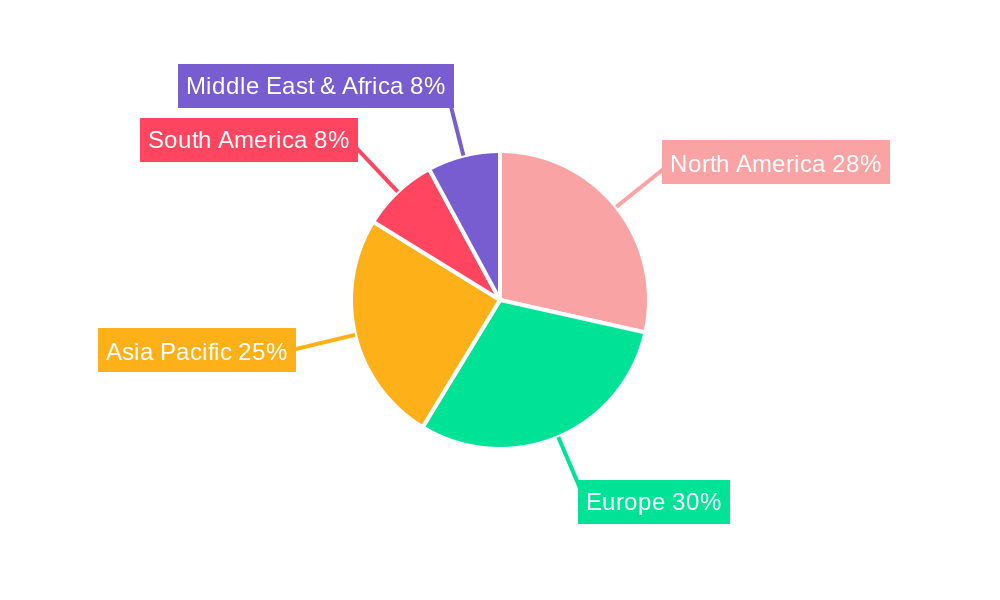
Sustainable Fashion Design Regional Market Share
Geographic Coverage of Sustainable Fashion Design
Sustainable Fashion Design REPORT HIGHLIGHTS
| Aspects | Details |
|---|---|
| Study Period | 2020-2034 |
| Base Year | 2025 |
| Estimated Year | 2026 |
| Forecast Period | 2026-2034 |
| Historical Period | 2020-2025 |
| Growth Rate | CAGR of 9.9% from 2020-2034 |
| Segmentation |
|
Table of Contents
- 1. Introduction
- 1.1. Research Scope
- 1.2. Market Segmentation
- 1.3. Research Methodology
- 1.4. Definitions and Assumptions
- 2. Executive Summary
- 2.1. Introduction
- 3. Market Dynamics
- 3.1. Introduction
- 3.2. Market Drivers
- 3.3. Market Restrains
- 3.4. Market Trends
- 4. Market Factor Analysis
- 4.1. Porters Five Forces
- 4.2. Supply/Value Chain
- 4.3. PESTEL analysis
- 4.4. Market Entropy
- 4.5. Patent/Trademark Analysis
- 5. Global Sustainable Fashion Design Analysis, Insights and Forecast, 2020-2032
- 5.1. Market Analysis, Insights and Forecast - by Application
- 5.1.1. Personal Fashion
- 5.1.2. Commercial Fashion
- 5.2. Market Analysis, Insights and Forecast - by Types
- 5.2.1. Fashion Design
- 5.2.2. Accessories Design
- 5.3. Market Analysis, Insights and Forecast - by Region
- 5.3.1. North America
- 5.3.2. South America
- 5.3.3. Europe
- 5.3.4. Middle East & Africa
- 5.3.5. Asia Pacific
- 5.1. Market Analysis, Insights and Forecast - by Application
- 6. North America Sustainable Fashion Design Analysis, Insights and Forecast, 2020-2032
- 6.1. Market Analysis, Insights and Forecast - by Application
- 6.1.1. Personal Fashion
- 6.1.2. Commercial Fashion
- 6.2. Market Analysis, Insights and Forecast - by Types
- 6.2.1. Fashion Design
- 6.2.2. Accessories Design
- 6.1. Market Analysis, Insights and Forecast - by Application
- 7. South America Sustainable Fashion Design Analysis, Insights and Forecast, 2020-2032
- 7.1. Market Analysis, Insights and Forecast - by Application
- 7.1.1. Personal Fashion
- 7.1.2. Commercial Fashion
- 7.2. Market Analysis, Insights and Forecast - by Types
- 7.2.1. Fashion Design
- 7.2.2. Accessories Design
- 7.1. Market Analysis, Insights and Forecast - by Application
- 8. Europe Sustainable Fashion Design Analysis, Insights and Forecast, 2020-2032
- 8.1. Market Analysis, Insights and Forecast - by Application
- 8.1.1. Personal Fashion
- 8.1.2. Commercial Fashion
- 8.2. Market Analysis, Insights and Forecast - by Types
- 8.2.1. Fashion Design
- 8.2.2. Accessories Design
- 8.1. Market Analysis, Insights and Forecast - by Application
- 9. Middle East & Africa Sustainable Fashion Design Analysis, Insights and Forecast, 2020-2032
- 9.1. Market Analysis, Insights and Forecast - by Application
- 9.1.1. Personal Fashion
- 9.1.2. Commercial Fashion
- 9.2. Market Analysis, Insights and Forecast - by Types
- 9.2.1. Fashion Design
- 9.2.2. Accessories Design
- 9.1. Market Analysis, Insights and Forecast - by Application
- 10. Asia Pacific Sustainable Fashion Design Analysis, Insights and Forecast, 2020-2032
- 10.1. Market Analysis, Insights and Forecast - by Application
- 10.1.1. Personal Fashion
- 10.1.2. Commercial Fashion
- 10.2. Market Analysis, Insights and Forecast - by Types
- 10.2.1. Fashion Design
- 10.2.2. Accessories Design
- 10.1. Market Analysis, Insights and Forecast - by Application
- 11. Competitive Analysis
- 11.1. Global Market Share Analysis 2025
- 11.2. Company Profiles
- 11.2.1 Patagonia
- 11.2.1.1. Overview
- 11.2.1.2. Products
- 11.2.1.3. SWOT Analysis
- 11.2.1.4. Recent Developments
- 11.2.1.5. Financials (Based on Availability)
- 11.2.2 Eileen Fisher
- 11.2.2.1. Overview
- 11.2.2.2. Products
- 11.2.2.3. SWOT Analysis
- 11.2.2.4. Recent Developments
- 11.2.2.5. Financials (Based on Availability)
- 11.2.3 Reformation
- 11.2.3.1. Overview
- 11.2.3.2. Products
- 11.2.3.3. SWOT Analysis
- 11.2.3.4. Recent Developments
- 11.2.3.5. Financials (Based on Availability)
- 11.2.4 Stella McCartney
- 11.2.4.1. Overview
- 11.2.4.2. Products
- 11.2.4.3. SWOT Analysis
- 11.2.4.4. Recent Developments
- 11.2.4.5. Financials (Based on Availability)
- 11.2.5 Everlane
- 11.2.5.1. Overview
- 11.2.5.2. Products
- 11.2.5.3. SWOT Analysis
- 11.2.5.4. Recent Developments
- 11.2.5.5. Financials (Based on Availability)
- 11.2.6 Amour Vert
- 11.2.6.1. Overview
- 11.2.6.2. Products
- 11.2.6.3. SWOT Analysis
- 11.2.6.4. Recent Developments
- 11.2.6.5. Financials (Based on Availability)
- 11.2.7 People Tree
- 11.2.7.1. Overview
- 11.2.7.2. Products
- 11.2.7.3. SWOT Analysis
- 11.2.7.4. Recent Developments
- 11.2.7.5. Financials (Based on Availability)
- 11.2.8 Thought Clothing
- 11.2.8.1. Overview
- 11.2.8.2. Products
- 11.2.8.3. SWOT Analysis
- 11.2.8.4. Recent Developments
- 11.2.8.5. Financials (Based on Availability)
- 11.2.9 Veja
- 11.2.9.1. Overview
- 11.2.9.2. Products
- 11.2.9.3. SWOT Analysis
- 11.2.9.4. Recent Developments
- 11.2.9.5. Financials (Based on Availability)
- 11.2.10 Nudie Jeans
- 11.2.10.1. Overview
- 11.2.10.2. Products
- 11.2.10.3. SWOT Analysis
- 11.2.10.4. Recent Developments
- 11.2.10.5. Financials (Based on Availability)
- 11.2.11 Alternative Apparel
- 11.2.11.1. Overview
- 11.2.11.2. Products
- 11.2.11.3. SWOT Analysis
- 11.2.11.4. Recent Developments
- 11.2.11.5. Financials (Based on Availability)
- 11.2.12 Outerknown
- 11.2.12.1. Overview
- 11.2.12.2. Products
- 11.2.12.3. SWOT Analysis
- 11.2.12.4. Recent Developments
- 11.2.12.5. Financials (Based on Availability)
- 11.2.13 Re & Done
- 11.2.13.1. Overview
- 11.2.13.2. Products
- 11.2.13.3. SWOT Analysis
- 11.2.13.4. Recent Developments
- 11.2.13.5. Financials (Based on Availability)
- 11.2.1 Patagonia
List of Figures
- Figure 1: Global Sustainable Fashion Design Revenue Breakdown (undefined, %) by Region 2025 & 2033
- Figure 2: North America Sustainable Fashion Design Revenue (undefined), by Application 2025 & 2033
- Figure 3: North America Sustainable Fashion Design Revenue Share (%), by Application 2025 & 2033
- Figure 4: North America Sustainable Fashion Design Revenue (undefined), by Types 2025 & 2033
- Figure 5: North America Sustainable Fashion Design Revenue Share (%), by Types 2025 & 2033
- Figure 6: North America Sustainable Fashion Design Revenue (undefined), by Country 2025 & 2033
- Figure 7: North America Sustainable Fashion Design Revenue Share (%), by Country 2025 & 2033
- Figure 8: South America Sustainable Fashion Design Revenue (undefined), by Application 2025 & 2033
- Figure 9: South America Sustainable Fashion Design Revenue Share (%), by Application 2025 & 2033
- Figure 10: South America Sustainable Fashion Design Revenue (undefined), by Types 2025 & 2033
- Figure 11: South America Sustainable Fashion Design Revenue Share (%), by Types 2025 & 2033
- Figure 12: South America Sustainable Fashion Design Revenue (undefined), by Country 2025 & 2033
- Figure 13: South America Sustainable Fashion Design Revenue Share (%), by Country 2025 & 2033
- Figure 14: Europe Sustainable Fashion Design Revenue (undefined), by Application 2025 & 2033
- Figure 15: Europe Sustainable Fashion Design Revenue Share (%), by Application 2025 & 2033
- Figure 16: Europe Sustainable Fashion Design Revenue (undefined), by Types 2025 & 2033
- Figure 17: Europe Sustainable Fashion Design Revenue Share (%), by Types 2025 & 2033
- Figure 18: Europe Sustainable Fashion Design Revenue (undefined), by Country 2025 & 2033
- Figure 19: Europe Sustainable Fashion Design Revenue Share (%), by Country 2025 & 2033
- Figure 20: Middle East & Africa Sustainable Fashion Design Revenue (undefined), by Application 2025 & 2033
- Figure 21: Middle East & Africa Sustainable Fashion Design Revenue Share (%), by Application 2025 & 2033
- Figure 22: Middle East & Africa Sustainable Fashion Design Revenue (undefined), by Types 2025 & 2033
- Figure 23: Middle East & Africa Sustainable Fashion Design Revenue Share (%), by Types 2025 & 2033
- Figure 24: Middle East & Africa Sustainable Fashion Design Revenue (undefined), by Country 2025 & 2033
- Figure 25: Middle East & Africa Sustainable Fashion Design Revenue Share (%), by Country 2025 & 2033
- Figure 26: Asia Pacific Sustainable Fashion Design Revenue (undefined), by Application 2025 & 2033
- Figure 27: Asia Pacific Sustainable Fashion Design Revenue Share (%), by Application 2025 & 2033
- Figure 28: Asia Pacific Sustainable Fashion Design Revenue (undefined), by Types 2025 & 2033
- Figure 29: Asia Pacific Sustainable Fashion Design Revenue Share (%), by Types 2025 & 2033
- Figure 30: Asia Pacific Sustainable Fashion Design Revenue (undefined), by Country 2025 & 2033
- Figure 31: Asia Pacific Sustainable Fashion Design Revenue Share (%), by Country 2025 & 2033
List of Tables
- Table 1: Global Sustainable Fashion Design Revenue undefined Forecast, by Application 2020 & 2033
- Table 2: Global Sustainable Fashion Design Revenue undefined Forecast, by Types 2020 & 2033
- Table 3: Global Sustainable Fashion Design Revenue undefined Forecast, by Region 2020 & 2033
- Table 4: Global Sustainable Fashion Design Revenue undefined Forecast, by Application 2020 & 2033
- Table 5: Global Sustainable Fashion Design Revenue undefined Forecast, by Types 2020 & 2033
- Table 6: Global Sustainable Fashion Design Revenue undefined Forecast, by Country 2020 & 2033
- Table 7: United States Sustainable Fashion Design Revenue (undefined) Forecast, by Application 2020 & 2033
- Table 8: Canada Sustainable Fashion Design Revenue (undefined) Forecast, by Application 2020 & 2033
- Table 9: Mexico Sustainable Fashion Design Revenue (undefined) Forecast, by Application 2020 & 2033
- Table 10: Global Sustainable Fashion Design Revenue undefined Forecast, by Application 2020 & 2033
- Table 11: Global Sustainable Fashion Design Revenue undefined Forecast, by Types 2020 & 2033
- Table 12: Global Sustainable Fashion Design Revenue undefined Forecast, by Country 2020 & 2033
- Table 13: Brazil Sustainable Fashion Design Revenue (undefined) Forecast, by Application 2020 & 2033
- Table 14: Argentina Sustainable Fashion Design Revenue (undefined) Forecast, by Application 2020 & 2033
- Table 15: Rest of South America Sustainable Fashion Design Revenue (undefined) Forecast, by Application 2020 & 2033
- Table 16: Global Sustainable Fashion Design Revenue undefined Forecast, by Application 2020 & 2033
- Table 17: Global Sustainable Fashion Design Revenue undefined Forecast, by Types 2020 & 2033
- Table 18: Global Sustainable Fashion Design Revenue undefined Forecast, by Country 2020 & 2033
- Table 19: United Kingdom Sustainable Fashion Design Revenue (undefined) Forecast, by Application 2020 & 2033
- Table 20: Germany Sustainable Fashion Design Revenue (undefined) Forecast, by Application 2020 & 2033
- Table 21: France Sustainable Fashion Design Revenue (undefined) Forecast, by Application 2020 & 2033
- Table 22: Italy Sustainable Fashion Design Revenue (undefined) Forecast, by Application 2020 & 2033
- Table 23: Spain Sustainable Fashion Design Revenue (undefined) Forecast, by Application 2020 & 2033
- Table 24: Russia Sustainable Fashion Design Revenue (undefined) Forecast, by Application 2020 & 2033
- Table 25: Benelux Sustainable Fashion Design Revenue (undefined) Forecast, by Application 2020 & 2033
- Table 26: Nordics Sustainable Fashion Design Revenue (undefined) Forecast, by Application 2020 & 2033
- Table 27: Rest of Europe Sustainable Fashion Design Revenue (undefined) Forecast, by Application 2020 & 2033
- Table 28: Global Sustainable Fashion Design Revenue undefined Forecast, by Application 2020 & 2033
- Table 29: Global Sustainable Fashion Design Revenue undefined Forecast, by Types 2020 & 2033
- Table 30: Global Sustainable Fashion Design Revenue undefined Forecast, by Country 2020 & 2033
- Table 31: Turkey Sustainable Fashion Design Revenue (undefined) Forecast, by Application 2020 & 2033
- Table 32: Israel Sustainable Fashion Design Revenue (undefined) Forecast, by Application 2020 & 2033
- Table 33: GCC Sustainable Fashion Design Revenue (undefined) Forecast, by Application 2020 & 2033
- Table 34: North Africa Sustainable Fashion Design Revenue (undefined) Forecast, by Application 2020 & 2033
- Table 35: South Africa Sustainable Fashion Design Revenue (undefined) Forecast, by Application 2020 & 2033
- Table 36: Rest of Middle East & Africa Sustainable Fashion Design Revenue (undefined) Forecast, by Application 2020 & 2033
- Table 37: Global Sustainable Fashion Design Revenue undefined Forecast, by Application 2020 & 2033
- Table 38: Global Sustainable Fashion Design Revenue undefined Forecast, by Types 2020 & 2033
- Table 39: Global Sustainable Fashion Design Revenue undefined Forecast, by Country 2020 & 2033
- Table 40: China Sustainable Fashion Design Revenue (undefined) Forecast, by Application 2020 & 2033
- Table 41: India Sustainable Fashion Design Revenue (undefined) Forecast, by Application 2020 & 2033
- Table 42: Japan Sustainable Fashion Design Revenue (undefined) Forecast, by Application 2020 & 2033
- Table 43: South Korea Sustainable Fashion Design Revenue (undefined) Forecast, by Application 2020 & 2033
- Table 44: ASEAN Sustainable Fashion Design Revenue (undefined) Forecast, by Application 2020 & 2033
- Table 45: Oceania Sustainable Fashion Design Revenue (undefined) Forecast, by Application 2020 & 2033
- Table 46: Rest of Asia Pacific Sustainable Fashion Design Revenue (undefined) Forecast, by Application 2020 & 2033
Frequently Asked Questions
1. What is the projected Compound Annual Growth Rate (CAGR) of the Sustainable Fashion Design?
The projected CAGR is approximately 9.9%.
2. Which companies are prominent players in the Sustainable Fashion Design?
Key companies in the market include Patagonia, Eileen Fisher, Reformation, Stella McCartney, Everlane, Amour Vert, People Tree, Thought Clothing, Veja, Nudie Jeans, Alternative Apparel, Outerknown, Re & Done.
3. What are the main segments of the Sustainable Fashion Design?
The market segments include Application, Types.
4. Can you provide details about the market size?
The market size is estimated to be USD XXX N/A as of 2022.
5. What are some drivers contributing to market growth?
N/A
6. What are the notable trends driving market growth?
N/A
7. Are there any restraints impacting market growth?
N/A
8. Can you provide examples of recent developments in the market?
N/A
9. What pricing options are available for accessing the report?
Pricing options include single-user, multi-user, and enterprise licenses priced at USD 3950.00, USD 5925.00, and USD 7900.00 respectively.
10. Is the market size provided in terms of value or volume?
The market size is provided in terms of value, measured in N/A.
11. Are there any specific market keywords associated with the report?
Yes, the market keyword associated with the report is "Sustainable Fashion Design," which aids in identifying and referencing the specific market segment covered.
12. How do I determine which pricing option suits my needs best?
The pricing options vary based on user requirements and access needs. Individual users may opt for single-user licenses, while businesses requiring broader access may choose multi-user or enterprise licenses for cost-effective access to the report.
13. Are there any additional resources or data provided in the Sustainable Fashion Design report?
While the report offers comprehensive insights, it's advisable to review the specific contents or supplementary materials provided to ascertain if additional resources or data are available.
14. How can I stay updated on further developments or reports in the Sustainable Fashion Design?
To stay informed about further developments, trends, and reports in the Sustainable Fashion Design, consider subscribing to industry newsletters, following relevant companies and organizations, or regularly checking reputable industry news sources and publications.
Methodology
Step 1 - Identification of Relevant Samples Size from Population Database



Step 2 - Approaches for Defining Global Market Size (Value, Volume* & Price*)

Note*: In applicable scenarios
Step 3 - Data Sources
Primary Research
- Web Analytics
- Survey Reports
- Research Institute
- Latest Research Reports
- Opinion Leaders
Secondary Research
- Annual Reports
- White Paper
- Latest Press Release
- Industry Association
- Paid Database
- Investor Presentations

Step 4 - Data Triangulation
Involves using different sources of information in order to increase the validity of a study
These sources are likely to be stakeholders in a program - participants, other researchers, program staff, other community members, and so on.
Then we put all data in single framework & apply various statistical tools to find out the dynamic on the market.
During the analysis stage, feedback from the stakeholder groups would be compared to determine areas of agreement as well as areas of divergence