


Key Insights
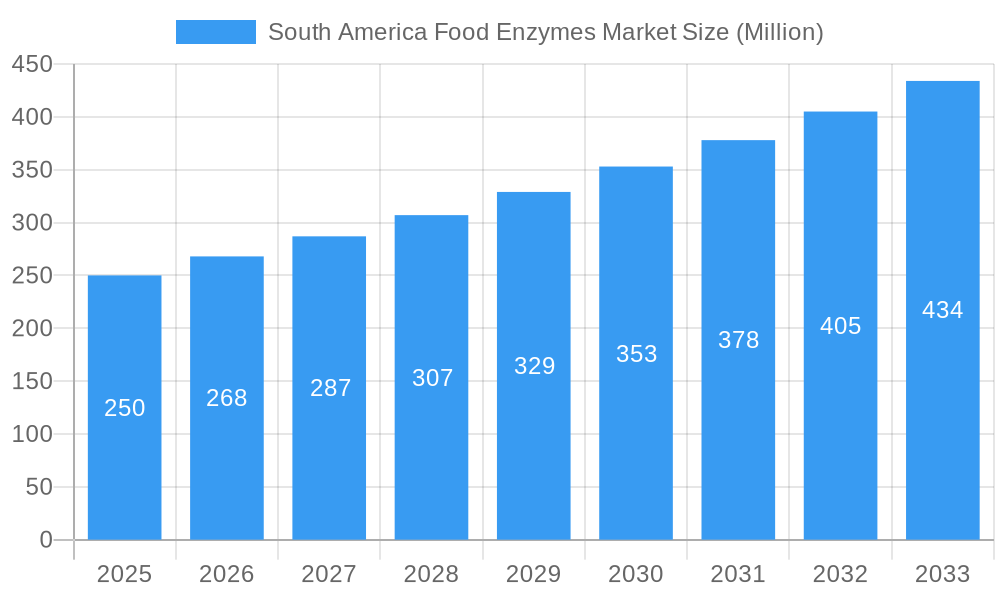
The South America Food Enzymes Market is projected for substantial growth, with a current market size of approximately $XX million and an anticipated Compound Annual Growth Rate (CAGR) of 7.20%. This robust expansion is fueled by several key drivers, including the increasing consumer demand for processed and convenience foods across the region, a growing awareness of the health benefits associated with enzyme-treated foods, and the continuous innovation in enzyme technology leading to more efficient and specialized applications. The dairy and frozen desserts segment is expected to be a significant contributor, driven by the rising popularity of yogurt, cheese, and ice cream, which heavily utilize enzymes for texture, flavor, and shelf-life enhancement. Similarly, the bakery and confectionery sectors are leveraging enzymes to improve dough conditioning, crumb structure, and overall product quality. The meat, poultry, and sea food products segment also presents a promising avenue for growth as consumers seek value-added and more tender products.

South America Food Enzymes Market Market Size (In Million)

Further enhancing this market's trajectory are evolving consumer preferences for natural and clean-label ingredients, where food enzymes offer a natural alternative to artificial additives. The increasing adoption of advanced biotechnology in enzyme production is also playing a crucial role in making these ingredients more accessible and cost-effective. However, the market faces certain restraints, such as the high initial investment required for research and development of novel enzymes and the regulatory complexities associated with food ingredient approvals in different South American countries. Despite these challenges, the overall outlook for the South America Food Enzymes Market remains optimistic, with continuous research and development efforts expected to overcome hurdles and unlock new opportunities. The market is segmented by enzyme type, including Carbohydrase, Protease, and Lipase, each finding diverse applications across various food categories.
South America Food Enzymes Market Company Market Share
This in-depth report offers a strategic analysis of the South America Food Enzymes Market, detailing its dynamics, growth trends, key players, and future outlook. Covering the historical period of 2019–2024, base year 2025, and forecast period 2025–2033, this study is an essential resource for stakeholders seeking to understand and capitalize on market opportunities. Our analysis integrates high-traffic keywords such as "South America food enzymes," "food enzyme market growth," "carbohydrase enzymes," "protease applications," "lipase in food processing," "bakery enzymes," "dairy enzymes," "meat processing enzymes," "beverage enzymes," and "enzyme manufacturing South America." Values are presented in Million USD.
South America Food Enzymes Market Dynamics & Structure
The South America Food Enzymes Market exhibits a moderately consolidated structure, with key players like ADM, Novozymes, Danisco, DSM, AB Enzymes, Kerry Group, Cargill Inc., and Chr Hansen holding significant market shares. Technological innovation remains a primary driver, fueled by increasing demand for processed foods, clean-label products, and enhanced nutritional profiles. Regulatory frameworks, while evolving, generally support the safe and effective use of food enzymes across various applications. Competitive product substitutes, primarily alternative processing aids and chemical additives, present a challenge, but the superior functionality, efficiency, and natural origin of enzymes are increasingly favored. End-user demographics are shifting towards a growing middle class with greater disposable income, driving demand for a wider range of convenient and high-quality food products. Mergers and acquisitions (M&A) are significant, with companies strategically acquiring smaller players or investing in new technologies to expand their product portfolios and market reach.
- Market Concentration: Moderately consolidated with a few dominant global players.
- Technological Innovation Drivers: Demand for clean-label solutions, improved food texture, enhanced shelf-life, and cost-effective processing.
- Regulatory Frameworks: Growing alignment with international food safety standards, promoting enzyme adoption.
- Competitive Product Substitutes: Chemical additives, alternative processing aids.
- End-User Demographics: Rising middle class, increased urbanization, and demand for convenience foods.
- M&A Trends: Strategic acquisitions to gain market share, technological expertise, and product diversification. Notable M&A activity has seen significant investments from major players.
South America Food Enzymes Market Growth Trends & Insights
The South America Food Enzymes Market is poised for robust growth, driven by several interconnected trends. The overall market size is projected to expand significantly from its current valuation. The adoption rates of food enzymes are accelerating across diverse food and beverage sectors, spurred by their ability to improve product quality, reduce processing costs, and enable the creation of novel food products. Technological disruptions, including advancements in enzyme engineering and production techniques, are leading to more efficient and specialized enzymes. Consumer behavior is also playing a pivotal role, with a growing preference for natural ingredients, reduced sugar, and healthier options, all of which can be facilitated by the strategic application of food enzymes. The market's expansion is further fueled by increasing investments in food processing infrastructure and a rising demand for convenience and ready-to-eat meals.
- Market Size Evolution: Expected to witness a Compound Annual Growth Rate (CAGR) of approximately 6.5% from 2025 to 2033.
- Adoption Rates: Steadily increasing across bakery, dairy, meat, and beverage industries.
- Technological Disruptions: Development of novel enzymes with enhanced specificity, stability, and efficiency.
- Consumer Behavior Shifts: Growing demand for natural, healthier, and sustainably produced food products.
- Market Penetration: Increasing penetration in emerging economies within South America.
Dominant Regions, Countries, or Segments in South America Food Enzymes Market
Brazil stands out as the dominant country within the South America Food Enzymes Market, driven by its large population, significant agricultural output, and a well-established food processing industry. The Bakery segment, specifically, exhibits substantial growth, owing to the widespread popularity of bread, pastries, and other baked goods across the continent. This segment is a key consumer of Carbohydrase and Protease enzymes, which are crucial for dough conditioning, texture improvement, and shelf-life extension in bakery products. The "Rest of South America" segment also contributes significantly, encompassing countries with rapidly developing food industries and increasing enzyme adoption.
- Dominant Country: Brazil leads the market due to its strong food processing sector and high consumer demand for baked goods.
- Leading Segment (Application): Bakery, consistently demonstrating high consumption of enzymes due to its broad product range and consumer appeal.
- Key Enzyme Types in Bakery: Carbohydrases for starch modification and Proteases for gluten development and dough extensibility.
- Growth Drivers in Brazil: Strong domestic demand for processed foods, government support for agricultural modernization, and increasing export activities.
- Rest of South America: Growing markets in countries like Colombia and Argentina are showing increasing adoption of food enzymes, particularly in dairy and meat processing.
South America Food Enzymes Market Product Landscape
The South America Food Enzymes Market is characterized by continuous product innovation, offering a diverse range of enzymes tailored to specific food processing needs. Carbohydrase enzymes, including amylases and cellulases, are vital for modifying starches and improving textures in bakery and confectionery. Protease enzymes are critical for tenderizing meat, enhancing dairy flavor profiles, and improving gluten functionality in baking. Lipase enzymes play a key role in fat modification, flavor development in dairy, and emulsification. These enzymes offer unique selling propositions by enabling cleaner labels, reducing the need for chemical additives, and improving processing efficiency, thereby meeting evolving consumer demands for natural and high-quality food products. Technological advancements are focusing on enzyme stability, specificity, and cost-effectiveness.
Key Drivers, Barriers & Challenges in South America Food Enzymes Market
The South America Food Enzymes Market is propelled by several key drivers, including the growing demand for processed and convenience foods, increasing consumer awareness regarding health and nutrition, and the continuous drive for cost-effective and sustainable food production methods. Technological advancements in enzyme discovery and production are also significant growth accelerators.
Conversely, the market faces barriers and challenges such as the high initial investment required for enzyme production facilities, stringent and sometimes inconsistent regulatory approvals across different countries, and the presence of readily available, albeit less desirable, chemical alternatives. Supply chain disruptions and the need for specialized handling and storage of enzymes also pose significant challenges.
Emerging Opportunities in South America Food Enzymes Market
Emerging opportunities in the South America Food Enzymes Market lie in the expansion of enzyme applications in novel food categories, such as plant-based alternatives and functional foods. Untapped markets in smaller South American nations, with growing food processing sectors, present significant potential. The development of more specialized and highly efficient enzymes for niche applications, like sugar reduction or allergen removal, is another promising area. Furthermore, the increasing consumer demand for ethically sourced and sustainably produced ingredients creates opportunities for enzyme manufacturers focused on green production processes.
Growth Accelerators in the South America Food Enzymes Market Industry
Growth in the South America Food Enzymes Market is significantly accelerated by continuous research and development in enzyme biotechnology, leading to the discovery of novel enzymes with enhanced functionalities. Strategic partnerships and collaborations between enzyme manufacturers and food processing companies are crucial for developing tailored solutions and expanding market reach. Furthermore, market expansion strategies, including investments in local production facilities and distribution networks, are key to capturing the growing demand in the region. The increasing awareness and acceptance of enzyme technology among food manufacturers are also vital growth accelerators.
Key Players Shaping the South America Food Enzymes Market Market
- ADM
- Novozymes
- Danisco
- DSM
- AB Enzymes
- Kerry Group
- Cargill Inc.
- Chr Hansen
Notable Milestones in South America Food Enzymes Market Sector
- 2023: ADM's acquisition of Deerland Probiotics & Enzymes to expand its enzyme and probiotic offerings.
- 2023: Novozymes launched a new, highly efficient protease enzyme specifically designed for the meat processing industry, enhancing tenderness and yield.
- 2022: Danisco (DuPont/IFF) announced significant investment in expanding enzyme production capacity in Argentina to meet growing regional demand.
- 2022: DSM entered into a collaboration with leading local universities in Brazil to foster innovation and research in enzyme technology for food applications.
In-Depth South America Food Enzymes Market Market Outlook
The future outlook for the South America Food Enzymes Market is exceptionally promising, driven by sustained demand for enhanced food quality, processing efficiency, and sustainable solutions. Strategic investments in R&D, coupled with a growing understanding of enzyme functionalities among food manufacturers, will continue to fuel market expansion. The increasing focus on health and wellness, clean-label products, and plant-based food innovations presents substantial opportunities for enzyme developers. The growing middle class and expanding food processing infrastructure across the region will further bolster the market's growth trajectory, making it a pivotal sector in the global food ingredients landscape.
South America Food Enzymes Market Segmentation
-
1. Type
- 1.1. Carbohydrase
- 1.2. Protease
- 1.3. Lipase
- 1.4. Others
-
2. Application
- 2.1. Bakery
- 2.2. Confectionery
- 2.3. Dairy and Frozen Desserts
- 2.4. Meat, Poultry and Sea Food Products
- 2.5. Beverages
- 2.6. Others
-
3. Geography
- 3.1. Brazil
- 3.2. Columbia
- 3.3. Rest of South America
South America Food Enzymes Market Segmentation By Geography
- 1. Brazil
- 2. Columbia
- 3. Rest of South America

South America Food Enzymes Market Regional Market Share
Geographic Coverage of South America Food Enzymes Market
South America Food Enzymes Market REPORT HIGHLIGHTS
| Aspects | Details |
|---|---|
| Study Period | 2020-2034 |
| Base Year | 2025 |
| Estimated Year | 2026 |
| Forecast Period | 2026-2034 |
| Historical Period | 2020-2025 |
| Growth Rate | CAGR of 5.8% from 2020-2034 |
| Segmentation |
|
Table of Contents
- 1. Introduction
- 1.1. Research Scope
- 1.2. Market Segmentation
- 1.3. Research Methodology
- 1.4. Definitions and Assumptions
- 2. Executive Summary
- 2.1. Introduction
- 3. Market Dynamics
- 3.1. Introduction
- 3.2. Market Drivers
- 3.2.1. Wide Applications and Functionality; Demand For Gluten-Free Products
- 3.3. Market Restrains
- 3.3.1. Easy Availability of Economically Feasible Alternatives
- 3.4. Market Trends
- 3.4.1. Rising Consumption of Processed Food
- 4. Market Factor Analysis
- 4.1. Porters Five Forces
- 4.2. Supply/Value Chain
- 4.3. PESTEL analysis
- 4.4. Market Entropy
- 4.5. Patent/Trademark Analysis
- 5. South America Food Enzymes Market Analysis, Insights and Forecast, 2020-2032
- 5.1. Market Analysis, Insights and Forecast - by Type
- 5.1.1. Carbohydrase
- 5.1.2. Protease
- 5.1.3. Lipase
- 5.1.4. Others
- 5.2. Market Analysis, Insights and Forecast - by Application
- 5.2.1. Bakery
- 5.2.2. Confectionery
- 5.2.3. Dairy and Frozen Desserts
- 5.2.4. Meat, Poultry and Sea Food Products
- 5.2.5. Beverages
- 5.2.6. Others
- 5.3. Market Analysis, Insights and Forecast - by Geography
- 5.3.1. Brazil
- 5.3.2. Columbia
- 5.3.3. Rest of South America
- 5.4. Market Analysis, Insights and Forecast - by Region
- 5.4.1. Brazil
- 5.4.2. Columbia
- 5.4.3. Rest of South America
- 5.1. Market Analysis, Insights and Forecast - by Type
- 6. Brazil South America Food Enzymes Market Analysis, Insights and Forecast, 2020-2032
- 6.1. Market Analysis, Insights and Forecast - by Type
- 6.1.1. Carbohydrase
- 6.1.2. Protease
- 6.1.3. Lipase
- 6.1.4. Others
- 6.2. Market Analysis, Insights and Forecast - by Application
- 6.2.1. Bakery
- 6.2.2. Confectionery
- 6.2.3. Dairy and Frozen Desserts
- 6.2.4. Meat, Poultry and Sea Food Products
- 6.2.5. Beverages
- 6.2.6. Others
- 6.3. Market Analysis, Insights and Forecast - by Geography
- 6.3.1. Brazil
- 6.3.2. Columbia
- 6.3.3. Rest of South America
- 6.1. Market Analysis, Insights and Forecast - by Type
- 7. Columbia South America Food Enzymes Market Analysis, Insights and Forecast, 2020-2032
- 7.1. Market Analysis, Insights and Forecast - by Type
- 7.1.1. Carbohydrase
- 7.1.2. Protease
- 7.1.3. Lipase
- 7.1.4. Others
- 7.2. Market Analysis, Insights and Forecast - by Application
- 7.2.1. Bakery
- 7.2.2. Confectionery
- 7.2.3. Dairy and Frozen Desserts
- 7.2.4. Meat, Poultry and Sea Food Products
- 7.2.5. Beverages
- 7.2.6. Others
- 7.3. Market Analysis, Insights and Forecast - by Geography
- 7.3.1. Brazil
- 7.3.2. Columbia
- 7.3.3. Rest of South America
- 7.1. Market Analysis, Insights and Forecast - by Type
- 8. Rest of South America South America Food Enzymes Market Analysis, Insights and Forecast, 2020-2032
- 8.1. Market Analysis, Insights and Forecast - by Type
- 8.1.1. Carbohydrase
- 8.1.2. Protease
- 8.1.3. Lipase
- 8.1.4. Others
- 8.2. Market Analysis, Insights and Forecast - by Application
- 8.2.1. Bakery
- 8.2.2. Confectionery
- 8.2.3. Dairy and Frozen Desserts
- 8.2.4. Meat, Poultry and Sea Food Products
- 8.2.5. Beverages
- 8.2.6. Others
- 8.3. Market Analysis, Insights and Forecast - by Geography
- 8.3.1. Brazil
- 8.3.2. Columbia
- 8.3.3. Rest of South America
- 8.1. Market Analysis, Insights and Forecast - by Type
- 9. Competitive Analysis
- 9.1. Market Share Analysis 2025
- 9.2. Company Profiles
- 9.2.1 ADM
- 9.2.1.1. Overview
- 9.2.1.2. Products
- 9.2.1.3. SWOT Analysis
- 9.2.1.4. Recent Developments
- 9.2.1.5. Financials (Based on Availability)
- 9.2.2 Novozymes
- 9.2.2.1. Overview
- 9.2.2.2. Products
- 9.2.2.3. SWOT Analysis
- 9.2.2.4. Recent Developments
- 9.2.2.5. Financials (Based on Availability)
- 9.2.3 Danisco
- 9.2.3.1. Overview
- 9.2.3.2. Products
- 9.2.3.3. SWOT Analysis
- 9.2.3.4. Recent Developments
- 9.2.3.5. Financials (Based on Availability)
- 9.2.4 DSM
- 9.2.4.1. Overview
- 9.2.4.2. Products
- 9.2.4.3. SWOT Analysis
- 9.2.4.4. Recent Developments
- 9.2.4.5. Financials (Based on Availability)
- 9.2.5 AB Enzymes
- 9.2.5.1. Overview
- 9.2.5.2. Products
- 9.2.5.3. SWOT Analysis
- 9.2.5.4. Recent Developments
- 9.2.5.5. Financials (Based on Availability)
- 9.2.6 Kerry Group
- 9.2.6.1. Overview
- 9.2.6.2. Products
- 9.2.6.3. SWOT Analysis
- 9.2.6.4. Recent Developments
- 9.2.6.5. Financials (Based on Availability)
- 9.2.7 Cargill Inc
- 9.2.7.1. Overview
- 9.2.7.2. Products
- 9.2.7.3. SWOT Analysis
- 9.2.7.4. Recent Developments
- 9.2.7.5. Financials (Based on Availability)
- 9.2.8 Chr Hansen
- 9.2.8.1. Overview
- 9.2.8.2. Products
- 9.2.8.3. SWOT Analysis
- 9.2.8.4. Recent Developments
- 9.2.8.5. Financials (Based on Availability)
- 9.2.1 ADM
List of Figures
- Figure 1: South America Food Enzymes Market Revenue Breakdown (undefined, %) by Product 2025 & 2033
- Figure 2: South America Food Enzymes Market Share (%) by Company 2025
List of Tables
- Table 1: South America Food Enzymes Market Revenue undefined Forecast, by Type 2020 & 2033
- Table 2: South America Food Enzymes Market Revenue undefined Forecast, by Application 2020 & 2033
- Table 3: South America Food Enzymes Market Revenue undefined Forecast, by Geography 2020 & 2033
- Table 4: South America Food Enzymes Market Revenue undefined Forecast, by Region 2020 & 2033
- Table 5: South America Food Enzymes Market Revenue undefined Forecast, by Type 2020 & 2033
- Table 6: South America Food Enzymes Market Revenue undefined Forecast, by Application 2020 & 2033
- Table 7: South America Food Enzymes Market Revenue undefined Forecast, by Geography 2020 & 2033
- Table 8: South America Food Enzymes Market Revenue undefined Forecast, by Country 2020 & 2033
- Table 9: South America Food Enzymes Market Revenue undefined Forecast, by Type 2020 & 2033
- Table 10: South America Food Enzymes Market Revenue undefined Forecast, by Application 2020 & 2033
- Table 11: South America Food Enzymes Market Revenue undefined Forecast, by Geography 2020 & 2033
- Table 12: South America Food Enzymes Market Revenue undefined Forecast, by Country 2020 & 2033
- Table 13: South America Food Enzymes Market Revenue undefined Forecast, by Type 2020 & 2033
- Table 14: South America Food Enzymes Market Revenue undefined Forecast, by Application 2020 & 2033
- Table 15: South America Food Enzymes Market Revenue undefined Forecast, by Geography 2020 & 2033
- Table 16: South America Food Enzymes Market Revenue undefined Forecast, by Country 2020 & 2033
Frequently Asked Questions
1. What is the projected Compound Annual Growth Rate (CAGR) of the South America Food Enzymes Market?
The projected CAGR is approximately 5.8%.
2. Which companies are prominent players in the South America Food Enzymes Market?
Key companies in the market include ADM, Novozymes, Danisco, DSM, AB Enzymes, Kerry Group, Cargill Inc, Chr Hansen.
3. What are the main segments of the South America Food Enzymes Market?
The market segments include Type, Application, Geography.
4. Can you provide details about the market size?
The market size is estimated to be USD XXX N/A as of 2022.
5. What are some drivers contributing to market growth?
Wide Applications and Functionality; Demand For Gluten-Free Products.
6. What are the notable trends driving market growth?
Rising Consumption of Processed Food.
7. Are there any restraints impacting market growth?
Easy Availability of Economically Feasible Alternatives.
8. Can you provide examples of recent developments in the market?
1. ADM's acquisition of Deerland Probiotics & Enzymes 2. Novozymes' launch of a new protease for the meat industry 3. Danisco's investment in enzyme production in Argentina 4. DSM's collaboration with local universities for enzyme research
9. What pricing options are available for accessing the report?
Pricing options include single-user, multi-user, and enterprise licenses priced at USD 4750, USD 5250, and USD 8750 respectively.
10. Is the market size provided in terms of value or volume?
The market size is provided in terms of value, measured in N/A.
11. Are there any specific market keywords associated with the report?
Yes, the market keyword associated with the report is "South America Food Enzymes Market," which aids in identifying and referencing the specific market segment covered.
12. How do I determine which pricing option suits my needs best?
The pricing options vary based on user requirements and access needs. Individual users may opt for single-user licenses, while businesses requiring broader access may choose multi-user or enterprise licenses for cost-effective access to the report.
13. Are there any additional resources or data provided in the South America Food Enzymes Market report?
While the report offers comprehensive insights, it's advisable to review the specific contents or supplementary materials provided to ascertain if additional resources or data are available.
14. How can I stay updated on further developments or reports in the South America Food Enzymes Market?
To stay informed about further developments, trends, and reports in the South America Food Enzymes Market, consider subscribing to industry newsletters, following relevant companies and organizations, or regularly checking reputable industry news sources and publications.
Methodology
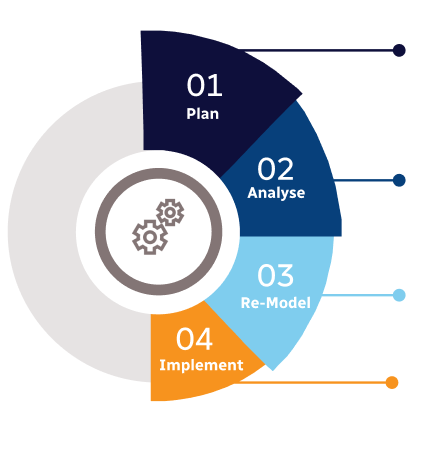
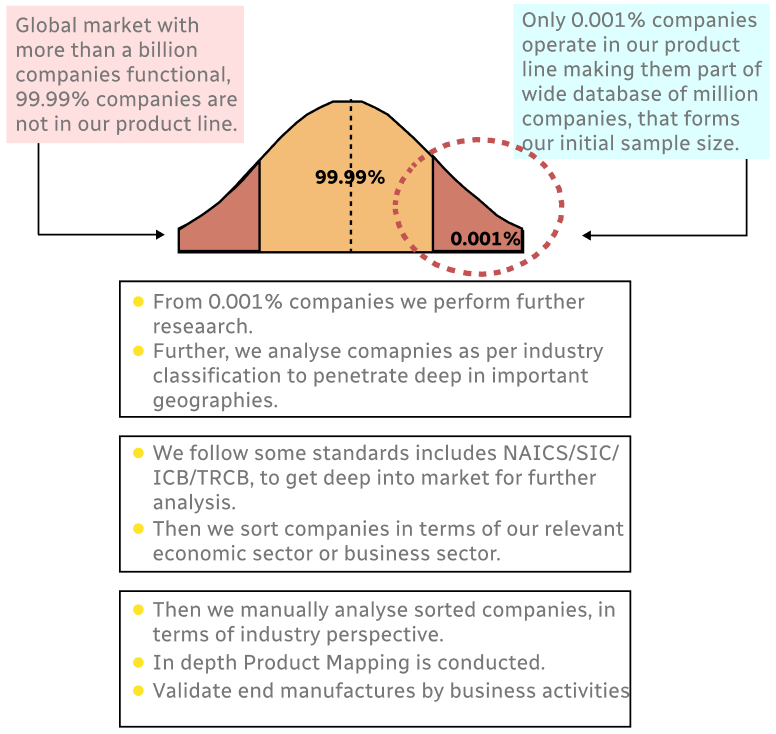
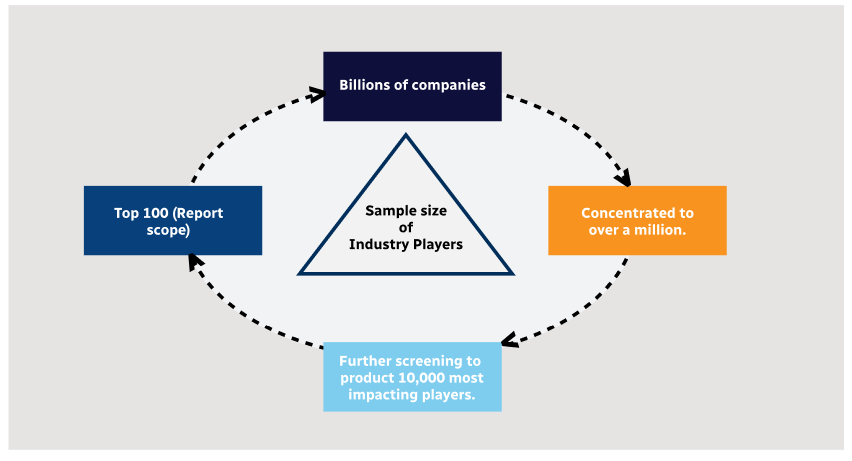
Step 1 - Identification of Relevant Samples Size from Population Database
Step 2 - Approaches for Defining Global Market Size (Value, Volume* & Price*)
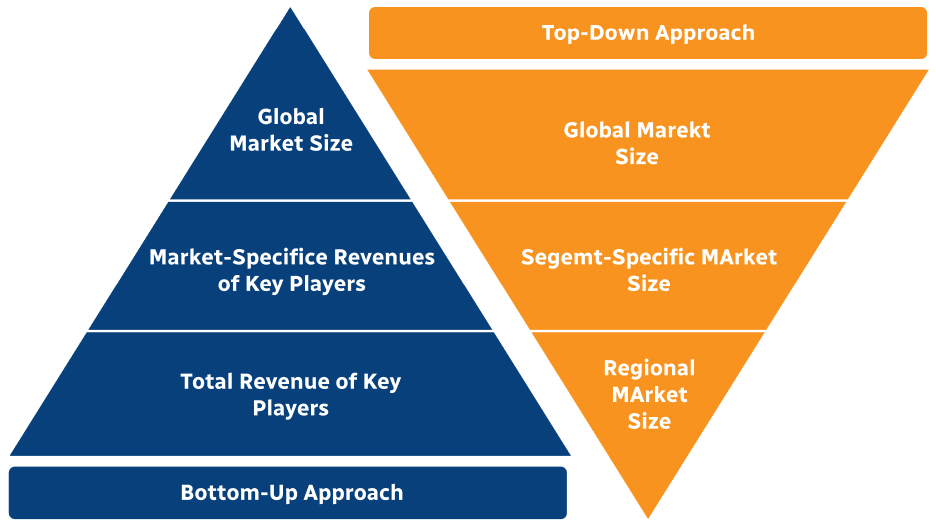
Note*: In applicable scenarios
Step 3 - Data Sources
Primary Research
- Web Analytics
- Survey Reports
- Research Institute
- Latest Research Reports
- Opinion Leaders
Secondary Research
- Annual Reports
- White Paper
- Latest Press Release
- Industry Association
- Paid Database
- Investor Presentations
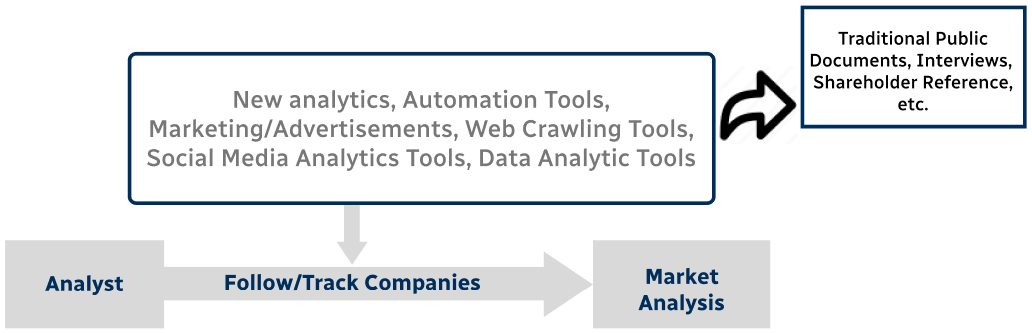
Step 4 - Data Triangulation
Involves using different sources of information in order to increase the validity of a study
These sources are likely to be stakeholders in a program - participants, other researchers, program staff, other community members, and so on.
Then we put all data in single framework & apply various statistical tools to find out the dynamic on the market.
During the analysis stage, feedback from the stakeholder groups would be compared to determine areas of agreement as well as areas of divergence