


Key Insights
The global soft silicone pacifier market is poised for significant growth, projected to reach USD 534.51 million in 2025 and expand at a robust CAGR of 4.39% through 2033. This upward trajectory is primarily fueled by increasing parental awareness regarding infant oral development and safety, alongside a growing preference for silicone as a hygienic and durable material. The market is segmented by application into For Babies of 0-6 Months, For Babies of 6-18 Months, and For Babies of 18+ Months, with the younger age groups likely dominating due to the critical developmental stages and higher pacifier usage. By type, the market is divided into Multiple-piece and One-piece pacifiers, with one-piece designs gaining traction for their ease of cleaning and reduced choking hazards. Key drivers include rising disposable incomes in emerging economies, greater access to information about infant care products, and a surge in birth rates in specific regions.
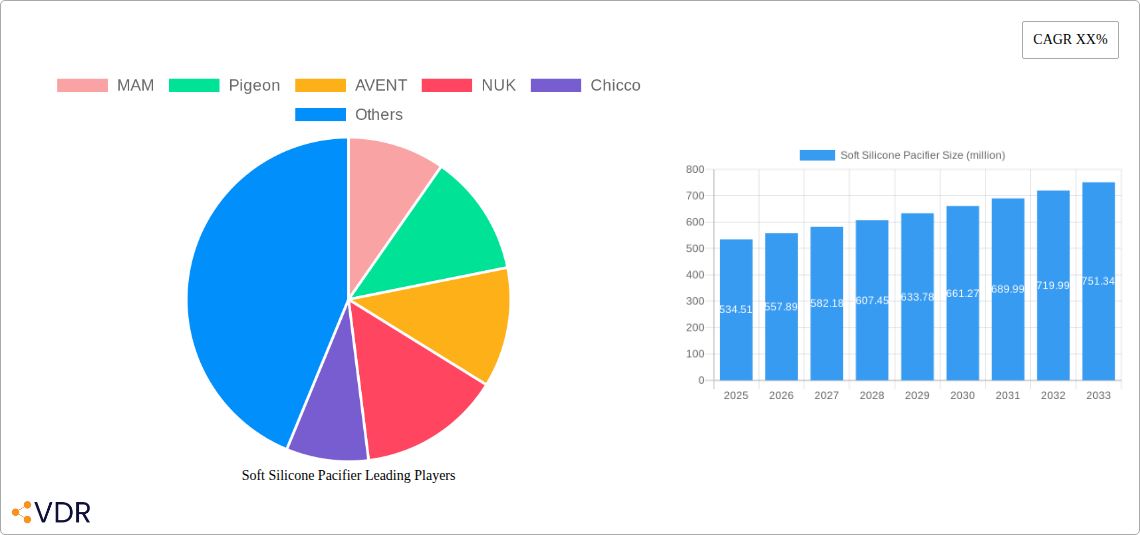
Soft Silicone Pacifier Market Size (In Million)

The competitive landscape features prominent global brands such as MAM, Pigeon, AVENT, NUK, and Chicco, alongside numerous regional players, indicating a dynamic and somewhat fragmented market. Innovations in pacifier design, focusing on orthodontic benefits, glow-in-the-dark features, and integrated temperature indicators, are expected to further stimulate demand. However, potential restraints include fluctuating raw material costs for silicone and growing concerns among some consumer groups about the long-term effects of pacifier use, although scientific consensus generally supports safe pacifier use. Geographically, Asia Pacific, driven by the vast populations of China and India and rising living standards, is anticipated to be a key growth engine, while North America and Europe will continue to represent substantial, mature markets.
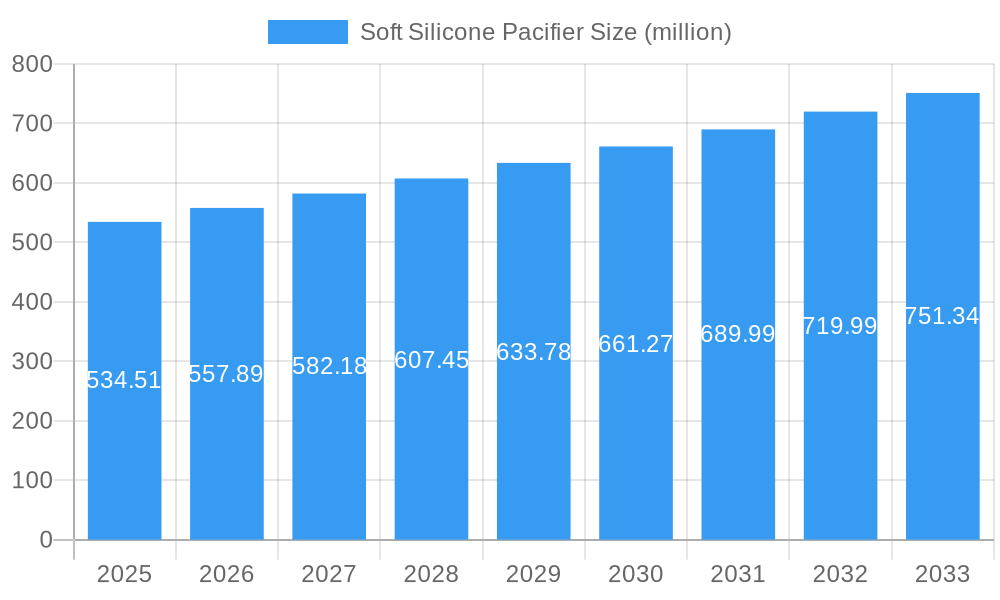
Soft Silicone Pacifier Company Market Share
Soft Silicone Pacifier Market Dynamics & Structure
The global soft silicone pacifier market, valued at an estimated $2,800 million in 2025, exhibits a moderately concentrated structure. Leading players like MAM, Pigeon, AVENT, NUK, and Chicco collectively hold a significant market share, driven by strong brand recognition and extensive distribution networks. Technological innovation is a key driver, with manufacturers continuously introducing pacifiers with improved designs for nipple shape, airflow, and hygiene. Regulatory frameworks, primarily focused on child safety standards, play a crucial role in market entry and product development, necessitating stringent material testing and compliance. Competitive product substitutes, such as orthodontic pacifiers, latex pacifiers, and even pacifier clips, exert some influence, though the inherent properties of silicone – its softness, durability, and hypoallergenic nature – maintain its dominance. End-user demographics are primarily parents and caregivers seeking safe, hygienic, and comforting solutions for infants and toddlers. Mergers and acquisitions (M&A) trends, while not as prolific as in other industries, are observed as companies seek to expand their product portfolios and market reach. For instance, a hypothetical acquisition of a smaller, innovative pacifier brand by a major player could inject new technology and market share. Innovation barriers include the high cost of advanced silicone molding techniques and the lengthy approval processes for new designs to meet safety certifications.
- Market Concentration: Moderately concentrated, with top 5 players holding approximately 65% of the market share.
- Technological Innovation: Focus on ergonomic designs, anti-colic features, and antimicrobial properties.
- Regulatory Frameworks: Strict adherence to global child safety standards (e.g., FDA, EN standards).
- Competitive Substitutes: Orthodontic pacifiers, latex pacifiers, teether toys.
- End-User Demographics: Parents and caregivers of infants and toddlers aged 0-18 months.
- M&A Trends: Strategic acquisitions for portfolio expansion and technological integration.
Soft Silicone Pacifier Growth Trends & Insights
The soft silicone pacifier market is poised for robust expansion, projected to grow from an estimated $2,800 million in 2025 to approximately $4,500 million by 2033, registering a Compound Annual Growth Rate (CAGR) of 4.8%. This sustained growth trajectory is fueled by a confluence of evolving consumer behaviors, increasing awareness regarding infant oral development, and continuous product innovation. The adoption rates of soft silicone pacifiers are consistently high, particularly among first-time parents who prioritize safety and comfort for their newborns. As global birth rates remain relatively stable, the demand for essential baby care products like pacifiers continues its upward trend. Technological disruptions, while incremental, are significantly impacting product evolution. Advancements in silicone molding technology allow for more anatomically correct nipple shapes, mimicking natural breastfeeding experiences, thereby influencing parental purchasing decisions. Furthermore, the incorporation of features like ventilation holes to reduce skin irritation and the development of one-piece designs to enhance hygiene are key technological disruptions gaining traction.
Consumer behavior shifts are profoundly shaping market dynamics. There is a growing preference for BPA-free, phthalate-free, and natural materials, which soft silicone inherently offers. Parents are increasingly informed, actively researching product benefits and safety certifications online, leading to a demand for transparency in manufacturing processes. This has also led to a surge in the popularity of premium and aesthetically pleasing pacifier designs, moving beyond purely functional aspects. The "organic" and "natural" parenting movements are indirectly benefiting the soft silicone pacifier market as silicone is perceived as a safer alternative to plastics and other synthetic materials. Moreover, the increasing disposable income in emerging economies is expanding the consumer base for baby care products, including soft silicone pacifiers. The market penetration is expected to deepen as accessibility to these products improves through e-commerce channels and wider retail availability. The emphasis on child development and the role of pacifiers in soothing infants and potentially aiding in oral muscle development, while debated, contributes to sustained consumer interest.
Dominant Regions, Countries, or Segments in Soft Silicone Pacifier
The soft silicone pacifier market is characterized by distinct regional strengths and segment preferences. Globally, North America and Europe are anticipated to remain dominant regions in terms of market value and adoption rates. This dominance is attributed to several factors, including high per capita disposable income, a strong emphasis on child safety and well-being, advanced healthcare infrastructure, and a well-established baby care industry. The regulatory landscape in these regions, characterized by stringent safety standards and product testing requirements, has fostered consumer trust in premium soft silicone pacifiers. Furthermore, a high awareness among parents regarding the benefits of silicone for infant oral health and hygiene contributes significantly to market penetration.
Within these dominant regions, specific countries like the United States and Germany are anticipated to lead the charge. The US market, with its large population and high birth rates, coupled with a robust e-commerce ecosystem, provides fertile ground for sustained growth. German consumers, known for their meticulous approach to product quality and safety, exhibit a strong preference for well-researched and certified baby products, making soft silicone pacifiers a favored choice.
Analyzing the Application segment, "For Babies of 6-18 Months" is projected to be the largest and fastest-growing segment. This period is critical for infant development, where pacifiers are frequently used for soothing, aiding in sleep, and supporting oral muscle development. While pacifiers for "Babies of 0-6 Months" represent a foundational market, the extended usage duration and evolving needs of older infants contribute to the significant market share of the 6-18 month segment. The "For Babies of 18+ Months" segment, while smaller, represents a niche but growing demand for pacifiers as toddlers transition through developmental stages.
In terms of Types, the "One-piece" pacifier segment is expected to witness higher growth and increasing dominance. The inherent advantages of one-piece designs, such as superior hygiene due to the absence of nooks and crannies where bacteria can accumulate, and enhanced durability, are increasingly recognized by safety-conscious parents. While "Multiple-piece" pacifiers still hold a considerable market share, the trend is shifting towards simpler, more hygienic, and easier-to-clean one-piece silicone pacifiers.
- Dominant Regions: North America and Europe.
- Key Countries: United States, Germany.
- Leading Application Segment: For Babies of 6-18 Months.
- Dominant Type Segment: One-piece pacifiers.
- Growth Drivers (Regional): High disposable income, stringent safety standards, advanced healthcare.
- Growth Drivers (Segment): Extended usage for soothing, oral development support (6-18 months); enhanced hygiene and durability (one-piece).
Soft Silicone Pacifier Product Landscape
The soft silicone pacifier market is characterized by a landscape rich in product innovation, driven by a relentless pursuit of enhanced infant comfort, safety, and oral development support. Manufacturers are increasingly focusing on creating pacifiers with anatomically correct shapes that mimic the natural nipple during breastfeeding, thereby promoting healthy oral muscle development. Advances in silicone molding techniques allow for ultra-soft textures that are gentle on a baby's delicate skin, minimizing irritation and allergic reactions. Unique selling propositions include features like integrated airflow systems to prevent saliva buildup, specially designed shields to avoid contact with sensitive skin, and glow-in-the-dark elements for easy nighttime discovery. Performance metrics revolve around durability, ease of cleaning, and the absence of harmful chemicals such as BPA and phthalates. Emerging technological advancements are exploring bio-based silicone and smart pacifiers capable of tracking feeding patterns or monitoring baby's vitals, though these remain in nascent stages.
Key Drivers, Barriers & Challenges in Soft Silicone Pacifier
Key Drivers:
The soft silicone pacifier market is propelled by several key drivers. Foremost is the growing parental awareness regarding infant safety and oral hygiene, leading to a preference for materials like silicone. Technological advancements in pacifier design, focusing on ergonomic shapes that support natural oral development, significantly boost demand. The increasing global birth rate and rising disposable incomes in developing economies also act as significant growth accelerators. Furthermore, the established reputation of silicone as a safe, durable, and hypoallergenic material solidifies its position in the market.
Key Barriers & Challenges:
Despite its robust growth, the market faces certain barriers and challenges. Stringent regulatory compliance and the associated costs of product testing can pose a hurdle for smaller manufacturers. Intense competition from established brands and the introduction of imitation products can dilute market share and profit margins. Supply chain disruptions, particularly in raw material procurement or manufacturing, can impact production volumes and lead times. Fluctuations in raw material prices, such as the cost of silicone itself, can affect profitability. Moreover, ongoing scientific debates regarding the long-term effects of pacifier use on infant oral development can create consumer uncertainty, albeit to a lesser extent for silicone.
Emerging Opportunities in Soft Silicone Pacifier
Emerging opportunities in the soft silicone pacifier industry lie in several key areas. The growing trend of personalized parenting products presents an avenue for customized pacifier designs, colors, and even engraved names. Untapped markets in emerging economies with rising disposable incomes and increasing awareness of modern baby care practices offer substantial growth potential. Innovative applications, such as pacifiers with integrated soothing elements (e.g., gentle vibrations or cooling mechanisms) or those designed for specific developmental stages with advanced orthodontic features, can capture niche markets. Evolving consumer preferences for sustainable and eco-friendly products are also creating opportunities for pacifiers made from recycled or bio-based silicone. The development of smart pacifiers that can monitor infant health metrics or feeding habits is another promising frontier.
Growth Accelerators in the Soft Silicone Pacifier Industry
Several catalysts are accelerating the growth of the soft silicone pacifier industry. Technological breakthroughs in material science are leading to the development of even softer, more durable, and potentially antimicrobial silicone formulations, enhancing product appeal. Strategic partnerships between pacifier manufacturers and pediatric dentists or orthodontists lend credibility and drive innovation focused on optimal oral development. Market expansion strategies, particularly targeting emerging economies through localized marketing campaigns and distribution networks, are unlocking new consumer bases. The increasing reliance on e-commerce platforms for baby product purchases provides direct access to consumers and facilitates wider product reach. Furthermore, growing advocacy for evidence-based parenting practices, which often highlight the benefits of safe and comforting infant products, indirectly fuels market expansion.
Key Players Shaping the Soft Silicone Pacifier Market
- MAM
- Pigeon
- AVENT
- NUK
- Chicco
- Dr. Brown's
- Nuby
- NIP
- Playtex
- Suavinex
- Goodbaby & evenflo
- Lovi
- Tommee Tippee
- Natursutten
- US Baby
- Babisil
- Born Free
- IVORY
- Rikang
- Combi
- Rhshine
Notable Milestones in Soft Silicone Pacifier Sector
- 2019: Introduction of advanced one-piece silicone pacifiers with enhanced airflow features, leading to increased adoption for hygiene.
- 2020: Launch of orthodontic-shaped silicone pacifiers designed to mimic natural breastfeeding, gaining significant market traction.
- 2021: Increased focus on BPA-free and phthalate-free certifications across major brands, responding to growing parental concerns.
- 2022: Emergence of aesthetically driven pacifier designs with trendy colors and patterns, appealing to modern parents.
- 2023: Expansion of distribution channels into emerging markets, notably Southeast Asia and parts of Latin America, driving significant sales growth.
- 2024: Early research and development into bio-based silicone alternatives for pacifiers, signaling a move towards sustainability.
In-Depth Soft Silicone Pacifier Market Outlook
The future outlook for the soft silicone pacifier market is overwhelmingly positive, characterized by sustained growth and evolving consumer demands. Key growth accelerators will continue to be technological advancements in material science and design, leading to safer, more functional, and comfortable pacifiers. The increasing global demand for premium baby care products, coupled with rising disposable incomes in developing nations, will unlock new avenues for market expansion. Strategic alliances and mergers will likely reshape the competitive landscape, fostering innovation and increasing market reach. The persistent focus on infant well-being and oral development will ensure a steady demand for high-quality silicone pacifiers. Furthermore, the growing e-commerce penetration will continue to democratize access to these products, driving sales and brand visibility globally. The industry is poised to capitalize on emerging trends such as personalization and sustainability, further solidifying its position in the global baby care market.
Soft Silicone Pacifier Segmentation
-
1. Application
- 1.1. For Babies of 0-6 Months
- 1.2. For Babies of 6-18 Months
- 1.3. For Babies of 18+ Months
-
2. Types
- 2.1. Multiple-piece
- 2.2. One-piece
Soft Silicone Pacifier Segmentation By Geography
-
1. North America
- 1.1. United States
- 1.2. Canada
- 1.3. Mexico
-
2. South America
- 2.1. Brazil
- 2.2. Argentina
- 2.3. Rest of South America
-
3. Europe
- 3.1. United Kingdom
- 3.2. Germany
- 3.3. France
- 3.4. Italy
- 3.5. Spain
- 3.6. Russia
- 3.7. Benelux
- 3.8. Nordics
- 3.9. Rest of Europe
-
4. Middle East & Africa
- 4.1. Turkey
- 4.2. Israel
- 4.3. GCC
- 4.4. North Africa
- 4.5. South Africa
- 4.6. Rest of Middle East & Africa
-
5. Asia Pacific
- 5.1. China
- 5.2. India
- 5.3. Japan
- 5.4. South Korea
- 5.5. ASEAN
- 5.6. Oceania
- 5.7. Rest of Asia Pacific
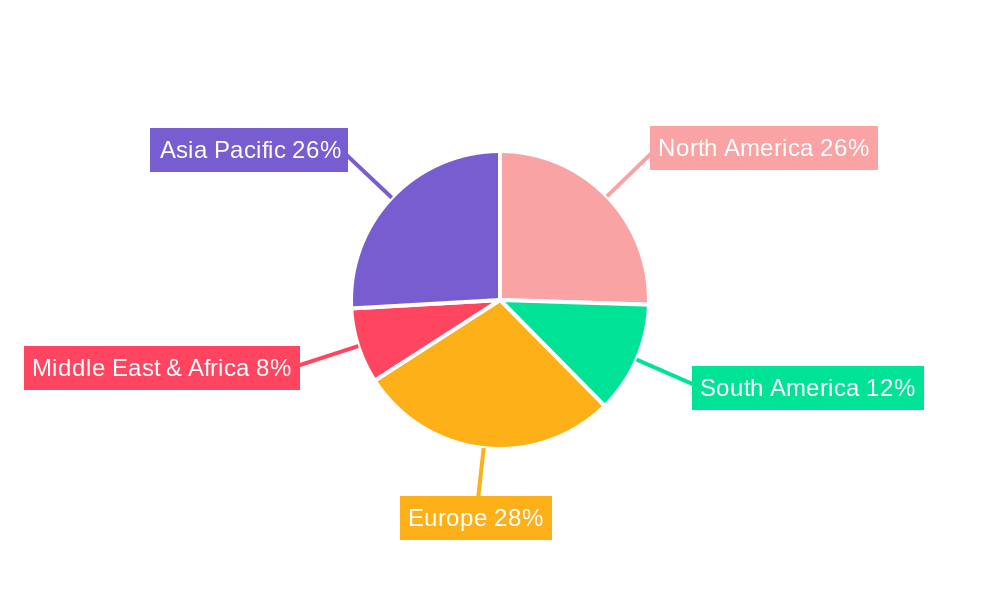
Soft Silicone Pacifier Regional Market Share
Geographic Coverage of Soft Silicone Pacifier
Soft Silicone Pacifier REPORT HIGHLIGHTS
| Aspects | Details |
|---|---|
| Study Period | 2020-2034 |
| Base Year | 2025 |
| Estimated Year | 2026 |
| Forecast Period | 2026-2034 |
| Historical Period | 2020-2025 |
| Growth Rate | CAGR of 6.3% from 2020-2034 |
| Segmentation |
|
Table of Contents
- 1. Introduction
- 1.1. Research Scope
- 1.2. Market Segmentation
- 1.3. Research Methodology
- 1.4. Definitions and Assumptions
- 2. Executive Summary
- 2.1. Introduction
- 3. Market Dynamics
- 3.1. Introduction
- 3.2. Market Drivers
- 3.3. Market Restrains
- 3.4. Market Trends
- 4. Market Factor Analysis
- 4.1. Porters Five Forces
- 4.2. Supply/Value Chain
- 4.3. PESTEL analysis
- 4.4. Market Entropy
- 4.5. Patent/Trademark Analysis
- 5. Global Soft Silicone Pacifier Analysis, Insights and Forecast, 2020-2032
- 5.1. Market Analysis, Insights and Forecast - by Application
- 5.1.1. For Babies of 0-6 Months
- 5.1.2. For Babies of 6-18 Months
- 5.1.3. For Babies of 18+ Months
- 5.2. Market Analysis, Insights and Forecast - by Types
- 5.2.1. Multiple-piece
- 5.2.2. One-piece
- 5.3. Market Analysis, Insights and Forecast - by Region
- 5.3.1. North America
- 5.3.2. South America
- 5.3.3. Europe
- 5.3.4. Middle East & Africa
- 5.3.5. Asia Pacific
- 5.1. Market Analysis, Insights and Forecast - by Application
- 6. North America Soft Silicone Pacifier Analysis, Insights and Forecast, 2020-2032
- 6.1. Market Analysis, Insights and Forecast - by Application
- 6.1.1. For Babies of 0-6 Months
- 6.1.2. For Babies of 6-18 Months
- 6.1.3. For Babies of 18+ Months
- 6.2. Market Analysis, Insights and Forecast - by Types
- 6.2.1. Multiple-piece
- 6.2.2. One-piece
- 6.1. Market Analysis, Insights and Forecast - by Application
- 7. South America Soft Silicone Pacifier Analysis, Insights and Forecast, 2020-2032
- 7.1. Market Analysis, Insights and Forecast - by Application
- 7.1.1. For Babies of 0-6 Months
- 7.1.2. For Babies of 6-18 Months
- 7.1.3. For Babies of 18+ Months
- 7.2. Market Analysis, Insights and Forecast - by Types
- 7.2.1. Multiple-piece
- 7.2.2. One-piece
- 7.1. Market Analysis, Insights and Forecast - by Application
- 8. Europe Soft Silicone Pacifier Analysis, Insights and Forecast, 2020-2032
- 8.1. Market Analysis, Insights and Forecast - by Application
- 8.1.1. For Babies of 0-6 Months
- 8.1.2. For Babies of 6-18 Months
- 8.1.3. For Babies of 18+ Months
- 8.2. Market Analysis, Insights and Forecast - by Types
- 8.2.1. Multiple-piece
- 8.2.2. One-piece
- 8.1. Market Analysis, Insights and Forecast - by Application
- 9. Middle East & Africa Soft Silicone Pacifier Analysis, Insights and Forecast, 2020-2032
- 9.1. Market Analysis, Insights and Forecast - by Application
- 9.1.1. For Babies of 0-6 Months
- 9.1.2. For Babies of 6-18 Months
- 9.1.3. For Babies of 18+ Months
- 9.2. Market Analysis, Insights and Forecast - by Types
- 9.2.1. Multiple-piece
- 9.2.2. One-piece
- 9.1. Market Analysis, Insights and Forecast - by Application
- 10. Asia Pacific Soft Silicone Pacifier Analysis, Insights and Forecast, 2020-2032
- 10.1. Market Analysis, Insights and Forecast - by Application
- 10.1.1. For Babies of 0-6 Months
- 10.1.2. For Babies of 6-18 Months
- 10.1.3. For Babies of 18+ Months
- 10.2. Market Analysis, Insights and Forecast - by Types
- 10.2.1. Multiple-piece
- 10.2.2. One-piece
- 10.1. Market Analysis, Insights and Forecast - by Application
- 11. Competitive Analysis
- 11.1. Global Market Share Analysis 2025
- 11.2. Company Profiles
- 11.2.1 MAM
- 11.2.1.1. Overview
- 11.2.1.2. Products
- 11.2.1.3. SWOT Analysis
- 11.2.1.4. Recent Developments
- 11.2.1.5. Financials (Based on Availability)
- 11.2.2 Pigeon
- 11.2.2.1. Overview
- 11.2.2.2. Products
- 11.2.2.3. SWOT Analysis
- 11.2.2.4. Recent Developments
- 11.2.2.5. Financials (Based on Availability)
- 11.2.3 AVENT
- 11.2.3.1. Overview
- 11.2.3.2. Products
- 11.2.3.3. SWOT Analysis
- 11.2.3.4. Recent Developments
- 11.2.3.5. Financials (Based on Availability)
- 11.2.4 NUK
- 11.2.4.1. Overview
- 11.2.4.2. Products
- 11.2.4.3. SWOT Analysis
- 11.2.4.4. Recent Developments
- 11.2.4.5. Financials (Based on Availability)
- 11.2.5 Chicco
- 11.2.5.1. Overview
- 11.2.5.2. Products
- 11.2.5.3. SWOT Analysis
- 11.2.5.4. Recent Developments
- 11.2.5.5. Financials (Based on Availability)
- 11.2.6 Dr. Brown's
- 11.2.6.1. Overview
- 11.2.6.2. Products
- 11.2.6.3. SWOT Analysis
- 11.2.6.4. Recent Developments
- 11.2.6.5. Financials (Based on Availability)
- 11.2.7 Nuby
- 11.2.7.1. Overview
- 11.2.7.2. Products
- 11.2.7.3. SWOT Analysis
- 11.2.7.4. Recent Developments
- 11.2.7.5. Financials (Based on Availability)
- 11.2.8 NIP
- 11.2.8.1. Overview
- 11.2.8.2. Products
- 11.2.8.3. SWOT Analysis
- 11.2.8.4. Recent Developments
- 11.2.8.5. Financials (Based on Availability)
- 11.2.9 Playtex
- 11.2.9.1. Overview
- 11.2.9.2. Products
- 11.2.9.3. SWOT Analysis
- 11.2.9.4. Recent Developments
- 11.2.9.5. Financials (Based on Availability)
- 11.2.10 Suavinex
- 11.2.10.1. Overview
- 11.2.10.2. Products
- 11.2.10.3. SWOT Analysis
- 11.2.10.4. Recent Developments
- 11.2.10.5. Financials (Based on Availability)
- 11.2.11 Goodbaby & evenflo
- 11.2.11.1. Overview
- 11.2.11.2. Products
- 11.2.11.3. SWOT Analysis
- 11.2.11.4. Recent Developments
- 11.2.11.5. Financials (Based on Availability)
- 11.2.12 Lovi
- 11.2.12.1. Overview
- 11.2.12.2. Products
- 11.2.12.3. SWOT Analysis
- 11.2.12.4. Recent Developments
- 11.2.12.5. Financials (Based on Availability)
- 11.2.13 Tommee Tippee
- 11.2.13.1. Overview
- 11.2.13.2. Products
- 11.2.13.3. SWOT Analysis
- 11.2.13.4. Recent Developments
- 11.2.13.5. Financials (Based on Availability)
- 11.2.14 Natursutten
- 11.2.14.1. Overview
- 11.2.14.2. Products
- 11.2.14.3. SWOT Analysis
- 11.2.14.4. Recent Developments
- 11.2.14.5. Financials (Based on Availability)
- 11.2.15 US Baby
- 11.2.15.1. Overview
- 11.2.15.2. Products
- 11.2.15.3. SWOT Analysis
- 11.2.15.4. Recent Developments
- 11.2.15.5. Financials (Based on Availability)
- 11.2.16 Babisil
- 11.2.16.1. Overview
- 11.2.16.2. Products
- 11.2.16.3. SWOT Analysis
- 11.2.16.4. Recent Developments
- 11.2.16.5. Financials (Based on Availability)
- 11.2.17 Born Free
- 11.2.17.1. Overview
- 11.2.17.2. Products
- 11.2.17.3. SWOT Analysis
- 11.2.17.4. Recent Developments
- 11.2.17.5. Financials (Based on Availability)
- 11.2.18 IVORY
- 11.2.18.1. Overview
- 11.2.18.2. Products
- 11.2.18.3. SWOT Analysis
- 11.2.18.4. Recent Developments
- 11.2.18.5. Financials (Based on Availability)
- 11.2.19 Rikang
- 11.2.19.1. Overview
- 11.2.19.2. Products
- 11.2.19.3. SWOT Analysis
- 11.2.19.4. Recent Developments
- 11.2.19.5. Financials (Based on Availability)
- 11.2.20 Combi
- 11.2.20.1. Overview
- 11.2.20.2. Products
- 11.2.20.3. SWOT Analysis
- 11.2.20.4. Recent Developments
- 11.2.20.5. Financials (Based on Availability)
- 11.2.21 Rhshine
- 11.2.21.1. Overview
- 11.2.21.2. Products
- 11.2.21.3. SWOT Analysis
- 11.2.21.4. Recent Developments
- 11.2.21.5. Financials (Based on Availability)
- 11.2.1 MAM
List of Figures
- Figure 1: Global Soft Silicone Pacifier Revenue Breakdown (undefined, %) by Region 2025 & 2033
- Figure 2: North America Soft Silicone Pacifier Revenue (undefined), by Application 2025 & 2033
- Figure 3: North America Soft Silicone Pacifier Revenue Share (%), by Application 2025 & 2033
- Figure 4: North America Soft Silicone Pacifier Revenue (undefined), by Types 2025 & 2033
- Figure 5: North America Soft Silicone Pacifier Revenue Share (%), by Types 2025 & 2033
- Figure 6: North America Soft Silicone Pacifier Revenue (undefined), by Country 2025 & 2033
- Figure 7: North America Soft Silicone Pacifier Revenue Share (%), by Country 2025 & 2033
- Figure 8: South America Soft Silicone Pacifier Revenue (undefined), by Application 2025 & 2033
- Figure 9: South America Soft Silicone Pacifier Revenue Share (%), by Application 2025 & 2033
- Figure 10: South America Soft Silicone Pacifier Revenue (undefined), by Types 2025 & 2033
- Figure 11: South America Soft Silicone Pacifier Revenue Share (%), by Types 2025 & 2033
- Figure 12: South America Soft Silicone Pacifier Revenue (undefined), by Country 2025 & 2033
- Figure 13: South America Soft Silicone Pacifier Revenue Share (%), by Country 2025 & 2033
- Figure 14: Europe Soft Silicone Pacifier Revenue (undefined), by Application 2025 & 2033
- Figure 15: Europe Soft Silicone Pacifier Revenue Share (%), by Application 2025 & 2033
- Figure 16: Europe Soft Silicone Pacifier Revenue (undefined), by Types 2025 & 2033
- Figure 17: Europe Soft Silicone Pacifier Revenue Share (%), by Types 2025 & 2033
- Figure 18: Europe Soft Silicone Pacifier Revenue (undefined), by Country 2025 & 2033
- Figure 19: Europe Soft Silicone Pacifier Revenue Share (%), by Country 2025 & 2033
- Figure 20: Middle East & Africa Soft Silicone Pacifier Revenue (undefined), by Application 2025 & 2033
- Figure 21: Middle East & Africa Soft Silicone Pacifier Revenue Share (%), by Application 2025 & 2033
- Figure 22: Middle East & Africa Soft Silicone Pacifier Revenue (undefined), by Types 2025 & 2033
- Figure 23: Middle East & Africa Soft Silicone Pacifier Revenue Share (%), by Types 2025 & 2033
- Figure 24: Middle East & Africa Soft Silicone Pacifier Revenue (undefined), by Country 2025 & 2033
- Figure 25: Middle East & Africa Soft Silicone Pacifier Revenue Share (%), by Country 2025 & 2033
- Figure 26: Asia Pacific Soft Silicone Pacifier Revenue (undefined), by Application 2025 & 2033
- Figure 27: Asia Pacific Soft Silicone Pacifier Revenue Share (%), by Application 2025 & 2033
- Figure 28: Asia Pacific Soft Silicone Pacifier Revenue (undefined), by Types 2025 & 2033
- Figure 29: Asia Pacific Soft Silicone Pacifier Revenue Share (%), by Types 2025 & 2033
- Figure 30: Asia Pacific Soft Silicone Pacifier Revenue (undefined), by Country 2025 & 2033
- Figure 31: Asia Pacific Soft Silicone Pacifier Revenue Share (%), by Country 2025 & 2033
List of Tables
- Table 1: Global Soft Silicone Pacifier Revenue undefined Forecast, by Application 2020 & 2033
- Table 2: Global Soft Silicone Pacifier Revenue undefined Forecast, by Types 2020 & 2033
- Table 3: Global Soft Silicone Pacifier Revenue undefined Forecast, by Region 2020 & 2033
- Table 4: Global Soft Silicone Pacifier Revenue undefined Forecast, by Application 2020 & 2033
- Table 5: Global Soft Silicone Pacifier Revenue undefined Forecast, by Types 2020 & 2033
- Table 6: Global Soft Silicone Pacifier Revenue undefined Forecast, by Country 2020 & 2033
- Table 7: United States Soft Silicone Pacifier Revenue (undefined) Forecast, by Application 2020 & 2033
- Table 8: Canada Soft Silicone Pacifier Revenue (undefined) Forecast, by Application 2020 & 2033
- Table 9: Mexico Soft Silicone Pacifier Revenue (undefined) Forecast, by Application 2020 & 2033
- Table 10: Global Soft Silicone Pacifier Revenue undefined Forecast, by Application 2020 & 2033
- Table 11: Global Soft Silicone Pacifier Revenue undefined Forecast, by Types 2020 & 2033
- Table 12: Global Soft Silicone Pacifier Revenue undefined Forecast, by Country 2020 & 2033
- Table 13: Brazil Soft Silicone Pacifier Revenue (undefined) Forecast, by Application 2020 & 2033
- Table 14: Argentina Soft Silicone Pacifier Revenue (undefined) Forecast, by Application 2020 & 2033
- Table 15: Rest of South America Soft Silicone Pacifier Revenue (undefined) Forecast, by Application 2020 & 2033
- Table 16: Global Soft Silicone Pacifier Revenue undefined Forecast, by Application 2020 & 2033
- Table 17: Global Soft Silicone Pacifier Revenue undefined Forecast, by Types 2020 & 2033
- Table 18: Global Soft Silicone Pacifier Revenue undefined Forecast, by Country 2020 & 2033
- Table 19: United Kingdom Soft Silicone Pacifier Revenue (undefined) Forecast, by Application 2020 & 2033
- Table 20: Germany Soft Silicone Pacifier Revenue (undefined) Forecast, by Application 2020 & 2033
- Table 21: France Soft Silicone Pacifier Revenue (undefined) Forecast, by Application 2020 & 2033
- Table 22: Italy Soft Silicone Pacifier Revenue (undefined) Forecast, by Application 2020 & 2033
- Table 23: Spain Soft Silicone Pacifier Revenue (undefined) Forecast, by Application 2020 & 2033
- Table 24: Russia Soft Silicone Pacifier Revenue (undefined) Forecast, by Application 2020 & 2033
- Table 25: Benelux Soft Silicone Pacifier Revenue (undefined) Forecast, by Application 2020 & 2033
- Table 26: Nordics Soft Silicone Pacifier Revenue (undefined) Forecast, by Application 2020 & 2033
- Table 27: Rest of Europe Soft Silicone Pacifier Revenue (undefined) Forecast, by Application 2020 & 2033
- Table 28: Global Soft Silicone Pacifier Revenue undefined Forecast, by Application 2020 & 2033
- Table 29: Global Soft Silicone Pacifier Revenue undefined Forecast, by Types 2020 & 2033
- Table 30: Global Soft Silicone Pacifier Revenue undefined Forecast, by Country 2020 & 2033
- Table 31: Turkey Soft Silicone Pacifier Revenue (undefined) Forecast, by Application 2020 & 2033
- Table 32: Israel Soft Silicone Pacifier Revenue (undefined) Forecast, by Application 2020 & 2033
- Table 33: GCC Soft Silicone Pacifier Revenue (undefined) Forecast, by Application 2020 & 2033
- Table 34: North Africa Soft Silicone Pacifier Revenue (undefined) Forecast, by Application 2020 & 2033
- Table 35: South Africa Soft Silicone Pacifier Revenue (undefined) Forecast, by Application 2020 & 2033
- Table 36: Rest of Middle East & Africa Soft Silicone Pacifier Revenue (undefined) Forecast, by Application 2020 & 2033
- Table 37: Global Soft Silicone Pacifier Revenue undefined Forecast, by Application 2020 & 2033
- Table 38: Global Soft Silicone Pacifier Revenue undefined Forecast, by Types 2020 & 2033
- Table 39: Global Soft Silicone Pacifier Revenue undefined Forecast, by Country 2020 & 2033
- Table 40: China Soft Silicone Pacifier Revenue (undefined) Forecast, by Application 2020 & 2033
- Table 41: India Soft Silicone Pacifier Revenue (undefined) Forecast, by Application 2020 & 2033
- Table 42: Japan Soft Silicone Pacifier Revenue (undefined) Forecast, by Application 2020 & 2033
- Table 43: South Korea Soft Silicone Pacifier Revenue (undefined) Forecast, by Application 2020 & 2033
- Table 44: ASEAN Soft Silicone Pacifier Revenue (undefined) Forecast, by Application 2020 & 2033
- Table 45: Oceania Soft Silicone Pacifier Revenue (undefined) Forecast, by Application 2020 & 2033
- Table 46: Rest of Asia Pacific Soft Silicone Pacifier Revenue (undefined) Forecast, by Application 2020 & 2033
Frequently Asked Questions
1. What is the projected Compound Annual Growth Rate (CAGR) of the Soft Silicone Pacifier?
The projected CAGR is approximately 6.3%.
2. Which companies are prominent players in the Soft Silicone Pacifier?
Key companies in the market include MAM, Pigeon, AVENT, NUK, Chicco, Dr. Brown's, Nuby, NIP, Playtex, Suavinex, Goodbaby & evenflo, Lovi, Tommee Tippee, Natursutten, US Baby, Babisil, Born Free, IVORY, Rikang, Combi, Rhshine.
3. What are the main segments of the Soft Silicone Pacifier?
The market segments include Application, Types.
4. Can you provide details about the market size?
The market size is estimated to be USD XXX N/A as of 2022.
5. What are some drivers contributing to market growth?
N/A
6. What are the notable trends driving market growth?
N/A
7. Are there any restraints impacting market growth?
N/A
8. Can you provide examples of recent developments in the market?
N/A
9. What pricing options are available for accessing the report?
Pricing options include single-user, multi-user, and enterprise licenses priced at USD 2900.00, USD 4350.00, and USD 5800.00 respectively.
10. Is the market size provided in terms of value or volume?
The market size is provided in terms of value, measured in N/A.
11. Are there any specific market keywords associated with the report?
Yes, the market keyword associated with the report is "Soft Silicone Pacifier," which aids in identifying and referencing the specific market segment covered.
12. How do I determine which pricing option suits my needs best?
The pricing options vary based on user requirements and access needs. Individual users may opt for single-user licenses, while businesses requiring broader access may choose multi-user or enterprise licenses for cost-effective access to the report.
13. Are there any additional resources or data provided in the Soft Silicone Pacifier report?
While the report offers comprehensive insights, it's advisable to review the specific contents or supplementary materials provided to ascertain if additional resources or data are available.
14. How can I stay updated on further developments or reports in the Soft Silicone Pacifier?
To stay informed about further developments, trends, and reports in the Soft Silicone Pacifier, consider subscribing to industry newsletters, following relevant companies and organizations, or regularly checking reputable industry news sources and publications.
Methodology
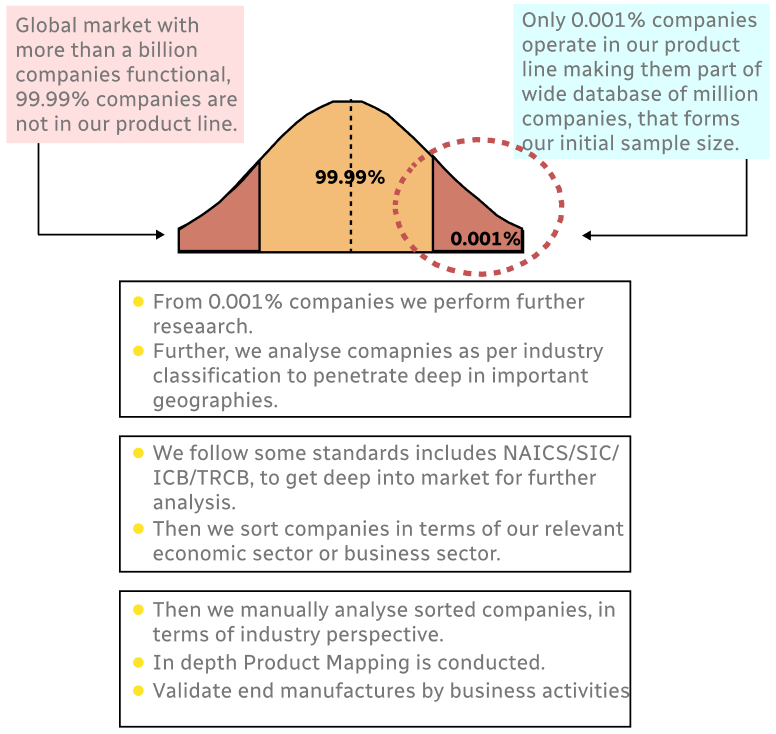
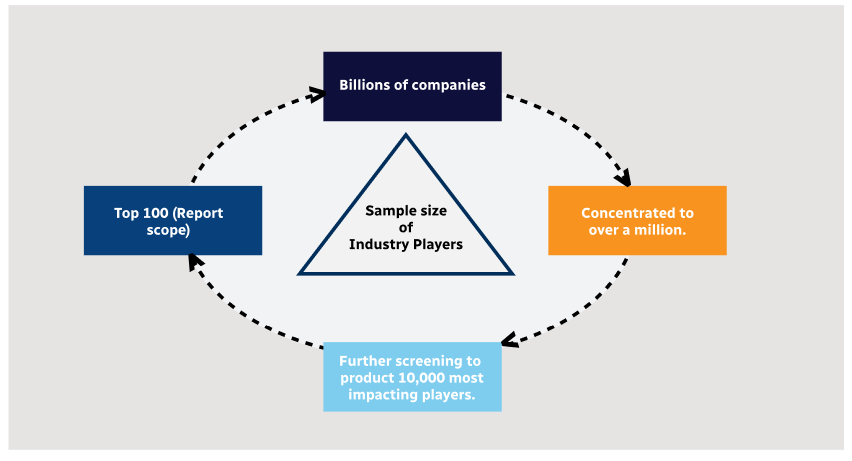
Step 1 - Identification of Relevant Samples Size from Population Database
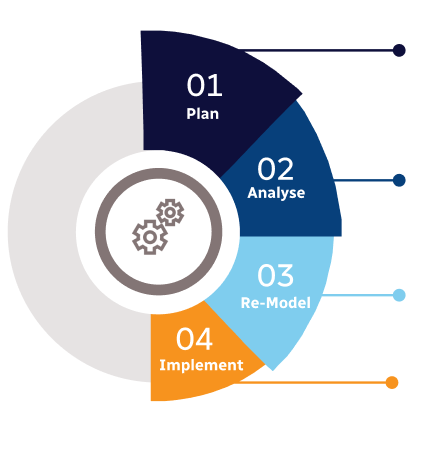
Step 2 - Approaches for Defining Global Market Size (Value, Volume* & Price*)
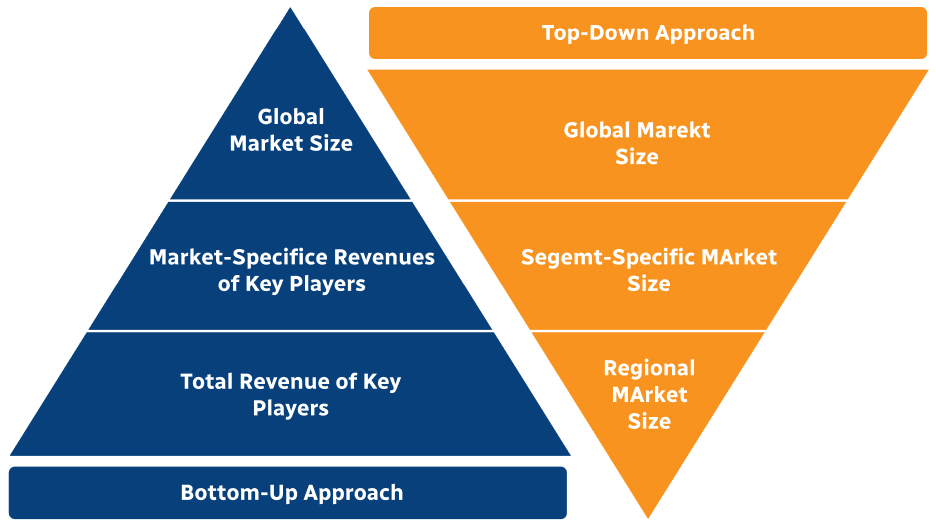
Note*: In applicable scenarios
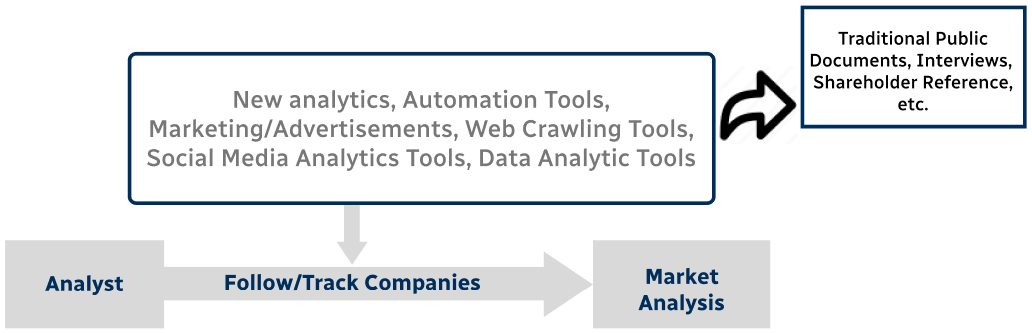
Step 3 - Data Sources
Primary Research
- Web Analytics
- Survey Reports
- Research Institute
- Latest Research Reports
- Opinion Leaders
Secondary Research
- Annual Reports
- White Paper
- Latest Press Release
- Industry Association
- Paid Database
- Investor Presentations
Step 4 - Data Triangulation
Involves using different sources of information in order to increase the validity of a study
These sources are likely to be stakeholders in a program - participants, other researchers, program staff, other community members, and so on.
Then we put all data in single framework & apply various statistical tools to find out the dynamic on the market.
During the analysis stage, feedback from the stakeholder groups would be compared to determine areas of agreement as well as areas of divergence