


Key Insights
The global shock absorbing foam market is experiencing robust growth, projected to reach an estimated market size of approximately $6.5 billion by 2025. This expansion is fueled by an increasing demand for enhanced safety and comfort across a multitude of applications, including automotive, consumer electronics, and protective gear. The automotive sector, in particular, is a significant driver, with manufacturers increasingly integrating advanced cushioning materials to improve occupant safety, reduce vibrations, and enhance the overall driving experience. Similarly, the burgeoning consumer electronics industry, with its array of delicate devices, relies heavily on shock absorbing foams for protection during transit and use. The aerospace industry also contributes to market demand, seeking lightweight yet effective solutions for vibration dampening and impact absorption. The market is characterized by a Compound Annual Growth Rate (CAGR) of roughly 5.8%, indicating a sustained upward trajectory. Key trends shaping this market include the development of advanced foam formulations with superior energy absorption properties, improved durability, and enhanced resilience. There's also a growing focus on sustainable and eco-friendly foam solutions as environmental regulations tighten and consumer preferences shift towards greener products.
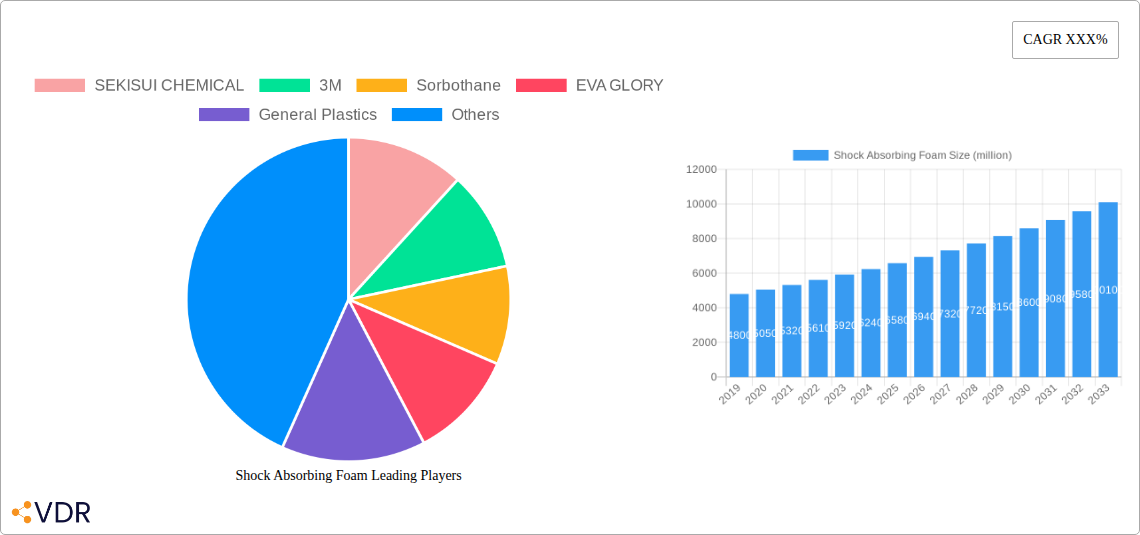
Shock Absorbing Foam Market Size (In Billion)

However, the market is not without its challenges. The relatively high cost of some advanced shock absorbing foam materials can be a restraint, particularly for price-sensitive applications or smaller manufacturers. Fluctuations in raw material prices, such as those for polyurethanes and EVA (ethylene-vinyl acetate), can also impact production costs and market pricing. Despite these restraints, the inherent need for protection and comfort in modern products ensures continued market expansion. The competitive landscape features key players like SEKISUI CHEMICAL, 3M, and Sorbothane, who are actively involved in research and development to innovate new foam technologies and expand their market reach. The market is segmented by type, with Polyurethane Foam and EVA Foam being dominant, and by application, highlighting the diverse end-user industries. Geographically, the Asia Pacific region is poised to be a significant growth engine due to its strong manufacturing base and increasing disposable incomes, leading to higher demand for products incorporating shock absorbing materials. North America and Europe remain mature markets with consistent demand driven by technological advancements and stringent safety standards.

Shock Absorbing Foam Company Market Share
This in-depth report provides a definitive analysis of the global shock absorbing foam market, meticulously detailing its dynamics, growth trajectory, and future outlook. Covering the historical period from 2019 to 2024, the base year of 2025, and a comprehensive forecast period through 2033, this study offers unparalleled insights for industry stakeholders. We delve into market segmentation by application (Automotive, Consumer Electronics, Aerospace, Protective Gear, Other) and type (Polyurethane Foam, EVA Foam, Other), providing quantitative and qualitative assessments crucial for strategic decision-making.
Shock Absorbing Foam Market Dynamics & Structure
The global shock absorbing foam market exhibits a moderately fragmented structure, with key players like SEKISUI CHEMICAL, 3M, Sorbothane, EVA GLORY, General Plastics, SHOCKtec, Nam Liong Global, CHIN LI PLASTIC INDUSTRIAL, and Vibro/Dynamics holding significant influence. Technological innovation, particularly in developing advanced materials with superior energy absorption capabilities and lighter weight, serves as a primary growth driver. Stringent regulatory frameworks focused on safety standards in industries such as automotive and aerospace further mandate the adoption of high-performance shock absorbing solutions. Competitive product substitutes, though present in certain niche applications, are continuously challenged by the unique performance characteristics and tailored solutions offered by advanced foams. End-user demographics are increasingly sophisticated, demanding greater comfort, safety, and product longevity, influencing material selection. Mergers and acquisitions (M&A) trends, while not overtly dominant, have played a role in consolidating market share and expanding technological portfolios, contributing to an estimated XX million units in M&A deal volumes over the historical period.
- Market Concentration: Moderately fragmented with a few key players dominating specific segments.
- Technological Innovation Drivers: Development of advanced materials, enhanced energy absorption, lightweighting, and customizability.
- Regulatory Frameworks: Stringent safety standards in automotive, aerospace, and protective gear.
- Competitive Product Substitutes: Emerging alternatives in specific applications but generally outpaced by advanced foam performance.
- End-User Demographics: Growing demand for enhanced safety, comfort, durability, and sustainability.
- M&A Trends: Strategic acquisitions to expand product portfolios and market reach.
Shock Absorbing Foam Growth Trends & Insights
The shock absorbing foam market has witnessed robust growth throughout the historical period (2019-2024), driven by escalating demand across its diverse application segments. In the base year 2025, the market is projected to reach an estimated $XX billion in value, with a projected Compound Annual Growth Rate (CAGR) of approximately XX% during the forecast period (2025-2033). This sustained expansion is largely attributable to increased automotive production, where shock absorbing foams are critical for passenger safety and vehicle comfort, and the burgeoning consumer electronics sector, necessitating protective solutions for delicate devices. Furthermore, the aerospace industry's continuous pursuit of lightweight yet highly resilient materials for aircraft interiors and components significantly contributes to market penetration. Technological advancements, including the development of bio-based and recyclable shock absorbing foams, are aligning with evolving consumer preferences towards sustainable products. Innovations in manufacturing processes are also contributing to cost efficiencies and the scalability of production, making these advanced materials more accessible. Consumer behavior shifts towards prioritizing product safety and durability are further accelerating adoption rates. The overall market penetration for shock absorbing foams is estimated to reach XX% by 2033, underscoring its increasing indispensability across various industries.
Dominant Regions, Countries, or Segments in Shock Absorbing Foam
The Automotive application segment is unequivocally the dominant force propelling the global shock absorbing foam market. In 2025, this segment is estimated to account for XX% of the total market revenue, translating to approximately XXX million units in market volume. This dominance is fueled by stringent automotive safety regulations worldwide, which mandate the use of advanced materials for impact absorption in vehicle interiors, seating, and chassis components. The increasing production of vehicles, particularly in emerging economies, coupled with the growing consumer demand for enhanced ride comfort and safety features, further solidifies the automotive sector's leading position.
- Key Drivers in Automotive:
- Mandatory safety regulations (e.g., FMVSS, Euro NCAP).
- Growing vehicle production volumes globally.
- Consumer preference for comfort and reduced NVH (Noise, Vibration, and Harshness).
- Electrification of vehicles, requiring specialized foam solutions for battery protection and noise reduction.
- Market Share & Growth Potential: Estimated to hold XX% market share in 2025, with a projected CAGR of XX% during the forecast period.
Beyond automotive, Polyurethane Foam stands out as the dominant type within the shock absorbing foam market. Its versatility, excellent energy absorption characteristics, and cost-effectiveness make it a preferred choice across numerous applications. The estimated market volume for Polyurethane Foam in 2025 is around XXX million units.
- Dominance Factors for Polyurethane Foam:
- Superior cushioning and impact absorption properties.
- Ease of manufacturing and customization for diverse shapes and densities.
- Cost-competitiveness compared to specialized alternatives.
- Wide range of formulations for specific performance requirements.
Geographically, Asia Pacific is the leading region, driven by its massive manufacturing base in automotive, consumer electronics, and its growing industrial sectors. The region is expected to contribute XX% to the global market revenue in 2025, with an estimated market volume of XXX million units. Countries like China, Japan, and South Korea are at the forefront of this growth, supported by favorable economic policies and substantial investments in R&D and manufacturing infrastructure.
- Regional Dominance Factors (Asia Pacific):
- Largest manufacturing hub for automotive and consumer electronics.
- Significant government support for advanced material industries.
- Growing middle class with increased purchasing power for safety-conscious products.
- Robust infrastructure development projects.
Shock Absorbing Foam Product Landscape
The shock absorbing foam market is characterized by continuous product innovation, focusing on enhanced performance metrics and novel applications. SEKISUI CHEMICAL's advanced polyurethane foams, for instance, offer superior energy dissipation with minimal rebound, making them ideal for aerospace safety applications. 3M's portfolio includes specialized viscoelastic foams that provide exceptional vibration damping for sensitive consumer electronics. Sorbothane's proprietary materials are renowned for their exceptional shock absorption capabilities, finding extensive use in high-impact protective gear like athletic insoles and industrial safety equipment. EVA GLORY and General Plastics are noted for their versatile EVA and cross-linked polyethylene foams, catering to a broad spectrum of applications from packaging to sporting goods. SHOCKtec and Nam Liong Global are pushing the boundaries with custom-engineered foam solutions for niche industrial requirements. CHIN LI PLASTIC INDUSTRIAL and Vibro/Dynamics contribute with their specialized offerings in industrial vibration control and structural cushioning.
Key Drivers, Barriers & Challenges in Shock Absorbing Foam
Key Drivers:
- Increasing Demand for Safety: Stringent safety regulations across automotive, aerospace, and consumer electronics sectors.
- Technological Advancements: Development of lightweight, high-performance foams with superior energy absorption.
- Growing Consumer Awareness: Increased consumer prioritization of product durability and protection.
- Electrification Trend: Growing need for specialized shock absorbing solutions in electric vehicles and battery systems.
- Sustainability Initiatives: Demand for bio-based and recyclable foam materials.
Barriers & Challenges:
- Raw Material Price Volatility: Fluctuations in the cost of petrochemical-based raw materials can impact pricing.
- High R&D Investment: Developing advanced foam formulations requires significant upfront investment.
- Competition from Alternative Materials: While shock absorbing foams offer unique benefits, some applications may see competition from other damping materials.
- End-of-Life Management: Developing effective recycling and disposal solutions for certain foam types.
- Supply Chain Disruptions: Global events can impact the availability and cost of raw materials and finished products. The estimated impact of raw material price volatility on market growth is projected to be a reduction of XX% over the forecast period.
Emerging Opportunities in Shock Absorbing Foam
Emerging opportunities in the shock absorbing foam market lie in the development of smart foams with integrated sensor capabilities for real-time impact monitoring in critical applications. The growing demand for personalized protective gear, particularly in sports and healthcare, presents a significant avenue for custom-molded foam solutions. Furthermore, the expansion of autonomous driving technology will necessitate advanced shock absorption for enhanced passenger comfort and safety in a new mobility landscape. The increasing focus on circular economy principles also opens doors for innovative foam recycling technologies and the development of biodegradable foam alternatives. The untapped potential in emerging economies for protective packaging and industrial cushioning also represents a substantial growth area.
Growth Accelerators in the Shock Absorbing Foam Industry
Several catalysts are accelerating the growth of the shock absorbing foam industry. Technological breakthroughs in polymer science are enabling the creation of foams with unprecedented strength-to-weight ratios and improved energy absorption profiles. Strategic partnerships between foam manufacturers and end-product developers are fostering innovation and market adoption by ensuring that new foam solutions meet specific application needs. Market expansion strategies, particularly by key players targeting growth in developing regions, are crucial for unlocking new customer bases. The increasing integration of shock absorbing foams into the design phase of new products, rather than as an afterthought, is a significant growth accelerator, leading to more optimized and effective solutions.
Key Players Shaping the Shock Absorbing Foam Market
- SEKISUI CHEMICAL
- 3M
- Sorbothane
- EVA GLORY
- General Plastics
- SHOCKtec
- Nam Liong Global
- CHIN LI PLASTIC INDUSTRIAL
- Vibro/Dynamics
Notable Milestones in Shock Absorbing Foam Sector
- 2019: Introduction of bio-based polyurethane foams with comparable performance to traditional foams, addressing sustainability concerns.
- 2020: Development of advanced viscoelastic foams by 3M for enhanced vibration damping in sensitive electronics.
- 2021: SEKISUI CHEMICAL launched a new line of lightweight, high-impact resistant foams for aerospace interiors.
- 2022: Significant advancements in cross-linked polyethylene foam formulations by EVA GLORY for improved flexibility and resilience.
- 2023: General Plastics introduced innovative custom-molding techniques for protective gear applications.
- 2024: Increased M&A activity focused on acquiring companies with specialized foaming technologies.
In-Depth Shock Absorbing Foam Market Outlook
The future outlook for the shock absorbing foam market is exceptionally positive, driven by relentless innovation and expanding applications. Growth accelerators such as advanced material science, strategic industry collaborations, and targeted market expansion initiatives will continue to fuel demand. The increasing integration of these foams into next-generation technologies, including electric vehicles and advanced aerospace components, ensures sustained relevance. Emerging opportunities in smart materials and sustainable solutions will further diversify and broaden the market's reach, promising continued robust growth and significant strategic opportunities for stakeholders. The projected market size by 2033 is estimated to reach $XX billion.
Shock Absorbing Foam Segmentation
-
1. Application
- 1.1. Automotive
- 1.2. Consumer Electronics
- 1.3. Aerospace
- 1.4. Protective Gear
- 1.5. Other
-
2. Type
- 2.1. Polyurethane Foam
- 2.2. EVA Foam
- 2.3. Other
Shock Absorbing Foam Segmentation By Geography
-
1. North America
- 1.1. United States
- 1.2. Canada
- 1.3. Mexico
-
2. South America
- 2.1. Brazil
- 2.2. Argentina
- 2.3. Rest of South America
-
3. Europe
- 3.1. United Kingdom
- 3.2. Germany
- 3.3. France
- 3.4. Italy
- 3.5. Spain
- 3.6. Russia
- 3.7. Benelux
- 3.8. Nordics
- 3.9. Rest of Europe
-
4. Middle East & Africa
- 4.1. Turkey
- 4.2. Israel
- 4.3. GCC
- 4.4. North Africa
- 4.5. South Africa
- 4.6. Rest of Middle East & Africa
-
5. Asia Pacific
- 5.1. China
- 5.2. India
- 5.3. Japan
- 5.4. South Korea
- 5.5. ASEAN
- 5.6. Oceania
- 5.7. Rest of Asia Pacific
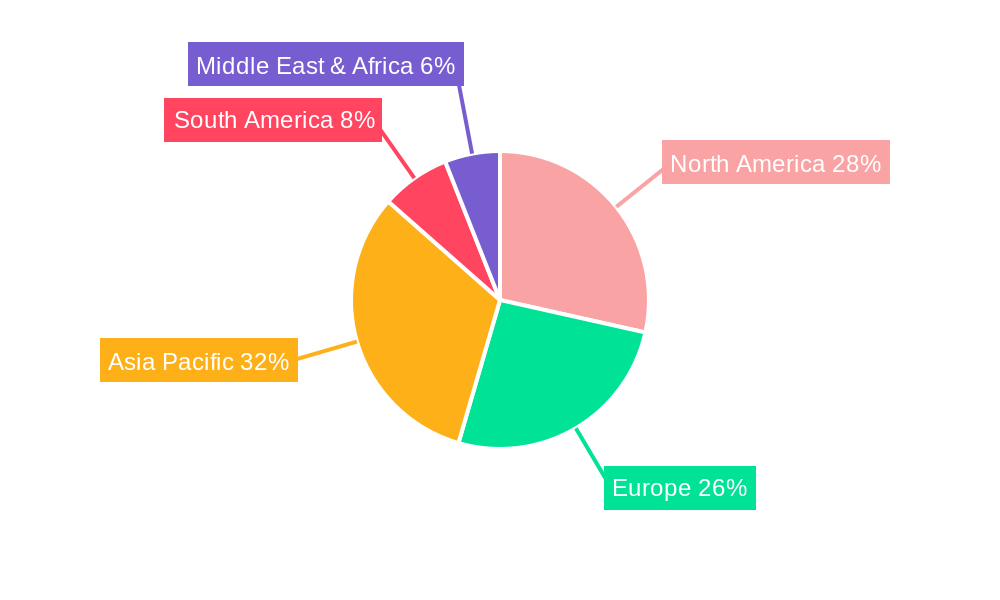
Shock Absorbing Foam Regional Market Share
Geographic Coverage of Shock Absorbing Foam
Shock Absorbing Foam REPORT HIGHLIGHTS
| Aspects | Details |
|---|---|
| Study Period | 2020-2034 |
| Base Year | 2025 |
| Estimated Year | 2026 |
| Forecast Period | 2026-2034 |
| Historical Period | 2020-2025 |
| Growth Rate | CAGR of XXX% from 2020-2034 |
| Segmentation |
|
Table of Contents
- 1. Introduction
- 1.1. Research Scope
- 1.2. Market Segmentation
- 1.3. Research Methodology
- 1.4. Definitions and Assumptions
- 2. Executive Summary
- 2.1. Introduction
- 3. Market Dynamics
- 3.1. Introduction
- 3.2. Market Drivers
- 3.3. Market Restrains
- 3.4. Market Trends
- 4. Market Factor Analysis
- 4.1. Porters Five Forces
- 4.2. Supply/Value Chain
- 4.3. PESTEL analysis
- 4.4. Market Entropy
- 4.5. Patent/Trademark Analysis
- 5. Global Shock Absorbing Foam Analysis, Insights and Forecast, 2020-2032
- 5.1. Market Analysis, Insights and Forecast - by Application
- 5.1.1. Automotive
- 5.1.2. Consumer Electronics
- 5.1.3. Aerospace
- 5.1.4. Protective Gear
- 5.1.5. Other
- 5.2. Market Analysis, Insights and Forecast - by Type
- 5.2.1. Polyurethane Foam
- 5.2.2. EVA Foam
- 5.2.3. Other
- 5.3. Market Analysis, Insights and Forecast - by Region
- 5.3.1. North America
- 5.3.2. South America
- 5.3.3. Europe
- 5.3.4. Middle East & Africa
- 5.3.5. Asia Pacific
- 5.1. Market Analysis, Insights and Forecast - by Application
- 6. North America Shock Absorbing Foam Analysis, Insights and Forecast, 2020-2032
- 6.1. Market Analysis, Insights and Forecast - by Application
- 6.1.1. Automotive
- 6.1.2. Consumer Electronics
- 6.1.3. Aerospace
- 6.1.4. Protective Gear
- 6.1.5. Other
- 6.2. Market Analysis, Insights and Forecast - by Type
- 6.2.1. Polyurethane Foam
- 6.2.2. EVA Foam
- 6.2.3. Other
- 6.1. Market Analysis, Insights and Forecast - by Application
- 7. South America Shock Absorbing Foam Analysis, Insights and Forecast, 2020-2032
- 7.1. Market Analysis, Insights and Forecast - by Application
- 7.1.1. Automotive
- 7.1.2. Consumer Electronics
- 7.1.3. Aerospace
- 7.1.4. Protective Gear
- 7.1.5. Other
- 7.2. Market Analysis, Insights and Forecast - by Type
- 7.2.1. Polyurethane Foam
- 7.2.2. EVA Foam
- 7.2.3. Other
- 7.1. Market Analysis, Insights and Forecast - by Application
- 8. Europe Shock Absorbing Foam Analysis, Insights and Forecast, 2020-2032
- 8.1. Market Analysis, Insights and Forecast - by Application
- 8.1.1. Automotive
- 8.1.2. Consumer Electronics
- 8.1.3. Aerospace
- 8.1.4. Protective Gear
- 8.1.5. Other
- 8.2. Market Analysis, Insights and Forecast - by Type
- 8.2.1. Polyurethane Foam
- 8.2.2. EVA Foam
- 8.2.3. Other
- 8.1. Market Analysis, Insights and Forecast - by Application
- 9. Middle East & Africa Shock Absorbing Foam Analysis, Insights and Forecast, 2020-2032
- 9.1. Market Analysis, Insights and Forecast - by Application
- 9.1.1. Automotive
- 9.1.2. Consumer Electronics
- 9.1.3. Aerospace
- 9.1.4. Protective Gear
- 9.1.5. Other
- 9.2. Market Analysis, Insights and Forecast - by Type
- 9.2.1. Polyurethane Foam
- 9.2.2. EVA Foam
- 9.2.3. Other
- 9.1. Market Analysis, Insights and Forecast - by Application
- 10. Asia Pacific Shock Absorbing Foam Analysis, Insights and Forecast, 2020-2032
- 10.1. Market Analysis, Insights and Forecast - by Application
- 10.1.1. Automotive
- 10.1.2. Consumer Electronics
- 10.1.3. Aerospace
- 10.1.4. Protective Gear
- 10.1.5. Other
- 10.2. Market Analysis, Insights and Forecast - by Type
- 10.2.1. Polyurethane Foam
- 10.2.2. EVA Foam
- 10.2.3. Other
- 10.1. Market Analysis, Insights and Forecast - by Application
- 11. Competitive Analysis
- 11.1. Global Market Share Analysis 2025
- 11.2. Company Profiles
- 11.2.1 SEKISUI CHEMICAL
- 11.2.1.1. Overview
- 11.2.1.2. Products
- 11.2.1.3. SWOT Analysis
- 11.2.1.4. Recent Developments
- 11.2.1.5. Financials (Based on Availability)
- 11.2.2 3M
- 11.2.2.1. Overview
- 11.2.2.2. Products
- 11.2.2.3. SWOT Analysis
- 11.2.2.4. Recent Developments
- 11.2.2.5. Financials (Based on Availability)
- 11.2.3 Sorbothane
- 11.2.3.1. Overview
- 11.2.3.2. Products
- 11.2.3.3. SWOT Analysis
- 11.2.3.4. Recent Developments
- 11.2.3.5. Financials (Based on Availability)
- 11.2.4 EVA GLORY
- 11.2.4.1. Overview
- 11.2.4.2. Products
- 11.2.4.3. SWOT Analysis
- 11.2.4.4. Recent Developments
- 11.2.4.5. Financials (Based on Availability)
- 11.2.5 General Plastics
- 11.2.5.1. Overview
- 11.2.5.2. Products
- 11.2.5.3. SWOT Analysis
- 11.2.5.4. Recent Developments
- 11.2.5.5. Financials (Based on Availability)
- 11.2.6 SHOCKtec
- 11.2.6.1. Overview
- 11.2.6.2. Products
- 11.2.6.3. SWOT Analysis
- 11.2.6.4. Recent Developments
- 11.2.6.5. Financials (Based on Availability)
- 11.2.7 Nam Liong Global
- 11.2.7.1. Overview
- 11.2.7.2. Products
- 11.2.7.3. SWOT Analysis
- 11.2.7.4. Recent Developments
- 11.2.7.5. Financials (Based on Availability)
- 11.2.8 CHIN LI PLASTIC INDUSTRIAL
- 11.2.8.1. Overview
- 11.2.8.2. Products
- 11.2.8.3. SWOT Analysis
- 11.2.8.4. Recent Developments
- 11.2.8.5. Financials (Based on Availability)
- 11.2.9 Vibro/Dynamics
- 11.2.9.1. Overview
- 11.2.9.2. Products
- 11.2.9.3. SWOT Analysis
- 11.2.9.4. Recent Developments
- 11.2.9.5. Financials (Based on Availability)
- 11.2.1 SEKISUI CHEMICAL
List of Figures
- Figure 1: Global Shock Absorbing Foam Revenue Breakdown (million, %) by Region 2025 & 2033
- Figure 2: North America Shock Absorbing Foam Revenue (million), by Application 2025 & 2033
- Figure 3: North America Shock Absorbing Foam Revenue Share (%), by Application 2025 & 2033
- Figure 4: North America Shock Absorbing Foam Revenue (million), by Type 2025 & 2033
- Figure 5: North America Shock Absorbing Foam Revenue Share (%), by Type 2025 & 2033
- Figure 6: North America Shock Absorbing Foam Revenue (million), by Country 2025 & 2033
- Figure 7: North America Shock Absorbing Foam Revenue Share (%), by Country 2025 & 2033
- Figure 8: South America Shock Absorbing Foam Revenue (million), by Application 2025 & 2033
- Figure 9: South America Shock Absorbing Foam Revenue Share (%), by Application 2025 & 2033
- Figure 10: South America Shock Absorbing Foam Revenue (million), by Type 2025 & 2033
- Figure 11: South America Shock Absorbing Foam Revenue Share (%), by Type 2025 & 2033
- Figure 12: South America Shock Absorbing Foam Revenue (million), by Country 2025 & 2033
- Figure 13: South America Shock Absorbing Foam Revenue Share (%), by Country 2025 & 2033
- Figure 14: Europe Shock Absorbing Foam Revenue (million), by Application 2025 & 2033
- Figure 15: Europe Shock Absorbing Foam Revenue Share (%), by Application 2025 & 2033
- Figure 16: Europe Shock Absorbing Foam Revenue (million), by Type 2025 & 2033
- Figure 17: Europe Shock Absorbing Foam Revenue Share (%), by Type 2025 & 2033
- Figure 18: Europe Shock Absorbing Foam Revenue (million), by Country 2025 & 2033
- Figure 19: Europe Shock Absorbing Foam Revenue Share (%), by Country 2025 & 2033
- Figure 20: Middle East & Africa Shock Absorbing Foam Revenue (million), by Application 2025 & 2033
- Figure 21: Middle East & Africa Shock Absorbing Foam Revenue Share (%), by Application 2025 & 2033
- Figure 22: Middle East & Africa Shock Absorbing Foam Revenue (million), by Type 2025 & 2033
- Figure 23: Middle East & Africa Shock Absorbing Foam Revenue Share (%), by Type 2025 & 2033
- Figure 24: Middle East & Africa Shock Absorbing Foam Revenue (million), by Country 2025 & 2033
- Figure 25: Middle East & Africa Shock Absorbing Foam Revenue Share (%), by Country 2025 & 2033
- Figure 26: Asia Pacific Shock Absorbing Foam Revenue (million), by Application 2025 & 2033
- Figure 27: Asia Pacific Shock Absorbing Foam Revenue Share (%), by Application 2025 & 2033
- Figure 28: Asia Pacific Shock Absorbing Foam Revenue (million), by Type 2025 & 2033
- Figure 29: Asia Pacific Shock Absorbing Foam Revenue Share (%), by Type 2025 & 2033
- Figure 30: Asia Pacific Shock Absorbing Foam Revenue (million), by Country 2025 & 2033
- Figure 31: Asia Pacific Shock Absorbing Foam Revenue Share (%), by Country 2025 & 2033
List of Tables
- Table 1: Global Shock Absorbing Foam Revenue million Forecast, by Application 2020 & 2033
- Table 2: Global Shock Absorbing Foam Revenue million Forecast, by Type 2020 & 2033
- Table 3: Global Shock Absorbing Foam Revenue million Forecast, by Region 2020 & 2033
- Table 4: Global Shock Absorbing Foam Revenue million Forecast, by Application 2020 & 2033
- Table 5: Global Shock Absorbing Foam Revenue million Forecast, by Type 2020 & 2033
- Table 6: Global Shock Absorbing Foam Revenue million Forecast, by Country 2020 & 2033
- Table 7: United States Shock Absorbing Foam Revenue (million) Forecast, by Application 2020 & 2033
- Table 8: Canada Shock Absorbing Foam Revenue (million) Forecast, by Application 2020 & 2033
- Table 9: Mexico Shock Absorbing Foam Revenue (million) Forecast, by Application 2020 & 2033
- Table 10: Global Shock Absorbing Foam Revenue million Forecast, by Application 2020 & 2033
- Table 11: Global Shock Absorbing Foam Revenue million Forecast, by Type 2020 & 2033
- Table 12: Global Shock Absorbing Foam Revenue million Forecast, by Country 2020 & 2033
- Table 13: Brazil Shock Absorbing Foam Revenue (million) Forecast, by Application 2020 & 2033
- Table 14: Argentina Shock Absorbing Foam Revenue (million) Forecast, by Application 2020 & 2033
- Table 15: Rest of South America Shock Absorbing Foam Revenue (million) Forecast, by Application 2020 & 2033
- Table 16: Global Shock Absorbing Foam Revenue million Forecast, by Application 2020 & 2033
- Table 17: Global Shock Absorbing Foam Revenue million Forecast, by Type 2020 & 2033
- Table 18: Global Shock Absorbing Foam Revenue million Forecast, by Country 2020 & 2033
- Table 19: United Kingdom Shock Absorbing Foam Revenue (million) Forecast, by Application 2020 & 2033
- Table 20: Germany Shock Absorbing Foam Revenue (million) Forecast, by Application 2020 & 2033
- Table 21: France Shock Absorbing Foam Revenue (million) Forecast, by Application 2020 & 2033
- Table 22: Italy Shock Absorbing Foam Revenue (million) Forecast, by Application 2020 & 2033
- Table 23: Spain Shock Absorbing Foam Revenue (million) Forecast, by Application 2020 & 2033
- Table 24: Russia Shock Absorbing Foam Revenue (million) Forecast, by Application 2020 & 2033
- Table 25: Benelux Shock Absorbing Foam Revenue (million) Forecast, by Application 2020 & 2033
- Table 26: Nordics Shock Absorbing Foam Revenue (million) Forecast, by Application 2020 & 2033
- Table 27: Rest of Europe Shock Absorbing Foam Revenue (million) Forecast, by Application 2020 & 2033
- Table 28: Global Shock Absorbing Foam Revenue million Forecast, by Application 2020 & 2033
- Table 29: Global Shock Absorbing Foam Revenue million Forecast, by Type 2020 & 2033
- Table 30: Global Shock Absorbing Foam Revenue million Forecast, by Country 2020 & 2033
- Table 31: Turkey Shock Absorbing Foam Revenue (million) Forecast, by Application 2020 & 2033
- Table 32: Israel Shock Absorbing Foam Revenue (million) Forecast, by Application 2020 & 2033
- Table 33: GCC Shock Absorbing Foam Revenue (million) Forecast, by Application 2020 & 2033
- Table 34: North Africa Shock Absorbing Foam Revenue (million) Forecast, by Application 2020 & 2033
- Table 35: South Africa Shock Absorbing Foam Revenue (million) Forecast, by Application 2020 & 2033
- Table 36: Rest of Middle East & Africa Shock Absorbing Foam Revenue (million) Forecast, by Application 2020 & 2033
- Table 37: Global Shock Absorbing Foam Revenue million Forecast, by Application 2020 & 2033
- Table 38: Global Shock Absorbing Foam Revenue million Forecast, by Type 2020 & 2033
- Table 39: Global Shock Absorbing Foam Revenue million Forecast, by Country 2020 & 2033
- Table 40: China Shock Absorbing Foam Revenue (million) Forecast, by Application 2020 & 2033
- Table 41: India Shock Absorbing Foam Revenue (million) Forecast, by Application 2020 & 2033
- Table 42: Japan Shock Absorbing Foam Revenue (million) Forecast, by Application 2020 & 2033
- Table 43: South Korea Shock Absorbing Foam Revenue (million) Forecast, by Application 2020 & 2033
- Table 44: ASEAN Shock Absorbing Foam Revenue (million) Forecast, by Application 2020 & 2033
- Table 45: Oceania Shock Absorbing Foam Revenue (million) Forecast, by Application 2020 & 2033
- Table 46: Rest of Asia Pacific Shock Absorbing Foam Revenue (million) Forecast, by Application 2020 & 2033
Frequently Asked Questions
1. What is the projected Compound Annual Growth Rate (CAGR) of the Shock Absorbing Foam?
The projected CAGR is approximately XXX%.
2. Which companies are prominent players in the Shock Absorbing Foam?
Key companies in the market include SEKISUI CHEMICAL, 3M, Sorbothane, EVA GLORY, General Plastics, SHOCKtec, Nam Liong Global, CHIN LI PLASTIC INDUSTRIAL, Vibro/Dynamics.
3. What are the main segments of the Shock Absorbing Foam?
The market segments include Application, Type.
4. Can you provide details about the market size?
The market size is estimated to be USD XXX million as of 2022.
5. What are some drivers contributing to market growth?
N/A
6. What are the notable trends driving market growth?
N/A
7. Are there any restraints impacting market growth?
N/A
8. Can you provide examples of recent developments in the market?
N/A
9. What pricing options are available for accessing the report?
Pricing options include single-user, multi-user, and enterprise licenses priced at USD 4250.00, USD 6375.00, and USD 8500.00 respectively.
10. Is the market size provided in terms of value or volume?
The market size is provided in terms of value, measured in million.
11. Are there any specific market keywords associated with the report?
Yes, the market keyword associated with the report is "Shock Absorbing Foam," which aids in identifying and referencing the specific market segment covered.
12. How do I determine which pricing option suits my needs best?
The pricing options vary based on user requirements and access needs. Individual users may opt for single-user licenses, while businesses requiring broader access may choose multi-user or enterprise licenses for cost-effective access to the report.
13. Are there any additional resources or data provided in the Shock Absorbing Foam report?
While the report offers comprehensive insights, it's advisable to review the specific contents or supplementary materials provided to ascertain if additional resources or data are available.
14. How can I stay updated on further developments or reports in the Shock Absorbing Foam?
To stay informed about further developments, trends, and reports in the Shock Absorbing Foam, consider subscribing to industry newsletters, following relevant companies and organizations, or regularly checking reputable industry news sources and publications.
Methodology
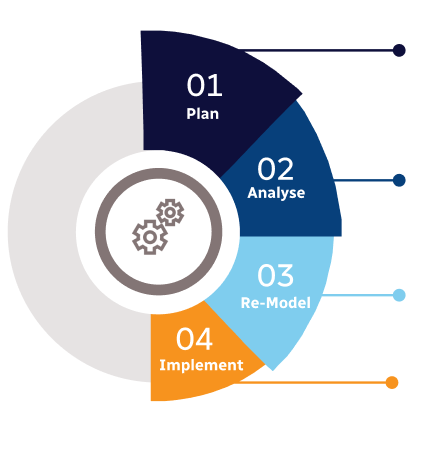
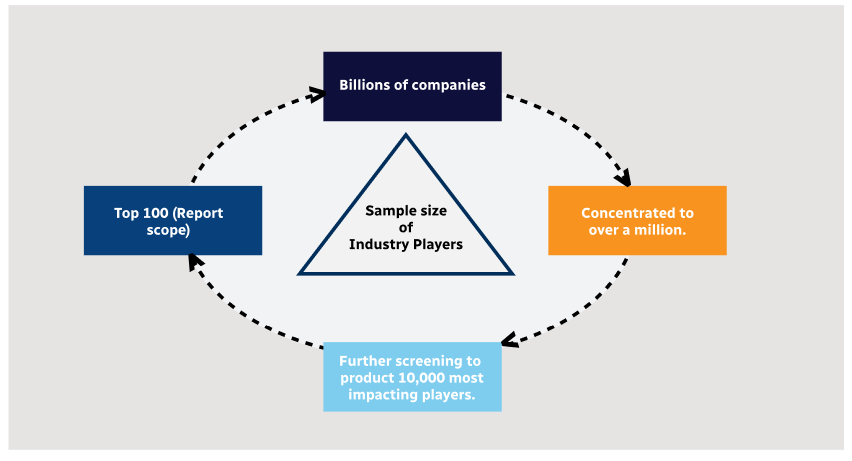
Step 1 - Identification of Relevant Samples Size from Population Database
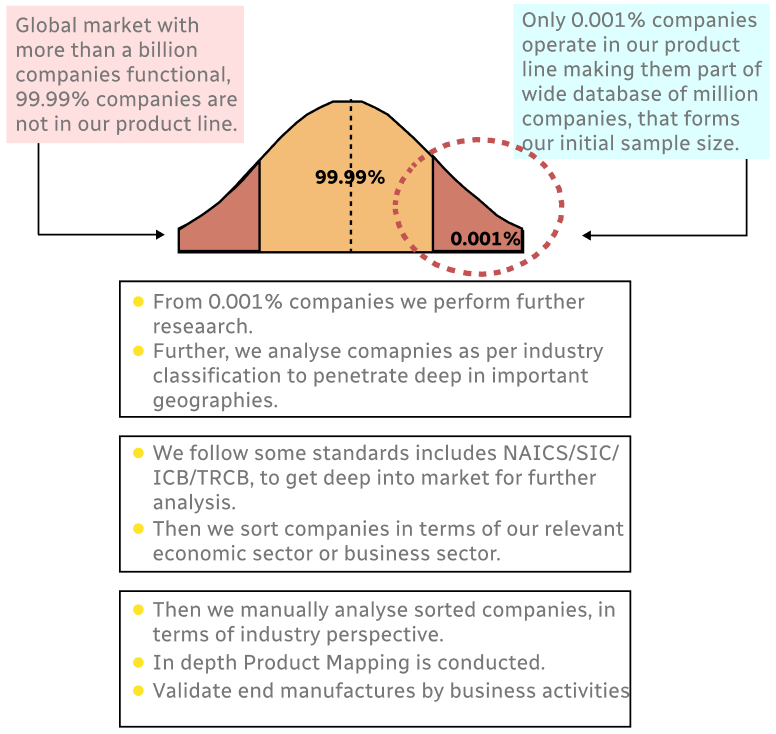
Step 2 - Approaches for Defining Global Market Size (Value, Volume* & Price*)
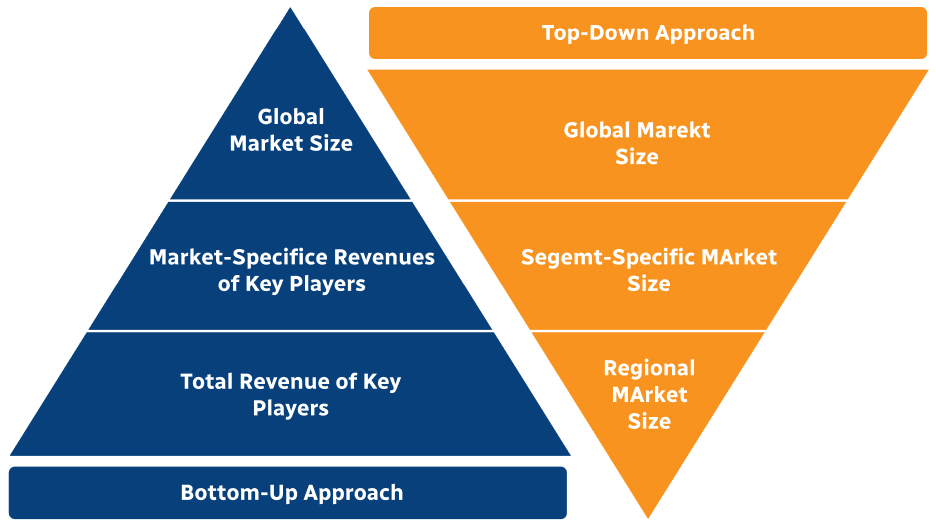
Note*: In applicable scenarios
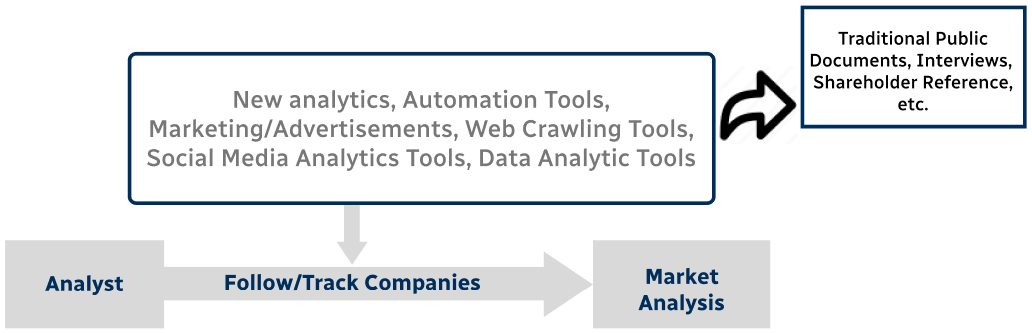
Step 3 - Data Sources
Primary Research
- Web Analytics
- Survey Reports
- Research Institute
- Latest Research Reports
- Opinion Leaders
Secondary Research
- Annual Reports
- White Paper
- Latest Press Release
- Industry Association
- Paid Database
- Investor Presentations
Step 4 - Data Triangulation
Involves using different sources of information in order to increase the validity of a study
These sources are likely to be stakeholders in a program - participants, other researchers, program staff, other community members, and so on.
Then we put all data in single framework & apply various statistical tools to find out the dynamic on the market.
During the analysis stage, feedback from the stakeholder groups would be compared to determine areas of agreement as well as areas of divergence