
Key Insights
The global second-order filter market is projected for significant expansion, anticipated to reach $26 billion by 2025, with a Compound Annual Growth Rate (CAGR) of 5.8% from 2025 to 2033. This growth is propelled by increasing demand for advanced electronics and pervasive integration of sophisticated communication technologies. Key drivers include the telecommunications sector's rapid evolution, notably 5G network deployment and IoT device adoption, alongside manufacturing's embrace of automation and smart factory solutions requiring high-performance filtering for precise signal processing. The growing complexity and miniaturization of electronic components further elevate the need for efficient, compact filtering solutions, stimulating market growth.
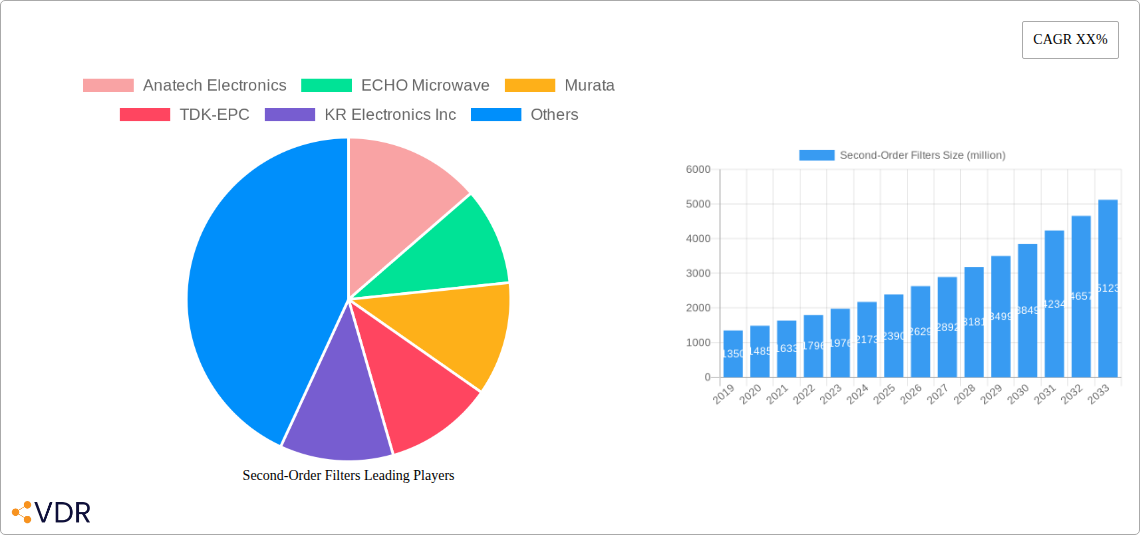
Second-Order Filters Market Size (In Billion)

The market is marked by innovation, with a strong trend towards tunable filter technologies offering enhanced flexibility. While non-tunable filters remain crucial, the development of tunable filters is redefining the market's future. Potential restraints include the high cost of advanced manufacturing and stringent electromagnetic compatibility (EMC) regulations for critical applications. Nevertheless, strategic partnerships, ongoing research and development, and player-led cost optimization initiatives are expected to overcome these challenges, fostering sustained market growth and innovation in the second-order filter sector.
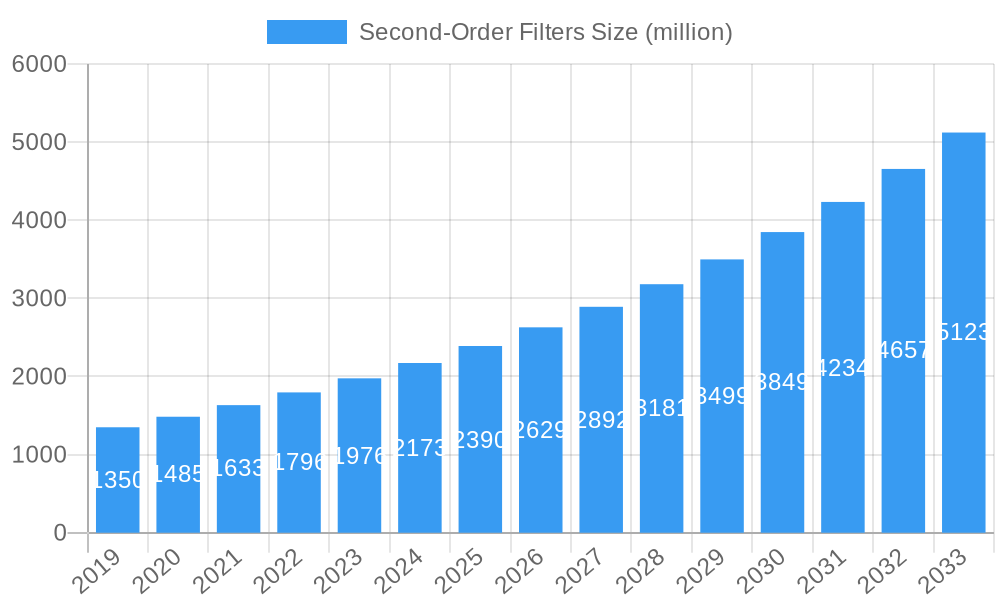
Second-Order Filters Company Market Share
Comprehensive Report: Second-Order Filters Market Analysis 2019–2033
This in-depth report provides a detailed analysis of the global Second-Order Filters market, offering critical insights for stakeholders across the Electronics, Telecom, and Manufacturing sectors. Covering the historical period from 2019 to 2024, the base year of 2025, and an extensive forecast period extending to 2033, this study is an indispensable resource for understanding market dynamics, growth drivers, and future opportunities in both tunable and non-tunable filter segments.
Second-Order Filters Market Dynamics & Structure
The global Second-Order Filters market exhibits a moderately concentrated structure, with key players like Murata, TDK-EPC, and Skyworks holding significant market share. Technological innovation is a primary driver, fueled by the increasing demand for advanced signal processing in telecommunications, consumer electronics, and defense applications. Miniaturization, higher frequencies, and improved insertion loss are key areas of R&D focus. Regulatory frameworks, while generally permissive, focus on compliance with international standards for electromagnetic compatibility (EMC) and safety. Competitive product substitutes include higher-order filters and digital signal processing techniques, though cost-effectiveness and performance advantages of second-order filters in specific applications maintain their relevance. End-user demographics are increasingly sophisticated, demanding higher bandwidth, lower latency, and greater energy efficiency. Mergers and acquisitions (M&A) have been a steady feature, with companies aiming to consolidate portfolios, acquire new technologies, and expand geographic reach. For instance, the market saw approximately 3-5 significant M&A deals annually between 2021 and 2024, valued in the tens of millions of units. Barriers to entry include high R&D investment requirements, specialized manufacturing processes, and established customer relationships.
- Market Concentration: Moderately concentrated with leading players dominating market share.
- Technological Innovation: Driven by demand for advanced signal processing, miniaturization, and higher frequencies.
- Regulatory Frameworks: Focus on EMC and safety compliance.
- Competitive Substitutes: Higher-order filters and digital signal processing.
- End-User Demographics: Demanding higher bandwidth, lower latency, and energy efficiency.
- M&A Trends: Steady activity for portfolio consolidation and technology acquisition.
- Innovation Barriers: High R&D costs, specialized manufacturing, and established relationships.
Second-Order Filters Growth Trends & Insights
The global Second-Order Filters market is projected to witness robust growth, driven by escalating demand across diverse end-use industries. The market size, estimated at USD 850 million in the base year 2025, is forecast to expand at a Compound Annual Growth Rate (CAGR) of approximately 6.5% during the forecast period of 2025–2033. This growth trajectory is underpinned by the insatiable appetite for enhanced wireless communication technologies, including 5G deployment, satellite communications, and the Internet of Things (IoT). In the historical period (2019–2024), the market demonstrated a stable growth of around 5.2% annually, reflecting steady adoption in traditional telecom and electronics sectors.
Technological disruptions are playing a pivotal role. The miniaturization of electronic components and the drive towards higher operating frequencies in communication systems necessitate advanced filtering solutions. Second-order filters, with their favorable balance of performance, cost, and size, are ideally positioned to meet these evolving requirements. For example, the development of advanced ceramic and SAW (Surface Acoustic Wave) filter technologies has significantly improved performance metrics, leading to wider adoption.
Consumer behavior shifts are also contributing to market expansion. The proliferation of smartphones, smart home devices, and connected vehicles has created a burgeoning demand for reliable and efficient RF (Radio Frequency) filtering. Consumers expect seamless connectivity and high-quality signal reception, directly impacting the demand for sophisticated filter components. Market penetration is deepening as second-order filters become increasingly integral to the design of next-generation electronic devices. In 2025, market penetration in the mobile device segment is estimated at 75%, projected to reach 85% by 2033. The adoption rate of tunable second-order filters, in particular, is accelerating due to their flexibility in adapting to varying frequency requirements, driving market dynamism and innovation. The continuous evolution of wireless standards, from LTE to 6G in its nascent stages, ensures a sustained demand for advanced filtering solutions.
Dominant Regions, Countries, or Segments in Second-Order Filters
The Telecom application segment, encompassing mobile infrastructure, telecommunication equipment, and satellite communication systems, is the dominant force driving growth in the global Second-Order Filters market. This segment is projected to account for approximately 45% of the total market revenue in 2025, with an estimated market size of USD 382.5 million. The relentless expansion of 5G networks worldwide, coupled with ongoing investments in broadband infrastructure and the burgeoning satellite communication industry, creates an insatiable demand for high-performance RF filters. Countries like China, the United States, South Korea, and Japan are at the forefront of 5G deployment, investing billions of dollars in network upgrades and new installations.
Within the Tunable type segment, the market is experiencing a higher growth rate compared to non-tunable filters. In 2025, the tunable second-order filters market is estimated at USD 270 million, projected to grow at a CAGR of 7.8% through 2033. This accelerated growth is attributed to the increasing need for flexible and adaptable RF front-ends in mobile devices and communication systems that can operate across multiple frequency bands and dynamically adjust to interference. The ability of tunable filters to offer reconfigurability and cognitive radio capabilities is a significant advantage.
Key drivers for the dominance of the Telecom segment and the rise of tunable filters include:
- Economic Policies: Government initiatives and subsidies aimed at promoting digital infrastructure development and 5G rollout globally. For example, the US CHIPS and Science Act and similar policies in Europe are spurring domestic semiconductor manufacturing and innovation, directly benefiting filter component suppliers.
- Infrastructure Investment: Continuous investment in upgrading cellular towers, data centers, and satellite constellations to support higher data speeds and lower latency. The global investment in 5G infrastructure alone is projected to exceed USD 1 trillion by 2030.
- Technological Advancements: The rapid evolution of wireless technologies (e.g., 5G Advanced, future 6G research) necessitates sophisticated filtering solutions that can handle complex modulation schemes and higher frequency bands.
- Market Share and Growth Potential: The Telecom segment currently holds the largest market share and is expected to maintain its lead due to the foundational role of filters in communication systems. The growth potential for tunable filters is exceptionally high as devices become more versatile.
The Electronics segment, while significant, is projected to represent around 30% of the market in 2025, with an estimated USD 255 million. This segment includes consumer electronics, automotive electronics, and industrial control systems. The Manufacturing segment, estimated at USD 170 million (20% of market share) in 2025, is crucial for the production of these filters themselves, as well as for industrial automation and process control. The Others segment, including defense and aerospace, accounts for the remaining 5% or USD 42.5 million.
Second-Order Filters Product Landscape
The Second-Order Filters product landscape is characterized by continuous innovation focused on enhancing performance metrics such as insertion loss, out-of-band rejection, and power handling capabilities, while simultaneously pursuing miniaturization and cost reduction. Companies are developing advanced filter designs utilizing ceramic, SAW, BAW (Bulk Acoustic Wave), and advanced dielectric materials to achieve superior selectivity and reduced footprint. Applications span across mobile communication devices (smartphones, tablets), base stations, Wi-Fi modules, satellite communication systems, automotive radar, and various industrial electronic systems. Unique selling propositions often revolve around superior out-of-band rejection for improved signal integrity in crowded spectrum environments, exceptional thermal stability for reliable operation across temperature variations, and integrated solutions that reduce component count and system complexity. Technological advancements are increasingly incorporating tunable capabilities within second-order filter architectures, allowing for dynamic frequency selection and adaptation to changing wireless environments.
Key Drivers, Barriers & Challenges in Second-Order Filters
Key Drivers:
The global Second-Order Filters market is propelled by several key drivers. The relentless expansion of 5G and the upcoming 6G networks demand highly efficient and selective RF filtering solutions to manage complex signal processing and interference. The proliferation of IoT devices, requiring reliable wireless connectivity across diverse applications, further fuels demand. Miniaturization trends in consumer electronics and the increasing need for compact, high-performance components are also significant growth catalysts. Additionally, advancements in materials science and manufacturing techniques are enabling the development of more sophisticated and cost-effective filters.
Key Barriers & Challenges:
Despite robust growth, the market faces several challenges. Intense competition among manufacturers can lead to price erosion, impacting profitability. Supply chain disruptions, as witnessed in recent years, can affect material availability and lead times, posing significant risks. The high cost of R&D for cutting-edge filter technologies and the need for specialized manufacturing equipment represent substantial barriers to entry for new players. Furthermore, the increasing complexity of wireless communication standards requires continuous adaptation and innovation, placing pressure on development cycles and budgets. Regulatory hurdles related to spectrum allocation and compliance with evolving international standards also present challenges.
Emerging Opportunities in Second-Order Filters
Emerging opportunities in the Second-Order Filters industry lie in the burgeoning fields of next-generation wireless technologies, particularly 6G research and development, which will necessitate entirely new filter architectures. The continued growth of the automotive sector, with increasing adoption of advanced driver-assistance systems (ADAS) and in-car connectivity, presents a significant untapped market for robust and reliable RF filters. Furthermore, the expansion of satellite internet services, including low Earth orbit (LEO) constellations, creates demand for specialized, high-performance filters. The development of intelligent filtering solutions with integrated AI capabilities for adaptive interference cancellation and dynamic spectrum management also represents a promising frontier, offering opportunities for value-added products and services.
Growth Accelerators in the Second-Order Filters Industry
Several factors are acting as significant growth accelerators for the Second-Order Filters industry. The ongoing global deployment of 5G infrastructure, with its enhanced data rates and reduced latency requirements, mandates the use of advanced filtering technologies. The rapidly expanding Internet of Things (IoT) ecosystem, encompassing smart homes, industrial automation, and wearable technology, is creating a vast and diverse demand for connected devices, each requiring efficient RF filtering. Strategic partnerships between filter manufacturers and leading semiconductor companies, as well as telecommunication equipment providers, are accelerating product development and market penetration. Furthermore, the increasing integration of advanced materials like Gallium Nitride (GaN) and advanced ceramics in filter designs is leading to superior performance and opening up new application areas.
Key Players Shaping the Second-Order Filters Market
- Anatech Electronics
- ECHO Microwave
- Murata
- TDK-EPC
- KR Electronics Inc
- MCV Microwave
- Micro Lambda Wireless
- Networks International Corporation
- Planar Monolithics Industries
- Qorvo
- RF-Lambda
- Skyworks
- Wisol
- NDK
- Kyocera
- Teledyne Microwave Solutions
- UIY Technology
- Wainwright Instruments
- Westell Technologies
Notable Milestones in Second-Order Filters Sector
- 2019: Introduction of new ceramic filter technologies by Murata offering improved insertion loss for 5G applications.
- 2020: TDK-EPC announces expansion of its SAW filter production capacity to meet rising smartphone demand.
- 2021: Skyworks Solutions acquires Infrastructure Products business from Analog Devices, strengthening its RF component portfolio.
- 2022: Qorvo launches a new series of tunable RF filters for automotive radar systems, enabling enhanced ADAS capabilities.
- 2023: Kokusai Electric acquires the manufacturing equipment division of a key filter component supplier, indicating strategic vertical integration.
- 2024: Murata announces a breakthrough in BAW filter technology, enabling operation at higher frequencies with reduced power consumption.
In-Depth Second-Order Filters Market Outlook
The future outlook for the Second-Order Filters market is exceptionally promising, driven by the transformative potential of next-generation wireless technologies and the ever-increasing demand for robust connectivity. The sustained investment in 5G infrastructure globally, coupled with the anticipation of 6G, will continue to be a primary growth engine. The burgeoning IoT market, characterized by the exponential growth of connected devices across all sectors, presents a vast and largely untapped demand for filtering solutions. Furthermore, advancements in AI and machine learning are paving the way for the development of "smart" filters capable of self-optimization and adaptive interference management, creating opportunities for value-added products. Strategic collaborations and technological innovations will be crucial for market players to capitalize on these expanding opportunities and maintain a competitive edge in this dynamic industry.
Second-Order Filters Segmentation
-
1. Application
- 1.1. Electronics
- 1.2. Telecom
- 1.3. Manufacturing
- 1.4. Others
-
2. Types
- 2.1. Tunable
- 2.2. Non-Tunable
Second-Order Filters Segmentation By Geography
-
1. North America
- 1.1. United States
- 1.2. Canada
- 1.3. Mexico
-
2. South America
- 2.1. Brazil
- 2.2. Argentina
- 2.3. Rest of South America
-
3. Europe
- 3.1. United Kingdom
- 3.2. Germany
- 3.3. France
- 3.4. Italy
- 3.5. Spain
- 3.6. Russia
- 3.7. Benelux
- 3.8. Nordics
- 3.9. Rest of Europe
-
4. Middle East & Africa
- 4.1. Turkey
- 4.2. Israel
- 4.3. GCC
- 4.4. North Africa
- 4.5. South Africa
- 4.6. Rest of Middle East & Africa
-
5. Asia Pacific
- 5.1. China
- 5.2. India
- 5.3. Japan
- 5.4. South Korea
- 5.5. ASEAN
- 5.6. Oceania
- 5.7. Rest of Asia Pacific
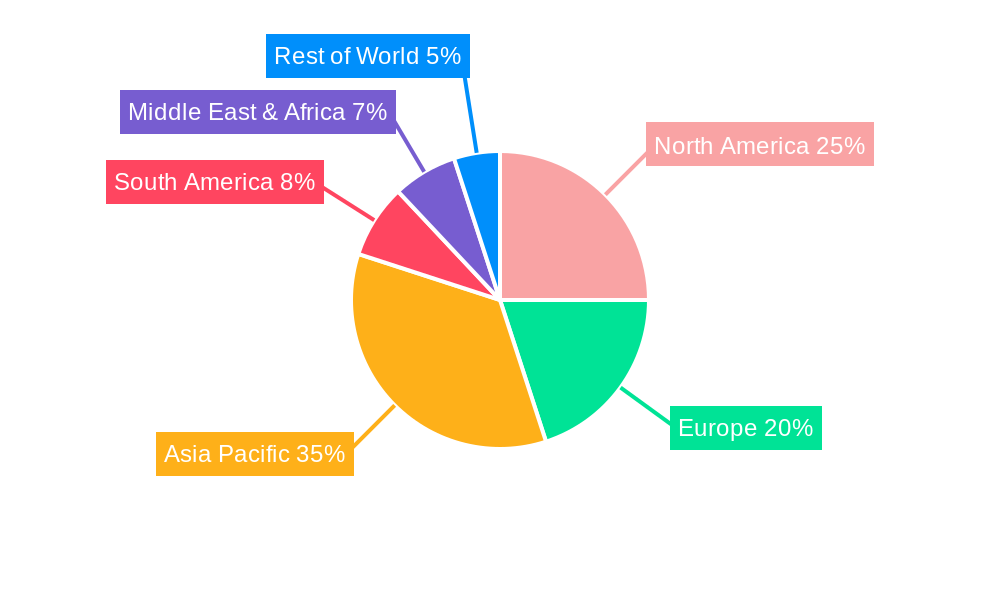
Second-Order Filters Regional Market Share
Geographic Coverage of Second-Order Filters
Second-Order Filters REPORT HIGHLIGHTS
| Aspects | Details |
|---|---|
| Study Period | 2020-2034 |
| Base Year | 2025 |
| Estimated Year | 2026 |
| Forecast Period | 2026-2034 |
| Historical Period | 2020-2025 |
| Growth Rate | CAGR of 5.8% from 2020-2034 |
| Segmentation |
|
Table of Contents
- 1. Introduction
- 1.1. Research Scope
- 1.2. Market Segmentation
- 1.3. Research Methodology
- 1.4. Definitions and Assumptions
- 2. Executive Summary
- 2.1. Introduction
- 3. Market Dynamics
- 3.1. Introduction
- 3.2. Market Drivers
- 3.3. Market Restrains
- 3.4. Market Trends
- 4. Market Factor Analysis
- 4.1. Porters Five Forces
- 4.2. Supply/Value Chain
- 4.3. PESTEL analysis
- 4.4. Market Entropy
- 4.5. Patent/Trademark Analysis
- 5. Global Second-Order Filters Analysis, Insights and Forecast, 2020-2032
- 5.1. Market Analysis, Insights and Forecast - by Application
- 5.1.1. Electronics
- 5.1.2. Telecom
- 5.1.3. Manufacturing
- 5.1.4. Others
- 5.2. Market Analysis, Insights and Forecast - by Types
- 5.2.1. Tunable
- 5.2.2. Non-Tunable
- 5.3. Market Analysis, Insights and Forecast - by Region
- 5.3.1. North America
- 5.3.2. South America
- 5.3.3. Europe
- 5.3.4. Middle East & Africa
- 5.3.5. Asia Pacific
- 5.1. Market Analysis, Insights and Forecast - by Application
- 6. North America Second-Order Filters Analysis, Insights and Forecast, 2020-2032
- 6.1. Market Analysis, Insights and Forecast - by Application
- 6.1.1. Electronics
- 6.1.2. Telecom
- 6.1.3. Manufacturing
- 6.1.4. Others
- 6.2. Market Analysis, Insights and Forecast - by Types
- 6.2.1. Tunable
- 6.2.2. Non-Tunable
- 6.1. Market Analysis, Insights and Forecast - by Application
- 7. South America Second-Order Filters Analysis, Insights and Forecast, 2020-2032
- 7.1. Market Analysis, Insights and Forecast - by Application
- 7.1.1. Electronics
- 7.1.2. Telecom
- 7.1.3. Manufacturing
- 7.1.4. Others
- 7.2. Market Analysis, Insights and Forecast - by Types
- 7.2.1. Tunable
- 7.2.2. Non-Tunable
- 7.1. Market Analysis, Insights and Forecast - by Application
- 8. Europe Second-Order Filters Analysis, Insights and Forecast, 2020-2032
- 8.1. Market Analysis, Insights and Forecast - by Application
- 8.1.1. Electronics
- 8.1.2. Telecom
- 8.1.3. Manufacturing
- 8.1.4. Others
- 8.2. Market Analysis, Insights and Forecast - by Types
- 8.2.1. Tunable
- 8.2.2. Non-Tunable
- 8.1. Market Analysis, Insights and Forecast - by Application
- 9. Middle East & Africa Second-Order Filters Analysis, Insights and Forecast, 2020-2032
- 9.1. Market Analysis, Insights and Forecast - by Application
- 9.1.1. Electronics
- 9.1.2. Telecom
- 9.1.3. Manufacturing
- 9.1.4. Others
- 9.2. Market Analysis, Insights and Forecast - by Types
- 9.2.1. Tunable
- 9.2.2. Non-Tunable
- 9.1. Market Analysis, Insights and Forecast - by Application
- 10. Asia Pacific Second-Order Filters Analysis, Insights and Forecast, 2020-2032
- 10.1. Market Analysis, Insights and Forecast - by Application
- 10.1.1. Electronics
- 10.1.2. Telecom
- 10.1.3. Manufacturing
- 10.1.4. Others
- 10.2. Market Analysis, Insights and Forecast - by Types
- 10.2.1. Tunable
- 10.2.2. Non-Tunable
- 10.1. Market Analysis, Insights and Forecast - by Application
- 11. Competitive Analysis
- 11.1. Global Market Share Analysis 2025
- 11.2. Company Profiles
- 11.2.1 Anatech Electronics
- 11.2.1.1. Overview
- 11.2.1.2. Products
- 11.2.1.3. SWOT Analysis
- 11.2.1.4. Recent Developments
- 11.2.1.5. Financials (Based on Availability)
- 11.2.2 ECHO Microwave
- 11.2.2.1. Overview
- 11.2.2.2. Products
- 11.2.2.3. SWOT Analysis
- 11.2.2.4. Recent Developments
- 11.2.2.5. Financials (Based on Availability)
- 11.2.3 Murata
- 11.2.3.1. Overview
- 11.2.3.2. Products
- 11.2.3.3. SWOT Analysis
- 11.2.3.4. Recent Developments
- 11.2.3.5. Financials (Based on Availability)
- 11.2.4 TDK-EPC
- 11.2.4.1. Overview
- 11.2.4.2. Products
- 11.2.4.3. SWOT Analysis
- 11.2.4.4. Recent Developments
- 11.2.4.5. Financials (Based on Availability)
- 11.2.5 KR Electronics Inc
- 11.2.5.1. Overview
- 11.2.5.2. Products
- 11.2.5.3. SWOT Analysis
- 11.2.5.4. Recent Developments
- 11.2.5.5. Financials (Based on Availability)
- 11.2.6 MCV Microwave
- 11.2.6.1. Overview
- 11.2.6.2. Products
- 11.2.6.3. SWOT Analysis
- 11.2.6.4. Recent Developments
- 11.2.6.5. Financials (Based on Availability)
- 11.2.7 Micro Lambda Wireless
- 11.2.7.1. Overview
- 11.2.7.2. Products
- 11.2.7.3. SWOT Analysis
- 11.2.7.4. Recent Developments
- 11.2.7.5. Financials (Based on Availability)
- 11.2.8 Networks International Corporation
- 11.2.8.1. Overview
- 11.2.8.2. Products
- 11.2.8.3. SWOT Analysis
- 11.2.8.4. Recent Developments
- 11.2.8.5. Financials (Based on Availability)
- 11.2.9 Planar Monolithics Industries
- 11.2.9.1. Overview
- 11.2.9.2. Products
- 11.2.9.3. SWOT Analysis
- 11.2.9.4. Recent Developments
- 11.2.9.5. Financials (Based on Availability)
- 11.2.10 Qorvo
- 11.2.10.1. Overview
- 11.2.10.2. Products
- 11.2.10.3. SWOT Analysis
- 11.2.10.4. Recent Developments
- 11.2.10.5. Financials (Based on Availability)
- 11.2.11 RF-Lambda
- 11.2.11.1. Overview
- 11.2.11.2. Products
- 11.2.11.3. SWOT Analysis
- 11.2.11.4. Recent Developments
- 11.2.11.5. Financials (Based on Availability)
- 11.2.12 Skyworks
- 11.2.12.1. Overview
- 11.2.12.2. Products
- 11.2.12.3. SWOT Analysis
- 11.2.12.4. Recent Developments
- 11.2.12.5. Financials (Based on Availability)
- 11.2.13 Wisol
- 11.2.13.1. Overview
- 11.2.13.2. Products
- 11.2.13.3. SWOT Analysis
- 11.2.13.4. Recent Developments
- 11.2.13.5. Financials (Based on Availability)
- 11.2.14 NDK
- 11.2.14.1. Overview
- 11.2.14.2. Products
- 11.2.14.3. SWOT Analysis
- 11.2.14.4. Recent Developments
- 11.2.14.5. Financials (Based on Availability)
- 11.2.15 Kyocera
- 11.2.15.1. Overview
- 11.2.15.2. Products
- 11.2.15.3. SWOT Analysis
- 11.2.15.4. Recent Developments
- 11.2.15.5. Financials (Based on Availability)
- 11.2.16 Teledyne Microwave Solutions
- 11.2.16.1. Overview
- 11.2.16.2. Products
- 11.2.16.3. SWOT Analysis
- 11.2.16.4. Recent Developments
- 11.2.16.5. Financials (Based on Availability)
- 11.2.17 UIY Technology
- 11.2.17.1. Overview
- 11.2.17.2. Products
- 11.2.17.3. SWOT Analysis
- 11.2.17.4. Recent Developments
- 11.2.17.5. Financials (Based on Availability)
- 11.2.18 Wainwright Instruments
- 11.2.18.1. Overview
- 11.2.18.2. Products
- 11.2.18.3. SWOT Analysis
- 11.2.18.4. Recent Developments
- 11.2.18.5. Financials (Based on Availability)
- 11.2.19 Westell Technologies
- 11.2.19.1. Overview
- 11.2.19.2. Products
- 11.2.19.3. SWOT Analysis
- 11.2.19.4. Recent Developments
- 11.2.19.5. Financials (Based on Availability)
- 11.2.20 Competitive Landscape
- 11.2.20.1. Overview
- 11.2.20.2. Products
- 11.2.20.3. SWOT Analysis
- 11.2.20.4. Recent Developments
- 11.2.20.5. Financials (Based on Availability)
- 11.2.1 Anatech Electronics
List of Figures
- Figure 1: Global Second-Order Filters Revenue Breakdown (billion, %) by Region 2025 & 2033
- Figure 2: North America Second-Order Filters Revenue (billion), by Application 2025 & 2033
- Figure 3: North America Second-Order Filters Revenue Share (%), by Application 2025 & 2033
- Figure 4: North America Second-Order Filters Revenue (billion), by Types 2025 & 2033
- Figure 5: North America Second-Order Filters Revenue Share (%), by Types 2025 & 2033
- Figure 6: North America Second-Order Filters Revenue (billion), by Country 2025 & 2033
- Figure 7: North America Second-Order Filters Revenue Share (%), by Country 2025 & 2033
- Figure 8: South America Second-Order Filters Revenue (billion), by Application 2025 & 2033
- Figure 9: South America Second-Order Filters Revenue Share (%), by Application 2025 & 2033
- Figure 10: South America Second-Order Filters Revenue (billion), by Types 2025 & 2033
- Figure 11: South America Second-Order Filters Revenue Share (%), by Types 2025 & 2033
- Figure 12: South America Second-Order Filters Revenue (billion), by Country 2025 & 2033
- Figure 13: South America Second-Order Filters Revenue Share (%), by Country 2025 & 2033
- Figure 14: Europe Second-Order Filters Revenue (billion), by Application 2025 & 2033
- Figure 15: Europe Second-Order Filters Revenue Share (%), by Application 2025 & 2033
- Figure 16: Europe Second-Order Filters Revenue (billion), by Types 2025 & 2033
- Figure 17: Europe Second-Order Filters Revenue Share (%), by Types 2025 & 2033
- Figure 18: Europe Second-Order Filters Revenue (billion), by Country 2025 & 2033
- Figure 19: Europe Second-Order Filters Revenue Share (%), by Country 2025 & 2033
- Figure 20: Middle East & Africa Second-Order Filters Revenue (billion), by Application 2025 & 2033
- Figure 21: Middle East & Africa Second-Order Filters Revenue Share (%), by Application 2025 & 2033
- Figure 22: Middle East & Africa Second-Order Filters Revenue (billion), by Types 2025 & 2033
- Figure 23: Middle East & Africa Second-Order Filters Revenue Share (%), by Types 2025 & 2033
- Figure 24: Middle East & Africa Second-Order Filters Revenue (billion), by Country 2025 & 2033
- Figure 25: Middle East & Africa Second-Order Filters Revenue Share (%), by Country 2025 & 2033
- Figure 26: Asia Pacific Second-Order Filters Revenue (billion), by Application 2025 & 2033
- Figure 27: Asia Pacific Second-Order Filters Revenue Share (%), by Application 2025 & 2033
- Figure 28: Asia Pacific Second-Order Filters Revenue (billion), by Types 2025 & 2033
- Figure 29: Asia Pacific Second-Order Filters Revenue Share (%), by Types 2025 & 2033
- Figure 30: Asia Pacific Second-Order Filters Revenue (billion), by Country 2025 & 2033
- Figure 31: Asia Pacific Second-Order Filters Revenue Share (%), by Country 2025 & 2033
List of Tables
- Table 1: Global Second-Order Filters Revenue billion Forecast, by Application 2020 & 2033
- Table 2: Global Second-Order Filters Revenue billion Forecast, by Types 2020 & 2033
- Table 3: Global Second-Order Filters Revenue billion Forecast, by Region 2020 & 2033
- Table 4: Global Second-Order Filters Revenue billion Forecast, by Application 2020 & 2033
- Table 5: Global Second-Order Filters Revenue billion Forecast, by Types 2020 & 2033
- Table 6: Global Second-Order Filters Revenue billion Forecast, by Country 2020 & 2033
- Table 7: United States Second-Order Filters Revenue (billion) Forecast, by Application 2020 & 2033
- Table 8: Canada Second-Order Filters Revenue (billion) Forecast, by Application 2020 & 2033
- Table 9: Mexico Second-Order Filters Revenue (billion) Forecast, by Application 2020 & 2033
- Table 10: Global Second-Order Filters Revenue billion Forecast, by Application 2020 & 2033
- Table 11: Global Second-Order Filters Revenue billion Forecast, by Types 2020 & 2033
- Table 12: Global Second-Order Filters Revenue billion Forecast, by Country 2020 & 2033
- Table 13: Brazil Second-Order Filters Revenue (billion) Forecast, by Application 2020 & 2033
- Table 14: Argentina Second-Order Filters Revenue (billion) Forecast, by Application 2020 & 2033
- Table 15: Rest of South America Second-Order Filters Revenue (billion) Forecast, by Application 2020 & 2033
- Table 16: Global Second-Order Filters Revenue billion Forecast, by Application 2020 & 2033
- Table 17: Global Second-Order Filters Revenue billion Forecast, by Types 2020 & 2033
- Table 18: Global Second-Order Filters Revenue billion Forecast, by Country 2020 & 2033
- Table 19: United Kingdom Second-Order Filters Revenue (billion) Forecast, by Application 2020 & 2033
- Table 20: Germany Second-Order Filters Revenue (billion) Forecast, by Application 2020 & 2033
- Table 21: France Second-Order Filters Revenue (billion) Forecast, by Application 2020 & 2033
- Table 22: Italy Second-Order Filters Revenue (billion) Forecast, by Application 2020 & 2033
- Table 23: Spain Second-Order Filters Revenue (billion) Forecast, by Application 2020 & 2033
- Table 24: Russia Second-Order Filters Revenue (billion) Forecast, by Application 2020 & 2033
- Table 25: Benelux Second-Order Filters Revenue (billion) Forecast, by Application 2020 & 2033
- Table 26: Nordics Second-Order Filters Revenue (billion) Forecast, by Application 2020 & 2033
- Table 27: Rest of Europe Second-Order Filters Revenue (billion) Forecast, by Application 2020 & 2033
- Table 28: Global Second-Order Filters Revenue billion Forecast, by Application 2020 & 2033
- Table 29: Global Second-Order Filters Revenue billion Forecast, by Types 2020 & 2033
- Table 30: Global Second-Order Filters Revenue billion Forecast, by Country 2020 & 2033
- Table 31: Turkey Second-Order Filters Revenue (billion) Forecast, by Application 2020 & 2033
- Table 32: Israel Second-Order Filters Revenue (billion) Forecast, by Application 2020 & 2033
- Table 33: GCC Second-Order Filters Revenue (billion) Forecast, by Application 2020 & 2033
- Table 34: North Africa Second-Order Filters Revenue (billion) Forecast, by Application 2020 & 2033
- Table 35: South Africa Second-Order Filters Revenue (billion) Forecast, by Application 2020 & 2033
- Table 36: Rest of Middle East & Africa Second-Order Filters Revenue (billion) Forecast, by Application 2020 & 2033
- Table 37: Global Second-Order Filters Revenue billion Forecast, by Application 2020 & 2033
- Table 38: Global Second-Order Filters Revenue billion Forecast, by Types 2020 & 2033
- Table 39: Global Second-Order Filters Revenue billion Forecast, by Country 2020 & 2033
- Table 40: China Second-Order Filters Revenue (billion) Forecast, by Application 2020 & 2033
- Table 41: India Second-Order Filters Revenue (billion) Forecast, by Application 2020 & 2033
- Table 42: Japan Second-Order Filters Revenue (billion) Forecast, by Application 2020 & 2033
- Table 43: South Korea Second-Order Filters Revenue (billion) Forecast, by Application 2020 & 2033
- Table 44: ASEAN Second-Order Filters Revenue (billion) Forecast, by Application 2020 & 2033
- Table 45: Oceania Second-Order Filters Revenue (billion) Forecast, by Application 2020 & 2033
- Table 46: Rest of Asia Pacific Second-Order Filters Revenue (billion) Forecast, by Application 2020 & 2033
Frequently Asked Questions
1. What is the projected Compound Annual Growth Rate (CAGR) of the Second-Order Filters?
The projected CAGR is approximately 5.8%.
2. Which companies are prominent players in the Second-Order Filters?
Key companies in the market include Anatech Electronics, ECHO Microwave, Murata, TDK-EPC, KR Electronics Inc, MCV Microwave, Micro Lambda Wireless, Networks International Corporation, Planar Monolithics Industries, Qorvo, RF-Lambda, Skyworks, Wisol, NDK, Kyocera, Teledyne Microwave Solutions, UIY Technology, Wainwright Instruments, Westell Technologies, Competitive Landscape.
3. What are the main segments of the Second-Order Filters?
The market segments include Application, Types.
4. Can you provide details about the market size?
The market size is estimated to be USD 26 billion as of 2022.
5. What are some drivers contributing to market growth?
N/A
6. What are the notable trends driving market growth?
N/A
7. Are there any restraints impacting market growth?
N/A
8. Can you provide examples of recent developments in the market?
N/A
9. What pricing options are available for accessing the report?
Pricing options include single-user, multi-user, and enterprise licenses priced at USD 4900.00, USD 7350.00, and USD 9800.00 respectively.
10. Is the market size provided in terms of value or volume?
The market size is provided in terms of value, measured in billion.
11. Are there any specific market keywords associated with the report?
Yes, the market keyword associated with the report is "Second-Order Filters," which aids in identifying and referencing the specific market segment covered.
12. How do I determine which pricing option suits my needs best?
The pricing options vary based on user requirements and access needs. Individual users may opt for single-user licenses, while businesses requiring broader access may choose multi-user or enterprise licenses for cost-effective access to the report.
13. Are there any additional resources or data provided in the Second-Order Filters report?
While the report offers comprehensive insights, it's advisable to review the specific contents or supplementary materials provided to ascertain if additional resources or data are available.
14. How can I stay updated on further developments or reports in the Second-Order Filters?
To stay informed about further developments, trends, and reports in the Second-Order Filters, consider subscribing to industry newsletters, following relevant companies and organizations, or regularly checking reputable industry news sources and publications.
Methodology
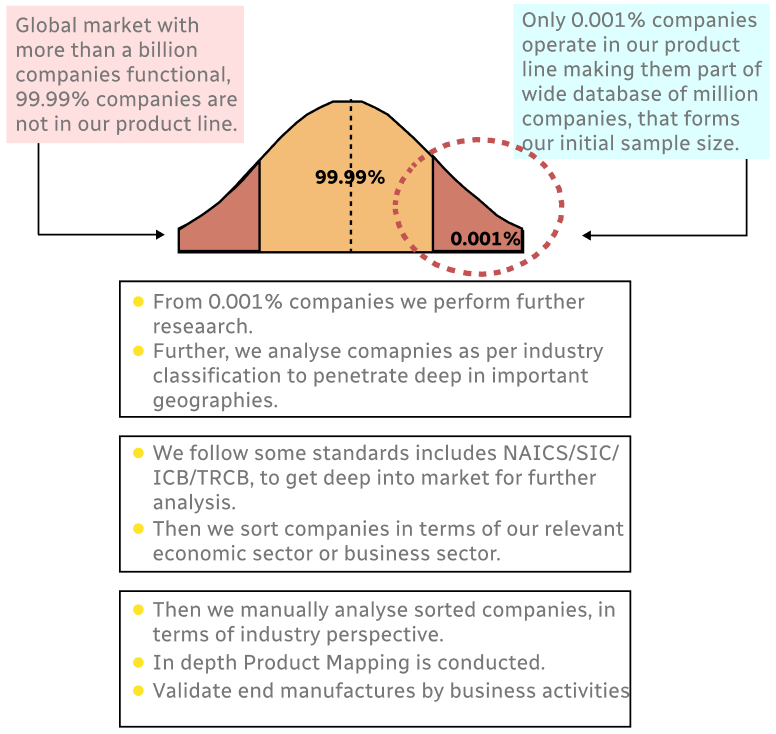
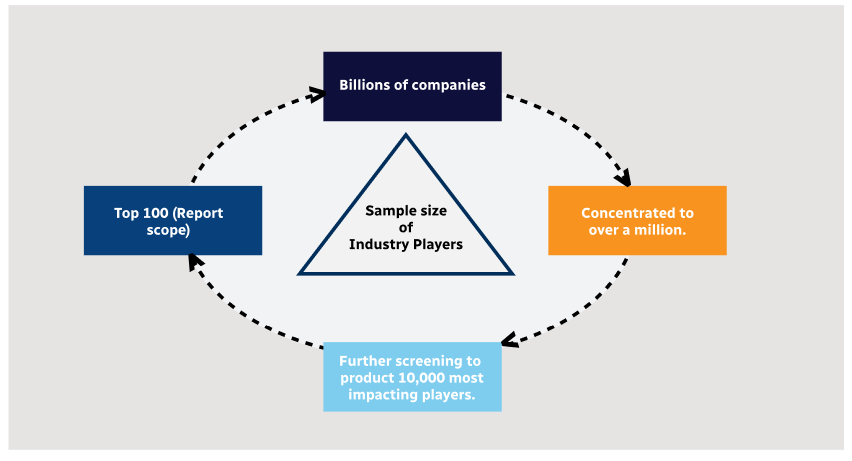
Step 1 - Identification of Relevant Samples Size from Population Database
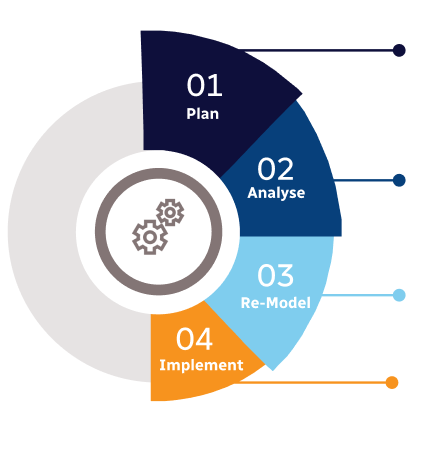
Step 2 - Approaches for Defining Global Market Size (Value, Volume* & Price*)
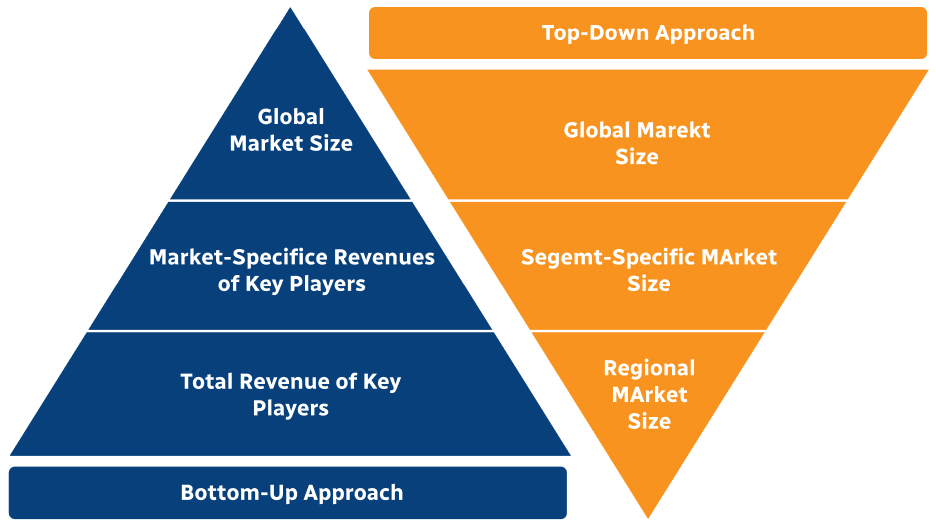
Note*: In applicable scenarios
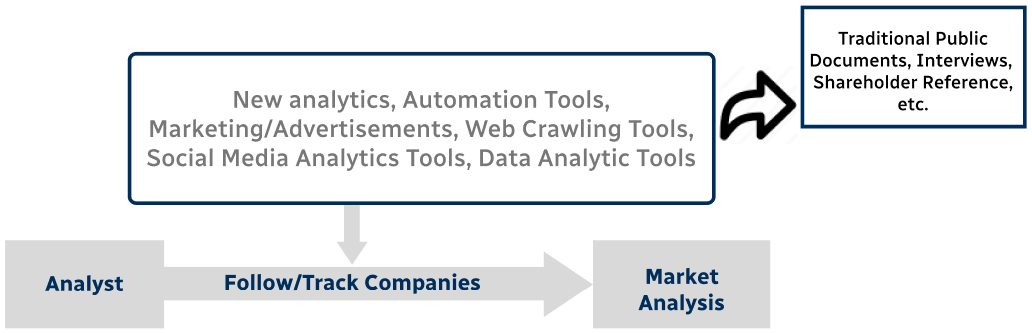
Step 3 - Data Sources
Primary Research
- Web Analytics
- Survey Reports
- Research Institute
- Latest Research Reports
- Opinion Leaders
Secondary Research
- Annual Reports
- White Paper
- Latest Press Release
- Industry Association
- Paid Database
- Investor Presentations
Step 4 - Data Triangulation
Involves using different sources of information in order to increase the validity of a study
These sources are likely to be stakeholders in a program - participants, other researchers, program staff, other community members, and so on.
Then we put all data in single framework & apply various statistical tools to find out the dynamic on the market.
During the analysis stage, feedback from the stakeholder groups would be compared to determine areas of agreement as well as areas of divergence