


Key Insights
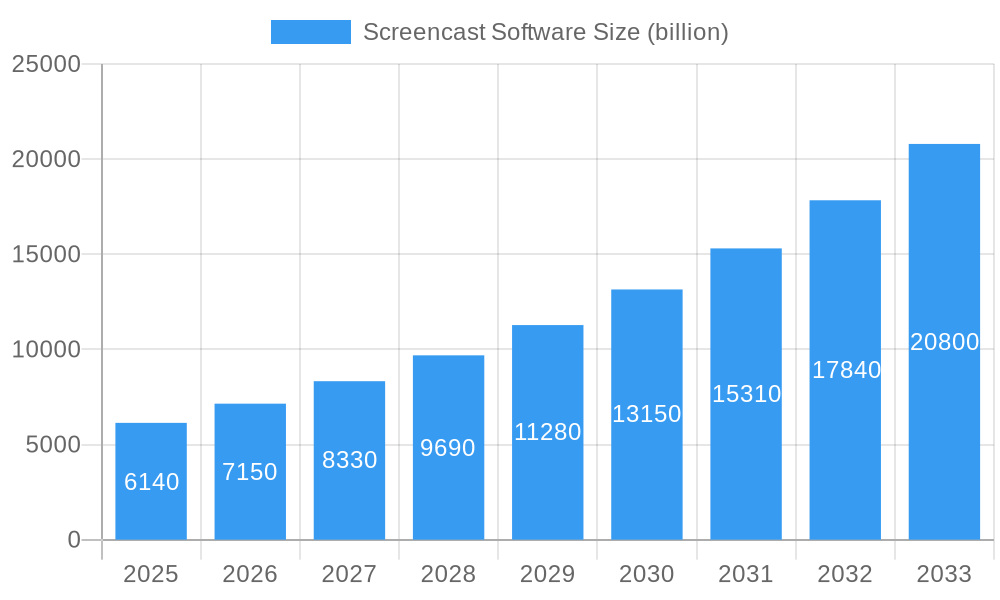
The global Screencast Software market is poised for significant expansion, projected to reach USD 6.14 billion by 2025, exhibiting a robust compound annual growth rate (CAGR) of 16.47%. This remarkable growth is fueled by the increasing adoption of remote work and online learning models, which necessitate efficient screen recording and sharing tools for communication, training, and documentation. The demand for high-quality video content creation across diverse sectors, including education for virtual classrooms and entertainment for content creators, is a primary driver. Furthermore, the growing need for streamlined office collaborations, where screen sharing facilitates real-time problem-solving and presentations, contributes substantially to market penetration. Emerging economies, particularly in the Asia Pacific region, are expected to witness accelerated adoption due to increasing internet penetration and a burgeoning digital content ecosystem. The evolution of screencast software towards more intuitive interfaces, advanced editing features, and seamless cloud integration further propels market demand.
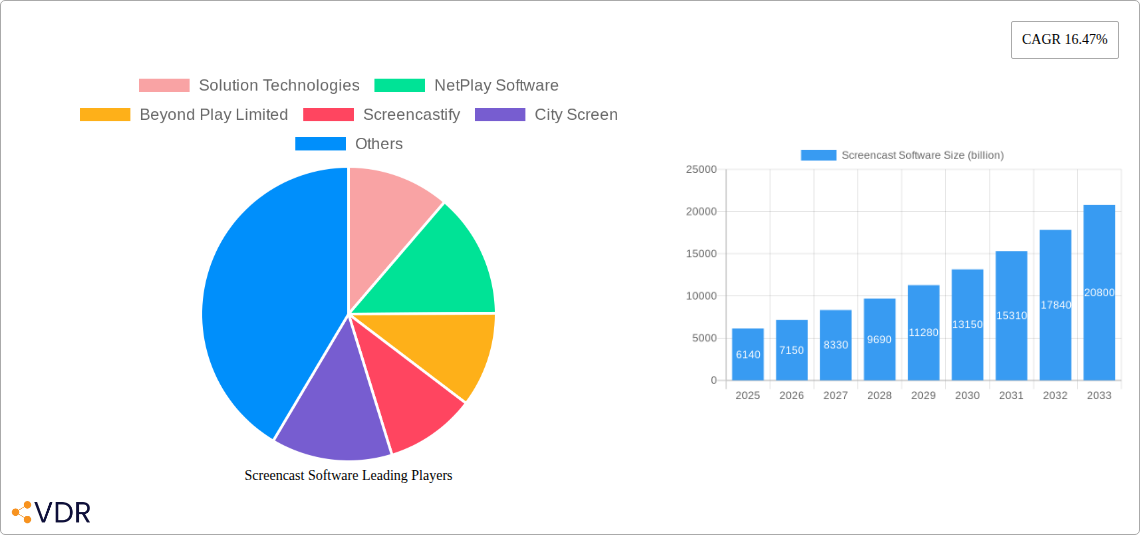
Screencast Software Market Size (In Billion)

The market landscape is characterized by a dynamic interplay between perpetual and subscription-based licensing models, with subscription licenses gaining traction due to their flexibility and continuous feature updates. Key players like Solution Technologies, NetPlay Software, and Screencastify are investing in innovative solutions to cater to the evolving needs of users. While the market demonstrates immense potential, certain factors could temper growth. High initial investment costs for advanced enterprise-grade solutions and the perceived complexity of certain software functionalities might pose challenges for smaller organizations. However, the continuous innovation in user-friendly interfaces and the increasing availability of freemium models are mitigating these restraints. The market is segmented by application into Education, Entertainment, Office, and Others, each presenting unique growth opportunities driven by specific user requirements and technological advancements. The competitive environment fosters innovation, leading to the development of specialized features that enhance user experience and broaden the application spectrum of screencast software.
Screencast Software Company Market Share
Screencast Software Market Dynamics & Structure
The global screencast software market, a vital segment within the broader digital collaboration and content creation industry, is characterized by dynamic evolution and increasing demand across diverse applications. This report delves into the intricate market dynamics, examining its structure, technological innovation drivers, and competitive landscape. The market exhibits a moderate to high concentration, with key players like Screencastify, Glance Networks, and Solution Technologies actively driving innovation and market share. Technological advancements in AI-powered editing, real-time collaboration features, and cloud integration are significant drivers, lowering innovation barriers and enhancing user experience. Regulatory frameworks, while generally permissive for software development, can influence data privacy and security considerations, particularly for enterprise-level solutions. Competitive product substitutes, including screen recording tools integrated within operating systems and video editing software, pose a challenge, but dedicated screencast solutions differentiate through specialized features and ease of use. End-user demographics are expanding from academic institutions and IT professionals to a broader base of remote workers, content creators, and educators, fueling demand for accessible and efficient screencasting tools. Mergers and acquisitions (M&A) activity, though not at peak levels, is a strategic tool for market consolidation and technology acquisition, with NetPlay Software and Beyond Play Limited being entities to watch for potential strategic moves.
- Market Concentration: Moderate to high, with significant influence from established vendors.
- Technological Innovation Drivers: AI-powered editing, cloud integration, real-time collaboration, enhanced security features.
- Regulatory Frameworks: Primarily focused on data privacy, security, and intellectual property rights.
- Competitive Product Substitutes: Integrated OS screen recorders, general video editing software.
- End-User Demographics: Education, remote workforces, content creators, marketing teams, IT support.
- M&A Trends: Strategic acquisitions for technology enhancement and market expansion.
Screencast Software Growth Trends & Insights
The screencast software market is poised for substantial expansion, driven by the pervasive shift towards remote work, online education, and digital content creation. The estimated market size for screencast software in the base year of 2025 is projected to be $X.XX billion, with a robust Compound Annual Growth Rate (CAGR) of XX.XX% anticipated during the forecast period of 2025–2033. This significant growth is underpinned by increasing adoption rates across various segments, particularly in education and office environments, where the need for effective virtual communication and training materials is paramount. Technological disruptions, such as the integration of AI for automated video summarization and advanced editing capabilities, are significantly enhancing the functionality and appeal of screencast software. Furthermore, evolving consumer behavior, characterized by a preference for visual learning and easily digestible video content, directly fuels the demand for screencasting solutions. The market penetration is expected to deepen as more organizations and individuals recognize the value of screen recording for knowledge sharing, process documentation, and marketing outreach. The historical period of 2019–2024 witnessed a steady upward trajectory, largely driven by the initial surge in remote work necessitated by global events. As we move into the estimated year of 2025 and beyond, this trend is expected to solidify, with continued innovation and expanding use cases acting as primary growth catalysts. The market's ability to adapt to new technological paradigms and cater to the diverse needs of its user base will be crucial in realizing its full growth potential. The study period of 2019–2033 encompasses this entire transformative phase, providing a comprehensive view of market evolution.
Dominant Regions, Countries, or Segments in Screencast Software
The Education segment, within the Application category, stands as a dominant force driving growth in the global screencast software market. This prominence is attributable to the accelerated adoption of e-learning platforms and the indispensable need for educators to create engaging, instructional video content for remote and blended learning environments. Market share within the Education segment is substantial, estimated at XX.XX% in the base year of 2025, with projected growth driven by ongoing investment in educational technology and the continuous demand for accessible learning resources. Economic policies supporting digital transformation in education, coupled with the widespread availability of internet infrastructure, further bolster this segment's dominance. Countries with strong educational systems and a proactive approach to digital pedagogy, such as the United States and Canada in North America, and United Kingdom and Germany in Europe, are leading the charge.
The Subscription License type also plays a pivotal role in market expansion. Its flexibility, recurring revenue model, and ability to offer continuous updates and support make it highly attractive to both individual users and large organizations. The Subscription License segment is estimated to capture XX.XX% of the market share in 2025, outperforming the Perpetual License model due to its cost-effectiveness and scalability for businesses.
Key drivers within the Education segment include:
- Increased adoption of Learning Management Systems (LMS): Facilitating seamless integration and distribution of screencast content.
- Demand for personalized learning: Enabling educators to create tailored video explanations.
- Government initiatives for digital education: Providing funding and support for educational technology.
- Growing prevalence of MOOCs (Massive Open Online Courses): Requiring extensive video-based learning materials.
Within the Office application segment, the growing imperative for remote collaboration, virtual training, and streamlined internal communication is also a significant growth engine. Companies are increasingly relying on screencast software for onboarding new employees, demonstrating software functionalities, and creating readily shareable tutorials. The market share for the Office segment is projected to be XX.XX% in 2025.
Leading countries demonstrating strong adoption across both Education and Office segments include:
- North America (USA, Canada): Driven by advanced technological infrastructure and high digital literacy.
- Europe (UK, Germany, France): Supported by governmental digital transformation strategies and robust education sectors.
- Asia-Pacific (China, India, Japan): Rapidly expanding digital economies and a growing emphasis on online learning and remote work solutions.
The growth potential within these dominant segments remains exceptionally high, fueled by continuous innovation and the ever-increasing reliance on digital communication and content creation tools.
Screencast Software Product Landscape
The screencast software product landscape is characterized by continuous innovation, focusing on enhancing user experience and expanding functionality. Key product developments include the integration of AI-powered features for automated transcriptions, intelligent editing suggestions, and even content summarization, streamlining the post-production process. Many solutions now offer robust cloud storage and sharing capabilities, facilitating seamless collaboration and distribution. Performance metrics are steadily improving, with enhanced video quality, reduced file sizes, and more efficient recording processes. Unique selling propositions often revolve around ease of use for beginners, advanced editing tools for professionals, and specialized features for specific industries like education or IT support. Technological advancements are also pushing towards greater platform compatibility and integration with other productivity tools.
Key Drivers, Barriers & Challenges in Screencast Software
The screencast software market is propelled by several key drivers. The accelerating adoption of remote work and hybrid work models necessitates effective tools for communication, training, and documentation. The burgeoning creator economy and the increasing demand for video content across social media and marketing platforms also fuel growth. Technological advancements, such as AI-driven features and cloud integration, enhance user experience and create new functionalities.
- Technological Drivers: AI for editing, cloud-based storage, real-time collaboration, improved video codecs.
- Economic Drivers: Growing demand for online training, cost-effectiveness of video-based learning.
- Policy-Driven Factors: Government support for digital education and remote work initiatives.
However, the market faces certain barriers and challenges. Intense competition from free or lower-cost alternatives can limit market penetration for premium solutions. Issues related to data security and privacy, especially for sensitive corporate information being recorded, remain a concern for some users. The technical proficiency required for advanced editing can also be a barrier for less tech-savvy users.
- Supply Chain Issues: Minimal impact on software distribution, but can affect hardware components for high-end recording if applicable.
- Regulatory Hurdles: Evolving data privacy regulations (e.g., GDPR, CCPA) require continuous compliance.
- Competitive Pressures: Saturation of the market with basic recording tools and the threat of integrated solutions within larger software suites.
Emerging Opportunities in Screencast Software
Emerging opportunities in the screencast software sector lie in further specialization and integration. The development of AI-powered tools for automated content analysis and personalized learning path generation within educational screencasts presents a significant avenue. For the corporate world, enhanced security features and compliance tools for regulated industries offer untapped potential. The increasing demand for interactive video content, where viewers can engage with the screencast, opens doors for innovative application development. Furthermore, exploring niche markets such as specialized technical support and game streaming tutorials can yield substantial growth.
Growth Accelerators in the Screencast Industry
Several catalysts are accelerating growth in the screencast industry. The continuous refinement and integration of Artificial Intelligence are transforming screencasting from a simple recording tool to an intelligent content creation platform. Strategic partnerships between screencast software providers and other EdTech or collaboration platforms are expanding market reach and user bases. Furthermore, market expansion strategies targeting emerging economies and developing regions, where digital literacy and online learning are rapidly gaining traction, are proving highly effective. The ongoing evolution of video consumption habits, favoring short, informative, and engaging video content, will continue to be a significant growth accelerator.
Key Players Shaping the Screencast Software Market
- Solution Technologies
- NetPlay Software
- Beyond Play Limited
- Screencastify
- City Screen
- Screen Dynamics
- Launch Interactive
- MicroSurvey Software
- Glance Networks
Notable Milestones in Screencast Software Sector
- 2019: Increased adoption of cloud-based screencast solutions for remote collaboration.
- 2020 March: Surge in demand for screencast software driven by widespread shift to remote work and online learning.
- 2021 Q1: Introduction of AI-powered features like automated transcription and basic editing within popular screencast platforms.
- 2022: Emergence of more robust annotation and interactive elements in screencast software for enhanced engagement.
- 2023: Greater focus on mobile screencasting capabilities and cross-platform compatibility.
- 2024: Advancements in real-time collaborative screencasting for distributed teams.
In-Depth Screencast Software Market Outlook
The screencast software market is projected for sustained and accelerated growth, driven by ongoing technological innovation and evolving user needs. The deepening integration of AI capabilities will transform screencast tools into sophisticated content creation engines, offering automated editing, summarization, and personalization. Strategic alliances between software providers and educational institutions, as well as enterprise software vendors, will foster broader adoption and create synergistic growth opportunities. As digital transformation continues to permeate all sectors, the demand for efficient and engaging visual communication tools like screencast software will remain exceptionally high, solidifying its position as an indispensable technology.
Screencast Software Segmentation
-
1. Application
- 1.1. Education
- 1.2. Entertainment
- 1.3. Office
- 1.4. Others
-
2. Types
- 2.1. Perpetual License
- 2.2. Subscription License
Screencast Software Segmentation By Geography
-
1. North America
- 1.1. United States
- 1.2. Canada
- 1.3. Mexico
-
2. South America
- 2.1. Brazil
- 2.2. Argentina
- 2.3. Rest of South America
-
3. Europe
- 3.1. United Kingdom
- 3.2. Germany
- 3.3. France
- 3.4. Italy
- 3.5. Spain
- 3.6. Russia
- 3.7. Benelux
- 3.8. Nordics
- 3.9. Rest of Europe
-
4. Middle East & Africa
- 4.1. Turkey
- 4.2. Israel
- 4.3. GCC
- 4.4. North Africa
- 4.5. South Africa
- 4.6. Rest of Middle East & Africa
-
5. Asia Pacific
- 5.1. China
- 5.2. India
- 5.3. Japan
- 5.4. South Korea
- 5.5. ASEAN
- 5.6. Oceania
- 5.7. Rest of Asia Pacific
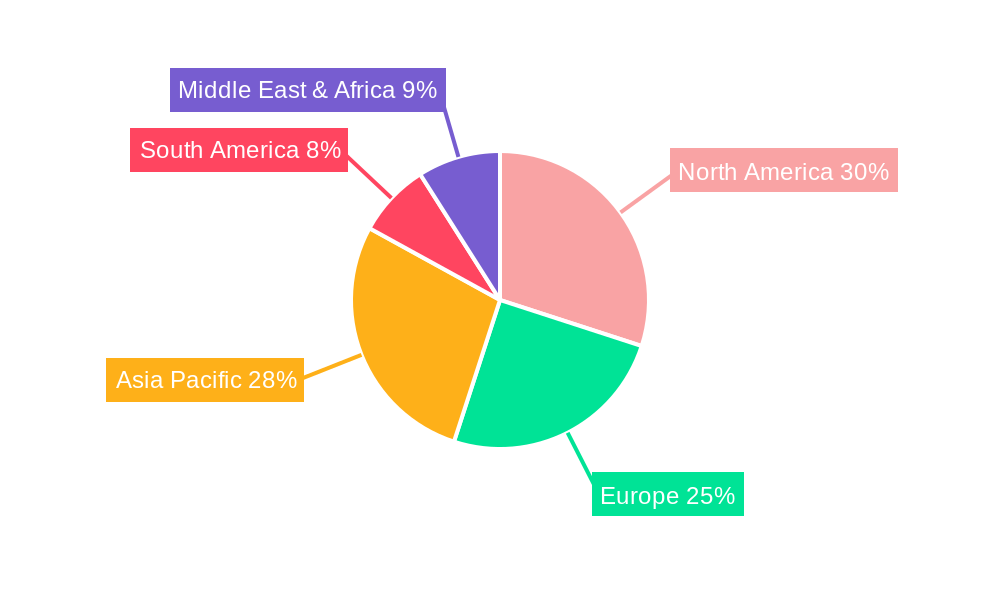
Screencast Software Regional Market Share
Geographic Coverage of Screencast Software
Screencast Software REPORT HIGHLIGHTS
| Aspects | Details |
|---|---|
| Study Period | 2020-2034 |
| Base Year | 2025 |
| Estimated Year | 2026 |
| Forecast Period | 2026-2034 |
| Historical Period | 2020-2025 |
| Growth Rate | CAGR of 16.47% from 2020-2034 |
| Segmentation |
|
Table of Contents
- 1. Introduction
- 1.1. Research Scope
- 1.2. Market Segmentation
- 1.3. Research Methodology
- 1.4. Definitions and Assumptions
- 2. Executive Summary
- 2.1. Introduction
- 3. Market Dynamics
- 3.1. Introduction
- 3.2. Market Drivers
- 3.3. Market Restrains
- 3.4. Market Trends
- 4. Market Factor Analysis
- 4.1. Porters Five Forces
- 4.2. Supply/Value Chain
- 4.3. PESTEL analysis
- 4.4. Market Entropy
- 4.5. Patent/Trademark Analysis
- 5. Global Screencast Software Analysis, Insights and Forecast, 2020-2032
- 5.1. Market Analysis, Insights and Forecast - by Application
- 5.1.1. Education
- 5.1.2. Entertainment
- 5.1.3. Office
- 5.1.4. Others
- 5.2. Market Analysis, Insights and Forecast - by Types
- 5.2.1. Perpetual License
- 5.2.2. Subscription License
- 5.3. Market Analysis, Insights and Forecast - by Region
- 5.3.1. North America
- 5.3.2. South America
- 5.3.3. Europe
- 5.3.4. Middle East & Africa
- 5.3.5. Asia Pacific
- 5.1. Market Analysis, Insights and Forecast - by Application
- 6. North America Screencast Software Analysis, Insights and Forecast, 2020-2032
- 6.1. Market Analysis, Insights and Forecast - by Application
- 6.1.1. Education
- 6.1.2. Entertainment
- 6.1.3. Office
- 6.1.4. Others
- 6.2. Market Analysis, Insights and Forecast - by Types
- 6.2.1. Perpetual License
- 6.2.2. Subscription License
- 6.1. Market Analysis, Insights and Forecast - by Application
- 7. South America Screencast Software Analysis, Insights and Forecast, 2020-2032
- 7.1. Market Analysis, Insights and Forecast - by Application
- 7.1.1. Education
- 7.1.2. Entertainment
- 7.1.3. Office
- 7.1.4. Others
- 7.2. Market Analysis, Insights and Forecast - by Types
- 7.2.1. Perpetual License
- 7.2.2. Subscription License
- 7.1. Market Analysis, Insights and Forecast - by Application
- 8. Europe Screencast Software Analysis, Insights and Forecast, 2020-2032
- 8.1. Market Analysis, Insights and Forecast - by Application
- 8.1.1. Education
- 8.1.2. Entertainment
- 8.1.3. Office
- 8.1.4. Others
- 8.2. Market Analysis, Insights and Forecast - by Types
- 8.2.1. Perpetual License
- 8.2.2. Subscription License
- 8.1. Market Analysis, Insights and Forecast - by Application
- 9. Middle East & Africa Screencast Software Analysis, Insights and Forecast, 2020-2032
- 9.1. Market Analysis, Insights and Forecast - by Application
- 9.1.1. Education
- 9.1.2. Entertainment
- 9.1.3. Office
- 9.1.4. Others
- 9.2. Market Analysis, Insights and Forecast - by Types
- 9.2.1. Perpetual License
- 9.2.2. Subscription License
- 9.1. Market Analysis, Insights and Forecast - by Application
- 10. Asia Pacific Screencast Software Analysis, Insights and Forecast, 2020-2032
- 10.1. Market Analysis, Insights and Forecast - by Application
- 10.1.1. Education
- 10.1.2. Entertainment
- 10.1.3. Office
- 10.1.4. Others
- 10.2. Market Analysis, Insights and Forecast - by Types
- 10.2.1. Perpetual License
- 10.2.2. Subscription License
- 10.1. Market Analysis, Insights and Forecast - by Application
- 11. Competitive Analysis
- 11.1. Global Market Share Analysis 2025
- 11.2. Company Profiles
- 11.2.1 Solution Technologies
- 11.2.1.1. Overview
- 11.2.1.2. Products
- 11.2.1.3. SWOT Analysis
- 11.2.1.4. Recent Developments
- 11.2.1.5. Financials (Based on Availability)
- 11.2.2 NetPlay Software
- 11.2.2.1. Overview
- 11.2.2.2. Products
- 11.2.2.3. SWOT Analysis
- 11.2.2.4. Recent Developments
- 11.2.2.5. Financials (Based on Availability)
- 11.2.3 Beyond Play Limited
- 11.2.3.1. Overview
- 11.2.3.2. Products
- 11.2.3.3. SWOT Analysis
- 11.2.3.4. Recent Developments
- 11.2.3.5. Financials (Based on Availability)
- 11.2.4 Screencastify
- 11.2.4.1. Overview
- 11.2.4.2. Products
- 11.2.4.3. SWOT Analysis
- 11.2.4.4. Recent Developments
- 11.2.4.5. Financials (Based on Availability)
- 11.2.5 City Screen
- 11.2.5.1. Overview
- 11.2.5.2. Products
- 11.2.5.3. SWOT Analysis
- 11.2.5.4. Recent Developments
- 11.2.5.5. Financials (Based on Availability)
- 11.2.6 Screen Dynamics
- 11.2.6.1. Overview
- 11.2.6.2. Products
- 11.2.6.3. SWOT Analysis
- 11.2.6.4. Recent Developments
- 11.2.6.5. Financials (Based on Availability)
- 11.2.7 Launch Interactive
- 11.2.7.1. Overview
- 11.2.7.2. Products
- 11.2.7.3. SWOT Analysis
- 11.2.7.4. Recent Developments
- 11.2.7.5. Financials (Based on Availability)
- 11.2.8 MicroSurvey Software
- 11.2.8.1. Overview
- 11.2.8.2. Products
- 11.2.8.3. SWOT Analysis
- 11.2.8.4. Recent Developments
- 11.2.8.5. Financials (Based on Availability)
- 11.2.9 Glance Networks
- 11.2.9.1. Overview
- 11.2.9.2. Products
- 11.2.9.3. SWOT Analysis
- 11.2.9.4. Recent Developments
- 11.2.9.5. Financials (Based on Availability)
- 11.2.1 Solution Technologies
List of Figures
- Figure 1: Global Screencast Software Revenue Breakdown (billion, %) by Region 2025 & 2033
- Figure 2: North America Screencast Software Revenue (billion), by Application 2025 & 2033
- Figure 3: North America Screencast Software Revenue Share (%), by Application 2025 & 2033
- Figure 4: North America Screencast Software Revenue (billion), by Types 2025 & 2033
- Figure 5: North America Screencast Software Revenue Share (%), by Types 2025 & 2033
- Figure 6: North America Screencast Software Revenue (billion), by Country 2025 & 2033
- Figure 7: North America Screencast Software Revenue Share (%), by Country 2025 & 2033
- Figure 8: South America Screencast Software Revenue (billion), by Application 2025 & 2033
- Figure 9: South America Screencast Software Revenue Share (%), by Application 2025 & 2033
- Figure 10: South America Screencast Software Revenue (billion), by Types 2025 & 2033
- Figure 11: South America Screencast Software Revenue Share (%), by Types 2025 & 2033
- Figure 12: South America Screencast Software Revenue (billion), by Country 2025 & 2033
- Figure 13: South America Screencast Software Revenue Share (%), by Country 2025 & 2033
- Figure 14: Europe Screencast Software Revenue (billion), by Application 2025 & 2033
- Figure 15: Europe Screencast Software Revenue Share (%), by Application 2025 & 2033
- Figure 16: Europe Screencast Software Revenue (billion), by Types 2025 & 2033
- Figure 17: Europe Screencast Software Revenue Share (%), by Types 2025 & 2033
- Figure 18: Europe Screencast Software Revenue (billion), by Country 2025 & 2033
- Figure 19: Europe Screencast Software Revenue Share (%), by Country 2025 & 2033
- Figure 20: Middle East & Africa Screencast Software Revenue (billion), by Application 2025 & 2033
- Figure 21: Middle East & Africa Screencast Software Revenue Share (%), by Application 2025 & 2033
- Figure 22: Middle East & Africa Screencast Software Revenue (billion), by Types 2025 & 2033
- Figure 23: Middle East & Africa Screencast Software Revenue Share (%), by Types 2025 & 2033
- Figure 24: Middle East & Africa Screencast Software Revenue (billion), by Country 2025 & 2033
- Figure 25: Middle East & Africa Screencast Software Revenue Share (%), by Country 2025 & 2033
- Figure 26: Asia Pacific Screencast Software Revenue (billion), by Application 2025 & 2033
- Figure 27: Asia Pacific Screencast Software Revenue Share (%), by Application 2025 & 2033
- Figure 28: Asia Pacific Screencast Software Revenue (billion), by Types 2025 & 2033
- Figure 29: Asia Pacific Screencast Software Revenue Share (%), by Types 2025 & 2033
- Figure 30: Asia Pacific Screencast Software Revenue (billion), by Country 2025 & 2033
- Figure 31: Asia Pacific Screencast Software Revenue Share (%), by Country 2025 & 2033
List of Tables
- Table 1: Global Screencast Software Revenue billion Forecast, by Application 2020 & 2033
- Table 2: Global Screencast Software Revenue billion Forecast, by Types 2020 & 2033
- Table 3: Global Screencast Software Revenue billion Forecast, by Region 2020 & 2033
- Table 4: Global Screencast Software Revenue billion Forecast, by Application 2020 & 2033
- Table 5: Global Screencast Software Revenue billion Forecast, by Types 2020 & 2033
- Table 6: Global Screencast Software Revenue billion Forecast, by Country 2020 & 2033
- Table 7: United States Screencast Software Revenue (billion) Forecast, by Application 2020 & 2033
- Table 8: Canada Screencast Software Revenue (billion) Forecast, by Application 2020 & 2033
- Table 9: Mexico Screencast Software Revenue (billion) Forecast, by Application 2020 & 2033
- Table 10: Global Screencast Software Revenue billion Forecast, by Application 2020 & 2033
- Table 11: Global Screencast Software Revenue billion Forecast, by Types 2020 & 2033
- Table 12: Global Screencast Software Revenue billion Forecast, by Country 2020 & 2033
- Table 13: Brazil Screencast Software Revenue (billion) Forecast, by Application 2020 & 2033
- Table 14: Argentina Screencast Software Revenue (billion) Forecast, by Application 2020 & 2033
- Table 15: Rest of South America Screencast Software Revenue (billion) Forecast, by Application 2020 & 2033
- Table 16: Global Screencast Software Revenue billion Forecast, by Application 2020 & 2033
- Table 17: Global Screencast Software Revenue billion Forecast, by Types 2020 & 2033
- Table 18: Global Screencast Software Revenue billion Forecast, by Country 2020 & 2033
- Table 19: United Kingdom Screencast Software Revenue (billion) Forecast, by Application 2020 & 2033
- Table 20: Germany Screencast Software Revenue (billion) Forecast, by Application 2020 & 2033
- Table 21: France Screencast Software Revenue (billion) Forecast, by Application 2020 & 2033
- Table 22: Italy Screencast Software Revenue (billion) Forecast, by Application 2020 & 2033
- Table 23: Spain Screencast Software Revenue (billion) Forecast, by Application 2020 & 2033
- Table 24: Russia Screencast Software Revenue (billion) Forecast, by Application 2020 & 2033
- Table 25: Benelux Screencast Software Revenue (billion) Forecast, by Application 2020 & 2033
- Table 26: Nordics Screencast Software Revenue (billion) Forecast, by Application 2020 & 2033
- Table 27: Rest of Europe Screencast Software Revenue (billion) Forecast, by Application 2020 & 2033
- Table 28: Global Screencast Software Revenue billion Forecast, by Application 2020 & 2033
- Table 29: Global Screencast Software Revenue billion Forecast, by Types 2020 & 2033
- Table 30: Global Screencast Software Revenue billion Forecast, by Country 2020 & 2033
- Table 31: Turkey Screencast Software Revenue (billion) Forecast, by Application 2020 & 2033
- Table 32: Israel Screencast Software Revenue (billion) Forecast, by Application 2020 & 2033
- Table 33: GCC Screencast Software Revenue (billion) Forecast, by Application 2020 & 2033
- Table 34: North Africa Screencast Software Revenue (billion) Forecast, by Application 2020 & 2033
- Table 35: South Africa Screencast Software Revenue (billion) Forecast, by Application 2020 & 2033
- Table 36: Rest of Middle East & Africa Screencast Software Revenue (billion) Forecast, by Application 2020 & 2033
- Table 37: Global Screencast Software Revenue billion Forecast, by Application 2020 & 2033
- Table 38: Global Screencast Software Revenue billion Forecast, by Types 2020 & 2033
- Table 39: Global Screencast Software Revenue billion Forecast, by Country 2020 & 2033
- Table 40: China Screencast Software Revenue (billion) Forecast, by Application 2020 & 2033
- Table 41: India Screencast Software Revenue (billion) Forecast, by Application 2020 & 2033
- Table 42: Japan Screencast Software Revenue (billion) Forecast, by Application 2020 & 2033
- Table 43: South Korea Screencast Software Revenue (billion) Forecast, by Application 2020 & 2033
- Table 44: ASEAN Screencast Software Revenue (billion) Forecast, by Application 2020 & 2033
- Table 45: Oceania Screencast Software Revenue (billion) Forecast, by Application 2020 & 2033
- Table 46: Rest of Asia Pacific Screencast Software Revenue (billion) Forecast, by Application 2020 & 2033
Frequently Asked Questions
1. What is the projected Compound Annual Growth Rate (CAGR) of the Screencast Software?
The projected CAGR is approximately 16.47%.
2. Which companies are prominent players in the Screencast Software?
Key companies in the market include Solution Technologies, NetPlay Software, Beyond Play Limited, Screencastify, City Screen, Screen Dynamics, Launch Interactive, MicroSurvey Software, Glance Networks.
3. What are the main segments of the Screencast Software?
The market segments include Application, Types.
4. Can you provide details about the market size?
The market size is estimated to be USD 6.14 billion as of 2022.
5. What are some drivers contributing to market growth?
N/A
6. What are the notable trends driving market growth?
N/A
7. Are there any restraints impacting market growth?
N/A
8. Can you provide examples of recent developments in the market?
N/A
9. What pricing options are available for accessing the report?
Pricing options include single-user, multi-user, and enterprise licenses priced at USD 2900.00, USD 4350.00, and USD 5800.00 respectively.
10. Is the market size provided in terms of value or volume?
The market size is provided in terms of value, measured in billion.
11. Are there any specific market keywords associated with the report?
Yes, the market keyword associated with the report is "Screencast Software," which aids in identifying and referencing the specific market segment covered.
12. How do I determine which pricing option suits my needs best?
The pricing options vary based on user requirements and access needs. Individual users may opt for single-user licenses, while businesses requiring broader access may choose multi-user or enterprise licenses for cost-effective access to the report.
13. Are there any additional resources or data provided in the Screencast Software report?
While the report offers comprehensive insights, it's advisable to review the specific contents or supplementary materials provided to ascertain if additional resources or data are available.
14. How can I stay updated on further developments or reports in the Screencast Software?
To stay informed about further developments, trends, and reports in the Screencast Software, consider subscribing to industry newsletters, following relevant companies and organizations, or regularly checking reputable industry news sources and publications.
Methodology
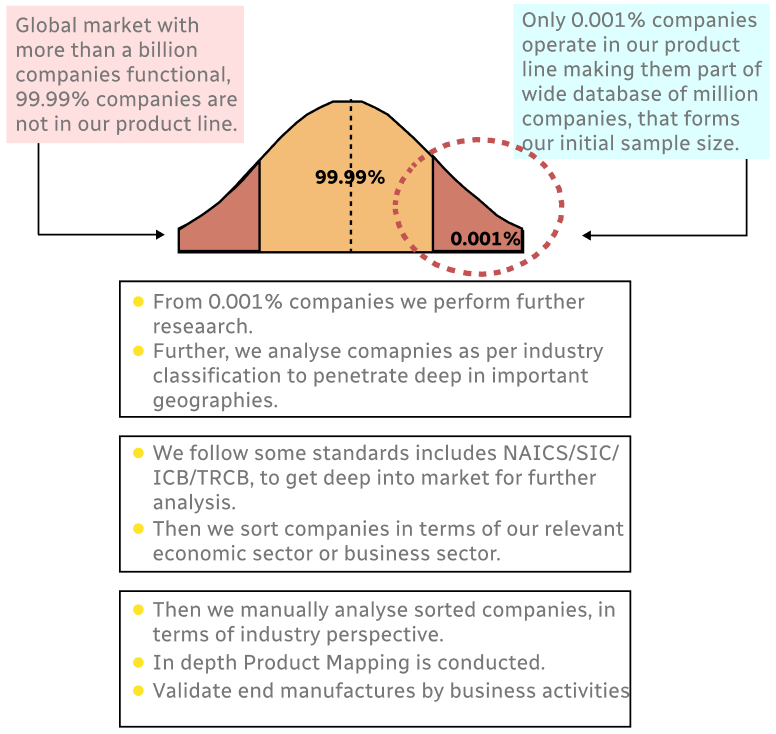
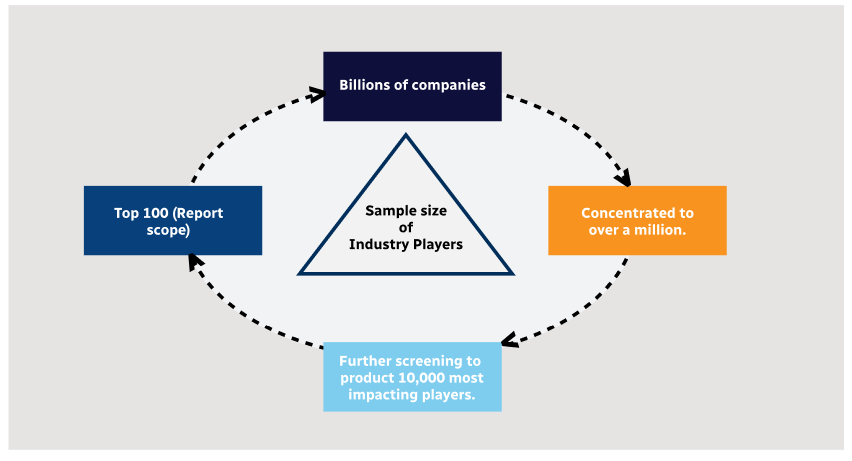
Step 1 - Identification of Relevant Samples Size from Population Database
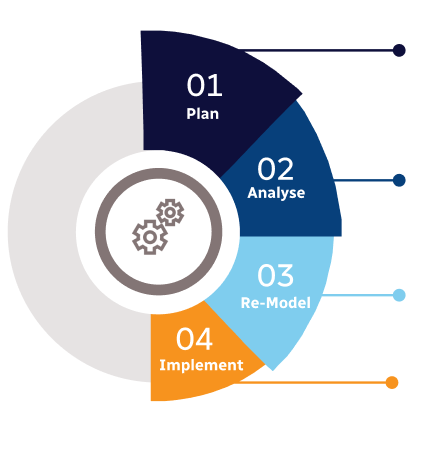
Step 2 - Approaches for Defining Global Market Size (Value, Volume* & Price*)
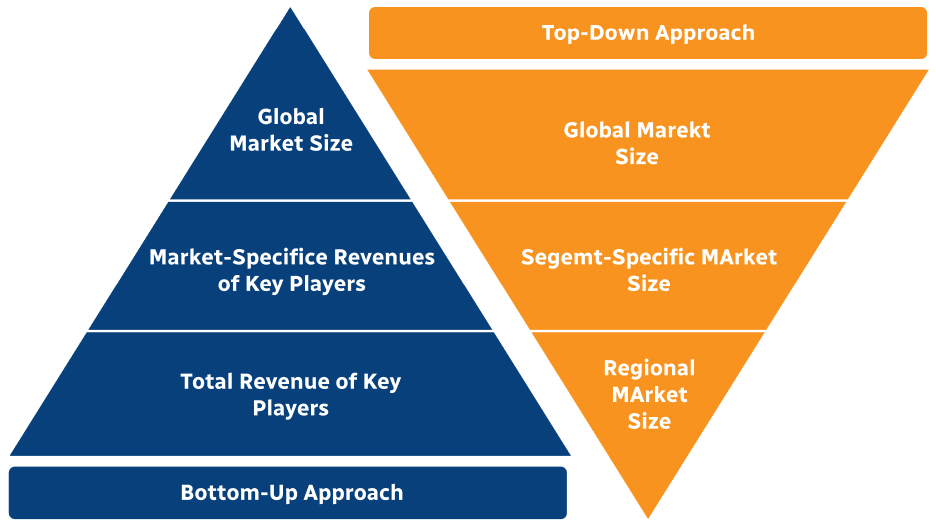
Note*: In applicable scenarios
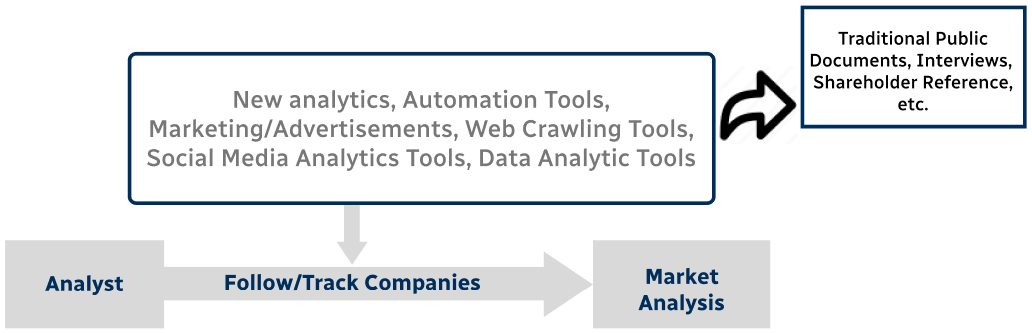
Step 3 - Data Sources
Primary Research
- Web Analytics
- Survey Reports
- Research Institute
- Latest Research Reports
- Opinion Leaders
Secondary Research
- Annual Reports
- White Paper
- Latest Press Release
- Industry Association
- Paid Database
- Investor Presentations
Step 4 - Data Triangulation
Involves using different sources of information in order to increase the validity of a study
These sources are likely to be stakeholders in a program - participants, other researchers, program staff, other community members, and so on.
Then we put all data in single framework & apply various statistical tools to find out the dynamic on the market.
During the analysis stage, feedback from the stakeholder groups would be compared to determine areas of agreement as well as areas of divergence