


Key Insights
The Quality Control Power Delivery (QC-PD) Integrated Circuit (IC) market is projected for substantial growth, driven by the widespread need for accelerated and efficient charging solutions for electronic devices. The market is estimated at 604.86 billion in the base year of 2025, with a projected Compound Annual Growth Rate (CAGR) of 6.72% from 2025 to 2033. This expansion is significantly influenced by the widespread adoption of USB Power Delivery (USB PD) technology, offering superior charging speeds and flexibility over legacy standards. The increasing prevalence of smartphones, laptops, and the rapidly growing electric vehicle (EV) sector, all reliant on advanced charging, are key growth drivers. Additionally, the integration of QC-PD ICs into a broader spectrum of consumer electronics and industrial applications will expand market reach.
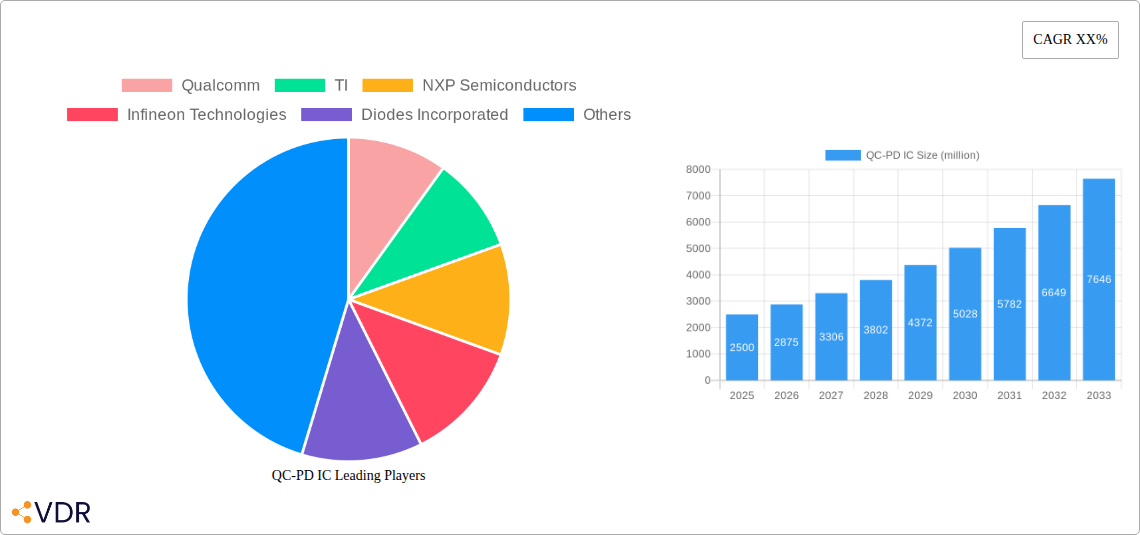
QC-PD IC Market Size (In Billion)

Key trends influencing the QC-PD IC market include the continuous miniaturization of ICs, enabling sleeker device designs, and the development of intelligent power management features for optimized charging efficiency and battery longevity. Growing attention to energy conservation and the demand for universal charging standards also support market expansion. However, market challenges include the high costs associated with advanced IC development and manufacturing, potential supply chain disruptions affecting component availability, and the intricate regulatory framework for charging standards and safety certifications. Nevertheless, the inherent benefits of QC-PD technology, such as support for higher wattages and adaptability to various voltage requirements, position it for sustained and robust growth.
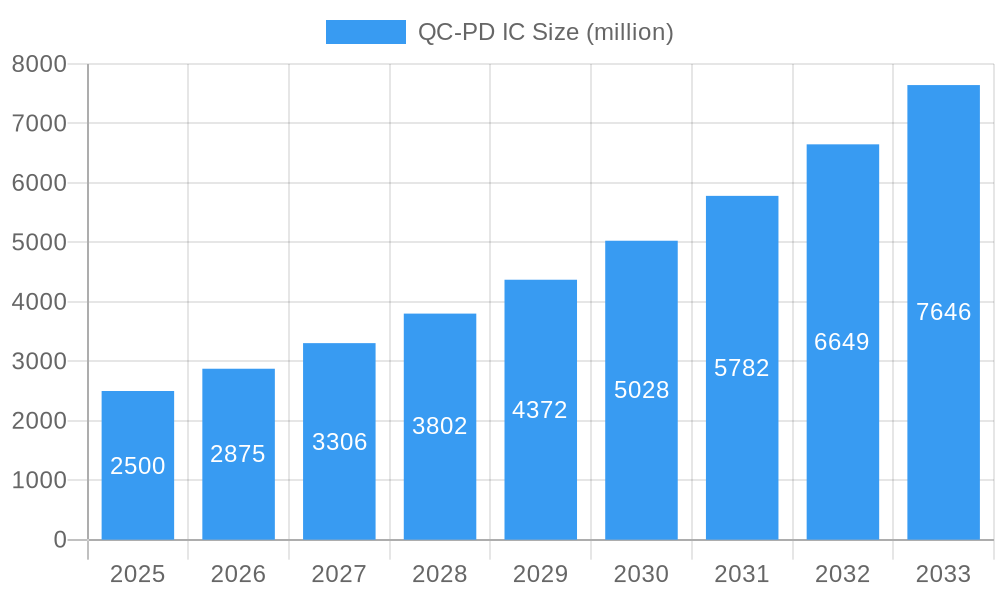
QC-PD IC Company Market Share
QC-PD IC Market Dynamics & Structure
The Quick Charge-Power Delivery (QC-PD) Integrated Circuit (IC) market exhibits a moderately concentrated structure, driven by significant technological innovation in fast-charging solutions. Key players are investing heavily in R&D to enhance charging speeds, improve energy efficiency, and miniaturize IC designs. Regulatory frameworks, particularly those around safety standards and power delivery protocols like USB PD, are shaping product development and market entry. Competitive product substitutes, such as proprietary fast-charging technologies from device manufacturers and alternative charging architectures, pose a constant challenge. End-user demographics are increasingly demanding faster charging for a wider range of devices, from mobile phones to electric vehicles. Mergers and acquisitions (M&A) are a notable trend as larger semiconductor companies aim to consolidate their market position and acquire innovative technologies.
- Market Concentration: Dominated by a few key players with strong IP portfolios, but with a growing number of smaller, specialized entrants.
- Technological Innovation Drivers: Demand for faster charging, higher power output, improved thermal management, and miniaturization.
- Regulatory Frameworks: USB Power Delivery certification, safety standards (e.g., IEC, UL), and regional compliance requirements.
- Competitive Product Substitutes: Proprietary fast-charging solutions (e.g., Samsung Super Fast Charging), alternative power management ICs, and wireless charging advancements.
- End-User Demographics: Consumers seeking convenience and reduced charging times across mobile phones, laptops, and the burgeoning electric vehicle sector.
- M&A Trends: Strategic acquisitions to gain market share, access to new technologies, and expand product offerings.
QC-PD IC Growth Trends & Insights
The QC-PD IC market is projected for robust growth, driven by the insatiable consumer demand for rapid charging capabilities across an expanding array of electronic devices. The study period of 2019–2033, with a base year of 2025, indicates a significant evolution. In 2025, the global QC-PD IC market size is estimated to reach approximately $3,500 million units. This growth is propelled by the increasing adoption of USB Power Delivery (USB PD) and Qualcomm Quick Charge (QC) technologies, which are becoming standard features in smartphones, laptops, tablets, and increasingly, in electric vehicles (EVs) and other emerging applications. The forecast period of 2025–2033 is expected to witness a Compound Annual Growth Rate (CAGR) of approximately 15.5%, reaching an estimated $9,800 million units by 2033.
Technological disruptions are playing a pivotal role. The continuous refinement of charging protocols, enabling higher wattage and bidirectional power flow, is a key driver. Consumer behavior shifts towards longer battery life expectations and a desire for minimal downtime are further fueling this expansion. The penetration of QC-PD ICs is rapidly increasing, moving beyond premium devices to mid-range and even entry-level products. This trend is supported by the growing ecosystem of compatible chargers, power banks, and charging accessories. The market is also benefiting from the broader trend of device electrification, with the expansion of 5G networks, the proliferation of IoT devices, and the growing demand for portable power solutions. Furthermore, the increasing focus on energy efficiency in charging solutions, driven by environmental concerns and regulatory pressures, is spurring innovation in QC-PD IC design, leading to more efficient power conversion and reduced energy wastage.
Dominant Regions, Countries, or Segments in QC-PD IC
The global QC-PD IC market is characterized by dynamic regional dominance, with Asia Pacific emerging as the undisputed leader. This dominance is fueled by a confluence of factors, including its position as a global manufacturing hub for consumer electronics, a burgeoning domestic market for smartphones and laptops, and significant government support for the semiconductor industry. Within Asia Pacific, China, South Korea, and Taiwan are critical contributors, housing major electronics manufacturers and a vast consumer base. The projected market size for QC-PD ICs in 2025 is substantial across these regions.
Application Dominance (Mobile Phone): The mobile phone segment is currently the largest contributor to QC-PD IC demand.
- Drivers: High smartphone penetration rates globally, continuous demand for faster charging, and integration of advanced QC and USB PD features in flagship and mid-range devices.
- Market Share: Expected to account for approximately 55% of the total QC-PD IC market in 2025.
- Growth Potential: Sustained growth driven by device refresh cycles and evolving consumer expectations.
Emerging Application (Electric Vehicle): The electric vehicle (EV) segment is poised for explosive growth, presenting a significant future market.
- Drivers: The rapid expansion of the global EV market, government incentives for EV adoption, and the need for efficient and fast charging solutions for vehicle batteries.
- Market Share (2025): Estimated at 5% of the total market, with a projected CAGR exceeding 25% for the forecast period.
- Growth Potential: Enormous, driven by advancements in battery technology and charging infrastructure.
Dominant Type (DFP - Downstream Facing Port): While all types of QC-PD ICs are critical, Downstream Facing Ports (DFP) are paramount for end-device integration.
- Drivers: The inherent need for ICs that facilitate power output from chargers and power banks to connected devices.
- Market Share: Estimated to hold a significant portion, approximately 60%, of the total QC-PD IC market in 2025, serving diverse applications.
Key Countries Driving Growth in Asia Pacific:
- China: The epicenter of electronics manufacturing and a massive consumer market, driving both production and consumption of QC-PD ICs. Government initiatives like "Made in China 2025" foster domestic innovation and production.
- South Korea: Home to major smartphone manufacturers, driving demand for cutting-edge QC-PD IC solutions.
- Taiwan: A critical hub for semiconductor manufacturing, producing a significant volume of ICs for global consumption.
Other Significant Regions: North America and Europe also represent substantial markets, driven by high disposable incomes, a strong consumer electronics ecosystem, and increasing EV adoption.
QC-PD IC Product Landscape
The QC-PD IC product landscape is characterized by increasing integration, higher power density, and enhanced intelligence. Innovations focus on supporting the latest USB PD revisions (e.g., PD 3.1 Extended Power Range), enabling up to 240W charging for demanding applications like laptops and power tools. Companies are developing advanced power management solutions with improved efficiency, reduced heat generation, and smaller footprints. These ICs are crucial for enabling bidirectional charging in certain applications and are increasingly incorporating features like programmable power profiles and enhanced safety mechanisms. Unique selling propositions include faster charging times, broader device compatibility, and greater energy efficiency, directly impacting the user experience and device performance.
Key Drivers, Barriers & Challenges in QC-PD IC
Key Drivers:
- Growing demand for fast charging: Consumers across all device categories expect rapid power-up times.
- Proliferation of USB PD standard: The widespread adoption of USB PD as a universal charging standard is a significant catalyst.
- Electric vehicle adoption: The burgeoning EV market requires sophisticated and high-power charging ICs.
- Increased power requirements: Laptops, gaming consoles, and other power-hungry devices necessitate higher wattage charging.
- Technological advancements: Ongoing innovation in semiconductor technology enables smaller, more efficient, and more powerful QC-PD ICs.
Key Barriers & Challenges:
- Supply chain disruptions: Geopolitical factors and manufacturing complexities can impact the availability and cost of critical components.
- Intense competition: A crowded market leads to price pressures and the need for constant innovation to differentiate.
- Evolving standards: The need to keep pace with new USB PD revisions and regional charging regulations requires continuous R&D investment.
- Thermal management: Achieving higher power delivery while maintaining safe operating temperatures within compact form factors is a persistent challenge.
- Counterfeit components: The prevalence of counterfeit QC-PD ICs poses a threat to performance and safety.
Emerging Opportunities in QC-PD IC
Emerging opportunities in the QC-PD IC market lie in several key areas. The expansion of wireless charging integration with wired QC-PD capabilities presents a significant avenue for innovation, offering users ultimate charging flexibility. The automotive sector beyond EVs, including in-cabin charging solutions for various electronic systems, is an untapped market. The development of ultra-compact, high-power density ICs for wearables and small IoT devices, as well as smart grid applications and industrial power solutions, represent further growth frontiers. Furthermore, the increasing demand for bidirectional power flow management in applications like portable power stations and energy storage systems is creating new product development opportunities.
Growth Accelerators in the QC-PD Industry
Several factors are accelerating growth in the QC-PD industry. The continuous development of next-generation charging protocols that enable even higher wattages and faster charging speeds is a primary accelerator. Strategic partnerships between semiconductor manufacturers, device OEMs, and charging accessory makers are expanding the ecosystem and driving adoption. The increasing integration of QC-PD ICs into a wider range of electronic devices, moving beyond smartphones to include everything from drones to smart home appliances, is a significant growth catalyst. Moreover, the ongoing global push towards electrification across various sectors, especially in transportation and renewable energy, directly fuels the demand for advanced power management solutions.
Key Players Shaping the QC-PD Market
- Qualcomm
- Texas Instruments (TI)
- NXP Semiconductors
- Infineon Technologies
- Diodes Incorporated
- Jadard Technology
- Semiconic Electronic Devices
- JoulWatt Technology
- Lii Semiconductor
- Zhuhai iSmartware Technology
- PowIicon
- PI (Power Integrations)
- Hangzhou Silan Microelectronics
- Maxic Technology
- Shenzhen Kiwi Instruments
- Shenzhen Injoinic Technology
Notable Milestones in QC-PD Sector
- 2019: Introduction of USB PD 3.0 with Programmable Power Supply (PPS) feature, enabling more granular control over voltage and current.
- 2020: Increased adoption of USB PD 65W and 100W capabilities in mainstream laptops and high-end smartphones.
- 2021: Emerging integration of QC-PD ICs in electric vehicle charging solutions and advanced power banks.
- 2022: Launch of new generation QC-PD ICs supporting higher power levels and improved efficiency.
- 2023: Significant advancements in miniaturization, allowing for smaller chargers and power adapters.
- 2024: Growing industry focus on USB PD 3.1 Extended Power Range (EPR) for up to 240W charging applications.
In-Depth QC-PD IC Market Outlook
The future of the QC-PD IC market appears exceptionally promising, driven by continuous technological innovation and expanding application frontiers. Growth accelerators such as the relentless pursuit of faster charging speeds, the universal adoption of USB Power Delivery standards, and the exponential growth of the electric vehicle sector will profoundly shape market trajectory. Strategic collaborations between key industry players are expected to foster a more robust ecosystem and drive wider adoption. As QC-PD ICs become increasingly integrated into a diverse range of electronic devices, from consumer gadgets to industrial equipment, the market will witness sustained and significant expansion. The ongoing advancements in power management, energy efficiency, and miniaturization will unlock new market segments and solidify the indispensable role of QC-PD ICs in our increasingly electrified world.
QC-PD IC Segmentation
-
1. Application
- 1.1. Mobile Phone
- 1.2. Laptop
- 1.3. Electric Vehicle
- 1.4. Others
-
2. Types
- 2.1. DFP
- 2.2. UFP
- 2.3. DRP
QC-PD IC Segmentation By Geography
-
1. North America
- 1.1. United States
- 1.2. Canada
- 1.3. Mexico
-
2. South America
- 2.1. Brazil
- 2.2. Argentina
- 2.3. Rest of South America
-
3. Europe
- 3.1. United Kingdom
- 3.2. Germany
- 3.3. France
- 3.4. Italy
- 3.5. Spain
- 3.6. Russia
- 3.7. Benelux
- 3.8. Nordics
- 3.9. Rest of Europe
-
4. Middle East & Africa
- 4.1. Turkey
- 4.2. Israel
- 4.3. GCC
- 4.4. North Africa
- 4.5. South Africa
- 4.6. Rest of Middle East & Africa
-
5. Asia Pacific
- 5.1. China
- 5.2. India
- 5.3. Japan
- 5.4. South Korea
- 5.5. ASEAN
- 5.6. Oceania
- 5.7. Rest of Asia Pacific
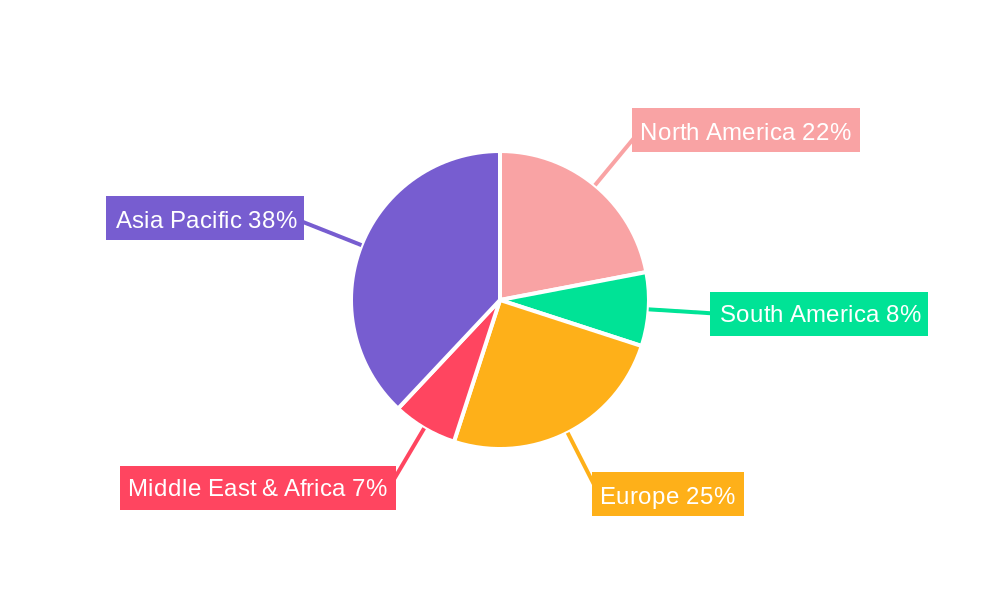
QC-PD IC Regional Market Share
Geographic Coverage of QC-PD IC
QC-PD IC REPORT HIGHLIGHTS
| Aspects | Details |
|---|---|
| Study Period | 2020-2034 |
| Base Year | 2025 |
| Estimated Year | 2026 |
| Forecast Period | 2026-2034 |
| Historical Period | 2020-2025 |
| Growth Rate | CAGR of 6.72% from 2020-2034 |
| Segmentation |
|
Table of Contents
- 1. Introduction
- 1.1. Research Scope
- 1.2. Market Segmentation
- 1.3. Research Methodology
- 1.4. Definitions and Assumptions
- 2. Executive Summary
- 2.1. Introduction
- 3. Market Dynamics
- 3.1. Introduction
- 3.2. Market Drivers
- 3.3. Market Restrains
- 3.4. Market Trends
- 4. Market Factor Analysis
- 4.1. Porters Five Forces
- 4.2. Supply/Value Chain
- 4.3. PESTEL analysis
- 4.4. Market Entropy
- 4.5. Patent/Trademark Analysis
- 5. Global QC-PD IC Analysis, Insights and Forecast, 2020-2032
- 5.1. Market Analysis, Insights and Forecast - by Application
- 5.1.1. Mobile Phone
- 5.1.2. Laptop
- 5.1.3. Electric Vehicle
- 5.1.4. Others
- 5.2. Market Analysis, Insights and Forecast - by Types
- 5.2.1. DFP
- 5.2.2. UFP
- 5.2.3. DRP
- 5.3. Market Analysis, Insights and Forecast - by Region
- 5.3.1. North America
- 5.3.2. South America
- 5.3.3. Europe
- 5.3.4. Middle East & Africa
- 5.3.5. Asia Pacific
- 5.1. Market Analysis, Insights and Forecast - by Application
- 6. North America QC-PD IC Analysis, Insights and Forecast, 2020-2032
- 6.1. Market Analysis, Insights and Forecast - by Application
- 6.1.1. Mobile Phone
- 6.1.2. Laptop
- 6.1.3. Electric Vehicle
- 6.1.4. Others
- 6.2. Market Analysis, Insights and Forecast - by Types
- 6.2.1. DFP
- 6.2.2. UFP
- 6.2.3. DRP
- 6.1. Market Analysis, Insights and Forecast - by Application
- 7. South America QC-PD IC Analysis, Insights and Forecast, 2020-2032
- 7.1. Market Analysis, Insights and Forecast - by Application
- 7.1.1. Mobile Phone
- 7.1.2. Laptop
- 7.1.3. Electric Vehicle
- 7.1.4. Others
- 7.2. Market Analysis, Insights and Forecast - by Types
- 7.2.1. DFP
- 7.2.2. UFP
- 7.2.3. DRP
- 7.1. Market Analysis, Insights and Forecast - by Application
- 8. Europe QC-PD IC Analysis, Insights and Forecast, 2020-2032
- 8.1. Market Analysis, Insights and Forecast - by Application
- 8.1.1. Mobile Phone
- 8.1.2. Laptop
- 8.1.3. Electric Vehicle
- 8.1.4. Others
- 8.2. Market Analysis, Insights and Forecast - by Types
- 8.2.1. DFP
- 8.2.2. UFP
- 8.2.3. DRP
- 8.1. Market Analysis, Insights and Forecast - by Application
- 9. Middle East & Africa QC-PD IC Analysis, Insights and Forecast, 2020-2032
- 9.1. Market Analysis, Insights and Forecast - by Application
- 9.1.1. Mobile Phone
- 9.1.2. Laptop
- 9.1.3. Electric Vehicle
- 9.1.4. Others
- 9.2. Market Analysis, Insights and Forecast - by Types
- 9.2.1. DFP
- 9.2.2. UFP
- 9.2.3. DRP
- 9.1. Market Analysis, Insights and Forecast - by Application
- 10. Asia Pacific QC-PD IC Analysis, Insights and Forecast, 2020-2032
- 10.1. Market Analysis, Insights and Forecast - by Application
- 10.1.1. Mobile Phone
- 10.1.2. Laptop
- 10.1.3. Electric Vehicle
- 10.1.4. Others
- 10.2. Market Analysis, Insights and Forecast - by Types
- 10.2.1. DFP
- 10.2.2. UFP
- 10.2.3. DRP
- 10.1. Market Analysis, Insights and Forecast - by Application
- 11. Competitive Analysis
- 11.1. Global Market Share Analysis 2025
- 11.2. Company Profiles
- 11.2.1 Qualcomm
- 11.2.1.1. Overview
- 11.2.1.2. Products
- 11.2.1.3. SWOT Analysis
- 11.2.1.4. Recent Developments
- 11.2.1.5. Financials (Based on Availability)
- 11.2.2 TI
- 11.2.2.1. Overview
- 11.2.2.2. Products
- 11.2.2.3. SWOT Analysis
- 11.2.2.4. Recent Developments
- 11.2.2.5. Financials (Based on Availability)
- 11.2.3 NXP Semiconductors
- 11.2.3.1. Overview
- 11.2.3.2. Products
- 11.2.3.3. SWOT Analysis
- 11.2.3.4. Recent Developments
- 11.2.3.5. Financials (Based on Availability)
- 11.2.4 Infineon Technologies
- 11.2.4.1. Overview
- 11.2.4.2. Products
- 11.2.4.3. SWOT Analysis
- 11.2.4.4. Recent Developments
- 11.2.4.5. Financials (Based on Availability)
- 11.2.5 Diodes Incorporated
- 11.2.5.1. Overview
- 11.2.5.2. Products
- 11.2.5.3. SWOT Analysis
- 11.2.5.4. Recent Developments
- 11.2.5.5. Financials (Based on Availability)
- 11.2.6 Jadard Technology
- 11.2.6.1. Overview
- 11.2.6.2. Products
- 11.2.6.3. SWOT Analysis
- 11.2.6.4. Recent Developments
- 11.2.6.5. Financials (Based on Availability)
- 11.2.7 Semiconic Electronic Devices
- 11.2.7.1. Overview
- 11.2.7.2. Products
- 11.2.7.3. SWOT Analysis
- 11.2.7.4. Recent Developments
- 11.2.7.5. Financials (Based on Availability)
- 11.2.8 JoulWatt Technology
- 11.2.8.1. Overview
- 11.2.8.2. Products
- 11.2.8.3. SWOT Analysis
- 11.2.8.4. Recent Developments
- 11.2.8.5. Financials (Based on Availability)
- 11.2.9 Lii Semiconductor
- 11.2.9.1. Overview
- 11.2.9.2. Products
- 11.2.9.3. SWOT Analysis
- 11.2.9.4. Recent Developments
- 11.2.9.5. Financials (Based on Availability)
- 11.2.10 Zhuhai iSmartware Technology
- 11.2.10.1. Overview
- 11.2.10.2. Products
- 11.2.10.3. SWOT Analysis
- 11.2.10.4. Recent Developments
- 11.2.10.5. Financials (Based on Availability)
- 11.2.11 PowIicon
- 11.2.11.1. Overview
- 11.2.11.2. Products
- 11.2.11.3. SWOT Analysis
- 11.2.11.4. Recent Developments
- 11.2.11.5. Financials (Based on Availability)
- 11.2.12 PI
- 11.2.12.1. Overview
- 11.2.12.2. Products
- 11.2.12.3. SWOT Analysis
- 11.2.12.4. Recent Developments
- 11.2.12.5. Financials (Based on Availability)
- 11.2.13 Hangzhou Silan Microelectronics
- 11.2.13.1. Overview
- 11.2.13.2. Products
- 11.2.13.3. SWOT Analysis
- 11.2.13.4. Recent Developments
- 11.2.13.5. Financials (Based on Availability)
- 11.2.14 Maxic Technology
- 11.2.14.1. Overview
- 11.2.14.2. Products
- 11.2.14.3. SWOT Analysis
- 11.2.14.4. Recent Developments
- 11.2.14.5. Financials (Based on Availability)
- 11.2.15 Shenzhen Kiwi Instruments
- 11.2.15.1. Overview
- 11.2.15.2. Products
- 11.2.15.3. SWOT Analysis
- 11.2.15.4. Recent Developments
- 11.2.15.5. Financials (Based on Availability)
- 11.2.16 Shenzhen Injoinic Technology
- 11.2.16.1. Overview
- 11.2.16.2. Products
- 11.2.16.3. SWOT Analysis
- 11.2.16.4. Recent Developments
- 11.2.16.5. Financials (Based on Availability)
- 11.2.1 Qualcomm
List of Figures
- Figure 1: Global QC-PD IC Revenue Breakdown (billion, %) by Region 2025 & 2033
- Figure 2: Global QC-PD IC Volume Breakdown (K, %) by Region 2025 & 2033
- Figure 3: North America QC-PD IC Revenue (billion), by Application 2025 & 2033
- Figure 4: North America QC-PD IC Volume (K), by Application 2025 & 2033
- Figure 5: North America QC-PD IC Revenue Share (%), by Application 2025 & 2033
- Figure 6: North America QC-PD IC Volume Share (%), by Application 2025 & 2033
- Figure 7: North America QC-PD IC Revenue (billion), by Types 2025 & 2033
- Figure 8: North America QC-PD IC Volume (K), by Types 2025 & 2033
- Figure 9: North America QC-PD IC Revenue Share (%), by Types 2025 & 2033
- Figure 10: North America QC-PD IC Volume Share (%), by Types 2025 & 2033
- Figure 11: North America QC-PD IC Revenue (billion), by Country 2025 & 2033
- Figure 12: North America QC-PD IC Volume (K), by Country 2025 & 2033
- Figure 13: North America QC-PD IC Revenue Share (%), by Country 2025 & 2033
- Figure 14: North America QC-PD IC Volume Share (%), by Country 2025 & 2033
- Figure 15: South America QC-PD IC Revenue (billion), by Application 2025 & 2033
- Figure 16: South America QC-PD IC Volume (K), by Application 2025 & 2033
- Figure 17: South America QC-PD IC Revenue Share (%), by Application 2025 & 2033
- Figure 18: South America QC-PD IC Volume Share (%), by Application 2025 & 2033
- Figure 19: South America QC-PD IC Revenue (billion), by Types 2025 & 2033
- Figure 20: South America QC-PD IC Volume (K), by Types 2025 & 2033
- Figure 21: South America QC-PD IC Revenue Share (%), by Types 2025 & 2033
- Figure 22: South America QC-PD IC Volume Share (%), by Types 2025 & 2033
- Figure 23: South America QC-PD IC Revenue (billion), by Country 2025 & 2033
- Figure 24: South America QC-PD IC Volume (K), by Country 2025 & 2033
- Figure 25: South America QC-PD IC Revenue Share (%), by Country 2025 & 2033
- Figure 26: South America QC-PD IC Volume Share (%), by Country 2025 & 2033
- Figure 27: Europe QC-PD IC Revenue (billion), by Application 2025 & 2033
- Figure 28: Europe QC-PD IC Volume (K), by Application 2025 & 2033
- Figure 29: Europe QC-PD IC Revenue Share (%), by Application 2025 & 2033
- Figure 30: Europe QC-PD IC Volume Share (%), by Application 2025 & 2033
- Figure 31: Europe QC-PD IC Revenue (billion), by Types 2025 & 2033
- Figure 32: Europe QC-PD IC Volume (K), by Types 2025 & 2033
- Figure 33: Europe QC-PD IC Revenue Share (%), by Types 2025 & 2033
- Figure 34: Europe QC-PD IC Volume Share (%), by Types 2025 & 2033
- Figure 35: Europe QC-PD IC Revenue (billion), by Country 2025 & 2033
- Figure 36: Europe QC-PD IC Volume (K), by Country 2025 & 2033
- Figure 37: Europe QC-PD IC Revenue Share (%), by Country 2025 & 2033
- Figure 38: Europe QC-PD IC Volume Share (%), by Country 2025 & 2033
- Figure 39: Middle East & Africa QC-PD IC Revenue (billion), by Application 2025 & 2033
- Figure 40: Middle East & Africa QC-PD IC Volume (K), by Application 2025 & 2033
- Figure 41: Middle East & Africa QC-PD IC Revenue Share (%), by Application 2025 & 2033
- Figure 42: Middle East & Africa QC-PD IC Volume Share (%), by Application 2025 & 2033
- Figure 43: Middle East & Africa QC-PD IC Revenue (billion), by Types 2025 & 2033
- Figure 44: Middle East & Africa QC-PD IC Volume (K), by Types 2025 & 2033
- Figure 45: Middle East & Africa QC-PD IC Revenue Share (%), by Types 2025 & 2033
- Figure 46: Middle East & Africa QC-PD IC Volume Share (%), by Types 2025 & 2033
- Figure 47: Middle East & Africa QC-PD IC Revenue (billion), by Country 2025 & 2033
- Figure 48: Middle East & Africa QC-PD IC Volume (K), by Country 2025 & 2033
- Figure 49: Middle East & Africa QC-PD IC Revenue Share (%), by Country 2025 & 2033
- Figure 50: Middle East & Africa QC-PD IC Volume Share (%), by Country 2025 & 2033
- Figure 51: Asia Pacific QC-PD IC Revenue (billion), by Application 2025 & 2033
- Figure 52: Asia Pacific QC-PD IC Volume (K), by Application 2025 & 2033
- Figure 53: Asia Pacific QC-PD IC Revenue Share (%), by Application 2025 & 2033
- Figure 54: Asia Pacific QC-PD IC Volume Share (%), by Application 2025 & 2033
- Figure 55: Asia Pacific QC-PD IC Revenue (billion), by Types 2025 & 2033
- Figure 56: Asia Pacific QC-PD IC Volume (K), by Types 2025 & 2033
- Figure 57: Asia Pacific QC-PD IC Revenue Share (%), by Types 2025 & 2033
- Figure 58: Asia Pacific QC-PD IC Volume Share (%), by Types 2025 & 2033
- Figure 59: Asia Pacific QC-PD IC Revenue (billion), by Country 2025 & 2033
- Figure 60: Asia Pacific QC-PD IC Volume (K), by Country 2025 & 2033
- Figure 61: Asia Pacific QC-PD IC Revenue Share (%), by Country 2025 & 2033
- Figure 62: Asia Pacific QC-PD IC Volume Share (%), by Country 2025 & 2033
List of Tables
- Table 1: Global QC-PD IC Revenue billion Forecast, by Application 2020 & 2033
- Table 2: Global QC-PD IC Volume K Forecast, by Application 2020 & 2033
- Table 3: Global QC-PD IC Revenue billion Forecast, by Types 2020 & 2033
- Table 4: Global QC-PD IC Volume K Forecast, by Types 2020 & 2033
- Table 5: Global QC-PD IC Revenue billion Forecast, by Region 2020 & 2033
- Table 6: Global QC-PD IC Volume K Forecast, by Region 2020 & 2033
- Table 7: Global QC-PD IC Revenue billion Forecast, by Application 2020 & 2033
- Table 8: Global QC-PD IC Volume K Forecast, by Application 2020 & 2033
- Table 9: Global QC-PD IC Revenue billion Forecast, by Types 2020 & 2033
- Table 10: Global QC-PD IC Volume K Forecast, by Types 2020 & 2033
- Table 11: Global QC-PD IC Revenue billion Forecast, by Country 2020 & 2033
- Table 12: Global QC-PD IC Volume K Forecast, by Country 2020 & 2033
- Table 13: United States QC-PD IC Revenue (billion) Forecast, by Application 2020 & 2033
- Table 14: United States QC-PD IC Volume (K) Forecast, by Application 2020 & 2033
- Table 15: Canada QC-PD IC Revenue (billion) Forecast, by Application 2020 & 2033
- Table 16: Canada QC-PD IC Volume (K) Forecast, by Application 2020 & 2033
- Table 17: Mexico QC-PD IC Revenue (billion) Forecast, by Application 2020 & 2033
- Table 18: Mexico QC-PD IC Volume (K) Forecast, by Application 2020 & 2033
- Table 19: Global QC-PD IC Revenue billion Forecast, by Application 2020 & 2033
- Table 20: Global QC-PD IC Volume K Forecast, by Application 2020 & 2033
- Table 21: Global QC-PD IC Revenue billion Forecast, by Types 2020 & 2033
- Table 22: Global QC-PD IC Volume K Forecast, by Types 2020 & 2033
- Table 23: Global QC-PD IC Revenue billion Forecast, by Country 2020 & 2033
- Table 24: Global QC-PD IC Volume K Forecast, by Country 2020 & 2033
- Table 25: Brazil QC-PD IC Revenue (billion) Forecast, by Application 2020 & 2033
- Table 26: Brazil QC-PD IC Volume (K) Forecast, by Application 2020 & 2033
- Table 27: Argentina QC-PD IC Revenue (billion) Forecast, by Application 2020 & 2033
- Table 28: Argentina QC-PD IC Volume (K) Forecast, by Application 2020 & 2033
- Table 29: Rest of South America QC-PD IC Revenue (billion) Forecast, by Application 2020 & 2033
- Table 30: Rest of South America QC-PD IC Volume (K) Forecast, by Application 2020 & 2033
- Table 31: Global QC-PD IC Revenue billion Forecast, by Application 2020 & 2033
- Table 32: Global QC-PD IC Volume K Forecast, by Application 2020 & 2033
- Table 33: Global QC-PD IC Revenue billion Forecast, by Types 2020 & 2033
- Table 34: Global QC-PD IC Volume K Forecast, by Types 2020 & 2033
- Table 35: Global QC-PD IC Revenue billion Forecast, by Country 2020 & 2033
- Table 36: Global QC-PD IC Volume K Forecast, by Country 2020 & 2033
- Table 37: United Kingdom QC-PD IC Revenue (billion) Forecast, by Application 2020 & 2033
- Table 38: United Kingdom QC-PD IC Volume (K) Forecast, by Application 2020 & 2033
- Table 39: Germany QC-PD IC Revenue (billion) Forecast, by Application 2020 & 2033
- Table 40: Germany QC-PD IC Volume (K) Forecast, by Application 2020 & 2033
- Table 41: France QC-PD IC Revenue (billion) Forecast, by Application 2020 & 2033
- Table 42: France QC-PD IC Volume (K) Forecast, by Application 2020 & 2033
- Table 43: Italy QC-PD IC Revenue (billion) Forecast, by Application 2020 & 2033
- Table 44: Italy QC-PD IC Volume (K) Forecast, by Application 2020 & 2033
- Table 45: Spain QC-PD IC Revenue (billion) Forecast, by Application 2020 & 2033
- Table 46: Spain QC-PD IC Volume (K) Forecast, by Application 2020 & 2033
- Table 47: Russia QC-PD IC Revenue (billion) Forecast, by Application 2020 & 2033
- Table 48: Russia QC-PD IC Volume (K) Forecast, by Application 2020 & 2033
- Table 49: Benelux QC-PD IC Revenue (billion) Forecast, by Application 2020 & 2033
- Table 50: Benelux QC-PD IC Volume (K) Forecast, by Application 2020 & 2033
- Table 51: Nordics QC-PD IC Revenue (billion) Forecast, by Application 2020 & 2033
- Table 52: Nordics QC-PD IC Volume (K) Forecast, by Application 2020 & 2033
- Table 53: Rest of Europe QC-PD IC Revenue (billion) Forecast, by Application 2020 & 2033
- Table 54: Rest of Europe QC-PD IC Volume (K) Forecast, by Application 2020 & 2033
- Table 55: Global QC-PD IC Revenue billion Forecast, by Application 2020 & 2033
- Table 56: Global QC-PD IC Volume K Forecast, by Application 2020 & 2033
- Table 57: Global QC-PD IC Revenue billion Forecast, by Types 2020 & 2033
- Table 58: Global QC-PD IC Volume K Forecast, by Types 2020 & 2033
- Table 59: Global QC-PD IC Revenue billion Forecast, by Country 2020 & 2033
- Table 60: Global QC-PD IC Volume K Forecast, by Country 2020 & 2033
- Table 61: Turkey QC-PD IC Revenue (billion) Forecast, by Application 2020 & 2033
- Table 62: Turkey QC-PD IC Volume (K) Forecast, by Application 2020 & 2033
- Table 63: Israel QC-PD IC Revenue (billion) Forecast, by Application 2020 & 2033
- Table 64: Israel QC-PD IC Volume (K) Forecast, by Application 2020 & 2033
- Table 65: GCC QC-PD IC Revenue (billion) Forecast, by Application 2020 & 2033
- Table 66: GCC QC-PD IC Volume (K) Forecast, by Application 2020 & 2033
- Table 67: North Africa QC-PD IC Revenue (billion) Forecast, by Application 2020 & 2033
- Table 68: North Africa QC-PD IC Volume (K) Forecast, by Application 2020 & 2033
- Table 69: South Africa QC-PD IC Revenue (billion) Forecast, by Application 2020 & 2033
- Table 70: South Africa QC-PD IC Volume (K) Forecast, by Application 2020 & 2033
- Table 71: Rest of Middle East & Africa QC-PD IC Revenue (billion) Forecast, by Application 2020 & 2033
- Table 72: Rest of Middle East & Africa QC-PD IC Volume (K) Forecast, by Application 2020 & 2033
- Table 73: Global QC-PD IC Revenue billion Forecast, by Application 2020 & 2033
- Table 74: Global QC-PD IC Volume K Forecast, by Application 2020 & 2033
- Table 75: Global QC-PD IC Revenue billion Forecast, by Types 2020 & 2033
- Table 76: Global QC-PD IC Volume K Forecast, by Types 2020 & 2033
- Table 77: Global QC-PD IC Revenue billion Forecast, by Country 2020 & 2033
- Table 78: Global QC-PD IC Volume K Forecast, by Country 2020 & 2033
- Table 79: China QC-PD IC Revenue (billion) Forecast, by Application 2020 & 2033
- Table 80: China QC-PD IC Volume (K) Forecast, by Application 2020 & 2033
- Table 81: India QC-PD IC Revenue (billion) Forecast, by Application 2020 & 2033
- Table 82: India QC-PD IC Volume (K) Forecast, by Application 2020 & 2033
- Table 83: Japan QC-PD IC Revenue (billion) Forecast, by Application 2020 & 2033
- Table 84: Japan QC-PD IC Volume (K) Forecast, by Application 2020 & 2033
- Table 85: South Korea QC-PD IC Revenue (billion) Forecast, by Application 2020 & 2033
- Table 86: South Korea QC-PD IC Volume (K) Forecast, by Application 2020 & 2033
- Table 87: ASEAN QC-PD IC Revenue (billion) Forecast, by Application 2020 & 2033
- Table 88: ASEAN QC-PD IC Volume (K) Forecast, by Application 2020 & 2033
- Table 89: Oceania QC-PD IC Revenue (billion) Forecast, by Application 2020 & 2033
- Table 90: Oceania QC-PD IC Volume (K) Forecast, by Application 2020 & 2033
- Table 91: Rest of Asia Pacific QC-PD IC Revenue (billion) Forecast, by Application 2020 & 2033
- Table 92: Rest of Asia Pacific QC-PD IC Volume (K) Forecast, by Application 2020 & 2033
Frequently Asked Questions
1. What is the projected Compound Annual Growth Rate (CAGR) of the QC-PD IC?
The projected CAGR is approximately 6.72%.
2. Which companies are prominent players in the QC-PD IC?
Key companies in the market include Qualcomm, TI, NXP Semiconductors, Infineon Technologies, Diodes Incorporated, Jadard Technology, Semiconic Electronic Devices, JoulWatt Technology, Lii Semiconductor, Zhuhai iSmartware Technology, PowIicon, PI, Hangzhou Silan Microelectronics, Maxic Technology, Shenzhen Kiwi Instruments, Shenzhen Injoinic Technology.
3. What are the main segments of the QC-PD IC?
The market segments include Application, Types.
4. Can you provide details about the market size?
The market size is estimated to be USD 604.86 billion as of 2022.
5. What are some drivers contributing to market growth?
N/A
6. What are the notable trends driving market growth?
N/A
7. Are there any restraints impacting market growth?
N/A
8. Can you provide examples of recent developments in the market?
N/A
9. What pricing options are available for accessing the report?
Pricing options include single-user, multi-user, and enterprise licenses priced at USD 4350.00, USD 6525.00, and USD 8700.00 respectively.
10. Is the market size provided in terms of value or volume?
The market size is provided in terms of value, measured in billion and volume, measured in K.
11. Are there any specific market keywords associated with the report?
Yes, the market keyword associated with the report is "QC-PD IC," which aids in identifying and referencing the specific market segment covered.
12. How do I determine which pricing option suits my needs best?
The pricing options vary based on user requirements and access needs. Individual users may opt for single-user licenses, while businesses requiring broader access may choose multi-user or enterprise licenses for cost-effective access to the report.
13. Are there any additional resources or data provided in the QC-PD IC report?
While the report offers comprehensive insights, it's advisable to review the specific contents or supplementary materials provided to ascertain if additional resources or data are available.
14. How can I stay updated on further developments or reports in the QC-PD IC?
To stay informed about further developments, trends, and reports in the QC-PD IC, consider subscribing to industry newsletters, following relevant companies and organizations, or regularly checking reputable industry news sources and publications.
Methodology
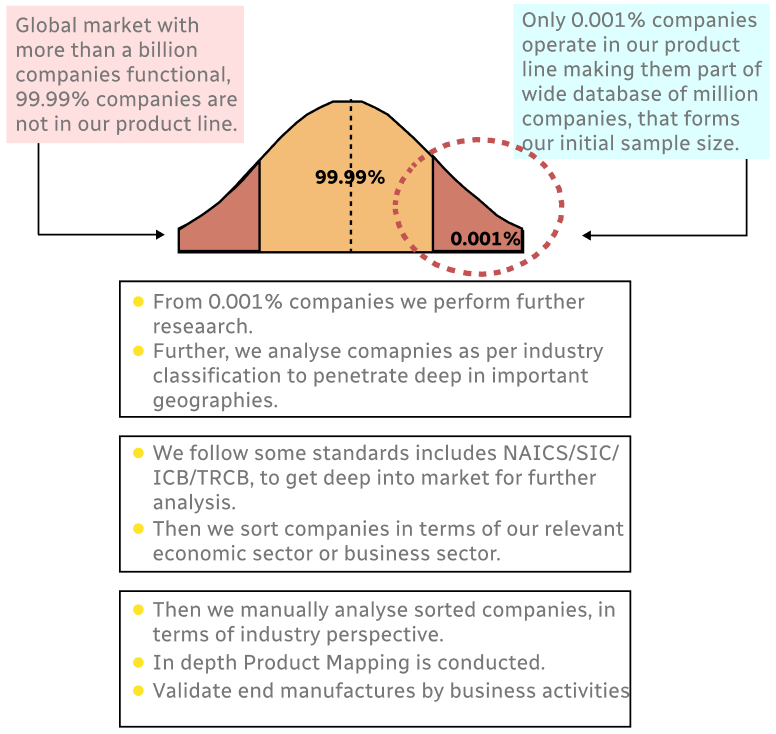
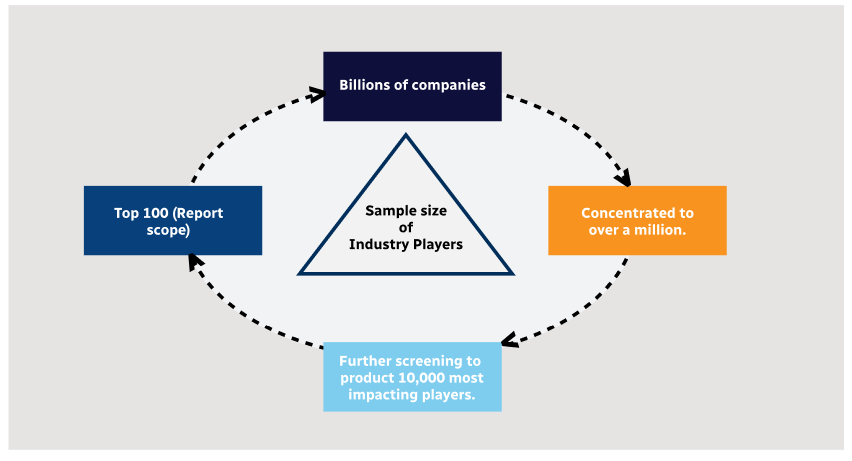
Step 1 - Identification of Relevant Samples Size from Population Database
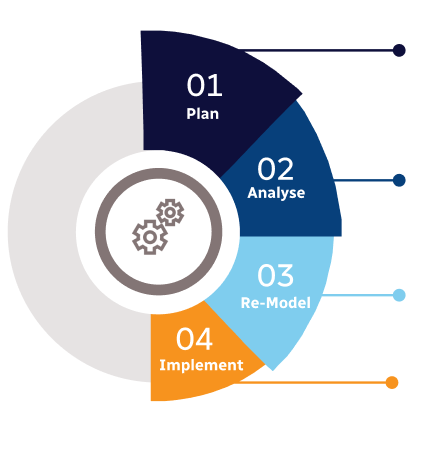
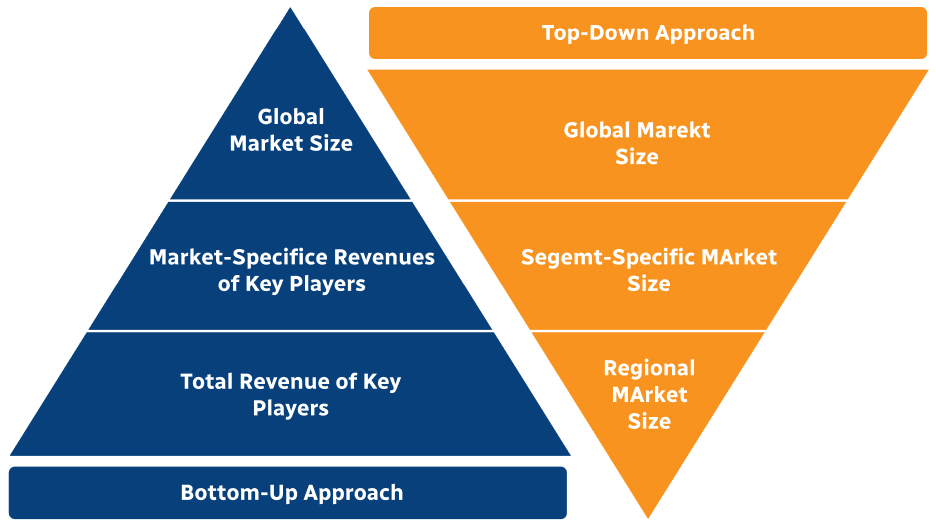
Step 2 - Approaches for Defining Global Market Size (Value, Volume* & Price*)
Note*: In applicable scenarios
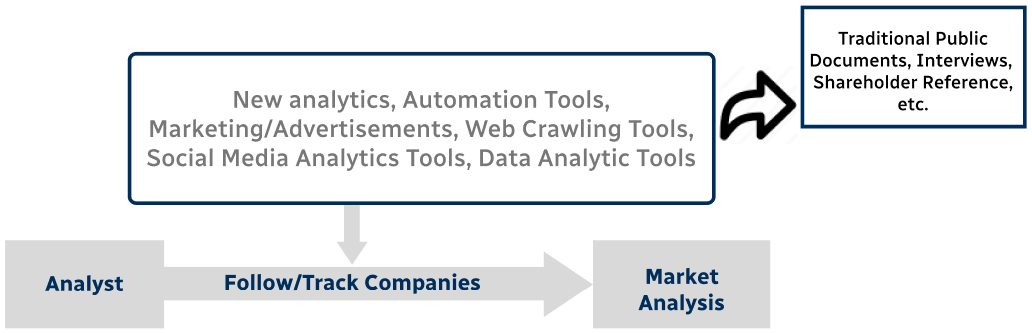
Step 3 - Data Sources
Primary Research
- Web Analytics
- Survey Reports
- Research Institute
- Latest Research Reports
- Opinion Leaders
Secondary Research
- Annual Reports
- White Paper
- Latest Press Release
- Industry Association
- Paid Database
- Investor Presentations
Step 4 - Data Triangulation
Involves using different sources of information in order to increase the validity of a study
These sources are likely to be stakeholders in a program - participants, other researchers, program staff, other community members, and so on.
Then we put all data in single framework & apply various statistical tools to find out the dynamic on the market.
During the analysis stage, feedback from the stakeholder groups would be compared to determine areas of agreement as well as areas of divergence