


Key Insights
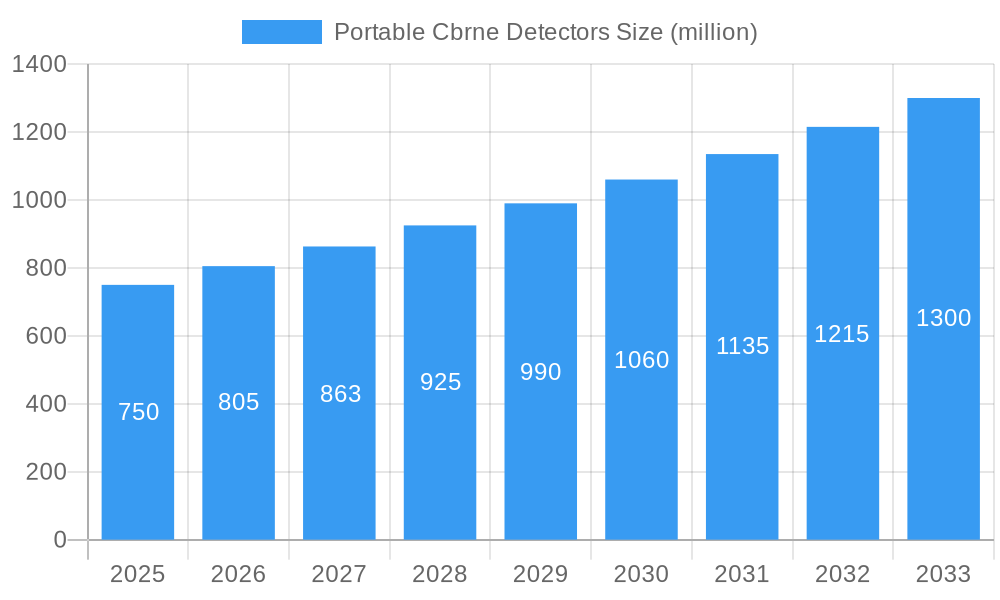
The global Portable CBRNE Detectors market is poised for significant expansion, driven by escalating security concerns and the increasing need for rapid threat detection in diverse environments. This market is projected to reach a substantial valuation by 2033, fueled by a healthy Compound Annual Growth Rate (CAGR) of approximately 7.5% from 2025 to 2033. The primary drivers for this growth include the continuous rise in geopolitical instability, the threat of terrorism, and the imperative for governments and public safety agencies to safeguard critical infrastructure and civilian populations. Advanced technological integration, such as miniaturization, enhanced sensitivity, and multi-threat identification capabilities, is further propelling market adoption. The demand for these detectors is particularly robust in high-risk areas like airports, train stations, and government facilities, where the consequences of an undetected CBRNE event can be catastrophic. Continuous research and development into more accurate, user-friendly, and cost-effective detection solutions are expected to sustain this upward trajectory.
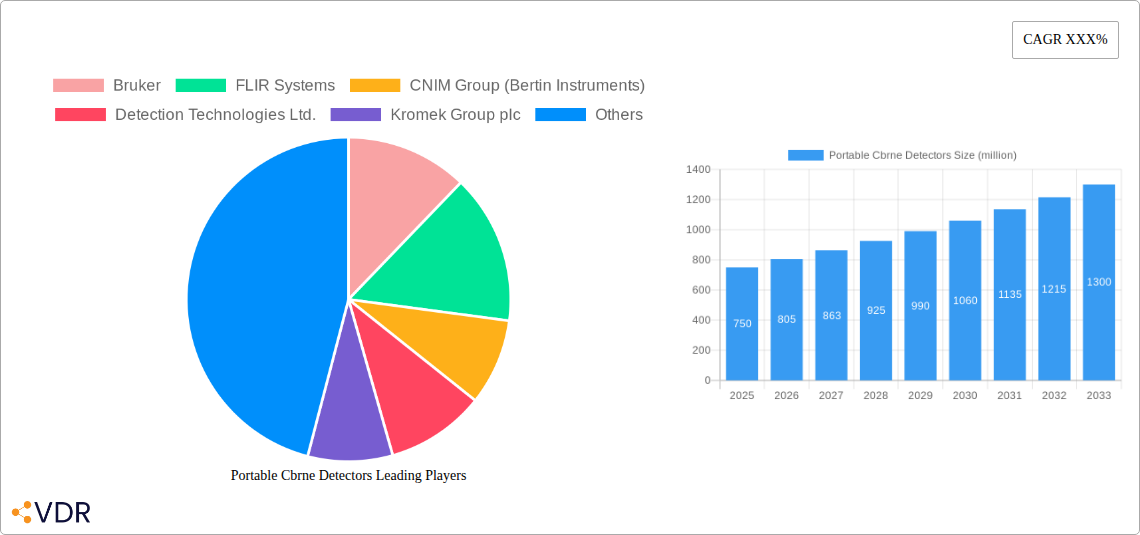
Portable Cbrne Detectors Market Size (In Million)

The market is segmented across various detection types, including chemical, biological, and radiation detection, each catering to specific threat profiles. While the overall outlook is positive, certain restraints such as the high cost of advanced detection systems and the need for specialized training for personnel may pose challenges. However, strategic collaborations between manufacturers and end-users, coupled with increasing government investments in homeland security and emergency preparedness, are mitigating these hurdles. Emerging economies, particularly in the Asia Pacific region, are presenting significant growth opportunities due to rapid urbanization, increased public gathering spaces, and a growing awareness of CBRNE threats. Companies are focusing on developing integrated solutions that offer real-time data analysis and seamless communication, thereby enhancing response effectiveness during critical incidents. The continuous evolution of CBRNE threats necessitates ongoing innovation, ensuring the market remains dynamic and responsive to evolving security landscapes.
Portable Cbrne Detectors Company Market Share
Portable Cbrne Detectors Market Research Report: Global Outlook & Forecast (2019–2033)
This comprehensive report provides an in-depth analysis of the global Portable CBRNE Detectors market. It delves into market dynamics, growth trends, regional dominance, product landscape, key drivers, challenges, emerging opportunities, and the competitive environment. With a focus on actionable insights and quantifiable data, this report is an essential resource for industry stakeholders, including manufacturers, suppliers, government agencies, and investors. The study covers the historical period from 2019 to 2024, with the base year and estimated year being 2025, and forecasts market evolution through 2033.
Portable Cbrne Detectors Market Dynamics & Structure
The Portable CBRNE Detectors market exhibits a moderately concentrated structure, with key players focusing on technological innovation and strategic collaborations to maintain a competitive edge. Significant drivers include escalating global security concerns, increased terrorist threats, and the growing need for rapid and reliable detection of chemical, biological, radiological, nuclear, and explosive (CBRNE) agents. Regulatory frameworks, particularly those mandated by national security agencies and international bodies, play a crucial role in shaping product development and adoption rates. Competitive product substitutes, while present, often lack the integrated functionalities and portability offered by dedicated CBRNE detectors. End-user demographics are increasingly shifting towards specialized security forces, first responders, and critical infrastructure protection units. Mergers and acquisitions (M&A) trends within the sector indicate a strategic consolidation aimed at expanding product portfolios and market reach.
- Market Concentration: Dominated by a few key players, but with a growing number of specialized and niche manufacturers.
- Technological Innovation Drivers: Miniaturization, increased sensitivity, real-time data transmission, AI-powered threat identification, and multi-agent detection capabilities.
- Regulatory Frameworks: Stringent testing and certification requirements, influencing product design and market entry.
- Competitive Product Substitutes: General-purpose sensors, lab-based analysis (lacks portability and speed).
- End-User Demographics: Government agencies (defense, homeland security), law enforcement, emergency services, transportation hubs (airports, train stations), industrial facilities.
- M&A Trends: Acquisitions aimed at technology integration, market diversification, and enhanced R&D capabilities.
Portable Cbrne Detectors Growth Trends & Insights
The Portable CBRNE Detectors market is poised for significant expansion over the forecast period (2025–2033), driven by a confluence of evolving security landscapes and technological advancements. The market size, which reached approximately \$1.5 billion in 2024, is projected to grow at a robust Compound Annual Growth Rate (CAGR) of XX% to reach an estimated \$3.X billion by 2033. Adoption rates are accelerating across various sectors, propelled by an increased awareness of CBRNE threats and the imperative for immediate on-site detection and response. Technological disruptions, such as the development of miniaturized, low-power, and highly sensitive sensors, are transforming the capabilities of portable detectors. These advancements allow for earlier and more accurate identification of hazardous agents, thereby enhancing responder safety and public protection.
Consumer behavior shifts are evident in the growing demand for user-friendly interfaces, seamless data integration with command and control systems, and advanced analytical features. The move towards networked detection systems, enabling real-time information sharing and coordinated responses, is a key trend. Furthermore, the decreasing cost of sophisticated sensor technologies, coupled with government initiatives to bolster national security and public safety infrastructure, will continue to fuel market penetration. The increasing emphasis on preparedness for unconventional threats, including bioterrorism and radiological incidents, is a primary catalyst for sustained market growth. The development of detectors capable of identifying a wider spectrum of CBRNE agents simultaneously, reducing false positives, and providing actionable intelligence will be crucial for market leadership.
Dominant Regions, Countries, or Segments in Portable Cbrne Detectors
The Government segment, under the Application category, is currently the dominant force driving growth in the global Portable CBRNE Detectors market. This dominance stems from substantial government investments in homeland security, defense modernization, and counter-terrorism initiatives. Countries with high geopolitical risks and active participation in international security efforts are leading this surge.
Key Drivers within the Government Segment:
- National Security Imperatives: Governments worldwide are prioritizing the acquisition of advanced CBRNE detection capabilities to safeguard citizens and critical infrastructure.
- Military Modernization Programs: Defense forces are equipping personnel with portable detectors for battlefield surveillance, base protection, and response to chemical or biological attacks.
- First Responder Preparedness: Increased funding and training for law enforcement, emergency medical services, and fire departments to handle CBRNE incidents.
- Border Security Enhancement: Deployment of detectors at border crossings to screen for illicit materials and potential threats.
- Infrastructure Protection: Securing vital national assets like power grids, water treatment plants, and communication hubs against CBRNE threats.
Within the Type category, Radiation Detection remains a significant segment due to persistent concerns about radiological terrorism and nuclear proliferation. However, Chemical Detection and Biological Detection are experiencing rapid growth, driven by the evolving nature of threats and advancements in bio-threat detection technologies. The Others segment, encompassing explosive detection and multi-agent systems, is also witnessing increasing adoption as integrated threat detection becomes more critical.
Geographically, North America and Europe currently lead the market, owing to well-established security infrastructures, substantial R&D investments, and a heightened threat perception. However, the Asia Pacific region is emerging as a significant growth engine, fueled by rapid economic development, increasing security concerns, and growing government expenditure on defense and public safety.
Portable Cbrne Detectors Product Landscape
The Portable CBRNE Detectors market is characterized by continuous innovation in sensor technology and device miniaturization. Leading manufacturers are developing handheld and wearable devices capable of simultaneously detecting a broad spectrum of chemical agents, biological pathogens, and radiological isotopes with high sensitivity and specificity. Unique selling propositions include rapid identification, low false alarm rates, real-time data logging, and seamless integration with wireless communication networks for immediate threat dissemination. Advanced features such as artificial intelligence-powered threat assessment, user-friendly graphical interfaces, and robust ruggedization for field deployment are becoming standard.
Key Drivers, Barriers & Challenges in Portable Cbrne Detectors
Key Drivers:
- Escalating Geopolitical Tensions and Terrorism Threats: A primary impetus for increased demand for robust CBRNE detection capabilities.
- Government Mandates and Funding: Significant investments by national governments for homeland security and defense preparedness.
- Technological Advancements: Development of more sensitive, faster, and multi-agent capable detectors.
- Growing Awareness of Health and Safety: Increased focus on protecting populations from hazardous substances and biological outbreaks.
- Critical Infrastructure Protection: Need for advanced security solutions for vital national assets.
Key Barriers & Challenges:
- High Cost of Advanced Technology: Sophisticated detectors can be expensive, limiting adoption for smaller agencies or developing nations.
- Complex Regulatory and Certification Processes: Lengthy and demanding approval procedures can delay market entry for new products.
- Interoperability and Standardization Issues: Lack of universal standards for data sharing and device compatibility can hinder seamless integration.
- Limited Shelf Life and Maintenance Requirements: Some detection consumables and components have a limited lifespan, requiring ongoing investment.
- Need for Skilled Personnel: Effective operation and interpretation of results often require specialized training, posing a human resource challenge.
- Supply Chain Disruptions: Reliance on specialized components can make the market vulnerable to global supply chain fluctuations.
Emerging Opportunities in Portable Cbrne Detectors
Emerging opportunities in the Portable CBRNE Detectors market lie in the development of highly integrated, multi-hazard detection systems that offer broad-spectrum analysis in a single, compact device. The expansion of the market into civilian sectors, such as industrial safety and public health monitoring, presents significant untapped potential. Furthermore, the integration of artificial intelligence and machine learning for predictive threat analysis and automated response protocols is a key area for innovation. The demand for low-cost, mass-deployable sensors for widespread public protection and early warning systems is also a growing trend.
Growth Accelerators in the Portable Cbrne Detectors Industry
Growth in the Portable CBRNE Detectors industry is being significantly accelerated by ongoing technological breakthroughs, particularly in the miniaturization and increased sensitivity of sensor technologies. Strategic partnerships between technology developers and end-users, such as defense contractors and government agencies, are fostering the development of tailored solutions that meet specific operational needs. Market expansion strategies, including entering emerging economies with growing security concerns and investing in robust distribution networks, are further propelling growth. The continuous evolution of threat landscapes also acts as a crucial accelerator, necessitating the adoption of advanced detection and identification capabilities.
Key Players Shaping the Portable Cbrne Detectors Market
- Bruker
- FLIR Systems
- CNIM Group (Bertin Instruments)
- Detection Technologies Ltd.
- Kromek Group plc
Notable Milestones in Portable Cbrne Detectors Sector
- 2019: Introduction of next-generation handheld chemical agent detectors with enhanced specificity.
- 2020: Development of portable biological detection systems capable of rapid pathogen identification.
- 2021: Launch of advanced radiation detectors with improved sensitivity and wider detection ranges.
- 2022: Increased government procurement orders for integrated CBRNE detection solutions.
- 2023: Advancements in AI integration for real-time threat assessment in portable devices.
- 2024: Focus on miniaturization and extended battery life for wearable detection systems.
In-Depth Portable Cbrne Detectors Market Outlook
The future outlook for the Portable CBRNE Detectors market is exceptionally strong, driven by persistent global security imperatives and a relentless pace of technological innovation. Growth accelerators, including the development of compact, multi-agent detection systems and the increasing adoption of AI for predictive analytics, will continue to shape market expansion. Strategic opportunities lie in further penetration of emerging markets, fostering deeper collaborations for customized solutions, and developing cost-effective technologies for broader accessibility. The market's trajectory indicates a sustained demand for advanced, reliable, and user-friendly CBRNE detection capabilities, essential for safeguarding populations and critical infrastructure against evolving threats.
Portable Cbrne Detectors Segmentation
-
1. Application
- 1.1. Government
- 1.2. Airport
- 1.3. Train Station
- 1.4. Others
-
2. Type
- 2.1. Chemical Detection
- 2.2. Biological Detection
- 2.3. Radiation Detection
- 2.4. Others
Portable Cbrne Detectors Segmentation By Geography
-
1. North America
- 1.1. United States
- 1.2. Canada
- 1.3. Mexico
-
2. South America
- 2.1. Brazil
- 2.2. Argentina
- 2.3. Rest of South America
-
3. Europe
- 3.1. United Kingdom
- 3.2. Germany
- 3.3. France
- 3.4. Italy
- 3.5. Spain
- 3.6. Russia
- 3.7. Benelux
- 3.8. Nordics
- 3.9. Rest of Europe
-
4. Middle East & Africa
- 4.1. Turkey
- 4.2. Israel
- 4.3. GCC
- 4.4. North Africa
- 4.5. South Africa
- 4.6. Rest of Middle East & Africa
-
5. Asia Pacific
- 5.1. China
- 5.2. India
- 5.3. Japan
- 5.4. South Korea
- 5.5. ASEAN
- 5.6. Oceania
- 5.7. Rest of Asia Pacific
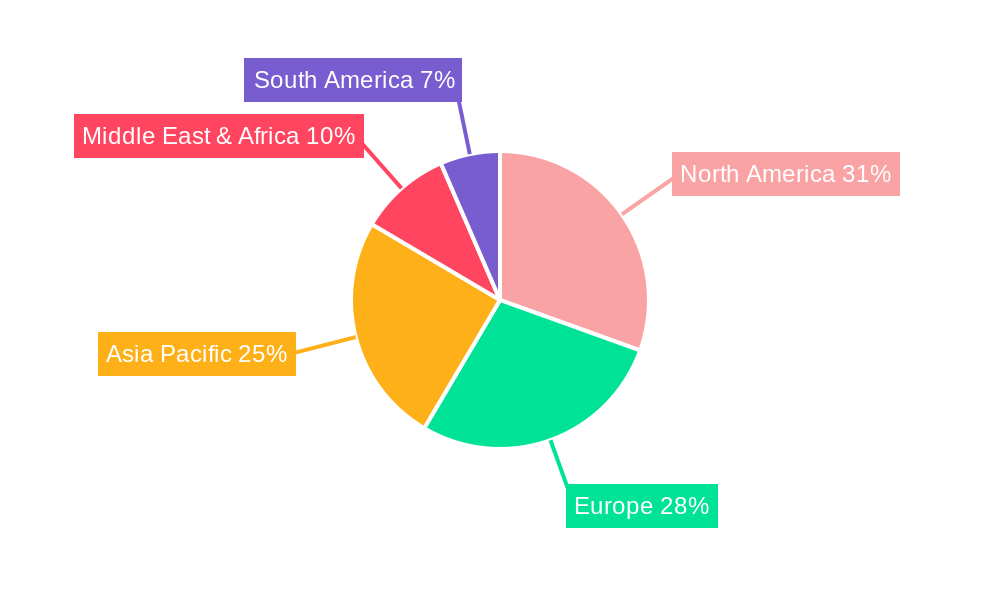
Portable Cbrne Detectors Regional Market Share
Geographic Coverage of Portable Cbrne Detectors
Portable Cbrne Detectors REPORT HIGHLIGHTS
| Aspects | Details |
|---|---|
| Study Period | 2020-2034 |
| Base Year | 2025 |
| Estimated Year | 2026 |
| Forecast Period | 2026-2034 |
| Historical Period | 2020-2025 |
| Growth Rate | CAGR of XXX% from 2020-2034 |
| Segmentation |
|
Table of Contents
- 1. Introduction
- 1.1. Research Scope
- 1.2. Market Segmentation
- 1.3. Research Methodology
- 1.4. Definitions and Assumptions
- 2. Executive Summary
- 2.1. Introduction
- 3. Market Dynamics
- 3.1. Introduction
- 3.2. Market Drivers
- 3.3. Market Restrains
- 3.4. Market Trends
- 4. Market Factor Analysis
- 4.1. Porters Five Forces
- 4.2. Supply/Value Chain
- 4.3. PESTEL analysis
- 4.4. Market Entropy
- 4.5. Patent/Trademark Analysis
- 5. Global Portable Cbrne Detectors Analysis, Insights and Forecast, 2020-2032
- 5.1. Market Analysis, Insights and Forecast - by Application
- 5.1.1. Government
- 5.1.2. Airport
- 5.1.3. Train Station
- 5.1.4. Others
- 5.2. Market Analysis, Insights and Forecast - by Type
- 5.2.1. Chemical Detection
- 5.2.2. Biological Detection
- 5.2.3. Radiation Detection
- 5.2.4. Others
- 5.3. Market Analysis, Insights and Forecast - by Region
- 5.3.1. North America
- 5.3.2. South America
- 5.3.3. Europe
- 5.3.4. Middle East & Africa
- 5.3.5. Asia Pacific
- 5.1. Market Analysis, Insights and Forecast - by Application
- 6. North America Portable Cbrne Detectors Analysis, Insights and Forecast, 2020-2032
- 6.1. Market Analysis, Insights and Forecast - by Application
- 6.1.1. Government
- 6.1.2. Airport
- 6.1.3. Train Station
- 6.1.4. Others
- 6.2. Market Analysis, Insights and Forecast - by Type
- 6.2.1. Chemical Detection
- 6.2.2. Biological Detection
- 6.2.3. Radiation Detection
- 6.2.4. Others
- 6.1. Market Analysis, Insights and Forecast - by Application
- 7. South America Portable Cbrne Detectors Analysis, Insights and Forecast, 2020-2032
- 7.1. Market Analysis, Insights and Forecast - by Application
- 7.1.1. Government
- 7.1.2. Airport
- 7.1.3. Train Station
- 7.1.4. Others
- 7.2. Market Analysis, Insights and Forecast - by Type
- 7.2.1. Chemical Detection
- 7.2.2. Biological Detection
- 7.2.3. Radiation Detection
- 7.2.4. Others
- 7.1. Market Analysis, Insights and Forecast - by Application
- 8. Europe Portable Cbrne Detectors Analysis, Insights and Forecast, 2020-2032
- 8.1. Market Analysis, Insights and Forecast - by Application
- 8.1.1. Government
- 8.1.2. Airport
- 8.1.3. Train Station
- 8.1.4. Others
- 8.2. Market Analysis, Insights and Forecast - by Type
- 8.2.1. Chemical Detection
- 8.2.2. Biological Detection
- 8.2.3. Radiation Detection
- 8.2.4. Others
- 8.1. Market Analysis, Insights and Forecast - by Application
- 9. Middle East & Africa Portable Cbrne Detectors Analysis, Insights and Forecast, 2020-2032
- 9.1. Market Analysis, Insights and Forecast - by Application
- 9.1.1. Government
- 9.1.2. Airport
- 9.1.3. Train Station
- 9.1.4. Others
- 9.2. Market Analysis, Insights and Forecast - by Type
- 9.2.1. Chemical Detection
- 9.2.2. Biological Detection
- 9.2.3. Radiation Detection
- 9.2.4. Others
- 9.1. Market Analysis, Insights and Forecast - by Application
- 10. Asia Pacific Portable Cbrne Detectors Analysis, Insights and Forecast, 2020-2032
- 10.1. Market Analysis, Insights and Forecast - by Application
- 10.1.1. Government
- 10.1.2. Airport
- 10.1.3. Train Station
- 10.1.4. Others
- 10.2. Market Analysis, Insights and Forecast - by Type
- 10.2.1. Chemical Detection
- 10.2.2. Biological Detection
- 10.2.3. Radiation Detection
- 10.2.4. Others
- 10.1. Market Analysis, Insights and Forecast - by Application
- 11. Competitive Analysis
- 11.1. Global Market Share Analysis 2025
- 11.2. Company Profiles
- 11.2.1 Bruker
- 11.2.1.1. Overview
- 11.2.1.2. Products
- 11.2.1.3. SWOT Analysis
- 11.2.1.4. Recent Developments
- 11.2.1.5. Financials (Based on Availability)
- 11.2.2 FLIR Systems
- 11.2.2.1. Overview
- 11.2.2.2. Products
- 11.2.2.3. SWOT Analysis
- 11.2.2.4. Recent Developments
- 11.2.2.5. Financials (Based on Availability)
- 11.2.3 CNIM Group (Bertin Instruments)
- 11.2.3.1. Overview
- 11.2.3.2. Products
- 11.2.3.3. SWOT Analysis
- 11.2.3.4. Recent Developments
- 11.2.3.5. Financials (Based on Availability)
- 11.2.4 Detection Technologies Ltd.
- 11.2.4.1. Overview
- 11.2.4.2. Products
- 11.2.4.3. SWOT Analysis
- 11.2.4.4. Recent Developments
- 11.2.4.5. Financials (Based on Availability)
- 11.2.5 Kromek Group plc
- 11.2.5.1. Overview
- 11.2.5.2. Products
- 11.2.5.3. SWOT Analysis
- 11.2.5.4. Recent Developments
- 11.2.5.5. Financials (Based on Availability)
- 11.2.1 Bruker
List of Figures
- Figure 1: Global Portable Cbrne Detectors Revenue Breakdown (million, %) by Region 2025 & 2033
- Figure 2: North America Portable Cbrne Detectors Revenue (million), by Application 2025 & 2033
- Figure 3: North America Portable Cbrne Detectors Revenue Share (%), by Application 2025 & 2033
- Figure 4: North America Portable Cbrne Detectors Revenue (million), by Type 2025 & 2033
- Figure 5: North America Portable Cbrne Detectors Revenue Share (%), by Type 2025 & 2033
- Figure 6: North America Portable Cbrne Detectors Revenue (million), by Country 2025 & 2033
- Figure 7: North America Portable Cbrne Detectors Revenue Share (%), by Country 2025 & 2033
- Figure 8: South America Portable Cbrne Detectors Revenue (million), by Application 2025 & 2033
- Figure 9: South America Portable Cbrne Detectors Revenue Share (%), by Application 2025 & 2033
- Figure 10: South America Portable Cbrne Detectors Revenue (million), by Type 2025 & 2033
- Figure 11: South America Portable Cbrne Detectors Revenue Share (%), by Type 2025 & 2033
- Figure 12: South America Portable Cbrne Detectors Revenue (million), by Country 2025 & 2033
- Figure 13: South America Portable Cbrne Detectors Revenue Share (%), by Country 2025 & 2033
- Figure 14: Europe Portable Cbrne Detectors Revenue (million), by Application 2025 & 2033
- Figure 15: Europe Portable Cbrne Detectors Revenue Share (%), by Application 2025 & 2033
- Figure 16: Europe Portable Cbrne Detectors Revenue (million), by Type 2025 & 2033
- Figure 17: Europe Portable Cbrne Detectors Revenue Share (%), by Type 2025 & 2033
- Figure 18: Europe Portable Cbrne Detectors Revenue (million), by Country 2025 & 2033
- Figure 19: Europe Portable Cbrne Detectors Revenue Share (%), by Country 2025 & 2033
- Figure 20: Middle East & Africa Portable Cbrne Detectors Revenue (million), by Application 2025 & 2033
- Figure 21: Middle East & Africa Portable Cbrne Detectors Revenue Share (%), by Application 2025 & 2033
- Figure 22: Middle East & Africa Portable Cbrne Detectors Revenue (million), by Type 2025 & 2033
- Figure 23: Middle East & Africa Portable Cbrne Detectors Revenue Share (%), by Type 2025 & 2033
- Figure 24: Middle East & Africa Portable Cbrne Detectors Revenue (million), by Country 2025 & 2033
- Figure 25: Middle East & Africa Portable Cbrne Detectors Revenue Share (%), by Country 2025 & 2033
- Figure 26: Asia Pacific Portable Cbrne Detectors Revenue (million), by Application 2025 & 2033
- Figure 27: Asia Pacific Portable Cbrne Detectors Revenue Share (%), by Application 2025 & 2033
- Figure 28: Asia Pacific Portable Cbrne Detectors Revenue (million), by Type 2025 & 2033
- Figure 29: Asia Pacific Portable Cbrne Detectors Revenue Share (%), by Type 2025 & 2033
- Figure 30: Asia Pacific Portable Cbrne Detectors Revenue (million), by Country 2025 & 2033
- Figure 31: Asia Pacific Portable Cbrne Detectors Revenue Share (%), by Country 2025 & 2033
List of Tables
- Table 1: Global Portable Cbrne Detectors Revenue million Forecast, by Application 2020 & 2033
- Table 2: Global Portable Cbrne Detectors Revenue million Forecast, by Type 2020 & 2033
- Table 3: Global Portable Cbrne Detectors Revenue million Forecast, by Region 2020 & 2033
- Table 4: Global Portable Cbrne Detectors Revenue million Forecast, by Application 2020 & 2033
- Table 5: Global Portable Cbrne Detectors Revenue million Forecast, by Type 2020 & 2033
- Table 6: Global Portable Cbrne Detectors Revenue million Forecast, by Country 2020 & 2033
- Table 7: United States Portable Cbrne Detectors Revenue (million) Forecast, by Application 2020 & 2033
- Table 8: Canada Portable Cbrne Detectors Revenue (million) Forecast, by Application 2020 & 2033
- Table 9: Mexico Portable Cbrne Detectors Revenue (million) Forecast, by Application 2020 & 2033
- Table 10: Global Portable Cbrne Detectors Revenue million Forecast, by Application 2020 & 2033
- Table 11: Global Portable Cbrne Detectors Revenue million Forecast, by Type 2020 & 2033
- Table 12: Global Portable Cbrne Detectors Revenue million Forecast, by Country 2020 & 2033
- Table 13: Brazil Portable Cbrne Detectors Revenue (million) Forecast, by Application 2020 & 2033
- Table 14: Argentina Portable Cbrne Detectors Revenue (million) Forecast, by Application 2020 & 2033
- Table 15: Rest of South America Portable Cbrne Detectors Revenue (million) Forecast, by Application 2020 & 2033
- Table 16: Global Portable Cbrne Detectors Revenue million Forecast, by Application 2020 & 2033
- Table 17: Global Portable Cbrne Detectors Revenue million Forecast, by Type 2020 & 2033
- Table 18: Global Portable Cbrne Detectors Revenue million Forecast, by Country 2020 & 2033
- Table 19: United Kingdom Portable Cbrne Detectors Revenue (million) Forecast, by Application 2020 & 2033
- Table 20: Germany Portable Cbrne Detectors Revenue (million) Forecast, by Application 2020 & 2033
- Table 21: France Portable Cbrne Detectors Revenue (million) Forecast, by Application 2020 & 2033
- Table 22: Italy Portable Cbrne Detectors Revenue (million) Forecast, by Application 2020 & 2033
- Table 23: Spain Portable Cbrne Detectors Revenue (million) Forecast, by Application 2020 & 2033
- Table 24: Russia Portable Cbrne Detectors Revenue (million) Forecast, by Application 2020 & 2033
- Table 25: Benelux Portable Cbrne Detectors Revenue (million) Forecast, by Application 2020 & 2033
- Table 26: Nordics Portable Cbrne Detectors Revenue (million) Forecast, by Application 2020 & 2033
- Table 27: Rest of Europe Portable Cbrne Detectors Revenue (million) Forecast, by Application 2020 & 2033
- Table 28: Global Portable Cbrne Detectors Revenue million Forecast, by Application 2020 & 2033
- Table 29: Global Portable Cbrne Detectors Revenue million Forecast, by Type 2020 & 2033
- Table 30: Global Portable Cbrne Detectors Revenue million Forecast, by Country 2020 & 2033
- Table 31: Turkey Portable Cbrne Detectors Revenue (million) Forecast, by Application 2020 & 2033
- Table 32: Israel Portable Cbrne Detectors Revenue (million) Forecast, by Application 2020 & 2033
- Table 33: GCC Portable Cbrne Detectors Revenue (million) Forecast, by Application 2020 & 2033
- Table 34: North Africa Portable Cbrne Detectors Revenue (million) Forecast, by Application 2020 & 2033
- Table 35: South Africa Portable Cbrne Detectors Revenue (million) Forecast, by Application 2020 & 2033
- Table 36: Rest of Middle East & Africa Portable Cbrne Detectors Revenue (million) Forecast, by Application 2020 & 2033
- Table 37: Global Portable Cbrne Detectors Revenue million Forecast, by Application 2020 & 2033
- Table 38: Global Portable Cbrne Detectors Revenue million Forecast, by Type 2020 & 2033
- Table 39: Global Portable Cbrne Detectors Revenue million Forecast, by Country 2020 & 2033
- Table 40: China Portable Cbrne Detectors Revenue (million) Forecast, by Application 2020 & 2033
- Table 41: India Portable Cbrne Detectors Revenue (million) Forecast, by Application 2020 & 2033
- Table 42: Japan Portable Cbrne Detectors Revenue (million) Forecast, by Application 2020 & 2033
- Table 43: South Korea Portable Cbrne Detectors Revenue (million) Forecast, by Application 2020 & 2033
- Table 44: ASEAN Portable Cbrne Detectors Revenue (million) Forecast, by Application 2020 & 2033
- Table 45: Oceania Portable Cbrne Detectors Revenue (million) Forecast, by Application 2020 & 2033
- Table 46: Rest of Asia Pacific Portable Cbrne Detectors Revenue (million) Forecast, by Application 2020 & 2033
Frequently Asked Questions
1. What is the projected Compound Annual Growth Rate (CAGR) of the Portable Cbrne Detectors?
The projected CAGR is approximately XXX%.
2. Which companies are prominent players in the Portable Cbrne Detectors?
Key companies in the market include Bruker, FLIR Systems, CNIM Group (Bertin Instruments), Detection Technologies Ltd., Kromek Group plc.
3. What are the main segments of the Portable Cbrne Detectors?
The market segments include Application, Type.
4. Can you provide details about the market size?
The market size is estimated to be USD XXX million as of 2022.
5. What are some drivers contributing to market growth?
N/A
6. What are the notable trends driving market growth?
N/A
7. Are there any restraints impacting market growth?
N/A
8. Can you provide examples of recent developments in the market?
N/A
9. What pricing options are available for accessing the report?
Pricing options include single-user, multi-user, and enterprise licenses priced at USD 4250.00, USD 6375.00, and USD 8500.00 respectively.
10. Is the market size provided in terms of value or volume?
The market size is provided in terms of value, measured in million.
11. Are there any specific market keywords associated with the report?
Yes, the market keyword associated with the report is "Portable Cbrne Detectors," which aids in identifying and referencing the specific market segment covered.
12. How do I determine which pricing option suits my needs best?
The pricing options vary based on user requirements and access needs. Individual users may opt for single-user licenses, while businesses requiring broader access may choose multi-user or enterprise licenses for cost-effective access to the report.
13. Are there any additional resources or data provided in the Portable Cbrne Detectors report?
While the report offers comprehensive insights, it's advisable to review the specific contents or supplementary materials provided to ascertain if additional resources or data are available.
14. How can I stay updated on further developments or reports in the Portable Cbrne Detectors?
To stay informed about further developments, trends, and reports in the Portable Cbrne Detectors, consider subscribing to industry newsletters, following relevant companies and organizations, or regularly checking reputable industry news sources and publications.
Methodology
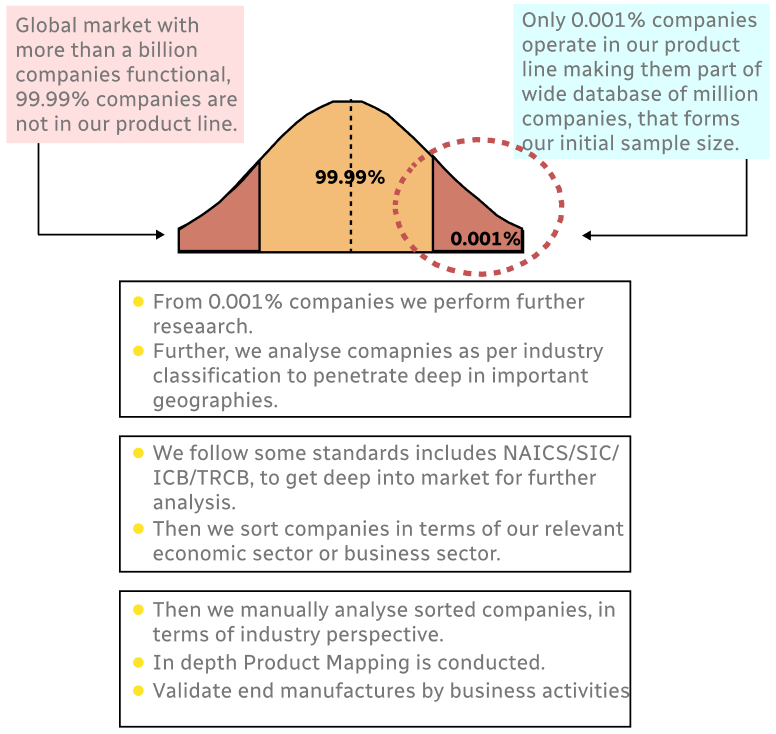
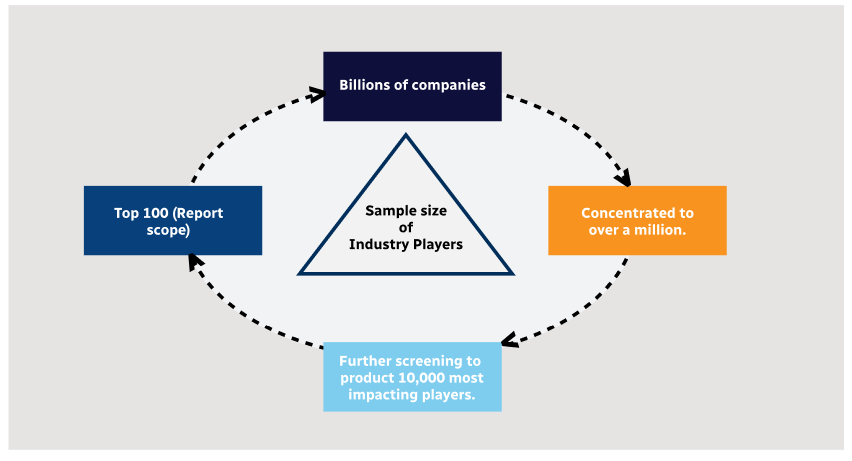
Step 1 - Identification of Relevant Samples Size from Population Database
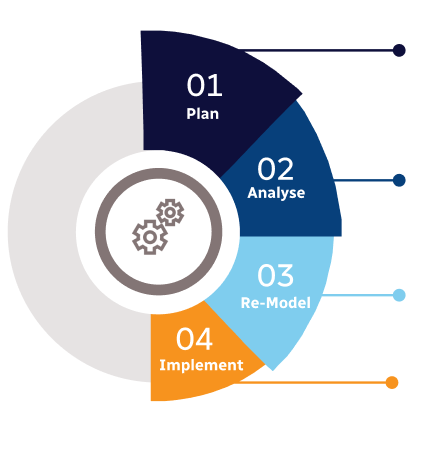
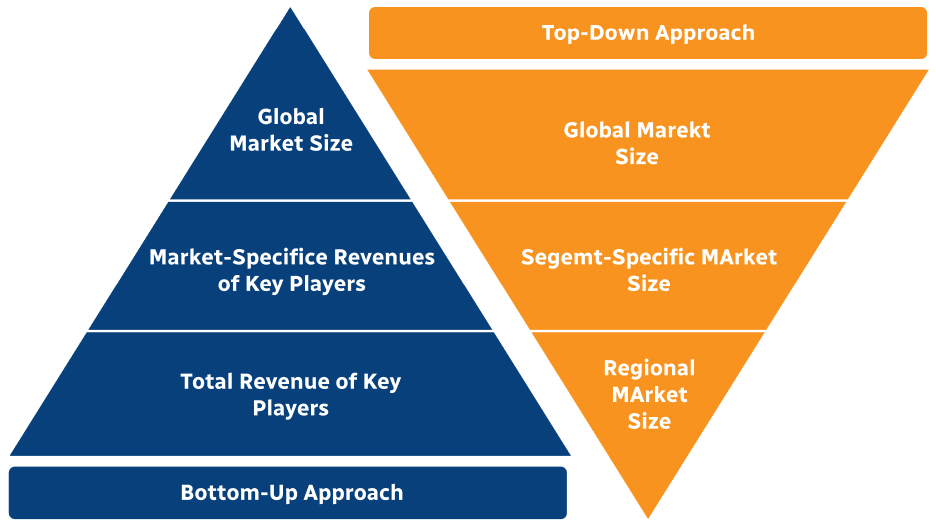
Step 2 - Approaches for Defining Global Market Size (Value, Volume* & Price*)
Note*: In applicable scenarios
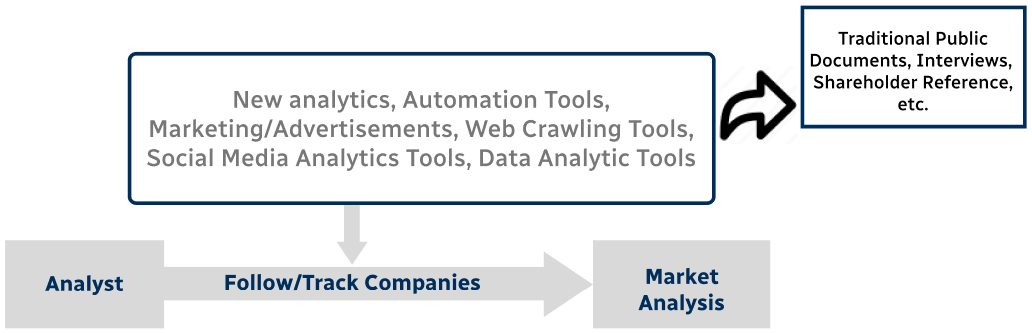
Step 3 - Data Sources
Primary Research
- Web Analytics
- Survey Reports
- Research Institute
- Latest Research Reports
- Opinion Leaders
Secondary Research
- Annual Reports
- White Paper
- Latest Press Release
- Industry Association
- Paid Database
- Investor Presentations
Step 4 - Data Triangulation
Involves using different sources of information in order to increase the validity of a study
These sources are likely to be stakeholders in a program - participants, other researchers, program staff, other community members, and so on.
Then we put all data in single framework & apply various statistical tools to find out the dynamic on the market.
During the analysis stage, feedback from the stakeholder groups would be compared to determine areas of agreement as well as areas of divergence