


Key Insights
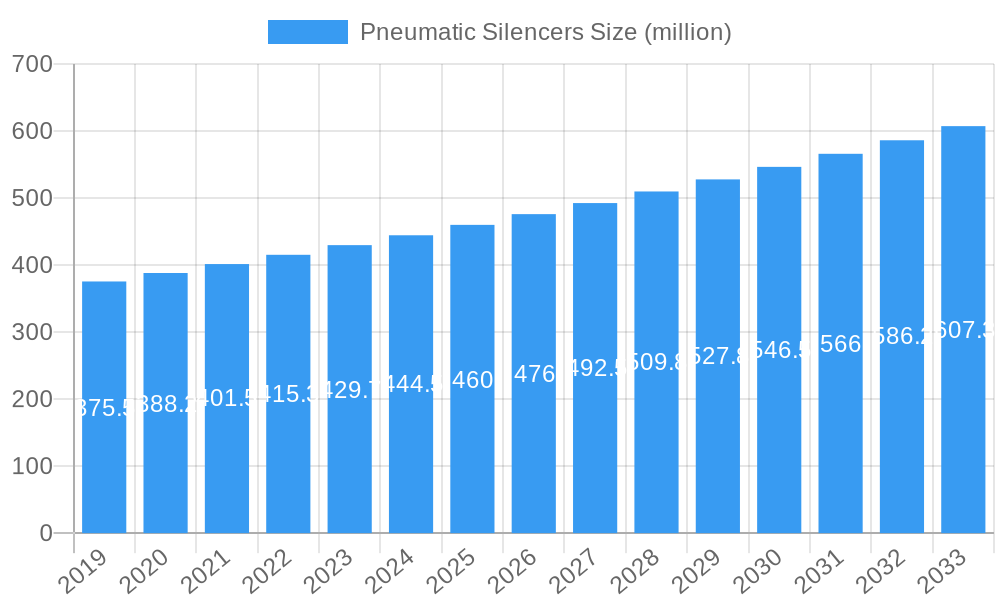
The global pneumatic silencer market is poised for significant expansion, driven by the increasing adoption of industrial automation and a heightened focus on workplace safety and noise reduction. With an estimated market size of $11.56 billion in the base year of 2025, the sector is projected to achieve a Compound Annual Growth Rate (CAGR) of approximately 11.08% through 2033. This growth is fundamentally supported by the extensive deployment of pneumatic systems across critical industries, including automotive manufacturing, food and beverage processing, pharmaceuticals, and general manufacturing, where effective noise control is essential for regulatory compliance and improved operational environments. Demand for advanced silencer technologies, such as impedance and resistance silencers, is rapidly increasing due to their superior noise attenuation capabilities and efficiency.
Pneumatic Silencers Market Size (In Billion)

Key growth catalysts include stringent environmental regulations concerning noise emissions, continuous innovation in pneumatic component design enhancing operating pressures and speeds, and the robust expansion of the global manufacturing sector. The automotive industry is a notable contributor, utilizing pneumatic silencers extensively in assembly lines and vehicle testing. The Asia Pacific region is expected to lead growth, fueled by rapid industrialization and substantial investments in manufacturing infrastructure. While significant opportunities exist, potential challenges may arise from the initial investment costs for high-performance silencers and the availability of alternative noise reduction solutions. Nevertheless, the long-term advantages of enhanced operational efficiency, improved worker safety, and consistent regulatory adherence are anticipated to sustain market momentum.
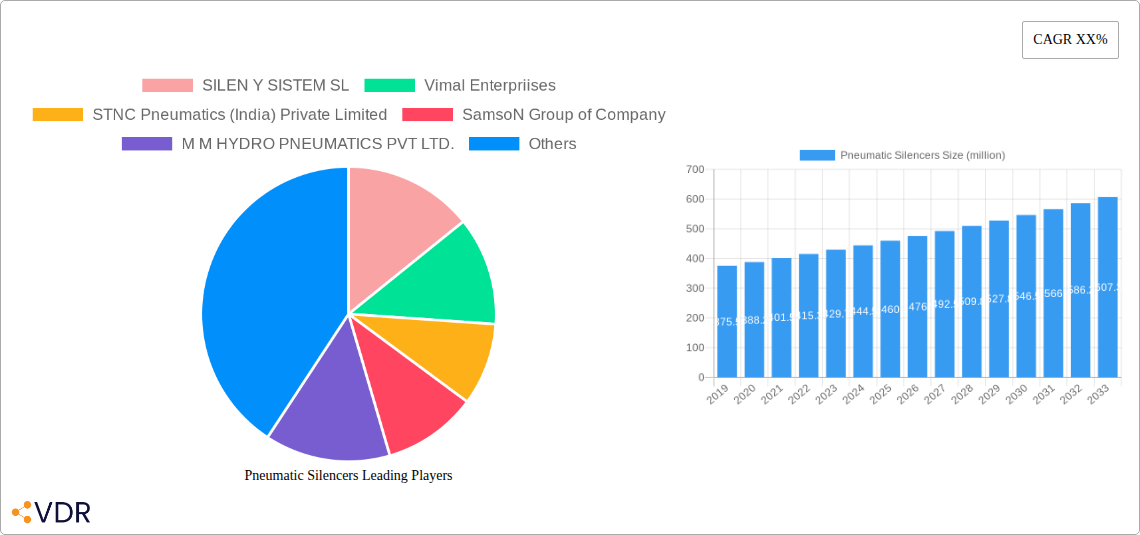
Pneumatic Silencers Company Market Share
Global Pneumatic Silencers Market: Size, Share, Trends, and Forecast 2025-2033 – Industrial & Automotive Growth Analysis
This comprehensive report offers critical insights into the expanding global pneumatic silencers market, a crucial component for noise mitigation and operational optimization in industrial and automotive applications. Covering the forecast period from 2025 to 2033, with 2025 serving as the base year, this analysis details market dynamics, growth trajectories, regional leadership, product advancements, and competitive strategies. The market, projected to reach a size of $11.56 billion in 2025 with an anticipated CAGR of 11.08% from 2025–2033, is an essential resource for stakeholders aiming to leverage this growth.
The report provides a granular examination of the broader industrial automation market and the specialized noise control solutions segment. It features detailed market segmentation by application (Industrial, Automotive, Others) and type (Resistive Silencer, Resistance Silencer, Impedance Compound Silencer). Explore the technological drivers, regulatory frameworks, and competitive forces shaping the future of pneumatic silencer technology.
Key Report Insights:
Target Audience: Manufacturers, suppliers, distributors, R&D professionals, procurement managers, industry analysts, and investors within the industrial automation, automotive, and noise control sectors.
Keywords: Pneumatic Silencers, Industrial Mufflers, Automotive Silencers, Noise Control, Air Exhaust Mufflers, Pneumatic Components, Industrial Automation, Automotive Sector, Resistive Silencer, Resistance Silencer, Impedance Silencer, Market Size, Market Share, Market Growth, CAGR, Market Forecast, Global Market, Market Trends, Key Players, Technological Innovation, Market Opportunities, Market Challenges.
- Market Size & Forecast: Detailed projections for the global pneumatic silencers market from 2025 to 2033.
- CAGR Analysis: Understanding of the compound annual growth rate and its strategic implications.
- Segment Performance: In-depth analysis of Industrial, Automotive, and Other application segments.
- Type Analysis: Evaluation of market share and growth potential for Resistive, Resistance, and Impedance Compound Silencers.
- Regional Landscape: Identification of leading markets and growth opportunities across key geographies.
- Competitive Environment: Profiles of key manufacturers and their strategic initiatives.
- Innovation & Trends: Examination of technological advancements and emerging market opportunities.
- Drivers & Restraints: Comprehensive understanding of factors influencing market growth and potential challenges.
Pneumatic Silencers Market Dynamics & Structure
The global pneumatic silencers market is characterized by a moderately fragmented structure, driven by increasing demand for noise reduction and enhanced operational safety in industrial environments. Technological innovation remains a primary driver, with manufacturers continuously developing advanced silencer designs that offer superior noise attenuation, reduced back pressure, and improved durability. Regulatory frameworks, particularly those concerning workplace noise exposure limits, play a significant role in dictating market growth, especially in developed economies. Competitive product substitutes, while present in the form of alternative noise suppression methods, are often less cost-effective or efficient for pneumatic systems. End-user demographics are shifting towards industries prioritizing sustainability and worker well-being, leading to a growing adoption of high-performance silencers. Mergers and acquisitions (M&A) are present, though less frequent, as established players seek to expand their product portfolios and geographic reach.
- Market Concentration: Moderately fragmented, with a mix of large global players and numerous regional manufacturers.
- Technological Innovation Drivers: Demand for quieter operations, compliance with noise regulations, and integration with advanced pneumatic systems.
- Regulatory Frameworks: Stringent occupational health and safety regulations mandating noise level reduction in industrial settings.
- Competitive Product Substitutes: Limited, with alternatives often being less efficient or cost-effective for pneumatic exhaust noise.
- End-User Demographics: Growing focus on worker safety, environmental compliance, and operational efficiency across manufacturing, automotive, and construction sectors.
- M&A Trends: Occasional strategic acquisitions aimed at market consolidation and product line expansion.
Pneumatic Silencers Growth Trends & Insights
The pneumatic silencers market is poised for robust growth, fueled by escalating industrialization, stringent environmental regulations, and a heightened awareness of occupational health and safety. The base year of 2025 sees the market valued at an estimated $XX million, with projections indicating a significant upward trajectory through the forecast period of 2025–2033. This growth is underpinned by a strong CAGR of X.X%, reflecting sustained demand and technological advancements.
The historical period of 2019–2024 witnessed a steady increase in the adoption of pneumatic silencers, driven by early implementations of noise reduction policies and the growing complexity of automated manufacturing processes. As industries increasingly automate and optimize their operations, the need for efficient and reliable pneumatic systems, which inherently generate exhaust noise, becomes more pronounced. This, in turn, drives the demand for effective silencing solutions.
Technological disruptions are primarily focused on enhancing the performance of silencers. Innovations in material science have led to the development of lighter, more durable, and more acoustically effective silencing materials. Furthermore, advancements in design software and simulation tools allow manufacturers to create silencers with optimized airflow characteristics, minimizing back pressure and energy loss, thereby improving the overall efficiency of pneumatic systems. This focus on efficiency is crucial as industries strive to reduce their operational costs and environmental footprint.
Consumer behavior is also evolving. End-users are no longer solely focused on the upfront cost of pneumatic silencers; they are increasingly considering the total cost of ownership, which includes factors like energy consumption, maintenance requirements, and regulatory compliance. This shift encourages the adoption of premium, high-performance silencers that offer long-term economic and operational benefits. The growing emphasis on sustainability and Corporate Social Responsibility (CSR) initiatives further propels the demand for solutions that contribute to a quieter and safer working environment.
Market penetration is expected to deepen, particularly in emerging economies undergoing rapid industrial development. As these regions adopt advanced manufacturing technologies and implement stricter noise control regulations, the demand for pneumatic silencers will see a substantial surge. The study period of 2019–2033, encompassing both historical trends and future projections, highlights this evolving landscape, demonstrating a consistent and accelerating growth trajectory for the pneumatic silencers market.
Dominant Regions, Countries, or Segments in Pneumatic Silencers
The Industrial application segment is the dominant force driving growth within the global pneumatic silencers market. This segment's supremacy stems from the sheer scale and diversity of industries that rely heavily on pneumatic systems for their operations. Manufacturing plants, including automotive assembly, food and beverage processing, electronics production, and heavy machinery fabrication, are major consumers of pneumatic silencers. The continuous operation of actuators, valves, and other pneumatic machinery in these environments necessitates effective noise attenuation to comply with strict occupational health and safety regulations. For instance, in 2025, the Industrial segment is projected to account for an estimated XX% of the total pneumatic silencer market value.
Key drivers within the Industrial segment include economic policies that encourage automation and advanced manufacturing, leading to an increased deployment of pneumatic equipment. Infrastructure development, particularly in emerging economies, further fuels the demand for industrial machinery and, consequently, the need for pneumatic silencers. For example, government initiatives promoting “Industry 4.0” adoption worldwide directly translate into higher demand for sophisticated pneumatic components, including silencers that contribute to a more controlled and safer work environment. The market share within this segment is substantial, with an estimated $XX million in 2025.
Within the Types segmentation, the Resistive Silencer is likely to hold a significant market share due to its widespread application in basic pneumatic exhaust noise reduction. However, the Impedance Compound Silencer is anticipated to experience the fastest growth rate due to its superior performance in attenuating a broader range of frequencies and its ability to minimize back pressure, which is critical for the efficiency of modern high-speed pneumatic systems. The Resistance Silencer, a more general term encompassing various designs, also plays a crucial role. The growth potential for Impedance Compound Silencers is estimated at XX% CAGR for the forecast period.
Geographically, Asia Pacific is emerging as a dominant region for pneumatic silencers. This dominance is propelled by rapid industrialization, a growing manufacturing base, and increasing investments in automation across countries like China, India, and Southeast Asian nations. The region's economic policies actively support manufacturing growth, and its burgeoning infrastructure projects necessitate extensive use of pneumatic machinery. The market size in Asia Pacific is expected to reach $XX million in 2025, with a projected growth potential of XX% by 2033. North America and Europe remain significant markets, driven by mature industrial bases and stringent regulatory environments that mandate noise control.
Pneumatic Silencers Product Landscape
The pneumatic silencer product landscape is defined by a continuous drive towards enhanced performance and application-specific solutions. Innovations are centered on optimizing acoustic dampening capabilities while minimizing air flow restrictions, thereby maximizing system efficiency. Manufacturers are exploring advanced materials, such as porous sintered metals and engineered composites, to create lighter and more durable silencers. Unique selling propositions often revolve around modular designs for easier installation and maintenance, as well as tailored solutions for specific noise profiles and operating pressures. Technological advancements are also leading to the development of integrated silencing and filtration solutions, offering a dual benefit of noise reduction and air purity.
Key Drivers, Barriers & Challenges in Pneumatic Silencers
Key Drivers:
- Stringent Noise Regulations: Increasing global emphasis on occupational health and safety mandates lower noise levels in industrial and automotive settings.
- Industrial Automation Growth: Expansion of automated manufacturing processes worldwide necessitates effective noise control for pneumatic systems.
- Demand for Operational Efficiency: Silencers that minimize back pressure contribute to energy savings and improved system performance.
- Technological Advancements: Development of lighter, more durable, and acoustically superior silencing materials and designs.
Barriers & Challenges:
- Cost Sensitivity in Certain Segments: Price remains a critical factor for some end-users, particularly in price-sensitive markets or for less demanding applications.
- Supply Chain Disruptions: Volatility in raw material prices and global logistics can impact manufacturing costs and delivery timelines.
- Competition from Alternative Technologies: While niche, some applications might explore alternative noise suppression methods.
- Complexity of Customization: Developing bespoke silencer solutions for highly specialized applications can be resource-intensive.
Emerging Opportunities in Pneumatic Silencers
Emerging opportunities lie in the development of smart silencers integrated with sensors for real-time performance monitoring and predictive maintenance. The growing focus on sustainability is also creating demand for eco-friendly silencer materials and designs that minimize energy loss. Untapped markets in developing economies, as they embrace automation, present significant growth potential. Furthermore, innovative applications in sectors like robotics and medical equipment, where quiet operation is paramount, offer new avenues for expansion. The increasing use of compressed air in diverse niche applications also opens up opportunities for specialized silencer designs.
Growth Accelerators in the Pneumatic Silencers Industry
Long-term growth in the pneumatic silencers industry is being accelerated by several catalysts. Technological breakthroughs in acoustic materials and manufacturing processes are enabling the creation of more effective and cost-efficient silencers. Strategic partnerships between silencer manufacturers and pneumatic component suppliers can lead to integrated solutions and wider market reach. Market expansion strategies, particularly targeting developing economies with rapidly growing industrial sectors, are crucial. The continuous innovation in pneumatic system design, demanding ever-quieter and more efficient components, acts as a perpetual growth accelerator.
Key Players Shaping the Pneumatic Silencers Market
- SILEN Y SISTEM SL
- Vimal Enterpriises
- STNC Pneumatics (India) Private Limited
- SamsoN Group of Company
- M M HYDRO PNEUMATICS PVT LTD.
- Kemlite Piping Solution
- Antriksh Engitech
- Ningbo XHnotion Pneumatic Technology
- Wenzhou Ang Rui Machinery
- DALON MACHINERY
- Ningbo Hi-Tech Smart Machinery
- Yueqing Maizhen Electric
- Qingdao Duralong Industrial
- Suzhou KAHO Polymer Technology
- Ningbo Maosheng Pneumatic Machine
- HENGKO Technology
- Ningbo VPC Pneumatic
- FITO Automation Technology
Notable Milestones in Pneumatic Silencers Sector
- 2023: Introduction of advanced porous sintered metal silencers offering superior noise reduction and corrosion resistance.
- 2022: Increased adoption of Impedance Compound Silencers driven by demand for higher efficiency in pneumatic systems.
- 2021: Growing focus on sustainable materials for pneumatic silencer manufacturing.
- 2020: Stringent regulations on workplace noise levels across major industrial economies.
- 2019: Enhanced integration of silencers with automated systems for optimized performance.
In-Depth Pneumatic Silencers Market Outlook
The future outlook for the pneumatic silencers market is highly promising, driven by sustained demand from core industrial and automotive applications, coupled with emerging opportunities in advanced technological sectors. Growth accelerators such as continuous material innovation, strategic market expansion into developing economies, and the increasing demand for integrated, smart solutions will propel the market forward. Stakeholders can expect continued growth driven by a confluence of regulatory compliance, operational efficiency demands, and a global commitment to safer and quieter working environments. The market is ripe for innovation, particularly in areas like sensor integration and eco-friendly product development, presenting significant strategic opportunities for forward-thinking companies.
Pneumatic Silencers Segmentation
-
1. Application
- 1.1. Industrial
- 1.2. Automotive
- 1.3. Others
-
2. Types
- 2.1. Resistive Silencer
- 2.2. Resistance Silencer
- 2.3. Impedance Compound Silencer
Pneumatic Silencers Segmentation By Geography
-
1. North America
- 1.1. United States
- 1.2. Canada
- 1.3. Mexico
-
2. South America
- 2.1. Brazil
- 2.2. Argentina
- 2.3. Rest of South America
-
3. Europe
- 3.1. United Kingdom
- 3.2. Germany
- 3.3. France
- 3.4. Italy
- 3.5. Spain
- 3.6. Russia
- 3.7. Benelux
- 3.8. Nordics
- 3.9. Rest of Europe
-
4. Middle East & Africa
- 4.1. Turkey
- 4.2. Israel
- 4.3. GCC
- 4.4. North Africa
- 4.5. South Africa
- 4.6. Rest of Middle East & Africa
-
5. Asia Pacific
- 5.1. China
- 5.2. India
- 5.3. Japan
- 5.4. South Korea
- 5.5. ASEAN
- 5.6. Oceania
- 5.7. Rest of Asia Pacific
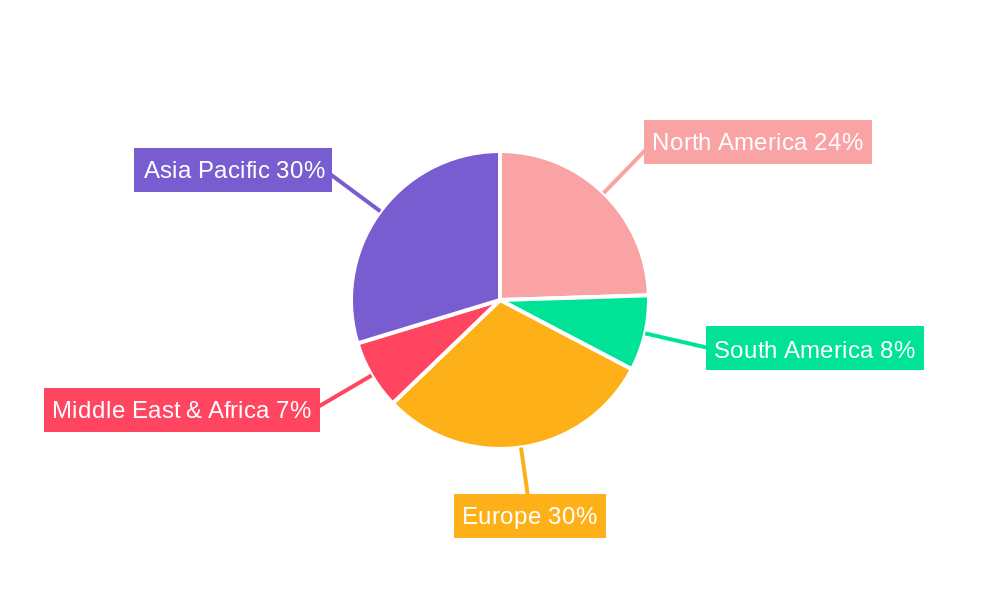
Pneumatic Silencers Regional Market Share
Geographic Coverage of Pneumatic Silencers
Pneumatic Silencers REPORT HIGHLIGHTS
| Aspects | Details |
|---|---|
| Study Period | 2020-2034 |
| Base Year | 2025 |
| Estimated Year | 2026 |
| Forecast Period | 2026-2034 |
| Historical Period | 2020-2025 |
| Growth Rate | CAGR of 11.08% from 2020-2034 |
| Segmentation |
|
Table of Contents
- 1. Introduction
- 1.1. Research Scope
- 1.2. Market Segmentation
- 1.3. Research Methodology
- 1.4. Definitions and Assumptions
- 2. Executive Summary
- 2.1. Introduction
- 3. Market Dynamics
- 3.1. Introduction
- 3.2. Market Drivers
- 3.3. Market Restrains
- 3.4. Market Trends
- 4. Market Factor Analysis
- 4.1. Porters Five Forces
- 4.2. Supply/Value Chain
- 4.3. PESTEL analysis
- 4.4. Market Entropy
- 4.5. Patent/Trademark Analysis
- 5. Global Pneumatic Silencers Analysis, Insights and Forecast, 2020-2032
- 5.1. Market Analysis, Insights and Forecast - by Application
- 5.1.1. Industrial
- 5.1.2. Automotive
- 5.1.3. Others
- 5.2. Market Analysis, Insights and Forecast - by Types
- 5.2.1. Resistive Silencer
- 5.2.2. Resistance Silencer
- 5.2.3. Impedance Compound Silencer
- 5.3. Market Analysis, Insights and Forecast - by Region
- 5.3.1. North America
- 5.3.2. South America
- 5.3.3. Europe
- 5.3.4. Middle East & Africa
- 5.3.5. Asia Pacific
- 5.1. Market Analysis, Insights and Forecast - by Application
- 6. North America Pneumatic Silencers Analysis, Insights and Forecast, 2020-2032
- 6.1. Market Analysis, Insights and Forecast - by Application
- 6.1.1. Industrial
- 6.1.2. Automotive
- 6.1.3. Others
- 6.2. Market Analysis, Insights and Forecast - by Types
- 6.2.1. Resistive Silencer
- 6.2.2. Resistance Silencer
- 6.2.3. Impedance Compound Silencer
- 6.1. Market Analysis, Insights and Forecast - by Application
- 7. South America Pneumatic Silencers Analysis, Insights and Forecast, 2020-2032
- 7.1. Market Analysis, Insights and Forecast - by Application
- 7.1.1. Industrial
- 7.1.2. Automotive
- 7.1.3. Others
- 7.2. Market Analysis, Insights and Forecast - by Types
- 7.2.1. Resistive Silencer
- 7.2.2. Resistance Silencer
- 7.2.3. Impedance Compound Silencer
- 7.1. Market Analysis, Insights and Forecast - by Application
- 8. Europe Pneumatic Silencers Analysis, Insights and Forecast, 2020-2032
- 8.1. Market Analysis, Insights and Forecast - by Application
- 8.1.1. Industrial
- 8.1.2. Automotive
- 8.1.3. Others
- 8.2. Market Analysis, Insights and Forecast - by Types
- 8.2.1. Resistive Silencer
- 8.2.2. Resistance Silencer
- 8.2.3. Impedance Compound Silencer
- 8.1. Market Analysis, Insights and Forecast - by Application
- 9. Middle East & Africa Pneumatic Silencers Analysis, Insights and Forecast, 2020-2032
- 9.1. Market Analysis, Insights and Forecast - by Application
- 9.1.1. Industrial
- 9.1.2. Automotive
- 9.1.3. Others
- 9.2. Market Analysis, Insights and Forecast - by Types
- 9.2.1. Resistive Silencer
- 9.2.2. Resistance Silencer
- 9.2.3. Impedance Compound Silencer
- 9.1. Market Analysis, Insights and Forecast - by Application
- 10. Asia Pacific Pneumatic Silencers Analysis, Insights and Forecast, 2020-2032
- 10.1. Market Analysis, Insights and Forecast - by Application
- 10.1.1. Industrial
- 10.1.2. Automotive
- 10.1.3. Others
- 10.2. Market Analysis, Insights and Forecast - by Types
- 10.2.1. Resistive Silencer
- 10.2.2. Resistance Silencer
- 10.2.3. Impedance Compound Silencer
- 10.1. Market Analysis, Insights and Forecast - by Application
- 11. Competitive Analysis
- 11.1. Global Market Share Analysis 2025
- 11.2. Company Profiles
- 11.2.1 SILEN Y SISTEM SL
- 11.2.1.1. Overview
- 11.2.1.2. Products
- 11.2.1.3. SWOT Analysis
- 11.2.1.4. Recent Developments
- 11.2.1.5. Financials (Based on Availability)
- 11.2.2 Vimal Enterpriises
- 11.2.2.1. Overview
- 11.2.2.2. Products
- 11.2.2.3. SWOT Analysis
- 11.2.2.4. Recent Developments
- 11.2.2.5. Financials (Based on Availability)
- 11.2.3 STNC Pneumatics (India) Private Limited
- 11.2.3.1. Overview
- 11.2.3.2. Products
- 11.2.3.3. SWOT Analysis
- 11.2.3.4. Recent Developments
- 11.2.3.5. Financials (Based on Availability)
- 11.2.4 SamsoN Group of Company
- 11.2.4.1. Overview
- 11.2.4.2. Products
- 11.2.4.3. SWOT Analysis
- 11.2.4.4. Recent Developments
- 11.2.4.5. Financials (Based on Availability)
- 11.2.5 M M HYDRO PNEUMATICS PVT LTD.
- 11.2.5.1. Overview
- 11.2.5.2. Products
- 11.2.5.3. SWOT Analysis
- 11.2.5.4. Recent Developments
- 11.2.5.5. Financials (Based on Availability)
- 11.2.6 Kemlite Piping Solution
- 11.2.6.1. Overview
- 11.2.6.2. Products
- 11.2.6.3. SWOT Analysis
- 11.2.6.4. Recent Developments
- 11.2.6.5. Financials (Based on Availability)
- 11.2.7 Antriksh Engitech
- 11.2.7.1. Overview
- 11.2.7.2. Products
- 11.2.7.3. SWOT Analysis
- 11.2.7.4. Recent Developments
- 11.2.7.5. Financials (Based on Availability)
- 11.2.8 Ningbo XHnotion Pneumatic Technology
- 11.2.8.1. Overview
- 11.2.8.2. Products
- 11.2.8.3. SWOT Analysis
- 11.2.8.4. Recent Developments
- 11.2.8.5. Financials (Based on Availability)
- 11.2.9 Wenzhou Ang Rui Machinery
- 11.2.9.1. Overview
- 11.2.9.2. Products
- 11.2.9.3. SWOT Analysis
- 11.2.9.4. Recent Developments
- 11.2.9.5. Financials (Based on Availability)
- 11.2.10 DALON MACHINERY
- 11.2.10.1. Overview
- 11.2.10.2. Products
- 11.2.10.3. SWOT Analysis
- 11.2.10.4. Recent Developments
- 11.2.10.5. Financials (Based on Availability)
- 11.2.11 Ningbo Hi-Tech Smart Machinery
- 11.2.11.1. Overview
- 11.2.11.2. Products
- 11.2.11.3. SWOT Analysis
- 11.2.11.4. Recent Developments
- 11.2.11.5. Financials (Based on Availability)
- 11.2.12 Yueqing Maizhen Electric
- 11.2.12.1. Overview
- 11.2.12.2. Products
- 11.2.12.3. SWOT Analysis
- 11.2.12.4. Recent Developments
- 11.2.12.5. Financials (Based on Availability)
- 11.2.13 Qingdao Duralong Industrial
- 11.2.13.1. Overview
- 11.2.13.2. Products
- 11.2.13.3. SWOT Analysis
- 11.2.13.4. Recent Developments
- 11.2.13.5. Financials (Based on Availability)
- 11.2.14 Suzhou KAHO Polymer Technology
- 11.2.14.1. Overview
- 11.2.14.2. Products
- 11.2.14.3. SWOT Analysis
- 11.2.14.4. Recent Developments
- 11.2.14.5. Financials (Based on Availability)
- 11.2.15 Ningbo Maosheng Pneumatic Machine
- 11.2.15.1. Overview
- 11.2.15.2. Products
- 11.2.15.3. SWOT Analysis
- 11.2.15.4. Recent Developments
- 11.2.15.5. Financials (Based on Availability)
- 11.2.16 HENGKO Technology
- 11.2.16.1. Overview
- 11.2.16.2. Products
- 11.2.16.3. SWOT Analysis
- 11.2.16.4. Recent Developments
- 11.2.16.5. Financials (Based on Availability)
- 11.2.17 Ningbo VPC Pneumatic
- 11.2.17.1. Overview
- 11.2.17.2. Products
- 11.2.17.3. SWOT Analysis
- 11.2.17.4. Recent Developments
- 11.2.17.5. Financials (Based on Availability)
- 11.2.18 FITO Automation Technology
- 11.2.18.1. Overview
- 11.2.18.2. Products
- 11.2.18.3. SWOT Analysis
- 11.2.18.4. Recent Developments
- 11.2.18.5. Financials (Based on Availability)
- 11.2.1 SILEN Y SISTEM SL
List of Figures
- Figure 1: Global Pneumatic Silencers Revenue Breakdown (billion, %) by Region 2025 & 2033
- Figure 2: North America Pneumatic Silencers Revenue (billion), by Application 2025 & 2033
- Figure 3: North America Pneumatic Silencers Revenue Share (%), by Application 2025 & 2033
- Figure 4: North America Pneumatic Silencers Revenue (billion), by Types 2025 & 2033
- Figure 5: North America Pneumatic Silencers Revenue Share (%), by Types 2025 & 2033
- Figure 6: North America Pneumatic Silencers Revenue (billion), by Country 2025 & 2033
- Figure 7: North America Pneumatic Silencers Revenue Share (%), by Country 2025 & 2033
- Figure 8: South America Pneumatic Silencers Revenue (billion), by Application 2025 & 2033
- Figure 9: South America Pneumatic Silencers Revenue Share (%), by Application 2025 & 2033
- Figure 10: South America Pneumatic Silencers Revenue (billion), by Types 2025 & 2033
- Figure 11: South America Pneumatic Silencers Revenue Share (%), by Types 2025 & 2033
- Figure 12: South America Pneumatic Silencers Revenue (billion), by Country 2025 & 2033
- Figure 13: South America Pneumatic Silencers Revenue Share (%), by Country 2025 & 2033
- Figure 14: Europe Pneumatic Silencers Revenue (billion), by Application 2025 & 2033
- Figure 15: Europe Pneumatic Silencers Revenue Share (%), by Application 2025 & 2033
- Figure 16: Europe Pneumatic Silencers Revenue (billion), by Types 2025 & 2033
- Figure 17: Europe Pneumatic Silencers Revenue Share (%), by Types 2025 & 2033
- Figure 18: Europe Pneumatic Silencers Revenue (billion), by Country 2025 & 2033
- Figure 19: Europe Pneumatic Silencers Revenue Share (%), by Country 2025 & 2033
- Figure 20: Middle East & Africa Pneumatic Silencers Revenue (billion), by Application 2025 & 2033
- Figure 21: Middle East & Africa Pneumatic Silencers Revenue Share (%), by Application 2025 & 2033
- Figure 22: Middle East & Africa Pneumatic Silencers Revenue (billion), by Types 2025 & 2033
- Figure 23: Middle East & Africa Pneumatic Silencers Revenue Share (%), by Types 2025 & 2033
- Figure 24: Middle East & Africa Pneumatic Silencers Revenue (billion), by Country 2025 & 2033
- Figure 25: Middle East & Africa Pneumatic Silencers Revenue Share (%), by Country 2025 & 2033
- Figure 26: Asia Pacific Pneumatic Silencers Revenue (billion), by Application 2025 & 2033
- Figure 27: Asia Pacific Pneumatic Silencers Revenue Share (%), by Application 2025 & 2033
- Figure 28: Asia Pacific Pneumatic Silencers Revenue (billion), by Types 2025 & 2033
- Figure 29: Asia Pacific Pneumatic Silencers Revenue Share (%), by Types 2025 & 2033
- Figure 30: Asia Pacific Pneumatic Silencers Revenue (billion), by Country 2025 & 2033
- Figure 31: Asia Pacific Pneumatic Silencers Revenue Share (%), by Country 2025 & 2033
List of Tables
- Table 1: Global Pneumatic Silencers Revenue billion Forecast, by Application 2020 & 2033
- Table 2: Global Pneumatic Silencers Revenue billion Forecast, by Types 2020 & 2033
- Table 3: Global Pneumatic Silencers Revenue billion Forecast, by Region 2020 & 2033
- Table 4: Global Pneumatic Silencers Revenue billion Forecast, by Application 2020 & 2033
- Table 5: Global Pneumatic Silencers Revenue billion Forecast, by Types 2020 & 2033
- Table 6: Global Pneumatic Silencers Revenue billion Forecast, by Country 2020 & 2033
- Table 7: United States Pneumatic Silencers Revenue (billion) Forecast, by Application 2020 & 2033
- Table 8: Canada Pneumatic Silencers Revenue (billion) Forecast, by Application 2020 & 2033
- Table 9: Mexico Pneumatic Silencers Revenue (billion) Forecast, by Application 2020 & 2033
- Table 10: Global Pneumatic Silencers Revenue billion Forecast, by Application 2020 & 2033
- Table 11: Global Pneumatic Silencers Revenue billion Forecast, by Types 2020 & 2033
- Table 12: Global Pneumatic Silencers Revenue billion Forecast, by Country 2020 & 2033
- Table 13: Brazil Pneumatic Silencers Revenue (billion) Forecast, by Application 2020 & 2033
- Table 14: Argentina Pneumatic Silencers Revenue (billion) Forecast, by Application 2020 & 2033
- Table 15: Rest of South America Pneumatic Silencers Revenue (billion) Forecast, by Application 2020 & 2033
- Table 16: Global Pneumatic Silencers Revenue billion Forecast, by Application 2020 & 2033
- Table 17: Global Pneumatic Silencers Revenue billion Forecast, by Types 2020 & 2033
- Table 18: Global Pneumatic Silencers Revenue billion Forecast, by Country 2020 & 2033
- Table 19: United Kingdom Pneumatic Silencers Revenue (billion) Forecast, by Application 2020 & 2033
- Table 20: Germany Pneumatic Silencers Revenue (billion) Forecast, by Application 2020 & 2033
- Table 21: France Pneumatic Silencers Revenue (billion) Forecast, by Application 2020 & 2033
- Table 22: Italy Pneumatic Silencers Revenue (billion) Forecast, by Application 2020 & 2033
- Table 23: Spain Pneumatic Silencers Revenue (billion) Forecast, by Application 2020 & 2033
- Table 24: Russia Pneumatic Silencers Revenue (billion) Forecast, by Application 2020 & 2033
- Table 25: Benelux Pneumatic Silencers Revenue (billion) Forecast, by Application 2020 & 2033
- Table 26: Nordics Pneumatic Silencers Revenue (billion) Forecast, by Application 2020 & 2033
- Table 27: Rest of Europe Pneumatic Silencers Revenue (billion) Forecast, by Application 2020 & 2033
- Table 28: Global Pneumatic Silencers Revenue billion Forecast, by Application 2020 & 2033
- Table 29: Global Pneumatic Silencers Revenue billion Forecast, by Types 2020 & 2033
- Table 30: Global Pneumatic Silencers Revenue billion Forecast, by Country 2020 & 2033
- Table 31: Turkey Pneumatic Silencers Revenue (billion) Forecast, by Application 2020 & 2033
- Table 32: Israel Pneumatic Silencers Revenue (billion) Forecast, by Application 2020 & 2033
- Table 33: GCC Pneumatic Silencers Revenue (billion) Forecast, by Application 2020 & 2033
- Table 34: North Africa Pneumatic Silencers Revenue (billion) Forecast, by Application 2020 & 2033
- Table 35: South Africa Pneumatic Silencers Revenue (billion) Forecast, by Application 2020 & 2033
- Table 36: Rest of Middle East & Africa Pneumatic Silencers Revenue (billion) Forecast, by Application 2020 & 2033
- Table 37: Global Pneumatic Silencers Revenue billion Forecast, by Application 2020 & 2033
- Table 38: Global Pneumatic Silencers Revenue billion Forecast, by Types 2020 & 2033
- Table 39: Global Pneumatic Silencers Revenue billion Forecast, by Country 2020 & 2033
- Table 40: China Pneumatic Silencers Revenue (billion) Forecast, by Application 2020 & 2033
- Table 41: India Pneumatic Silencers Revenue (billion) Forecast, by Application 2020 & 2033
- Table 42: Japan Pneumatic Silencers Revenue (billion) Forecast, by Application 2020 & 2033
- Table 43: South Korea Pneumatic Silencers Revenue (billion) Forecast, by Application 2020 & 2033
- Table 44: ASEAN Pneumatic Silencers Revenue (billion) Forecast, by Application 2020 & 2033
- Table 45: Oceania Pneumatic Silencers Revenue (billion) Forecast, by Application 2020 & 2033
- Table 46: Rest of Asia Pacific Pneumatic Silencers Revenue (billion) Forecast, by Application 2020 & 2033
Frequently Asked Questions
1. What is the projected Compound Annual Growth Rate (CAGR) of the Pneumatic Silencers?
The projected CAGR is approximately 11.08%.
2. Which companies are prominent players in the Pneumatic Silencers?
Key companies in the market include SILEN Y SISTEM SL, Vimal Enterpriises, STNC Pneumatics (India) Private Limited, SamsoN Group of Company, M M HYDRO PNEUMATICS PVT LTD., Kemlite Piping Solution, Antriksh Engitech, Ningbo XHnotion Pneumatic Technology, Wenzhou Ang Rui Machinery, DALON MACHINERY, Ningbo Hi-Tech Smart Machinery, Yueqing Maizhen Electric, Qingdao Duralong Industrial, Suzhou KAHO Polymer Technology, Ningbo Maosheng Pneumatic Machine, HENGKO Technology, Ningbo VPC Pneumatic, FITO Automation Technology.
3. What are the main segments of the Pneumatic Silencers?
The market segments include Application, Types.
4. Can you provide details about the market size?
The market size is estimated to be USD 11.56 billion as of 2022.
5. What are some drivers contributing to market growth?
N/A
6. What are the notable trends driving market growth?
N/A
7. Are there any restraints impacting market growth?
N/A
8. Can you provide examples of recent developments in the market?
N/A
9. What pricing options are available for accessing the report?
Pricing options include single-user, multi-user, and enterprise licenses priced at USD 4900.00, USD 7350.00, and USD 9800.00 respectively.
10. Is the market size provided in terms of value or volume?
The market size is provided in terms of value, measured in billion.
11. Are there any specific market keywords associated with the report?
Yes, the market keyword associated with the report is "Pneumatic Silencers," which aids in identifying and referencing the specific market segment covered.
12. How do I determine which pricing option suits my needs best?
The pricing options vary based on user requirements and access needs. Individual users may opt for single-user licenses, while businesses requiring broader access may choose multi-user or enterprise licenses for cost-effective access to the report.
13. Are there any additional resources or data provided in the Pneumatic Silencers report?
While the report offers comprehensive insights, it's advisable to review the specific contents or supplementary materials provided to ascertain if additional resources or data are available.
14. How can I stay updated on further developments or reports in the Pneumatic Silencers?
To stay informed about further developments, trends, and reports in the Pneumatic Silencers, consider subscribing to industry newsletters, following relevant companies and organizations, or regularly checking reputable industry news sources and publications.
Methodology
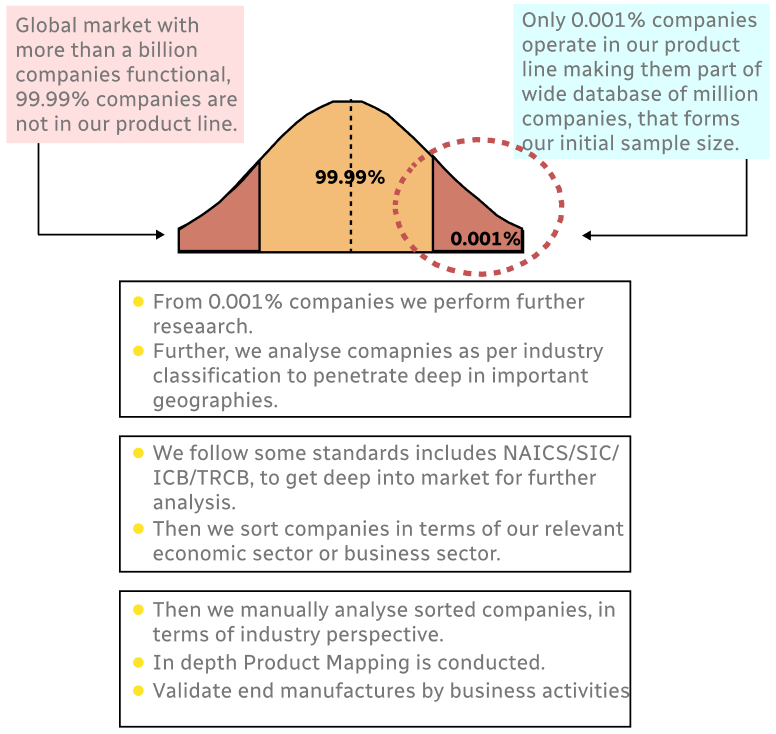
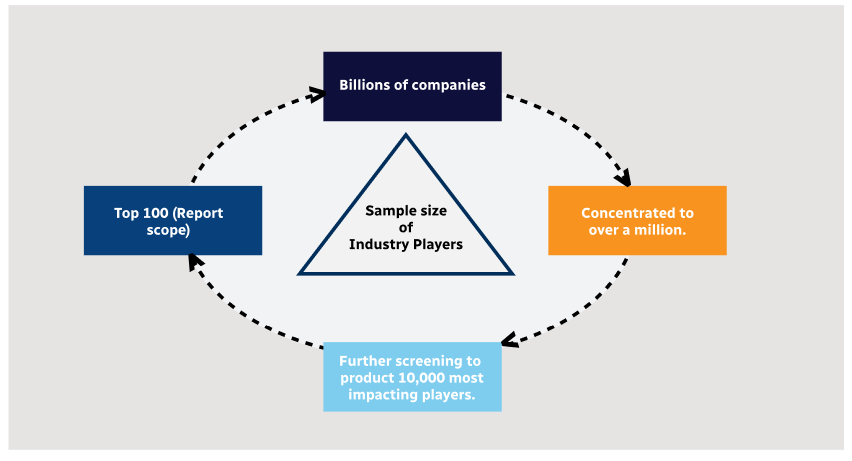
Step 1 - Identification of Relevant Samples Size from Population Database
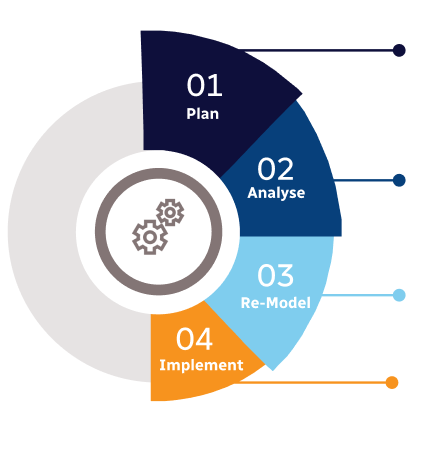
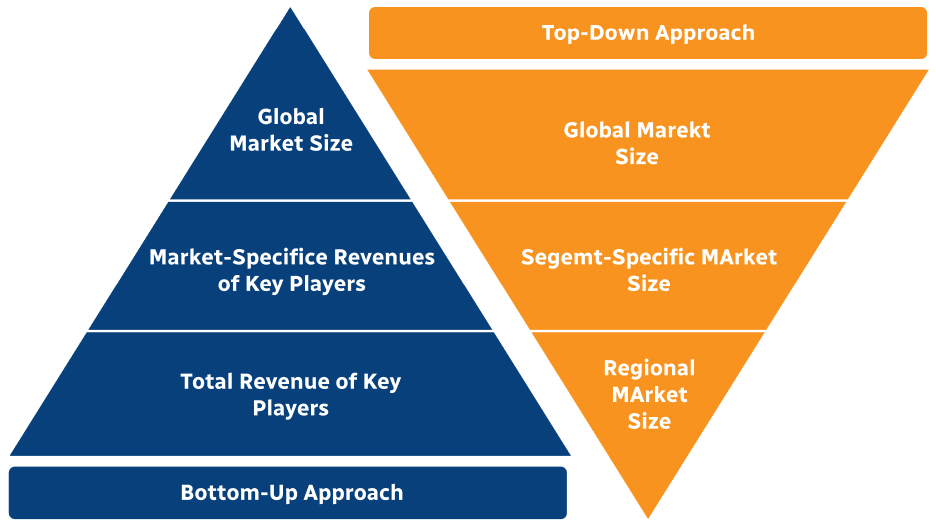
Step 2 - Approaches for Defining Global Market Size (Value, Volume* & Price*)
Note*: In applicable scenarios
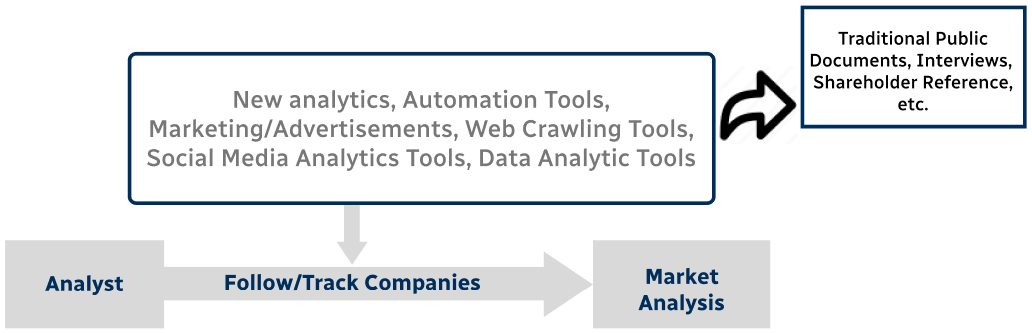
Step 3 - Data Sources
Primary Research
- Web Analytics
- Survey Reports
- Research Institute
- Latest Research Reports
- Opinion Leaders
Secondary Research
- Annual Reports
- White Paper
- Latest Press Release
- Industry Association
- Paid Database
- Investor Presentations
Step 4 - Data Triangulation
Involves using different sources of information in order to increase the validity of a study
These sources are likely to be stakeholders in a program - participants, other researchers, program staff, other community members, and so on.
Then we put all data in single framework & apply various statistical tools to find out the dynamic on the market.
During the analysis stage, feedback from the stakeholder groups would be compared to determine areas of agreement as well as areas of divergence