


Key Insights
The global Photochromic Visor market is forecast to reach a significant USD 9.13 billion by 2025, exhibiting a strong Compound Annual Growth Rate (CAGR) of 8.64% through 2033. This growth is propelled by escalating consumer demand for superior visual comfort and safety, particularly in photochromic polarized sunglasses and lenses. Photochromic visors' automatic tint adjustment in response to UV light enhances user experience, reduces eye strain, and improves clarity, driving adoption. The rising popularity of outdoor activities and increased awareness of eye protection are key market accelerators. The integration of advanced coatings, such as anti-scratch and anti-fingerprint, further enhances product value and sales volumes.
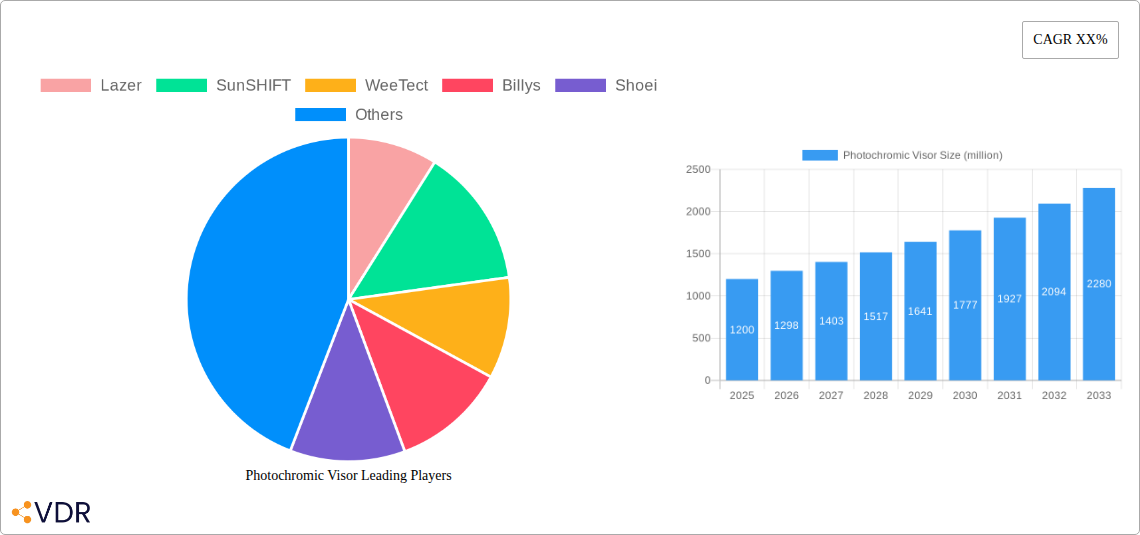
Photochromic Visor Market Size (In Billion)

Technological advancements and strategic partnerships among leading companies like Lazer, SunSHIFT, and Transitions are fueling market expansion. These collaborations focus on developing lighter, more durable, and responsive photochromic visor solutions. The Asia Pacific region, led by China and India, is projected to become a dominant market due to its vast consumer base, rising disposable incomes, and robust automotive and sports equipment manufacturing sectors. While strong demand drivers are present, potential challenges include the higher cost of advanced photochromic technologies and the necessity for enhanced consumer education on the long-term benefits of premium eyewear. Despite these factors, the market outlook is highly positive, supported by continuous innovation and a broadening application scope.
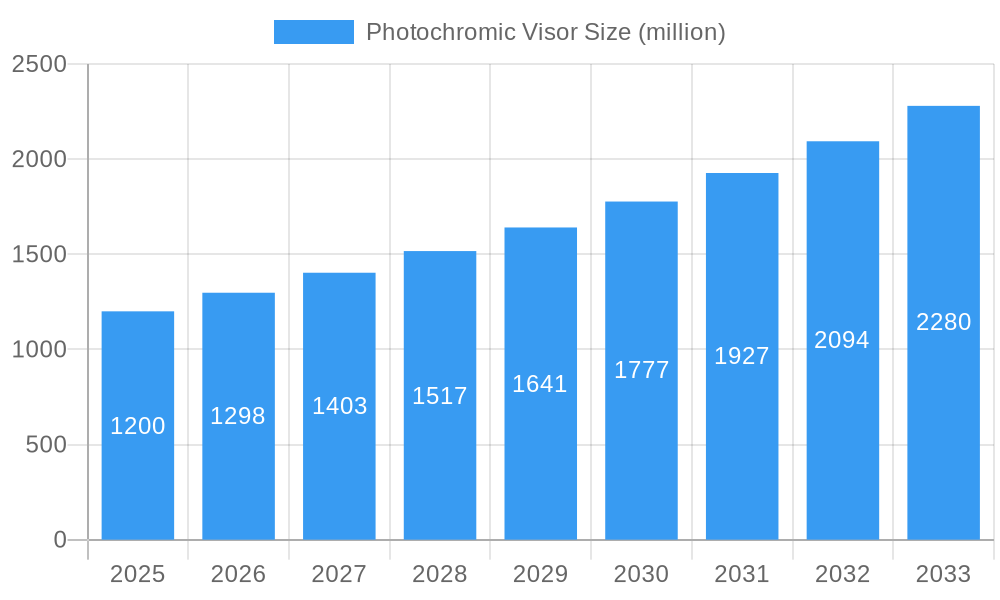
Photochromic Visor Company Market Share
Comprehensive Report: Photochromic Visor Market Analysis & Forecast (2019-2033)
This in-depth report provides a definitive analysis of the global Photochromic Visor market, offering crucial insights for industry stakeholders. Covering the historical period from 2019-2024, a base year of 2025, and a forecast period extending to 2033, this study is essential for understanding market dynamics, growth trajectories, and competitive landscapes. Our analysis integrates high-traffic keywords such as "photochromic visor," "photochromic lenses," "smart visors," "adaptive eyewear," "sunglasses technology," and "helmet visors" to maximize search engine visibility. We delve into the parent market of adaptive eyewear and the child markets for specialized applications, providing a holistic view of opportunities and challenges. All quantitative values are presented in million units for clarity.
Photochromic Visor Market Dynamics & Structure
The global photochromic visor market exhibits a moderate concentration, driven by significant technological innovation and a growing demand for advanced eye protection solutions. Key players like Lazer, SunSHIFT, WeeTect, Billys, Shoei, Bell, and Transitions are actively investing in R&D to enhance performance and expand application areas. Regulatory frameworks, particularly concerning UV protection and optical standards in sporting equipment and automotive industries, play a crucial role in shaping market entry and product development. Competitive product substitutes include traditional tinted visors and separately worn sunglasses, though the convenience and adaptability of photochromic technology are increasingly differentiating the market. End-user demographics are shifting towards a younger, more tech-savvy population with a higher disposable income, particularly in outdoor sports and high-performance vehicle segments. Mergers and acquisitions (M&A) trends, while not rampant, are anticipated to increase as companies seek to consolidate market share and acquire specialized technologies. For instance, the acquisition of smaller technology firms by established eyewear brands could bolster their innovation pipelines.
- Market Concentration: Moderate, with a few dominant players and several emerging innovators.
- Technological Innovation Drivers: Demand for enhanced visual comfort, UV protection, and convenience in varying light conditions.
- Regulatory Frameworks: Strict adherence to optical and safety standards for helmets and eyewear.
- Competitive Product Substitutes: Traditional tinted visors, clip-on sunglasses, and standard eyewear.
- End-User Demographics: Increasing adoption by millennials and Gen Z, outdoor enthusiasts, and professional athletes.
- M&A Trends: Potential for consolidation through strategic acquisitions to gain technological advantages and market access.
Photochromic Visor Growth Trends & Insights
The photochromic visor market is poised for robust growth, projected to expand at a significant Compound Annual Growth Rate (CAGR) throughout the forecast period. This expansion is fueled by a confluence of factors including increasing consumer awareness of the benefits of adaptive eyewear, advancements in material science leading to faster and more responsive photochromic technologies, and a growing preference for integrated solutions over traditional multi-part eyewear. The market size evolution will be marked by steady gains, driven by the continuous improvement in transition speeds, color depth, and durability of photochromic coatings. Adoption rates are accelerating across various applications, from high-performance motorcycle helmets and cycling visors to specialized safety goggles and even niche automotive applications. Technological disruptions, such as the integration of smart features and enhanced UV-blocking capabilities, are further stimulating demand. Consumer behavior shifts are evident, with a growing emphasis on convenience, comfort, and personalization in protective gear. The market penetration is expected to deepen as manufacturing costs decline and more accessible product variants become available. The perceived value of photochromic visors as a premium, performance-enhancing accessory is also a key driver.
Dominant Regions, Countries, or Segments in Photochromic Visor
The Photochromic Polarized Sunglasses segment is emerging as a dominant force within the broader photochromic visor market. This dominance is underpinned by a rapidly growing global consumer base that prioritizes both visual comfort and glare reduction in everyday wear and outdoor activities. The parent market of adaptive eyewear is witnessing a significant uplift from the demand for sunglasses that can automatically adjust their tint based on UV exposure, offering unparalleled convenience. Within this segment, countries in North America and Europe currently lead due to higher disposable incomes, greater awareness of eye health benefits, and a strong culture of outdoor recreation and sports. However, the Asia-Pacific region is exhibiting the fastest growth trajectory, driven by an expanding middle class, increasing participation in outdoor sports, and a burgeoning automotive sector requiring advanced helmet visors.
Application Dominance: Photochromic Polarized Sunglasses
- Key Drivers: Consumer preference for convenience, glare reduction, and UV protection in varied light conditions; growth in outdoor lifestyle and sports participation.
- Market Share: Anticipated to hold the largest share of the market by 2025, with continued expansion.
- Growth Potential: High, especially in emerging economies adopting advanced eyewear solutions.
Types: Anti-fog Coating
- Key Drivers: Critical for maintaining clear vision in demanding environments, particularly for motorcycle helmets and sports goggles, enhancing safety and user experience.
- Market Share: Integral to the functionality of high-end photochromic visors, contributing significantly to their overall value proposition.
- Growth Potential: Strong, as performance requirements in sports and industrial applications continue to rise.
Regional Dominance: North America and Europe currently lead, with Asia-Pacific demonstrating the highest growth rate.
- North America/Europe: Driven by established markets for premium eyewear, high adoption of sports and outdoor activities, and stringent safety regulations.
- Asia-Pacific: Fueled by rapid urbanization, increasing disposable incomes, growing automotive market, and a rising middle class embracing advanced consumer electronics and protective gear.
Photochromic Visor Product Landscape
The photochromic visor product landscape is characterized by continuous innovation, with manufacturers focusing on enhancing responsiveness, durability, and integration capabilities. Advanced photochromic lenses, such as those found in premium motorcycle helmets from Shoei and Bell, offer seamless transitions between clear and dark tints, adapting instantly to changing light conditions. WeeTect and SunSHIFT are pushing boundaries with novel coatings, providing superior anti-fog, anti-scratch, and anti-fingerprint properties, further augmenting the user experience and product longevity. These advancements are not limited to professional gear; they are also finding their way into specialized sports sunglasses, enhancing performance for cyclists and skiers. The unique selling propositions revolve around the convenience of automatic light adjustment, superior optical clarity, and enhanced protection against UV radiation and environmental elements.
Key Drivers, Barriers & Challenges in Photochromic Visor
Key Drivers:
- Technological Advancements: Continuous improvements in photochromic dye technology and coating techniques are enhancing performance and reducing transition times.
- Growing Demand for Convenience: Consumers seek eyewear that adapts to changing light conditions without manual intervention.
- Increased Awareness of Eye Health: Rising consciousness about UV protection and long-term eye health is driving adoption.
- Growth in Outdoor Recreation & Sports: A surge in activities like cycling, motorcycling, and skiing necessitates advanced protective eyewear.
- Stricter Safety Regulations: Mandates for enhanced visibility and protection in automotive and industrial sectors.
Barriers & Challenges:
- High Manufacturing Costs: The complex processes involved in producing photochromic lenses can lead to higher retail prices, limiting mass market penetration.
- Limited Color Options: While improving, the range of colors and aesthetics for photochromic lenses may still be a constraint for some consumers.
- Performance Variability: Transition speeds and darkness levels can still be affected by extreme temperatures, impacting user experience.
- Competition from Traditional Eyewear: Established markets for non-photochromic sunglasses and visors pose a significant competitive threat.
- Supply Chain Disruptions: Global supply chain vulnerabilities can impact the availability of key raw materials and components, affecting production volumes. For example, a shortage of specialized photochromic dyes could lead to an estimated 10-15% increase in production costs.
Emerging Opportunities in Photochromic Visor
Emerging opportunities within the photochromic visor market lie in the expansion into new application verticals and the integration of smart technologies. The military and defense sector presents an untapped market for advanced helmet visors offering adaptive protection against varying battlefield conditions. Furthermore, the development of photochromic technology for prescription eyewear, beyond sunglasses, could revolutionize corrective vision solutions. Consumer preferences for personalized and customizable eyewear are also creating a niche for bespoke photochromic lens designs and tinting profiles. The increasing popularity of e-sports and virtual reality gaming could also open avenues for specialized visors that mitigate digital eye strain and enhance immersion through adaptive light filtering.
Growth Accelerators in the Photochromic Visor Industry
Growth accelerators in the photochromic visor industry are primarily driven by breakthrough technological innovations and strategic market expansion initiatives. The development of faster-acting and more durable photochromic molecules is a significant catalyst, enabling seamless transitions in diverse environmental conditions. Strategic partnerships between eyewear manufacturers and advanced materials science companies are fostering collaborative R&D, leading to the rapid commercialization of next-generation products. Furthermore, targeted marketing campaigns emphasizing the health benefits and convenience of adaptive eyewear are increasing consumer awareness and demand. The expansion of distribution networks into emerging markets, coupled with localized product offerings, will also play a crucial role in accelerating industry growth.
Key Players Shaping the Photochromic Visor Market
- Lazer
- SunSHIFT
- WeeTect
- Billys
- Shoei
- Bell
- Transitions
Notable Milestones in Photochromic Visor Sector
- 2019: Introduction of next-generation photochromic technology by Transitions, offering faster transitions and enhanced UV protection.
- 2020: Lazer launches a new line of cycling helmets featuring integrated photochromic visors with improved light-sensing capabilities.
- 2021: WeeTect expands its anti-fog coating technology to a wider range of visor applications, enhancing safety in humid conditions.
- 2022: Bell Helmets collaborates with a leading optics firm to develop a photochromic visor with advanced polarization for motorcycle riders.
- 2023: SunSHIFT introduces a more sustainable manufacturing process for its photochromic lenses, reducing environmental impact.
- Early 2024: Emergence of early-stage research into electrochromic and photochromic hybrid visors for dynamic tint control.
In-Depth Photochromic Visor Market Outlook
The future of the photochromic visor market is exceptionally promising, propelled by sustained innovation and expanding application horizons. Key growth accelerators, including the development of hyper-responsive photochromic materials and the integration of intelligent features, are set to redefine user experience and performance. Strategic collaborations and a focus on market penetration in developing economies will further fuel this upward trajectory. The market's outlook is characterized by an increasing demand for integrated, high-performance eyewear solutions that cater to both safety and convenience, positioning photochromic visors as indispensable accessories across a multitude of industries and consumer activities. The projected market size for photochromic visors is expected to reach xx million units by 2033.
Photochromic Visor Segmentation
-
1. Application
- 1.1. Photochromic Polarized Sunglasses
- 1.2. Photochromic Polarized Lenses
- 1.3. Others
-
2. Types
- 2.1. Anti-fog Coating
- 2.2. Anti-scratch Coating
- 2.3. Anti-fingerprint Coating
- 2.4. Others
Photochromic Visor Segmentation By Geography
-
1. North America
- 1.1. United States
- 1.2. Canada
- 1.3. Mexico
-
2. South America
- 2.1. Brazil
- 2.2. Argentina
- 2.3. Rest of South America
-
3. Europe
- 3.1. United Kingdom
- 3.2. Germany
- 3.3. France
- 3.4. Italy
- 3.5. Spain
- 3.6. Russia
- 3.7. Benelux
- 3.8. Nordics
- 3.9. Rest of Europe
-
4. Middle East & Africa
- 4.1. Turkey
- 4.2. Israel
- 4.3. GCC
- 4.4. North Africa
- 4.5. South Africa
- 4.6. Rest of Middle East & Africa
-
5. Asia Pacific
- 5.1. China
- 5.2. India
- 5.3. Japan
- 5.4. South Korea
- 5.5. ASEAN
- 5.6. Oceania
- 5.7. Rest of Asia Pacific
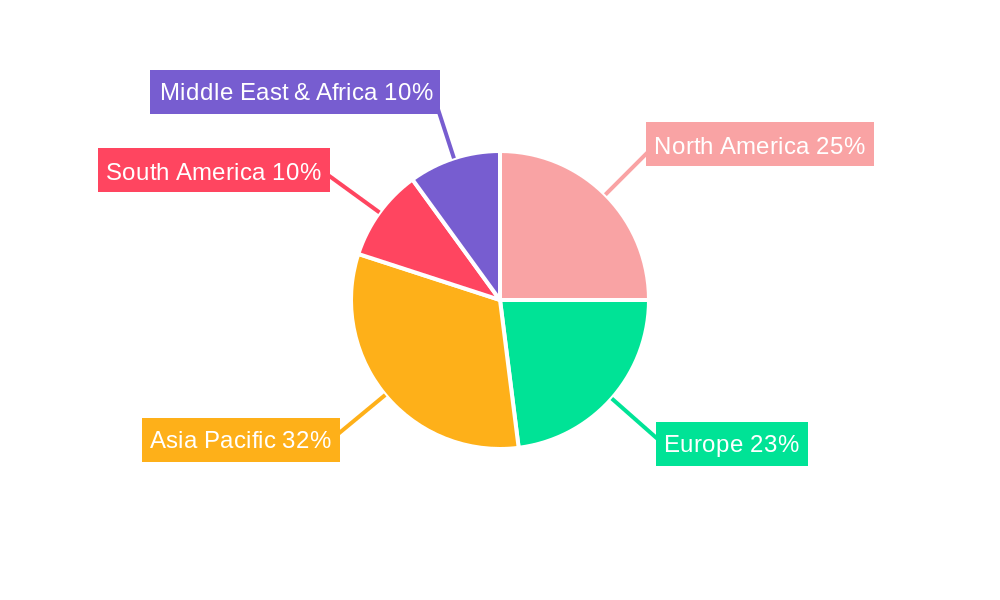
Photochromic Visor Regional Market Share
Geographic Coverage of Photochromic Visor
Photochromic Visor REPORT HIGHLIGHTS
| Aspects | Details |
|---|---|
| Study Period | 2020-2034 |
| Base Year | 2025 |
| Estimated Year | 2026 |
| Forecast Period | 2026-2034 |
| Historical Period | 2020-2025 |
| Growth Rate | CAGR of 8.64% from 2020-2034 |
| Segmentation |
|
Table of Contents
- 1. Introduction
- 1.1. Research Scope
- 1.2. Market Segmentation
- 1.3. Research Methodology
- 1.4. Definitions and Assumptions
- 2. Executive Summary
- 2.1. Introduction
- 3. Market Dynamics
- 3.1. Introduction
- 3.2. Market Drivers
- 3.3. Market Restrains
- 3.4. Market Trends
- 4. Market Factor Analysis
- 4.1. Porters Five Forces
- 4.2. Supply/Value Chain
- 4.3. PESTEL analysis
- 4.4. Market Entropy
- 4.5. Patent/Trademark Analysis
- 5. Global Photochromic Visor Analysis, Insights and Forecast, 2020-2032
- 5.1. Market Analysis, Insights and Forecast - by Application
- 5.1.1. Photochromic Polarized Sunglasses
- 5.1.2. Photochromic Polarized Lenses
- 5.1.3. Others
- 5.2. Market Analysis, Insights and Forecast - by Types
- 5.2.1. Anti-fog Coating
- 5.2.2. Anti-scratch Coating
- 5.2.3. Anti-fingerprint Coating
- 5.2.4. Others
- 5.3. Market Analysis, Insights and Forecast - by Region
- 5.3.1. North America
- 5.3.2. South America
- 5.3.3. Europe
- 5.3.4. Middle East & Africa
- 5.3.5. Asia Pacific
- 5.1. Market Analysis, Insights and Forecast - by Application
- 6. North America Photochromic Visor Analysis, Insights and Forecast, 2020-2032
- 6.1. Market Analysis, Insights and Forecast - by Application
- 6.1.1. Photochromic Polarized Sunglasses
- 6.1.2. Photochromic Polarized Lenses
- 6.1.3. Others
- 6.2. Market Analysis, Insights and Forecast - by Types
- 6.2.1. Anti-fog Coating
- 6.2.2. Anti-scratch Coating
- 6.2.3. Anti-fingerprint Coating
- 6.2.4. Others
- 6.1. Market Analysis, Insights and Forecast - by Application
- 7. South America Photochromic Visor Analysis, Insights and Forecast, 2020-2032
- 7.1. Market Analysis, Insights and Forecast - by Application
- 7.1.1. Photochromic Polarized Sunglasses
- 7.1.2. Photochromic Polarized Lenses
- 7.1.3. Others
- 7.2. Market Analysis, Insights and Forecast - by Types
- 7.2.1. Anti-fog Coating
- 7.2.2. Anti-scratch Coating
- 7.2.3. Anti-fingerprint Coating
- 7.2.4. Others
- 7.1. Market Analysis, Insights and Forecast - by Application
- 8. Europe Photochromic Visor Analysis, Insights and Forecast, 2020-2032
- 8.1. Market Analysis, Insights and Forecast - by Application
- 8.1.1. Photochromic Polarized Sunglasses
- 8.1.2. Photochromic Polarized Lenses
- 8.1.3. Others
- 8.2. Market Analysis, Insights and Forecast - by Types
- 8.2.1. Anti-fog Coating
- 8.2.2. Anti-scratch Coating
- 8.2.3. Anti-fingerprint Coating
- 8.2.4. Others
- 8.1. Market Analysis, Insights and Forecast - by Application
- 9. Middle East & Africa Photochromic Visor Analysis, Insights and Forecast, 2020-2032
- 9.1. Market Analysis, Insights and Forecast - by Application
- 9.1.1. Photochromic Polarized Sunglasses
- 9.1.2. Photochromic Polarized Lenses
- 9.1.3. Others
- 9.2. Market Analysis, Insights and Forecast - by Types
- 9.2.1. Anti-fog Coating
- 9.2.2. Anti-scratch Coating
- 9.2.3. Anti-fingerprint Coating
- 9.2.4. Others
- 9.1. Market Analysis, Insights and Forecast - by Application
- 10. Asia Pacific Photochromic Visor Analysis, Insights and Forecast, 2020-2032
- 10.1. Market Analysis, Insights and Forecast - by Application
- 10.1.1. Photochromic Polarized Sunglasses
- 10.1.2. Photochromic Polarized Lenses
- 10.1.3. Others
- 10.2. Market Analysis, Insights and Forecast - by Types
- 10.2.1. Anti-fog Coating
- 10.2.2. Anti-scratch Coating
- 10.2.3. Anti-fingerprint Coating
- 10.2.4. Others
- 10.1. Market Analysis, Insights and Forecast - by Application
- 11. Competitive Analysis
- 11.1. Global Market Share Analysis 2025
- 11.2. Company Profiles
- 11.2.1 Lazer
- 11.2.1.1. Overview
- 11.2.1.2. Products
- 11.2.1.3. SWOT Analysis
- 11.2.1.4. Recent Developments
- 11.2.1.5. Financials (Based on Availability)
- 11.2.2 SunSHIFT
- 11.2.2.1. Overview
- 11.2.2.2. Products
- 11.2.2.3. SWOT Analysis
- 11.2.2.4. Recent Developments
- 11.2.2.5. Financials (Based on Availability)
- 11.2.3 WeeTect
- 11.2.3.1. Overview
- 11.2.3.2. Products
- 11.2.3.3. SWOT Analysis
- 11.2.3.4. Recent Developments
- 11.2.3.5. Financials (Based on Availability)
- 11.2.4 Billys
- 11.2.4.1. Overview
- 11.2.4.2. Products
- 11.2.4.3. SWOT Analysis
- 11.2.4.4. Recent Developments
- 11.2.4.5. Financials (Based on Availability)
- 11.2.5 Shoei
- 11.2.5.1. Overview
- 11.2.5.2. Products
- 11.2.5.3. SWOT Analysis
- 11.2.5.4. Recent Developments
- 11.2.5.5. Financials (Based on Availability)
- 11.2.6 Bell
- 11.2.6.1. Overview
- 11.2.6.2. Products
- 11.2.6.3. SWOT Analysis
- 11.2.6.4. Recent Developments
- 11.2.6.5. Financials (Based on Availability)
- 11.2.7 Transitions
- 11.2.7.1. Overview
- 11.2.7.2. Products
- 11.2.7.3. SWOT Analysis
- 11.2.7.4. Recent Developments
- 11.2.7.5. Financials (Based on Availability)
- 11.2.1 Lazer
List of Figures
- Figure 1: Global Photochromic Visor Revenue Breakdown (billion, %) by Region 2025 & 2033
- Figure 2: Global Photochromic Visor Volume Breakdown (K, %) by Region 2025 & 2033
- Figure 3: North America Photochromic Visor Revenue (billion), by Application 2025 & 2033
- Figure 4: North America Photochromic Visor Volume (K), by Application 2025 & 2033
- Figure 5: North America Photochromic Visor Revenue Share (%), by Application 2025 & 2033
- Figure 6: North America Photochromic Visor Volume Share (%), by Application 2025 & 2033
- Figure 7: North America Photochromic Visor Revenue (billion), by Types 2025 & 2033
- Figure 8: North America Photochromic Visor Volume (K), by Types 2025 & 2033
- Figure 9: North America Photochromic Visor Revenue Share (%), by Types 2025 & 2033
- Figure 10: North America Photochromic Visor Volume Share (%), by Types 2025 & 2033
- Figure 11: North America Photochromic Visor Revenue (billion), by Country 2025 & 2033
- Figure 12: North America Photochromic Visor Volume (K), by Country 2025 & 2033
- Figure 13: North America Photochromic Visor Revenue Share (%), by Country 2025 & 2033
- Figure 14: North America Photochromic Visor Volume Share (%), by Country 2025 & 2033
- Figure 15: South America Photochromic Visor Revenue (billion), by Application 2025 & 2033
- Figure 16: South America Photochromic Visor Volume (K), by Application 2025 & 2033
- Figure 17: South America Photochromic Visor Revenue Share (%), by Application 2025 & 2033
- Figure 18: South America Photochromic Visor Volume Share (%), by Application 2025 & 2033
- Figure 19: South America Photochromic Visor Revenue (billion), by Types 2025 & 2033
- Figure 20: South America Photochromic Visor Volume (K), by Types 2025 & 2033
- Figure 21: South America Photochromic Visor Revenue Share (%), by Types 2025 & 2033
- Figure 22: South America Photochromic Visor Volume Share (%), by Types 2025 & 2033
- Figure 23: South America Photochromic Visor Revenue (billion), by Country 2025 & 2033
- Figure 24: South America Photochromic Visor Volume (K), by Country 2025 & 2033
- Figure 25: South America Photochromic Visor Revenue Share (%), by Country 2025 & 2033
- Figure 26: South America Photochromic Visor Volume Share (%), by Country 2025 & 2033
- Figure 27: Europe Photochromic Visor Revenue (billion), by Application 2025 & 2033
- Figure 28: Europe Photochromic Visor Volume (K), by Application 2025 & 2033
- Figure 29: Europe Photochromic Visor Revenue Share (%), by Application 2025 & 2033
- Figure 30: Europe Photochromic Visor Volume Share (%), by Application 2025 & 2033
- Figure 31: Europe Photochromic Visor Revenue (billion), by Types 2025 & 2033
- Figure 32: Europe Photochromic Visor Volume (K), by Types 2025 & 2033
- Figure 33: Europe Photochromic Visor Revenue Share (%), by Types 2025 & 2033
- Figure 34: Europe Photochromic Visor Volume Share (%), by Types 2025 & 2033
- Figure 35: Europe Photochromic Visor Revenue (billion), by Country 2025 & 2033
- Figure 36: Europe Photochromic Visor Volume (K), by Country 2025 & 2033
- Figure 37: Europe Photochromic Visor Revenue Share (%), by Country 2025 & 2033
- Figure 38: Europe Photochromic Visor Volume Share (%), by Country 2025 & 2033
- Figure 39: Middle East & Africa Photochromic Visor Revenue (billion), by Application 2025 & 2033
- Figure 40: Middle East & Africa Photochromic Visor Volume (K), by Application 2025 & 2033
- Figure 41: Middle East & Africa Photochromic Visor Revenue Share (%), by Application 2025 & 2033
- Figure 42: Middle East & Africa Photochromic Visor Volume Share (%), by Application 2025 & 2033
- Figure 43: Middle East & Africa Photochromic Visor Revenue (billion), by Types 2025 & 2033
- Figure 44: Middle East & Africa Photochromic Visor Volume (K), by Types 2025 & 2033
- Figure 45: Middle East & Africa Photochromic Visor Revenue Share (%), by Types 2025 & 2033
- Figure 46: Middle East & Africa Photochromic Visor Volume Share (%), by Types 2025 & 2033
- Figure 47: Middle East & Africa Photochromic Visor Revenue (billion), by Country 2025 & 2033
- Figure 48: Middle East & Africa Photochromic Visor Volume (K), by Country 2025 & 2033
- Figure 49: Middle East & Africa Photochromic Visor Revenue Share (%), by Country 2025 & 2033
- Figure 50: Middle East & Africa Photochromic Visor Volume Share (%), by Country 2025 & 2033
- Figure 51: Asia Pacific Photochromic Visor Revenue (billion), by Application 2025 & 2033
- Figure 52: Asia Pacific Photochromic Visor Volume (K), by Application 2025 & 2033
- Figure 53: Asia Pacific Photochromic Visor Revenue Share (%), by Application 2025 & 2033
- Figure 54: Asia Pacific Photochromic Visor Volume Share (%), by Application 2025 & 2033
- Figure 55: Asia Pacific Photochromic Visor Revenue (billion), by Types 2025 & 2033
- Figure 56: Asia Pacific Photochromic Visor Volume (K), by Types 2025 & 2033
- Figure 57: Asia Pacific Photochromic Visor Revenue Share (%), by Types 2025 & 2033
- Figure 58: Asia Pacific Photochromic Visor Volume Share (%), by Types 2025 & 2033
- Figure 59: Asia Pacific Photochromic Visor Revenue (billion), by Country 2025 & 2033
- Figure 60: Asia Pacific Photochromic Visor Volume (K), by Country 2025 & 2033
- Figure 61: Asia Pacific Photochromic Visor Revenue Share (%), by Country 2025 & 2033
- Figure 62: Asia Pacific Photochromic Visor Volume Share (%), by Country 2025 & 2033
List of Tables
- Table 1: Global Photochromic Visor Revenue billion Forecast, by Application 2020 & 2033
- Table 2: Global Photochromic Visor Volume K Forecast, by Application 2020 & 2033
- Table 3: Global Photochromic Visor Revenue billion Forecast, by Types 2020 & 2033
- Table 4: Global Photochromic Visor Volume K Forecast, by Types 2020 & 2033
- Table 5: Global Photochromic Visor Revenue billion Forecast, by Region 2020 & 2033
- Table 6: Global Photochromic Visor Volume K Forecast, by Region 2020 & 2033
- Table 7: Global Photochromic Visor Revenue billion Forecast, by Application 2020 & 2033
- Table 8: Global Photochromic Visor Volume K Forecast, by Application 2020 & 2033
- Table 9: Global Photochromic Visor Revenue billion Forecast, by Types 2020 & 2033
- Table 10: Global Photochromic Visor Volume K Forecast, by Types 2020 & 2033
- Table 11: Global Photochromic Visor Revenue billion Forecast, by Country 2020 & 2033
- Table 12: Global Photochromic Visor Volume K Forecast, by Country 2020 & 2033
- Table 13: United States Photochromic Visor Revenue (billion) Forecast, by Application 2020 & 2033
- Table 14: United States Photochromic Visor Volume (K) Forecast, by Application 2020 & 2033
- Table 15: Canada Photochromic Visor Revenue (billion) Forecast, by Application 2020 & 2033
- Table 16: Canada Photochromic Visor Volume (K) Forecast, by Application 2020 & 2033
- Table 17: Mexico Photochromic Visor Revenue (billion) Forecast, by Application 2020 & 2033
- Table 18: Mexico Photochromic Visor Volume (K) Forecast, by Application 2020 & 2033
- Table 19: Global Photochromic Visor Revenue billion Forecast, by Application 2020 & 2033
- Table 20: Global Photochromic Visor Volume K Forecast, by Application 2020 & 2033
- Table 21: Global Photochromic Visor Revenue billion Forecast, by Types 2020 & 2033
- Table 22: Global Photochromic Visor Volume K Forecast, by Types 2020 & 2033
- Table 23: Global Photochromic Visor Revenue billion Forecast, by Country 2020 & 2033
- Table 24: Global Photochromic Visor Volume K Forecast, by Country 2020 & 2033
- Table 25: Brazil Photochromic Visor Revenue (billion) Forecast, by Application 2020 & 2033
- Table 26: Brazil Photochromic Visor Volume (K) Forecast, by Application 2020 & 2033
- Table 27: Argentina Photochromic Visor Revenue (billion) Forecast, by Application 2020 & 2033
- Table 28: Argentina Photochromic Visor Volume (K) Forecast, by Application 2020 & 2033
- Table 29: Rest of South America Photochromic Visor Revenue (billion) Forecast, by Application 2020 & 2033
- Table 30: Rest of South America Photochromic Visor Volume (K) Forecast, by Application 2020 & 2033
- Table 31: Global Photochromic Visor Revenue billion Forecast, by Application 2020 & 2033
- Table 32: Global Photochromic Visor Volume K Forecast, by Application 2020 & 2033
- Table 33: Global Photochromic Visor Revenue billion Forecast, by Types 2020 & 2033
- Table 34: Global Photochromic Visor Volume K Forecast, by Types 2020 & 2033
- Table 35: Global Photochromic Visor Revenue billion Forecast, by Country 2020 & 2033
- Table 36: Global Photochromic Visor Volume K Forecast, by Country 2020 & 2033
- Table 37: United Kingdom Photochromic Visor Revenue (billion) Forecast, by Application 2020 & 2033
- Table 38: United Kingdom Photochromic Visor Volume (K) Forecast, by Application 2020 & 2033
- Table 39: Germany Photochromic Visor Revenue (billion) Forecast, by Application 2020 & 2033
- Table 40: Germany Photochromic Visor Volume (K) Forecast, by Application 2020 & 2033
- Table 41: France Photochromic Visor Revenue (billion) Forecast, by Application 2020 & 2033
- Table 42: France Photochromic Visor Volume (K) Forecast, by Application 2020 & 2033
- Table 43: Italy Photochromic Visor Revenue (billion) Forecast, by Application 2020 & 2033
- Table 44: Italy Photochromic Visor Volume (K) Forecast, by Application 2020 & 2033
- Table 45: Spain Photochromic Visor Revenue (billion) Forecast, by Application 2020 & 2033
- Table 46: Spain Photochromic Visor Volume (K) Forecast, by Application 2020 & 2033
- Table 47: Russia Photochromic Visor Revenue (billion) Forecast, by Application 2020 & 2033
- Table 48: Russia Photochromic Visor Volume (K) Forecast, by Application 2020 & 2033
- Table 49: Benelux Photochromic Visor Revenue (billion) Forecast, by Application 2020 & 2033
- Table 50: Benelux Photochromic Visor Volume (K) Forecast, by Application 2020 & 2033
- Table 51: Nordics Photochromic Visor Revenue (billion) Forecast, by Application 2020 & 2033
- Table 52: Nordics Photochromic Visor Volume (K) Forecast, by Application 2020 & 2033
- Table 53: Rest of Europe Photochromic Visor Revenue (billion) Forecast, by Application 2020 & 2033
- Table 54: Rest of Europe Photochromic Visor Volume (K) Forecast, by Application 2020 & 2033
- Table 55: Global Photochromic Visor Revenue billion Forecast, by Application 2020 & 2033
- Table 56: Global Photochromic Visor Volume K Forecast, by Application 2020 & 2033
- Table 57: Global Photochromic Visor Revenue billion Forecast, by Types 2020 & 2033
- Table 58: Global Photochromic Visor Volume K Forecast, by Types 2020 & 2033
- Table 59: Global Photochromic Visor Revenue billion Forecast, by Country 2020 & 2033
- Table 60: Global Photochromic Visor Volume K Forecast, by Country 2020 & 2033
- Table 61: Turkey Photochromic Visor Revenue (billion) Forecast, by Application 2020 & 2033
- Table 62: Turkey Photochromic Visor Volume (K) Forecast, by Application 2020 & 2033
- Table 63: Israel Photochromic Visor Revenue (billion) Forecast, by Application 2020 & 2033
- Table 64: Israel Photochromic Visor Volume (K) Forecast, by Application 2020 & 2033
- Table 65: GCC Photochromic Visor Revenue (billion) Forecast, by Application 2020 & 2033
- Table 66: GCC Photochromic Visor Volume (K) Forecast, by Application 2020 & 2033
- Table 67: North Africa Photochromic Visor Revenue (billion) Forecast, by Application 2020 & 2033
- Table 68: North Africa Photochromic Visor Volume (K) Forecast, by Application 2020 & 2033
- Table 69: South Africa Photochromic Visor Revenue (billion) Forecast, by Application 2020 & 2033
- Table 70: South Africa Photochromic Visor Volume (K) Forecast, by Application 2020 & 2033
- Table 71: Rest of Middle East & Africa Photochromic Visor Revenue (billion) Forecast, by Application 2020 & 2033
- Table 72: Rest of Middle East & Africa Photochromic Visor Volume (K) Forecast, by Application 2020 & 2033
- Table 73: Global Photochromic Visor Revenue billion Forecast, by Application 2020 & 2033
- Table 74: Global Photochromic Visor Volume K Forecast, by Application 2020 & 2033
- Table 75: Global Photochromic Visor Revenue billion Forecast, by Types 2020 & 2033
- Table 76: Global Photochromic Visor Volume K Forecast, by Types 2020 & 2033
- Table 77: Global Photochromic Visor Revenue billion Forecast, by Country 2020 & 2033
- Table 78: Global Photochromic Visor Volume K Forecast, by Country 2020 & 2033
- Table 79: China Photochromic Visor Revenue (billion) Forecast, by Application 2020 & 2033
- Table 80: China Photochromic Visor Volume (K) Forecast, by Application 2020 & 2033
- Table 81: India Photochromic Visor Revenue (billion) Forecast, by Application 2020 & 2033
- Table 82: India Photochromic Visor Volume (K) Forecast, by Application 2020 & 2033
- Table 83: Japan Photochromic Visor Revenue (billion) Forecast, by Application 2020 & 2033
- Table 84: Japan Photochromic Visor Volume (K) Forecast, by Application 2020 & 2033
- Table 85: South Korea Photochromic Visor Revenue (billion) Forecast, by Application 2020 & 2033
- Table 86: South Korea Photochromic Visor Volume (K) Forecast, by Application 2020 & 2033
- Table 87: ASEAN Photochromic Visor Revenue (billion) Forecast, by Application 2020 & 2033
- Table 88: ASEAN Photochromic Visor Volume (K) Forecast, by Application 2020 & 2033
- Table 89: Oceania Photochromic Visor Revenue (billion) Forecast, by Application 2020 & 2033
- Table 90: Oceania Photochromic Visor Volume (K) Forecast, by Application 2020 & 2033
- Table 91: Rest of Asia Pacific Photochromic Visor Revenue (billion) Forecast, by Application 2020 & 2033
- Table 92: Rest of Asia Pacific Photochromic Visor Volume (K) Forecast, by Application 2020 & 2033
Frequently Asked Questions
1. What is the projected Compound Annual Growth Rate (CAGR) of the Photochromic Visor?
The projected CAGR is approximately 8.64%.
2. Which companies are prominent players in the Photochromic Visor?
Key companies in the market include Lazer, SunSHIFT, WeeTect, Billys, Shoei, Bell, Transitions.
3. What are the main segments of the Photochromic Visor?
The market segments include Application, Types.
4. Can you provide details about the market size?
The market size is estimated to be USD 9.13 billion as of 2022.
5. What are some drivers contributing to market growth?
N/A
6. What are the notable trends driving market growth?
N/A
7. Are there any restraints impacting market growth?
N/A
8. Can you provide examples of recent developments in the market?
N/A
9. What pricing options are available for accessing the report?
Pricing options include single-user, multi-user, and enterprise licenses priced at USD 3350.00, USD 5025.00, and USD 6700.00 respectively.
10. Is the market size provided in terms of value or volume?
The market size is provided in terms of value, measured in billion and volume, measured in K.
11. Are there any specific market keywords associated with the report?
Yes, the market keyword associated with the report is "Photochromic Visor," which aids in identifying and referencing the specific market segment covered.
12. How do I determine which pricing option suits my needs best?
The pricing options vary based on user requirements and access needs. Individual users may opt for single-user licenses, while businesses requiring broader access may choose multi-user or enterprise licenses for cost-effective access to the report.
13. Are there any additional resources or data provided in the Photochromic Visor report?
While the report offers comprehensive insights, it's advisable to review the specific contents or supplementary materials provided to ascertain if additional resources or data are available.
14. How can I stay updated on further developments or reports in the Photochromic Visor?
To stay informed about further developments, trends, and reports in the Photochromic Visor, consider subscribing to industry newsletters, following relevant companies and organizations, or regularly checking reputable industry news sources and publications.
Methodology
Step 1 - Identification of Relevant Samples Size from Population Database



Step 2 - Approaches for Defining Global Market Size (Value, Volume* & Price*)

Note*: In applicable scenarios
Step 3 - Data Sources
Primary Research
- Web Analytics
- Survey Reports
- Research Institute
- Latest Research Reports
- Opinion Leaders
Secondary Research
- Annual Reports
- White Paper
- Latest Press Release
- Industry Association
- Paid Database
- Investor Presentations

Step 4 - Data Triangulation
Involves using different sources of information in order to increase the validity of a study
These sources are likely to be stakeholders in a program - participants, other researchers, program staff, other community members, and so on.
Then we put all data in single framework & apply various statistical tools to find out the dynamic on the market.
During the analysis stage, feedback from the stakeholder groups would be compared to determine areas of agreement as well as areas of divergence