


Key Insights
The global Optical Character Recognition (OCR) Scanning Services market is poised for significant expansion, projected to reach an estimated USD 3,500 million by 2025, with a robust Compound Annual Growth Rate (CAGR) of 15% expected throughout the forecast period of 2025-2033. This impressive growth is fueled by the escalating need for digital transformation across various industries, enabling businesses to efficiently convert vast amounts of paper-based documents into searchable and editable digital formats. Key drivers include the burgeoning volume of unstructured data, the demand for improved data accuracy and accessibility, and the increasing adoption of cloud-based OCR solutions for enhanced scalability and cost-effectiveness. Furthermore, the rising implementation of AI and machine learning in OCR technologies is significantly improving recognition rates, especially for complex and atypical document formats.
-Scanning-Services.png&w=1920&q=75)
Optical Character Recognition (OCR) Scanning Services Market Size (In Billion)

The OCR Scanning Services market is segmented into Enterprise and Individual applications, with Enterprise solutions dominating the market due to the extensive document management needs of large organizations. Within types, Standard Form Recognition is a well-established segment, while Atypical Form Recognition and Handwriting Recognition are experiencing rapid growth as technologies advance. Key trends shaping the market include the rise of intelligent document processing (IDP), which integrates OCR with AI to automate complex workflows beyond simple data extraction, and a growing focus on specialized OCR solutions for niche sectors like legal, healthcare, and finance. While the market exhibits strong growth, potential restraints include the initial investment costs for sophisticated OCR systems and concerns around data privacy and security during the digitization process. Nevertheless, the continuous innovation in AI and automation is expected to overcome these challenges, solidifying OCR Scanning Services as an indispensable tool for modern data management.
-Scanning-Services.png&w=1920&q=75)
Optical Character Recognition (OCR) Scanning Services Company Market Share
Report Title: Optical Character Recognition (OCR) Scanning Services Market Analysis 2019-2033: Trends, Growth, and Competitive Landscape
Unlock the full potential of your business with our comprehensive report on the Optical Character Recognition (OCR) Scanning Services market. This in-depth analysis, spanning from 2019 to 2033 with a focus on the Base Year 2025, provides critical insights into market dynamics, growth trajectories, and emerging opportunities. We delve into the enterprise and individual application segments, examining the nuances of standard form recognition, atypical form recognition, and handwriting recognition. Discover how industry leaders like DocuXplorer, Sage Document Services Group, and Tencent Cloud are shaping the future of document digitization. With a robust CAGR of xx%, the global OCR scanning services market is projected to reach a valuation of USD xxx million by 2033, driven by escalating demand for automation and improved data accessibility.
Optical Character Recognition (OCR) Scanning Services Market Dynamics & Structure
The Optical Character Recognition (OCR) Scanning Services market is characterized by a moderately concentrated landscape, with key players actively engaged in technological innovation and strategic acquisitions to enhance their market presence. Technological advancements in AI and machine learning are the primary drivers, enabling higher accuracy rates and the recognition of complex document formats, including handwriting. Regulatory frameworks, particularly concerning data privacy and compliance, are increasingly influencing service offerings, pushing for secure and auditable digitization processes. Competitive product substitutes include manual data entry and basic document management systems, but the efficiency and scalability offered by advanced OCR solutions are creating a significant competitive advantage. End-user demographics are shifting towards enterprises seeking to streamline operations, reduce costs, and improve data analytics capabilities, alongside individuals managing personal document archives. Mergers and acquisitions (M&A) are an integral part of market consolidation, with several strategic deals anticipated to reshape the competitive environment in the coming years. For instance, the M&A deal volume is projected at xx million units during the forecast period, indicating active consolidation.
- Market Concentration: Moderately concentrated with a blend of large established players and emerging specialized providers.
- Technological Innovation Drivers: Advancements in AI, deep learning, and natural language processing (NLP) for improved accuracy and versatility.
- Regulatory Frameworks: Growing emphasis on data security, privacy (e.g., GDPR, CCPA), and industry-specific compliance standards.
- Competitive Product Substitutes: Manual data entry, basic imaging software, and alternative data extraction methods.
- End-User Demographics: Primarily enterprise clients across finance, healthcare, legal, and government sectors, with a growing individual segment.
- M&A Trends: Strategic acquisitions aimed at expanding service portfolios, geographical reach, and technological capabilities.
Optical Character Recognition (OCR) Scanning Services Growth Trends & Insights
The global Optical Character Recognition (OCR) Scanning Services market is on a robust growth trajectory, projected to expand significantly from its base year of 2025. The market size, estimated at USD xxx million in 2025, is poised for substantial growth, driven by the relentless pursuit of digital transformation across industries. Adoption rates for OCR scanning services are accelerating as businesses recognize the profound impact of automating data capture and management. This surge is fueled by technological disruptions, particularly the integration of advanced AI and machine learning algorithms that have dramatically improved the accuracy and efficiency of OCR technology, enabling the processing of diverse document types, including handwritten notes and complex forms. Consumer behavior is also evolving; organizations are increasingly moving away from paper-intensive processes, demanding seamless digital workflows and instant access to information. This shift is supported by the growing availability of cloud-based OCR solutions, offering scalability and accessibility.
The Compound Annual Growth Rate (CAGR) for the OCR scanning services market is projected to be xx% over the forecast period of 2025–2033. This impressive growth is underpinned by an increasing market penetration in sectors that have historically relied on manual data entry, such as healthcare, finance, and legal services. The demand for intelligent document processing (IDP) solutions, which combine OCR with AI for contextual understanding and data extraction, is a major growth catalyst. Furthermore, the growing volume of unstructured data generated daily necessitates sophisticated tools like OCR to convert it into actionable insights. Historical data from 2019–2024 indicates a steady upward trend, laying a strong foundation for future expansion. The adoption of mobile OCR solutions is also contributing to market growth, allowing for on-the-go document scanning and data extraction. This widespread adoption is transforming how businesses operate, enhancing productivity, reducing operational costs, and enabling better decision-making through readily available digitized information. The market is also experiencing a positive impact from governmental initiatives promoting digitization and e-governance, further accelerating the uptake of OCR scanning services.
Dominant Regions, Countries, or Segments in Optical Character Recognition (OCR) Scanning Services
The Enterprise application segment, particularly within the Standard Form Recognition type, is a dominant force driving growth in the Optical Character Recognition (OCR) Scanning Services market. This dominance stems from the vast need within large organizations to efficiently process high volumes of standardized documents such as invoices, insurance claims, and application forms. The economic policies in developed nations, such as North America and Europe, coupled with robust IT infrastructure, have fostered an environment conducive to the widespread adoption of OCR technologies. Market share within this segment is substantial, estimated at xx% of the overall market in 2025, with significant growth potential.
North America, led by the United States, stands as a leading region due to its advanced technological landscape, significant investment in enterprise software, and a strong regulatory push for digital transformation. The presence of major corporations and a high adoption rate of cloud-based solutions contribute to its market leadership. The market size in North America is projected to reach USD xxx million by 2033. Key drivers in this region include stringent data compliance requirements and a competitive business environment that necessitates operational efficiency.
Europe follows closely, with countries like Germany, the UK, and France investing heavily in digital solutions to enhance productivity and comply with regulations such as GDPR. The healthcare and financial sectors are particularly significant adopters of OCR scanning services, seeking to automate patient records and financial transactions.
Asia Pacific is emerging as a high-growth region, driven by rapid digital transformation initiatives in countries like China and India, and a burgeoning enterprise sector. The increasing availability of cost-effective OCR solutions and government support for digitization are key accelerators.
- Dominant Segment: Enterprise Application
- Key Drivers: Need for operational efficiency, cost reduction, improved data accuracy, and regulatory compliance.
- Market Share (Enterprise): xx% (2025)
- Growth Potential: High, fueled by digital transformation initiatives.
- Dominant Type: Standard Form Recognition
- Key Drivers: High volume processing of structured documents (invoices, applications, claims).
- Market Share (Standard Form Recognition): xx% (2025)
- Growth Potential: Consistent, driven by ongoing business needs.
- Leading Region: North America
- Key Drivers: Technological advancement, strong enterprise adoption, regulatory compliance, significant investment in IT.
- Market Share (North America): xx% (2025)
- Growth Potential: Strong, supported by innovation and established markets.
Optical Character Recognition (OCR) Scanning Services Product Landscape
The OCR scanning services product landscape is evolving rapidly with a focus on enhanced accuracy, broader language support, and integration capabilities. Recent product innovations include AI-powered engines that can recognize nuanced handwriting and even specialized fonts with remarkable precision. Many solutions now offer real-time validation and data enrichment, moving beyond simple text extraction to intelligent data processing. Unique selling propositions often revolve around cloud-native architectures for scalability and accessibility, robust security features to meet stringent compliance demands, and customizable workflows tailored to specific industry needs. Technological advancements are enabling OCR to handle an ever-increasing variety of document types, from legacy archives to modern digital formats, making it an indispensable tool for digital transformation.
Key Drivers, Barriers & Challenges in Optical Character Recognition (OCR) Scanning Services
The Optical Character Recognition (OCR) Scanning Services market is propelled by several key drivers. Technological advancements in AI and machine learning are paramount, enabling higher accuracy and the recognition of diverse document types. Increasing demand for automation across industries to improve efficiency and reduce operational costs is a significant growth factor. Stringent regulatory compliance in sectors like finance and healthcare mandates accurate and secure data handling, which OCR facilitates. Furthermore, the growing volume of unstructured data necessitates tools for conversion into structured, actionable formats.
However, the market faces several barriers and challenges. High initial investment costs for advanced OCR solutions can deter small and medium-sized enterprises. Complex document layouts and poor image quality can still pose challenges to accurate recognition, requiring human intervention. Data security and privacy concerns remain a significant barrier, especially for sensitive information, necessitating robust encryption and compliance measures. Integration with existing legacy systems can also be complex and costly. Supply chain disruptions, while less direct for software-based services, can impact hardware components for physical scanning operations. Competitive pressures from both established players and new entrants also present a constant challenge to maintain market share and pricing power.
Emerging Opportunities in Optical Character Recognition (OCR) Scanning Services
Emerging opportunities in the OCR Scanning Services market are abundant, driven by innovation and evolving business needs. The expansion of AI and machine learning is paving the way for more sophisticated intelligent document processing (IDP) solutions, capable of not only extracting data but also understanding context and sentiment. The untapped potential in emerging economies presents a significant opportunity as these regions undergo rapid digital transformation. Furthermore, the increasing demand for niche OCR applications, such as historical document digitization, legal discovery, and personalized marketing content extraction, offers specialized growth avenues. Evolving consumer preferences towards personalized services also create opportunities for OCR to analyze customer feedback and preferences from various unstructured sources.
Growth Accelerators in the Optical Character Recognition (OCR) Scanning Services Industry
Several catalysts are accelerating growth in the Optical Character Recognition (OCR) Scanning Services industry. Breakthroughs in deep learning algorithms are continuously improving accuracy and expanding the range of recognizable content, including advanced handwriting and complex tables. Strategic partnerships and collaborations between OCR providers and software vendors, as well as cloud service providers, are enhancing the accessibility and integration of OCR solutions. Market expansion strategies, particularly targeting underserved industries and geographical regions, are opening new revenue streams. The increasing focus on ** Robotic Process Automation (RPA)** integration also acts as a significant growth accelerator, as OCR serves as a critical component for RPA to interact with paper-based or image-based data.
Key Players Shaping the Optical Character Recognition (OCR) Scanning Services Market
- DocuXplorer
- Sage Document Services Group
- Anderson Archival
- CME Imaging Solutions
- Scanning America
- Rely Services Inc
- Tencent Cloud
- Flatworld Solutions Inc.
- USArchive & Imaging Services, Inc.
- Meta Enterprises, LLC
- PackageX, Inc.
- Eminenture PLC.
Notable Milestones in Optical Character Recognition (OCR) Scanning Services Sector
- 2019: Widespread adoption of AI-powered OCR for improved accuracy in financial document processing.
- 2020: Increased demand for cloud-based OCR solutions due to the shift towards remote work.
- 2021: Advancements in handwriting recognition technology leading to wider application in healthcare and legal sectors.
- 2022: Integration of OCR with Robotic Process Automation (RPA) for enhanced business process automation.
- 2023: Focus on specialized OCR solutions for niche industries like archival and historical document digitization.
- 2024: Enhanced data security and compliance features become a key differentiator for OCR providers.
In-Depth Optical Character Recognition (OCR) Scanning Services Market Outlook
The future outlook for the Optical Character Recognition (OCR) Scanning Services market is exceptionally promising, driven by ongoing technological innovation and increasing global demand for digital efficiency. Growth accelerators, such as advancements in AI for intelligent document processing and strategic market expansion into emerging economies, will continue to fuel substantial growth. The market is poised for further consolidation through strategic acquisitions, leading to more robust and comprehensive service offerings. The increasing integration of OCR with other digital transformation tools like RPA and cloud computing will solidify its role as a fundamental technology for modern businesses, unlocking significant future market potential and strategic opportunities.
Optical Character Recognition (OCR) Scanning Services Segmentation
-
1. Application
- 1.1. Enterprise
- 1.2. Individual
-
2. Types
- 2.1. Standard Form Recognition
- 2.2. Atypical Form Recognition
- 2.3. Handwriting Recognition
Optical Character Recognition (OCR) Scanning Services Segmentation By Geography
-
1. North America
- 1.1. United States
- 1.2. Canada
- 1.3. Mexico
-
2. South America
- 2.1. Brazil
- 2.2. Argentina
- 2.3. Rest of South America
-
3. Europe
- 3.1. United Kingdom
- 3.2. Germany
- 3.3. France
- 3.4. Italy
- 3.5. Spain
- 3.6. Russia
- 3.7. Benelux
- 3.8. Nordics
- 3.9. Rest of Europe
-
4. Middle East & Africa
- 4.1. Turkey
- 4.2. Israel
- 4.3. GCC
- 4.4. North Africa
- 4.5. South Africa
- 4.6. Rest of Middle East & Africa
-
5. Asia Pacific
- 5.1. China
- 5.2. India
- 5.3. Japan
- 5.4. South Korea
- 5.5. ASEAN
- 5.6. Oceania
- 5.7. Rest of Asia Pacific
-Scanning-Services.png&w=1920&q=75)
Optical Character Recognition (OCR) Scanning Services Regional Market Share
Geographic Coverage of Optical Character Recognition (OCR) Scanning Services
Optical Character Recognition (OCR) Scanning Services REPORT HIGHLIGHTS
| Aspects | Details |
|---|---|
| Study Period | 2020-2034 |
| Base Year | 2025 |
| Estimated Year | 2026 |
| Forecast Period | 2026-2034 |
| Historical Period | 2020-2025 |
| Growth Rate | CAGR of 15.1% from 2020-2034 |
| Segmentation |
|
Table of Contents
- 1. Introduction
- 1.1. Research Scope
- 1.2. Market Segmentation
- 1.3. Research Methodology
- 1.4. Definitions and Assumptions
- 2. Executive Summary
- 2.1. Introduction
- 3. Market Dynamics
- 3.1. Introduction
- 3.2. Market Drivers
- 3.3. Market Restrains
- 3.4. Market Trends
- 4. Market Factor Analysis
- 4.1. Porters Five Forces
- 4.2. Supply/Value Chain
- 4.3. PESTEL analysis
- 4.4. Market Entropy
- 4.5. Patent/Trademark Analysis
- 5. Global Optical Character Recognition (OCR) Scanning Services Analysis, Insights and Forecast, 2020-2032
- 5.1. Market Analysis, Insights and Forecast - by Application
- 5.1.1. Enterprise
- 5.1.2. Individual
- 5.2. Market Analysis, Insights and Forecast - by Types
- 5.2.1. Standard Form Recognition
- 5.2.2. Atypical Form Recognition
- 5.2.3. Handwriting Recognition
- 5.3. Market Analysis, Insights and Forecast - by Region
- 5.3.1. North America
- 5.3.2. South America
- 5.3.3. Europe
- 5.3.4. Middle East & Africa
- 5.3.5. Asia Pacific
- 5.1. Market Analysis, Insights and Forecast - by Application
- 6. North America Optical Character Recognition (OCR) Scanning Services Analysis, Insights and Forecast, 2020-2032
- 6.1. Market Analysis, Insights and Forecast - by Application
- 6.1.1. Enterprise
- 6.1.2. Individual
- 6.2. Market Analysis, Insights and Forecast - by Types
- 6.2.1. Standard Form Recognition
- 6.2.2. Atypical Form Recognition
- 6.2.3. Handwriting Recognition
- 6.1. Market Analysis, Insights and Forecast - by Application
- 7. South America Optical Character Recognition (OCR) Scanning Services Analysis, Insights and Forecast, 2020-2032
- 7.1. Market Analysis, Insights and Forecast - by Application
- 7.1.1. Enterprise
- 7.1.2. Individual
- 7.2. Market Analysis, Insights and Forecast - by Types
- 7.2.1. Standard Form Recognition
- 7.2.2. Atypical Form Recognition
- 7.2.3. Handwriting Recognition
- 7.1. Market Analysis, Insights and Forecast - by Application
- 8. Europe Optical Character Recognition (OCR) Scanning Services Analysis, Insights and Forecast, 2020-2032
- 8.1. Market Analysis, Insights and Forecast - by Application
- 8.1.1. Enterprise
- 8.1.2. Individual
- 8.2. Market Analysis, Insights and Forecast - by Types
- 8.2.1. Standard Form Recognition
- 8.2.2. Atypical Form Recognition
- 8.2.3. Handwriting Recognition
- 8.1. Market Analysis, Insights and Forecast - by Application
- 9. Middle East & Africa Optical Character Recognition (OCR) Scanning Services Analysis, Insights and Forecast, 2020-2032
- 9.1. Market Analysis, Insights and Forecast - by Application
- 9.1.1. Enterprise
- 9.1.2. Individual
- 9.2. Market Analysis, Insights and Forecast - by Types
- 9.2.1. Standard Form Recognition
- 9.2.2. Atypical Form Recognition
- 9.2.3. Handwriting Recognition
- 9.1. Market Analysis, Insights and Forecast - by Application
- 10. Asia Pacific Optical Character Recognition (OCR) Scanning Services Analysis, Insights and Forecast, 2020-2032
- 10.1. Market Analysis, Insights and Forecast - by Application
- 10.1.1. Enterprise
- 10.1.2. Individual
- 10.2. Market Analysis, Insights and Forecast - by Types
- 10.2.1. Standard Form Recognition
- 10.2.2. Atypical Form Recognition
- 10.2.3. Handwriting Recognition
- 10.1. Market Analysis, Insights and Forecast - by Application
- 11. Competitive Analysis
- 11.1. Global Market Share Analysis 2025
- 11.2. Company Profiles
- 11.2.1 DocuXplorer
- 11.2.1.1. Overview
- 11.2.1.2. Products
- 11.2.1.3. SWOT Analysis
- 11.2.1.4. Recent Developments
- 11.2.1.5. Financials (Based on Availability)
- 11.2.2 Sage Document Services Group
- 11.2.2.1. Overview
- 11.2.2.2. Products
- 11.2.2.3. SWOT Analysis
- 11.2.2.4. Recent Developments
- 11.2.2.5. Financials (Based on Availability)
- 11.2.3 Anderson Archival
- 11.2.3.1. Overview
- 11.2.3.2. Products
- 11.2.3.3. SWOT Analysis
- 11.2.3.4. Recent Developments
- 11.2.3.5. Financials (Based on Availability)
- 11.2.4 CME Imaging Solutions
- 11.2.4.1. Overview
- 11.2.4.2. Products
- 11.2.4.3. SWOT Analysis
- 11.2.4.4. Recent Developments
- 11.2.4.5. Financials (Based on Availability)
- 11.2.5 Scanning America
- 11.2.5.1. Overview
- 11.2.5.2. Products
- 11.2.5.3. SWOT Analysis
- 11.2.5.4. Recent Developments
- 11.2.5.5. Financials (Based on Availability)
- 11.2.6 Rely Services Inc
- 11.2.6.1. Overview
- 11.2.6.2. Products
- 11.2.6.3. SWOT Analysis
- 11.2.6.4. Recent Developments
- 11.2.6.5. Financials (Based on Availability)
- 11.2.7 Tencent Cloud
- 11.2.7.1. Overview
- 11.2.7.2. Products
- 11.2.7.3. SWOT Analysis
- 11.2.7.4. Recent Developments
- 11.2.7.5. Financials (Based on Availability)
- 11.2.8 Flatworld Solutions Inc.
- 11.2.8.1. Overview
- 11.2.8.2. Products
- 11.2.8.3. SWOT Analysis
- 11.2.8.4. Recent Developments
- 11.2.8.5. Financials (Based on Availability)
- 11.2.9 USArchive & Imaging Services
- 11.2.9.1. Overview
- 11.2.9.2. Products
- 11.2.9.3. SWOT Analysis
- 11.2.9.4. Recent Developments
- 11.2.9.5. Financials (Based on Availability)
- 11.2.10 Inc.
- 11.2.10.1. Overview
- 11.2.10.2. Products
- 11.2.10.3. SWOT Analysis
- 11.2.10.4. Recent Developments
- 11.2.10.5. Financials (Based on Availability)
- 11.2.11 Meta Enterprises
- 11.2.11.1. Overview
- 11.2.11.2. Products
- 11.2.11.3. SWOT Analysis
- 11.2.11.4. Recent Developments
- 11.2.11.5. Financials (Based on Availability)
- 11.2.12 LLC
- 11.2.12.1. Overview
- 11.2.12.2. Products
- 11.2.12.3. SWOT Analysis
- 11.2.12.4. Recent Developments
- 11.2.12.5. Financials (Based on Availability)
- 11.2.13 PackageX
- 11.2.13.1. Overview
- 11.2.13.2. Products
- 11.2.13.3. SWOT Analysis
- 11.2.13.4. Recent Developments
- 11.2.13.5. Financials (Based on Availability)
- 11.2.14 Inc.
- 11.2.14.1. Overview
- 11.2.14.2. Products
- 11.2.14.3. SWOT Analysis
- 11.2.14.4. Recent Developments
- 11.2.14.5. Financials (Based on Availability)
- 11.2.15 Eminenture PLC.
- 11.2.15.1. Overview
- 11.2.15.2. Products
- 11.2.15.3. SWOT Analysis
- 11.2.15.4. Recent Developments
- 11.2.15.5. Financials (Based on Availability)
- 11.2.1 DocuXplorer
List of Figures
- Figure 1: Global Optical Character Recognition (OCR) Scanning Services Revenue Breakdown (undefined, %) by Region 2025 & 2033
- Figure 2: North America Optical Character Recognition (OCR) Scanning Services Revenue (undefined), by Application 2025 & 2033
- Figure 3: North America Optical Character Recognition (OCR) Scanning Services Revenue Share (%), by Application 2025 & 2033
- Figure 4: North America Optical Character Recognition (OCR) Scanning Services Revenue (undefined), by Types 2025 & 2033
- Figure 5: North America Optical Character Recognition (OCR) Scanning Services Revenue Share (%), by Types 2025 & 2033
- Figure 6: North America Optical Character Recognition (OCR) Scanning Services Revenue (undefined), by Country 2025 & 2033
- Figure 7: North America Optical Character Recognition (OCR) Scanning Services Revenue Share (%), by Country 2025 & 2033
- Figure 8: South America Optical Character Recognition (OCR) Scanning Services Revenue (undefined), by Application 2025 & 2033
- Figure 9: South America Optical Character Recognition (OCR) Scanning Services Revenue Share (%), by Application 2025 & 2033
- Figure 10: South America Optical Character Recognition (OCR) Scanning Services Revenue (undefined), by Types 2025 & 2033
- Figure 11: South America Optical Character Recognition (OCR) Scanning Services Revenue Share (%), by Types 2025 & 2033
- Figure 12: South America Optical Character Recognition (OCR) Scanning Services Revenue (undefined), by Country 2025 & 2033
- Figure 13: South America Optical Character Recognition (OCR) Scanning Services Revenue Share (%), by Country 2025 & 2033
- Figure 14: Europe Optical Character Recognition (OCR) Scanning Services Revenue (undefined), by Application 2025 & 2033
- Figure 15: Europe Optical Character Recognition (OCR) Scanning Services Revenue Share (%), by Application 2025 & 2033
- Figure 16: Europe Optical Character Recognition (OCR) Scanning Services Revenue (undefined), by Types 2025 & 2033
- Figure 17: Europe Optical Character Recognition (OCR) Scanning Services Revenue Share (%), by Types 2025 & 2033
- Figure 18: Europe Optical Character Recognition (OCR) Scanning Services Revenue (undefined), by Country 2025 & 2033
- Figure 19: Europe Optical Character Recognition (OCR) Scanning Services Revenue Share (%), by Country 2025 & 2033
- Figure 20: Middle East & Africa Optical Character Recognition (OCR) Scanning Services Revenue (undefined), by Application 2025 & 2033
- Figure 21: Middle East & Africa Optical Character Recognition (OCR) Scanning Services Revenue Share (%), by Application 2025 & 2033
- Figure 22: Middle East & Africa Optical Character Recognition (OCR) Scanning Services Revenue (undefined), by Types 2025 & 2033
- Figure 23: Middle East & Africa Optical Character Recognition (OCR) Scanning Services Revenue Share (%), by Types 2025 & 2033
- Figure 24: Middle East & Africa Optical Character Recognition (OCR) Scanning Services Revenue (undefined), by Country 2025 & 2033
- Figure 25: Middle East & Africa Optical Character Recognition (OCR) Scanning Services Revenue Share (%), by Country 2025 & 2033
- Figure 26: Asia Pacific Optical Character Recognition (OCR) Scanning Services Revenue (undefined), by Application 2025 & 2033
- Figure 27: Asia Pacific Optical Character Recognition (OCR) Scanning Services Revenue Share (%), by Application 2025 & 2033
- Figure 28: Asia Pacific Optical Character Recognition (OCR) Scanning Services Revenue (undefined), by Types 2025 & 2033
- Figure 29: Asia Pacific Optical Character Recognition (OCR) Scanning Services Revenue Share (%), by Types 2025 & 2033
- Figure 30: Asia Pacific Optical Character Recognition (OCR) Scanning Services Revenue (undefined), by Country 2025 & 2033
- Figure 31: Asia Pacific Optical Character Recognition (OCR) Scanning Services Revenue Share (%), by Country 2025 & 2033
List of Tables
- Table 1: Global Optical Character Recognition (OCR) Scanning Services Revenue undefined Forecast, by Application 2020 & 2033
- Table 2: Global Optical Character Recognition (OCR) Scanning Services Revenue undefined Forecast, by Types 2020 & 2033
- Table 3: Global Optical Character Recognition (OCR) Scanning Services Revenue undefined Forecast, by Region 2020 & 2033
- Table 4: Global Optical Character Recognition (OCR) Scanning Services Revenue undefined Forecast, by Application 2020 & 2033
- Table 5: Global Optical Character Recognition (OCR) Scanning Services Revenue undefined Forecast, by Types 2020 & 2033
- Table 6: Global Optical Character Recognition (OCR) Scanning Services Revenue undefined Forecast, by Country 2020 & 2033
- Table 7: United States Optical Character Recognition (OCR) Scanning Services Revenue (undefined) Forecast, by Application 2020 & 2033
- Table 8: Canada Optical Character Recognition (OCR) Scanning Services Revenue (undefined) Forecast, by Application 2020 & 2033
- Table 9: Mexico Optical Character Recognition (OCR) Scanning Services Revenue (undefined) Forecast, by Application 2020 & 2033
- Table 10: Global Optical Character Recognition (OCR) Scanning Services Revenue undefined Forecast, by Application 2020 & 2033
- Table 11: Global Optical Character Recognition (OCR) Scanning Services Revenue undefined Forecast, by Types 2020 & 2033
- Table 12: Global Optical Character Recognition (OCR) Scanning Services Revenue undefined Forecast, by Country 2020 & 2033
- Table 13: Brazil Optical Character Recognition (OCR) Scanning Services Revenue (undefined) Forecast, by Application 2020 & 2033
- Table 14: Argentina Optical Character Recognition (OCR) Scanning Services Revenue (undefined) Forecast, by Application 2020 & 2033
- Table 15: Rest of South America Optical Character Recognition (OCR) Scanning Services Revenue (undefined) Forecast, by Application 2020 & 2033
- Table 16: Global Optical Character Recognition (OCR) Scanning Services Revenue undefined Forecast, by Application 2020 & 2033
- Table 17: Global Optical Character Recognition (OCR) Scanning Services Revenue undefined Forecast, by Types 2020 & 2033
- Table 18: Global Optical Character Recognition (OCR) Scanning Services Revenue undefined Forecast, by Country 2020 & 2033
- Table 19: United Kingdom Optical Character Recognition (OCR) Scanning Services Revenue (undefined) Forecast, by Application 2020 & 2033
- Table 20: Germany Optical Character Recognition (OCR) Scanning Services Revenue (undefined) Forecast, by Application 2020 & 2033
- Table 21: France Optical Character Recognition (OCR) Scanning Services Revenue (undefined) Forecast, by Application 2020 & 2033
- Table 22: Italy Optical Character Recognition (OCR) Scanning Services Revenue (undefined) Forecast, by Application 2020 & 2033
- Table 23: Spain Optical Character Recognition (OCR) Scanning Services Revenue (undefined) Forecast, by Application 2020 & 2033
- Table 24: Russia Optical Character Recognition (OCR) Scanning Services Revenue (undefined) Forecast, by Application 2020 & 2033
- Table 25: Benelux Optical Character Recognition (OCR) Scanning Services Revenue (undefined) Forecast, by Application 2020 & 2033
- Table 26: Nordics Optical Character Recognition (OCR) Scanning Services Revenue (undefined) Forecast, by Application 2020 & 2033
- Table 27: Rest of Europe Optical Character Recognition (OCR) Scanning Services Revenue (undefined) Forecast, by Application 2020 & 2033
- Table 28: Global Optical Character Recognition (OCR) Scanning Services Revenue undefined Forecast, by Application 2020 & 2033
- Table 29: Global Optical Character Recognition (OCR) Scanning Services Revenue undefined Forecast, by Types 2020 & 2033
- Table 30: Global Optical Character Recognition (OCR) Scanning Services Revenue undefined Forecast, by Country 2020 & 2033
- Table 31: Turkey Optical Character Recognition (OCR) Scanning Services Revenue (undefined) Forecast, by Application 2020 & 2033
- Table 32: Israel Optical Character Recognition (OCR) Scanning Services Revenue (undefined) Forecast, by Application 2020 & 2033
- Table 33: GCC Optical Character Recognition (OCR) Scanning Services Revenue (undefined) Forecast, by Application 2020 & 2033
- Table 34: North Africa Optical Character Recognition (OCR) Scanning Services Revenue (undefined) Forecast, by Application 2020 & 2033
- Table 35: South Africa Optical Character Recognition (OCR) Scanning Services Revenue (undefined) Forecast, by Application 2020 & 2033
- Table 36: Rest of Middle East & Africa Optical Character Recognition (OCR) Scanning Services Revenue (undefined) Forecast, by Application 2020 & 2033
- Table 37: Global Optical Character Recognition (OCR) Scanning Services Revenue undefined Forecast, by Application 2020 & 2033
- Table 38: Global Optical Character Recognition (OCR) Scanning Services Revenue undefined Forecast, by Types 2020 & 2033
- Table 39: Global Optical Character Recognition (OCR) Scanning Services Revenue undefined Forecast, by Country 2020 & 2033
- Table 40: China Optical Character Recognition (OCR) Scanning Services Revenue (undefined) Forecast, by Application 2020 & 2033
- Table 41: India Optical Character Recognition (OCR) Scanning Services Revenue (undefined) Forecast, by Application 2020 & 2033
- Table 42: Japan Optical Character Recognition (OCR) Scanning Services Revenue (undefined) Forecast, by Application 2020 & 2033
- Table 43: South Korea Optical Character Recognition (OCR) Scanning Services Revenue (undefined) Forecast, by Application 2020 & 2033
- Table 44: ASEAN Optical Character Recognition (OCR) Scanning Services Revenue (undefined) Forecast, by Application 2020 & 2033
- Table 45: Oceania Optical Character Recognition (OCR) Scanning Services Revenue (undefined) Forecast, by Application 2020 & 2033
- Table 46: Rest of Asia Pacific Optical Character Recognition (OCR) Scanning Services Revenue (undefined) Forecast, by Application 2020 & 2033
Frequently Asked Questions
1. What is the projected Compound Annual Growth Rate (CAGR) of the Optical Character Recognition (OCR) Scanning Services?
The projected CAGR is approximately 15.1%.
2. Which companies are prominent players in the Optical Character Recognition (OCR) Scanning Services?
Key companies in the market include DocuXplorer, Sage Document Services Group, Anderson Archival, CME Imaging Solutions, Scanning America, Rely Services Inc, Tencent Cloud, Flatworld Solutions Inc., USArchive & Imaging Services, Inc., Meta Enterprises, LLC, PackageX, Inc., Eminenture PLC..
3. What are the main segments of the Optical Character Recognition (OCR) Scanning Services?
The market segments include Application, Types.
4. Can you provide details about the market size?
The market size is estimated to be USD XXX N/A as of 2022.
5. What are some drivers contributing to market growth?
N/A
6. What are the notable trends driving market growth?
N/A
7. Are there any restraints impacting market growth?
N/A
8. Can you provide examples of recent developments in the market?
N/A
9. What pricing options are available for accessing the report?
Pricing options include single-user, multi-user, and enterprise licenses priced at USD 4900.00, USD 7350.00, and USD 9800.00 respectively.
10. Is the market size provided in terms of value or volume?
The market size is provided in terms of value, measured in N/A.
11. Are there any specific market keywords associated with the report?
Yes, the market keyword associated with the report is "Optical Character Recognition (OCR) Scanning Services," which aids in identifying and referencing the specific market segment covered.
12. How do I determine which pricing option suits my needs best?
The pricing options vary based on user requirements and access needs. Individual users may opt for single-user licenses, while businesses requiring broader access may choose multi-user or enterprise licenses for cost-effective access to the report.
13. Are there any additional resources or data provided in the Optical Character Recognition (OCR) Scanning Services report?
While the report offers comprehensive insights, it's advisable to review the specific contents or supplementary materials provided to ascertain if additional resources or data are available.
14. How can I stay updated on further developments or reports in the Optical Character Recognition (OCR) Scanning Services?
To stay informed about further developments, trends, and reports in the Optical Character Recognition (OCR) Scanning Services, consider subscribing to industry newsletters, following relevant companies and organizations, or regularly checking reputable industry news sources and publications.
Methodology
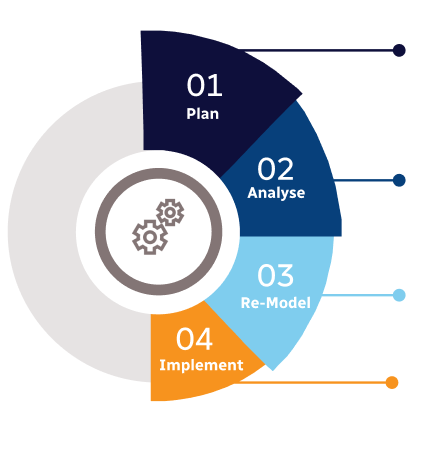
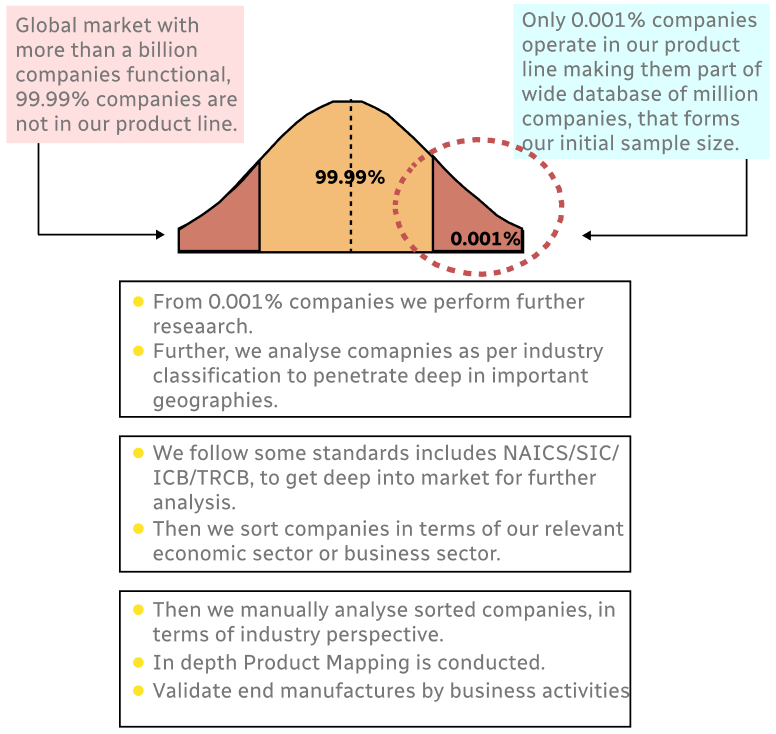
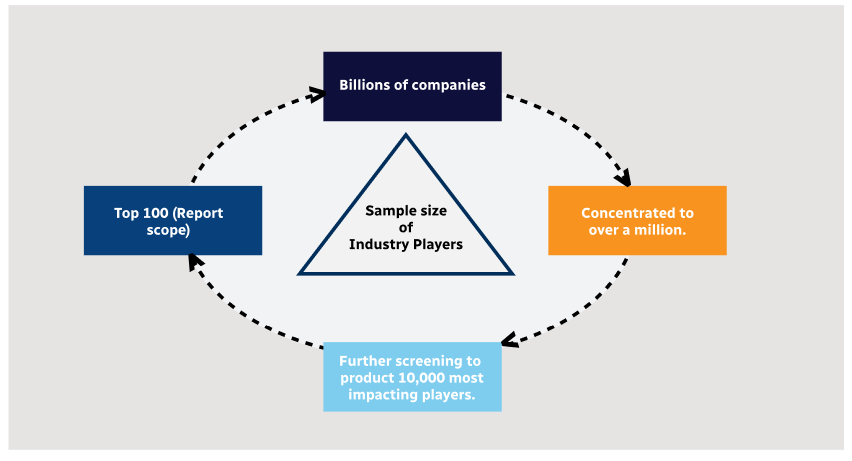
Step 1 - Identification of Relevant Samples Size from Population Database
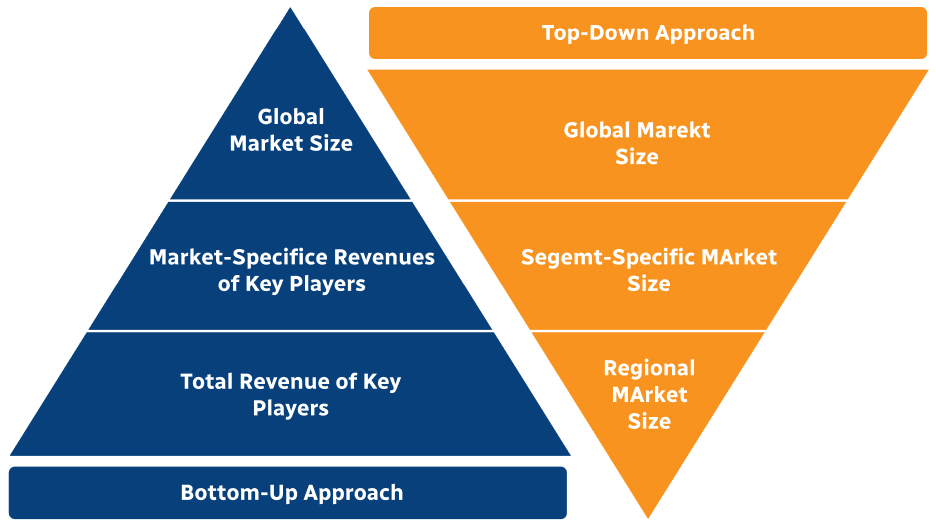
Step 2 - Approaches for Defining Global Market Size (Value, Volume* & Price*)
Note*: In applicable scenarios
Step 3 - Data Sources
Primary Research
- Web Analytics
- Survey Reports
- Research Institute
- Latest Research Reports
- Opinion Leaders
Secondary Research
- Annual Reports
- White Paper
- Latest Press Release
- Industry Association
- Paid Database
- Investor Presentations
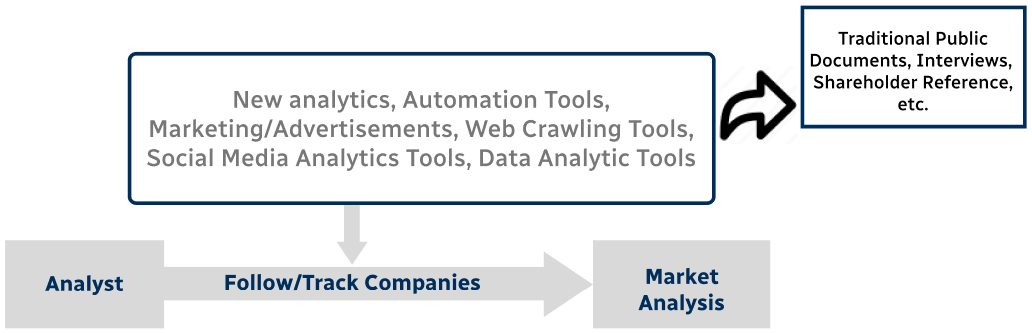
Step 4 - Data Triangulation
Involves using different sources of information in order to increase the validity of a study
These sources are likely to be stakeholders in a program - participants, other researchers, program staff, other community members, and so on.
Then we put all data in single framework & apply various statistical tools to find out the dynamic on the market.
During the analysis stage, feedback from the stakeholder groups would be compared to determine areas of agreement as well as areas of divergence