


Key Insights
The global Low Density Sheet Molding Compound (SMC) market is poised for robust expansion, projected to reach a significant market size of approximately $1,500 million by 2025. This growth is propelled by a compelling Compound Annual Growth Rate (CAGR) of around 6.5%, indicating a steady and sustained upward trajectory through to 2033. The market's dynamism is largely attributed to the increasing demand for lightweight and durable materials across diverse industrial applications. Key drivers include the automotive sector's persistent pursuit of fuel efficiency and reduced emissions, leading to the adoption of SMC for exterior and interior components. The electrical and energy sector also presents substantial opportunities, with SMC being utilized in enclosures and insulation for its excellent electrical properties and fire retardancy. Furthermore, the construction industry's growing preference for weather-resistant and easy-to-install building materials further bolsters market demand.
.png&w=1920&q=75)
Low Density Sheet Molding Compound (SMC) Market Size (In Billion)

The market's expansion is further influenced by evolving trends such as advancements in composite material technology, enabling the development of SMC with enhanced mechanical properties and reduced density. The increasing focus on sustainable manufacturing practices also favors SMC due to its recyclability and lower energy requirements during production compared to traditional materials. However, certain restraints, such as the initial capital investment required for specialized processing equipment and the presence of established alternative materials, may moderate the pace of growth in specific segments. Despite these challenges, the projected market value, expected to climb steadily and exceed $2,500 million by 2033, underscores the strong inherent potential and future prospects of the Low Density SMC market. The market is segmented into General Grade and High Impact Grade types, with applications spanning Automotive, Electrical & Energy, Construction, and Others, showcasing its versatility.
.png&w=1920&q=75)
Low Density Sheet Molding Compound (SMC) Company Market Share
Low Density Sheet Molding Compound (SMC) Market Research Report: Growth, Trends, and Future Outlook (2019-2033)
Report Description:
Uncover the dynamic evolution of the Low Density Sheet Molding Compound (SMC) market with this comprehensive, SEO-optimized report. Delve into critical market insights, growth trajectories, and future opportunities spanning from 2019 to 2033. This in-depth analysis provides unparalleled visibility into the automotive SMC, electrical and energy SMC, construction SMC, and other applications of Low Density SMC. Explore the nuances of general grade SMC versus high impact grade SMC, understanding their distinct market penetrations and performance advantages.
This report leverages advanced analytical tools and extensive industry data to deliver actionable intelligence. With a base year of 2025 and a robust forecast period of 2025–2033, it meticulously examines market size, CAGR, adoption rates, and technological disruptions. Identify dominant regions, countries, and segments, supported by quantitative data and qualitative insights. Unravel the product landscape, highlighting innovations and unique selling propositions. Crucially, this report dissects the key drivers, barriers, challenges, and emerging opportunities shaping the Low Density SMC industry, providing a clear roadmap for strategic decision-making. We provide detailed analysis on companies such as IDI Composites International, Menzolit, Polynt, Molymer SSP, Continental Structural Plastics, SDK, Devi Polymers, DIC, Huamei New Material, Yueqing SMC & BMC, Tianma Group, Jiangshi Composite, Huayuan Group, BI-GOLD New Material, Changzhou Rixin, Fonda Thermoset Plastic, SIDA composites, Fu Runda Group, and more. Understand market concentration, technological innovation drivers, and regulatory frameworks that influence the competitive landscape.
This report is an essential resource for manufacturers, suppliers, investors, and industry stakeholders seeking to capitalize on the significant growth potential within the global Low Density SMC market.
Low Density Sheet Molding Compound (SMC) Market Dynamics & Structure
The Low Density Sheet Molding Compound (SMC) market exhibits a moderately concentrated structure, with a few key players holding significant market share, alongside a growing number of regional and specialized manufacturers. Technological innovation serves as a primary driver, with ongoing advancements in resin formulations, fiber reinforcement, and processing techniques leading to lighter, stronger, and more versatile SMC materials. Regulatory frameworks, particularly concerning environmental sustainability and safety standards in automotive and construction sectors, are increasingly influencing product development and material selection. Competitive product substitutes, such as traditional plastics, metals, and other composite materials, present a constant challenge, necessitating continuous improvement in cost-effectiveness and performance. End-user demographics are shifting towards industries demanding lightweighting solutions for fuel efficiency (automotive) and energy savings (construction, electrical & energy). Mergers and acquisitions (M&A) trends are evident as larger companies seek to expand their product portfolios, geographical reach, and technological capabilities.
- Market Concentration: Dominated by key players like Polynt, Menzolit, and Continental Structural Plastics, with emerging regional players gaining traction.
- Technological Innovation: Focus on developing higher strength-to-weight ratios, improved fire retardancy, and enhanced recyclability.
- Regulatory Frameworks: Stringent emissions standards in automotive and building codes for material safety are shaping R&D priorities.
- Competitive Substitutes: High competition from aluminum, steel, thermoplastics, and other advanced composites.
- End-User Demographics: Increasing demand from lightweighting initiatives in automotive and energy-efficient building solutions.
- M&A Trends: Strategic acquisitions to gain access to new technologies and expand market presence. For instance, the acquisition of Polynt by an affiliate of PAI Partners and Black Diamond in 2017, and subsequent mergers within the composite sector, highlight consolidation efforts. Deal volumes are predicted to remain steady, driven by the pursuit of synergies and market leadership.
Low Density Sheet Molding Compound (SMC) Growth Trends & Insights
The global Low Density Sheet Molding Compound (SMC) market is poised for robust growth, projected to expand at a Compound Annual Growth Rate (CAGR) of approximately 5.2% from 2025 to 2033. This expansion is primarily fueled by the increasing demand for lightweight materials across various end-use industries, most notably automotive and construction. The push for enhanced fuel efficiency in vehicles and the growing emphasis on sustainable building practices are significant adoption rate accelerators. Technological disruptions, such as advancements in high-pressure molding techniques and the integration of novel reinforcing fibers, are continuously improving the performance characteristics of Low Density SMC, making it a more attractive alternative to traditional materials like steel and aluminum. Consumer behavior shifts are also playing a crucial role; end-users are increasingly prioritizing products that offer improved performance, durability, and environmental benefits, which Low Density SMC can deliver.
The market size of Low Density SMC is estimated to reach approximately $7.5 billion in 2025, with projections indicating a steady upward trajectory throughout the forecast period. Market penetration is deepening, particularly in emerging economies where industrialization and infrastructure development are creating new avenues for application. Innovations in resin chemistry are leading to materials with superior mechanical properties, enhanced thermal resistance, and improved aesthetic finishes, thereby broadening the scope of applications. For example, the development of Low Density SMC with improved impact resistance is crucial for automotive interior and exterior components. Furthermore, the increasing environmental consciousness among consumers and regulatory bodies is driving the adoption of materials that contribute to reduced carbon footprints throughout their lifecycle. The ability of Low Density SMC to be molded into complex shapes with minimal secondary operations also contributes to its growing popularity, offering cost savings and design flexibility. The anticipated market size in 2033 is projected to be around $11.5 billion, reflecting sustained demand and innovation within the sector.
Dominant Regions, Countries, or Segments in Low Density Sheet Molding Compound (SMC)
The Automotive segment is the undisputed leader in the Low Density Sheet Molding Compound (SMC) market, driven by a confluence of factors including stringent lightweighting mandates, demand for improved fuel efficiency, and advancements in electric vehicle (EV) technology. This segment's dominance is further reinforced by the automotive industry's continuous pursuit of cost-effective solutions for producing complex, high-performance components. The forecast period anticipates the automotive application to hold over 45% of the global Low Density SMC market share.
Automotive:
- Key Drivers: Lightweighting initiatives for fuel economy and reduced emissions, enhanced safety standards requiring energy-absorbing structures, and the increasing use of SMC in electric vehicle components like battery enclosures and body panels.
- Market Share: Expected to constitute over 45% of the total market value by 2033.
- Growth Potential: High, due to the ongoing transition towards EVs and stricter regulatory requirements.
- Example Applications: Hoods, fenders, body panels, liftgates, interior trim components, and structural elements.
Electrical & Energy:
- Key Drivers: Demand for durable, weather-resistant, and electrically insulating materials for enclosures, housings, and structural components in power distribution systems, renewable energy infrastructure (e.g., solar panel frames), and telecommunications equipment.
- Market Share: A significant and growing segment, projected to reach around 25% of the market by 2033.
- Growth Potential: Moderate to high, driven by global investments in grid modernization and renewable energy expansion.
- Example Applications: Electrical enclosures, switchgear components, lighting fixtures, and telecommunication equipment housings.
Construction:
- Key Drivers: The need for durable, weather-resistant, and aesthetically versatile materials for building components such as facade panels, roofing elements, and sanitary ware. Growing adoption of composite materials for energy-efficient building designs.
- Market Share: Expected to account for approximately 20% of the market by 2033.
- Growth Potential: Moderate, influenced by construction industry trends and the adoption of innovative building materials.
- Example Applications: Facade cladding, roofing tiles, shower stalls, bathtubs, and window frames.
Others: This segment encompasses a diverse range of applications including industrial equipment, marine components, and consumer goods, contributing the remaining share.
Within the Types of Low Density SMC, General Grade SMC currently holds a larger market share due to its versatility and cost-effectiveness in a wide array of applications. However, High Impact Grade SMC is experiencing a more rapid growth rate as industries, particularly automotive, demand materials with enhanced durability and safety features. By 2033, High Impact Grade SMC is expected to capture a substantial portion of the market share, driven by advancements in its formulation and processing.
Low Density Sheet Molding Compound (SMC) Product Landscape
The product landscape of Low Density Sheet Molding Compound (SMC) is characterized by continuous innovation aimed at enhancing material properties and expanding application versatility. Manufacturers are developing advanced SMC formulations that offer exceptional strength-to-weight ratios, significantly reducing the overall mass of manufactured parts, particularly critical in the automotive sector for fuel efficiency. Innovations also focus on improving flame retardancy, UV resistance, and chemical inertness, making Low Density SMC suitable for demanding environments in electrical and energy applications and durable construction elements. Unique selling propositions often lie in the ability to achieve complex geometries, integrate functionalities like electrical conductivity or thermal management, and offer aesthetic finishes. Technological advancements in fiber dispersion and resin matrix compatibility are leading to materials with superior impact performance and crack resistance, further pushing the boundaries of what Low Density SMC can achieve.
Key Drivers, Barriers & Challenges in Low Density Sheet Molding Compound (SMC)
Key Drivers:
- Lightweighting Initiatives: The relentless pursuit of weight reduction in automotive and aerospace for improved fuel efficiency and performance is a primary growth engine.
- Sustainability Demands: Increasing focus on recyclability, reduced energy consumption during manufacturing, and lower carbon footprint of end products favors composite materials.
- Design Flexibility & Complexity: The ability of SMC to be molded into intricate shapes with integrated features reduces part count and assembly costs.
- Corrosion Resistance & Durability: Superior resistance to chemicals and environmental factors makes it ideal for challenging applications.
Barriers & Challenges:
- Raw Material Cost Volatility: Fluctuations in the price of resins and reinforcing fibers can impact overall cost-effectiveness.
- High Initial Tooling Costs: The upfront investment for molds can be a barrier for smaller manufacturers or for low-volume production runs.
- Processing Limitations: While advancing, certain complex manufacturing processes or extremely high-volume production might still favor other materials.
- Competition from Traditional Materials: Established supply chains and familiarity with materials like steel and aluminum can create inertia.
- Recycling Infrastructure: The development of robust and economically viable recycling processes for thermoset composites is still evolving, presenting a challenge to full circularity.
- Supply Chain Disruptions: Global events can impact the availability and cost of critical raw materials, affecting production schedules.
Emerging Opportunities in Low Density Sheet Molding Compound (SMC)
Emerging opportunities for Low Density Sheet Molding Compound (SMC) lie in the expanding electric vehicle (EV) market, where lightweight battery enclosures and structural components are crucial for range and performance. The growing demand for sustainable building materials in green construction projects presents a significant avenue for architectural applications. Furthermore, the advancement of additive manufacturing techniques combined with SMC could unlock new possibilities for rapid prototyping and customized component production. Increased investment in renewable energy infrastructure, such as wind turbine components and solar panel frames, will also drive demand for durable and lightweight composite solutions.
Growth Accelerators in the Low Density Sheet Molding Compound (SMC) Industry
Several factors are poised to accelerate the growth of the Low Density Sheet Molding Compound (SMC) industry. Technological breakthroughs in nanotechnology and the development of self-healing composites will enhance material performance and longevity, opening up new high-value applications. Strategic partnerships between SMC manufacturers and original equipment manufacturers (OEMs) will foster innovation and tailor-made solutions. Market expansion into developing economies, driven by industrialization and infrastructure development, will create new demand centers. The increasing regulatory push for lightweighting and reduced emissions will continue to be a powerful growth catalyst, making Low Density SMC a preferred material choice.
Key Players Shaping the Low Density Sheet Molding Compound (SMC) Market
- IDI Composites International
- Menzolit
- Polynt
- Molymer SSP
- Continental Structural Plastics
- SDK
- Devi Polymers
- DIC
- Huamei New Material
- Yueqing SMC & BMC
- Tianma Group
- Jiangshi Composite
- Huayuan Group
- BI-GOLD New Material
- Changzhou Rixin
- Fonda Thermoset Plastic
- SIDA composites
- Fu Runda Group
Notable Milestones in Low Density Sheet Molding Compound (SMC) Sector
- 2019: Increased R&D focus on bio-based resins for more sustainable SMC formulations.
- 2020: Significant adoption of Low Density SMC in electric vehicle battery enclosures due to thermal management properties and weight reduction.
- 2021: Development of enhanced fire-retardant Low Density SMC grades for construction applications meeting stricter building codes.
- 2022: Key mergers and acquisitions within the composite materials sector aimed at market consolidation and technological synergy.
- 2023: Advancements in high-pressure molding techniques leading to improved surface finish and faster cycle times for Low Density SMC parts.
- 2024: Growing interest and initial implementation of advanced recycling technologies for thermoset composites, including SMC.
- 2025 (Projected): Further integration of Low Density SMC in advanced driver-assistance systems (ADAS) components for automotive.
- 2026-2030 (Projected): Expected emergence of novel reinforcement technologies (e.g., nanomaterials) further enhancing performance.
- 2031-2033 (Projected): Increased market penetration in emerging economies driven by infrastructure projects and automotive manufacturing growth.
In-Depth Low Density Sheet Molding Compound (SMC) Market Outlook
The future outlook for the Low Density Sheet Molding Compound (SMC) market is exceptionally bright, fueled by a powerful combination of sustainability imperatives, technological advancements, and evolving industry demands. Growth accelerators such as the accelerating transition to electric vehicles, stringent global lightweighting regulations, and the increasing preference for durable and energy-efficient construction materials will continue to drive robust demand. Innovations in material science, including the development of advanced composites with superior mechanical properties and enhanced environmental profiles, will unlock new application areas and solidify SMC's position as a material of choice. Strategic collaborations and market expansions are anticipated to further fortify this growth trajectory, ensuring sustained expansion and market leadership in the coming years.
Low Density Sheet Molding Compound (SMC) Segmentation
-
1. Application
- 1.1. Automotive
- 1.2. Electrical & Energy
- 1.3. Construction
- 1.4. Others
-
2. Types
- 2.1. General Grade
- 2.2. High Impact Grade
Low Density Sheet Molding Compound (SMC) Segmentation By Geography
-
1. North America
- 1.1. United States
- 1.2. Canada
- 1.3. Mexico
-
2. South America
- 2.1. Brazil
- 2.2. Argentina
- 2.3. Rest of South America
-
3. Europe
- 3.1. United Kingdom
- 3.2. Germany
- 3.3. France
- 3.4. Italy
- 3.5. Spain
- 3.6. Russia
- 3.7. Benelux
- 3.8. Nordics
- 3.9. Rest of Europe
-
4. Middle East & Africa
- 4.1. Turkey
- 4.2. Israel
- 4.3. GCC
- 4.4. North Africa
- 4.5. South Africa
- 4.6. Rest of Middle East & Africa
-
5. Asia Pacific
- 5.1. China
- 5.2. India
- 5.3. Japan
- 5.4. South Korea
- 5.5. ASEAN
- 5.6. Oceania
- 5.7. Rest of Asia Pacific
.png&w=1920&q=75)
Low Density Sheet Molding Compound (SMC) Regional Market Share
Geographic Coverage of Low Density Sheet Molding Compound (SMC)
Low Density Sheet Molding Compound (SMC) REPORT HIGHLIGHTS
| Aspects | Details |
|---|---|
| Study Period | 2020-2034 |
| Base Year | 2025 |
| Estimated Year | 2026 |
| Forecast Period | 2026-2034 |
| Historical Period | 2020-2025 |
| Growth Rate | CAGR of XX% from 2020-2034 |
| Segmentation |
|
Table of Contents
- 1. Introduction
- 1.1. Research Scope
- 1.2. Market Segmentation
- 1.3. Research Methodology
- 1.4. Definitions and Assumptions
- 2. Executive Summary
- 2.1. Introduction
- 3. Market Dynamics
- 3.1. Introduction
- 3.2. Market Drivers
- 3.3. Market Restrains
- 3.4. Market Trends
- 4. Market Factor Analysis
- 4.1. Porters Five Forces
- 4.2. Supply/Value Chain
- 4.3. PESTEL analysis
- 4.4. Market Entropy
- 4.5. Patent/Trademark Analysis
- 5. Global Low Density Sheet Molding Compound (SMC) Analysis, Insights and Forecast, 2020-2032
- 5.1. Market Analysis, Insights and Forecast - by Application
- 5.1.1. Automotive
- 5.1.2. Electrical & Energy
- 5.1.3. Construction
- 5.1.4. Others
- 5.2. Market Analysis, Insights and Forecast - by Types
- 5.2.1. General Grade
- 5.2.2. High Impact Grade
- 5.3. Market Analysis, Insights and Forecast - by Region
- 5.3.1. North America
- 5.3.2. South America
- 5.3.3. Europe
- 5.3.4. Middle East & Africa
- 5.3.5. Asia Pacific
- 5.1. Market Analysis, Insights and Forecast - by Application
- 6. North America Low Density Sheet Molding Compound (SMC) Analysis, Insights and Forecast, 2020-2032
- 6.1. Market Analysis, Insights and Forecast - by Application
- 6.1.1. Automotive
- 6.1.2. Electrical & Energy
- 6.1.3. Construction
- 6.1.4. Others
- 6.2. Market Analysis, Insights and Forecast - by Types
- 6.2.1. General Grade
- 6.2.2. High Impact Grade
- 6.1. Market Analysis, Insights and Forecast - by Application
- 7. South America Low Density Sheet Molding Compound (SMC) Analysis, Insights and Forecast, 2020-2032
- 7.1. Market Analysis, Insights and Forecast - by Application
- 7.1.1. Automotive
- 7.1.2. Electrical & Energy
- 7.1.3. Construction
- 7.1.4. Others
- 7.2. Market Analysis, Insights and Forecast - by Types
- 7.2.1. General Grade
- 7.2.2. High Impact Grade
- 7.1. Market Analysis, Insights and Forecast - by Application
- 8. Europe Low Density Sheet Molding Compound (SMC) Analysis, Insights and Forecast, 2020-2032
- 8.1. Market Analysis, Insights and Forecast - by Application
- 8.1.1. Automotive
- 8.1.2. Electrical & Energy
- 8.1.3. Construction
- 8.1.4. Others
- 8.2. Market Analysis, Insights and Forecast - by Types
- 8.2.1. General Grade
- 8.2.2. High Impact Grade
- 8.1. Market Analysis, Insights and Forecast - by Application
- 9. Middle East & Africa Low Density Sheet Molding Compound (SMC) Analysis, Insights and Forecast, 2020-2032
- 9.1. Market Analysis, Insights and Forecast - by Application
- 9.1.1. Automotive
- 9.1.2. Electrical & Energy
- 9.1.3. Construction
- 9.1.4. Others
- 9.2. Market Analysis, Insights and Forecast - by Types
- 9.2.1. General Grade
- 9.2.2. High Impact Grade
- 9.1. Market Analysis, Insights and Forecast - by Application
- 10. Asia Pacific Low Density Sheet Molding Compound (SMC) Analysis, Insights and Forecast, 2020-2032
- 10.1. Market Analysis, Insights and Forecast - by Application
- 10.1.1. Automotive
- 10.1.2. Electrical & Energy
- 10.1.3. Construction
- 10.1.4. Others
- 10.2. Market Analysis, Insights and Forecast - by Types
- 10.2.1. General Grade
- 10.2.2. High Impact Grade
- 10.1. Market Analysis, Insights and Forecast - by Application
- 11. Competitive Analysis
- 11.1. Global Market Share Analysis 2025
- 11.2. Company Profiles
- 11.2.1 IDI Composites International
- 11.2.1.1. Overview
- 11.2.1.2. Products
- 11.2.1.3. SWOT Analysis
- 11.2.1.4. Recent Developments
- 11.2.1.5. Financials (Based on Availability)
- 11.2.2 Menzolit
- 11.2.2.1. Overview
- 11.2.2.2. Products
- 11.2.2.3. SWOT Analysis
- 11.2.2.4. Recent Developments
- 11.2.2.5. Financials (Based on Availability)
- 11.2.3 Polynt
- 11.2.3.1. Overview
- 11.2.3.2. Products
- 11.2.3.3. SWOT Analysis
- 11.2.3.4. Recent Developments
- 11.2.3.5. Financials (Based on Availability)
- 11.2.4 Molymer SSP
- 11.2.4.1. Overview
- 11.2.4.2. Products
- 11.2.4.3. SWOT Analysis
- 11.2.4.4. Recent Developments
- 11.2.4.5. Financials (Based on Availability)
- 11.2.5 Continental Structural Plastics
- 11.2.5.1. Overview
- 11.2.5.2. Products
- 11.2.5.3. SWOT Analysis
- 11.2.5.4. Recent Developments
- 11.2.5.5. Financials (Based on Availability)
- 11.2.6 SDK
- 11.2.6.1. Overview
- 11.2.6.2. Products
- 11.2.6.3. SWOT Analysis
- 11.2.6.4. Recent Developments
- 11.2.6.5. Financials (Based on Availability)
- 11.2.7 Devi Polymers
- 11.2.7.1. Overview
- 11.2.7.2. Products
- 11.2.7.3. SWOT Analysis
- 11.2.7.4. Recent Developments
- 11.2.7.5. Financials (Based on Availability)
- 11.2.8 DIC
- 11.2.8.1. Overview
- 11.2.8.2. Products
- 11.2.8.3. SWOT Analysis
- 11.2.8.4. Recent Developments
- 11.2.8.5. Financials (Based on Availability)
- 11.2.9 Huamei New Material
- 11.2.9.1. Overview
- 11.2.9.2. Products
- 11.2.9.3. SWOT Analysis
- 11.2.9.4. Recent Developments
- 11.2.9.5. Financials (Based on Availability)
- 11.2.10 Yueqing SMC & BMC
- 11.2.10.1. Overview
- 11.2.10.2. Products
- 11.2.10.3. SWOT Analysis
- 11.2.10.4. Recent Developments
- 11.2.10.5. Financials (Based on Availability)
- 11.2.11 Tianma Group
- 11.2.11.1. Overview
- 11.2.11.2. Products
- 11.2.11.3. SWOT Analysis
- 11.2.11.4. Recent Developments
- 11.2.11.5. Financials (Based on Availability)
- 11.2.12 Jiangshi Composite
- 11.2.12.1. Overview
- 11.2.12.2. Products
- 11.2.12.3. SWOT Analysis
- 11.2.12.4. Recent Developments
- 11.2.12.5. Financials (Based on Availability)
- 11.2.13 Huayuan Group
- 11.2.13.1. Overview
- 11.2.13.2. Products
- 11.2.13.3. SWOT Analysis
- 11.2.13.4. Recent Developments
- 11.2.13.5. Financials (Based on Availability)
- 11.2.14 BI-GOLD New Material
- 11.2.14.1. Overview
- 11.2.14.2. Products
- 11.2.14.3. SWOT Analysis
- 11.2.14.4. Recent Developments
- 11.2.14.5. Financials (Based on Availability)
- 11.2.15 Changzhou Rixin
- 11.2.15.1. Overview
- 11.2.15.2. Products
- 11.2.15.3. SWOT Analysis
- 11.2.15.4. Recent Developments
- 11.2.15.5. Financials (Based on Availability)
- 11.2.16 Fonda Thermoset Plastic
- 11.2.16.1. Overview
- 11.2.16.2. Products
- 11.2.16.3. SWOT Analysis
- 11.2.16.4. Recent Developments
- 11.2.16.5. Financials (Based on Availability)
- 11.2.17 SIDA composites
- 11.2.17.1. Overview
- 11.2.17.2. Products
- 11.2.17.3. SWOT Analysis
- 11.2.17.4. Recent Developments
- 11.2.17.5. Financials (Based on Availability)
- 11.2.18 Fu Runda Group
- 11.2.18.1. Overview
- 11.2.18.2. Products
- 11.2.18.3. SWOT Analysis
- 11.2.18.4. Recent Developments
- 11.2.18.5. Financials (Based on Availability)
- 11.2.1 IDI Composites International
List of Figures
- Figure 1: Global Low Density Sheet Molding Compound (SMC) Revenue Breakdown (million, %) by Region 2025 & 2033
- Figure 2: North America Low Density Sheet Molding Compound (SMC) Revenue (million), by Application 2025 & 2033
- Figure 3: North America Low Density Sheet Molding Compound (SMC) Revenue Share (%), by Application 2025 & 2033
- Figure 4: North America Low Density Sheet Molding Compound (SMC) Revenue (million), by Types 2025 & 2033
- Figure 5: North America Low Density Sheet Molding Compound (SMC) Revenue Share (%), by Types 2025 & 2033
- Figure 6: North America Low Density Sheet Molding Compound (SMC) Revenue (million), by Country 2025 & 2033
- Figure 7: North America Low Density Sheet Molding Compound (SMC) Revenue Share (%), by Country 2025 & 2033
- Figure 8: South America Low Density Sheet Molding Compound (SMC) Revenue (million), by Application 2025 & 2033
- Figure 9: South America Low Density Sheet Molding Compound (SMC) Revenue Share (%), by Application 2025 & 2033
- Figure 10: South America Low Density Sheet Molding Compound (SMC) Revenue (million), by Types 2025 & 2033
- Figure 11: South America Low Density Sheet Molding Compound (SMC) Revenue Share (%), by Types 2025 & 2033
- Figure 12: South America Low Density Sheet Molding Compound (SMC) Revenue (million), by Country 2025 & 2033
- Figure 13: South America Low Density Sheet Molding Compound (SMC) Revenue Share (%), by Country 2025 & 2033
- Figure 14: Europe Low Density Sheet Molding Compound (SMC) Revenue (million), by Application 2025 & 2033
- Figure 15: Europe Low Density Sheet Molding Compound (SMC) Revenue Share (%), by Application 2025 & 2033
- Figure 16: Europe Low Density Sheet Molding Compound (SMC) Revenue (million), by Types 2025 & 2033
- Figure 17: Europe Low Density Sheet Molding Compound (SMC) Revenue Share (%), by Types 2025 & 2033
- Figure 18: Europe Low Density Sheet Molding Compound (SMC) Revenue (million), by Country 2025 & 2033
- Figure 19: Europe Low Density Sheet Molding Compound (SMC) Revenue Share (%), by Country 2025 & 2033
- Figure 20: Middle East & Africa Low Density Sheet Molding Compound (SMC) Revenue (million), by Application 2025 & 2033
- Figure 21: Middle East & Africa Low Density Sheet Molding Compound (SMC) Revenue Share (%), by Application 2025 & 2033
- Figure 22: Middle East & Africa Low Density Sheet Molding Compound (SMC) Revenue (million), by Types 2025 & 2033
- Figure 23: Middle East & Africa Low Density Sheet Molding Compound (SMC) Revenue Share (%), by Types 2025 & 2033
- Figure 24: Middle East & Africa Low Density Sheet Molding Compound (SMC) Revenue (million), by Country 2025 & 2033
- Figure 25: Middle East & Africa Low Density Sheet Molding Compound (SMC) Revenue Share (%), by Country 2025 & 2033
- Figure 26: Asia Pacific Low Density Sheet Molding Compound (SMC) Revenue (million), by Application 2025 & 2033
- Figure 27: Asia Pacific Low Density Sheet Molding Compound (SMC) Revenue Share (%), by Application 2025 & 2033
- Figure 28: Asia Pacific Low Density Sheet Molding Compound (SMC) Revenue (million), by Types 2025 & 2033
- Figure 29: Asia Pacific Low Density Sheet Molding Compound (SMC) Revenue Share (%), by Types 2025 & 2033
- Figure 30: Asia Pacific Low Density Sheet Molding Compound (SMC) Revenue (million), by Country 2025 & 2033
- Figure 31: Asia Pacific Low Density Sheet Molding Compound (SMC) Revenue Share (%), by Country 2025 & 2033
List of Tables
- Table 1: Global Low Density Sheet Molding Compound (SMC) Revenue million Forecast, by Application 2020 & 2033
- Table 2: Global Low Density Sheet Molding Compound (SMC) Revenue million Forecast, by Types 2020 & 2033
- Table 3: Global Low Density Sheet Molding Compound (SMC) Revenue million Forecast, by Region 2020 & 2033
- Table 4: Global Low Density Sheet Molding Compound (SMC) Revenue million Forecast, by Application 2020 & 2033
- Table 5: Global Low Density Sheet Molding Compound (SMC) Revenue million Forecast, by Types 2020 & 2033
- Table 6: Global Low Density Sheet Molding Compound (SMC) Revenue million Forecast, by Country 2020 & 2033
- Table 7: United States Low Density Sheet Molding Compound (SMC) Revenue (million) Forecast, by Application 2020 & 2033
- Table 8: Canada Low Density Sheet Molding Compound (SMC) Revenue (million) Forecast, by Application 2020 & 2033
- Table 9: Mexico Low Density Sheet Molding Compound (SMC) Revenue (million) Forecast, by Application 2020 & 2033
- Table 10: Global Low Density Sheet Molding Compound (SMC) Revenue million Forecast, by Application 2020 & 2033
- Table 11: Global Low Density Sheet Molding Compound (SMC) Revenue million Forecast, by Types 2020 & 2033
- Table 12: Global Low Density Sheet Molding Compound (SMC) Revenue million Forecast, by Country 2020 & 2033
- Table 13: Brazil Low Density Sheet Molding Compound (SMC) Revenue (million) Forecast, by Application 2020 & 2033
- Table 14: Argentina Low Density Sheet Molding Compound (SMC) Revenue (million) Forecast, by Application 2020 & 2033
- Table 15: Rest of South America Low Density Sheet Molding Compound (SMC) Revenue (million) Forecast, by Application 2020 & 2033
- Table 16: Global Low Density Sheet Molding Compound (SMC) Revenue million Forecast, by Application 2020 & 2033
- Table 17: Global Low Density Sheet Molding Compound (SMC) Revenue million Forecast, by Types 2020 & 2033
- Table 18: Global Low Density Sheet Molding Compound (SMC) Revenue million Forecast, by Country 2020 & 2033
- Table 19: United Kingdom Low Density Sheet Molding Compound (SMC) Revenue (million) Forecast, by Application 2020 & 2033
- Table 20: Germany Low Density Sheet Molding Compound (SMC) Revenue (million) Forecast, by Application 2020 & 2033
- Table 21: France Low Density Sheet Molding Compound (SMC) Revenue (million) Forecast, by Application 2020 & 2033
- Table 22: Italy Low Density Sheet Molding Compound (SMC) Revenue (million) Forecast, by Application 2020 & 2033
- Table 23: Spain Low Density Sheet Molding Compound (SMC) Revenue (million) Forecast, by Application 2020 & 2033
- Table 24: Russia Low Density Sheet Molding Compound (SMC) Revenue (million) Forecast, by Application 2020 & 2033
- Table 25: Benelux Low Density Sheet Molding Compound (SMC) Revenue (million) Forecast, by Application 2020 & 2033
- Table 26: Nordics Low Density Sheet Molding Compound (SMC) Revenue (million) Forecast, by Application 2020 & 2033
- Table 27: Rest of Europe Low Density Sheet Molding Compound (SMC) Revenue (million) Forecast, by Application 2020 & 2033
- Table 28: Global Low Density Sheet Molding Compound (SMC) Revenue million Forecast, by Application 2020 & 2033
- Table 29: Global Low Density Sheet Molding Compound (SMC) Revenue million Forecast, by Types 2020 & 2033
- Table 30: Global Low Density Sheet Molding Compound (SMC) Revenue million Forecast, by Country 2020 & 2033
- Table 31: Turkey Low Density Sheet Molding Compound (SMC) Revenue (million) Forecast, by Application 2020 & 2033
- Table 32: Israel Low Density Sheet Molding Compound (SMC) Revenue (million) Forecast, by Application 2020 & 2033
- Table 33: GCC Low Density Sheet Molding Compound (SMC) Revenue (million) Forecast, by Application 2020 & 2033
- Table 34: North Africa Low Density Sheet Molding Compound (SMC) Revenue (million) Forecast, by Application 2020 & 2033
- Table 35: South Africa Low Density Sheet Molding Compound (SMC) Revenue (million) Forecast, by Application 2020 & 2033
- Table 36: Rest of Middle East & Africa Low Density Sheet Molding Compound (SMC) Revenue (million) Forecast, by Application 2020 & 2033
- Table 37: Global Low Density Sheet Molding Compound (SMC) Revenue million Forecast, by Application 2020 & 2033
- Table 38: Global Low Density Sheet Molding Compound (SMC) Revenue million Forecast, by Types 2020 & 2033
- Table 39: Global Low Density Sheet Molding Compound (SMC) Revenue million Forecast, by Country 2020 & 2033
- Table 40: China Low Density Sheet Molding Compound (SMC) Revenue (million) Forecast, by Application 2020 & 2033
- Table 41: India Low Density Sheet Molding Compound (SMC) Revenue (million) Forecast, by Application 2020 & 2033
- Table 42: Japan Low Density Sheet Molding Compound (SMC) Revenue (million) Forecast, by Application 2020 & 2033
- Table 43: South Korea Low Density Sheet Molding Compound (SMC) Revenue (million) Forecast, by Application 2020 & 2033
- Table 44: ASEAN Low Density Sheet Molding Compound (SMC) Revenue (million) Forecast, by Application 2020 & 2033
- Table 45: Oceania Low Density Sheet Molding Compound (SMC) Revenue (million) Forecast, by Application 2020 & 2033
- Table 46: Rest of Asia Pacific Low Density Sheet Molding Compound (SMC) Revenue (million) Forecast, by Application 2020 & 2033
Frequently Asked Questions
1. What is the projected Compound Annual Growth Rate (CAGR) of the Low Density Sheet Molding Compound (SMC)?
The projected CAGR is approximately XX%.
2. Which companies are prominent players in the Low Density Sheet Molding Compound (SMC)?
Key companies in the market include IDI Composites International, Menzolit, Polynt, Molymer SSP, Continental Structural Plastics, SDK, Devi Polymers, DIC, Huamei New Material, Yueqing SMC & BMC, Tianma Group, Jiangshi Composite, Huayuan Group, BI-GOLD New Material, Changzhou Rixin, Fonda Thermoset Plastic, SIDA composites, Fu Runda Group.
3. What are the main segments of the Low Density Sheet Molding Compound (SMC)?
The market segments include Application, Types.
4. Can you provide details about the market size?
The market size is estimated to be USD XXX million as of 2022.
5. What are some drivers contributing to market growth?
N/A
6. What are the notable trends driving market growth?
N/A
7. Are there any restraints impacting market growth?
N/A
8. Can you provide examples of recent developments in the market?
N/A
9. What pricing options are available for accessing the report?
Pricing options include single-user, multi-user, and enterprise licenses priced at USD 4900.00, USD 7350.00, and USD 9800.00 respectively.
10. Is the market size provided in terms of value or volume?
The market size is provided in terms of value, measured in million.
11. Are there any specific market keywords associated with the report?
Yes, the market keyword associated with the report is "Low Density Sheet Molding Compound (SMC)," which aids in identifying and referencing the specific market segment covered.
12. How do I determine which pricing option suits my needs best?
The pricing options vary based on user requirements and access needs. Individual users may opt for single-user licenses, while businesses requiring broader access may choose multi-user or enterprise licenses for cost-effective access to the report.
13. Are there any additional resources or data provided in the Low Density Sheet Molding Compound (SMC) report?
While the report offers comprehensive insights, it's advisable to review the specific contents or supplementary materials provided to ascertain if additional resources or data are available.
14. How can I stay updated on further developments or reports in the Low Density Sheet Molding Compound (SMC)?
To stay informed about further developments, trends, and reports in the Low Density Sheet Molding Compound (SMC), consider subscribing to industry newsletters, following relevant companies and organizations, or regularly checking reputable industry news sources and publications.
Methodology
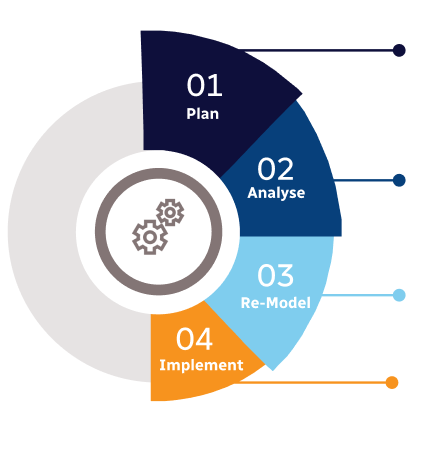
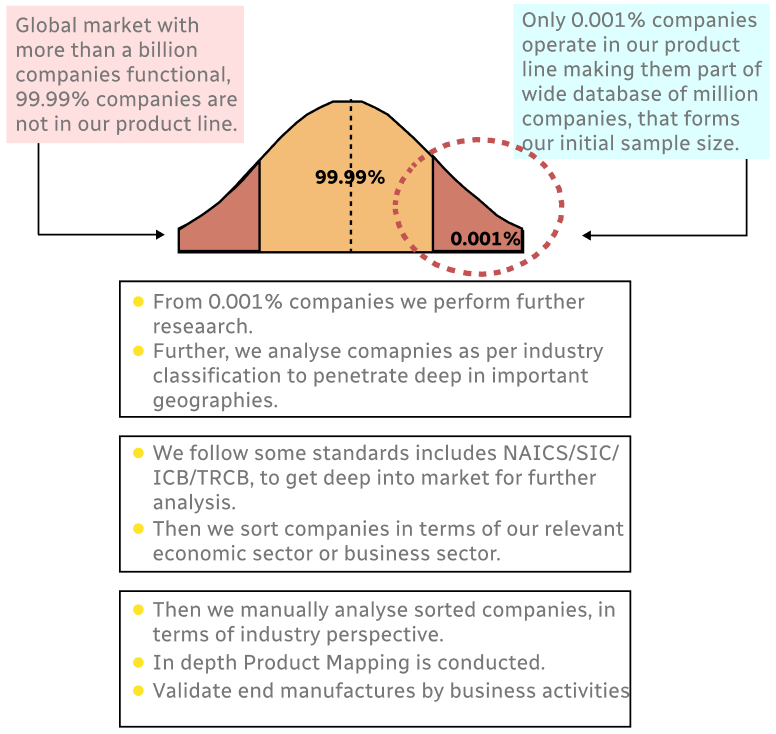
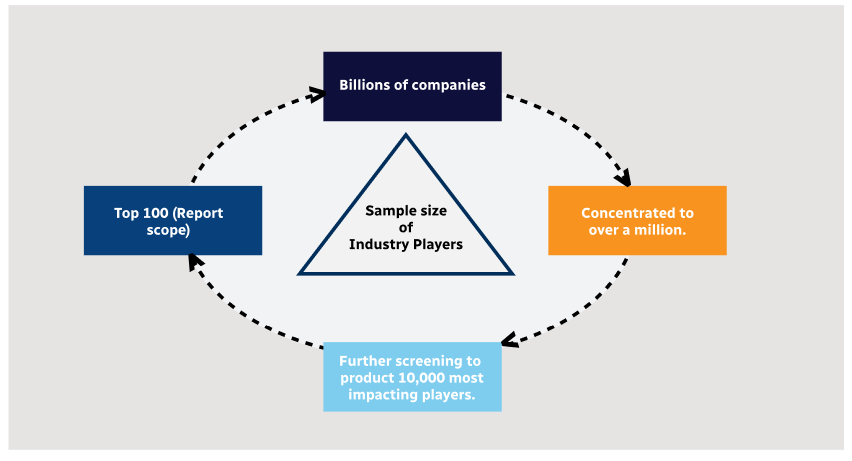
Step 1 - Identification of Relevant Samples Size from Population Database
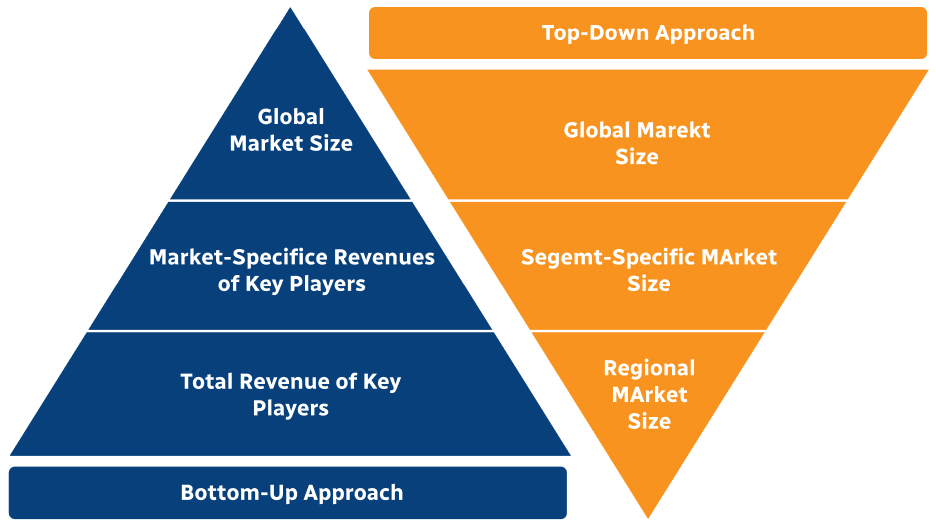
Step 2 - Approaches for Defining Global Market Size (Value, Volume* & Price*)
Note*: In applicable scenarios
Step 3 - Data Sources
Primary Research
- Web Analytics
- Survey Reports
- Research Institute
- Latest Research Reports
- Opinion Leaders
Secondary Research
- Annual Reports
- White Paper
- Latest Press Release
- Industry Association
- Paid Database
- Investor Presentations
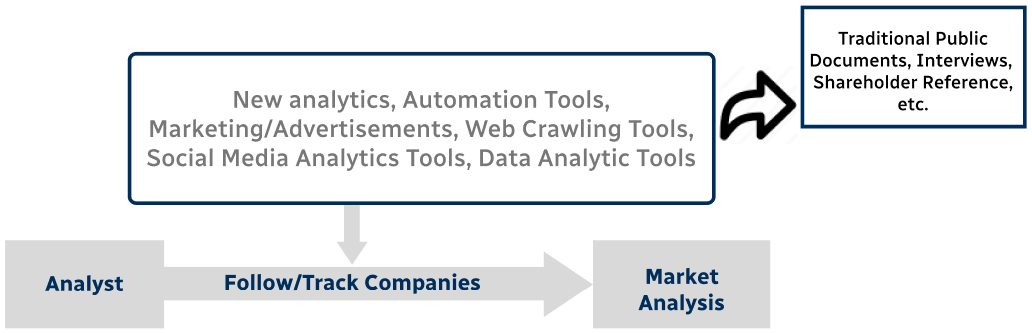
Step 4 - Data Triangulation
Involves using different sources of information in order to increase the validity of a study
These sources are likely to be stakeholders in a program - participants, other researchers, program staff, other community members, and so on.
Then we put all data in single framework & apply various statistical tools to find out the dynamic on the market.
During the analysis stage, feedback from the stakeholder groups would be compared to determine areas of agreement as well as areas of divergence