


Key Insights
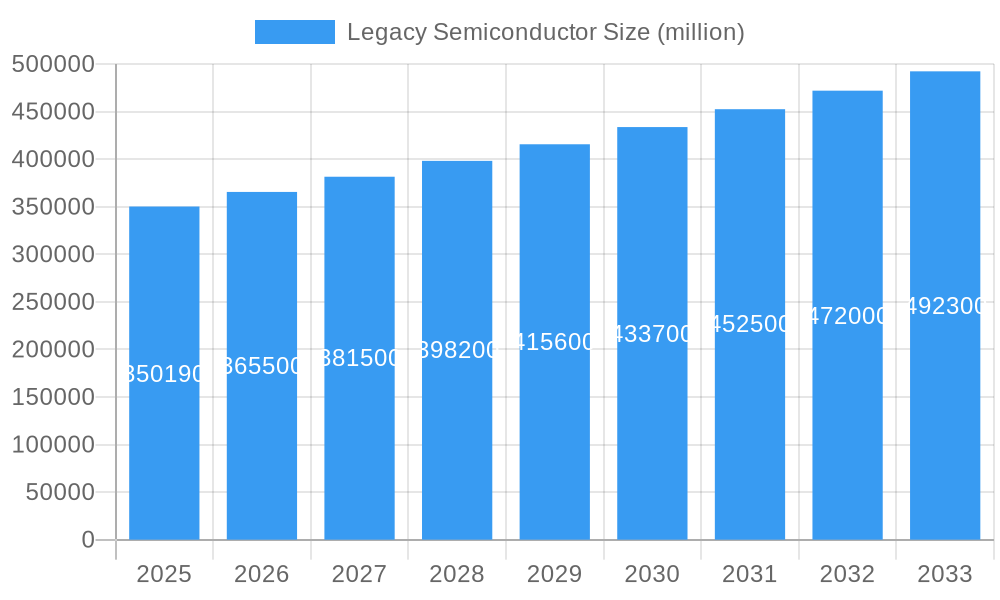
The global Legacy Semiconductor market is projected to reach a substantial USD 350,190 million by 2025, driven by the enduring demand across a wide spectrum of applications, including consumer electronics, the burgeoning Internet of Things (IoT), automotive systems, and industrial machinery. Despite the relentless advancements in cutting-edge semiconductor technologies, legacy nodes continue to play a critical role in ensuring the cost-effectiveness, reliability, and long-term availability of numerous essential products. The market is anticipated to experience a steady Compound Annual Growth Rate (CAGR) of 4.4% during the forecast period of 2025-2033, indicating a mature yet robust growth trajectory. Key drivers for this sustained expansion include the ongoing production of established electronics, the significant installed base of industrial equipment, and the need for cost-optimized solutions in mass-market consumer devices. Furthermore, the automotive sector's continued reliance on legacy nodes for specific functionalities, such as power management and control systems, contributes significantly to market stability. The inherent longevity and proven performance of these older fabrication processes make them indispensable for applications where rapid innovation is less critical than consistent supply and affordability.
Legacy Semiconductor Market Size (In Billion)

The growth of the legacy semiconductor market is further bolstered by several emerging trends. The persistent demand from developing economies for affordable electronic devices, coupled with the retrofitting and maintenance needs of existing infrastructure, fuels the consumption of these chips. While the industry witnesses a continuous push towards smaller, more powerful nodes, the cost advantage and extensive manufacturing capacity for legacy nodes remain compelling. However, challenges such as increasing manufacturing costs for older fabs, potential supply chain disruptions due to geopolitical factors, and the gradual phasing out of support by some foundries for the absolute oldest processes, present significant restraints. Nonetheless, the sheer volume of applications that do not necessitate bleeding-edge technology ensures a sustained market presence. The segmentation by type, ranging from 28nm to above 0.25 micron chips, highlights the diverse technological maturity within the legacy segment, with older nodes still holding a significant market share due to their specific use cases and economic viability.
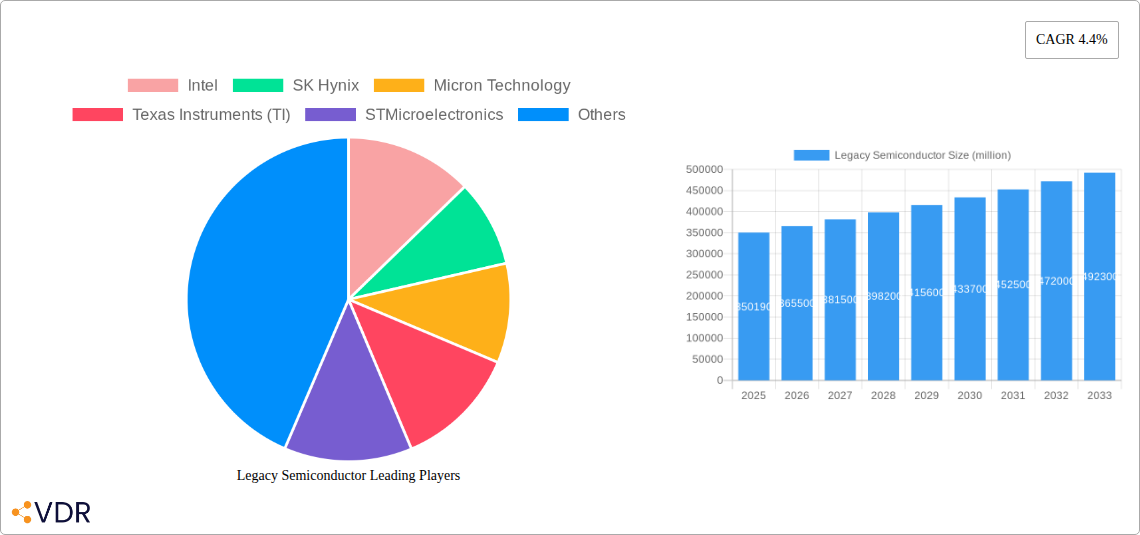
Legacy Semiconductor Company Market Share
This comprehensive report delves into the dynamic legacy semiconductor market, examining its intricate structure, growth trajectories, and dominant players. Covering the Study Period of 2019–2033, with a Base Year of 2025 and a Forecast Period from 2025–2033, this analysis provides actionable insights for stakeholders navigating the evolving semiconductor industry. We dissect critical market segments, including Consumer & Mobile, Internet of Things (IoT), Automotive, and Industrial, alongside various chip types such as 28nm Chips, 40/45nm Chips, 65nm Chips, and older process nodes. Gain a competitive edge with our detailed exploration of semiconductor manufacturing, chip design, and advanced packaging technologies.
Legacy Semiconductor Market Dynamics & Structure
The legacy semiconductor market exhibits a moderate to high concentration, with key players like Intel, SK Hynix, and Samsung dominating specific segments. Technological innovation remains a primary driver, particularly in enhancing the performance and cost-effectiveness of established process nodes. However, the sheer capital investment required for next-generation semiconductor foundries acts as a significant barrier to entry, further solidifying the position of established giants. Regulatory frameworks, while often focused on advanced technologies, indirectly influence the legacy segment through trade policies and R&D incentives. Competitive product substitutes are emerging from newer architectures and specialized ASIC solutions, but the sheer volume and proven reliability of legacy chips ensure their continued relevance. End-user demographics are increasingly shifting towards cost-sensitive markets and applications where bleeding-edge performance is not paramount, such as in some IoT devices and older consumer electronics. Mergers and Acquisitions (M&A) trends are ongoing, with larger entities consolidating to gain market share and expand their semiconductor portfolio.
- Market Concentration: Dominated by a few large-scale manufacturers, with increasing specialization in specific legacy nodes.
- Technological Innovation: Focus on yield improvement, cost reduction, and specialized applications for existing nodes.
- Regulatory Impact: Indirect influence through trade agreements, government subsidies for domestic semiconductor production, and environmental regulations.
- Competitive Landscape: Competition from emerging fabless semiconductor companies leveraging older nodes and newer, lower-cost alternatives.
- End-User Demographics: Growth driven by demand from emerging economies and cost-sensitive industrial applications.
- M&A Activity: Strategic acquisitions to enhance product portfolios and expand manufacturing capacity in legacy nodes.
Legacy Semiconductor Growth Trends & Insights
The legacy semiconductor market size is poised for steady growth, driven by a confluence of factors. While the spotlight often falls on cutting-edge nanometer technologies, the continued demand for reliable and cost-effective semiconductor components in established applications ensures sustained market expansion. The CAGR for the legacy segment is projected to be robust, reflecting its integral role in numerous industries. Adoption rates for legacy chips remain high in sectors where performance-to-price ratio is a critical determinant. Technological disruptions, while primarily targeting advanced nodes, indirectly benefit the legacy market by freeing up resources and manufacturing capacity from cutting-edge production. Consumer behavior shifts towards longer product lifecycles and a growing demand for affordable electronics further bolster the need for legacy semiconductor solutions. The estimated year of 2025 will see a significant volume of 40/45nm Chips and 65nm Chips in high demand. Our analysis incorporates extensive data from the Historical Period of 2019–2024 to provide a nuanced understanding of current market dynamics.
- Market Size Evolution: Consistent growth driven by the pervasive use of legacy chips in various industries.
- Adoption Rates: High in automotive, industrial, and consumer electronics where cost and reliability are paramount.
- Technological Disruptions: Advances in newer nodes indirectly support legacy market by improving overall manufacturing efficiency and component availability.
- Consumer Behavior Shifts: Increased demand for durable, affordable electronics fuels the need for cost-effective legacy semiconductor solutions.
- Growth Projections: Forecasted steady CAGR driven by sustained demand in mature and emerging markets.
- Market Penetration: Deep penetration across diverse applications, from basic microcontrollers to specialized analog ICs.
Dominant Regions, Countries, or Segments in Legacy Semiconductor
The Automotive segment is emerging as a dominant force in the legacy semiconductor market, driven by stringent safety regulations, increasing vehicle electrification, and the growing demand for advanced driver-assistance systems (ADAS) that leverage established semiconductor technologies. Countries within Asia, particularly China, are significant consumers and manufacturers of legacy chips, fueled by strong government initiatives to boost domestic semiconductor manufacturing capabilities and cater to the vast consumer electronics and IoT device markets. Within the Type category, 40/45nm Chips and 65nm Chips represent a substantial portion of the market due to their proven track record and cost-effectiveness in numerous applications. The Internet of Things (IoT) segment also presents considerable growth potential, with the proliferation of connected devices requiring a vast array of reliable and affordable semiconductor solutions. Economic policies promoting local manufacturing and infrastructure development are key drivers in these dominant regions.
- Dominant Application Segment: Automotive – Driven by ADAS, infotainment systems, and the increasing demand for safety-critical components.
- Leading Countries/Regions: Asia (especially China) – Benefitting from massive domestic demand and government support for semiconductor production.
- Dominant Chip Types: 40/45nm Chips and 65nm Chips – Offering a compelling balance of performance and cost for a wide range of applications.
- Key Drivers for Dominance:
- Economic Policies: Government incentives, trade agreements, and investment in semiconductor infrastructure.
- Manufacturing Capabilities: Established foundries and IDM (Integrated Device Manufacturer) presence.
- Market Demand: Large consumer bases for consumer electronics, automotive, and IoT devices.
- Technological Maturity: Proven reliability and cost-effectiveness of legacy nodes.
- Growth Potential: Significant opportunities in emerging markets and expanding automotive electronics applications.
Legacy Semiconductor Product Landscape
The legacy semiconductor product landscape is characterized by a wide array of components, including analog ICs, microcontrollers, power management ICs, and specific types of memory chips. These products, often manufactured on older process nodes, are meticulously designed for reliability and cost-efficiency. Innovations within this space focus on improving power efficiency, enhancing signal integrity, and optimizing chip design for specific applications. For instance, Monolithic Power Systems, Inc. (MPS) and Infineon are prominent in delivering advanced power semiconductors utilizing legacy nodes. Texas Instruments (TI) and Analog Devices, Inc. (ADI) continue to be leaders in providing a broad spectrum of analog and mixed-signal semiconductor solutions essential for various legacy applications. The unique selling propositions lie in their proven performance, long-term availability, and competitive pricing, making them indispensable for many industries.
Key Drivers, Barriers & Challenges in Legacy Semiconductor
Key Drivers:
- Cost-Effectiveness: Legacy chips offer a superior price-to-performance ratio for numerous applications.
- Proven Reliability: Long history of successful deployment in critical systems ensures trust and stability.
- Large-Scale Manufacturing: Established foundry capacity and expertise allow for high-volume production.
- Demand from Emerging Markets: Growing economies increasingly require affordable semiconductor components.
- Specific Application Needs: Certain industrial automation, consumer electronics, and automotive systems are optimized for legacy nodes.
Barriers & Challenges:
- Supply Chain Volatility: Geopolitical factors and raw material shortages can impact production and availability.
- Technological Obsolescence Pressure: Perceived lack of innovation compared to advanced nodes, though this is often market-driven.
- Environmental Regulations: Increasing scrutiny on manufacturing processes and energy consumption.
- Competition from Advanced Nodes: Newer technologies can offer superior performance, albeit at a higher cost, in certain use cases.
- Skilled Workforce Shortage: A declining pool of engineers specialized in older process technologies.
Emerging Opportunities in Legacy Semiconductor
Emerging opportunities in the legacy semiconductor market lie in the burgeoning Internet of Things (IoT) sector, particularly in industrial IoT (IIoT) and smart infrastructure projects. The demand for reliable and low-cost semiconductor sensors and microcontrollers for these applications is immense. Furthermore, the increasing focus on extending the lifespan of existing consumer electronics and automotive components creates a sustained demand for replacement parts and upgrades utilizing legacy chips. The ongoing digitalization of industries, especially in developing economies, presents a vast untapped market for affordable and dependable semiconductor solutions. Innovations in advanced packaging technologies are also enabling the integration of legacy chips into more sophisticated modules, extending their relevance.
Growth Accelerators in the Legacy Semiconductor Industry
The legacy semiconductor industry is being propelled by several growth accelerators. The sustained demand from the automotive sector for ADAS and infotainment systems, which often utilize legacy nodes for specific functionalities, is a major catalyst. The global push towards smart cities and industrial automation further amplifies the need for reliable and cost-effective semiconductor components. Strategic partnerships between semiconductor manufacturers and end-product companies are crucial for tailoring legacy chip designs to evolving application requirements. Moreover, the increasing investment in domestic semiconductor production by various governments aims to ensure supply chain resilience and foster innovation within established manufacturing capabilities, thereby accelerating the growth of the legacy market.
Key Players Shaping the Legacy Semiconductor Market
- Intel
- SK Hynix
- Micron Technology
- Texas Instruments (TI)
- STMicroelectronics
- Kioxia
- Sony Semiconductor Solutions Corporation (SSS)
- Infineon
- NXP
- Analog Devices, Inc. (ADI)
- Renesas Electronics
- Microchip Technology
- Onsemi
- Samsung
- NVIDIA
- Qualcomm
- Broadcom
- Advanced Micro Devices, Inc. (AMD)
- MediaTek
- Marvell Technology Group
- Novatek Microelectronics Corp.
- Tsinghua Unigroup
- Realtek Semiconductor Corporation
- OmniVision Technology, Inc
- Monolithic Power Systems, Inc. (MPS)
- Cirrus Logic, Inc.
- Socionext Inc.
- LX Semicon
- HiSilicon Technologies
- Synaptics
- Allegro MicroSystems
- Himax Technologies
- Semtech
- Global Unichip Corporation (GUC)
- Hygon Information Technology
- GigaDevice
- Silicon Motion
- Ingenic Semiconductor
- Raydium
- Goodix Limited
- Sitronix
- Nordic Semiconductor
- Silergy
- Shanghai Fudan Microelectronics Group
- Alchip Technologies
- FocalTech
- MegaChips Corporation
- Elite Semiconductor Microelectronics Technology
- SGMICRO
- Chipone Technology (Beijing)
- Loongson Technology
Notable Milestones in Legacy Semiconductor Sector
- 2019: Increased focus on supply chain diversification and resilience amidst global trade tensions.
- 2020: Surge in demand for consumer electronics and IoT devices due to global pandemic, driving increased production of legacy chips.
- 2021: Global semiconductor shortage highlighted the critical importance of legacy nodes in maintaining essential industries.
- 2022: Government initiatives worldwide accelerate investment in domestic semiconductor manufacturing capacity, including legacy nodes.
- 2023: Advancements in advanced packaging begin to enable new applications for existing legacy semiconductor technologies.
- 2024: Growing emphasis on sustainability and energy efficiency in chip manufacturing influencing process optimization for legacy nodes.
In-Depth Legacy Semiconductor Market Outlook
The future market outlook for legacy semiconductors remains exceptionally strong, underpinned by consistent demand from critical sectors like automotive, industrial automation, and consumer electronics. Growth accelerators such as government investments in semiconductor foundries and the expanding IoT ecosystem will continue to drive expansion. Strategic partnerships and a focus on optimizing existing manufacturing processes will ensure competitive pricing and availability. The inherent reliability and cost-effectiveness of these chips, particularly in the 40/45nm and 65nm categories, position them as indispensable components for a vast range of current and future applications, ensuring their enduring relevance in the global semiconductor industry.
Legacy Semiconductor Segmentation
-
1. Application
- 1.1. Consumer & Mobile
- 1.2. Internet of Things (IoT)
- 1.3. Automotive
- 1.4. Industrial
- 1.5. Others
-
2. Type
- 2.1. 28nm Chips
- 2.2. 40/45nm Chips
- 2.3. 65nm Chips
- 2.4. 90nm Chips
- 2.5. 0.11/0.13micron Chips
- 2.6. 0.15/0.18 micron Chips
- 2.7. Above 0.25 micron Chips
Legacy Semiconductor Segmentation By Geography
-
1. North America
- 1.1. United States
- 1.2. Canada
- 1.3. Mexico
-
2. South America
- 2.1. Brazil
- 2.2. Argentina
- 2.3. Rest of South America
-
3. Europe
- 3.1. United Kingdom
- 3.2. Germany
- 3.3. France
- 3.4. Italy
- 3.5. Spain
- 3.6. Russia
- 3.7. Benelux
- 3.8. Nordics
- 3.9. Rest of Europe
-
4. Middle East & Africa
- 4.1. Turkey
- 4.2. Israel
- 4.3. GCC
- 4.4. North Africa
- 4.5. South Africa
- 4.6. Rest of Middle East & Africa
-
5. Asia Pacific
- 5.1. China
- 5.2. India
- 5.3. Japan
- 5.4. South Korea
- 5.5. ASEAN
- 5.6. Oceania
- 5.7. Rest of Asia Pacific
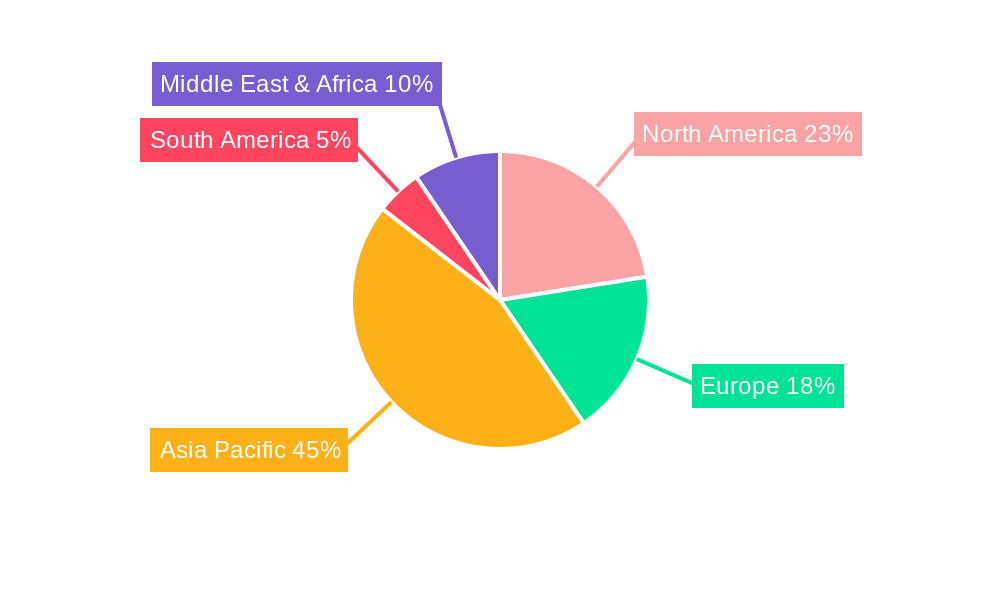
Legacy Semiconductor Regional Market Share
Geographic Coverage of Legacy Semiconductor
Legacy Semiconductor REPORT HIGHLIGHTS
| Aspects | Details |
|---|---|
| Study Period | 2020-2034 |
| Base Year | 2025 |
| Estimated Year | 2026 |
| Forecast Period | 2026-2034 |
| Historical Period | 2020-2025 |
| Growth Rate | CAGR of 6.25% from 2020-2034 |
| Segmentation |
|
Table of Contents
- 1. Introduction
- 1.1. Research Scope
- 1.2. Market Segmentation
- 1.3. Research Methodology
- 1.4. Definitions and Assumptions
- 2. Executive Summary
- 2.1. Introduction
- 3. Market Dynamics
- 3.1. Introduction
- 3.2. Market Drivers
- 3.3. Market Restrains
- 3.4. Market Trends
- 4. Market Factor Analysis
- 4.1. Porters Five Forces
- 4.2. Supply/Value Chain
- 4.3. PESTEL analysis
- 4.4. Market Entropy
- 4.5. Patent/Trademark Analysis
- 5. Global Legacy Semiconductor Analysis, Insights and Forecast, 2020-2032
- 5.1. Market Analysis, Insights and Forecast - by Application
- 5.1.1. Consumer & Mobile
- 5.1.2. Internet of Things (IoT)
- 5.1.3. Automotive
- 5.1.4. Industrial
- 5.1.5. Others
- 5.2. Market Analysis, Insights and Forecast - by Type
- 5.2.1. 28nm Chips
- 5.2.2. 40/45nm Chips
- 5.2.3. 65nm Chips
- 5.2.4. 90nm Chips
- 5.2.5. 0.11/0.13micron Chips
- 5.2.6. 0.15/0.18 micron Chips
- 5.2.7. Above 0.25 micron Chips
- 5.3. Market Analysis, Insights and Forecast - by Region
- 5.3.1. North America
- 5.3.2. South America
- 5.3.3. Europe
- 5.3.4. Middle East & Africa
- 5.3.5. Asia Pacific
- 5.1. Market Analysis, Insights and Forecast - by Application
- 6. North America Legacy Semiconductor Analysis, Insights and Forecast, 2020-2032
- 6.1. Market Analysis, Insights and Forecast - by Application
- 6.1.1. Consumer & Mobile
- 6.1.2. Internet of Things (IoT)
- 6.1.3. Automotive
- 6.1.4. Industrial
- 6.1.5. Others
- 6.2. Market Analysis, Insights and Forecast - by Type
- 6.2.1. 28nm Chips
- 6.2.2. 40/45nm Chips
- 6.2.3. 65nm Chips
- 6.2.4. 90nm Chips
- 6.2.5. 0.11/0.13micron Chips
- 6.2.6. 0.15/0.18 micron Chips
- 6.2.7. Above 0.25 micron Chips
- 6.1. Market Analysis, Insights and Forecast - by Application
- 7. South America Legacy Semiconductor Analysis, Insights and Forecast, 2020-2032
- 7.1. Market Analysis, Insights and Forecast - by Application
- 7.1.1. Consumer & Mobile
- 7.1.2. Internet of Things (IoT)
- 7.1.3. Automotive
- 7.1.4. Industrial
- 7.1.5. Others
- 7.2. Market Analysis, Insights and Forecast - by Type
- 7.2.1. 28nm Chips
- 7.2.2. 40/45nm Chips
- 7.2.3. 65nm Chips
- 7.2.4. 90nm Chips
- 7.2.5. 0.11/0.13micron Chips
- 7.2.6. 0.15/0.18 micron Chips
- 7.2.7. Above 0.25 micron Chips
- 7.1. Market Analysis, Insights and Forecast - by Application
- 8. Europe Legacy Semiconductor Analysis, Insights and Forecast, 2020-2032
- 8.1. Market Analysis, Insights and Forecast - by Application
- 8.1.1. Consumer & Mobile
- 8.1.2. Internet of Things (IoT)
- 8.1.3. Automotive
- 8.1.4. Industrial
- 8.1.5. Others
- 8.2. Market Analysis, Insights and Forecast - by Type
- 8.2.1. 28nm Chips
- 8.2.2. 40/45nm Chips
- 8.2.3. 65nm Chips
- 8.2.4. 90nm Chips
- 8.2.5. 0.11/0.13micron Chips
- 8.2.6. 0.15/0.18 micron Chips
- 8.2.7. Above 0.25 micron Chips
- 8.1. Market Analysis, Insights and Forecast - by Application
- 9. Middle East & Africa Legacy Semiconductor Analysis, Insights and Forecast, 2020-2032
- 9.1. Market Analysis, Insights and Forecast - by Application
- 9.1.1. Consumer & Mobile
- 9.1.2. Internet of Things (IoT)
- 9.1.3. Automotive
- 9.1.4. Industrial
- 9.1.5. Others
- 9.2. Market Analysis, Insights and Forecast - by Type
- 9.2.1. 28nm Chips
- 9.2.2. 40/45nm Chips
- 9.2.3. 65nm Chips
- 9.2.4. 90nm Chips
- 9.2.5. 0.11/0.13micron Chips
- 9.2.6. 0.15/0.18 micron Chips
- 9.2.7. Above 0.25 micron Chips
- 9.1. Market Analysis, Insights and Forecast - by Application
- 10. Asia Pacific Legacy Semiconductor Analysis, Insights and Forecast, 2020-2032
- 10.1. Market Analysis, Insights and Forecast - by Application
- 10.1.1. Consumer & Mobile
- 10.1.2. Internet of Things (IoT)
- 10.1.3. Automotive
- 10.1.4. Industrial
- 10.1.5. Others
- 10.2. Market Analysis, Insights and Forecast - by Type
- 10.2.1. 28nm Chips
- 10.2.2. 40/45nm Chips
- 10.2.3. 65nm Chips
- 10.2.4. 90nm Chips
- 10.2.5. 0.11/0.13micron Chips
- 10.2.6. 0.15/0.18 micron Chips
- 10.2.7. Above 0.25 micron Chips
- 10.1. Market Analysis, Insights and Forecast - by Application
- 11. Competitive Analysis
- 11.1. Global Market Share Analysis 2025
- 11.2. Company Profiles
- 11.2.1 Intel
- 11.2.1.1. Overview
- 11.2.1.2. Products
- 11.2.1.3. SWOT Analysis
- 11.2.1.4. Recent Developments
- 11.2.1.5. Financials (Based on Availability)
- 11.2.2 SK Hynix
- 11.2.2.1. Overview
- 11.2.2.2. Products
- 11.2.2.3. SWOT Analysis
- 11.2.2.4. Recent Developments
- 11.2.2.5. Financials (Based on Availability)
- 11.2.3 Micron Technology
- 11.2.3.1. Overview
- 11.2.3.2. Products
- 11.2.3.3. SWOT Analysis
- 11.2.3.4. Recent Developments
- 11.2.3.5. Financials (Based on Availability)
- 11.2.4 Texas Instruments (TI)
- 11.2.4.1. Overview
- 11.2.4.2. Products
- 11.2.4.3. SWOT Analysis
- 11.2.4.4. Recent Developments
- 11.2.4.5. Financials (Based on Availability)
- 11.2.5 STMicroelectronics
- 11.2.5.1. Overview
- 11.2.5.2. Products
- 11.2.5.3. SWOT Analysis
- 11.2.5.4. Recent Developments
- 11.2.5.5. Financials (Based on Availability)
- 11.2.6 Kioxia
- 11.2.6.1. Overview
- 11.2.6.2. Products
- 11.2.6.3. SWOT Analysis
- 11.2.6.4. Recent Developments
- 11.2.6.5. Financials (Based on Availability)
- 11.2.7 Sony Semiconductor Solutions Corporation (SSS)
- 11.2.7.1. Overview
- 11.2.7.2. Products
- 11.2.7.3. SWOT Analysis
- 11.2.7.4. Recent Developments
- 11.2.7.5. Financials (Based on Availability)
- 11.2.8 Infineon
- 11.2.8.1. Overview
- 11.2.8.2. Products
- 11.2.8.3. SWOT Analysis
- 11.2.8.4. Recent Developments
- 11.2.8.5. Financials (Based on Availability)
- 11.2.9 NXP
- 11.2.9.1. Overview
- 11.2.9.2. Products
- 11.2.9.3. SWOT Analysis
- 11.2.9.4. Recent Developments
- 11.2.9.5. Financials (Based on Availability)
- 11.2.10 Analog Devices Inc. (ADI)
- 11.2.10.1. Overview
- 11.2.10.2. Products
- 11.2.10.3. SWOT Analysis
- 11.2.10.4. Recent Developments
- 11.2.10.5. Financials (Based on Availability)
- 11.2.11 Renesas Electronics
- 11.2.11.1. Overview
- 11.2.11.2. Products
- 11.2.11.3. SWOT Analysis
- 11.2.11.4. Recent Developments
- 11.2.11.5. Financials (Based on Availability)
- 11.2.12 Microchip Technology
- 11.2.12.1. Overview
- 11.2.12.2. Products
- 11.2.12.3. SWOT Analysis
- 11.2.12.4. Recent Developments
- 11.2.12.5. Financials (Based on Availability)
- 11.2.13 Onsemi
- 11.2.13.1. Overview
- 11.2.13.2. Products
- 11.2.13.3. SWOT Analysis
- 11.2.13.4. Recent Developments
- 11.2.13.5. Financials (Based on Availability)
- 11.2.14 Samsung
- 11.2.14.1. Overview
- 11.2.14.2. Products
- 11.2.14.3. SWOT Analysis
- 11.2.14.4. Recent Developments
- 11.2.14.5. Financials (Based on Availability)
- 11.2.15 NVIDIA
- 11.2.15.1. Overview
- 11.2.15.2. Products
- 11.2.15.3. SWOT Analysis
- 11.2.15.4. Recent Developments
- 11.2.15.5. Financials (Based on Availability)
- 11.2.16 Qualcomm
- 11.2.16.1. Overview
- 11.2.16.2. Products
- 11.2.16.3. SWOT Analysis
- 11.2.16.4. Recent Developments
- 11.2.16.5. Financials (Based on Availability)
- 11.2.17 Broadcom
- 11.2.17.1. Overview
- 11.2.17.2. Products
- 11.2.17.3. SWOT Analysis
- 11.2.17.4. Recent Developments
- 11.2.17.5. Financials (Based on Availability)
- 11.2.18 Advanced Micro Devices Inc. (AMD)
- 11.2.18.1. Overview
- 11.2.18.2. Products
- 11.2.18.3. SWOT Analysis
- 11.2.18.4. Recent Developments
- 11.2.18.5. Financials (Based on Availability)
- 11.2.19 MediaTek
- 11.2.19.1. Overview
- 11.2.19.2. Products
- 11.2.19.3. SWOT Analysis
- 11.2.19.4. Recent Developments
- 11.2.19.5. Financials (Based on Availability)
- 11.2.20 Marvell Technology Group
- 11.2.20.1. Overview
- 11.2.20.2. Products
- 11.2.20.3. SWOT Analysis
- 11.2.20.4. Recent Developments
- 11.2.20.5. Financials (Based on Availability)
- 11.2.21 Novatek Microelectronics Corp.
- 11.2.21.1. Overview
- 11.2.21.2. Products
- 11.2.21.3. SWOT Analysis
- 11.2.21.4. Recent Developments
- 11.2.21.5. Financials (Based on Availability)
- 11.2.22 Tsinghua Unigroup
- 11.2.22.1. Overview
- 11.2.22.2. Products
- 11.2.22.3. SWOT Analysis
- 11.2.22.4. Recent Developments
- 11.2.22.5. Financials (Based on Availability)
- 11.2.23 Realtek Semiconductor Corporation
- 11.2.23.1. Overview
- 11.2.23.2. Products
- 11.2.23.3. SWOT Analysis
- 11.2.23.4. Recent Developments
- 11.2.23.5. Financials (Based on Availability)
- 11.2.24 OmniVision Technology Inc
- 11.2.24.1. Overview
- 11.2.24.2. Products
- 11.2.24.3. SWOT Analysis
- 11.2.24.4. Recent Developments
- 11.2.24.5. Financials (Based on Availability)
- 11.2.25 Monolithic Power Systems Inc. (MPS)
- 11.2.25.1. Overview
- 11.2.25.2. Products
- 11.2.25.3. SWOT Analysis
- 11.2.25.4. Recent Developments
- 11.2.25.5. Financials (Based on Availability)
- 11.2.26 Cirrus Logic Inc.
- 11.2.26.1. Overview
- 11.2.26.2. Products
- 11.2.26.3. SWOT Analysis
- 11.2.26.4. Recent Developments
- 11.2.26.5. Financials (Based on Availability)
- 11.2.27 Socionext Inc.
- 11.2.27.1. Overview
- 11.2.27.2. Products
- 11.2.27.3. SWOT Analysis
- 11.2.27.4. Recent Developments
- 11.2.27.5. Financials (Based on Availability)
- 11.2.28 LX Semicon
- 11.2.28.1. Overview
- 11.2.28.2. Products
- 11.2.28.3. SWOT Analysis
- 11.2.28.4. Recent Developments
- 11.2.28.5. Financials (Based on Availability)
- 11.2.29 HiSilicon Technologies
- 11.2.29.1. Overview
- 11.2.29.2. Products
- 11.2.29.3. SWOT Analysis
- 11.2.29.4. Recent Developments
- 11.2.29.5. Financials (Based on Availability)
- 11.2.30 Synaptics
- 11.2.30.1. Overview
- 11.2.30.2. Products
- 11.2.30.3. SWOT Analysis
- 11.2.30.4. Recent Developments
- 11.2.30.5. Financials (Based on Availability)
- 11.2.31 Allegro MicroSystems
- 11.2.31.1. Overview
- 11.2.31.2. Products
- 11.2.31.3. SWOT Analysis
- 11.2.31.4. Recent Developments
- 11.2.31.5. Financials (Based on Availability)
- 11.2.32 Himax Technologies
- 11.2.32.1. Overview
- 11.2.32.2. Products
- 11.2.32.3. SWOT Analysis
- 11.2.32.4. Recent Developments
- 11.2.32.5. Financials (Based on Availability)
- 11.2.33 Semtech
- 11.2.33.1. Overview
- 11.2.33.2. Products
- 11.2.33.3. SWOT Analysis
- 11.2.33.4. Recent Developments
- 11.2.33.5. Financials (Based on Availability)
- 11.2.34 Global Unichip Corporation (GUC)
- 11.2.34.1. Overview
- 11.2.34.2. Products
- 11.2.34.3. SWOT Analysis
- 11.2.34.4. Recent Developments
- 11.2.34.5. Financials (Based on Availability)
- 11.2.35 Hygon Information Technology
- 11.2.35.1. Overview
- 11.2.35.2. Products
- 11.2.35.3. SWOT Analysis
- 11.2.35.4. Recent Developments
- 11.2.35.5. Financials (Based on Availability)
- 11.2.36 GigaDevice
- 11.2.36.1. Overview
- 11.2.36.2. Products
- 11.2.36.3. SWOT Analysis
- 11.2.36.4. Recent Developments
- 11.2.36.5. Financials (Based on Availability)
- 11.2.37 Silicon Motion
- 11.2.37.1. Overview
- 11.2.37.2. Products
- 11.2.37.3. SWOT Analysis
- 11.2.37.4. Recent Developments
- 11.2.37.5. Financials (Based on Availability)
- 11.2.38 Ingenic Semiconductor
- 11.2.38.1. Overview
- 11.2.38.2. Products
- 11.2.38.3. SWOT Analysis
- 11.2.38.4. Recent Developments
- 11.2.38.5. Financials (Based on Availability)
- 11.2.39 Raydium
- 11.2.39.1. Overview
- 11.2.39.2. Products
- 11.2.39.3. SWOT Analysis
- 11.2.39.4. Recent Developments
- 11.2.39.5. Financials (Based on Availability)
- 11.2.40 Goodix Limited
- 11.2.40.1. Overview
- 11.2.40.2. Products
- 11.2.40.3. SWOT Analysis
- 11.2.40.4. Recent Developments
- 11.2.40.5. Financials (Based on Availability)
- 11.2.41 Sitronix
- 11.2.41.1. Overview
- 11.2.41.2. Products
- 11.2.41.3. SWOT Analysis
- 11.2.41.4. Recent Developments
- 11.2.41.5. Financials (Based on Availability)
- 11.2.42 Nordic Semiconductor
- 11.2.42.1. Overview
- 11.2.42.2. Products
- 11.2.42.3. SWOT Analysis
- 11.2.42.4. Recent Developments
- 11.2.42.5. Financials (Based on Availability)
- 11.2.43 Silergy
- 11.2.43.1. Overview
- 11.2.43.2. Products
- 11.2.43.3. SWOT Analysis
- 11.2.43.4. Recent Developments
- 11.2.43.5. Financials (Based on Availability)
- 11.2.44 Shanghai Fudan Microelectronics Group
- 11.2.44.1. Overview
- 11.2.44.2. Products
- 11.2.44.3. SWOT Analysis
- 11.2.44.4. Recent Developments
- 11.2.44.5. Financials (Based on Availability)
- 11.2.45 Alchip Technologies
- 11.2.45.1. Overview
- 11.2.45.2. Products
- 11.2.45.3. SWOT Analysis
- 11.2.45.4. Recent Developments
- 11.2.45.5. Financials (Based on Availability)
- 11.2.46 FocalTech
- 11.2.46.1. Overview
- 11.2.46.2. Products
- 11.2.46.3. SWOT Analysis
- 11.2.46.4. Recent Developments
- 11.2.46.5. Financials (Based on Availability)
- 11.2.47 MegaChips Corporation
- 11.2.47.1. Overview
- 11.2.47.2. Products
- 11.2.47.3. SWOT Analysis
- 11.2.47.4. Recent Developments
- 11.2.47.5. Financials (Based on Availability)
- 11.2.48 Elite Semiconductor Microelectronics Technology
- 11.2.48.1. Overview
- 11.2.48.2. Products
- 11.2.48.3. SWOT Analysis
- 11.2.48.4. Recent Developments
- 11.2.48.5. Financials (Based on Availability)
- 11.2.49 SGMICRO
- 11.2.49.1. Overview
- 11.2.49.2. Products
- 11.2.49.3. SWOT Analysis
- 11.2.49.4. Recent Developments
- 11.2.49.5. Financials (Based on Availability)
- 11.2.50 Chipone Technology (Beijing)
- 11.2.50.1. Overview
- 11.2.50.2. Products
- 11.2.50.3. SWOT Analysis
- 11.2.50.4. Recent Developments
- 11.2.50.5. Financials (Based on Availability)
- 11.2.51 Loongson Technology
- 11.2.51.1. Overview
- 11.2.51.2. Products
- 11.2.51.3. SWOT Analysis
- 11.2.51.4. Recent Developments
- 11.2.51.5. Financials (Based on Availability)
- 11.2.1 Intel
List of Figures
- Figure 1: Global Legacy Semiconductor Revenue Breakdown (undefined, %) by Region 2025 & 2033
- Figure 2: North America Legacy Semiconductor Revenue (undefined), by Application 2025 & 2033
- Figure 3: North America Legacy Semiconductor Revenue Share (%), by Application 2025 & 2033
- Figure 4: North America Legacy Semiconductor Revenue (undefined), by Type 2025 & 2033
- Figure 5: North America Legacy Semiconductor Revenue Share (%), by Type 2025 & 2033
- Figure 6: North America Legacy Semiconductor Revenue (undefined), by Country 2025 & 2033
- Figure 7: North America Legacy Semiconductor Revenue Share (%), by Country 2025 & 2033
- Figure 8: South America Legacy Semiconductor Revenue (undefined), by Application 2025 & 2033
- Figure 9: South America Legacy Semiconductor Revenue Share (%), by Application 2025 & 2033
- Figure 10: South America Legacy Semiconductor Revenue (undefined), by Type 2025 & 2033
- Figure 11: South America Legacy Semiconductor Revenue Share (%), by Type 2025 & 2033
- Figure 12: South America Legacy Semiconductor Revenue (undefined), by Country 2025 & 2033
- Figure 13: South America Legacy Semiconductor Revenue Share (%), by Country 2025 & 2033
- Figure 14: Europe Legacy Semiconductor Revenue (undefined), by Application 2025 & 2033
- Figure 15: Europe Legacy Semiconductor Revenue Share (%), by Application 2025 & 2033
- Figure 16: Europe Legacy Semiconductor Revenue (undefined), by Type 2025 & 2033
- Figure 17: Europe Legacy Semiconductor Revenue Share (%), by Type 2025 & 2033
- Figure 18: Europe Legacy Semiconductor Revenue (undefined), by Country 2025 & 2033
- Figure 19: Europe Legacy Semiconductor Revenue Share (%), by Country 2025 & 2033
- Figure 20: Middle East & Africa Legacy Semiconductor Revenue (undefined), by Application 2025 & 2033
- Figure 21: Middle East & Africa Legacy Semiconductor Revenue Share (%), by Application 2025 & 2033
- Figure 22: Middle East & Africa Legacy Semiconductor Revenue (undefined), by Type 2025 & 2033
- Figure 23: Middle East & Africa Legacy Semiconductor Revenue Share (%), by Type 2025 & 2033
- Figure 24: Middle East & Africa Legacy Semiconductor Revenue (undefined), by Country 2025 & 2033
- Figure 25: Middle East & Africa Legacy Semiconductor Revenue Share (%), by Country 2025 & 2033
- Figure 26: Asia Pacific Legacy Semiconductor Revenue (undefined), by Application 2025 & 2033
- Figure 27: Asia Pacific Legacy Semiconductor Revenue Share (%), by Application 2025 & 2033
- Figure 28: Asia Pacific Legacy Semiconductor Revenue (undefined), by Type 2025 & 2033
- Figure 29: Asia Pacific Legacy Semiconductor Revenue Share (%), by Type 2025 & 2033
- Figure 30: Asia Pacific Legacy Semiconductor Revenue (undefined), by Country 2025 & 2033
- Figure 31: Asia Pacific Legacy Semiconductor Revenue Share (%), by Country 2025 & 2033
List of Tables
- Table 1: Global Legacy Semiconductor Revenue undefined Forecast, by Application 2020 & 2033
- Table 2: Global Legacy Semiconductor Revenue undefined Forecast, by Type 2020 & 2033
- Table 3: Global Legacy Semiconductor Revenue undefined Forecast, by Region 2020 & 2033
- Table 4: Global Legacy Semiconductor Revenue undefined Forecast, by Application 2020 & 2033
- Table 5: Global Legacy Semiconductor Revenue undefined Forecast, by Type 2020 & 2033
- Table 6: Global Legacy Semiconductor Revenue undefined Forecast, by Country 2020 & 2033
- Table 7: United States Legacy Semiconductor Revenue (undefined) Forecast, by Application 2020 & 2033
- Table 8: Canada Legacy Semiconductor Revenue (undefined) Forecast, by Application 2020 & 2033
- Table 9: Mexico Legacy Semiconductor Revenue (undefined) Forecast, by Application 2020 & 2033
- Table 10: Global Legacy Semiconductor Revenue undefined Forecast, by Application 2020 & 2033
- Table 11: Global Legacy Semiconductor Revenue undefined Forecast, by Type 2020 & 2033
- Table 12: Global Legacy Semiconductor Revenue undefined Forecast, by Country 2020 & 2033
- Table 13: Brazil Legacy Semiconductor Revenue (undefined) Forecast, by Application 2020 & 2033
- Table 14: Argentina Legacy Semiconductor Revenue (undefined) Forecast, by Application 2020 & 2033
- Table 15: Rest of South America Legacy Semiconductor Revenue (undefined) Forecast, by Application 2020 & 2033
- Table 16: Global Legacy Semiconductor Revenue undefined Forecast, by Application 2020 & 2033
- Table 17: Global Legacy Semiconductor Revenue undefined Forecast, by Type 2020 & 2033
- Table 18: Global Legacy Semiconductor Revenue undefined Forecast, by Country 2020 & 2033
- Table 19: United Kingdom Legacy Semiconductor Revenue (undefined) Forecast, by Application 2020 & 2033
- Table 20: Germany Legacy Semiconductor Revenue (undefined) Forecast, by Application 2020 & 2033
- Table 21: France Legacy Semiconductor Revenue (undefined) Forecast, by Application 2020 & 2033
- Table 22: Italy Legacy Semiconductor Revenue (undefined) Forecast, by Application 2020 & 2033
- Table 23: Spain Legacy Semiconductor Revenue (undefined) Forecast, by Application 2020 & 2033
- Table 24: Russia Legacy Semiconductor Revenue (undefined) Forecast, by Application 2020 & 2033
- Table 25: Benelux Legacy Semiconductor Revenue (undefined) Forecast, by Application 2020 & 2033
- Table 26: Nordics Legacy Semiconductor Revenue (undefined) Forecast, by Application 2020 & 2033
- Table 27: Rest of Europe Legacy Semiconductor Revenue (undefined) Forecast, by Application 2020 & 2033
- Table 28: Global Legacy Semiconductor Revenue undefined Forecast, by Application 2020 & 2033
- Table 29: Global Legacy Semiconductor Revenue undefined Forecast, by Type 2020 & 2033
- Table 30: Global Legacy Semiconductor Revenue undefined Forecast, by Country 2020 & 2033
- Table 31: Turkey Legacy Semiconductor Revenue (undefined) Forecast, by Application 2020 & 2033
- Table 32: Israel Legacy Semiconductor Revenue (undefined) Forecast, by Application 2020 & 2033
- Table 33: GCC Legacy Semiconductor Revenue (undefined) Forecast, by Application 2020 & 2033
- Table 34: North Africa Legacy Semiconductor Revenue (undefined) Forecast, by Application 2020 & 2033
- Table 35: South Africa Legacy Semiconductor Revenue (undefined) Forecast, by Application 2020 & 2033
- Table 36: Rest of Middle East & Africa Legacy Semiconductor Revenue (undefined) Forecast, by Application 2020 & 2033
- Table 37: Global Legacy Semiconductor Revenue undefined Forecast, by Application 2020 & 2033
- Table 38: Global Legacy Semiconductor Revenue undefined Forecast, by Type 2020 & 2033
- Table 39: Global Legacy Semiconductor Revenue undefined Forecast, by Country 2020 & 2033
- Table 40: China Legacy Semiconductor Revenue (undefined) Forecast, by Application 2020 & 2033
- Table 41: India Legacy Semiconductor Revenue (undefined) Forecast, by Application 2020 & 2033
- Table 42: Japan Legacy Semiconductor Revenue (undefined) Forecast, by Application 2020 & 2033
- Table 43: South Korea Legacy Semiconductor Revenue (undefined) Forecast, by Application 2020 & 2033
- Table 44: ASEAN Legacy Semiconductor Revenue (undefined) Forecast, by Application 2020 & 2033
- Table 45: Oceania Legacy Semiconductor Revenue (undefined) Forecast, by Application 2020 & 2033
- Table 46: Rest of Asia Pacific Legacy Semiconductor Revenue (undefined) Forecast, by Application 2020 & 2033
Frequently Asked Questions
1. What is the projected Compound Annual Growth Rate (CAGR) of the Legacy Semiconductor?
The projected CAGR is approximately 6.25%.
2. Which companies are prominent players in the Legacy Semiconductor?
Key companies in the market include Intel, SK Hynix, Micron Technology, Texas Instruments (TI), STMicroelectronics, Kioxia, Sony Semiconductor Solutions Corporation (SSS), Infineon, NXP, Analog Devices, Inc. (ADI), Renesas Electronics, Microchip Technology, Onsemi, Samsung, NVIDIA, Qualcomm, Broadcom, Advanced Micro Devices, Inc. (AMD), MediaTek, Marvell Technology Group, Novatek Microelectronics Corp., Tsinghua Unigroup, Realtek Semiconductor Corporation, OmniVision Technology, Inc, Monolithic Power Systems, Inc. (MPS), Cirrus Logic, Inc., Socionext Inc., LX Semicon, HiSilicon Technologies, Synaptics, Allegro MicroSystems, Himax Technologies, Semtech, Global Unichip Corporation (GUC), Hygon Information Technology, GigaDevice, Silicon Motion, Ingenic Semiconductor, Raydium, Goodix Limited, Sitronix, Nordic Semiconductor, Silergy, Shanghai Fudan Microelectronics Group, Alchip Technologies, FocalTech, MegaChips Corporation, Elite Semiconductor Microelectronics Technology, SGMICRO, Chipone Technology (Beijing), Loongson Technology.
3. What are the main segments of the Legacy Semiconductor?
The market segments include Application, Type.
4. Can you provide details about the market size?
The market size is estimated to be USD XXX N/A as of 2022.
5. What are some drivers contributing to market growth?
N/A
6. What are the notable trends driving market growth?
N/A
7. Are there any restraints impacting market growth?
N/A
8. Can you provide examples of recent developments in the market?
N/A
9. What pricing options are available for accessing the report?
Pricing options include single-user, multi-user, and enterprise licenses priced at USD 3950.00, USD 5925.00, and USD 7900.00 respectively.
10. Is the market size provided in terms of value or volume?
The market size is provided in terms of value, measured in N/A.
11. Are there any specific market keywords associated with the report?
Yes, the market keyword associated with the report is "Legacy Semiconductor," which aids in identifying and referencing the specific market segment covered.
12. How do I determine which pricing option suits my needs best?
The pricing options vary based on user requirements and access needs. Individual users may opt for single-user licenses, while businesses requiring broader access may choose multi-user or enterprise licenses for cost-effective access to the report.
13. Are there any additional resources or data provided in the Legacy Semiconductor report?
While the report offers comprehensive insights, it's advisable to review the specific contents or supplementary materials provided to ascertain if additional resources or data are available.
14. How can I stay updated on further developments or reports in the Legacy Semiconductor?
To stay informed about further developments, trends, and reports in the Legacy Semiconductor, consider subscribing to industry newsletters, following relevant companies and organizations, or regularly checking reputable industry news sources and publications.
Methodology
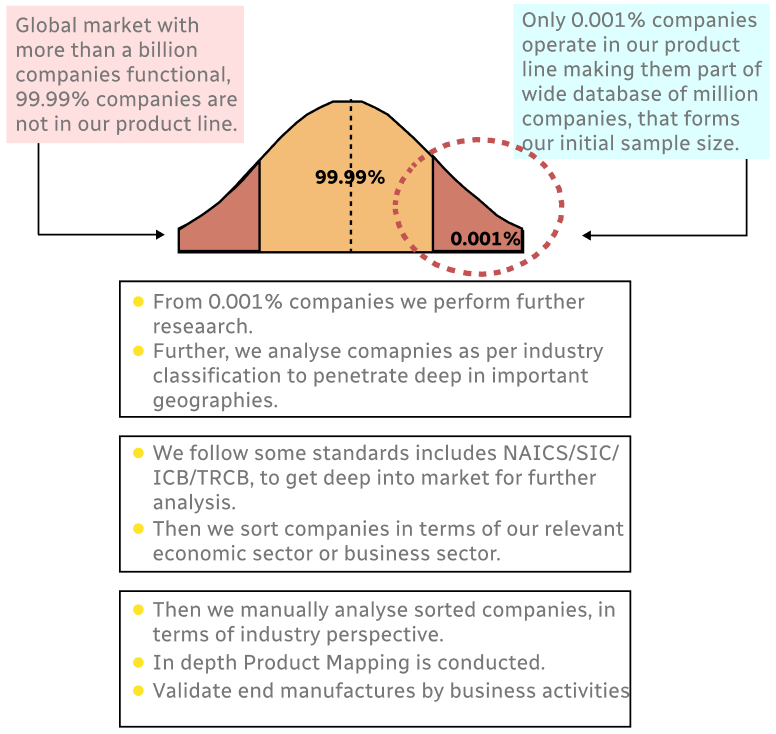
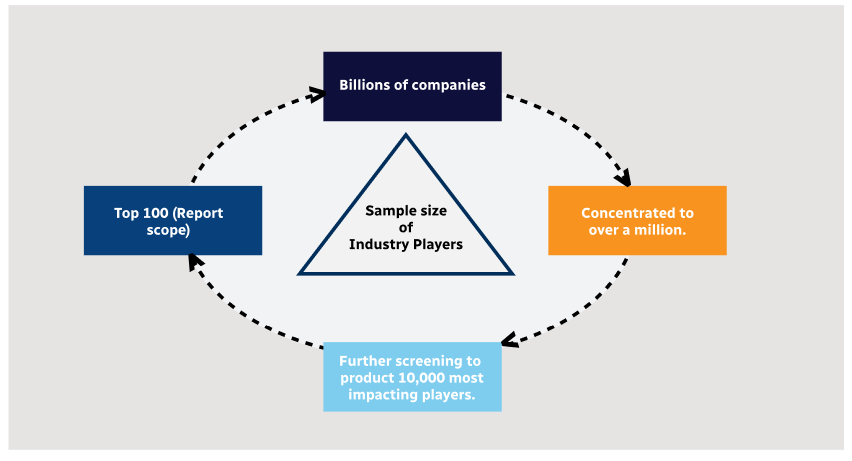
Step 1 - Identification of Relevant Samples Size from Population Database
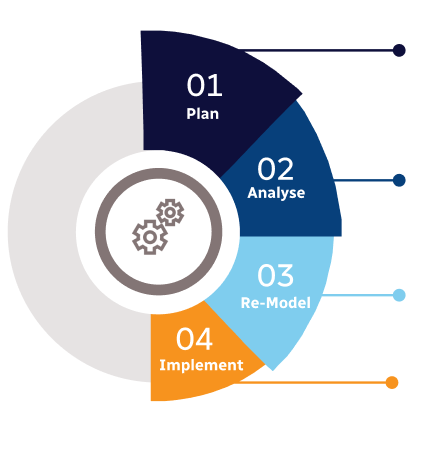
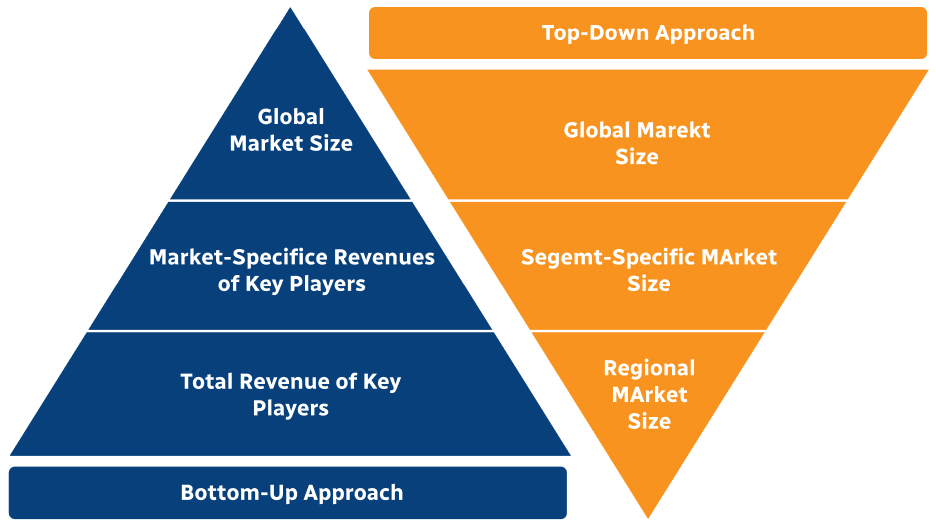
Step 2 - Approaches for Defining Global Market Size (Value, Volume* & Price*)
Note*: In applicable scenarios
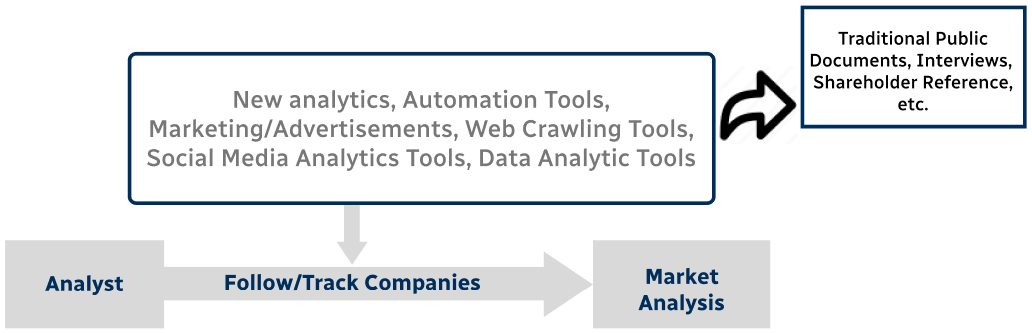
Step 3 - Data Sources
Primary Research
- Web Analytics
- Survey Reports
- Research Institute
- Latest Research Reports
- Opinion Leaders
Secondary Research
- Annual Reports
- White Paper
- Latest Press Release
- Industry Association
- Paid Database
- Investor Presentations
Step 4 - Data Triangulation
Involves using different sources of information in order to increase the validity of a study
These sources are likely to be stakeholders in a program - participants, other researchers, program staff, other community members, and so on.
Then we put all data in single framework & apply various statistical tools to find out the dynamic on the market.
During the analysis stage, feedback from the stakeholder groups would be compared to determine areas of agreement as well as areas of divergence