


Key Insights
The German starch derivatives market is projected for significant expansion, anticipated to reach $62.55 billion by 2025, with a Compound Annual Growth Rate (CAGR) of 3.7% through 2033. This growth is fueled by rising demand for high-performance, functional ingredients across key sectors, including food & beverage and pharmaceuticals. Maltodextrin and glucose syrups are expected to maintain their leading positions due to their extensive applications in food processing, confectionery, and as functional additives. Corn is forecast to be the primary feedstock, owing to its availability and economic viability. Technological innovations enhancing starch derivative properties like solubility, viscosity, and emulsification are crucial market drivers. The pharmaceutical sector's increasing use of starch derivatives as excipients and the beauty & personal care industry's adoption in cosmetic formulations also contribute to market vitality.
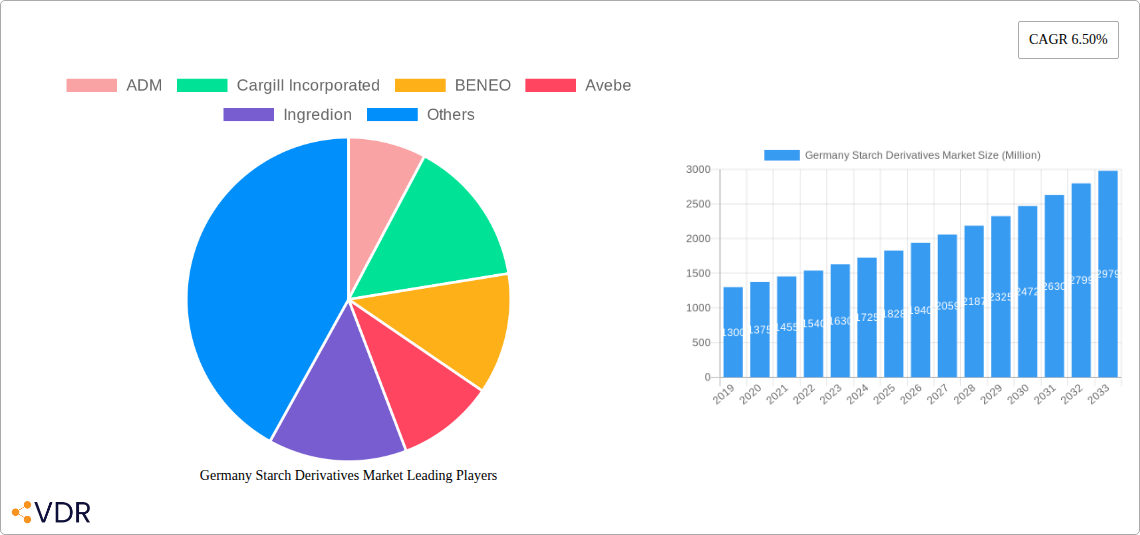
Germany Starch Derivatives Market Market Size (In Billion)

Market growth may be tempered by factors such as raw agricultural commodity price volatility, impacting production costs. Stringent German regulations for food additives and processing aids necessitate compliance investments. However, the consumer preference for healthier, natural, and clean-label products is spurring innovation in sustainable starch derivatives. The market also sees a trend towards specialized derivatives for specific applications, promoting enhanced performance and diversification.
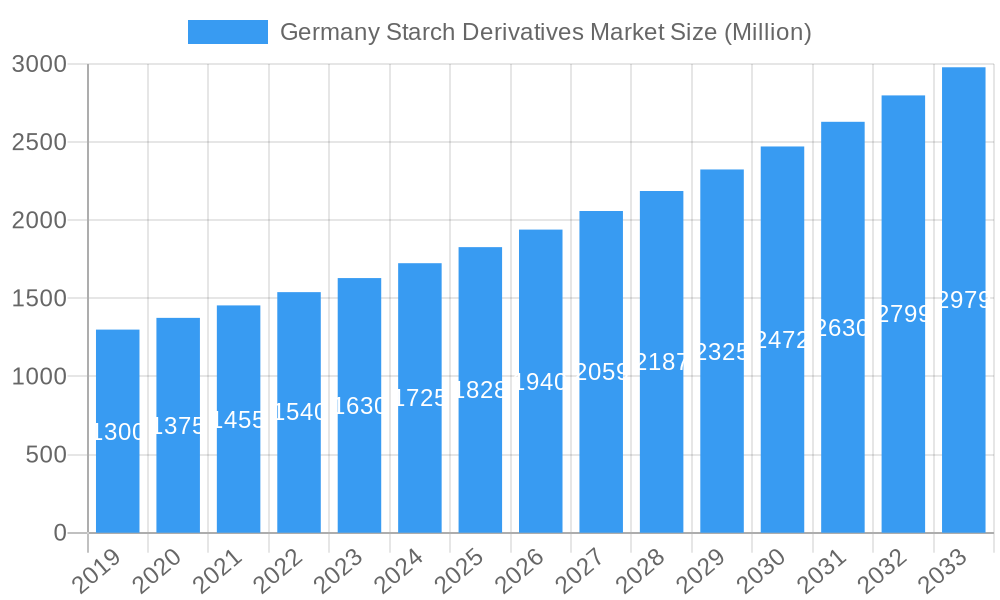
Germany Starch Derivatives Market Company Market Share
Comprehensive Report: Germany Starch Derivatives Market – Insights, Trends, and Future Outlook (2019–2033)
This in-depth report provides a detailed analysis of the Germany Starch Derivatives Market, encompassing maltodextrin, cyclodextrin, glucose syrups, hydrolysates, modified starch, and other vital segments. We delve into market dynamics, growth trends, regional dominance, product innovation, key drivers, emerging opportunities, and the strategic landscape shaped by industry leaders like ADM, Cargill Incorporated, BENEO, Avebe, Ingredion, AGRANA Beteiligungs A, Roquette Freres, and Tate & Lyle. With a study period from 2019 to 2033, a base and estimated year of 2025, and a forecast period from 2025 to 2033, this report offers actionable intelligence for stakeholders. All values are presented in Million Units.
Germany Starch Derivatives Market Market Dynamics & Structure
The Germany Starch Derivatives Market is characterized by a moderately concentrated landscape, with key players like Cargill and ADM holding significant market shares. Technological innovation is a primary driver, particularly in developing novel starch derivatives with enhanced functionalities for specific applications in the food and beverage sector. Stringent regulatory frameworks, including food safety standards and labeling requirements, influence product development and market entry. Competitive product substitutes, such as synthetic sweeteners and other texturizing agents, pose a constant challenge, necessitating continuous innovation and cost-efficiency. End-user demographics are shifting, with a growing demand for healthier, naturally derived ingredients and functional foods. Merger and acquisition (M&A) trends are active, with companies strategically acquiring smaller players or complementary technologies to expand their product portfolios and geographical reach. For instance, the recent acquisition of a specialty starch producer by a major player aimed to bolster its modified starch offerings, reflecting a M&A deal volume of approximately $150 Million Units in the past year. Barriers to innovation include high R&D costs and the lengthy approval processes for new food ingredients.
- Market Concentration: Moderately concentrated with top players holding substantial market share.
- Technological Innovation Drivers: Development of specialized functionalities, natural ingredients, and cost-effective processing.
- Regulatory Frameworks: Strict adherence to EU food safety, labeling, and sustainability regulations.
- Competitive Product Substitutes: Synthetic sweeteners, hydrocolloids, and other functional ingredients.
- End-User Demographics: Growing demand for clean-label, plant-based, and functional food products.
- M&A Trends: Strategic acquisitions for portfolio expansion and market penetration.
- Innovation Barriers: High R&D investment, regulatory hurdles, and long product development cycles.
Germany Starch Derivatives Market Growth Trends & Insights
The Germany Starch Derivatives Market is projected for robust growth, driven by evolving consumer preferences and expanding industrial applications. From a market size of approximately $1,200 Million Units in the base year 2025, the market is expected to witness a Compound Annual Growth Rate (CAGR) of around 5.2% through the forecast period ending in 2033. The increasing demand for convenience foods, processed dairy products, and bakery items directly fuels the consumption of glucose syrups and modified starches as texturizers, sweeteners, and stabilizers. Furthermore, the burgeoning health and wellness trend has spurred the adoption of starch derivatives like maltodextrin and cyclodextrin as carriers for active ingredients in functional foods and dietary supplements, contributing to a significant market penetration of these specialized products, estimated at 35% within the health food segment. Technological disruptions, such as advancements in enzymatic hydrolysis and fermentation processes, are enabling the production of starch derivatives with improved solubility, digestibility, and specific functional properties, further enhancing their appeal across various industries. Consumer behavior shifts towards natural, plant-based, and sustainable ingredients are also playing a pivotal role. For example, the demand for starch derivatives sourced from wheat and potato is on the rise, reflecting a growing conscious consumerism. The animal nutrition and feed sector is also a significant contributor to market expansion, with starch derivatives serving as essential energy sources and binders. The pharmaceutical industry's demand for starch derivatives as excipients for drug formulation is a steady growth driver, with an estimated market share of 18% within this segment. The beauty and personal care sector's increasing use of starch derivatives as emulsifiers, thickeners, and skin conditioning agents is a nascent but promising area of growth, with an estimated market size of $50 Million Units in 2025. The overall adoption rate of advanced starch derivatives is climbing, driven by their cost-effectiveness and versatility compared to alternative ingredients. The market penetration of modified starch, specifically, is estimated to be over 70% in the German food industry.
Dominant Regions, Countries, or Segments in Germany Starch Derivatives Market
Within the Germany Starch Derivatives Market, the Food and Beverage application segment stands out as the dominant force, commanding an estimated market share of 65% in 2025, valued at approximately $780 Million Units. This dominance is propelled by Germany's robust food processing industry and consistent consumer demand for a wide array of processed food and beverage products. The modified starch category, within the Type segment, is another significant driver, estimated to hold a market share of 30% in 2025, valued at $360 Million Units. Its versatility as a thickener, stabilizer, binder, and emulsifier makes it indispensable in numerous food formulations, from sauces and dairy products to confectionery and baked goods. The primary source material fueling this segment is corn, which accounts for approximately 50% of the starch derivatives produced, valued at $600 Million Units in 2025, due to its widespread availability and cost-effectiveness in Germany.
- Dominant Application Segment: Food and Beverage (approx. 65% market share in 2025).
- Key drivers include the high volume of processed food and beverage production in Germany.
- Demand for texturizers, sweeteners, stabilizers, and emulsifiers in diverse food categories.
- Growth in convenience foods and ready-to-eat meals.
- Dominant Type Segment: Modified Starch (approx. 30% market share in 2025).
- Essential for texture modification, viscosity control, and stability in various products.
- Extensive use in confectionery, dairy, sauces, and baked goods.
- Dominant Source: Corn (approx. 50% of starch derivatives in 2025).
- Cost-effectiveness and widespread availability make it a preferred raw material.
- Efficient processing technologies for corn starch derivatives.
- Regional Dominance: While the report focuses on Germany as a whole, within Germany, regions with a strong presence of food manufacturing, such as Bavaria and North Rhine-Westphalia, are key consumption hubs.
Germany Starch Derivatives Market Product Landscape
The product landscape of the Germany Starch Derivatives Market is dynamic and innovation-driven. Modified starches are central, offering tailored functionalities like heat stability, shear resistance, and freeze-thaw stability, crucial for advanced food formulations. Maltodextrin continues to be a workhorse, widely used for its solubility and mild sweetness in beverages and confectionery. Glucose syrups remain vital for sweetness control and texture in confectionery and bakery products. Emerging innovations include the development of cyclodextrins with enhanced encapsulation capabilities for flavor and nutrient delivery, and specialized hydrolysates designed for specific nutritional and functional benefits. Performance metrics like solubility, viscosity, emulsification capacity, and stability under various processing conditions are key differentiators. Unique selling propositions often revolve around clean-label attributes, non-GMO sourcing, and allergen-free formulations. Technological advancements in enzymatic modification and extrusion technologies are continuously refining product performance and opening new application avenues.
Key Drivers, Barriers & Challenges in Germany Starch Derivatives Market
The Germany Starch Derivatives Market is propelled by several key drivers. The growing demand for processed foods and beverages, particularly those with enhanced textures, shelf-life, and nutritional profiles, is paramount. The increasing popularity of plant-based diets favors starch-derived ingredients over animal-based alternatives. Furthermore, technological advancements in starch modification are enabling the creation of novel ingredients with superior functionalities and cost-effectiveness. The pharmaceutical and cosmetic industries' consistent need for excipients and functional ingredients also contributes to market growth.
Conversely, the market faces significant barriers and challenges. Fluctuations in raw material prices, particularly for corn and wheat, can impact production costs and profitability. Stringent regulatory requirements for food safety and labeling can lead to increased compliance costs and extended product launch times. Intense competition from alternative ingredients, such as hydrocolloids and synthetic additives, necessitates continuous innovation and price competitiveness. Supply chain disruptions, as witnessed during global events, can affect the availability and cost of raw materials and finished products.
Emerging Opportunities in Germany Starch Derivatives Market
Emerging opportunities within the Germany Starch Derivatives Market are largely driven by evolving consumer demands and technological advancements. The growing demand for clean-label and natural ingredients presents a significant opportunity for starch derivatives derived from sustainable and recognizable sources like potatoes and wheat. Innovations in specialty starch derivatives for functional foods and nutraceuticals, such as prebiotics and digestive aids, are gaining traction. The increasing focus on sustainable packaging is also opening avenues for biodegradable starch-based bioplastics. Furthermore, the expansion of the animal nutrition sector, with a focus on specialized feed formulations for enhanced animal health and productivity, offers a promising growth avenue for starch derivatives. The development of novel applications in the beauty and personal care sector, leveraging starch derivatives for their emulsifying, texturizing, and skin-conditioning properties, represents an untapped market.
Growth Accelerators in the Germany Starch Derivatives Market Industry
Several catalysts are accelerating the growth of the Germany Starch Derivatives Market. Ongoing research and development focused on creating starch derivatives with enhanced functional properties, such as improved solubility, digestibility, and specific rheological characteristics, are key. Strategic partnerships and collaborations between starch producers and end-user industries (e.g., food manufacturers, pharmaceutical companies) are facilitating the co-development of tailored solutions and faster market penetration. Technological breakthroughs in enzymatic and microbial modification of starch are enabling more precise and cost-effective production of high-value derivatives. Furthermore, increasing consumer awareness and preference for natural and plant-based ingredients are directly driving the demand for starch derivatives as sustainable alternatives to synthetic additives. The global trend towards a circular economy also favors starch derivatives as they are derived from renewable resources.
Key Players Shaping the Germany Starch Derivatives Market Market
- ADM
- Cargill Incorporated
- BENEO
- Avebe
- Ingredion
- AGRANA Beteiligungs A
- Roquette Freres
- Tate & Lyle
Notable Milestones in Germany Starch Derivatives Market Sector
- 2021: ADM launched a new line of modified starches with improved texture properties for dairy applications.
- 2020: Cargill Incorporated expanded its production capacity for glucose syrups in Europe.
- 2022: BENEO introduced a novel maltodextrin derived from organic rice, catering to the clean-label trend.
- 2019: Avebe invested in new research and development facilities to focus on potato starch derivatives for pharmaceutical applications.
- 2023: Ingredion acquired a specialty starch company to bolster its portfolio of texturizing ingredients.
- 2022: AGRANA Beteiligungs A reported strong growth in its starch segment driven by demand from the food industry.
- 2021: Roquette Freres unveiled a new generation of plant-based ingredients, including starch derivatives, for the food industry.
- 2020: Tate & Lyle announced its strategic divestment of its consumer brands to focus on its specialty food ingredients business, including starch derivatives.
In-Depth Germany Starch Derivatives Market Market Outlook
The future outlook for the Germany Starch Derivatives Market is exceptionally promising, driven by an confluence of sustained demand and ongoing innovation. Growth accelerators will continue to be the unwavering consumer preference for natural, plant-based, and functional food ingredients, directly benefiting the versatile starch derivatives market. Technological advancements in enzymatic modification and fermentation will unlock new functionalities and cost-efficiencies, further solidifying their position as preferred ingredients. Strategic partnerships and targeted R&D investments will foster the development of bespoke solutions for burgeoning sectors like nutraceuticals and sustainable packaging. The market is poised for consistent expansion, with a strong emphasis on sustainability and health-conscious applications, offering significant strategic opportunities for market players to capitalize on evolving consumer needs and industrial demands.
Germany Starch Derivatives Market Segmentation
-
1. Type
- 1.1. Maltodextrin
- 1.2. Cyclodextrin
- 1.3. Glucose Syrups
- 1.4. Hydrolysates
- 1.5. Modified Starch
- 1.6. Other Types
-
2. Source
- 2.1. Wheat
- 2.2. Corn
- 2.3. Potato
- 2.4. Other Sources
-
3. Application
- 3.1. Food and Beverage
- 3.2. Animal Nutrition and Feed
- 3.3. Paper Industry
- 3.4. Pharmaceutical Industry
- 3.5. Beauty and Personal Care
- 3.6. Other Applications
Germany Starch Derivatives Market Segmentation By Geography
- 1. Germany
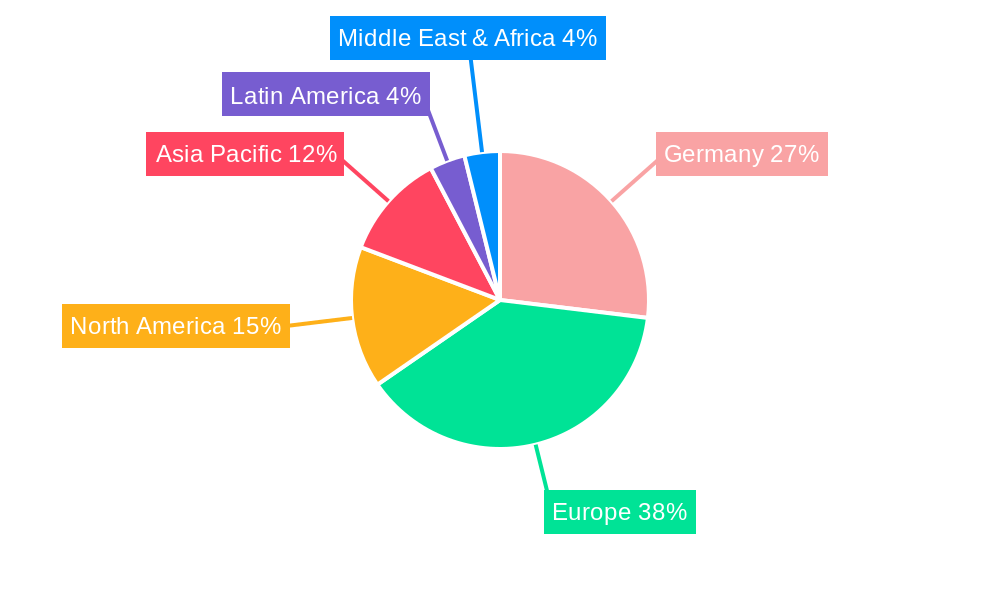
Germany Starch Derivatives Market Regional Market Share
Geographic Coverage of Germany Starch Derivatives Market
Germany Starch Derivatives Market REPORT HIGHLIGHTS
| Aspects | Details |
|---|---|
| Study Period | 2020-2034 |
| Base Year | 2025 |
| Estimated Year | 2026 |
| Forecast Period | 2026-2034 |
| Historical Period | 2020-2025 |
| Growth Rate | CAGR of 3.7% from 2020-2034 |
| Segmentation |
|
Table of Contents
- 1. Introduction
- 1.1. Research Scope
- 1.2. Market Segmentation
- 1.3. Research Methodology
- 1.4. Definitions and Assumptions
- 2. Executive Summary
- 2.1. Introduction
- 3. Market Dynamics
- 3.1. Introduction
- 3.2. Market Drivers
- 3.2.1. Growing Demand for Plant Based Alternatives; Expanding Application of Pea Protein Toward Food Fortification
- 3.3. Market Restrains
- 3.3.1. Low Awareness and Application of the Additive
- 3.4. Market Trends
- 3.4.1. Growing Textile Industry in the Country
- 4. Market Factor Analysis
- 4.1. Porters Five Forces
- 4.2. Supply/Value Chain
- 4.3. PESTEL analysis
- 4.4. Market Entropy
- 4.5. Patent/Trademark Analysis
- 5. Germany Starch Derivatives Market Analysis, Insights and Forecast, 2020-2032
- 5.1. Market Analysis, Insights and Forecast - by Type
- 5.1.1. Maltodextrin
- 5.1.2. Cyclodextrin
- 5.1.3. Glucose Syrups
- 5.1.4. Hydrolysates
- 5.1.5. Modified Starch
- 5.1.6. Other Types
- 5.2. Market Analysis, Insights and Forecast - by Source
- 5.2.1. Wheat
- 5.2.2. Corn
- 5.2.3. Potato
- 5.2.4. Other Sources
- 5.3. Market Analysis, Insights and Forecast - by Application
- 5.3.1. Food and Beverage
- 5.3.2. Animal Nutrition and Feed
- 5.3.3. Paper Industry
- 5.3.4. Pharmaceutical Industry
- 5.3.5. Beauty and Personal Care
- 5.3.6. Other Applications
- 5.4. Market Analysis, Insights and Forecast - by Region
- 5.4.1. Germany
- 5.1. Market Analysis, Insights and Forecast - by Type
- 6. Competitive Analysis
- 6.1. Market Share Analysis 2025
- 6.2. Company Profiles
- 6.2.1 ADM
- 6.2.1.1. Overview
- 6.2.1.2. Products
- 6.2.1.3. SWOT Analysis
- 6.2.1.4. Recent Developments
- 6.2.1.5. Financials (Based on Availability)
- 6.2.2 Cargill Incorporated
- 6.2.2.1. Overview
- 6.2.2.2. Products
- 6.2.2.3. SWOT Analysis
- 6.2.2.4. Recent Developments
- 6.2.2.5. Financials (Based on Availability)
- 6.2.3 BENEO
- 6.2.3.1. Overview
- 6.2.3.2. Products
- 6.2.3.3. SWOT Analysis
- 6.2.3.4. Recent Developments
- 6.2.3.5. Financials (Based on Availability)
- 6.2.4 Avebe
- 6.2.4.1. Overview
- 6.2.4.2. Products
- 6.2.4.3. SWOT Analysis
- 6.2.4.4. Recent Developments
- 6.2.4.5. Financials (Based on Availability)
- 6.2.5 Ingredion
- 6.2.5.1. Overview
- 6.2.5.2. Products
- 6.2.5.3. SWOT Analysis
- 6.2.5.4. Recent Developments
- 6.2.5.5. Financials (Based on Availability)
- 6.2.6 AGRANA Beteiligungs A
- 6.2.6.1. Overview
- 6.2.6.2. Products
- 6.2.6.3. SWOT Analysis
- 6.2.6.4. Recent Developments
- 6.2.6.5. Financials (Based on Availability)
- 6.2.7 Roquette Freres
- 6.2.7.1. Overview
- 6.2.7.2. Products
- 6.2.7.3. SWOT Analysis
- 6.2.7.4. Recent Developments
- 6.2.7.5. Financials (Based on Availability)
- 6.2.8 Tate & Lyle
- 6.2.8.1. Overview
- 6.2.8.2. Products
- 6.2.8.3. SWOT Analysis
- 6.2.8.4. Recent Developments
- 6.2.8.5. Financials (Based on Availability)
- 6.2.1 ADM
List of Figures
- Figure 1: Germany Starch Derivatives Market Revenue Breakdown (billion, %) by Product 2025 & 2033
- Figure 2: Germany Starch Derivatives Market Share (%) by Company 2025
List of Tables
- Table 1: Germany Starch Derivatives Market Revenue billion Forecast, by Type 2020 & 2033
- Table 2: Germany Starch Derivatives Market Revenue billion Forecast, by Source 2020 & 2033
- Table 3: Germany Starch Derivatives Market Revenue billion Forecast, by Application 2020 & 2033
- Table 4: Germany Starch Derivatives Market Revenue billion Forecast, by Region 2020 & 2033
- Table 5: Germany Starch Derivatives Market Revenue billion Forecast, by Type 2020 & 2033
- Table 6: Germany Starch Derivatives Market Revenue billion Forecast, by Source 2020 & 2033
- Table 7: Germany Starch Derivatives Market Revenue billion Forecast, by Application 2020 & 2033
- Table 8: Germany Starch Derivatives Market Revenue billion Forecast, by Country 2020 & 2033
Frequently Asked Questions
1. What is the projected Compound Annual Growth Rate (CAGR) of the Germany Starch Derivatives Market?
The projected CAGR is approximately 3.7%.
2. Which companies are prominent players in the Germany Starch Derivatives Market?
Key companies in the market include ADM, Cargill Incorporated, BENEO, Avebe, Ingredion, AGRANA Beteiligungs A, Roquette Freres, Tate & Lyle.
3. What are the main segments of the Germany Starch Derivatives Market?
The market segments include Type, Source, Application.
4. Can you provide details about the market size?
The market size is estimated to be USD 62.55 billion as of 2022.
5. What are some drivers contributing to market growth?
Growing Demand for Plant Based Alternatives; Expanding Application of Pea Protein Toward Food Fortification.
6. What are the notable trends driving market growth?
Growing Textile Industry in the Country.
7. Are there any restraints impacting market growth?
Low Awareness and Application of the Additive.
8. Can you provide examples of recent developments in the market?
N/A
9. What pricing options are available for accessing the report?
Pricing options include single-user, multi-user, and enterprise licenses priced at USD 3800, USD 4500, and USD 5800 respectively.
10. Is the market size provided in terms of value or volume?
The market size is provided in terms of value, measured in billion.
11. Are there any specific market keywords associated with the report?
Yes, the market keyword associated with the report is "Germany Starch Derivatives Market," which aids in identifying and referencing the specific market segment covered.
12. How do I determine which pricing option suits my needs best?
The pricing options vary based on user requirements and access needs. Individual users may opt for single-user licenses, while businesses requiring broader access may choose multi-user or enterprise licenses for cost-effective access to the report.
13. Are there any additional resources or data provided in the Germany Starch Derivatives Market report?
While the report offers comprehensive insights, it's advisable to review the specific contents or supplementary materials provided to ascertain if additional resources or data are available.
14. How can I stay updated on further developments or reports in the Germany Starch Derivatives Market?
To stay informed about further developments, trends, and reports in the Germany Starch Derivatives Market, consider subscribing to industry newsletters, following relevant companies and organizations, or regularly checking reputable industry news sources and publications.
Methodology
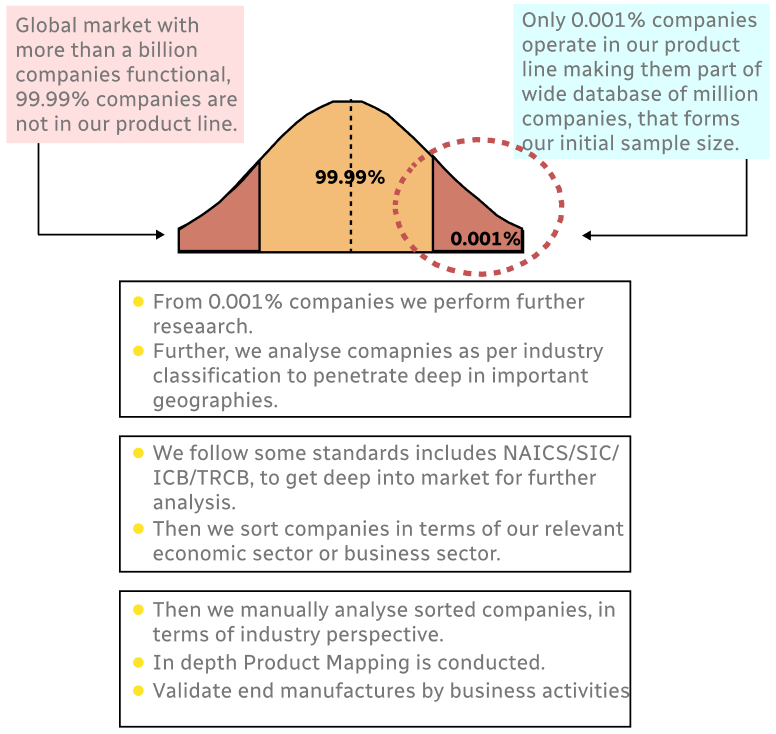
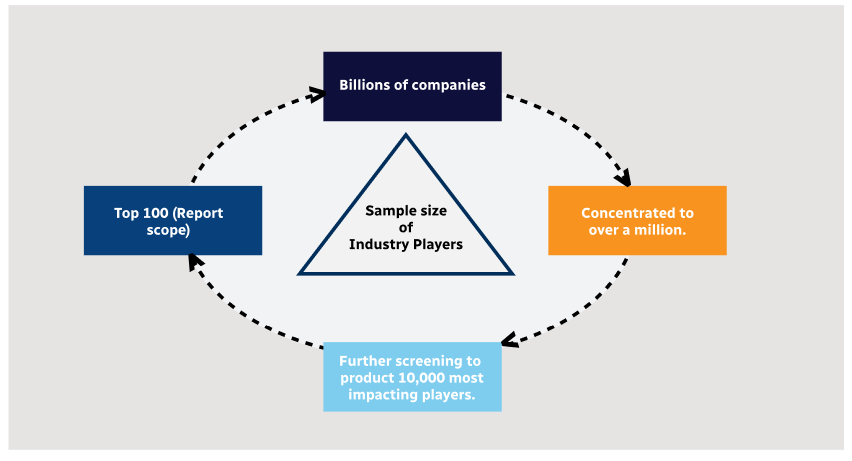
Step 1 - Identification of Relevant Samples Size from Population Database
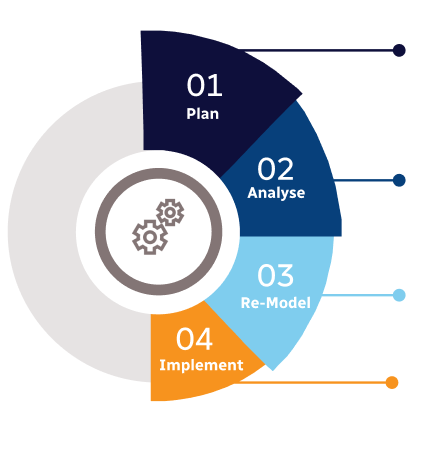
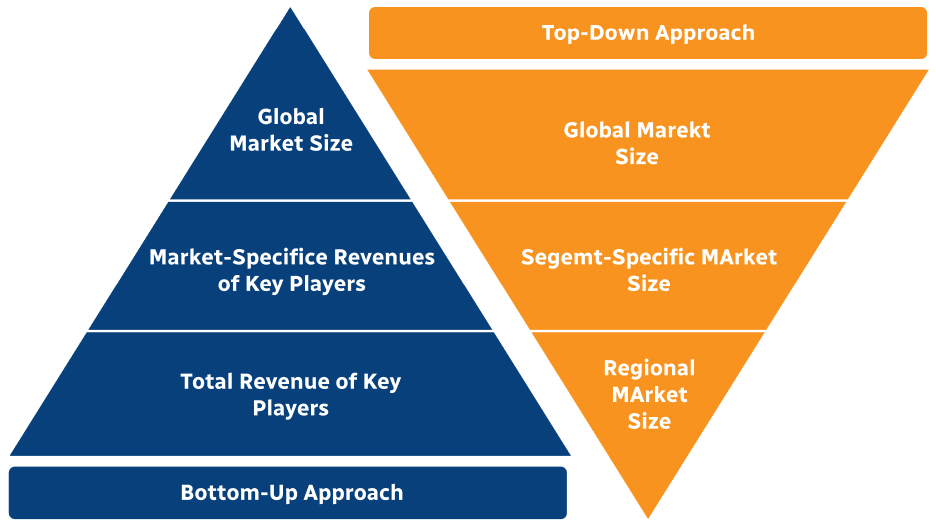
Step 2 - Approaches for Defining Global Market Size (Value, Volume* & Price*)
Note*: In applicable scenarios
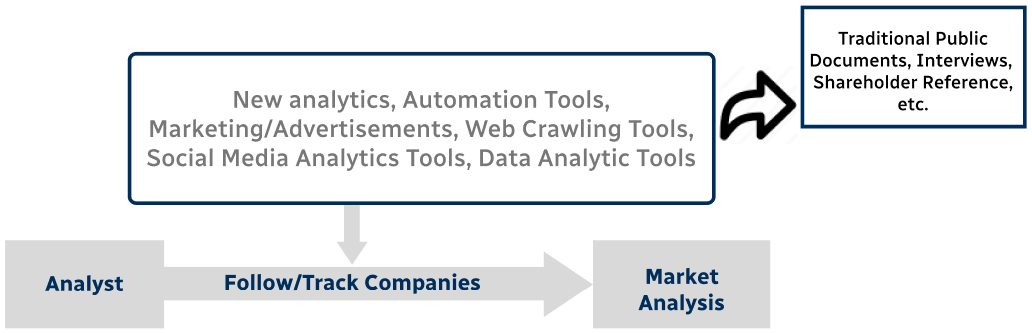
Step 3 - Data Sources
Primary Research
- Web Analytics
- Survey Reports
- Research Institute
- Latest Research Reports
- Opinion Leaders
Secondary Research
- Annual Reports
- White Paper
- Latest Press Release
- Industry Association
- Paid Database
- Investor Presentations
Step 4 - Data Triangulation
Involves using different sources of information in order to increase the validity of a study
These sources are likely to be stakeholders in a program - participants, other researchers, program staff, other community members, and so on.
Then we put all data in single framework & apply various statistical tools to find out the dynamic on the market.
During the analysis stage, feedback from the stakeholder groups would be compared to determine areas of agreement as well as areas of divergence