


Key Insights
The German plant protein market is forecast for substantial growth, projected to reach a market size of $0.86 billion by 2025, with a compound annual growth rate (CAGR) of 4.63%. This expansion is driven by increasing consumer health consciousness, a preference for sustainable and ethical food choices, and a rise in lifestyle-related diseases and allergies to animal products. Supportive government initiatives promoting plant-based diets further contribute to this growth. Shifting consumer lifestyles towards flexitarian, vegetarian, and vegan diets are fueling demand across diverse food and beverage applications, including bakery, dairy alternatives, and meat substitutes.
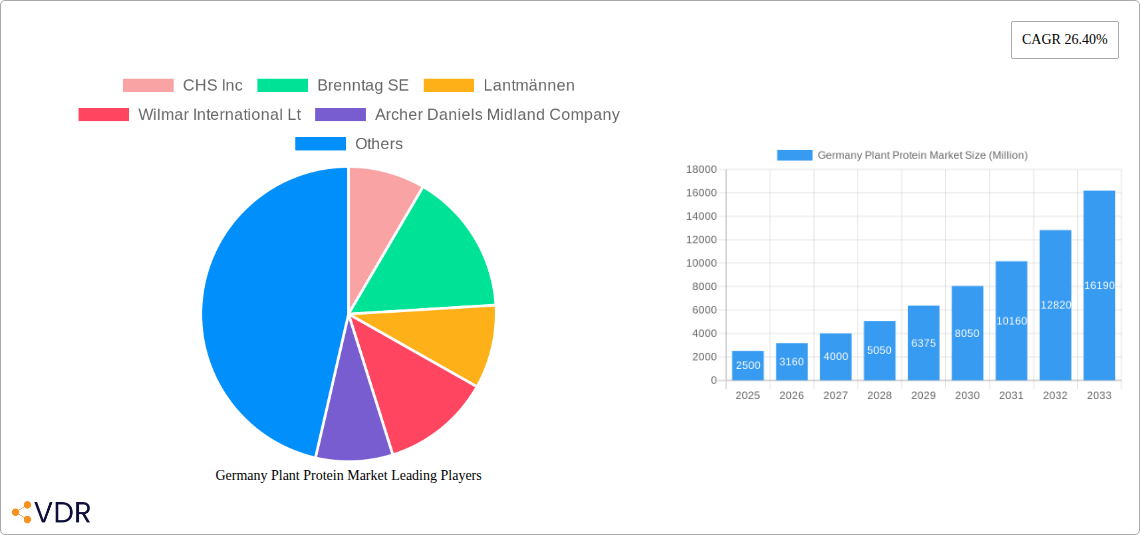
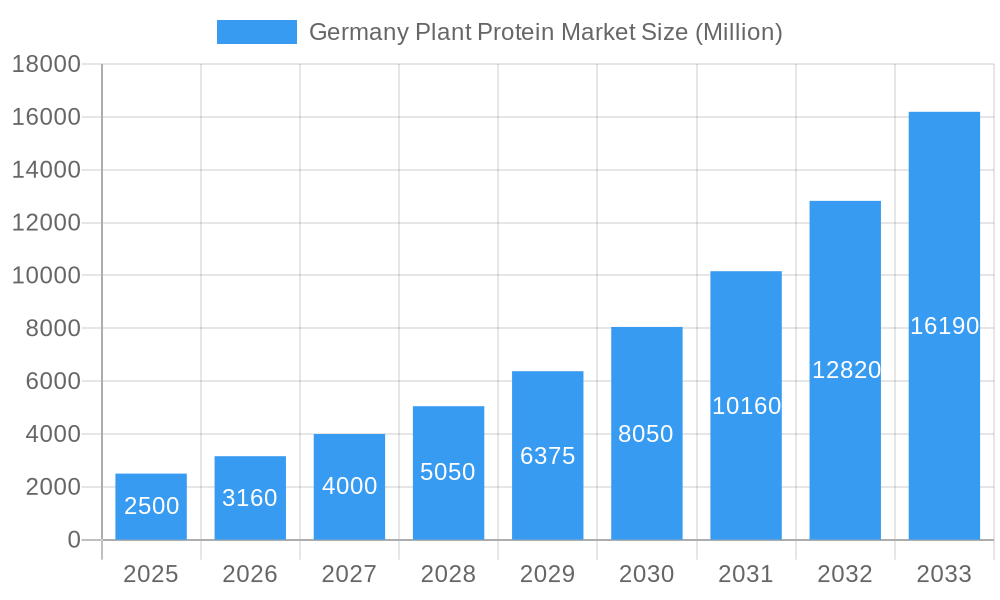
Germany Plant Protein Market Market Size (In Million)

Advancements in food technology have enhanced the quality, palatability, and versatility of plant-based protein ingredients. Pea and soy proteins currently lead the market due to their favorable functional properties and availability. The food and beverage sector, particularly the meat and seafood alternative sub-segment, is expected to experience significant growth. The burgeoning sports nutrition market and increasing adoption of plant proteins for infant and elderly nutrition present additional expansion opportunities. Market players must address challenges such as raw material price volatility and consumer perception regarding taste and texture to ensure sustained growth.
Germany Plant Protein Market Company Market Share
This report provides a strategic overview of the Germany Plant Protein Market, offering key insights for stakeholders. It analyzes the evolving landscape of plant-based ingredients, vegan protein, and alternative protein sources, driven by demand for healthier, sustainable, and ethically produced food. Covering the period from 2019-2033, with a base year of 2025, the report details market structure, growth drivers, regional trends, product innovations, and key player strategies.
Germany Plant Protein Market Market Dynamics & Structure
The Germany Plant Protein Market is characterized by a dynamic interplay of factors shaping its competitive intensity and innovation trajectory. Market concentration is moderate, with a mix of established global players and emerging regional specialists vying for market share. Technological innovation is a significant driver, particularly in developing novel plant-based protein isolates and concentrates with improved functionality, taste, and texture for a wider range of applications. Regulatory frameworks in Germany, often prioritizing food safety and labeling standards, indirectly influence product development and market entry. Competitive product substitutes, primarily conventional animal-based proteins, are facing increasing pressure from the rising appeal of plant-based alternatives. End-user demographics are shifting, with a growing segment of flexitarians, vegetarians, and vegans actively seeking plant protein in food and beverages, supplements, and even personal care products. Merger and acquisition (M&A) trends are also evident as larger companies seek to expand their plant-based portfolios and gain access to new technologies and market segments. For instance, the acquisition of Meatless BV by BENEO (a subsidiary of Südzucker) signifies a strategic move to bolster its offerings in meat alternative ingredients. The market's innovation barriers include the cost-effectiveness of producing certain plant proteins at scale and achieving sensory profiles that closely mimic animal-based products.
- Market Concentration: Moderate, with both global and regional players.
- Technological Drivers: Development of functional plant-based protein isolates and concentrates.
- Regulatory Influence: Stringent food safety and labeling standards.
- Competitive Landscape: Increasing pressure on animal proteins from plant-based alternatives.
- End-User Demographics: Growing vegan, vegetarian, and flexitarian consumer base.
- M&A Trends: Consolidation and strategic acquisitions to expand plant-based offerings.
- Innovation Barriers: Cost scalability and sensory replication of animal proteins.
Germany Plant Protein Market Growth Trends & Insights
The Germany Plant Protein Market is experiencing robust growth, fueled by a confluence of evolving consumer preferences, health consciousness, and environmental awareness. The market size is projected to witness a significant upward trajectory, with adoption rates for plant-based proteins accelerating across various end-user segments. Technological disruptions are playing a crucial role, with advancements in processing techniques enhancing the solubility, digestibility, and overall functional properties of plant-derived proteins. Consumer behavior shifts are a primary catalyst, moving beyond traditional vegetarianism to embrace flexitarian diets, where individuals consciously reduce their consumption of animal products. This trend is particularly pronounced in Germany, a nation with a strong inclination towards healthy living and environmental sustainability.
The market is witnessing increased penetration of plant-based protein in everyday food and beverage products, including dairy alternatives, meat substitutes, bakery items, and snacks. The sports nutrition segment, a significant sub-segment within supplements, is also a major contributor, with athletes and fitness enthusiasts increasingly opting for vegan protein powders and bars. The growing awareness of the health benefits associated with plant proteins, such as improved heart health and reduced risk of chronic diseases, is further driving demand. Furthermore, the perception of plant proteins as more sustainable and ethically produced than animal proteins aligns with the values of a significant portion of the German population.
The plant-based protein market in Germany is not just about replacing animal products; it's also about innovation and diversification. Companies are investing in research and development to create novel plant protein ingredients from sources like fava beans, chickpeas, and even algae, expanding the diversity of protein options available. The forecast period (2025–2033) is expected to see a sustained high Compound Annual Growth Rate (CAGR), reflecting the enduring appeal and expanding applications of plant protein. Market penetration is anticipated to deepen, with plant-based protein becoming a staple ingredient rather than a niche product. This growth trajectory is underpinned by continuous innovation in product formulation, taste enhancement, and cost optimization, making plant-based protein an increasingly accessible and attractive choice for a wider consumer base in Germany.
Dominant Regions, Countries, or Segments in Germany Plant Protein Market
Within the German plant protein market, the Food and Beverages segment stands out as the dominant force, significantly outpacing other end-user categories. This dominance is propelled by a multifaceted consumer demand for plant-based protein across a vast array of sub-segments, reflecting a profound shift in dietary habits and preferences. The Meat/Poultry/Seafood and Meat Alternative Products sub-segment within Food and Beverages is particularly instrumental, experiencing unprecedented growth as consumers actively seek alternatives to traditional animal protein sources. The increasing adoption of vegan and vegetarian diets, coupled with the burgeoning flexitarian movement, is directly translating into higher consumption of plant-based meat alternatives, burgers, sausages, and ready-to-eat meals.
Furthermore, the Dairy and Dairy Alternative Products sub-segment is another significant contributor to the dominance of Food and Beverages. The proliferation of plant-based milks (e.g., almond, soy, oat), yogurts, cheeses, and ice creams, fortified with various plant proteins, caters to a wide spectrum of dietary needs and taste preferences, solidifying the segment's growth. Bakery and Snacks also represent substantial growth areas, with manufacturers incorporating plant proteins to enhance nutritional profiles and appeal to health-conscious consumers. The growing demand for convenient and healthy food options further amplifies the importance of these sub-segments.
Among the protein types, Pea Protein and Soy Protein currently hold significant market share due to their established availability, functional properties, and cost-effectiveness. However, Hemp Protein, Rice Protein, and Potato Protein are experiencing rapid growth as consumers seek diversified protein sources with unique nutritional benefits and allergen profiles. The market's expansion is supported by Germany's robust economic policies that encourage sustainable agriculture and food innovation. Advanced infrastructure facilitates the efficient supply and distribution of plant protein ingredients across the country. Consumer education initiatives and increased availability of plant-based products in mainstream retail channels have also been pivotal in driving demand and expanding market penetration. The sheer breadth of applications and the ongoing innovation within the Food and Beverages sector, particularly in creating palatable and versatile plant-based protein solutions, firmly establish it as the primary growth engine for the Germany Plant Protein Market.
- Dominant End User: Food and Beverages
- Key Sub-Segments: Meat/Poultry/Seafood and Meat Alternative Products, Dairy and Dairy Alternative Products, Bakery, Snacks.
- Drivers: Growing vegan, vegetarian, and flexitarian populations; demand for healthier and sustainable food options; innovation in product development.
- Leading Protein Types: Pea Protein, Soy Protein (current high share); Hemp Protein, Rice Protein, Potato Protein (high growth potential).
- Supporting Factors: Favorable economic policies, robust infrastructure, consumer education, increased retail availability.
Germany Plant Protein Market Product Landscape
The Germany Plant Protein Market is characterized by a surge in product innovation, focusing on enhancing functionality, taste, and nutritional profiles. Companies are developing high-purity plant protein isolates and concentrates with improved emulsification, gelling, and foaming properties, making them versatile for a wide range of applications. Innovations include novel plant-based protein blends designed to offer complete amino acid profiles, mimicking the nutritional completeness of animal proteins. Performance metrics such as protein content, solubility, and digestibility are key differentiators. Unique selling propositions include allergen-free formulations, sustainable sourcing, and clean-label ingredients. Technological advancements are enabling the extraction of plant proteins from underutilized sources and the development of texturized plant-based proteins that closely replicate the mouthfeel of meat. The Nutralys rice protein line from Roquette, featuring both isolate and concentrate, exemplifies this trend by addressing the demand for meat substitute applications.
Key Drivers, Barriers & Challenges in Germany Plant Protein Market
Key Drivers:
The Germany Plant Protein Market is propelled by a confluence of powerful drivers. Consumer demand for healthier food options, driven by increased awareness of the health benefits associated with plant-based diets, is a primary catalyst. Growing environmental consciousness and the desire for sustainable food choices, coupled with ethical considerations regarding animal welfare, are significantly boosting the adoption of plant-based protein. Technological advancements in plant protein processing are leading to improved functionality, taste, and texture, making them more appealing and versatile for various food applications. Government initiatives and support for sustainable agriculture and food innovation also play a crucial role.
Barriers & Challenges:
Despite the robust growth, the market faces several barriers and challenges. The cost of plant protein ingredients can still be higher compared to conventional animal proteins, impacting price competitiveness for some products. Achieving taste and texture parity with animal-based counterparts remains an ongoing challenge, requiring continuous innovation. Supply chain complexities, particularly for newer or niche plant protein sources, can lead to inconsistencies and potential price volatility. Regulatory hurdles related to novel plant protein ingredients and labeling can also pose challenges for market entry and product development. Intense competition from established food manufacturers and the potential for consumer fatigue with limited product variety are also factors to monitor.
Emerging Opportunities in Germany Plant Protein Market
Emerging opportunities in the Germany Plant Protein Market lie in the expansion of plant-based protein applications beyond traditional meat and dairy alternatives. There is significant untapped potential in areas such as plant-based seafood alternatives, protein-enriched baked goods, and innovative plant-based snacks with unique flavor profiles. The growing demand for plant protein in personal care and cosmetics, leveraging its moisturizing and antioxidant properties, presents another promising avenue. Furthermore, the development of specialized plant protein formulations for elderly nutrition and medical nutrition caters to a growing demographic seeking easily digestible and nutrient-dense food options. Evolving consumer preferences for novel plant protein sources, such as fava beans, chickpeas, and even algae, offer opportunities for product diversification and market differentiation.
Growth Accelerators in the Germany Plant Protein Market Industry
Several catalysts are accelerating the long-term growth of the Germany Plant Protein Market. Technological breakthroughs in ingredient processing, such as advanced fermentation and enzymatic modification, are leading to the development of plant proteins with superior functional and nutritional attributes. Strategic partnerships between ingredient suppliers, food manufacturers, and research institutions are fostering innovation and accelerating product development cycles. Market expansion strategies, including the introduction of more diverse plant-based product ranges and targeting new consumer segments, are further fueling growth. The increasing investment in R&D by key players, focused on improving taste, texture, and cost-effectiveness, is a critical growth accelerator, ensuring the continued appeal and accessibility of plant-based protein solutions.
Key Players Shaping the Germany Plant Protein Market Market
- CHS Inc
- Brenntag SE
- Lantmännen
- Wilmar International Lt
- Archer Daniels Midland Company
- Glanbia PLC
- Kerry Group PLC
- Südzucker AG
- Ingredion Incorporated
- A Costantino & C spa
- Roquette Frère
Notable Milestones in Germany Plant Protein Market Sector
- June 2022: Roquette released two novel rice proteins (Nutralys rice protein isolate and concentrate) to meet the market demand for meat substitute applications.
- May 2022: BENEO (subsidiary of Südzucker) entered an agreement to acquire Meatless BV, a functional ingredients producer, to broaden its texturizing solutions for meat and fish alternatives.
- May 2021: Lantmännen Agroetanol (Lantmännen subsidiary) invested SEK 800 million in a biorefinery in Norrköping to strengthen its position in grain-based food ingredients, specifically gluten production. The new production line is expected to be operational in Q2 2023.
In-Depth Germany Plant Protein Market Market Outlook
The outlook for the Germany Plant Protein Market is exceptionally positive, with strong growth anticipated throughout the forecast period. Key growth accelerators include the continuous innovation in developing highly functional and palatable plant-based protein ingredients, catering to a diverse range of food and beverage applications. The increasing consumer preference for sustainable and health-conscious food choices will continue to drive demand for vegan protein sources. Strategic collaborations and investments by major industry players are expected to foster further product development and market penetration. Emerging opportunities in specialized nutrition and non-food applications will broaden the market's scope. Overall, the Germany Plant Protein Market is poised for sustained expansion, driven by a combination of evolving consumer trends, technological advancements, and strategic market initiatives, presenting significant opportunities for stakeholders.
Germany Plant Protein Market Segmentation
-
1. Protein Type
- 1.1. Hemp Protein
- 1.2. Pea Protein
- 1.3. Potato Protein
- 1.4. Rice Protein
- 1.5. Soy Protein
- 1.6. Wheat Protein
- 1.7. Other Plant Protein
-
2. End User
- 2.1. Animal Feed
-
2.2. Food and Beverages
-
2.2.1. By Sub End User
- 2.2.1.1. Bakery
- 2.2.1.2. Breakfast Cereals
- 2.2.1.3. Condiments/Sauces
- 2.2.1.4. Confectionery
- 2.2.1.5. Dairy and Dairy Alternative Products
- 2.2.1.6. Meat/Poultry/Seafood and Meat Alternative Products
- 2.2.1.7. RTE/RTC Food Products
- 2.2.1.8. Snacks
-
2.2.1. By Sub End User
- 2.3. Personal Care and Cosmetics
-
2.4. Supplements
- 2.4.1. Baby Food and Infant Formula
- 2.4.2. Elderly Nutrition and Medical Nutrition
- 2.4.3. Sport/Performance Nutrition
Germany Plant Protein Market Segmentation By Geography
- 1. Germany
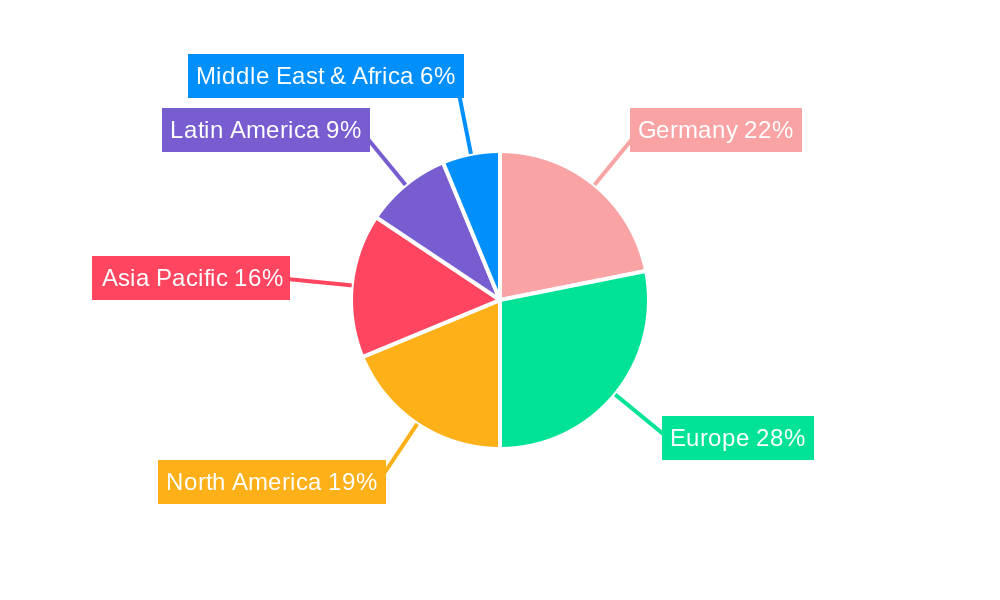
Germany Plant Protein Market Regional Market Share
Geographic Coverage of Germany Plant Protein Market
Germany Plant Protein Market REPORT HIGHLIGHTS
| Aspects | Details |
|---|---|
| Study Period | 2020-2034 |
| Base Year | 2025 |
| Estimated Year | 2026 |
| Forecast Period | 2026-2034 |
| Historical Period | 2020-2025 |
| Growth Rate | CAGR of 4.63% from 2020-2034 |
| Segmentation |
|
Table of Contents
- 1. Introduction
- 1.1. Research Scope
- 1.2. Market Segmentation
- 1.3. Research Methodology
- 1.4. Definitions and Assumptions
- 2. Executive Summary
- 2.1. Introduction
- 3. Market Dynamics
- 3.1. Introduction
- 3.2. Market Drivers
- 3.2.1. Increasing Urbanization; Growing Disposable Income
- 3.3. Market Restrains
- 3.3.1. High-price and additional delivery charges
- 3.4. Market Trends
- 3.4.1. OTHER KEY INDUSTRY TRENDS COVERED IN THE REPORT
- 4. Market Factor Analysis
- 4.1. Porters Five Forces
- 4.2. Supply/Value Chain
- 4.3. PESTEL analysis
- 4.4. Market Entropy
- 4.5. Patent/Trademark Analysis
- 5. Germany Plant Protein Market Analysis, Insights and Forecast, 2020-2032
- 5.1. Market Analysis, Insights and Forecast - by Protein Type
- 5.1.1. Hemp Protein
- 5.1.2. Pea Protein
- 5.1.3. Potato Protein
- 5.1.4. Rice Protein
- 5.1.5. Soy Protein
- 5.1.6. Wheat Protein
- 5.1.7. Other Plant Protein
- 5.2. Market Analysis, Insights and Forecast - by End User
- 5.2.1. Animal Feed
- 5.2.2. Food and Beverages
- 5.2.2.1. By Sub End User
- 5.2.2.1.1. Bakery
- 5.2.2.1.2. Breakfast Cereals
- 5.2.2.1.3. Condiments/Sauces
- 5.2.2.1.4. Confectionery
- 5.2.2.1.5. Dairy and Dairy Alternative Products
- 5.2.2.1.6. Meat/Poultry/Seafood and Meat Alternative Products
- 5.2.2.1.7. RTE/RTC Food Products
- 5.2.2.1.8. Snacks
- 5.2.2.1. By Sub End User
- 5.2.3. Personal Care and Cosmetics
- 5.2.4. Supplements
- 5.2.4.1. Baby Food and Infant Formula
- 5.2.4.2. Elderly Nutrition and Medical Nutrition
- 5.2.4.3. Sport/Performance Nutrition
- 5.3. Market Analysis, Insights and Forecast - by Region
- 5.3.1. Germany
- 5.1. Market Analysis, Insights and Forecast - by Protein Type
- 6. Competitive Analysis
- 6.1. Market Share Analysis 2025
- 6.2. Company Profiles
- 6.2.1 CHS Inc
- 6.2.1.1. Overview
- 6.2.1.2. Products
- 6.2.1.3. SWOT Analysis
- 6.2.1.4. Recent Developments
- 6.2.1.5. Financials (Based on Availability)
- 6.2.2 Brenntag SE
- 6.2.2.1. Overview
- 6.2.2.2. Products
- 6.2.2.3. SWOT Analysis
- 6.2.2.4. Recent Developments
- 6.2.2.5. Financials (Based on Availability)
- 6.2.3 Lantmännen
- 6.2.3.1. Overview
- 6.2.3.2. Products
- 6.2.3.3. SWOT Analysis
- 6.2.3.4. Recent Developments
- 6.2.3.5. Financials (Based on Availability)
- 6.2.4 Wilmar International Lt
- 6.2.4.1. Overview
- 6.2.4.2. Products
- 6.2.4.3. SWOT Analysis
- 6.2.4.4. Recent Developments
- 6.2.4.5. Financials (Based on Availability)
- 6.2.5 Archer Daniels Midland Company
- 6.2.5.1. Overview
- 6.2.5.2. Products
- 6.2.5.3. SWOT Analysis
- 6.2.5.4. Recent Developments
- 6.2.5.5. Financials (Based on Availability)
- 6.2.6 Glanbia PLC
- 6.2.6.1. Overview
- 6.2.6.2. Products
- 6.2.6.3. SWOT Analysis
- 6.2.6.4. Recent Developments
- 6.2.6.5. Financials (Based on Availability)
- 6.2.7 Kerry Group PLC
- 6.2.7.1. Overview
- 6.2.7.2. Products
- 6.2.7.3. SWOT Analysis
- 6.2.7.4. Recent Developments
- 6.2.7.5. Financials (Based on Availability)
- 6.2.8 Südzucker AG
- 6.2.8.1. Overview
- 6.2.8.2. Products
- 6.2.8.3. SWOT Analysis
- 6.2.8.4. Recent Developments
- 6.2.8.5. Financials (Based on Availability)
- 6.2.9 Ingredion Incorporated
- 6.2.9.1. Overview
- 6.2.9.2. Products
- 6.2.9.3. SWOT Analysis
- 6.2.9.4. Recent Developments
- 6.2.9.5. Financials (Based on Availability)
- 6.2.10 A Costantino & C spa
- 6.2.10.1. Overview
- 6.2.10.2. Products
- 6.2.10.3. SWOT Analysis
- 6.2.10.4. Recent Developments
- 6.2.10.5. Financials (Based on Availability)
- 6.2.11 Roquette Frère
- 6.2.11.1. Overview
- 6.2.11.2. Products
- 6.2.11.3. SWOT Analysis
- 6.2.11.4. Recent Developments
- 6.2.11.5. Financials (Based on Availability)
- 6.2.1 CHS Inc
List of Figures
- Figure 1: Germany Plant Protein Market Revenue Breakdown (billion, %) by Product 2025 & 2033
- Figure 2: Germany Plant Protein Market Share (%) by Company 2025
List of Tables
- Table 1: Germany Plant Protein Market Revenue billion Forecast, by Protein Type 2020 & 2033
- Table 2: Germany Plant Protein Market Revenue billion Forecast, by End User 2020 & 2033
- Table 3: Germany Plant Protein Market Revenue billion Forecast, by Region 2020 & 2033
- Table 4: Germany Plant Protein Market Revenue billion Forecast, by Protein Type 2020 & 2033
- Table 5: Germany Plant Protein Market Revenue billion Forecast, by End User 2020 & 2033
- Table 6: Germany Plant Protein Market Revenue billion Forecast, by Country 2020 & 2033
Frequently Asked Questions
1. What is the projected Compound Annual Growth Rate (CAGR) of the Germany Plant Protein Market?
The projected CAGR is approximately 4.63%.
2. Which companies are prominent players in the Germany Plant Protein Market?
Key companies in the market include CHS Inc, Brenntag SE, Lantmännen, Wilmar International Lt, Archer Daniels Midland Company, Glanbia PLC, Kerry Group PLC, Südzucker AG, Ingredion Incorporated, A Costantino & C spa, Roquette Frère.
3. What are the main segments of the Germany Plant Protein Market?
The market segments include Protein Type, End User.
4. Can you provide details about the market size?
The market size is estimated to be USD 0.86 billion as of 2022.
5. What are some drivers contributing to market growth?
Increasing Urbanization; Growing Disposable Income.
6. What are the notable trends driving market growth?
OTHER KEY INDUSTRY TRENDS COVERED IN THE REPORT.
7. Are there any restraints impacting market growth?
High-price and additional delivery charges.
8. Can you provide examples of recent developments in the market?
June 2022: Roquette, a plant-based protein manufacturer, released two novel rice proteins to address the market demand for meat substitute applications. The new Nutralys rice protein line includes a rice protein isolate and a rice protein concentrate. May 2022: BENEO, a subsidiary of Südzucker, entered a purchase agreement to acquire Meatless BV, a producer of functional ingredients. BENEO is expanding its existing product offering with the acquisition to offer an even broader range of texturizing solutions for meat and fish alternatives.May 2021: Lantmannen's subsidiary, Lantmännen Agroetanol, invested SEK 800 million in a biorefinery in Norrköping. It will strengthen Lantmännen’s position in the market for grain-based food ingredients, specifically gluten production. The new production line is planned to be fully operational during the second quarter of 2023.
9. What pricing options are available for accessing the report?
Pricing options include single-user, multi-user, and enterprise licenses priced at USD 3800, USD 4500, and USD 5800 respectively.
10. Is the market size provided in terms of value or volume?
The market size is provided in terms of value, measured in billion.
11. Are there any specific market keywords associated with the report?
Yes, the market keyword associated with the report is "Germany Plant Protein Market," which aids in identifying and referencing the specific market segment covered.
12. How do I determine which pricing option suits my needs best?
The pricing options vary based on user requirements and access needs. Individual users may opt for single-user licenses, while businesses requiring broader access may choose multi-user or enterprise licenses for cost-effective access to the report.
13. Are there any additional resources or data provided in the Germany Plant Protein Market report?
While the report offers comprehensive insights, it's advisable to review the specific contents or supplementary materials provided to ascertain if additional resources or data are available.
14. How can I stay updated on further developments or reports in the Germany Plant Protein Market?
To stay informed about further developments, trends, and reports in the Germany Plant Protein Market, consider subscribing to industry newsletters, following relevant companies and organizations, or regularly checking reputable industry news sources and publications.
Methodology
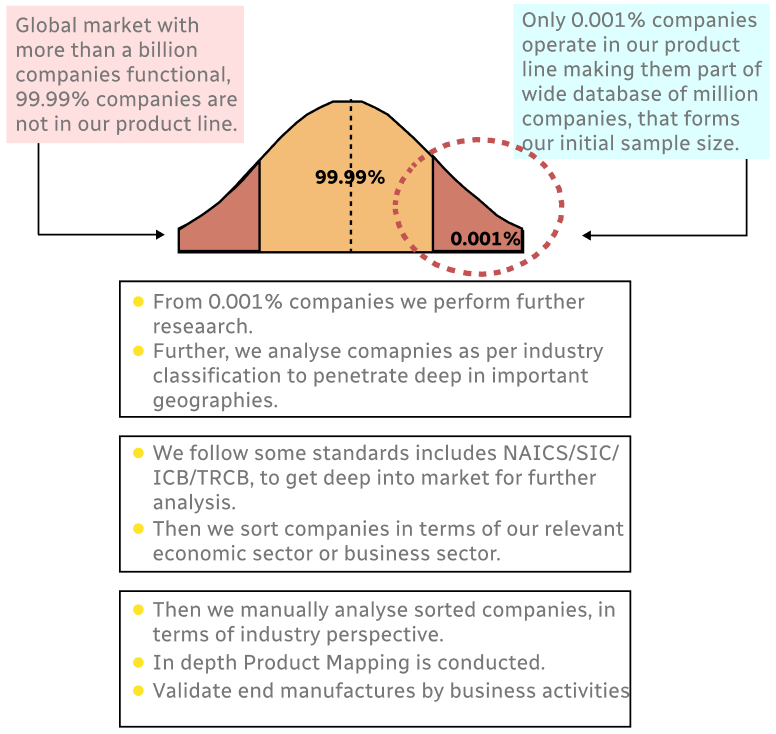
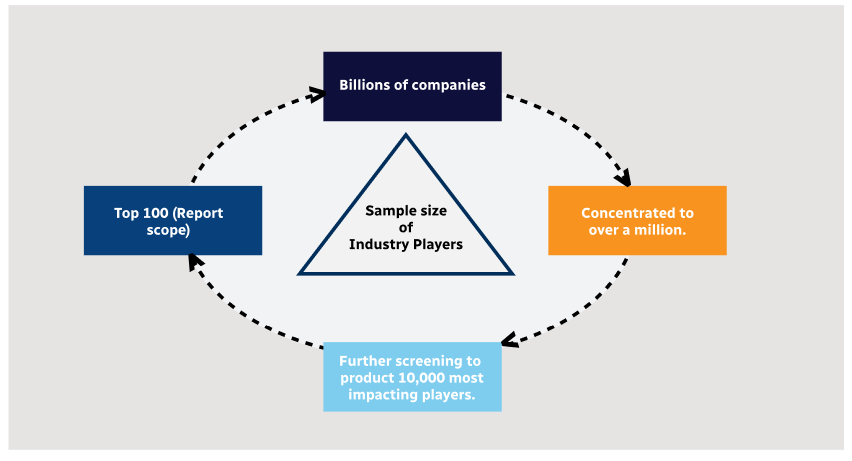
Step 1 - Identification of Relevant Samples Size from Population Database
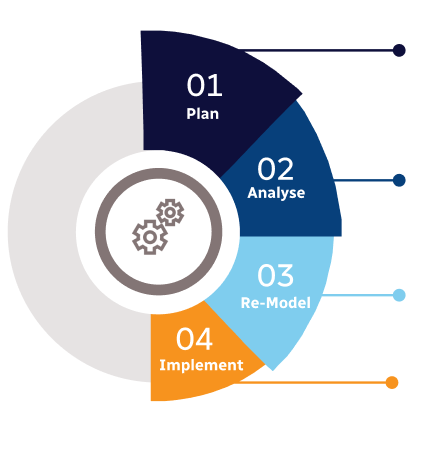
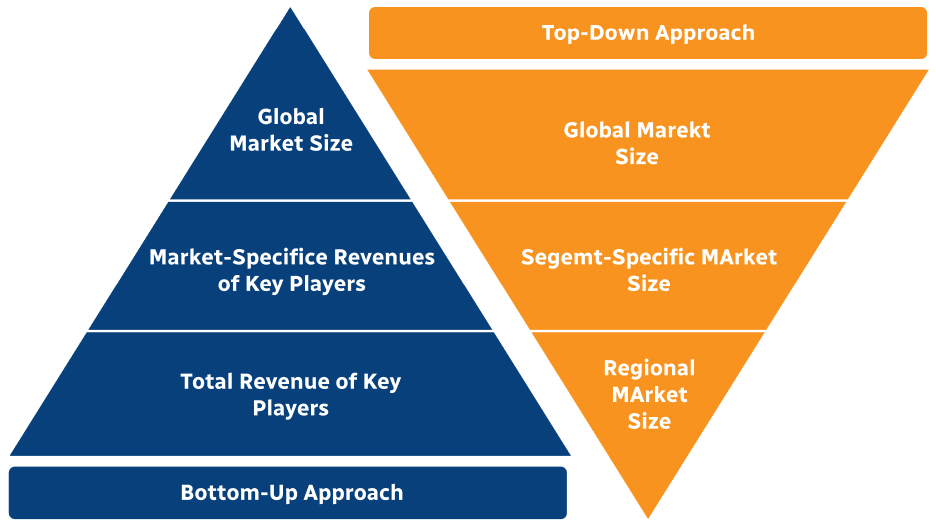
Step 2 - Approaches for Defining Global Market Size (Value, Volume* & Price*)
Note*: In applicable scenarios
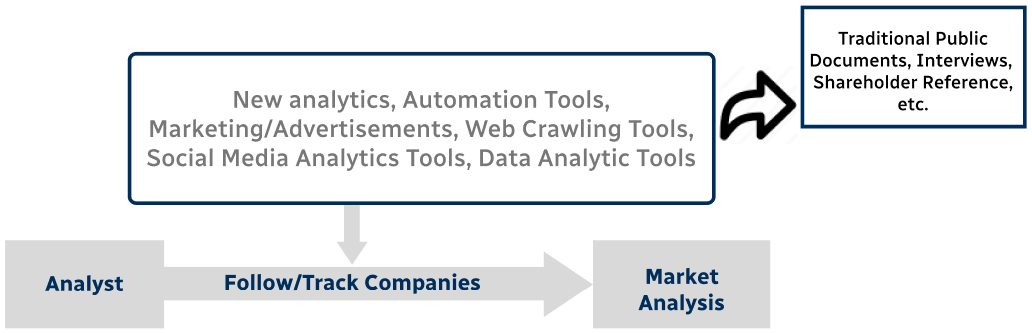
Step 3 - Data Sources
Primary Research
- Web Analytics
- Survey Reports
- Research Institute
- Latest Research Reports
- Opinion Leaders
Secondary Research
- Annual Reports
- White Paper
- Latest Press Release
- Industry Association
- Paid Database
- Investor Presentations
Step 4 - Data Triangulation
Involves using different sources of information in order to increase the validity of a study
These sources are likely to be stakeholders in a program - participants, other researchers, program staff, other community members, and so on.
Then we put all data in single framework & apply various statistical tools to find out the dynamic on the market.
During the analysis stage, feedback from the stakeholder groups would be compared to determine areas of agreement as well as areas of divergence