


Key Insights
The global Food Grade Starch Glucose Syrup market is poised for significant expansion, projected to reach an estimated market size of approximately $15,500 million by the base year of 2025. This robust growth is underpinned by a compelling Compound Annual Growth Rate (CAGR) of around 6.5%, indicating a steady and sustained upward trajectory for the forecast period extending to 2033. The market's vitality is primarily driven by the escalating demand for processed foods and beverages, where glucose syrup serves as a crucial ingredient for sweetness, texture enhancement, and preservation. The expanding food and beverage industry, coupled with a growing consumer preference for convenience foods and confectionery, acts as a powerful catalyst for market expansion. Furthermore, the increasing application of glucose syrup in pharmaceutical formulations as an excipient and in certain food products for its humectant properties further bolsters its market position. Innovations in starch processing technologies, leading to the development of specialized glucose syrups with tailored functionalities, are also contributing to this positive market outlook.
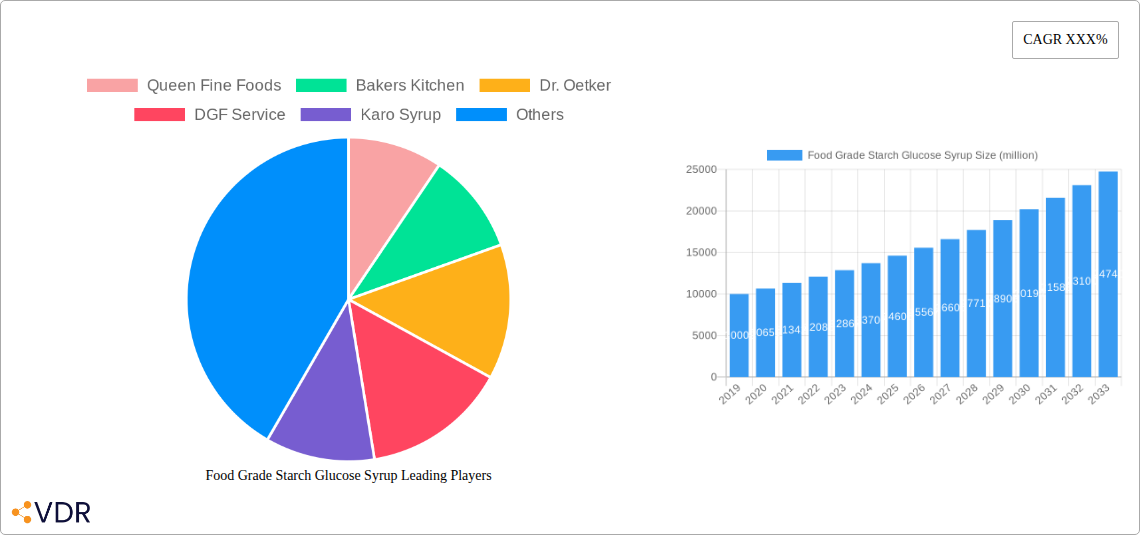
Food Grade Starch Glucose Syrup Market Size (In Billion)

The market segmentation reveals a dynamic landscape with key distinctions in application and type. In terms of application, the "Drug" segment is experiencing substantial growth due to its increasing use in liquid medicines and syrups as a sweetener and bulking agent. The "Food" segment, however, continues to dominate the market, driven by its widespread use in bakery products, confectionery, dairy, and beverages. Within the "Type" segmentation, both "Solid" and "Liquid" forms of glucose syrup hold significant market share, with liquid glucose syrup generally commanding a larger portion due to its ease of handling and incorporation into various food matrices. Geographically, the Asia Pacific region is emerging as a dominant force, fueled by rapid industrialization, a burgeoning middle class, and a significant increase in food processing activities in countries like China and India. North America and Europe remain substantial markets, driven by established food industries and a strong consumer base for convenience and indulgence products. Restrains such as fluctuating raw material prices (corn, wheat) and increasing consumer awareness regarding sugar intake could pose challenges, but the overall growth momentum is expected to overcome these hurdles.
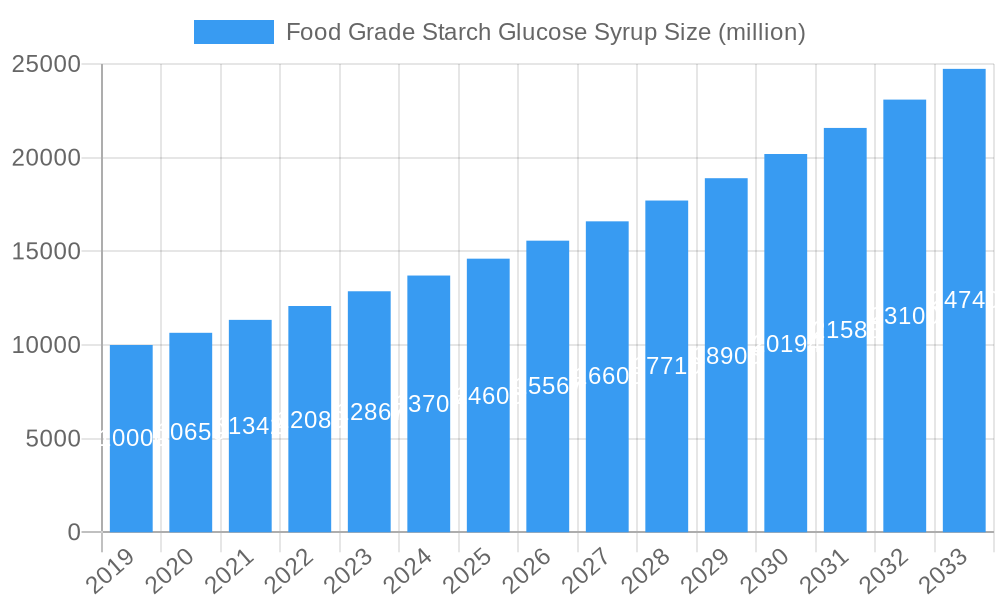
Food Grade Starch Glucose Syrup Company Market Share
Food Grade Starch Glucose Syrup Market Analysis: 2019–2033
This comprehensive report provides an in-depth analysis of the global Food Grade Starch Glucose Syrup market, offering critical insights for industry stakeholders. Covering the period from 2019 to 2033, with a base year of 2025, this report delves into market dynamics, growth trends, regional dominance, product landscape, drivers, challenges, opportunities, and key players. The analysis is structured to deliver actionable intelligence for businesses operating within or looking to enter this vital sector.
Food Grade Starch Glucose Syrup Market Dynamics & Structure
The global Food Grade Starch Glucose Syrup market exhibits a moderately consolidated structure, with a few key players holding significant market share, alongside a fragmented segment of smaller regional manufacturers. Technological innovation is primarily driven by the demand for enhanced functionality, such as improved texturizing properties, shelf-life extension, and reduced sweetness in food applications, alongside a growing focus on clean-label ingredients and non-GMO alternatives. Regulatory frameworks, particularly concerning food safety, labeling, and allowable usage levels, play a crucial role in shaping product development and market access. Competitive product substitutes, including other sweeteners like high-fructose corn syrup (HFCS), honey, and artificial sweeteners, exert pressure, though starch glucose syrups offer unique functional benefits and cost-effectiveness. End-user demographics show a rising preference for processed foods and beverages, while the pharmaceutical sector increasingly utilizes these syrups as excipients. Mergers and acquisitions (M&A) trends are observed as companies seek to expand their product portfolios, geographical reach, and technological capabilities. For instance, strategic acquisitions of specialized starch producers by larger food ingredient conglomerates have been noted. Innovation barriers include the high capital investment required for advanced processing technologies and the lengthy timelines associated with regulatory approvals for novel formulations.
- Market Concentration: Moderately consolidated, with leading players like Queen Fine Foods and Bakers Kitchen dominating market share.
- Technological Innovation Drivers: Demand for functional properties, clean labels, and non-GMO options.
- Regulatory Frameworks: Stringent food safety and labeling regulations are pivotal.
- Competitive Product Substitutes: Pressure from HFCS, honey, and artificial sweeteners.
- End-User Demographics: Growth in processed foods and beverages, and pharmaceutical applications.
- M&A Trends: Strategic acquisitions for portfolio expansion and market reach.
- Innovation Barriers: High capital investment, lengthy regulatory approval processes.
Food Grade Starch Glucose Syrup Growth Trends & Insights
The global Food Grade Starch Glucose Syrup market is poised for robust expansion, projected to witness a Compound Annual Growth Rate (CAGR) of approximately 4.8% from 2025 to 2033. This growth trajectory is underpinned by several critical factors that are reshaping consumer preferences and industrial demands. The estimated market size in the base year of 2025 is valued at xx million units, with projections indicating a significant increase to xx million units by 2033. This expansion is particularly fueled by the ever-growing processed food and beverage industry, where starch glucose syrups serve as indispensable ingredients for texture, sweetness control, and shelf-life enhancement. The rising global population and the accompanying surge in demand for convenient and affordable food options are directly translating into higher consumption of starch glucose syrups.
Technological disruptions are also playing a pivotal role. Advances in enzymatic hydrolysis and purification techniques are leading to the development of high-purity, functional glucose syrups with tailored properties, catering to specific application needs in both food and pharmaceutical sectors. For instance, the development of specialty glucose syrups with precisely controlled dextrose equivalents (DE) allows for enhanced browning in baked goods or improved mouthfeel in confectionery. Consumer behavior shifts are also contributing to market evolution. While there is a growing awareness about sugar consumption, the functional benefits and cost-effectiveness of starch glucose syrups, when used judiciously, maintain their appeal. Furthermore, the increasing demand for plant-based ingredients and sustainable sourcing practices is driving innovation in starch extraction and processing, making these syrups a more attractive option for environmentally conscious manufacturers.
In the pharmaceutical realm, starch glucose syrups are increasingly recognized for their utility as effective binders, fillers, and sweeteners in a variety of oral medications and syrups, particularly in pediatric formulations due to their palatable taste and low allergenicity. The market penetration of starch glucose syrups in developing economies is expected to accelerate as these regions experience industrialization and urbanization, leading to a greater adoption of processed food products. The ability of starch glucose syrups to act as humectants also extends their application in processed foods to prevent staling and maintain desired moisture levels, further solidifying their market position. The base year 2025 estimates an initial market value of xx million units, with substantial growth anticipated throughout the forecast period.
Dominant Regions, Countries, or Segments in Food Grade Starch Glucose Syrup
The global Food Grade Starch Glucose Syrup market is characterized by significant regional variations in growth and consumption patterns. Asia Pacific currently stands as the dominant region, driven by its burgeoning population, rapid industrialization, and the expansive growth of its food and beverage sector. Countries such as China and India, with their massive consumer bases and increasing disposable incomes, are primary growth engines. The sheer volume of processed food production and consumption in these nations directly translates into substantial demand for starch glucose syrups. Furthermore, supportive government policies aimed at promoting agricultural processing and food manufacturing have fostered a conducive environment for market expansion.
Within the Asia Pacific region, China commands a significant market share due to its established corn processing industry, a key source for starch glucose syrup production. India follows closely, with its rapidly growing processed food industry and increasing consumer preference for convenient food options. The economic policies in these countries, focusing on domestic manufacturing and agricultural value addition, further bolster the production and consumption of starch glucose syrups. The market share of the Asia Pacific region is estimated to be around 40% in the base year 2025, with a projected growth potential that outpaces other regions.
Looking at specific segments, the Food Application dominates the market, accounting for an estimated xx million units in 2025. This segment encompasses a wide array of sub-applications, including confectionery, baked goods, dairy products, beverages, and savory snacks. The versatility of starch glucose syrups as sweeteners, thickeners, humectants, and texturizers makes them indispensable in these diverse food categories. The Liquid Type of starch glucose syrup is particularly prevalent due to its ease of handling and incorporation in various manufacturing processes, representing an estimated xx million units in 2025. While the Drug application segment is smaller, it exhibits steady growth, driven by the increasing use of glucose syrups as excipients in pharmaceutical formulations, particularly in liquid medicines and chewable tablets. The Solid Type segment, though less dominant, caters to specific niche applications where a solid form is preferred, contributing an estimated xx million units to the market in 2025. The dominance factors are intrinsically linked to demographic trends, economic development, and the maturity of the food processing industry in each region.
- Dominant Region: Asia Pacific (China, India).
- Key Drivers in Asia Pacific: Large population, rapid industrialization, growing food & beverage sector, supportive government policies.
- Dominant Segment (Application): Food.
- Dominant Segment (Type): Liquid.
- Growth Potential: High in emerging economies due to industrialization and urbanization.
Food Grade Starch Glucose Syrup Product Landscape
The product landscape for Food Grade Starch Glucose Syrup is characterized by continuous innovation aimed at enhancing functional properties and meeting evolving consumer demands. Manufacturers are focusing on developing specialty glucose syrups with tailored dextrose equivalent (DE) profiles, which dictate sweetness, viscosity, and browning characteristics. These include low DE syrups for enhanced body and mouthfeel, and high DE syrups for increased sweetness and fermentability. Product innovations also encompass the development of non-GMO and organic certified glucose syrups, responding to the growing consumer preference for clean-label ingredients. Furthermore, advancements in enzymatic processing allow for the production of glucose syrups with reduced impurity levels and improved stability, crucial for pharmaceutical applications. Unique selling propositions often revolve around consistent quality, customized viscosity, and specific sensory attributes, enabling manufacturers to differentiate their offerings in a competitive market. Technological advancements in purification and enzymatic conversion are key to unlocking new product functionalities and market opportunities.
Key Drivers, Barriers & Challenges in Food Grade Starch Glucose Syrup
Key Drivers: The Food Grade Starch Glucose Syrup market is propelled by the relentless growth of the global processed food and beverage industry, demanding cost-effective and versatile sweeteners and texturizers. The pharmaceutical sector's increasing reliance on these syrups as excipients for drug formulation, coupled with the consistent demand from the confectionery and baked goods industries, further fuels market expansion. Advancements in enzymatic hydrolysis technology enabling the production of specialized syrups with tailored functionalities are also significant growth accelerators.
Key Barriers & Challenges: Despite the positive outlook, the market faces several hurdles. Fluctuations in raw material prices, particularly corn, can impact production costs and profitability. Stringent regulatory requirements and evolving labeling laws across different regions present a compliance challenge. The increasing consumer awareness and preference for natural sweeteners and reduced sugar content, while not entirely displacing starch glucose syrups, create a competitive pressure. Supply chain disruptions, as witnessed in recent global events, can affect availability and price stability.
- Drivers: Growth in food & beverage industry, pharmaceutical demand, enzymatic technology advancements.
- Barriers: Raw material price volatility, complex regulatory landscapes, consumer preference for reduced sugar, supply chain disruptions.
Emerging Opportunities in Food Grade Starch Glucose Syrup
Emerging opportunities lie in the development of highly specialized glucose syrups tailored for niche applications. The growing demand for plant-based and clean-label food products presents an opportunity for manufacturers to develop glucose syrups derived from alternative starches beyond corn, such as tapioca or potato. Innovations in encapsulation technologies could lead to controlled-release glucose syrups for enhanced functional benefits in both food and pharmaceutical applications. The expanding market for sports nutrition and functional foods also offers avenues for glucose syrups that provide rapid energy release. Furthermore, exploring untapped markets in developing economies with a growing middle class and increasing adoption of processed foods represents a significant growth frontier.
Growth Accelerators in the Food Grade Starch Glucose Syrup Industry
Long-term growth in the Food Grade Starch Glucose Syrup industry will be significantly accelerated by ongoing technological breakthroughs in enzymatic processing and downstream purification. These advancements promise to yield glucose syrups with superior functional properties, such as enhanced solubility, reduced allergenic potential, and improved prebiotic effects, opening up new application areas. Strategic partnerships between starch producers and food or pharmaceutical manufacturers will foster collaborative innovation, leading to the development of customized solutions that meet specific industry needs. Market expansion strategies focused on emerging economies, coupled with investments in sustainable sourcing and production practices, will further bolster growth. The increasing adoption of digitalization in manufacturing processes will also contribute to operational efficiency and cost optimization.
Key Players Shaping the Food Grade Starch Glucose Syrup Market
- Queen Fine Foods
- Bakers Kitchen
- Dr. Oetker
- DGF Service
- Karo Syrup
- L'Epicerie
- Sunar Misir
Notable Milestones in Food Grade Starch Glucose Syrup Sector
- 2020: Increased focus on supply chain resilience and diversification of raw material sourcing due to global disruptions.
- 2021: Launch of new generation of low-glycemic index glucose syrups catering to health-conscious consumers.
- 2022: Significant investment in R&D for enzymatic modifications to enhance specific functional properties.
- 2023: Growing trend of strategic alliances and joint ventures to expand market reach and technological capabilities.
- 2024: Introduction of advanced purification techniques leading to higher purity glucose syrups for pharmaceutical use.
- 2025 (Estimated): Increased adoption of sustainable production practices and certifications to meet growing environmental concerns.
In-Depth Food Grade Starch Glucose Syrup Market Outlook
The future outlook for the Food Grade Starch Glucose Syrup market is exceptionally bright, driven by an array of growth accelerators. Continued advancements in bioprocessing and enzymatic technology will unlock the potential for highly specialized glucose syrups with tailored functionalities, expanding their utility across diverse industries. Strategic collaborations between ingredient manufacturers and end-product innovators are expected to drive the development of novel applications and customized solutions, fostering deeper market penetration. Expansion into rapidly developing economies, fueled by demographic shifts and rising disposable incomes, will provide substantial new avenues for growth. Furthermore, a growing emphasis on sustainable sourcing and production practices will not only enhance brand reputation but also align with global environmental imperatives, positioning starch glucose syrups as a responsible choice. The industry's adaptability to evolving consumer preferences, particularly towards cleaner labels and functional ingredients, will ensure its continued relevance and robust expansion throughout the forecast period.
Food Grade Starch Glucose Syrup Segmentation
-
1. Application
- 1.1. Drug
- 1.2. Food
-
2. Type
- 2.1. Solid
- 2.2. Liquid
Food Grade Starch Glucose Syrup Segmentation By Geography
-
1. North America
- 1.1. United States
- 1.2. Canada
- 1.3. Mexico
-
2. South America
- 2.1. Brazil
- 2.2. Argentina
- 2.3. Rest of South America
-
3. Europe
- 3.1. United Kingdom
- 3.2. Germany
- 3.3. France
- 3.4. Italy
- 3.5. Spain
- 3.6. Russia
- 3.7. Benelux
- 3.8. Nordics
- 3.9. Rest of Europe
-
4. Middle East & Africa
- 4.1. Turkey
- 4.2. Israel
- 4.3. GCC
- 4.4. North Africa
- 4.5. South Africa
- 4.6. Rest of Middle East & Africa
-
5. Asia Pacific
- 5.1. China
- 5.2. India
- 5.3. Japan
- 5.4. South Korea
- 5.5. ASEAN
- 5.6. Oceania
- 5.7. Rest of Asia Pacific
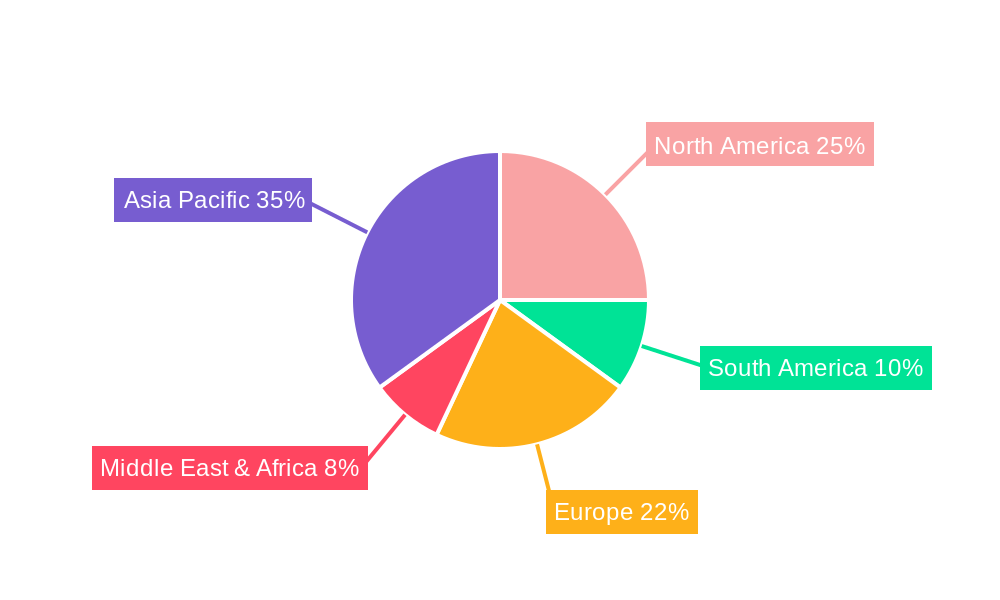
Food Grade Starch Glucose Syrup Regional Market Share
Geographic Coverage of Food Grade Starch Glucose Syrup
Food Grade Starch Glucose Syrup REPORT HIGHLIGHTS
| Aspects | Details |
|---|---|
| Study Period | 2020-2034 |
| Base Year | 2025 |
| Estimated Year | 2026 |
| Forecast Period | 2026-2034 |
| Historical Period | 2020-2025 |
| Growth Rate | CAGR of 2.5% from 2020-2034 |
| Segmentation |
|
Table of Contents
- 1. Introduction
- 1.1. Research Scope
- 1.2. Market Segmentation
- 1.3. Research Methodology
- 1.4. Definitions and Assumptions
- 2. Executive Summary
- 2.1. Introduction
- 3. Market Dynamics
- 3.1. Introduction
- 3.2. Market Drivers
- 3.3. Market Restrains
- 3.4. Market Trends
- 4. Market Factor Analysis
- 4.1. Porters Five Forces
- 4.2. Supply/Value Chain
- 4.3. PESTEL analysis
- 4.4. Market Entropy
- 4.5. Patent/Trademark Analysis
- 5. Global Food Grade Starch Glucose Syrup Analysis, Insights and Forecast, 2020-2032
- 5.1. Market Analysis, Insights and Forecast - by Application
- 5.1.1. Drug
- 5.1.2. Food
- 5.2. Market Analysis, Insights and Forecast - by Type
- 5.2.1. Solid
- 5.2.2. Liquid
- 5.3. Market Analysis, Insights and Forecast - by Region
- 5.3.1. North America
- 5.3.2. South America
- 5.3.3. Europe
- 5.3.4. Middle East & Africa
- 5.3.5. Asia Pacific
- 5.1. Market Analysis, Insights and Forecast - by Application
- 6. North America Food Grade Starch Glucose Syrup Analysis, Insights and Forecast, 2020-2032
- 6.1. Market Analysis, Insights and Forecast - by Application
- 6.1.1. Drug
- 6.1.2. Food
- 6.2. Market Analysis, Insights and Forecast - by Type
- 6.2.1. Solid
- 6.2.2. Liquid
- 6.1. Market Analysis, Insights and Forecast - by Application
- 7. South America Food Grade Starch Glucose Syrup Analysis, Insights and Forecast, 2020-2032
- 7.1. Market Analysis, Insights and Forecast - by Application
- 7.1.1. Drug
- 7.1.2. Food
- 7.2. Market Analysis, Insights and Forecast - by Type
- 7.2.1. Solid
- 7.2.2. Liquid
- 7.1. Market Analysis, Insights and Forecast - by Application
- 8. Europe Food Grade Starch Glucose Syrup Analysis, Insights and Forecast, 2020-2032
- 8.1. Market Analysis, Insights and Forecast - by Application
- 8.1.1. Drug
- 8.1.2. Food
- 8.2. Market Analysis, Insights and Forecast - by Type
- 8.2.1. Solid
- 8.2.2. Liquid
- 8.1. Market Analysis, Insights and Forecast - by Application
- 9. Middle East & Africa Food Grade Starch Glucose Syrup Analysis, Insights and Forecast, 2020-2032
- 9.1. Market Analysis, Insights and Forecast - by Application
- 9.1.1. Drug
- 9.1.2. Food
- 9.2. Market Analysis, Insights and Forecast - by Type
- 9.2.1. Solid
- 9.2.2. Liquid
- 9.1. Market Analysis, Insights and Forecast - by Application
- 10. Asia Pacific Food Grade Starch Glucose Syrup Analysis, Insights and Forecast, 2020-2032
- 10.1. Market Analysis, Insights and Forecast - by Application
- 10.1.1. Drug
- 10.1.2. Food
- 10.2. Market Analysis, Insights and Forecast - by Type
- 10.2.1. Solid
- 10.2.2. Liquid
- 10.1. Market Analysis, Insights and Forecast - by Application
- 11. Competitive Analysis
- 11.1. Global Market Share Analysis 2025
- 11.2. Company Profiles
- 11.2.1 Queen Fine Foods
- 11.2.1.1. Overview
- 11.2.1.2. Products
- 11.2.1.3. SWOT Analysis
- 11.2.1.4. Recent Developments
- 11.2.1.5. Financials (Based on Availability)
- 11.2.2 Bakers Kitchen
- 11.2.2.1. Overview
- 11.2.2.2. Products
- 11.2.2.3. SWOT Analysis
- 11.2.2.4. Recent Developments
- 11.2.2.5. Financials (Based on Availability)
- 11.2.3 Dr. Oetker
- 11.2.3.1. Overview
- 11.2.3.2. Products
- 11.2.3.3. SWOT Analysis
- 11.2.3.4. Recent Developments
- 11.2.3.5. Financials (Based on Availability)
- 11.2.4 DGF Service
- 11.2.4.1. Overview
- 11.2.4.2. Products
- 11.2.4.3. SWOT Analysis
- 11.2.4.4. Recent Developments
- 11.2.4.5. Financials (Based on Availability)
- 11.2.5 Karo Syrup
- 11.2.5.1. Overview
- 11.2.5.2. Products
- 11.2.5.3. SWOT Analysis
- 11.2.5.4. Recent Developments
- 11.2.5.5. Financials (Based on Availability)
- 11.2.6 L'Epicerie and Sunar Misir
- 11.2.6.1. Overview
- 11.2.6.2. Products
- 11.2.6.3. SWOT Analysis
- 11.2.6.4. Recent Developments
- 11.2.6.5. Financials (Based on Availability)
- 11.2.1 Queen Fine Foods
List of Figures
- Figure 1: Global Food Grade Starch Glucose Syrup Revenue Breakdown (undefined, %) by Region 2025 & 2033
- Figure 2: North America Food Grade Starch Glucose Syrup Revenue (undefined), by Application 2025 & 2033
- Figure 3: North America Food Grade Starch Glucose Syrup Revenue Share (%), by Application 2025 & 2033
- Figure 4: North America Food Grade Starch Glucose Syrup Revenue (undefined), by Type 2025 & 2033
- Figure 5: North America Food Grade Starch Glucose Syrup Revenue Share (%), by Type 2025 & 2033
- Figure 6: North America Food Grade Starch Glucose Syrup Revenue (undefined), by Country 2025 & 2033
- Figure 7: North America Food Grade Starch Glucose Syrup Revenue Share (%), by Country 2025 & 2033
- Figure 8: South America Food Grade Starch Glucose Syrup Revenue (undefined), by Application 2025 & 2033
- Figure 9: South America Food Grade Starch Glucose Syrup Revenue Share (%), by Application 2025 & 2033
- Figure 10: South America Food Grade Starch Glucose Syrup Revenue (undefined), by Type 2025 & 2033
- Figure 11: South America Food Grade Starch Glucose Syrup Revenue Share (%), by Type 2025 & 2033
- Figure 12: South America Food Grade Starch Glucose Syrup Revenue (undefined), by Country 2025 & 2033
- Figure 13: South America Food Grade Starch Glucose Syrup Revenue Share (%), by Country 2025 & 2033
- Figure 14: Europe Food Grade Starch Glucose Syrup Revenue (undefined), by Application 2025 & 2033
- Figure 15: Europe Food Grade Starch Glucose Syrup Revenue Share (%), by Application 2025 & 2033
- Figure 16: Europe Food Grade Starch Glucose Syrup Revenue (undefined), by Type 2025 & 2033
- Figure 17: Europe Food Grade Starch Glucose Syrup Revenue Share (%), by Type 2025 & 2033
- Figure 18: Europe Food Grade Starch Glucose Syrup Revenue (undefined), by Country 2025 & 2033
- Figure 19: Europe Food Grade Starch Glucose Syrup Revenue Share (%), by Country 2025 & 2033
- Figure 20: Middle East & Africa Food Grade Starch Glucose Syrup Revenue (undefined), by Application 2025 & 2033
- Figure 21: Middle East & Africa Food Grade Starch Glucose Syrup Revenue Share (%), by Application 2025 & 2033
- Figure 22: Middle East & Africa Food Grade Starch Glucose Syrup Revenue (undefined), by Type 2025 & 2033
- Figure 23: Middle East & Africa Food Grade Starch Glucose Syrup Revenue Share (%), by Type 2025 & 2033
- Figure 24: Middle East & Africa Food Grade Starch Glucose Syrup Revenue (undefined), by Country 2025 & 2033
- Figure 25: Middle East & Africa Food Grade Starch Glucose Syrup Revenue Share (%), by Country 2025 & 2033
- Figure 26: Asia Pacific Food Grade Starch Glucose Syrup Revenue (undefined), by Application 2025 & 2033
- Figure 27: Asia Pacific Food Grade Starch Glucose Syrup Revenue Share (%), by Application 2025 & 2033
- Figure 28: Asia Pacific Food Grade Starch Glucose Syrup Revenue (undefined), by Type 2025 & 2033
- Figure 29: Asia Pacific Food Grade Starch Glucose Syrup Revenue Share (%), by Type 2025 & 2033
- Figure 30: Asia Pacific Food Grade Starch Glucose Syrup Revenue (undefined), by Country 2025 & 2033
- Figure 31: Asia Pacific Food Grade Starch Glucose Syrup Revenue Share (%), by Country 2025 & 2033
List of Tables
- Table 1: Global Food Grade Starch Glucose Syrup Revenue undefined Forecast, by Application 2020 & 2033
- Table 2: Global Food Grade Starch Glucose Syrup Revenue undefined Forecast, by Type 2020 & 2033
- Table 3: Global Food Grade Starch Glucose Syrup Revenue undefined Forecast, by Region 2020 & 2033
- Table 4: Global Food Grade Starch Glucose Syrup Revenue undefined Forecast, by Application 2020 & 2033
- Table 5: Global Food Grade Starch Glucose Syrup Revenue undefined Forecast, by Type 2020 & 2033
- Table 6: Global Food Grade Starch Glucose Syrup Revenue undefined Forecast, by Country 2020 & 2033
- Table 7: United States Food Grade Starch Glucose Syrup Revenue (undefined) Forecast, by Application 2020 & 2033
- Table 8: Canada Food Grade Starch Glucose Syrup Revenue (undefined) Forecast, by Application 2020 & 2033
- Table 9: Mexico Food Grade Starch Glucose Syrup Revenue (undefined) Forecast, by Application 2020 & 2033
- Table 10: Global Food Grade Starch Glucose Syrup Revenue undefined Forecast, by Application 2020 & 2033
- Table 11: Global Food Grade Starch Glucose Syrup Revenue undefined Forecast, by Type 2020 & 2033
- Table 12: Global Food Grade Starch Glucose Syrup Revenue undefined Forecast, by Country 2020 & 2033
- Table 13: Brazil Food Grade Starch Glucose Syrup Revenue (undefined) Forecast, by Application 2020 & 2033
- Table 14: Argentina Food Grade Starch Glucose Syrup Revenue (undefined) Forecast, by Application 2020 & 2033
- Table 15: Rest of South America Food Grade Starch Glucose Syrup Revenue (undefined) Forecast, by Application 2020 & 2033
- Table 16: Global Food Grade Starch Glucose Syrup Revenue undefined Forecast, by Application 2020 & 2033
- Table 17: Global Food Grade Starch Glucose Syrup Revenue undefined Forecast, by Type 2020 & 2033
- Table 18: Global Food Grade Starch Glucose Syrup Revenue undefined Forecast, by Country 2020 & 2033
- Table 19: United Kingdom Food Grade Starch Glucose Syrup Revenue (undefined) Forecast, by Application 2020 & 2033
- Table 20: Germany Food Grade Starch Glucose Syrup Revenue (undefined) Forecast, by Application 2020 & 2033
- Table 21: France Food Grade Starch Glucose Syrup Revenue (undefined) Forecast, by Application 2020 & 2033
- Table 22: Italy Food Grade Starch Glucose Syrup Revenue (undefined) Forecast, by Application 2020 & 2033
- Table 23: Spain Food Grade Starch Glucose Syrup Revenue (undefined) Forecast, by Application 2020 & 2033
- Table 24: Russia Food Grade Starch Glucose Syrup Revenue (undefined) Forecast, by Application 2020 & 2033
- Table 25: Benelux Food Grade Starch Glucose Syrup Revenue (undefined) Forecast, by Application 2020 & 2033
- Table 26: Nordics Food Grade Starch Glucose Syrup Revenue (undefined) Forecast, by Application 2020 & 2033
- Table 27: Rest of Europe Food Grade Starch Glucose Syrup Revenue (undefined) Forecast, by Application 2020 & 2033
- Table 28: Global Food Grade Starch Glucose Syrup Revenue undefined Forecast, by Application 2020 & 2033
- Table 29: Global Food Grade Starch Glucose Syrup Revenue undefined Forecast, by Type 2020 & 2033
- Table 30: Global Food Grade Starch Glucose Syrup Revenue undefined Forecast, by Country 2020 & 2033
- Table 31: Turkey Food Grade Starch Glucose Syrup Revenue (undefined) Forecast, by Application 2020 & 2033
- Table 32: Israel Food Grade Starch Glucose Syrup Revenue (undefined) Forecast, by Application 2020 & 2033
- Table 33: GCC Food Grade Starch Glucose Syrup Revenue (undefined) Forecast, by Application 2020 & 2033
- Table 34: North Africa Food Grade Starch Glucose Syrup Revenue (undefined) Forecast, by Application 2020 & 2033
- Table 35: South Africa Food Grade Starch Glucose Syrup Revenue (undefined) Forecast, by Application 2020 & 2033
- Table 36: Rest of Middle East & Africa Food Grade Starch Glucose Syrup Revenue (undefined) Forecast, by Application 2020 & 2033
- Table 37: Global Food Grade Starch Glucose Syrup Revenue undefined Forecast, by Application 2020 & 2033
- Table 38: Global Food Grade Starch Glucose Syrup Revenue undefined Forecast, by Type 2020 & 2033
- Table 39: Global Food Grade Starch Glucose Syrup Revenue undefined Forecast, by Country 2020 & 2033
- Table 40: China Food Grade Starch Glucose Syrup Revenue (undefined) Forecast, by Application 2020 & 2033
- Table 41: India Food Grade Starch Glucose Syrup Revenue (undefined) Forecast, by Application 2020 & 2033
- Table 42: Japan Food Grade Starch Glucose Syrup Revenue (undefined) Forecast, by Application 2020 & 2033
- Table 43: South Korea Food Grade Starch Glucose Syrup Revenue (undefined) Forecast, by Application 2020 & 2033
- Table 44: ASEAN Food Grade Starch Glucose Syrup Revenue (undefined) Forecast, by Application 2020 & 2033
- Table 45: Oceania Food Grade Starch Glucose Syrup Revenue (undefined) Forecast, by Application 2020 & 2033
- Table 46: Rest of Asia Pacific Food Grade Starch Glucose Syrup Revenue (undefined) Forecast, by Application 2020 & 2033
Frequently Asked Questions
1. What is the projected Compound Annual Growth Rate (CAGR) of the Food Grade Starch Glucose Syrup?
The projected CAGR is approximately 2.5%.
2. Which companies are prominent players in the Food Grade Starch Glucose Syrup?
Key companies in the market include Queen Fine Foods, Bakers Kitchen, Dr. Oetker, DGF Service, Karo Syrup, L'Epicerie and Sunar Misir.
3. What are the main segments of the Food Grade Starch Glucose Syrup?
The market segments include Application, Type.
4. Can you provide details about the market size?
The market size is estimated to be USD XXX N/A as of 2022.
5. What are some drivers contributing to market growth?
N/A
6. What are the notable trends driving market growth?
N/A
7. Are there any restraints impacting market growth?
N/A
8. Can you provide examples of recent developments in the market?
N/A
9. What pricing options are available for accessing the report?
Pricing options include single-user, multi-user, and enterprise licenses priced at USD 4250.00, USD 6375.00, and USD 8500.00 respectively.
10. Is the market size provided in terms of value or volume?
The market size is provided in terms of value, measured in N/A.
11. Are there any specific market keywords associated with the report?
Yes, the market keyword associated with the report is "Food Grade Starch Glucose Syrup," which aids in identifying and referencing the specific market segment covered.
12. How do I determine which pricing option suits my needs best?
The pricing options vary based on user requirements and access needs. Individual users may opt for single-user licenses, while businesses requiring broader access may choose multi-user or enterprise licenses for cost-effective access to the report.
13. Are there any additional resources or data provided in the Food Grade Starch Glucose Syrup report?
While the report offers comprehensive insights, it's advisable to review the specific contents or supplementary materials provided to ascertain if additional resources or data are available.
14. How can I stay updated on further developments or reports in the Food Grade Starch Glucose Syrup?
To stay informed about further developments, trends, and reports in the Food Grade Starch Glucose Syrup, consider subscribing to industry newsletters, following relevant companies and organizations, or regularly checking reputable industry news sources and publications.
Methodology
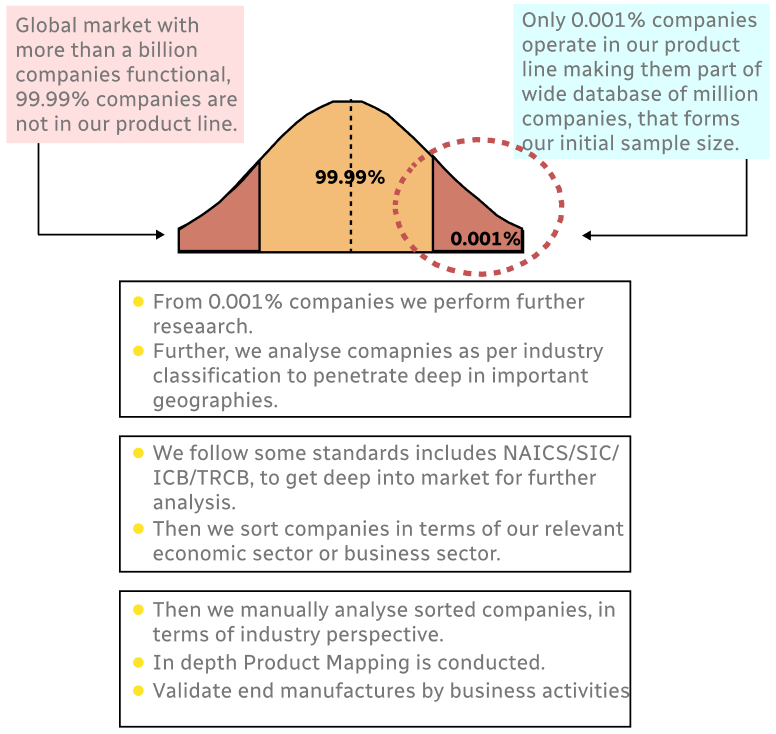
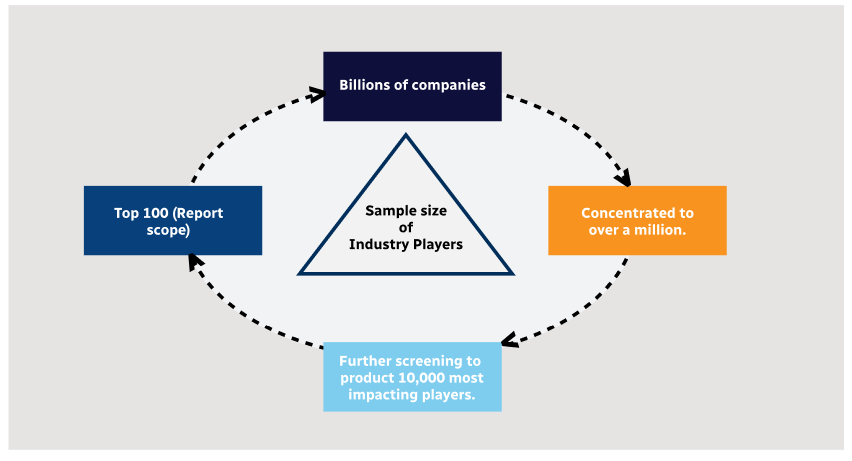
Step 1 - Identification of Relevant Samples Size from Population Database
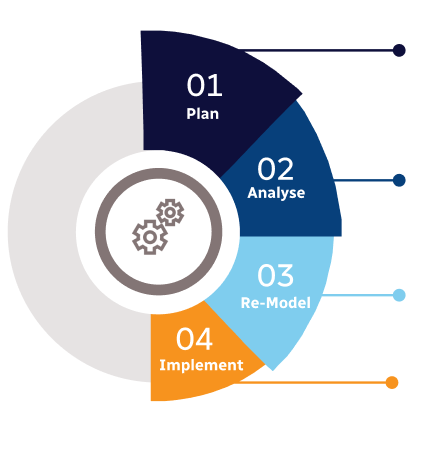
Step 2 - Approaches for Defining Global Market Size (Value, Volume* & Price*)
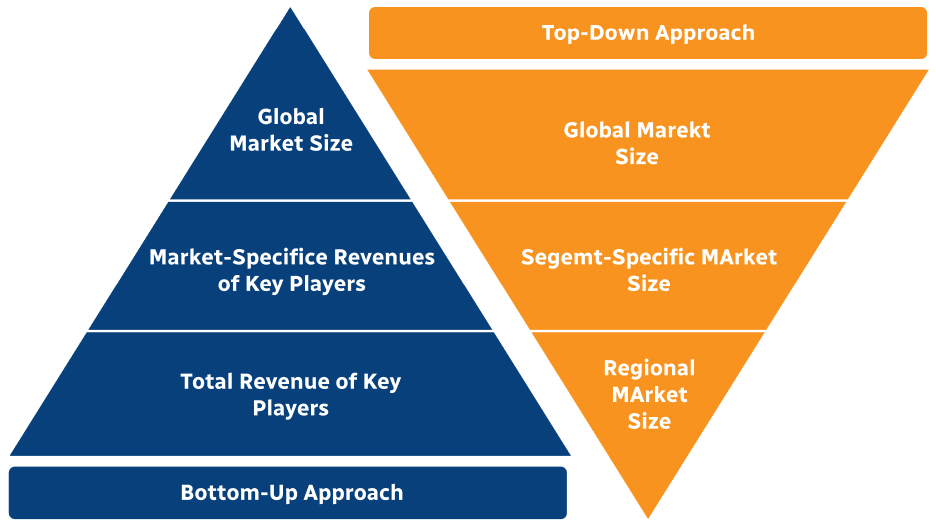
Note*: In applicable scenarios
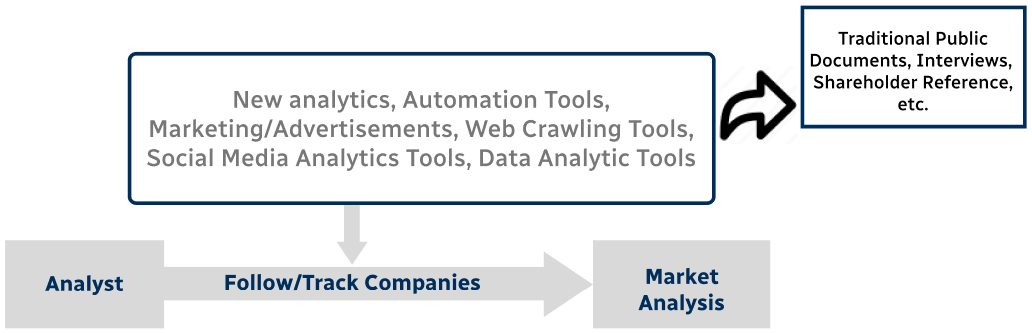
Step 3 - Data Sources
Primary Research
- Web Analytics
- Survey Reports
- Research Institute
- Latest Research Reports
- Opinion Leaders
Secondary Research
- Annual Reports
- White Paper
- Latest Press Release
- Industry Association
- Paid Database
- Investor Presentations
Step 4 - Data Triangulation
Involves using different sources of information in order to increase the validity of a study
These sources are likely to be stakeholders in a program - participants, other researchers, program staff, other community members, and so on.
Then we put all data in single framework & apply various statistical tools to find out the dynamic on the market.
During the analysis stage, feedback from the stakeholder groups would be compared to determine areas of agreement as well as areas of divergence