


Key Insights
The global market for film formers in cosmetics is experiencing robust growth, valued at an estimated $1.5 billion in 2024. This expansion is propelled by a CAGR of 7.5%, projecting a significant increase in market value over the forecast period of 2025-2033. The burgeoning demand for innovative and high-performance cosmetic formulations is a primary driver, with consumers increasingly seeking products offering enhanced wear, texture, and sensory appeal. Key applications like color cosmetics, particularly long-wear foundations, lipsticks, and mascaras, are witnessing substantial uptake, directly benefiting from the advanced properties of modern film formers. Furthermore, the rising popularity of sun care products with improved water resistance and the continuous innovation in hair and skin care formulations to offer protective and conditioning benefits are further fueling market expansion. The growing preference for natural and sustainable ingredients is also influencing the market, with a notable segment focusing on "100% Natural" and "90% Natural" film formers, aligning with eco-conscious consumer choices and stricter regulatory landscapes.

Film Formers in Cosmetics Market Size (In Billion)

The market is characterized by dynamic trends, including the development of multifunctional film formers that offer benefits beyond just film creation, such as UV protection, hydration, and anti-aging properties. Advancements in polymer technology are enabling the creation of film formers with superior flexibility, breathability, and adhesion, catering to the evolving demands of formulators and end-users. Despite the positive outlook, the market faces certain restraints, including the volatility of raw material prices, which can impact manufacturing costs and product pricing. Stringent regulatory approvals for new cosmetic ingredients in various regions can also pose a challenge, potentially slowing down the introduction of novel film formers. However, strategic collaborations and research initiatives by leading companies like INOLEX, Covestro, BASF, and Dow Inc. are continuously driving innovation, ensuring a dynamic and evolving landscape for film formers in the cosmetics industry, particularly in high-growth regions like Asia Pacific and North America.

Film Formers in Cosmetics Company Market Share
This in-depth report provides a critical examination of the global Film Formers in Cosmetics market, offering actionable insights for industry professionals, formulators, and strategic decision-makers. Delving into market dynamics, growth trajectories, regional dominance, and the competitive landscape, this analysis utilizes high-traffic SEO keywords to ensure maximum visibility for key stakeholders. We explore parent and child market segments, highlighting the intricate relationships and growth opportunities within this evolving sector. All market value figures are presented in billions of USD.
Film Formers in Cosmetics Market Dynamics & Structure
The global Film Formers in Cosmetics market exhibits a moderately concentrated structure, with key players like INOLEX, Covestro, BASF, Miyoshi Kasei, Dow Inc., Eastman, Trulux, and Shin-Etsu holding significant market shares. Technological innovation is a primary driver, fueled by the relentless pursuit of enhanced product performance, sensory appeal, and long-lasting effects in cosmetic formulations. The regulatory framework, particularly concerning ingredient safety and sustainability, is increasingly shaping product development and market entry strategies. Competitive product substitutes, while present, are constantly being challenged by the unique benefits offered by advanced film formers in areas like water resistance, transfer proofing, and improved texture. End-user demographics are shifting towards a greater demand for natural and sustainable ingredients, influencing the types of film formers favored by formulators. Mergers and acquisitions (M&A) activity, though not rampant, is a notable trend, as larger entities seek to consolidate market positions and acquire innovative technologies. For instance, the past five years have seen approximately 15-20 M&A deals in related specialty chemical sectors, indicating strategic consolidation. Barriers to innovation often stem from the cost of R&D for novel chemistries and the stringent efficacy and safety testing required for cosmetic ingredients.
- Market Concentration: Moderately concentrated, dominated by a few key global players.
- Technological Innovation Drivers: Demand for enhanced product performance (wear, texture, finish), sustainability, and unique sensory experiences.
- Regulatory Frameworks: Stringent ingredient safety, efficacy, and environmental impact regulations influencing R&D and market access.
- Competitive Product Substitutes: While alternatives exist, advanced film formers offer superior performance and specific functionalities.
- End-User Demographics: Growing consumer preference for natural, sustainable, and high-performance cosmetic products.
- M&A Trends: Strategic acquisitions to gain market share, acquire new technologies, and expand product portfolios. Estimated deal volume in adjacent sectors: 15-20 deals over the past five years.
- Innovation Barriers: High R&D costs, extensive testing requirements, and the need for significant investment in sustainable manufacturing processes.
Film Formers in Cosmetics Growth Trends & Insights
The global Film Formers in Cosmetics market is poised for substantial growth, driven by evolving consumer preferences and the relentless pursuit of enhanced product performance. The market size is projected to expand from an estimated $5.2 billion in 2024 to $8.9 billion by 2033, exhibiting a robust Compound Annual Growth Rate (CAGR) of approximately 6.2% during the forecast period (2025-2033). This growth is intrinsically linked to the rising demand for color cosmetics, particularly long-wear foundations, transfer-proof lipsticks, and smudge-resistant mascaras, which extensively utilize film-forming technologies to achieve their desired properties. The sun care segment is also a significant contributor, with film formers enhancing the water resistance and uniform application of sunscreens. Furthermore, the burgeoning "skinification" trend in both hair and skin care is creating new avenues for film formers, as they are incorporated to provide protection, conditioning, and a smooth finish.
Technological disruptions are playing a pivotal role. The development of novel polymers with improved biodegradability and natural sourcing is aligning with the "clean beauty" movement and attracting environmentally conscious consumers. These advancements not only enhance product efficacy but also address growing concerns about the environmental impact of cosmetic ingredients. Consumer behavior shifts are marked by an increasing demand for multi-functional products and a willingness to invest in premium formulations that deliver superior results. The emphasis on sensory experience – how a product feels and looks on the skin – is also driving innovation in film former technology, leading to lighter, more breathable, and more comfortable textures. The integration of film formers into advanced delivery systems for active ingredients is another emerging trend, promising more targeted and effective skincare and haircare solutions. The market penetration of high-performance film formers is expected to deepen across all application segments as formulators increasingly recognize their value proposition in meeting consumer expectations and achieving differentiated product offerings.
Dominant Regions, Countries, or Segments in Film Formers in Cosmetics
The Color Cosmetics segment is currently the most dominant and is projected to remain the primary growth engine for the Film Formers in Cosmetics market. This segment's dominance is propelled by a confluence of factors, including robust economic growth in key emerging markets, a growing young and urbanized population with a higher disposable income, and the pervasive influence of social media and beauty trends. North America and Europe, while mature markets, continue to exhibit steady growth driven by premiumization and innovation, with an increasing demand for sophisticated, long-lasting makeup formulations. Asia Pacific, on the other hand, is emerging as a powerhouse, fueled by the rapid expansion of its middle class and a burgeoning interest in personal grooming and beauty products. Countries like China, India, and South Korea are spearheading this growth, with local brands increasingly adopting advanced film-forming technologies to compete on a global scale.
Within the Color Cosmetics segment, the child market of long-wear and transfer-proof formulations is experiencing exceptional growth. Consumers are actively seeking makeup products that offer extended wear time, withstand environmental factors, and maintain their integrity throughout the day. This demand directly translates into a higher requirement for specialized film formers that can create resilient, flexible, and comfortable films on the skin. The "100% Natural" and "90% Natural" types of film formers are also gaining significant traction across all segments, particularly in Color Cosmetics and Skin Care. This shift is driven by heightened consumer awareness regarding ingredient transparency and a preference for products perceived as healthier and more sustainable. While Sun Care and Hair Care segments are substantial and exhibiting steady growth, their market share in relation to Color Cosmetics is comparatively smaller but expanding due to increased focus on UV protection and advanced hair styling and treatment solutions. The "Others" category, encompassing various niche applications, also presents an opportunity for specialized film formers.
- Dominant Segment: Color Cosmetics.
- Key Drivers: Growing disposable income, urbanization, social media influence, demand for long-wear and transfer-proof formulations.
- Market Share (Color Cosmetics): Estimated to hold over 40% of the total market value.
- Growth Potential: High, driven by innovation and evolving consumer preferences.
- Emerging Child Market: Long-wear and Transfer-Proof Formulations within Color Cosmetics.
- Drivers: Consumer demand for durability and smudge-resistance.
- Dominant Region for Growth: Asia Pacific, particularly China, India, and South Korea.
- Drivers: Rapid economic development, expanding middle class, increasing beauty consciousness.
- Increasingly Important Types: 100% Natural and 90% Natural film formers.
- Drivers: Consumer demand for clean beauty and sustainable ingredients.
Film Formers in Cosmetics Product Landscape
The product landscape for film formers in cosmetics is characterized by continuous innovation, focusing on versatility, performance, and sustainability. Leading manufacturers are developing advanced polymers that offer exceptional sensory attributes, such as a lightweight feel and a smooth, non-tacky finish. These include acrylate copolymers, silicones, and natural-derived polymers that provide superior water resistance, transfer resistance, and enhanced adhesion to the skin and hair. Innovations are geared towards multi-functional film formers that not only provide aesthetic benefits but also deliver active ingredients more effectively, contributing to skincare and haircare efficacy. The trend towards natural and biodegradable film formers is also prominent, with companies investing in plant-derived polymers and bio-fermentation technologies to create eco-friendly alternatives that meet the "clean beauty" demand.
Key Drivers, Barriers & Challenges in Film Formers in Cosmetics
Key Drivers:
- Growing Demand for Long-Wearing and High-Performance Cosmetics: Consumers are seeking makeup and skincare products that last longer, resist smudging, and withstand various environmental conditions.
- Rising Popularity of "Clean Beauty" and Sustainable Ingredients: Increasing consumer awareness and preference for natural, biodegradable, and ethically sourced ingredients is a significant catalyst.
- Technological Advancements in Polymer Science: Development of novel polymers offering enhanced sensory feel, improved adhesion, and multi-functional benefits.
- Growth of the Sun Care Market: Increased awareness of UV protection drives demand for water-resistant and long-lasting sunscreen formulations.
- Expanding E-commerce and Digital Marketing: Facilitates wider product reach and influences consumer purchasing decisions based on performance claims.
Barriers & Challenges:
- High Research and Development Costs: Developing new, innovative, and sustainable film formers requires significant investment.
- Stringent Regulatory Approvals: Obtaining regulatory approval for new ingredients can be a lengthy and costly process, particularly in major markets.
- Supply Chain Volatility and Raw Material Costs: Fluctuations in the cost and availability of raw materials can impact production and pricing.
- Competition from Existing Technologies: Established film formers may present a cost-effective alternative for some applications, posing a competitive challenge.
- Consumer Education and Perception: Educating consumers about the benefits and safety of newer or more complex film-forming ingredients.
Emerging Opportunities in Film Formers in Cosmetics
Emerging opportunities in the Film Formers in Cosmetics market lie in the development of highly specialized and sustainable solutions. The rise of personalized beauty is creating a niche for customizable film formers that can be tailored to specific skin types and concerns. Innovations in smart film formers that respond to environmental cues, such as humidity or temperature, to enhance product performance are also on the horizon. Furthermore, the integration of film formers into advanced delivery systems for actives in skincare and haircare, offering targeted and sustained release, presents a significant untapped potential. The increasing global focus on biodegradability and circular economy principles will drive the demand for novel bio-based and compostable film formers.
Growth Accelerators in the Film Formers in Cosmetics Industry
Long-term growth in the Film Formers in Cosmetics industry will be significantly accelerated by continued breakthroughs in green chemistry and biotechnology. Strategic partnerships between chemical manufacturers and cosmetic brands are crucial for co-developing innovative solutions that directly address evolving consumer needs. Expansion into emerging markets, coupled with tailored marketing strategies to highlight the performance and sustainability benefits of advanced film formers, will further fuel growth. The development of film formers that enhance the efficacy and delivery of active ingredients in skincare and haircare products will unlock new revenue streams and market segments.
Key Players Shaping the Film Formers in Cosmetics Market
- INOLEX
- Covestro
- BASF
- Miyoshi Kasei
- Dow Inc.
- Eastman
- Trulux
- Shin-Etsu
Notable Milestones in Film Formers in Cosmetics Sector
- 2019: Launch of bio-based film formers with enhanced biodegradability.
- 2020: Increased investment in R&D for natural and sustainable film-forming polymers.
- 2021: Development of film formers for extended wear and transfer-proof color cosmetics gains significant momentum.
- 2022: Emergence of film formers designed for improved active ingredient delivery in skincare.
- 2023: Growing adoption of silicon-free and mineral-based film formers driven by consumer demand.
- 2024: Strategic collaborations focusing on biodegradable film formers for the cosmetics industry.
In-Depth Film Formers in Cosmetics Market Outlook
The outlook for the Film Formers in Cosmetics market is exceptionally promising, driven by a confluence of consumer demand for enhanced performance, the growing emphasis on sustainability, and continuous technological innovation. The shift towards natural and biodegradable ingredients will not only shape product development but also create new market opportunities for bio-based film formers. Strategic collaborations and expansions into rapidly growing geographical regions will be key to capitalizing on this growth trajectory. The future of film formers lies in their ability to deliver multifunctional benefits, from superior cosmetic wear to advanced active ingredient delivery, positioning them as indispensable components in the next generation of beauty products. The market is expected to reach approximately $8.9 billion by 2033, reflecting sustained growth and innovation.
Film Formers in Cosmetics Segmentation
-
1. Application
- 1.1. Color Cosmetics
- 1.2. Sun Care
- 1.3. Hair and Skin Care
- 1.4. Others
-
2. Types
- 2.1. 100% Natural
- 2.2. 90% Natural
- 2.3. 75% Natural
- 2.4. Others
Film Formers in Cosmetics Segmentation By Geography
-
1. North America
- 1.1. United States
- 1.2. Canada
- 1.3. Mexico
-
2. South America
- 2.1. Brazil
- 2.2. Argentina
- 2.3. Rest of South America
-
3. Europe
- 3.1. United Kingdom
- 3.2. Germany
- 3.3. France
- 3.4. Italy
- 3.5. Spain
- 3.6. Russia
- 3.7. Benelux
- 3.8. Nordics
- 3.9. Rest of Europe
-
4. Middle East & Africa
- 4.1. Turkey
- 4.2. Israel
- 4.3. GCC
- 4.4. North Africa
- 4.5. South Africa
- 4.6. Rest of Middle East & Africa
-
5. Asia Pacific
- 5.1. China
- 5.2. India
- 5.3. Japan
- 5.4. South Korea
- 5.5. ASEAN
- 5.6. Oceania
- 5.7. Rest of Asia Pacific

Film Formers in Cosmetics Regional Market Share
Geographic Coverage of Film Formers in Cosmetics
Film Formers in Cosmetics REPORT HIGHLIGHTS
| Aspects | Details |
|---|---|
| Study Period | 2020-2034 |
| Base Year | 2025 |
| Estimated Year | 2026 |
| Forecast Period | 2026-2034 |
| Historical Period | 2020-2025 |
| Growth Rate | CAGR of 7.5% from 2020-2034 |
| Segmentation |
|
Table of Contents
- 1. Introduction
- 1.1. Research Scope
- 1.2. Market Segmentation
- 1.3. Research Methodology
- 1.4. Definitions and Assumptions
- 2. Executive Summary
- 2.1. Introduction
- 3. Market Dynamics
- 3.1. Introduction
- 3.2. Market Drivers
- 3.3. Market Restrains
- 3.4. Market Trends
- 4. Market Factor Analysis
- 4.1. Porters Five Forces
- 4.2. Supply/Value Chain
- 4.3. PESTEL analysis
- 4.4. Market Entropy
- 4.5. Patent/Trademark Analysis
- 5. Global Film Formers in Cosmetics Analysis, Insights and Forecast, 2020-2032
- 5.1. Market Analysis, Insights and Forecast - by Application
- 5.1.1. Color Cosmetics
- 5.1.2. Sun Care
- 5.1.3. Hair and Skin Care
- 5.1.4. Others
- 5.2. Market Analysis, Insights and Forecast - by Types
- 5.2.1. 100% Natural
- 5.2.2. 90% Natural
- 5.2.3. 75% Natural
- 5.2.4. Others
- 5.3. Market Analysis, Insights and Forecast - by Region
- 5.3.1. North America
- 5.3.2. South America
- 5.3.3. Europe
- 5.3.4. Middle East & Africa
- 5.3.5. Asia Pacific
- 5.1. Market Analysis, Insights and Forecast - by Application
- 6. North America Film Formers in Cosmetics Analysis, Insights and Forecast, 2020-2032
- 6.1. Market Analysis, Insights and Forecast - by Application
- 6.1.1. Color Cosmetics
- 6.1.2. Sun Care
- 6.1.3. Hair and Skin Care
- 6.1.4. Others
- 6.2. Market Analysis, Insights and Forecast - by Types
- 6.2.1. 100% Natural
- 6.2.2. 90% Natural
- 6.2.3. 75% Natural
- 6.2.4. Others
- 6.1. Market Analysis, Insights and Forecast - by Application
- 7. South America Film Formers in Cosmetics Analysis, Insights and Forecast, 2020-2032
- 7.1. Market Analysis, Insights and Forecast - by Application
- 7.1.1. Color Cosmetics
- 7.1.2. Sun Care
- 7.1.3. Hair and Skin Care
- 7.1.4. Others
- 7.2. Market Analysis, Insights and Forecast - by Types
- 7.2.1. 100% Natural
- 7.2.2. 90% Natural
- 7.2.3. 75% Natural
- 7.2.4. Others
- 7.1. Market Analysis, Insights and Forecast - by Application
- 8. Europe Film Formers in Cosmetics Analysis, Insights and Forecast, 2020-2032
- 8.1. Market Analysis, Insights and Forecast - by Application
- 8.1.1. Color Cosmetics
- 8.1.2. Sun Care
- 8.1.3. Hair and Skin Care
- 8.1.4. Others
- 8.2. Market Analysis, Insights and Forecast - by Types
- 8.2.1. 100% Natural
- 8.2.2. 90% Natural
- 8.2.3. 75% Natural
- 8.2.4. Others
- 8.1. Market Analysis, Insights and Forecast - by Application
- 9. Middle East & Africa Film Formers in Cosmetics Analysis, Insights and Forecast, 2020-2032
- 9.1. Market Analysis, Insights and Forecast - by Application
- 9.1.1. Color Cosmetics
- 9.1.2. Sun Care
- 9.1.3. Hair and Skin Care
- 9.1.4. Others
- 9.2. Market Analysis, Insights and Forecast - by Types
- 9.2.1. 100% Natural
- 9.2.2. 90% Natural
- 9.2.3. 75% Natural
- 9.2.4. Others
- 9.1. Market Analysis, Insights and Forecast - by Application
- 10. Asia Pacific Film Formers in Cosmetics Analysis, Insights and Forecast, 2020-2032
- 10.1. Market Analysis, Insights and Forecast - by Application
- 10.1.1. Color Cosmetics
- 10.1.2. Sun Care
- 10.1.3. Hair and Skin Care
- 10.1.4. Others
- 10.2. Market Analysis, Insights and Forecast - by Types
- 10.2.1. 100% Natural
- 10.2.2. 90% Natural
- 10.2.3. 75% Natural
- 10.2.4. Others
- 10.1. Market Analysis, Insights and Forecast - by Application
- 11. Competitive Analysis
- 11.1. Global Market Share Analysis 2025
- 11.2. Company Profiles
- 11.2.1 INOLEX
- 11.2.1.1. Overview
- 11.2.1.2. Products
- 11.2.1.3. SWOT Analysis
- 11.2.1.4. Recent Developments
- 11.2.1.5. Financials (Based on Availability)
- 11.2.2 Covestro
- 11.2.2.1. Overview
- 11.2.2.2. Products
- 11.2.2.3. SWOT Analysis
- 11.2.2.4. Recent Developments
- 11.2.2.5. Financials (Based on Availability)
- 11.2.3 BASF
- 11.2.3.1. Overview
- 11.2.3.2. Products
- 11.2.3.3. SWOT Analysis
- 11.2.3.4. Recent Developments
- 11.2.3.5. Financials (Based on Availability)
- 11.2.4 Miyoshi Kasei
- 11.2.4.1. Overview
- 11.2.4.2. Products
- 11.2.4.3. SWOT Analysis
- 11.2.4.4. Recent Developments
- 11.2.4.5. Financials (Based on Availability)
- 11.2.5 Dow Inc.
- 11.2.5.1. Overview
- 11.2.5.2. Products
- 11.2.5.3. SWOT Analysis
- 11.2.5.4. Recent Developments
- 11.2.5.5. Financials (Based on Availability)
- 11.2.6 Eastman
- 11.2.6.1. Overview
- 11.2.6.2. Products
- 11.2.6.3. SWOT Analysis
- 11.2.6.4. Recent Developments
- 11.2.6.5. Financials (Based on Availability)
- 11.2.7 Trulux
- 11.2.7.1. Overview
- 11.2.7.2. Products
- 11.2.7.3. SWOT Analysis
- 11.2.7.4. Recent Developments
- 11.2.7.5. Financials (Based on Availability)
- 11.2.8 Shin-Etsu
- 11.2.8.1. Overview
- 11.2.8.2. Products
- 11.2.8.3. SWOT Analysis
- 11.2.8.4. Recent Developments
- 11.2.8.5. Financials (Based on Availability)
- 11.2.1 INOLEX
List of Figures
- Figure 1: Global Film Formers in Cosmetics Revenue Breakdown (undefined, %) by Region 2025 & 2033
- Figure 2: North America Film Formers in Cosmetics Revenue (undefined), by Application 2025 & 2033
- Figure 3: North America Film Formers in Cosmetics Revenue Share (%), by Application 2025 & 2033
- Figure 4: North America Film Formers in Cosmetics Revenue (undefined), by Types 2025 & 2033
- Figure 5: North America Film Formers in Cosmetics Revenue Share (%), by Types 2025 & 2033
- Figure 6: North America Film Formers in Cosmetics Revenue (undefined), by Country 2025 & 2033
- Figure 7: North America Film Formers in Cosmetics Revenue Share (%), by Country 2025 & 2033
- Figure 8: South America Film Formers in Cosmetics Revenue (undefined), by Application 2025 & 2033
- Figure 9: South America Film Formers in Cosmetics Revenue Share (%), by Application 2025 & 2033
- Figure 10: South America Film Formers in Cosmetics Revenue (undefined), by Types 2025 & 2033
- Figure 11: South America Film Formers in Cosmetics Revenue Share (%), by Types 2025 & 2033
- Figure 12: South America Film Formers in Cosmetics Revenue (undefined), by Country 2025 & 2033
- Figure 13: South America Film Formers in Cosmetics Revenue Share (%), by Country 2025 & 2033
- Figure 14: Europe Film Formers in Cosmetics Revenue (undefined), by Application 2025 & 2033
- Figure 15: Europe Film Formers in Cosmetics Revenue Share (%), by Application 2025 & 2033
- Figure 16: Europe Film Formers in Cosmetics Revenue (undefined), by Types 2025 & 2033
- Figure 17: Europe Film Formers in Cosmetics Revenue Share (%), by Types 2025 & 2033
- Figure 18: Europe Film Formers in Cosmetics Revenue (undefined), by Country 2025 & 2033
- Figure 19: Europe Film Formers in Cosmetics Revenue Share (%), by Country 2025 & 2033
- Figure 20: Middle East & Africa Film Formers in Cosmetics Revenue (undefined), by Application 2025 & 2033
- Figure 21: Middle East & Africa Film Formers in Cosmetics Revenue Share (%), by Application 2025 & 2033
- Figure 22: Middle East & Africa Film Formers in Cosmetics Revenue (undefined), by Types 2025 & 2033
- Figure 23: Middle East & Africa Film Formers in Cosmetics Revenue Share (%), by Types 2025 & 2033
- Figure 24: Middle East & Africa Film Formers in Cosmetics Revenue (undefined), by Country 2025 & 2033
- Figure 25: Middle East & Africa Film Formers in Cosmetics Revenue Share (%), by Country 2025 & 2033
- Figure 26: Asia Pacific Film Formers in Cosmetics Revenue (undefined), by Application 2025 & 2033
- Figure 27: Asia Pacific Film Formers in Cosmetics Revenue Share (%), by Application 2025 & 2033
- Figure 28: Asia Pacific Film Formers in Cosmetics Revenue (undefined), by Types 2025 & 2033
- Figure 29: Asia Pacific Film Formers in Cosmetics Revenue Share (%), by Types 2025 & 2033
- Figure 30: Asia Pacific Film Formers in Cosmetics Revenue (undefined), by Country 2025 & 2033
- Figure 31: Asia Pacific Film Formers in Cosmetics Revenue Share (%), by Country 2025 & 2033
List of Tables
- Table 1: Global Film Formers in Cosmetics Revenue undefined Forecast, by Application 2020 & 2033
- Table 2: Global Film Formers in Cosmetics Revenue undefined Forecast, by Types 2020 & 2033
- Table 3: Global Film Formers in Cosmetics Revenue undefined Forecast, by Region 2020 & 2033
- Table 4: Global Film Formers in Cosmetics Revenue undefined Forecast, by Application 2020 & 2033
- Table 5: Global Film Formers in Cosmetics Revenue undefined Forecast, by Types 2020 & 2033
- Table 6: Global Film Formers in Cosmetics Revenue undefined Forecast, by Country 2020 & 2033
- Table 7: United States Film Formers in Cosmetics Revenue (undefined) Forecast, by Application 2020 & 2033
- Table 8: Canada Film Formers in Cosmetics Revenue (undefined) Forecast, by Application 2020 & 2033
- Table 9: Mexico Film Formers in Cosmetics Revenue (undefined) Forecast, by Application 2020 & 2033
- Table 10: Global Film Formers in Cosmetics Revenue undefined Forecast, by Application 2020 & 2033
- Table 11: Global Film Formers in Cosmetics Revenue undefined Forecast, by Types 2020 & 2033
- Table 12: Global Film Formers in Cosmetics Revenue undefined Forecast, by Country 2020 & 2033
- Table 13: Brazil Film Formers in Cosmetics Revenue (undefined) Forecast, by Application 2020 & 2033
- Table 14: Argentina Film Formers in Cosmetics Revenue (undefined) Forecast, by Application 2020 & 2033
- Table 15: Rest of South America Film Formers in Cosmetics Revenue (undefined) Forecast, by Application 2020 & 2033
- Table 16: Global Film Formers in Cosmetics Revenue undefined Forecast, by Application 2020 & 2033
- Table 17: Global Film Formers in Cosmetics Revenue undefined Forecast, by Types 2020 & 2033
- Table 18: Global Film Formers in Cosmetics Revenue undefined Forecast, by Country 2020 & 2033
- Table 19: United Kingdom Film Formers in Cosmetics Revenue (undefined) Forecast, by Application 2020 & 2033
- Table 20: Germany Film Formers in Cosmetics Revenue (undefined) Forecast, by Application 2020 & 2033
- Table 21: France Film Formers in Cosmetics Revenue (undefined) Forecast, by Application 2020 & 2033
- Table 22: Italy Film Formers in Cosmetics Revenue (undefined) Forecast, by Application 2020 & 2033
- Table 23: Spain Film Formers in Cosmetics Revenue (undefined) Forecast, by Application 2020 & 2033
- Table 24: Russia Film Formers in Cosmetics Revenue (undefined) Forecast, by Application 2020 & 2033
- Table 25: Benelux Film Formers in Cosmetics Revenue (undefined) Forecast, by Application 2020 & 2033
- Table 26: Nordics Film Formers in Cosmetics Revenue (undefined) Forecast, by Application 2020 & 2033
- Table 27: Rest of Europe Film Formers in Cosmetics Revenue (undefined) Forecast, by Application 2020 & 2033
- Table 28: Global Film Formers in Cosmetics Revenue undefined Forecast, by Application 2020 & 2033
- Table 29: Global Film Formers in Cosmetics Revenue undefined Forecast, by Types 2020 & 2033
- Table 30: Global Film Formers in Cosmetics Revenue undefined Forecast, by Country 2020 & 2033
- Table 31: Turkey Film Formers in Cosmetics Revenue (undefined) Forecast, by Application 2020 & 2033
- Table 32: Israel Film Formers in Cosmetics Revenue (undefined) Forecast, by Application 2020 & 2033
- Table 33: GCC Film Formers in Cosmetics Revenue (undefined) Forecast, by Application 2020 & 2033
- Table 34: North Africa Film Formers in Cosmetics Revenue (undefined) Forecast, by Application 2020 & 2033
- Table 35: South Africa Film Formers in Cosmetics Revenue (undefined) Forecast, by Application 2020 & 2033
- Table 36: Rest of Middle East & Africa Film Formers in Cosmetics Revenue (undefined) Forecast, by Application 2020 & 2033
- Table 37: Global Film Formers in Cosmetics Revenue undefined Forecast, by Application 2020 & 2033
- Table 38: Global Film Formers in Cosmetics Revenue undefined Forecast, by Types 2020 & 2033
- Table 39: Global Film Formers in Cosmetics Revenue undefined Forecast, by Country 2020 & 2033
- Table 40: China Film Formers in Cosmetics Revenue (undefined) Forecast, by Application 2020 & 2033
- Table 41: India Film Formers in Cosmetics Revenue (undefined) Forecast, by Application 2020 & 2033
- Table 42: Japan Film Formers in Cosmetics Revenue (undefined) Forecast, by Application 2020 & 2033
- Table 43: South Korea Film Formers in Cosmetics Revenue (undefined) Forecast, by Application 2020 & 2033
- Table 44: ASEAN Film Formers in Cosmetics Revenue (undefined) Forecast, by Application 2020 & 2033
- Table 45: Oceania Film Formers in Cosmetics Revenue (undefined) Forecast, by Application 2020 & 2033
- Table 46: Rest of Asia Pacific Film Formers in Cosmetics Revenue (undefined) Forecast, by Application 2020 & 2033
Frequently Asked Questions
1. What is the projected Compound Annual Growth Rate (CAGR) of the Film Formers in Cosmetics?
The projected CAGR is approximately 7.5%.
2. Which companies are prominent players in the Film Formers in Cosmetics?
Key companies in the market include INOLEX, Covestro, BASF, Miyoshi Kasei, Dow Inc., Eastman, Trulux, Shin-Etsu.
3. What are the main segments of the Film Formers in Cosmetics?
The market segments include Application, Types.
4. Can you provide details about the market size?
The market size is estimated to be USD XXX N/A as of 2022.
5. What are some drivers contributing to market growth?
N/A
6. What are the notable trends driving market growth?
N/A
7. Are there any restraints impacting market growth?
N/A
8. Can you provide examples of recent developments in the market?
N/A
9. What pricing options are available for accessing the report?
Pricing options include single-user, multi-user, and enterprise licenses priced at USD 2900.00, USD 4350.00, and USD 5800.00 respectively.
10. Is the market size provided in terms of value or volume?
The market size is provided in terms of value, measured in N/A.
11. Are there any specific market keywords associated with the report?
Yes, the market keyword associated with the report is "Film Formers in Cosmetics," which aids in identifying and referencing the specific market segment covered.
12. How do I determine which pricing option suits my needs best?
The pricing options vary based on user requirements and access needs. Individual users may opt for single-user licenses, while businesses requiring broader access may choose multi-user or enterprise licenses for cost-effective access to the report.
13. Are there any additional resources or data provided in the Film Formers in Cosmetics report?
While the report offers comprehensive insights, it's advisable to review the specific contents or supplementary materials provided to ascertain if additional resources or data are available.
14. How can I stay updated on further developments or reports in the Film Formers in Cosmetics?
To stay informed about further developments, trends, and reports in the Film Formers in Cosmetics, consider subscribing to industry newsletters, following relevant companies and organizations, or regularly checking reputable industry news sources and publications.
Methodology
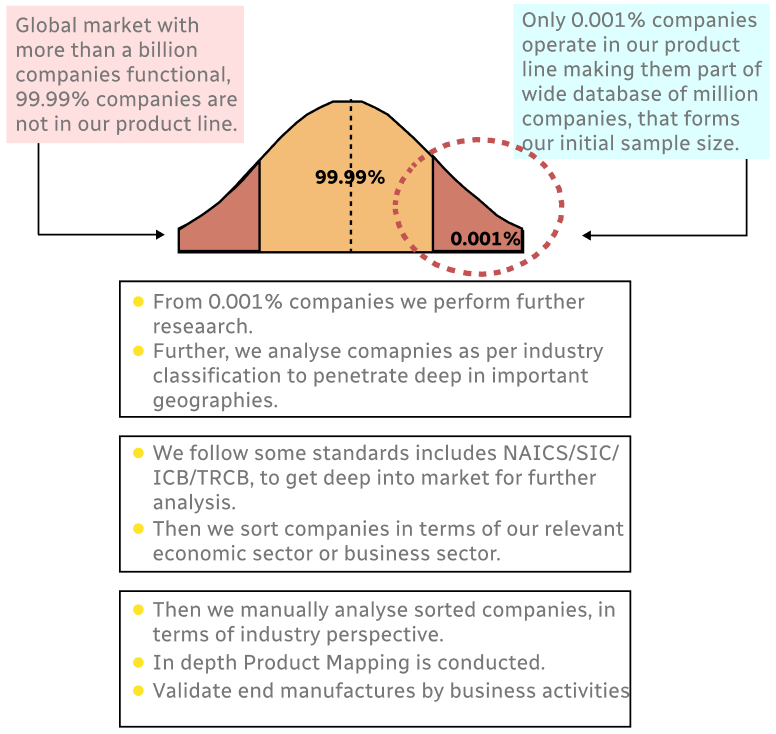
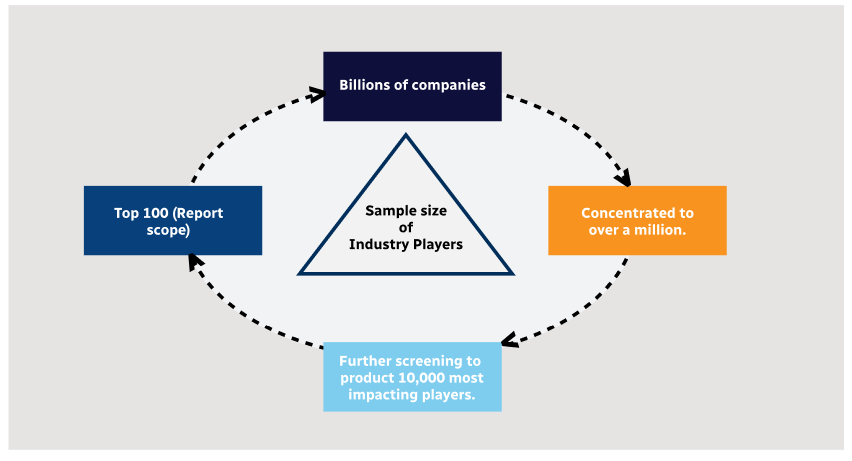
Step 1 - Identification of Relevant Samples Size from Population Database

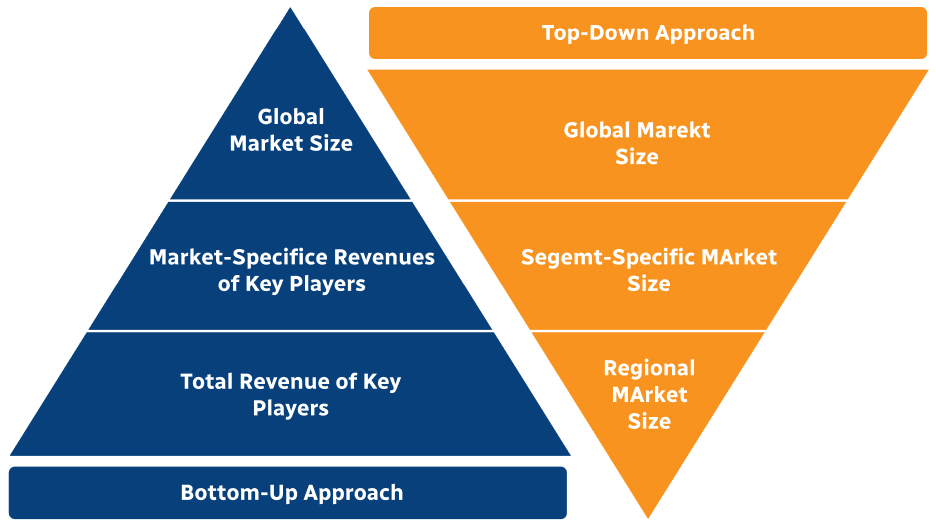
Step 2 - Approaches for Defining Global Market Size (Value, Volume* & Price*)
Note*: In applicable scenarios
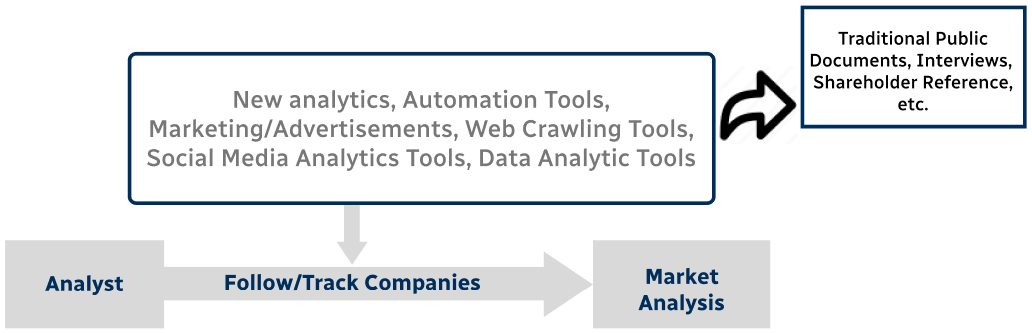
Step 3 - Data Sources
Primary Research
- Web Analytics
- Survey Reports
- Research Institute
- Latest Research Reports
- Opinion Leaders
Secondary Research
- Annual Reports
- White Paper
- Latest Press Release
- Industry Association
- Paid Database
- Investor Presentations
Step 4 - Data Triangulation
Involves using different sources of information in order to increase the validity of a study
These sources are likely to be stakeholders in a program - participants, other researchers, program staff, other community members, and so on.
Then we put all data in single framework & apply various statistical tools to find out the dynamic on the market.
During the analysis stage, feedback from the stakeholder groups would be compared to determine areas of agreement as well as areas of divergence