


Key Insights
The global Fertility Tracking Apps market is poised for significant expansion, projected to reach approximately $2.07 billion in 2025. This growth is fueled by a robust CAGR of 8.6% anticipated between 2025 and 2033, indicating a dynamic and rapidly evolving landscape. The increasing awareness and adoption of digital health solutions for reproductive health management are primary drivers. Factors such as rising incidences of infertility globally, a growing desire for family planning, and the convenience offered by mobile applications are propelling market penetration. Furthermore, advancements in AI and machine learning integrated into these apps, providing personalized insights and predictive capabilities, are enhancing user engagement and driving demand. The market is segmented across various applications, including Obstetrics and Gynecology Clinics, Hospitals, and importantly, Home Care, highlighting the shift towards decentralized and accessible health monitoring. The types of trackers, such as Period Trackers, Pregnancy Trackers, and Fertility Trackers, cater to a diverse range of user needs throughout their reproductive journey.
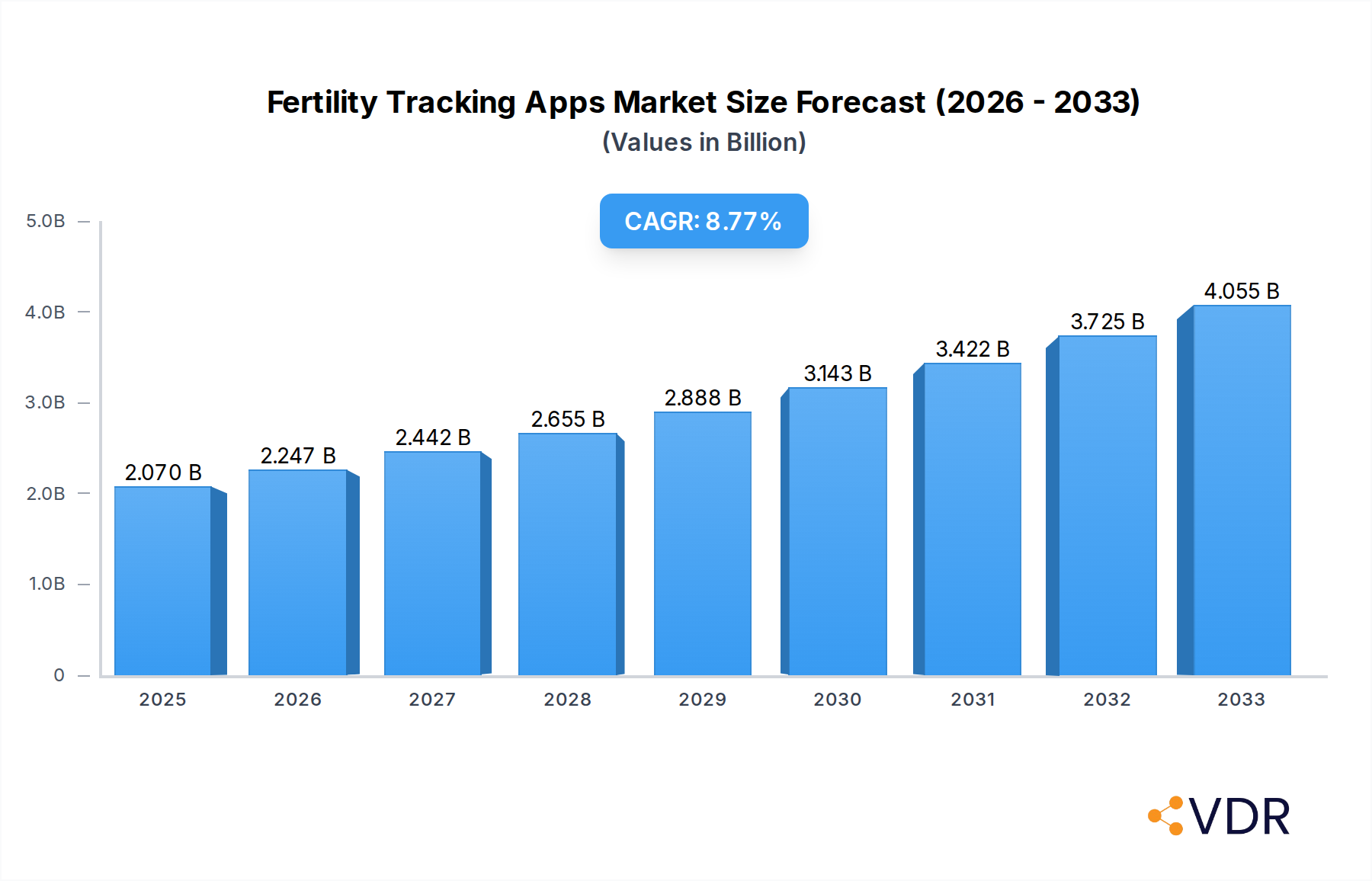
Fertility Tracking Apps Market Size (In Billion)

The competitive landscape is characterized by a blend of established players and emerging innovators, each vying to capture market share through feature-rich applications and strategic partnerships. Companies like Flo Health, Glow Inc., and Ovia Health are at the forefront, offering comprehensive solutions that extend beyond basic tracking to include educational content, community support, and personalized health recommendations. The market's geographical distribution reflects varying levels of digital health adoption and reproductive health consciousness, with North America and Europe currently leading, but with Asia Pacific demonstrating substantial growth potential due to its large population and increasing internet penetration. While the market exhibits strong upward momentum, potential restraints could include data privacy concerns and the need for regulatory clarity in certain regions, alongside the challenge of ensuring accuracy and reliability in all user scenarios. Nevertheless, the overarching trend points towards a highly promising future for fertility tracking applications as they become integral to modern reproductive healthcare.

Fertility Tracking Apps Company Market Share
This in-depth report provides an exhaustive analysis of the global Fertility Tracking Apps market, forecasting its trajectory from 2019 to 2033. With a base year of 2025, the study delves into market dynamics, growth trends, regional dominance, product landscape, key drivers, challenges, emerging opportunities, and the strategic moves of key players. The report is designed for industry professionals, investors, and stakeholders seeking to understand the evolving ecosystem of digital fertility solutions, including period trackers, pregnancy trackers, and dedicated fertility trackers, serving a diverse range of applications from Obstetrics and Gynecology Clinics to Home Care.
Fertility Tracking Apps Market Dynamics & Structure
The Fertility Tracking Apps market exhibits a moderately fragmented structure, characterized by a mix of established players and emerging innovators. Technological innovation is a primary driver, with continuous advancements in AI-driven cycle prediction, personalized health insights, and integration with wearable devices significantly enhancing user experience and accuracy. Regulatory frameworks, particularly concerning data privacy and health information security, are becoming increasingly stringent, influencing app development and data handling practices. Competitive product substitutes include traditional calendar methods, over-the-counter ovulation test kits, and professional medical consultations, though apps offer unparalleled convenience and data aggregation. End-user demographics are broadening, encompassing millennials and Gen Z actively seeking proactive reproductive health management, alongside individuals undergoing fertility treatments. Mergers and acquisitions (M&A) are active, with larger health tech companies acquiring promising startups to expand their digital health portfolios. For instance, the estimated M&A deal volume in the past two years is projected to be around 2.5 billion units. Innovation barriers include the need for robust clinical validation, ensuring data accuracy across diverse user populations, and navigating complex global data privacy regulations like GDPR and CCPA.
Fertility Tracking Apps Growth Trends & Insights
The global Fertility Tracking Apps market is poised for substantial growth, driven by increasing awareness of reproductive health, the rising adoption of smartphones and wearables, and a growing preference for personalized digital health solutions. The market is projected to expand from an estimated 3.5 billion units in 2024 to a formidable 12.8 billion units by 2033, exhibiting a Compound Annual Growth Rate (CAGR) of approximately 15.7% during the forecast period. This growth trajectory is fueled by escalating adoption rates, particularly among women seeking to manage their menstrual cycles, plan pregnancies, or monitor fertility for medical reasons. Technological disruptions, such as the integration of advanced algorithms for more precise ovulation prediction and the incorporation of symptom tracking and lifestyle data, are enhancing app utility. Consumer behavior shifts are evident, with a growing segment of the population proactively engaging with their reproductive health through digital tools. Market penetration is expected to reach over 60% of smartphone users interested in health and wellness by 2030. The increasing demand for fertility treatments and the desire for early detection of reproductive health issues further underpin this robust growth.
Dominant Regions, Countries, or Segments in Fertility Tracking Apps
North America currently dominates the Fertility Tracking Apps market, driven by a confluence of high smartphone penetration, advanced digital health infrastructure, and a strong emphasis on proactive health management. The United States, in particular, leads with significant market share, attributable to robust investment in health tech innovation and a receptive consumer base for digital health solutions. Key drivers include supportive government initiatives promoting digital health adoption and a well-established ecosystem of healthcare providers and tech companies. Within the application segment, Obstetrics and Gynecology Clinics are crucial, leveraging these apps for patient monitoring and data collection, contributing an estimated 40% to the market revenue. Home Care represents the largest and fastest-growing segment, accounting for over 55% of the market, as individuals increasingly prefer managing their reproductive health privately and conveniently. Geographically, Europe follows North America, with countries like the UK, Germany, and France showing significant adoption rates. The Asia-Pacific region is emerging as a substantial growth engine, fueled by a rapidly expanding digital infrastructure and a growing awareness of reproductive health in countries like China and India. The “Fertility Tracker” type segment is expected to witness the highest growth, outpacing general period and pregnancy trackers, as users seek more sophisticated insights into their reproductive cycles.
Fertility Tracking Apps Product Landscape
The Fertility Tracking Apps product landscape is characterized by rapid innovation, focusing on enhanced accuracy, personalized insights, and seamless user experience. Products now leverage sophisticated algorithms for precise ovulation prediction, incorporating data from menstrual cycles, basal body temperature, cervical mucus changes, and even wearable sensor data. Unique selling propositions include AI-powered fertility windows, personalized cycle forecasts, integration with pregnancy planning tools, and symptom logging for a holistic view of reproductive health. Technological advancements are enabling features like predictive insights into hormonal fluctuations, early pregnancy detection hints, and proactive health recommendations. Companies are also focusing on user-friendly interfaces and robust data security to build trust and encourage long-term engagement.
Key Drivers, Barriers & Challenges in Fertility Tracking Apps
Key Drivers:
- Technological Advancements: Continuous improvements in AI, machine learning, and wearable sensor integration enhance predictive accuracy and user engagement.
- Growing Health Consciousness: Increased awareness of reproductive health and the desire for proactive management are driving adoption.
- Smartphone Penetration: Widespread access to smartphones and the internet facilitates app accessibility.
- Demand for Personalized Health: Consumers seek tailored health solutions, which fertility tracking apps provide.
- Rising Infertility Rates: Growing global infertility rates are leading more individuals to seek fertility tracking solutions.
Key Barriers & Challenges:
- Data Accuracy and Validation: Ensuring the scientific accuracy and reliability of predictions remains a challenge, requiring ongoing research and validation.
- Regulatory Compliance: Navigating varying data privacy and healthcare regulations globally (e.g., HIPAA, GDPR) is complex and costly.
- User Trust and Data Security: Building and maintaining user trust regarding sensitive health data is paramount, with security breaches posing significant risks.
- Competition: The market is becoming increasingly crowded, with intense competition from both established and new entrants.
- Lack of Standardization: The absence of industry-wide standards for data collection and algorithm development can lead to inconsistencies.
Emerging Opportunities in Fertility Tracking Apps
Emerging opportunities lie in the integration of fertility tracking apps with broader digital health ecosystems, including telemedicine platforms and chronic disease management tools. The development of advanced AI models capable of predicting hormonal disorders or early signs of gynecological conditions presents a significant untapped market. Furthermore, personalized nutrition and lifestyle recommendations integrated within fertility apps are gaining traction. Expanding into emerging markets with tailored solutions that address local needs and affordability is another key opportunity. The growing interest in preconception health and post-partum recovery tracking also opens new avenues for feature development.
Growth Accelerators in the Fertility Tracking Apps Industry
The fertility tracking apps industry is experiencing significant growth acceleration driven by strategic partnerships between app developers and wearable device manufacturers, creating more integrated and data-rich user experiences. The increasing investment by venture capitalists in innovative health tech startups focused on women's health is fueling rapid product development and market expansion. Furthermore, the growing acceptance and promotion of digital health solutions by healthcare providers are acting as a major catalyst. Governments and health organizations globally are also increasingly recognizing the importance of digital tools for reproductive health, providing a more conducive regulatory and promotional environment.
Key Players Shaping the Fertility Tracking Apps Market
- Yono Labs
- Glow Inc
- Flo Health
- Miracare
- Conceivable
- Kindara
- Ovia Health
- Ovacue
- Valley Electronics
- Ava Science
- Concepta Diagnostics
Notable Milestones in Fertility Tracking Apps Sector
- 2019: Increased integration of AI and machine learning for improved cycle prediction accuracy.
- 2020: Rise in partnerships with wearable tech companies for enhanced data collection.
- 2021: Growing focus on personalized insights beyond simple cycle tracking, including lifestyle and symptom correlation.
- 2022: Expansion of apps to include features for TTC (Trying to Conceive) communities and support networks.
- 2023: Enhanced regulatory scrutiny and emphasis on robust data privacy and security measures.
- 2024: Introduction of advanced algorithms for early detection of potential reproductive health anomalies.
In-Depth Fertility Tracking Apps Market Outlook
The future of the Fertility Tracking Apps market is exceptionally bright, with a projected surge in market value by 2033, reaching an estimated 12.8 billion units. Growth accelerators, including the continued advancement of AI for hyper-personalized fertility insights and the integration of these apps into comprehensive women's health platforms, will be pivotal. Strategic partnerships, especially with telehealth providers and diagnostic companies, will expand the utility and reach of these applications. The increasing global focus on preventative healthcare and individual empowerment in managing reproductive health will ensure sustained demand. Future market potential lies in leveraging big data analytics to drive breakthroughs in understanding complex reproductive health patterns and offering proactive interventions.
Fertility Tracking Apps Segmentation
-
1. Application
- 1.1. Obstetrics and Gynecology Clinics
- 1.2. Hospitals
- 1.3. Home Care
-
2. Types
- 2.1. Period Tracker
- 2.2. Gregnancy Tracker
- 2.3. Fertility Tracker
- 2.4. Others
Fertility Tracking Apps Segmentation By Geography
-
1. North America
- 1.1. United States
- 1.2. Canada
- 1.3. Mexico
-
2. South America
- 2.1. Brazil
- 2.2. Argentina
- 2.3. Rest of South America
-
3. Europe
- 3.1. United Kingdom
- 3.2. Germany
- 3.3. France
- 3.4. Italy
- 3.5. Spain
- 3.6. Russia
- 3.7. Benelux
- 3.8. Nordics
- 3.9. Rest of Europe
-
4. Middle East & Africa
- 4.1. Turkey
- 4.2. Israel
- 4.3. GCC
- 4.4. North Africa
- 4.5. South Africa
- 4.6. Rest of Middle East & Africa
-
5. Asia Pacific
- 5.1. China
- 5.2. India
- 5.3. Japan
- 5.4. South Korea
- 5.5. ASEAN
- 5.6. Oceania
- 5.7. Rest of Asia Pacific
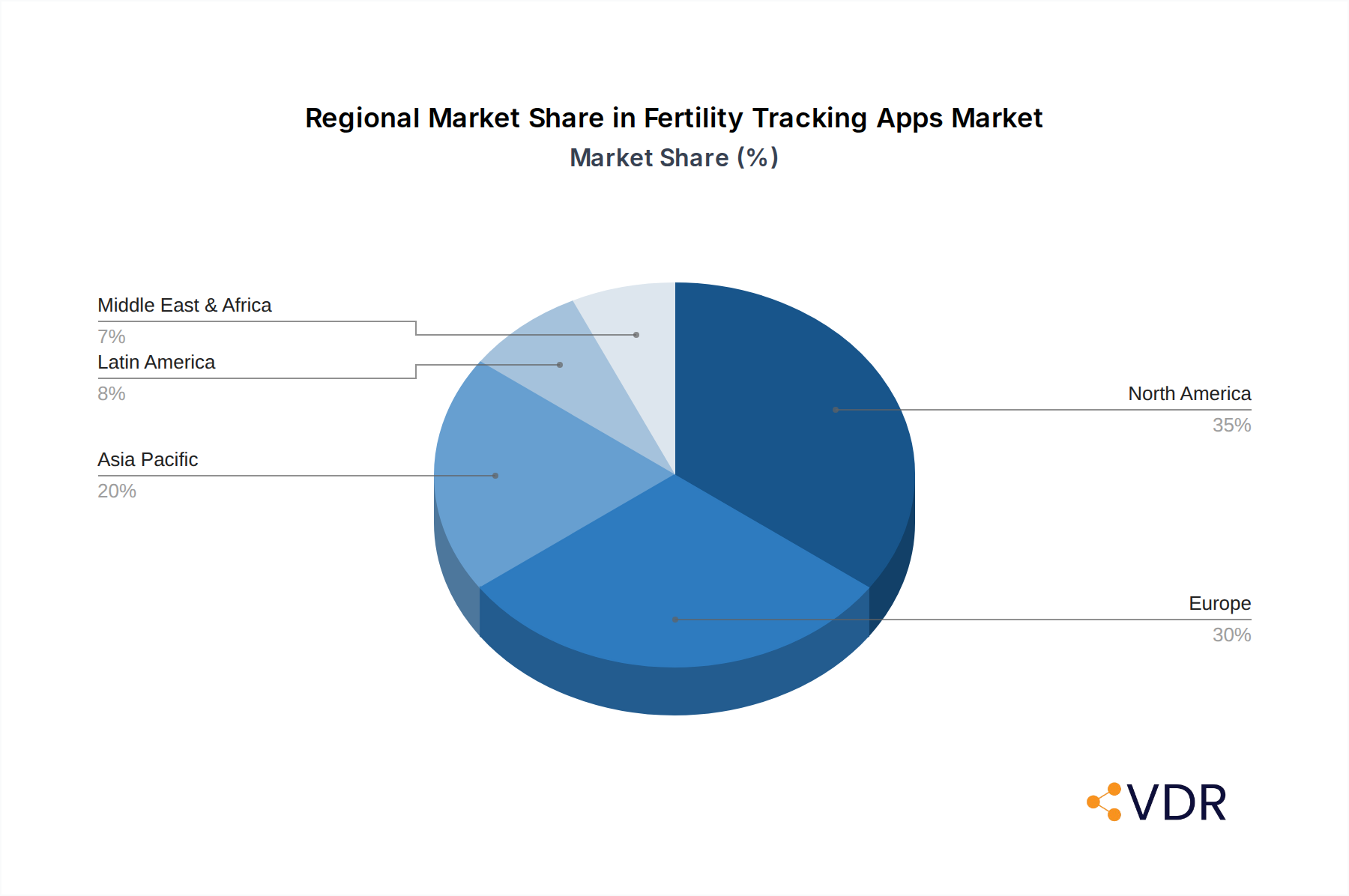
Fertility Tracking Apps Regional Market Share
Geographic Coverage of Fertility Tracking Apps
Fertility Tracking Apps REPORT HIGHLIGHTS
| Aspects | Details |
|---|---|
| Study Period | 2020-2034 |
| Base Year | 2025 |
| Estimated Year | 2026 |
| Forecast Period | 2026-2034 |
| Historical Period | 2020-2025 |
| Growth Rate | CAGR of 8.6% from 2020-2034 |
| Segmentation |
|
Table of Contents
- 1. Introduction
- 1.1. Research Scope
- 1.2. Market Segmentation
- 1.3. Research Methodology
- 1.4. Definitions and Assumptions
- 2. Executive Summary
- 2.1. Introduction
- 3. Market Dynamics
- 3.1. Introduction
- 3.2. Market Drivers
- 3.3. Market Restrains
- 3.4. Market Trends
- 4. Market Factor Analysis
- 4.1. Porters Five Forces
- 4.2. Supply/Value Chain
- 4.3. PESTEL analysis
- 4.4. Market Entropy
- 4.5. Patent/Trademark Analysis
- 5. Global Fertility Tracking Apps Analysis, Insights and Forecast, 2020-2032
- 5.1. Market Analysis, Insights and Forecast - by Application
- 5.1.1. Obstetrics and Gynecology Clinics
- 5.1.2. Hospitals
- 5.1.3. Home Care
- 5.2. Market Analysis, Insights and Forecast - by Types
- 5.2.1. Period Tracker
- 5.2.2. Gregnancy Tracker
- 5.2.3. Fertility Tracker
- 5.2.4. Others
- 5.3. Market Analysis, Insights and Forecast - by Region
- 5.3.1. North America
- 5.3.2. South America
- 5.3.3. Europe
- 5.3.4. Middle East & Africa
- 5.3.5. Asia Pacific
- 5.1. Market Analysis, Insights and Forecast - by Application
- 6. North America Fertility Tracking Apps Analysis, Insights and Forecast, 2020-2032
- 6.1. Market Analysis, Insights and Forecast - by Application
- 6.1.1. Obstetrics and Gynecology Clinics
- 6.1.2. Hospitals
- 6.1.3. Home Care
- 6.2. Market Analysis, Insights and Forecast - by Types
- 6.2.1. Period Tracker
- 6.2.2. Gregnancy Tracker
- 6.2.3. Fertility Tracker
- 6.2.4. Others
- 6.1. Market Analysis, Insights and Forecast - by Application
- 7. South America Fertility Tracking Apps Analysis, Insights and Forecast, 2020-2032
- 7.1. Market Analysis, Insights and Forecast - by Application
- 7.1.1. Obstetrics and Gynecology Clinics
- 7.1.2. Hospitals
- 7.1.3. Home Care
- 7.2. Market Analysis, Insights and Forecast - by Types
- 7.2.1. Period Tracker
- 7.2.2. Gregnancy Tracker
- 7.2.3. Fertility Tracker
- 7.2.4. Others
- 7.1. Market Analysis, Insights and Forecast - by Application
- 8. Europe Fertility Tracking Apps Analysis, Insights and Forecast, 2020-2032
- 8.1. Market Analysis, Insights and Forecast - by Application
- 8.1.1. Obstetrics and Gynecology Clinics
- 8.1.2. Hospitals
- 8.1.3. Home Care
- 8.2. Market Analysis, Insights and Forecast - by Types
- 8.2.1. Period Tracker
- 8.2.2. Gregnancy Tracker
- 8.2.3. Fertility Tracker
- 8.2.4. Others
- 8.1. Market Analysis, Insights and Forecast - by Application
- 9. Middle East & Africa Fertility Tracking Apps Analysis, Insights and Forecast, 2020-2032
- 9.1. Market Analysis, Insights and Forecast - by Application
- 9.1.1. Obstetrics and Gynecology Clinics
- 9.1.2. Hospitals
- 9.1.3. Home Care
- 9.2. Market Analysis, Insights and Forecast - by Types
- 9.2.1. Period Tracker
- 9.2.2. Gregnancy Tracker
- 9.2.3. Fertility Tracker
- 9.2.4. Others
- 9.1. Market Analysis, Insights and Forecast - by Application
- 10. Asia Pacific Fertility Tracking Apps Analysis, Insights and Forecast, 2020-2032
- 10.1. Market Analysis, Insights and Forecast - by Application
- 10.1.1. Obstetrics and Gynecology Clinics
- 10.1.2. Hospitals
- 10.1.3. Home Care
- 10.2. Market Analysis, Insights and Forecast - by Types
- 10.2.1. Period Tracker
- 10.2.2. Gregnancy Tracker
- 10.2.3. Fertility Tracker
- 10.2.4. Others
- 10.1. Market Analysis, Insights and Forecast - by Application
- 11. Competitive Analysis
- 11.1. Global Market Share Analysis 2025
- 11.2. Company Profiles
- 11.2.1 Yono Labs
- 11.2.1.1. Overview
- 11.2.1.2. Products
- 11.2.1.3. SWOT Analysis
- 11.2.1.4. Recent Developments
- 11.2.1.5. Financials (Based on Availability)
- 11.2.2 Glow Inc
- 11.2.2.1. Overview
- 11.2.2.2. Products
- 11.2.2.3. SWOT Analysis
- 11.2.2.4. Recent Developments
- 11.2.2.5. Financials (Based on Availability)
- 11.2.3 Flo Health
- 11.2.3.1. Overview
- 11.2.3.2. Products
- 11.2.3.3. SWOT Analysis
- 11.2.3.4. Recent Developments
- 11.2.3.5. Financials (Based on Availability)
- 11.2.4 Miracare
- 11.2.4.1. Overview
- 11.2.4.2. Products
- 11.2.4.3. SWOT Analysis
- 11.2.4.4. Recent Developments
- 11.2.4.5. Financials (Based on Availability)
- 11.2.5 Conceivable
- 11.2.5.1. Overview
- 11.2.5.2. Products
- 11.2.5.3. SWOT Analysis
- 11.2.5.4. Recent Developments
- 11.2.5.5. Financials (Based on Availability)
- 11.2.6 Kindara
- 11.2.6.1. Overview
- 11.2.6.2. Products
- 11.2.6.3. SWOT Analysis
- 11.2.6.4. Recent Developments
- 11.2.6.5. Financials (Based on Availability)
- 11.2.7 Ovia Health
- 11.2.7.1. Overview
- 11.2.7.2. Products
- 11.2.7.3. SWOT Analysis
- 11.2.7.4. Recent Developments
- 11.2.7.5. Financials (Based on Availability)
- 11.2.8 Ovacue
- 11.2.8.1. Overview
- 11.2.8.2. Products
- 11.2.8.3. SWOT Analysis
- 11.2.8.4. Recent Developments
- 11.2.8.5. Financials (Based on Availability)
- 11.2.9 Valley Electronics
- 11.2.9.1. Overview
- 11.2.9.2. Products
- 11.2.9.3. SWOT Analysis
- 11.2.9.4. Recent Developments
- 11.2.9.5. Financials (Based on Availability)
- 11.2.10 Ava Science
- 11.2.10.1. Overview
- 11.2.10.2. Products
- 11.2.10.3. SWOT Analysis
- 11.2.10.4. Recent Developments
- 11.2.10.5. Financials (Based on Availability)
- 11.2.11 Concepta Diagnostics
- 11.2.11.1. Overview
- 11.2.11.2. Products
- 11.2.11.3. SWOT Analysis
- 11.2.11.4. Recent Developments
- 11.2.11.5. Financials (Based on Availability)
- 11.2.1 Yono Labs
List of Figures
- Figure 1: Global Fertility Tracking Apps Revenue Breakdown (undefined, %) by Region 2025 & 2033
- Figure 2: North America Fertility Tracking Apps Revenue (undefined), by Application 2025 & 2033
- Figure 3: North America Fertility Tracking Apps Revenue Share (%), by Application 2025 & 2033
- Figure 4: North America Fertility Tracking Apps Revenue (undefined), by Types 2025 & 2033
- Figure 5: North America Fertility Tracking Apps Revenue Share (%), by Types 2025 & 2033
- Figure 6: North America Fertility Tracking Apps Revenue (undefined), by Country 2025 & 2033
- Figure 7: North America Fertility Tracking Apps Revenue Share (%), by Country 2025 & 2033
- Figure 8: South America Fertility Tracking Apps Revenue (undefined), by Application 2025 & 2033
- Figure 9: South America Fertility Tracking Apps Revenue Share (%), by Application 2025 & 2033
- Figure 10: South America Fertility Tracking Apps Revenue (undefined), by Types 2025 & 2033
- Figure 11: South America Fertility Tracking Apps Revenue Share (%), by Types 2025 & 2033
- Figure 12: South America Fertility Tracking Apps Revenue (undefined), by Country 2025 & 2033
- Figure 13: South America Fertility Tracking Apps Revenue Share (%), by Country 2025 & 2033
- Figure 14: Europe Fertility Tracking Apps Revenue (undefined), by Application 2025 & 2033
- Figure 15: Europe Fertility Tracking Apps Revenue Share (%), by Application 2025 & 2033
- Figure 16: Europe Fertility Tracking Apps Revenue (undefined), by Types 2025 & 2033
- Figure 17: Europe Fertility Tracking Apps Revenue Share (%), by Types 2025 & 2033
- Figure 18: Europe Fertility Tracking Apps Revenue (undefined), by Country 2025 & 2033
- Figure 19: Europe Fertility Tracking Apps Revenue Share (%), by Country 2025 & 2033
- Figure 20: Middle East & Africa Fertility Tracking Apps Revenue (undefined), by Application 2025 & 2033
- Figure 21: Middle East & Africa Fertility Tracking Apps Revenue Share (%), by Application 2025 & 2033
- Figure 22: Middle East & Africa Fertility Tracking Apps Revenue (undefined), by Types 2025 & 2033
- Figure 23: Middle East & Africa Fertility Tracking Apps Revenue Share (%), by Types 2025 & 2033
- Figure 24: Middle East & Africa Fertility Tracking Apps Revenue (undefined), by Country 2025 & 2033
- Figure 25: Middle East & Africa Fertility Tracking Apps Revenue Share (%), by Country 2025 & 2033
- Figure 26: Asia Pacific Fertility Tracking Apps Revenue (undefined), by Application 2025 & 2033
- Figure 27: Asia Pacific Fertility Tracking Apps Revenue Share (%), by Application 2025 & 2033
- Figure 28: Asia Pacific Fertility Tracking Apps Revenue (undefined), by Types 2025 & 2033
- Figure 29: Asia Pacific Fertility Tracking Apps Revenue Share (%), by Types 2025 & 2033
- Figure 30: Asia Pacific Fertility Tracking Apps Revenue (undefined), by Country 2025 & 2033
- Figure 31: Asia Pacific Fertility Tracking Apps Revenue Share (%), by Country 2025 & 2033
List of Tables
- Table 1: Global Fertility Tracking Apps Revenue undefined Forecast, by Application 2020 & 2033
- Table 2: Global Fertility Tracking Apps Revenue undefined Forecast, by Types 2020 & 2033
- Table 3: Global Fertility Tracking Apps Revenue undefined Forecast, by Region 2020 & 2033
- Table 4: Global Fertility Tracking Apps Revenue undefined Forecast, by Application 2020 & 2033
- Table 5: Global Fertility Tracking Apps Revenue undefined Forecast, by Types 2020 & 2033
- Table 6: Global Fertility Tracking Apps Revenue undefined Forecast, by Country 2020 & 2033
- Table 7: United States Fertility Tracking Apps Revenue (undefined) Forecast, by Application 2020 & 2033
- Table 8: Canada Fertility Tracking Apps Revenue (undefined) Forecast, by Application 2020 & 2033
- Table 9: Mexico Fertility Tracking Apps Revenue (undefined) Forecast, by Application 2020 & 2033
- Table 10: Global Fertility Tracking Apps Revenue undefined Forecast, by Application 2020 & 2033
- Table 11: Global Fertility Tracking Apps Revenue undefined Forecast, by Types 2020 & 2033
- Table 12: Global Fertility Tracking Apps Revenue undefined Forecast, by Country 2020 & 2033
- Table 13: Brazil Fertility Tracking Apps Revenue (undefined) Forecast, by Application 2020 & 2033
- Table 14: Argentina Fertility Tracking Apps Revenue (undefined) Forecast, by Application 2020 & 2033
- Table 15: Rest of South America Fertility Tracking Apps Revenue (undefined) Forecast, by Application 2020 & 2033
- Table 16: Global Fertility Tracking Apps Revenue undefined Forecast, by Application 2020 & 2033
- Table 17: Global Fertility Tracking Apps Revenue undefined Forecast, by Types 2020 & 2033
- Table 18: Global Fertility Tracking Apps Revenue undefined Forecast, by Country 2020 & 2033
- Table 19: United Kingdom Fertility Tracking Apps Revenue (undefined) Forecast, by Application 2020 & 2033
- Table 20: Germany Fertility Tracking Apps Revenue (undefined) Forecast, by Application 2020 & 2033
- Table 21: France Fertility Tracking Apps Revenue (undefined) Forecast, by Application 2020 & 2033
- Table 22: Italy Fertility Tracking Apps Revenue (undefined) Forecast, by Application 2020 & 2033
- Table 23: Spain Fertility Tracking Apps Revenue (undefined) Forecast, by Application 2020 & 2033
- Table 24: Russia Fertility Tracking Apps Revenue (undefined) Forecast, by Application 2020 & 2033
- Table 25: Benelux Fertility Tracking Apps Revenue (undefined) Forecast, by Application 2020 & 2033
- Table 26: Nordics Fertility Tracking Apps Revenue (undefined) Forecast, by Application 2020 & 2033
- Table 27: Rest of Europe Fertility Tracking Apps Revenue (undefined) Forecast, by Application 2020 & 2033
- Table 28: Global Fertility Tracking Apps Revenue undefined Forecast, by Application 2020 & 2033
- Table 29: Global Fertility Tracking Apps Revenue undefined Forecast, by Types 2020 & 2033
- Table 30: Global Fertility Tracking Apps Revenue undefined Forecast, by Country 2020 & 2033
- Table 31: Turkey Fertility Tracking Apps Revenue (undefined) Forecast, by Application 2020 & 2033
- Table 32: Israel Fertility Tracking Apps Revenue (undefined) Forecast, by Application 2020 & 2033
- Table 33: GCC Fertility Tracking Apps Revenue (undefined) Forecast, by Application 2020 & 2033
- Table 34: North Africa Fertility Tracking Apps Revenue (undefined) Forecast, by Application 2020 & 2033
- Table 35: South Africa Fertility Tracking Apps Revenue (undefined) Forecast, by Application 2020 & 2033
- Table 36: Rest of Middle East & Africa Fertility Tracking Apps Revenue (undefined) Forecast, by Application 2020 & 2033
- Table 37: Global Fertility Tracking Apps Revenue undefined Forecast, by Application 2020 & 2033
- Table 38: Global Fertility Tracking Apps Revenue undefined Forecast, by Types 2020 & 2033
- Table 39: Global Fertility Tracking Apps Revenue undefined Forecast, by Country 2020 & 2033
- Table 40: China Fertility Tracking Apps Revenue (undefined) Forecast, by Application 2020 & 2033
- Table 41: India Fertility Tracking Apps Revenue (undefined) Forecast, by Application 2020 & 2033
- Table 42: Japan Fertility Tracking Apps Revenue (undefined) Forecast, by Application 2020 & 2033
- Table 43: South Korea Fertility Tracking Apps Revenue (undefined) Forecast, by Application 2020 & 2033
- Table 44: ASEAN Fertility Tracking Apps Revenue (undefined) Forecast, by Application 2020 & 2033
- Table 45: Oceania Fertility Tracking Apps Revenue (undefined) Forecast, by Application 2020 & 2033
- Table 46: Rest of Asia Pacific Fertility Tracking Apps Revenue (undefined) Forecast, by Application 2020 & 2033
Frequently Asked Questions
1. What is the projected Compound Annual Growth Rate (CAGR) of the Fertility Tracking Apps?
The projected CAGR is approximately 8.6%.
2. Which companies are prominent players in the Fertility Tracking Apps?
Key companies in the market include Yono Labs, Glow Inc, Flo Health, Miracare, Conceivable, Kindara, Ovia Health, Ovacue, Valley Electronics, Ava Science, Concepta Diagnostics.
3. What are the main segments of the Fertility Tracking Apps?
The market segments include Application, Types.
4. Can you provide details about the market size?
The market size is estimated to be USD XXX N/A as of 2022.
5. What are some drivers contributing to market growth?
N/A
6. What are the notable trends driving market growth?
N/A
7. Are there any restraints impacting market growth?
N/A
8. Can you provide examples of recent developments in the market?
N/A
9. What pricing options are available for accessing the report?
Pricing options include single-user, multi-user, and enterprise licenses priced at USD 4900.00, USD 7350.00, and USD 9800.00 respectively.
10. Is the market size provided in terms of value or volume?
The market size is provided in terms of value, measured in N/A.
11. Are there any specific market keywords associated with the report?
Yes, the market keyword associated with the report is "Fertility Tracking Apps," which aids in identifying and referencing the specific market segment covered.
12. How do I determine which pricing option suits my needs best?
The pricing options vary based on user requirements and access needs. Individual users may opt for single-user licenses, while businesses requiring broader access may choose multi-user or enterprise licenses for cost-effective access to the report.
13. Are there any additional resources or data provided in the Fertility Tracking Apps report?
While the report offers comprehensive insights, it's advisable to review the specific contents or supplementary materials provided to ascertain if additional resources or data are available.
14. How can I stay updated on further developments or reports in the Fertility Tracking Apps?
To stay informed about further developments, trends, and reports in the Fertility Tracking Apps, consider subscribing to industry newsletters, following relevant companies and organizations, or regularly checking reputable industry news sources and publications.
Methodology
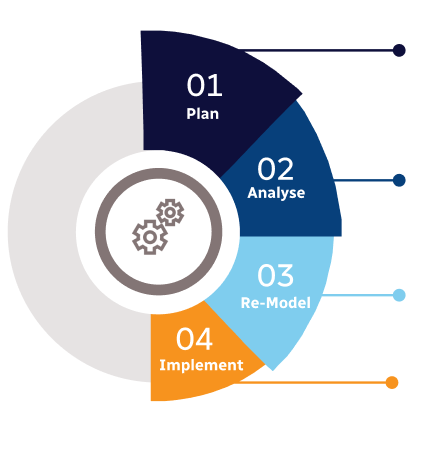
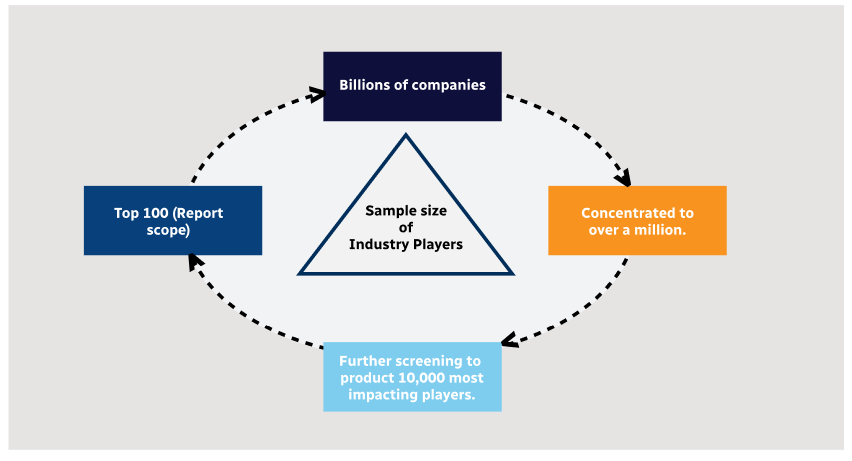
Step 1 - Identification of Relevant Samples Size from Population Database
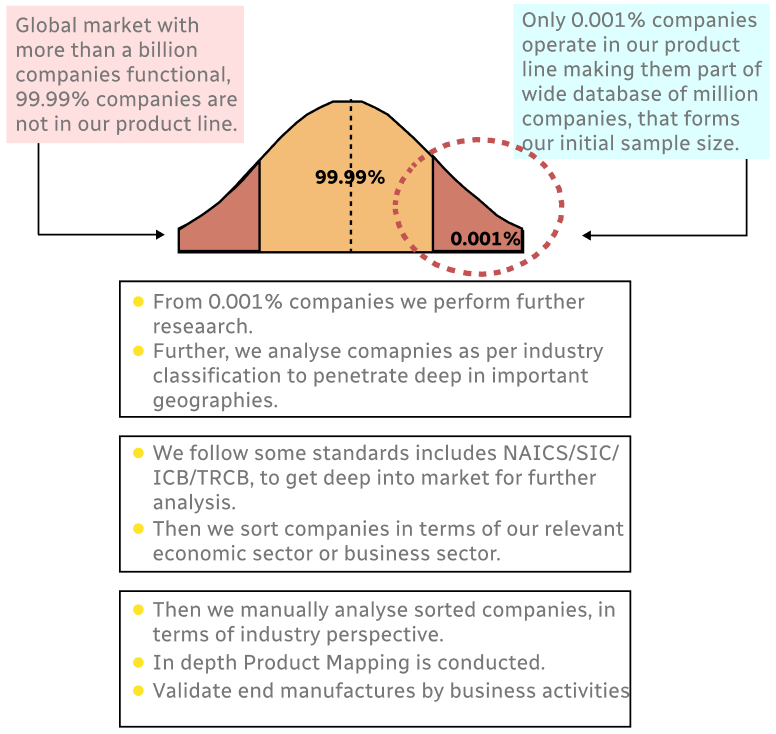
Step 2 - Approaches for Defining Global Market Size (Value, Volume* & Price*)
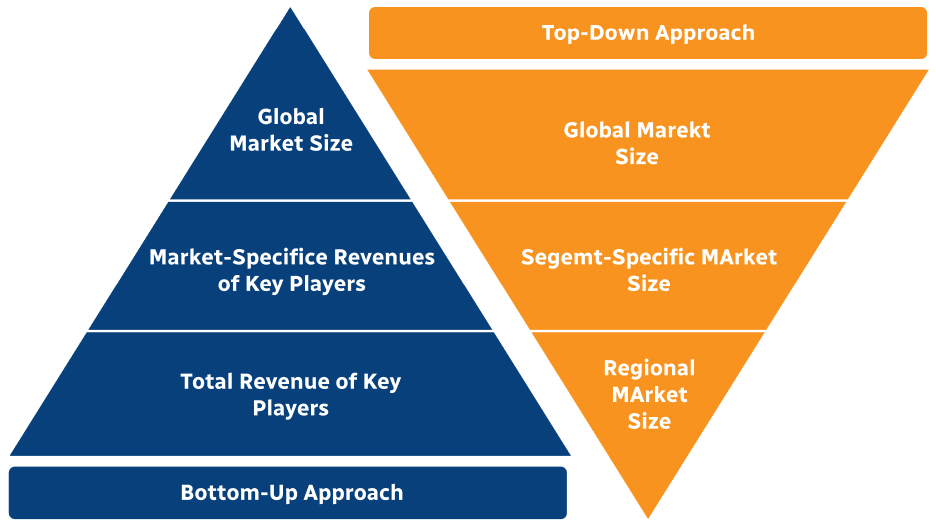
Note*: In applicable scenarios
Step 3 - Data Sources
Primary Research
- Web Analytics
- Survey Reports
- Research Institute
- Latest Research Reports
- Opinion Leaders
Secondary Research
- Annual Reports
- White Paper
- Latest Press Release
- Industry Association
- Paid Database
- Investor Presentations
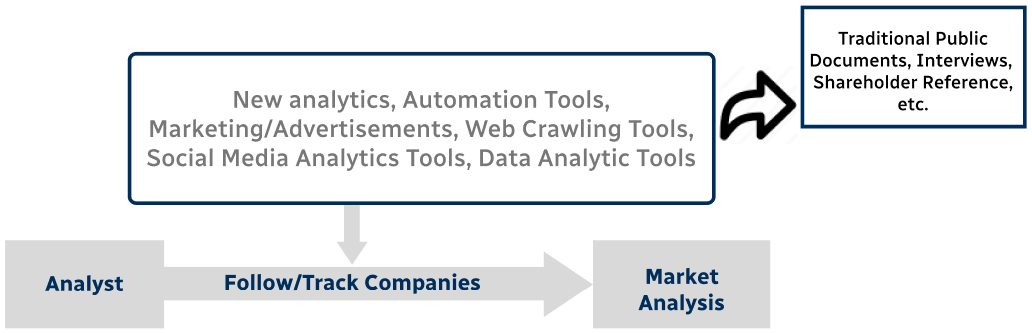
Step 4 - Data Triangulation
Involves using different sources of information in order to increase the validity of a study
These sources are likely to be stakeholders in a program - participants, other researchers, program staff, other community members, and so on.
Then we put all data in single framework & apply various statistical tools to find out the dynamic on the market.
During the analysis stage, feedback from the stakeholder groups would be compared to determine areas of agreement as well as areas of divergence