


Key Insights
The global Electric Vehicle (EV) Gear Lubricant market is projected for substantial growth, fueled by the increasing worldwide adoption of electric vehicles. With an estimated market size of 12.92 billion and a projected Compound Annual Growth Rate (CAGR) of 9.69% from the base year 2025 to 2033, this sector is rapidly becoming a vital part of the automotive lubricant industry. Key growth drivers include stringent government mandates promoting EV uptake, rising consumer environmental awareness, and advancements in EV technology requiring specialized lubricants for optimal gear system performance and durability. As EV manufacturers continue to innovate, demand for high-performance gear lubricants that can manage higher torque, lower operating temperatures, and superior electrical insulation properties is set to increase.
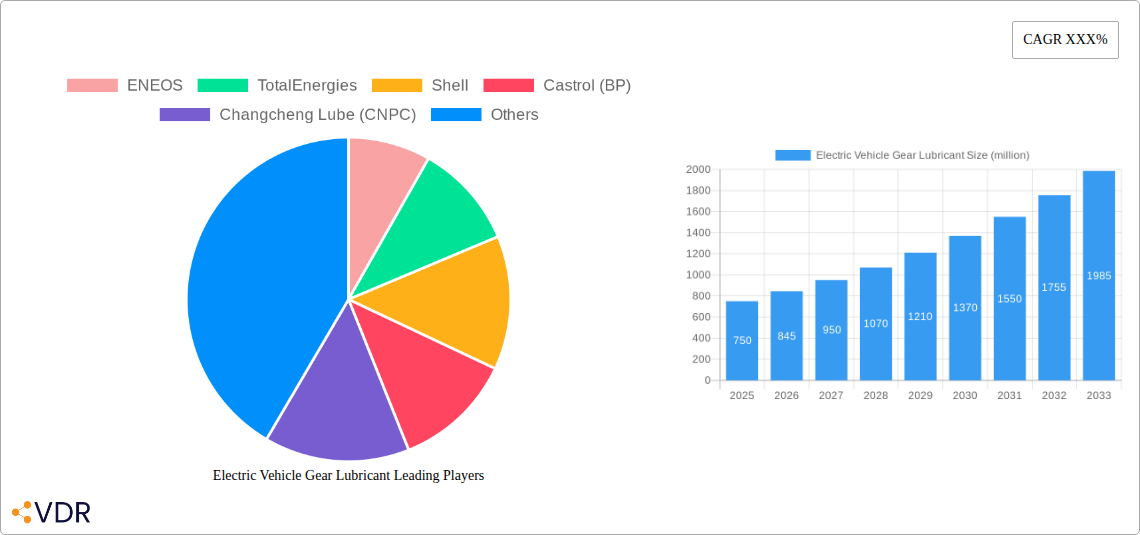
Electric Vehicle Gear Lubricant Market Size (In Billion)

Market segmentation by application highlights significant demand from Automobile Manufacturers, who are integrating advanced gear lubricants into their EV production to meet warranty and performance standards. Automobile Repair Shops also constitute a growing segment, as the existing EV fleet requires maintenance and specialized fluid replacements. The "Others" category, potentially including specialized EV component manufacturers and performance tuning services, is also expected to contribute to market expansion. Regarding lubricant type, Synthetic Hydrocarbon Base Oils are anticipated to lead due to their excellent thermal stability and oxidative resistance. Synthetic Ester Base Oils, offering strong biodegradability and compatibility with specific EV components, are also gaining prominence. The competitive landscape comprises established lubricant leaders and niche players focused on providing innovative solutions for electric powertrains. Key regions such as Asia Pacific, Europe, and North America are at the forefront of adoption and innovation.
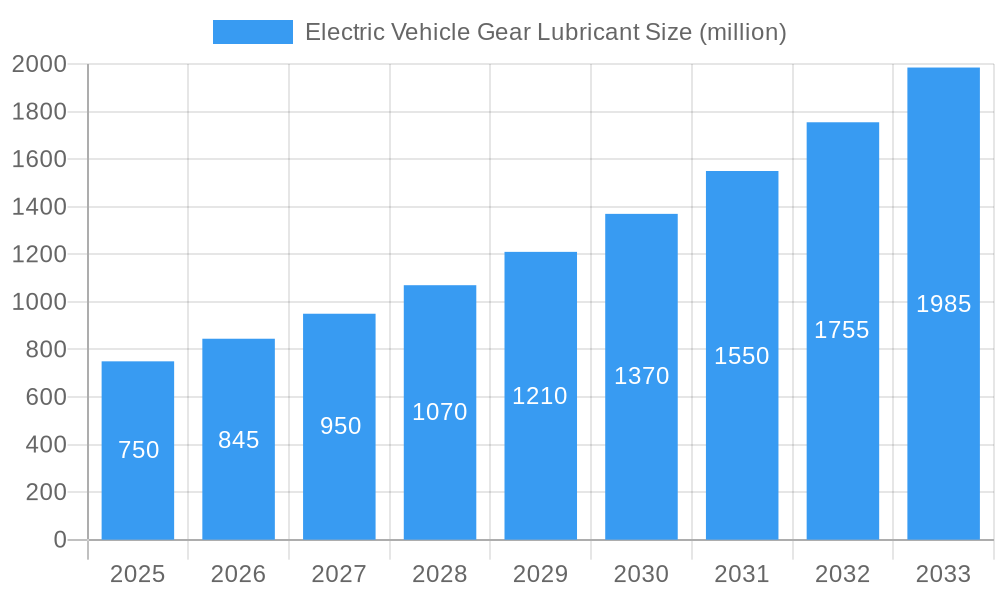
Electric Vehicle Gear Lubricant Company Market Share
Report Description: Electric Vehicle Gear Lubricant Market Analysis & Forecast 2019-2033
This comprehensive market research report provides an in-depth analysis of the global Electric Vehicle (EV) Gear Lubricant market. Spanning the historical period of 2019-2024, with a base year of 2025 and a detailed forecast extending to 2033, this study is an essential resource for industry stakeholders seeking to understand market dynamics, growth trends, and competitive landscapes. Leveraging proprietary XXX methodology, we deliver unparalleled insights into market size evolution, adoption rates, technological disruptions, and evolving consumer behaviors. The report caters to both parent and child markets, offering granular details for strategic decision-making. All quantitative values are presented in million units.
Electric Vehicle Gear Lubricant Market Dynamics & Structure
The Electric Vehicle Gear Lubricant market is characterized by a moderately concentrated structure, with key players like Shell, Castrol (BP), and ENEOS leading the charge in innovation and market penetration. Technological advancements in thermal management and extreme pressure additives are critical innovation drivers, directly influencing lubricant performance and EV drivetrain longevity. Regulatory frameworks, particularly those focused on emissions and vehicle efficiency, indirectly bolster demand for specialized EV gear lubricants. Competitive product substitutes, while nascent, include advanced greases and tribological coatings. End-user demographics are shifting towards a younger, environmentally conscious demographic driving EV adoption. Mergers and acquisitions (M&A) activity is expected to increase as lubricant manufacturers seek to expand their EV-specific portfolios and secure market share.
- Market Concentration: Moderately concentrated, with a few major global players and a growing number of specialized regional manufacturers.
- Technological Innovation Drivers: Enhanced thermal conductivity, superior wear protection, extended drain intervals, compatibility with electric motor components (magnets, insulation), and reduced foaming.
- Regulatory Frameworks: Stringent emissions standards and mandates for EV adoption in key automotive markets globally.
- Competitive Product Substitutes: High-performance industrial greases, tribological coatings, and emerging solid lubricants.
- End-User Demographics: Increasing demand from younger demographics, tech-savvy consumers, and fleet operators focused on Total Cost of Ownership (TCO).
- M&A Trends: Anticipated increase in strategic acquisitions and partnerships to gain access to proprietary EV lubricant technologies and expand product offerings.
Electric Vehicle Gear Lubricant Growth Trends & Insights
The global Electric Vehicle Gear Lubricant market is poised for significant expansion, driven by the accelerating adoption of electric vehicles worldwide. The market size is projected to witness a Compound Annual Growth Rate (CAGR) of xx% during the forecast period. This robust growth is fueled by the inherent need for specialized lubricants to manage the unique operational demands of EV powertrains, including higher operating temperatures, increased torque transfer, and the elimination of traditional engine components. Adoption rates of EVs are steadily climbing across major automotive markets, directly translating into higher demand for dedicated EV gear lubricants. Technological disruptions, such as advancements in synthetic base oils and additive packages, are enhancing lubricant performance, leading to extended drain intervals and improved driveline efficiency. Consumer behavior shifts, with a growing preference for sustainable transportation and lower running costs, further accelerate the EV market and, consequently, the demand for specialized lubricants. Market penetration is expected to reach xx% of the total automotive lubricant market by 2033.
Dominant Regions, Countries, or Segments in Electric Vehicle Gear Lubricant
The Automobile Manufacturer segment is identified as the dominant force driving growth within the Electric Vehicle Gear Lubricant market. This dominance stems from direct collaboration between EV manufacturers and lubricant producers to develop OEM-specific formulations, ensuring optimal performance and warranty compliance for their groundbreaking vehicles. Europe, with its strong regulatory push for electrification and a high concentration of premium EV brands, leads regional market growth. Within Europe, countries like Germany, France, and Norway are at the forefront of EV adoption and, consequently, EV gear lubricant demand.
- Dominant Application Segment:
- Automobile Manufacturer: OEMs are specifying and co-developing lubricants, setting performance benchmarks and dictating formulation requirements. This segment holds an estimated xx% market share.
- Leading Region:
- Europe: Characterized by stringent emissions regulations, substantial government incentives for EV purchases, and a well-established automotive industry's transition to electrification. Estimated market share of xx% in 2025.
- Key Countries (within Europe):
- Germany: Home to major automotive manufacturers investing heavily in EV technology.
- Norway: Highest per capita EV adoption rate globally, creating a substantial existing demand for EV-specific fluids.
- France: Government policies and consumer preference are driving significant EV sales.
- Dominant Type:
- Synthetic Hydrocarbon Base Oil Types: Offer superior thermal stability, viscosity index, and oxidation resistance, crucial for EV applications. This type accounts for an estimated xx% of the market.
- Key Drivers:
- Economic Policies: Government subsidies, tax credits, and favorable financing options for EV purchases.
- Infrastructure Development: Expansion of charging networks instills consumer confidence and facilitates EV adoption.
- OEM Partnerships: Close collaboration ensures lubricants meet precise vehicle specifications, driving demand for tailored solutions.
- Consumer Awareness: Growing understanding of EV benefits, including lower running costs and environmental impact.
Electric Vehicle Gear Lubricant Product Landscape
The Electric Vehicle Gear Lubricant product landscape is evolving rapidly, with a focus on enhanced thermal management, extreme pressure protection, and extended drain intervals. Innovations include advanced synthetic ester base oils offering superior lubricity and biodegradability, alongside specialized additive packages designed to prevent wear and reduce friction in high-torque EV drivetrains. Product differentiation centers on compatibility with magnetic components, electrical insulation properties, and optimized viscosity profiles for varying operating temperatures. Key applications range from direct gearboxes in single-motor EVs to complex multi-speed transmissions in performance models. Manufacturers are emphasizing lubricants that contribute to improved EV range and reduced driveline noise, vibration, and harshness (NVH).
Key Drivers, Barriers & Challenges in Electric Vehicle Gear Lubricant
Key Drivers: The primary forces propelling the EV gear lubricant market include the escalating global adoption of electric vehicles, driven by environmental concerns and government mandates. Technological advancements in synthetic base oils and additive chemistry are crucial, enabling lubricants to meet the stringent performance requirements of EV powertrains. Favorable government policies, including subsidies and tax incentives, further accelerate EV sales, creating a ripple effect on lubricant demand.
Barriers & Challenges: Supply chain complexities and the sourcing of specialized raw materials for high-performance synthetic lubricants pose a significant challenge. Regulatory hurdles related to lubricant approvals and environmental standards can slow down product development and market entry. Intense competitive pressures from established lubricant manufacturers and the emergence of new market entrants necessitate continuous innovation and cost optimization. The high initial cost of some specialized EV gear lubricants can also be a barrier for price-sensitive consumers.
Emerging Opportunities in Electric Vehicle Gear Lubricant
Emerging opportunities in the EV gear lubricant sector are centered on the development of bio-based and sustainable lubricant formulations, catering to the environmentally conscious consumer base. The burgeoning market for electric commercial vehicles, including trucks and buses, presents a significant untapped market for heavy-duty EV gear lubricants. Innovations in "smart" lubricants, which can monitor their own condition and performance, offer potential for predictive maintenance and enhanced driveline reliability. Furthermore, the increasing complexity of EV drivetrains, with multi-speed transmissions and integrated powertrains, creates demand for highly specialized and customized lubricant solutions.
Growth Accelerators in the Electric Vehicle Gear Lubricant Industry
Several catalysts are accelerating long-term growth in the EV gear lubricant industry. Continuous technological breakthroughs in tribology and material science are leading to the development of next-generation lubricants with superior performance characteristics, such as ultra-low friction and enhanced thermal conductivity. Strategic partnerships between lubricant manufacturers and leading EV automakers are crucial for co-development and rapid market penetration, ensuring lubricants meet evolving OEM specifications. Market expansion strategies targeting emerging economies with rapidly growing EV markets are also key growth drivers.
Key Players Shaping the Electric Vehicle Gear Lubricant Market
- ENEOS
- TotalEnergies
- Shell
- Castrol (BP)
- Changcheng Lube (CNPC)
- Repsol
- Valvoline
- Cargill
- Chevron
- Croda
- ExxonMobil
- FUCHS
- Liqui Moly (Würth Group)
- Suncor
- Gulf Western (Hinduja Group)
- Amsoil
- Klueber Lubrication (Freudenberg Group)
Notable Milestones in Electric Vehicle Gear Lubricant Sector
- 2019: Increased focus on OEM-specific EV lubricant development by major oil companies.
- 2020: Launch of specialized EV transmission fluids with enhanced thermal management properties.
- 2021: Growing interest in sustainable and bio-based EV lubricant alternatives.
- 2022: Significant advancements in additive technology for extreme pressure protection in high-torque EV drivetrains.
- 2023: Increased M&A activity and strategic alliances between lubricant manufacturers and EV startups.
- 2024: Emerging trend of modular lubricant solutions for diverse EV architectures.
In-Depth Electric Vehicle Gear Lubricant Market Outlook
The future market outlook for EV gear lubricants is exceptionally promising, propelled by accelerating EV adoption and ongoing technological innovation. Growth accelerators such as breakthroughs in synthetic base oil technology, strategic OEM collaborations, and the expansion into electric commercial vehicle segments will continue to drive market expansion. The increasing demand for lubricants that enhance EV range, improve efficiency, and extend driveline component life positions this sector for sustained, robust growth, offering significant strategic opportunities for both established players and new entrants.
Electric Vehicle Gear Lubricant Segmentation
-
1. Application
- 1.1. Automobile Manufacturer
- 1.2. Automobile Repair Shop
- 1.3. Others
-
2. Type
- 2.1. Synthetic Hydrocarbon Base Oil Types
- 2.2. Synthetic Ester Base Oils Types
- 2.3. Others
Electric Vehicle Gear Lubricant Segmentation By Geography
-
1. North America
- 1.1. United States
- 1.2. Canada
- 1.3. Mexico
-
2. South America
- 2.1. Brazil
- 2.2. Argentina
- 2.3. Rest of South America
-
3. Europe
- 3.1. United Kingdom
- 3.2. Germany
- 3.3. France
- 3.4. Italy
- 3.5. Spain
- 3.6. Russia
- 3.7. Benelux
- 3.8. Nordics
- 3.9. Rest of Europe
-
4. Middle East & Africa
- 4.1. Turkey
- 4.2. Israel
- 4.3. GCC
- 4.4. North Africa
- 4.5. South Africa
- 4.6. Rest of Middle East & Africa
-
5. Asia Pacific
- 5.1. China
- 5.2. India
- 5.3. Japan
- 5.4. South Korea
- 5.5. ASEAN
- 5.6. Oceania
- 5.7. Rest of Asia Pacific
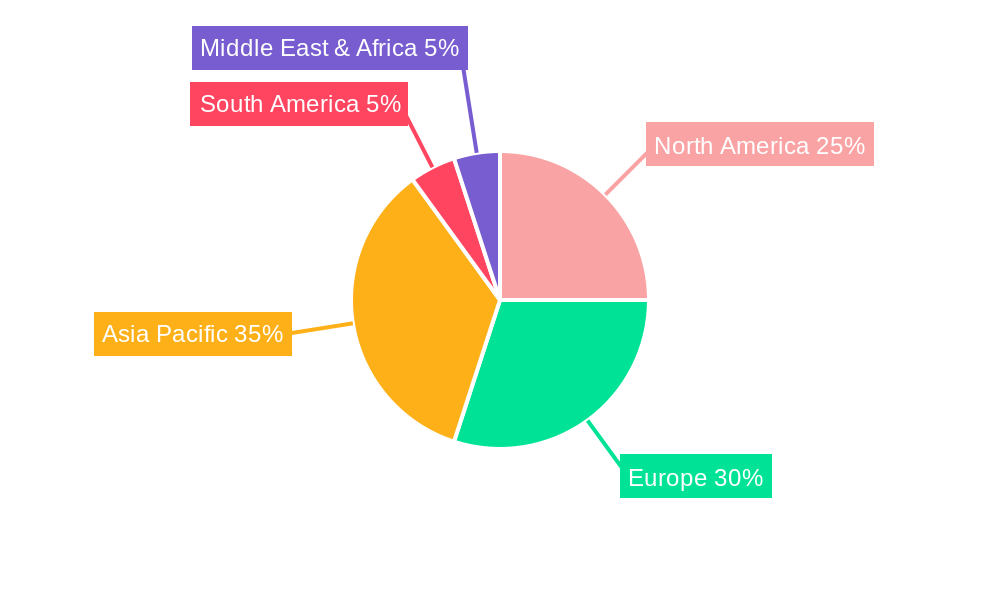
Electric Vehicle Gear Lubricant Regional Market Share
Geographic Coverage of Electric Vehicle Gear Lubricant
Electric Vehicle Gear Lubricant REPORT HIGHLIGHTS
| Aspects | Details |
|---|---|
| Study Period | 2020-2034 |
| Base Year | 2025 |
| Estimated Year | 2026 |
| Forecast Period | 2026-2034 |
| Historical Period | 2020-2025 |
| Growth Rate | CAGR of 9.69% from 2020-2034 |
| Segmentation |
|
Table of Contents
- 1. Introduction
- 1.1. Research Scope
- 1.2. Market Segmentation
- 1.3. Research Methodology
- 1.4. Definitions and Assumptions
- 2. Executive Summary
- 2.1. Introduction
- 3. Market Dynamics
- 3.1. Introduction
- 3.2. Market Drivers
- 3.3. Market Restrains
- 3.4. Market Trends
- 4. Market Factor Analysis
- 4.1. Porters Five Forces
- 4.2. Supply/Value Chain
- 4.3. PESTEL analysis
- 4.4. Market Entropy
- 4.5. Patent/Trademark Analysis
- 5. Global Electric Vehicle Gear Lubricant Analysis, Insights and Forecast, 2020-2032
- 5.1. Market Analysis, Insights and Forecast - by Application
- 5.1.1. Automobile Manufacturer
- 5.1.2. Automobile Repair Shop
- 5.1.3. Others
- 5.2. Market Analysis, Insights and Forecast - by Type
- 5.2.1. Synthetic Hydrocarbon Base Oil Types
- 5.2.2. Synthetic Ester Base Oils Types
- 5.2.3. Others
- 5.3. Market Analysis, Insights and Forecast - by Region
- 5.3.1. North America
- 5.3.2. South America
- 5.3.3. Europe
- 5.3.4. Middle East & Africa
- 5.3.5. Asia Pacific
- 5.1. Market Analysis, Insights and Forecast - by Application
- 6. North America Electric Vehicle Gear Lubricant Analysis, Insights and Forecast, 2020-2032
- 6.1. Market Analysis, Insights and Forecast - by Application
- 6.1.1. Automobile Manufacturer
- 6.1.2. Automobile Repair Shop
- 6.1.3. Others
- 6.2. Market Analysis, Insights and Forecast - by Type
- 6.2.1. Synthetic Hydrocarbon Base Oil Types
- 6.2.2. Synthetic Ester Base Oils Types
- 6.2.3. Others
- 6.1. Market Analysis, Insights and Forecast - by Application
- 7. South America Electric Vehicle Gear Lubricant Analysis, Insights and Forecast, 2020-2032
- 7.1. Market Analysis, Insights and Forecast - by Application
- 7.1.1. Automobile Manufacturer
- 7.1.2. Automobile Repair Shop
- 7.1.3. Others
- 7.2. Market Analysis, Insights and Forecast - by Type
- 7.2.1. Synthetic Hydrocarbon Base Oil Types
- 7.2.2. Synthetic Ester Base Oils Types
- 7.2.3. Others
- 7.1. Market Analysis, Insights and Forecast - by Application
- 8. Europe Electric Vehicle Gear Lubricant Analysis, Insights and Forecast, 2020-2032
- 8.1. Market Analysis, Insights and Forecast - by Application
- 8.1.1. Automobile Manufacturer
- 8.1.2. Automobile Repair Shop
- 8.1.3. Others
- 8.2. Market Analysis, Insights and Forecast - by Type
- 8.2.1. Synthetic Hydrocarbon Base Oil Types
- 8.2.2. Synthetic Ester Base Oils Types
- 8.2.3. Others
- 8.1. Market Analysis, Insights and Forecast - by Application
- 9. Middle East & Africa Electric Vehicle Gear Lubricant Analysis, Insights and Forecast, 2020-2032
- 9.1. Market Analysis, Insights and Forecast - by Application
- 9.1.1. Automobile Manufacturer
- 9.1.2. Automobile Repair Shop
- 9.1.3. Others
- 9.2. Market Analysis, Insights and Forecast - by Type
- 9.2.1. Synthetic Hydrocarbon Base Oil Types
- 9.2.2. Synthetic Ester Base Oils Types
- 9.2.3. Others
- 9.1. Market Analysis, Insights and Forecast - by Application
- 10. Asia Pacific Electric Vehicle Gear Lubricant Analysis, Insights and Forecast, 2020-2032
- 10.1. Market Analysis, Insights and Forecast - by Application
- 10.1.1. Automobile Manufacturer
- 10.1.2. Automobile Repair Shop
- 10.1.3. Others
- 10.2. Market Analysis, Insights and Forecast - by Type
- 10.2.1. Synthetic Hydrocarbon Base Oil Types
- 10.2.2. Synthetic Ester Base Oils Types
- 10.2.3. Others
- 10.1. Market Analysis, Insights and Forecast - by Application
- 11. Competitive Analysis
- 11.1. Global Market Share Analysis 2025
- 11.2. Company Profiles
- 11.2.1 ENEOS
- 11.2.1.1. Overview
- 11.2.1.2. Products
- 11.2.1.3. SWOT Analysis
- 11.2.1.4. Recent Developments
- 11.2.1.5. Financials (Based on Availability)
- 11.2.2 TotalEnergies
- 11.2.2.1. Overview
- 11.2.2.2. Products
- 11.2.2.3. SWOT Analysis
- 11.2.2.4. Recent Developments
- 11.2.2.5. Financials (Based on Availability)
- 11.2.3 Shell
- 11.2.3.1. Overview
- 11.2.3.2. Products
- 11.2.3.3. SWOT Analysis
- 11.2.3.4. Recent Developments
- 11.2.3.5. Financials (Based on Availability)
- 11.2.4 Castrol (BP)
- 11.2.4.1. Overview
- 11.2.4.2. Products
- 11.2.4.3. SWOT Analysis
- 11.2.4.4. Recent Developments
- 11.2.4.5. Financials (Based on Availability)
- 11.2.5 Changcheng Lube (CNPC)
- 11.2.5.1. Overview
- 11.2.5.2. Products
- 11.2.5.3. SWOT Analysis
- 11.2.5.4. Recent Developments
- 11.2.5.5. Financials (Based on Availability)
- 11.2.6 Repsol
- 11.2.6.1. Overview
- 11.2.6.2. Products
- 11.2.6.3. SWOT Analysis
- 11.2.6.4. Recent Developments
- 11.2.6.5. Financials (Based on Availability)
- 11.2.7 Valvoline
- 11.2.7.1. Overview
- 11.2.7.2. Products
- 11.2.7.3. SWOT Analysis
- 11.2.7.4. Recent Developments
- 11.2.7.5. Financials (Based on Availability)
- 11.2.8 Cargill
- 11.2.8.1. Overview
- 11.2.8.2. Products
- 11.2.8.3. SWOT Analysis
- 11.2.8.4. Recent Developments
- 11.2.8.5. Financials (Based on Availability)
- 11.2.9 Chevron
- 11.2.9.1. Overview
- 11.2.9.2. Products
- 11.2.9.3. SWOT Analysis
- 11.2.9.4. Recent Developments
- 11.2.9.5. Financials (Based on Availability)
- 11.2.10 Croda
- 11.2.10.1. Overview
- 11.2.10.2. Products
- 11.2.10.3. SWOT Analysis
- 11.2.10.4. Recent Developments
- 11.2.10.5. Financials (Based on Availability)
- 11.2.11 ExxonMobil
- 11.2.11.1. Overview
- 11.2.11.2. Products
- 11.2.11.3. SWOT Analysis
- 11.2.11.4. Recent Developments
- 11.2.11.5. Financials (Based on Availability)
- 11.2.12 FUCHS
- 11.2.12.1. Overview
- 11.2.12.2. Products
- 11.2.12.3. SWOT Analysis
- 11.2.12.4. Recent Developments
- 11.2.12.5. Financials (Based on Availability)
- 11.2.13 Liqui Moly (Würth Group)
- 11.2.13.1. Overview
- 11.2.13.2. Products
- 11.2.13.3. SWOT Analysis
- 11.2.13.4. Recent Developments
- 11.2.13.5. Financials (Based on Availability)
- 11.2.14 Suncor
- 11.2.14.1. Overview
- 11.2.14.2. Products
- 11.2.14.3. SWOT Analysis
- 11.2.14.4. Recent Developments
- 11.2.14.5. Financials (Based on Availability)
- 11.2.15 Gulf Western (Hinduja Group)
- 11.2.15.1. Overview
- 11.2.15.2. Products
- 11.2.15.3. SWOT Analysis
- 11.2.15.4. Recent Developments
- 11.2.15.5. Financials (Based on Availability)
- 11.2.16 Amsoil
- 11.2.16.1. Overview
- 11.2.16.2. Products
- 11.2.16.3. SWOT Analysis
- 11.2.16.4. Recent Developments
- 11.2.16.5. Financials (Based on Availability)
- 11.2.17 Klueber Lubrication (Freudenberg Group)
- 11.2.17.1. Overview
- 11.2.17.2. Products
- 11.2.17.3. SWOT Analysis
- 11.2.17.4. Recent Developments
- 11.2.17.5. Financials (Based on Availability)
- 11.2.1 ENEOS
List of Figures
- Figure 1: Global Electric Vehicle Gear Lubricant Revenue Breakdown (billion, %) by Region 2025 & 2033
- Figure 2: North America Electric Vehicle Gear Lubricant Revenue (billion), by Application 2025 & 2033
- Figure 3: North America Electric Vehicle Gear Lubricant Revenue Share (%), by Application 2025 & 2033
- Figure 4: North America Electric Vehicle Gear Lubricant Revenue (billion), by Type 2025 & 2033
- Figure 5: North America Electric Vehicle Gear Lubricant Revenue Share (%), by Type 2025 & 2033
- Figure 6: North America Electric Vehicle Gear Lubricant Revenue (billion), by Country 2025 & 2033
- Figure 7: North America Electric Vehicle Gear Lubricant Revenue Share (%), by Country 2025 & 2033
- Figure 8: South America Electric Vehicle Gear Lubricant Revenue (billion), by Application 2025 & 2033
- Figure 9: South America Electric Vehicle Gear Lubricant Revenue Share (%), by Application 2025 & 2033
- Figure 10: South America Electric Vehicle Gear Lubricant Revenue (billion), by Type 2025 & 2033
- Figure 11: South America Electric Vehicle Gear Lubricant Revenue Share (%), by Type 2025 & 2033
- Figure 12: South America Electric Vehicle Gear Lubricant Revenue (billion), by Country 2025 & 2033
- Figure 13: South America Electric Vehicle Gear Lubricant Revenue Share (%), by Country 2025 & 2033
- Figure 14: Europe Electric Vehicle Gear Lubricant Revenue (billion), by Application 2025 & 2033
- Figure 15: Europe Electric Vehicle Gear Lubricant Revenue Share (%), by Application 2025 & 2033
- Figure 16: Europe Electric Vehicle Gear Lubricant Revenue (billion), by Type 2025 & 2033
- Figure 17: Europe Electric Vehicle Gear Lubricant Revenue Share (%), by Type 2025 & 2033
- Figure 18: Europe Electric Vehicle Gear Lubricant Revenue (billion), by Country 2025 & 2033
- Figure 19: Europe Electric Vehicle Gear Lubricant Revenue Share (%), by Country 2025 & 2033
- Figure 20: Middle East & Africa Electric Vehicle Gear Lubricant Revenue (billion), by Application 2025 & 2033
- Figure 21: Middle East & Africa Electric Vehicle Gear Lubricant Revenue Share (%), by Application 2025 & 2033
- Figure 22: Middle East & Africa Electric Vehicle Gear Lubricant Revenue (billion), by Type 2025 & 2033
- Figure 23: Middle East & Africa Electric Vehicle Gear Lubricant Revenue Share (%), by Type 2025 & 2033
- Figure 24: Middle East & Africa Electric Vehicle Gear Lubricant Revenue (billion), by Country 2025 & 2033
- Figure 25: Middle East & Africa Electric Vehicle Gear Lubricant Revenue Share (%), by Country 2025 & 2033
- Figure 26: Asia Pacific Electric Vehicle Gear Lubricant Revenue (billion), by Application 2025 & 2033
- Figure 27: Asia Pacific Electric Vehicle Gear Lubricant Revenue Share (%), by Application 2025 & 2033
- Figure 28: Asia Pacific Electric Vehicle Gear Lubricant Revenue (billion), by Type 2025 & 2033
- Figure 29: Asia Pacific Electric Vehicle Gear Lubricant Revenue Share (%), by Type 2025 & 2033
- Figure 30: Asia Pacific Electric Vehicle Gear Lubricant Revenue (billion), by Country 2025 & 2033
- Figure 31: Asia Pacific Electric Vehicle Gear Lubricant Revenue Share (%), by Country 2025 & 2033
List of Tables
- Table 1: Global Electric Vehicle Gear Lubricant Revenue billion Forecast, by Application 2020 & 2033
- Table 2: Global Electric Vehicle Gear Lubricant Revenue billion Forecast, by Type 2020 & 2033
- Table 3: Global Electric Vehicle Gear Lubricant Revenue billion Forecast, by Region 2020 & 2033
- Table 4: Global Electric Vehicle Gear Lubricant Revenue billion Forecast, by Application 2020 & 2033
- Table 5: Global Electric Vehicle Gear Lubricant Revenue billion Forecast, by Type 2020 & 2033
- Table 6: Global Electric Vehicle Gear Lubricant Revenue billion Forecast, by Country 2020 & 2033
- Table 7: United States Electric Vehicle Gear Lubricant Revenue (billion) Forecast, by Application 2020 & 2033
- Table 8: Canada Electric Vehicle Gear Lubricant Revenue (billion) Forecast, by Application 2020 & 2033
- Table 9: Mexico Electric Vehicle Gear Lubricant Revenue (billion) Forecast, by Application 2020 & 2033
- Table 10: Global Electric Vehicle Gear Lubricant Revenue billion Forecast, by Application 2020 & 2033
- Table 11: Global Electric Vehicle Gear Lubricant Revenue billion Forecast, by Type 2020 & 2033
- Table 12: Global Electric Vehicle Gear Lubricant Revenue billion Forecast, by Country 2020 & 2033
- Table 13: Brazil Electric Vehicle Gear Lubricant Revenue (billion) Forecast, by Application 2020 & 2033
- Table 14: Argentina Electric Vehicle Gear Lubricant Revenue (billion) Forecast, by Application 2020 & 2033
- Table 15: Rest of South America Electric Vehicle Gear Lubricant Revenue (billion) Forecast, by Application 2020 & 2033
- Table 16: Global Electric Vehicle Gear Lubricant Revenue billion Forecast, by Application 2020 & 2033
- Table 17: Global Electric Vehicle Gear Lubricant Revenue billion Forecast, by Type 2020 & 2033
- Table 18: Global Electric Vehicle Gear Lubricant Revenue billion Forecast, by Country 2020 & 2033
- Table 19: United Kingdom Electric Vehicle Gear Lubricant Revenue (billion) Forecast, by Application 2020 & 2033
- Table 20: Germany Electric Vehicle Gear Lubricant Revenue (billion) Forecast, by Application 2020 & 2033
- Table 21: France Electric Vehicle Gear Lubricant Revenue (billion) Forecast, by Application 2020 & 2033
- Table 22: Italy Electric Vehicle Gear Lubricant Revenue (billion) Forecast, by Application 2020 & 2033
- Table 23: Spain Electric Vehicle Gear Lubricant Revenue (billion) Forecast, by Application 2020 & 2033
- Table 24: Russia Electric Vehicle Gear Lubricant Revenue (billion) Forecast, by Application 2020 & 2033
- Table 25: Benelux Electric Vehicle Gear Lubricant Revenue (billion) Forecast, by Application 2020 & 2033
- Table 26: Nordics Electric Vehicle Gear Lubricant Revenue (billion) Forecast, by Application 2020 & 2033
- Table 27: Rest of Europe Electric Vehicle Gear Lubricant Revenue (billion) Forecast, by Application 2020 & 2033
- Table 28: Global Electric Vehicle Gear Lubricant Revenue billion Forecast, by Application 2020 & 2033
- Table 29: Global Electric Vehicle Gear Lubricant Revenue billion Forecast, by Type 2020 & 2033
- Table 30: Global Electric Vehicle Gear Lubricant Revenue billion Forecast, by Country 2020 & 2033
- Table 31: Turkey Electric Vehicle Gear Lubricant Revenue (billion) Forecast, by Application 2020 & 2033
- Table 32: Israel Electric Vehicle Gear Lubricant Revenue (billion) Forecast, by Application 2020 & 2033
- Table 33: GCC Electric Vehicle Gear Lubricant Revenue (billion) Forecast, by Application 2020 & 2033
- Table 34: North Africa Electric Vehicle Gear Lubricant Revenue (billion) Forecast, by Application 2020 & 2033
- Table 35: South Africa Electric Vehicle Gear Lubricant Revenue (billion) Forecast, by Application 2020 & 2033
- Table 36: Rest of Middle East & Africa Electric Vehicle Gear Lubricant Revenue (billion) Forecast, by Application 2020 & 2033
- Table 37: Global Electric Vehicle Gear Lubricant Revenue billion Forecast, by Application 2020 & 2033
- Table 38: Global Electric Vehicle Gear Lubricant Revenue billion Forecast, by Type 2020 & 2033
- Table 39: Global Electric Vehicle Gear Lubricant Revenue billion Forecast, by Country 2020 & 2033
- Table 40: China Electric Vehicle Gear Lubricant Revenue (billion) Forecast, by Application 2020 & 2033
- Table 41: India Electric Vehicle Gear Lubricant Revenue (billion) Forecast, by Application 2020 & 2033
- Table 42: Japan Electric Vehicle Gear Lubricant Revenue (billion) Forecast, by Application 2020 & 2033
- Table 43: South Korea Electric Vehicle Gear Lubricant Revenue (billion) Forecast, by Application 2020 & 2033
- Table 44: ASEAN Electric Vehicle Gear Lubricant Revenue (billion) Forecast, by Application 2020 & 2033
- Table 45: Oceania Electric Vehicle Gear Lubricant Revenue (billion) Forecast, by Application 2020 & 2033
- Table 46: Rest of Asia Pacific Electric Vehicle Gear Lubricant Revenue (billion) Forecast, by Application 2020 & 2033
Frequently Asked Questions
1. What is the projected Compound Annual Growth Rate (CAGR) of the Electric Vehicle Gear Lubricant?
The projected CAGR is approximately 9.69%.
2. Which companies are prominent players in the Electric Vehicle Gear Lubricant?
Key companies in the market include ENEOS, TotalEnergies, Shell, Castrol (BP), Changcheng Lube (CNPC), Repsol, Valvoline, Cargill, Chevron, Croda, ExxonMobil, FUCHS, Liqui Moly (Würth Group), Suncor, Gulf Western (Hinduja Group), Amsoil, Klueber Lubrication (Freudenberg Group).
3. What are the main segments of the Electric Vehicle Gear Lubricant?
The market segments include Application, Type.
4. Can you provide details about the market size?
The market size is estimated to be USD 12.92 billion as of 2022.
5. What are some drivers contributing to market growth?
N/A
6. What are the notable trends driving market growth?
N/A
7. Are there any restraints impacting market growth?
N/A
8. Can you provide examples of recent developments in the market?
N/A
9. What pricing options are available for accessing the report?
Pricing options include single-user, multi-user, and enterprise licenses priced at USD 4250.00, USD 6375.00, and USD 8500.00 respectively.
10. Is the market size provided in terms of value or volume?
The market size is provided in terms of value, measured in billion.
11. Are there any specific market keywords associated with the report?
Yes, the market keyword associated with the report is "Electric Vehicle Gear Lubricant," which aids in identifying and referencing the specific market segment covered.
12. How do I determine which pricing option suits my needs best?
The pricing options vary based on user requirements and access needs. Individual users may opt for single-user licenses, while businesses requiring broader access may choose multi-user or enterprise licenses for cost-effective access to the report.
13. Are there any additional resources or data provided in the Electric Vehicle Gear Lubricant report?
While the report offers comprehensive insights, it's advisable to review the specific contents or supplementary materials provided to ascertain if additional resources or data are available.
14. How can I stay updated on further developments or reports in the Electric Vehicle Gear Lubricant?
To stay informed about further developments, trends, and reports in the Electric Vehicle Gear Lubricant, consider subscribing to industry newsletters, following relevant companies and organizations, or regularly checking reputable industry news sources and publications.
Methodology
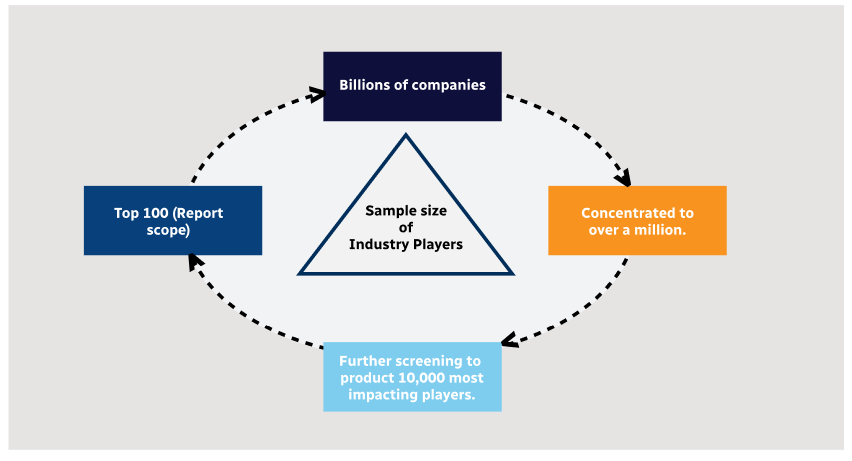
Step 1 - Identification of Relevant Samples Size from Population Database

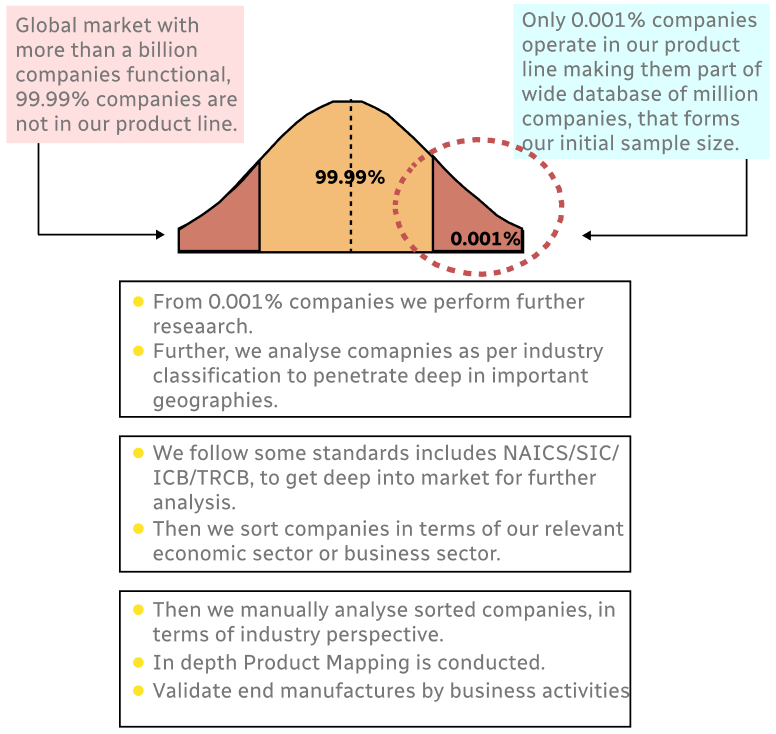
Step 2 - Approaches for Defining Global Market Size (Value, Volume* & Price*)
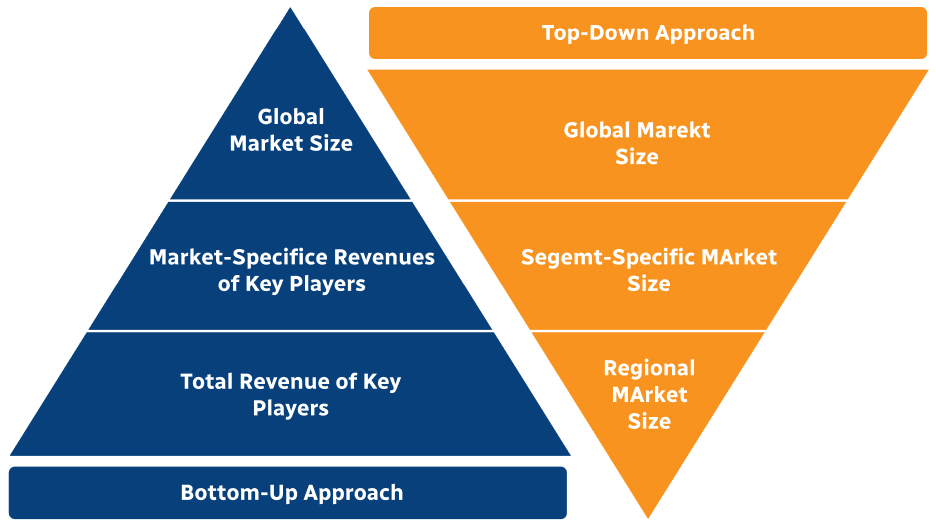
Note*: In applicable scenarios
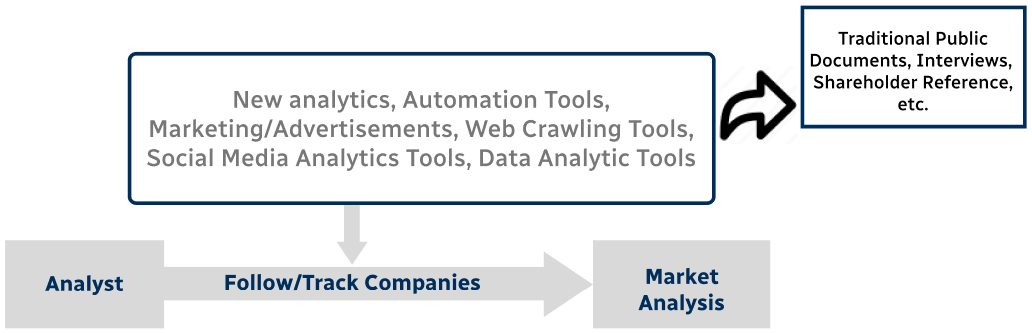
Step 3 - Data Sources
Primary Research
- Web Analytics
- Survey Reports
- Research Institute
- Latest Research Reports
- Opinion Leaders
Secondary Research
- Annual Reports
- White Paper
- Latest Press Release
- Industry Association
- Paid Database
- Investor Presentations
Step 4 - Data Triangulation
Involves using different sources of information in order to increase the validity of a study
These sources are likely to be stakeholders in a program - participants, other researchers, program staff, other community members, and so on.
Then we put all data in single framework & apply various statistical tools to find out the dynamic on the market.
During the analysis stage, feedback from the stakeholder groups would be compared to determine areas of agreement as well as areas of divergence