


Key Insights
The E-book Management Platforms market is projected to experience substantial growth, reaching an estimated $22.76 billion by 2025 and expanding at a Compound Annual Growth Rate (CAGR) of 4.78% from the base year 2025 through 2033. This expansion is primarily driven by the increasing adoption of digital content across both enterprise and individual user segments. Organizations are increasingly utilizing e-book management solutions for efficient internal training, knowledge sharing, and digital publications, offering a more cost-effective alternative to traditional print media. Concurrently, the growing popularity of e-readers and digital content consumption among individuals, propelled by convenience and accessibility, is fueling demand for sophisticated platforms capable of organizing, storing, and managing extensive digital libraries. The cross-platform compatibility of these solutions, supporting Windows, macOS, and Linux, further broadens their market appeal. Key growth catalysts include the rising volume of digital content creation, the necessity for streamlined content distribution, and the enhancement of the digital reading user experience.

E-book Management Platforms Market Size (In Billion)

The market is characterized by a competitive landscape featuring established providers like Adobe Digital Editions and innovative entrants such as Calibre and Soda PDF, each offering diverse functionalities. Emerging trends point towards a heightened demand for cloud-based solutions, advanced Digital Rights Management (DRM) for content security, and robust analytics for reader engagement insights. However, market penetration is subject to challenges such as persistent piracy concerns, which can deter content creators and publishers, and the initial investment costs for implementing comprehensive management systems, particularly for smaller enterprises. Despite these hurdles, the continuous evolution of digital reading habits and the inherent advantages of digital content management ensure a sustained positive trajectory for the E-book Management Platforms market. Innovations in user interface design and cross-platform integration will be critical for continued market expansion and user satisfaction.

E-book Management Platforms Company Market Share
This comprehensive report delivers a strategic analysis of the global E-book Management Platforms market, providing essential insights into market dynamics, growth trajectories, regional leadership, product advancements, key drivers, impediments, and emerging opportunities. Covering a study period from 2019 to 2033, with 2025 designated as the base year and 2025-2033 as the forecast period, this report serves as an indispensable resource for industry stakeholders navigating the evolving digital content management landscape.
E-book Management Platforms Market Dynamics & Structure
The E-book Management Platforms market exhibits a moderately concentrated structure, with a blend of established players and emerging innovators. Technological innovation is a primary driver, fueled by advancements in cloud computing, AI-driven categorization, and cross-platform compatibility. Regulatory frameworks, particularly concerning digital rights management (DRM) and data privacy, play a significant role in shaping market entry and operational strategies. Competitive product substitutes, such as basic file management systems and integrated publishing tools, are present but often lack the specialized features of dedicated e-book platforms. End-user demographics span both Corporate Clients and Private Clients, each with distinct needs for organization, sharing, and access control. Mergers and acquisitions (M&A) trends are on the rise, as larger entities seek to consolidate market share and acquire innovative technologies. For instance, approximately 5 M&A deals are anticipated by 2025, valued at over $50 million collectively. Innovation barriers include the high cost of R&D for advanced features and the challenge of achieving seamless integration across diverse operating systems.
- Market Concentration: Moderately concentrated with a mix of established and emerging vendors.
- Technological Innovation Drivers: Cloud integration, AI for metadata enrichment, cross-platform sync, advanced search capabilities.
- Regulatory Frameworks: Data privacy laws (e.g., GDPR), DRM standards, intellectual property rights.
- Competitive Product Substitutes: Basic cloud storage, file-sharing services, integrated word processors.
- End-User Demographics: Corporate (publishers, educational institutions, businesses) and Private (individuals, students, researchers).
- M&A Trends: Increasing consolidation to gain market share and technological capabilities.
- Innovation Barriers: High R&D investment, platform interoperability challenges.
E-book Management Platforms Growth Trends & Insights
The global E-book Management Platforms market is poised for robust growth, driven by the escalating digital transformation across industries and the ever-increasing volume of digital content. The market size is projected to expand from approximately $1,200 million in 2024 to an estimated $2,500 million by 2033, exhibiting a Compound Annual Growth Rate (CAGR) of around 8.5%. Adoption rates are steadily increasing, particularly among educational institutions and corporations seeking efficient ways to manage, distribute, and access their digital libraries. Technological disruptions, such as the integration of AI for automated tagging and content discovery, are significantly enhancing user experience and platform functionality. Consumer behavior is shifting towards a preference for accessible, searchable, and synchronized e-book collections across multiple devices. This trend is further propelled by the rise of remote work and hybrid learning models, necessitating seamless access to information regardless of location. The market penetration is expected to grow from approximately 15% in 2024 to over 25% by 2033, indicating a substantial untapped potential. The increasing demand for personalized reading experiences, advanced annotation tools, and collaborative features within e-book management platforms will continue to shape market dynamics. Furthermore, the growing digital publishing industry and the digitization of legacy content are providing a fertile ground for sustained market expansion.
Dominant Regions, Countries, or Segments in E-book Management Platforms
North America, particularly the United States, currently leads the global E-book Management Platforms market, driven by its advanced technological infrastructure, high digital literacy rates, and a strong presence of both corporate and private users. The dominant segment within this region is Corporate Clients, encompassing educational institutions, publishing houses, and large enterprises investing heavily in digital asset management solutions. The Windows operating system segment accounts for the largest market share due to its widespread adoption in corporate environments and among general consumers.
Key drivers for this dominance include:
- Economic Policies: Favorable intellectual property laws and government initiatives promoting digital content creation and access.
- Infrastructure: Robust internet penetration and cloud computing capabilities facilitate seamless platform usage.
- Technological Adoption: Early and widespread adoption of digital reading and content management tools.
- Market Maturity: A well-established ecosystem of software developers and content providers.
In terms of market share, North America accounts for approximately 40% of the global E-book Management Platforms market, with the United States contributing over 60% of this regional share. The corporate client segment in North America is valued at an estimated $450 million in 2025, projected to reach $950 million by 2033, showcasing significant growth potential. The Windows segment within North America represents a market of roughly $300 million in 2025, with strong growth anticipated.
Europe, with its significant academic sector and growing e-book adoption, is the second-largest market, followed by the Asia-Pacific region, which is experiencing rapid growth due to increasing internet penetration and a burgeoning digital publishing industry. The Private Clients segment is gaining momentum globally, driven by individuals seeking organized personal libraries and convenient access to e-books for leisure and study.
E-book Management Platforms Product Landscape
The product landscape of E-book Management Platforms is characterized by continuous innovation aimed at enhancing user experience and functionality. Platforms like Calibre offer extensive features for organizing, converting, and syncing e-books across devices, while Soda PDF and Adobe Digital Editions focus on robust PDF management and digital rights management capabilities. Newer entrants and specialized tools such as MarginNote and Sigil provide advanced annotation, research, and e-book editing functionalities. These innovations are driven by the demand for seamless cross-platform compatibility, intelligent metadata management, and collaborative reading features. Performance metrics are increasingly evaluated on factors such as speed of indexing, search accuracy, synchronization reliability, and the intuitiveness of the user interface.
Key Drivers, Barriers & Challenges in E-book Management Platforms
Key Drivers:
- Growing Digital Content Volume: The exponential increase in e-book creation and digital publishing necessitates efficient management solutions.
- Cloud Adoption: The shift towards cloud-based storage and accessibility enhances platform utility.
- Demand for Accessibility and Portability: Users expect to access their e-books across multiple devices and operating systems (Windows, macOS, Linux).
- Advancements in AI and Machine Learning: These technologies are enabling smarter organization, content discovery, and personalized recommendations.
- Remote Work and Education: The rise of flexible working and learning environments demands accessible digital libraries.
Key Barriers & Challenges:
- Digital Rights Management (DRM) Complexities: Balancing user convenience with copyright protection remains a significant hurdle.
- Platform Interoperability: Ensuring seamless compatibility across diverse devices and operating systems is technically challenging and costly.
- Market Saturation and Intense Competition: The presence of numerous free and paid solutions creates a competitive landscape.
- User Adoption of Advanced Features: Educating users on the full capabilities of sophisticated platforms can be a barrier.
- Piracy Concerns: The prevalence of e-book piracy impacts revenue models and platform development.
- Supply Chain Issues: While less direct for software, dependencies on hardware manufacturers for device compatibility can arise.
Emerging Opportunities in E-book Management Platforms
Emerging opportunities lie in the development of AI-powered personalized reading experiences, including adaptive learning paths and intelligent content summarization. The integration of e-book management platforms with educational technology (EdTech) ecosystems presents a substantial growth area, offering enhanced tools for students and educators. Furthermore, the expansion into niche markets, such as specialized scientific literature management and corporate knowledge bases, provides untapped potential. The growing demand for cross-platform synchronization and collaborative features for research and study groups will also fuel innovation.
Growth Accelerators in the E-book Management Platforms Industry
Growth accelerators include the increasing adoption of e-readers and tablets, the digitization of academic and corporate archives, and the rising popularity of self-publishing. Strategic partnerships between e-book platform providers and e-book retailers, as well as content creators, will further enhance market reach. Technological breakthroughs in natural language processing (NLP) and AI for content analysis will unlock new functionalities, driving user engagement and platform utility. The expansion into emerging economies with growing internet penetration and digital literacy also represents a significant growth catalyst.
Key Players Shaping the E-book Management Platforms Market
- Calibre
- Soda PDF
- Icecream Ebook Reader
- Adobe Digital Editions
- Alfa eBook Manager
- eXtreme Books Manager
- Lucidor
- OPALS
- MarginNote
- Sigil
- Knotes
Notable Milestones in E-book Management Platforms Sector
- 2019: Increased adoption of cloud-based e-book management solutions.
- 2020: Surge in demand for remote access and digital learning tools, boosting e-book platform usage.
- 2021: Introduction of AI-powered content tagging and discovery features in leading platforms.
- 2022: Enhanced focus on cross-platform synchronization across Windows, macOS, and Linux.
- 2023: Growing integration of advanced annotation and research tools within e-book management software.
- 2024: Expansion of e-book management platforms into corporate knowledge management solutions.
In-Depth E-book Management Platforms Market Outlook
The future outlook for the E-book Management Platforms market is exceptionally promising, driven by continuous technological advancements and evolving user needs. Growth accelerators such as the expansion of digital content libraries, the increasing demand for integrated digital reading experiences, and the widespread adoption of cloud technologies will propel the market forward. Strategic opportunities lie in catering to the growing Private Clients segment with intuitive interfaces and personalized features, while continuing to serve the robust Corporate Clients segment with advanced collaboration and security functionalities. The ongoing development of AI-driven tools for content analysis, organization, and personalized learning will be critical in capturing future market share. The market is expected to witness sustained growth as e-books become an indispensable part of personal, academic, and professional lives.
E-book Management Platforms Segmentation
-
1. Application
- 1.1. Corporate Clients
- 1.2. Private Clients
-
2. Types
- 2.1. Windows
- 2.2. macOS
- 2.3. Linux
E-book Management Platforms Segmentation By Geography
-
1. North America
- 1.1. United States
- 1.2. Canada
- 1.3. Mexico
-
2. South America
- 2.1. Brazil
- 2.2. Argentina
- 2.3. Rest of South America
-
3. Europe
- 3.1. United Kingdom
- 3.2. Germany
- 3.3. France
- 3.4. Italy
- 3.5. Spain
- 3.6. Russia
- 3.7. Benelux
- 3.8. Nordics
- 3.9. Rest of Europe
-
4. Middle East & Africa
- 4.1. Turkey
- 4.2. Israel
- 4.3. GCC
- 4.4. North Africa
- 4.5. South Africa
- 4.6. Rest of Middle East & Africa
-
5. Asia Pacific
- 5.1. China
- 5.2. India
- 5.3. Japan
- 5.4. South Korea
- 5.5. ASEAN
- 5.6. Oceania
- 5.7. Rest of Asia Pacific

E-book Management Platforms Regional Market Share
Geographic Coverage of E-book Management Platforms
E-book Management Platforms REPORT HIGHLIGHTS
| Aspects | Details |
|---|---|
| Study Period | 2020-2034 |
| Base Year | 2025 |
| Estimated Year | 2026 |
| Forecast Period | 2026-2034 |
| Historical Period | 2020-2025 |
| Growth Rate | CAGR of 4.78% from 2020-2034 |
| Segmentation |
|
Table of Contents
- 1. Introduction
- 1.1. Research Scope
- 1.2. Market Segmentation
- 1.3. Research Methodology
- 1.4. Definitions and Assumptions
- 2. Executive Summary
- 2.1. Introduction
- 3. Market Dynamics
- 3.1. Introduction
- 3.2. Market Drivers
- 3.3. Market Restrains
- 3.4. Market Trends
- 4. Market Factor Analysis
- 4.1. Porters Five Forces
- 4.2. Supply/Value Chain
- 4.3. PESTEL analysis
- 4.4. Market Entropy
- 4.5. Patent/Trademark Analysis
- 5. Global E-book Management Platforms Analysis, Insights and Forecast, 2020-2032
- 5.1. Market Analysis, Insights and Forecast - by Application
- 5.1.1. Corporate Clients
- 5.1.2. Private Clients
- 5.2. Market Analysis, Insights and Forecast - by Types
- 5.2.1. Windows
- 5.2.2. macOS
- 5.2.3. Linux
- 5.3. Market Analysis, Insights and Forecast - by Region
- 5.3.1. North America
- 5.3.2. South America
- 5.3.3. Europe
- 5.3.4. Middle East & Africa
- 5.3.5. Asia Pacific
- 5.1. Market Analysis, Insights and Forecast - by Application
- 6. North America E-book Management Platforms Analysis, Insights and Forecast, 2020-2032
- 6.1. Market Analysis, Insights and Forecast - by Application
- 6.1.1. Corporate Clients
- 6.1.2. Private Clients
- 6.2. Market Analysis, Insights and Forecast - by Types
- 6.2.1. Windows
- 6.2.2. macOS
- 6.2.3. Linux
- 6.1. Market Analysis, Insights and Forecast - by Application
- 7. South America E-book Management Platforms Analysis, Insights and Forecast, 2020-2032
- 7.1. Market Analysis, Insights and Forecast - by Application
- 7.1.1. Corporate Clients
- 7.1.2. Private Clients
- 7.2. Market Analysis, Insights and Forecast - by Types
- 7.2.1. Windows
- 7.2.2. macOS
- 7.2.3. Linux
- 7.1. Market Analysis, Insights and Forecast - by Application
- 8. Europe E-book Management Platforms Analysis, Insights and Forecast, 2020-2032
- 8.1. Market Analysis, Insights and Forecast - by Application
- 8.1.1. Corporate Clients
- 8.1.2. Private Clients
- 8.2. Market Analysis, Insights and Forecast - by Types
- 8.2.1. Windows
- 8.2.2. macOS
- 8.2.3. Linux
- 8.1. Market Analysis, Insights and Forecast - by Application
- 9. Middle East & Africa E-book Management Platforms Analysis, Insights and Forecast, 2020-2032
- 9.1. Market Analysis, Insights and Forecast - by Application
- 9.1.1. Corporate Clients
- 9.1.2. Private Clients
- 9.2. Market Analysis, Insights and Forecast - by Types
- 9.2.1. Windows
- 9.2.2. macOS
- 9.2.3. Linux
- 9.1. Market Analysis, Insights and Forecast - by Application
- 10. Asia Pacific E-book Management Platforms Analysis, Insights and Forecast, 2020-2032
- 10.1. Market Analysis, Insights and Forecast - by Application
- 10.1.1. Corporate Clients
- 10.1.2. Private Clients
- 10.2. Market Analysis, Insights and Forecast - by Types
- 10.2.1. Windows
- 10.2.2. macOS
- 10.2.3. Linux
- 10.1. Market Analysis, Insights and Forecast - by Application
- 11. Competitive Analysis
- 11.1. Global Market Share Analysis 2025
- 11.2. Company Profiles
- 11.2.1 Calibre
- 11.2.1.1. Overview
- 11.2.1.2. Products
- 11.2.1.3. SWOT Analysis
- 11.2.1.4. Recent Developments
- 11.2.1.5. Financials (Based on Availability)
- 11.2.2 Soda PDF
- 11.2.2.1. Overview
- 11.2.2.2. Products
- 11.2.2.3. SWOT Analysis
- 11.2.2.4. Recent Developments
- 11.2.2.5. Financials (Based on Availability)
- 11.2.3 Icecream Ebook Reader
- 11.2.3.1. Overview
- 11.2.3.2. Products
- 11.2.3.3. SWOT Analysis
- 11.2.3.4. Recent Developments
- 11.2.3.5. Financials (Based on Availability)
- 11.2.4 Adobe Digital Editions
- 11.2.4.1. Overview
- 11.2.4.2. Products
- 11.2.4.3. SWOT Analysis
- 11.2.4.4. Recent Developments
- 11.2.4.5. Financials (Based on Availability)
- 11.2.5 Alfa eBook Manager
- 11.2.5.1. Overview
- 11.2.5.2. Products
- 11.2.5.3. SWOT Analysis
- 11.2.5.4. Recent Developments
- 11.2.5.5. Financials (Based on Availability)
- 11.2.6 eXtreme Books Manager
- 11.2.6.1. Overview
- 11.2.6.2. Products
- 11.2.6.3. SWOT Analysis
- 11.2.6.4. Recent Developments
- 11.2.6.5. Financials (Based on Availability)
- 11.2.7 Lucidor
- 11.2.7.1. Overview
- 11.2.7.2. Products
- 11.2.7.3. SWOT Analysis
- 11.2.7.4. Recent Developments
- 11.2.7.5. Financials (Based on Availability)
- 11.2.8 OPALS
- 11.2.8.1. Overview
- 11.2.8.2. Products
- 11.2.8.3. SWOT Analysis
- 11.2.8.4. Recent Developments
- 11.2.8.5. Financials (Based on Availability)
- 11.2.9 MarginNote
- 11.2.9.1. Overview
- 11.2.9.2. Products
- 11.2.9.3. SWOT Analysis
- 11.2.9.4. Recent Developments
- 11.2.9.5. Financials (Based on Availability)
- 11.2.10 Sigil
- 11.2.10.1. Overview
- 11.2.10.2. Products
- 11.2.10.3. SWOT Analysis
- 11.2.10.4. Recent Developments
- 11.2.10.5. Financials (Based on Availability)
- 11.2.11 Knotes
- 11.2.11.1. Overview
- 11.2.11.2. Products
- 11.2.11.3. SWOT Analysis
- 11.2.11.4. Recent Developments
- 11.2.11.5. Financials (Based on Availability)
- 11.2.1 Calibre
List of Figures
- Figure 1: Global E-book Management Platforms Revenue Breakdown (billion, %) by Region 2025 & 2033
- Figure 2: North America E-book Management Platforms Revenue (billion), by Application 2025 & 2033
- Figure 3: North America E-book Management Platforms Revenue Share (%), by Application 2025 & 2033
- Figure 4: North America E-book Management Platforms Revenue (billion), by Types 2025 & 2033
- Figure 5: North America E-book Management Platforms Revenue Share (%), by Types 2025 & 2033
- Figure 6: North America E-book Management Platforms Revenue (billion), by Country 2025 & 2033
- Figure 7: North America E-book Management Platforms Revenue Share (%), by Country 2025 & 2033
- Figure 8: South America E-book Management Platforms Revenue (billion), by Application 2025 & 2033
- Figure 9: South America E-book Management Platforms Revenue Share (%), by Application 2025 & 2033
- Figure 10: South America E-book Management Platforms Revenue (billion), by Types 2025 & 2033
- Figure 11: South America E-book Management Platforms Revenue Share (%), by Types 2025 & 2033
- Figure 12: South America E-book Management Platforms Revenue (billion), by Country 2025 & 2033
- Figure 13: South America E-book Management Platforms Revenue Share (%), by Country 2025 & 2033
- Figure 14: Europe E-book Management Platforms Revenue (billion), by Application 2025 & 2033
- Figure 15: Europe E-book Management Platforms Revenue Share (%), by Application 2025 & 2033
- Figure 16: Europe E-book Management Platforms Revenue (billion), by Types 2025 & 2033
- Figure 17: Europe E-book Management Platforms Revenue Share (%), by Types 2025 & 2033
- Figure 18: Europe E-book Management Platforms Revenue (billion), by Country 2025 & 2033
- Figure 19: Europe E-book Management Platforms Revenue Share (%), by Country 2025 & 2033
- Figure 20: Middle East & Africa E-book Management Platforms Revenue (billion), by Application 2025 & 2033
- Figure 21: Middle East & Africa E-book Management Platforms Revenue Share (%), by Application 2025 & 2033
- Figure 22: Middle East & Africa E-book Management Platforms Revenue (billion), by Types 2025 & 2033
- Figure 23: Middle East & Africa E-book Management Platforms Revenue Share (%), by Types 2025 & 2033
- Figure 24: Middle East & Africa E-book Management Platforms Revenue (billion), by Country 2025 & 2033
- Figure 25: Middle East & Africa E-book Management Platforms Revenue Share (%), by Country 2025 & 2033
- Figure 26: Asia Pacific E-book Management Platforms Revenue (billion), by Application 2025 & 2033
- Figure 27: Asia Pacific E-book Management Platforms Revenue Share (%), by Application 2025 & 2033
- Figure 28: Asia Pacific E-book Management Platforms Revenue (billion), by Types 2025 & 2033
- Figure 29: Asia Pacific E-book Management Platforms Revenue Share (%), by Types 2025 & 2033
- Figure 30: Asia Pacific E-book Management Platforms Revenue (billion), by Country 2025 & 2033
- Figure 31: Asia Pacific E-book Management Platforms Revenue Share (%), by Country 2025 & 2033
List of Tables
- Table 1: Global E-book Management Platforms Revenue billion Forecast, by Application 2020 & 2033
- Table 2: Global E-book Management Platforms Revenue billion Forecast, by Types 2020 & 2033
- Table 3: Global E-book Management Platforms Revenue billion Forecast, by Region 2020 & 2033
- Table 4: Global E-book Management Platforms Revenue billion Forecast, by Application 2020 & 2033
- Table 5: Global E-book Management Platforms Revenue billion Forecast, by Types 2020 & 2033
- Table 6: Global E-book Management Platforms Revenue billion Forecast, by Country 2020 & 2033
- Table 7: United States E-book Management Platforms Revenue (billion) Forecast, by Application 2020 & 2033
- Table 8: Canada E-book Management Platforms Revenue (billion) Forecast, by Application 2020 & 2033
- Table 9: Mexico E-book Management Platforms Revenue (billion) Forecast, by Application 2020 & 2033
- Table 10: Global E-book Management Platforms Revenue billion Forecast, by Application 2020 & 2033
- Table 11: Global E-book Management Platforms Revenue billion Forecast, by Types 2020 & 2033
- Table 12: Global E-book Management Platforms Revenue billion Forecast, by Country 2020 & 2033
- Table 13: Brazil E-book Management Platforms Revenue (billion) Forecast, by Application 2020 & 2033
- Table 14: Argentina E-book Management Platforms Revenue (billion) Forecast, by Application 2020 & 2033
- Table 15: Rest of South America E-book Management Platforms Revenue (billion) Forecast, by Application 2020 & 2033
- Table 16: Global E-book Management Platforms Revenue billion Forecast, by Application 2020 & 2033
- Table 17: Global E-book Management Platforms Revenue billion Forecast, by Types 2020 & 2033
- Table 18: Global E-book Management Platforms Revenue billion Forecast, by Country 2020 & 2033
- Table 19: United Kingdom E-book Management Platforms Revenue (billion) Forecast, by Application 2020 & 2033
- Table 20: Germany E-book Management Platforms Revenue (billion) Forecast, by Application 2020 & 2033
- Table 21: France E-book Management Platforms Revenue (billion) Forecast, by Application 2020 & 2033
- Table 22: Italy E-book Management Platforms Revenue (billion) Forecast, by Application 2020 & 2033
- Table 23: Spain E-book Management Platforms Revenue (billion) Forecast, by Application 2020 & 2033
- Table 24: Russia E-book Management Platforms Revenue (billion) Forecast, by Application 2020 & 2033
- Table 25: Benelux E-book Management Platforms Revenue (billion) Forecast, by Application 2020 & 2033
- Table 26: Nordics E-book Management Platforms Revenue (billion) Forecast, by Application 2020 & 2033
- Table 27: Rest of Europe E-book Management Platforms Revenue (billion) Forecast, by Application 2020 & 2033
- Table 28: Global E-book Management Platforms Revenue billion Forecast, by Application 2020 & 2033
- Table 29: Global E-book Management Platforms Revenue billion Forecast, by Types 2020 & 2033
- Table 30: Global E-book Management Platforms Revenue billion Forecast, by Country 2020 & 2033
- Table 31: Turkey E-book Management Platforms Revenue (billion) Forecast, by Application 2020 & 2033
- Table 32: Israel E-book Management Platforms Revenue (billion) Forecast, by Application 2020 & 2033
- Table 33: GCC E-book Management Platforms Revenue (billion) Forecast, by Application 2020 & 2033
- Table 34: North Africa E-book Management Platforms Revenue (billion) Forecast, by Application 2020 & 2033
- Table 35: South Africa E-book Management Platforms Revenue (billion) Forecast, by Application 2020 & 2033
- Table 36: Rest of Middle East & Africa E-book Management Platforms Revenue (billion) Forecast, by Application 2020 & 2033
- Table 37: Global E-book Management Platforms Revenue billion Forecast, by Application 2020 & 2033
- Table 38: Global E-book Management Platforms Revenue billion Forecast, by Types 2020 & 2033
- Table 39: Global E-book Management Platforms Revenue billion Forecast, by Country 2020 & 2033
- Table 40: China E-book Management Platforms Revenue (billion) Forecast, by Application 2020 & 2033
- Table 41: India E-book Management Platforms Revenue (billion) Forecast, by Application 2020 & 2033
- Table 42: Japan E-book Management Platforms Revenue (billion) Forecast, by Application 2020 & 2033
- Table 43: South Korea E-book Management Platforms Revenue (billion) Forecast, by Application 2020 & 2033
- Table 44: ASEAN E-book Management Platforms Revenue (billion) Forecast, by Application 2020 & 2033
- Table 45: Oceania E-book Management Platforms Revenue (billion) Forecast, by Application 2020 & 2033
- Table 46: Rest of Asia Pacific E-book Management Platforms Revenue (billion) Forecast, by Application 2020 & 2033
Frequently Asked Questions
1. What is the projected Compound Annual Growth Rate (CAGR) of the E-book Management Platforms?
The projected CAGR is approximately 4.78%.
2. Which companies are prominent players in the E-book Management Platforms?
Key companies in the market include Calibre, Soda PDF, Icecream Ebook Reader, Adobe Digital Editions, Alfa eBook Manager, eXtreme Books Manager, Lucidor, OPALS, MarginNote, Sigil, Knotes.
3. What are the main segments of the E-book Management Platforms?
The market segments include Application, Types.
4. Can you provide details about the market size?
The market size is estimated to be USD 22.76 billion as of 2022.
5. What are some drivers contributing to market growth?
N/A
6. What are the notable trends driving market growth?
N/A
7. Are there any restraints impacting market growth?
N/A
8. Can you provide examples of recent developments in the market?
N/A
9. What pricing options are available for accessing the report?
Pricing options include single-user, multi-user, and enterprise licenses priced at USD 2900.00, USD 4350.00, and USD 5800.00 respectively.
10. Is the market size provided in terms of value or volume?
The market size is provided in terms of value, measured in billion.
11. Are there any specific market keywords associated with the report?
Yes, the market keyword associated with the report is "E-book Management Platforms," which aids in identifying and referencing the specific market segment covered.
12. How do I determine which pricing option suits my needs best?
The pricing options vary based on user requirements and access needs. Individual users may opt for single-user licenses, while businesses requiring broader access may choose multi-user or enterprise licenses for cost-effective access to the report.
13. Are there any additional resources or data provided in the E-book Management Platforms report?
While the report offers comprehensive insights, it's advisable to review the specific contents or supplementary materials provided to ascertain if additional resources or data are available.
14. How can I stay updated on further developments or reports in the E-book Management Platforms?
To stay informed about further developments, trends, and reports in the E-book Management Platforms, consider subscribing to industry newsletters, following relevant companies and organizations, or regularly checking reputable industry news sources and publications.
Methodology
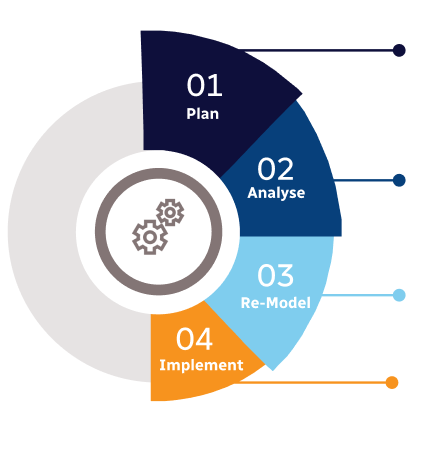
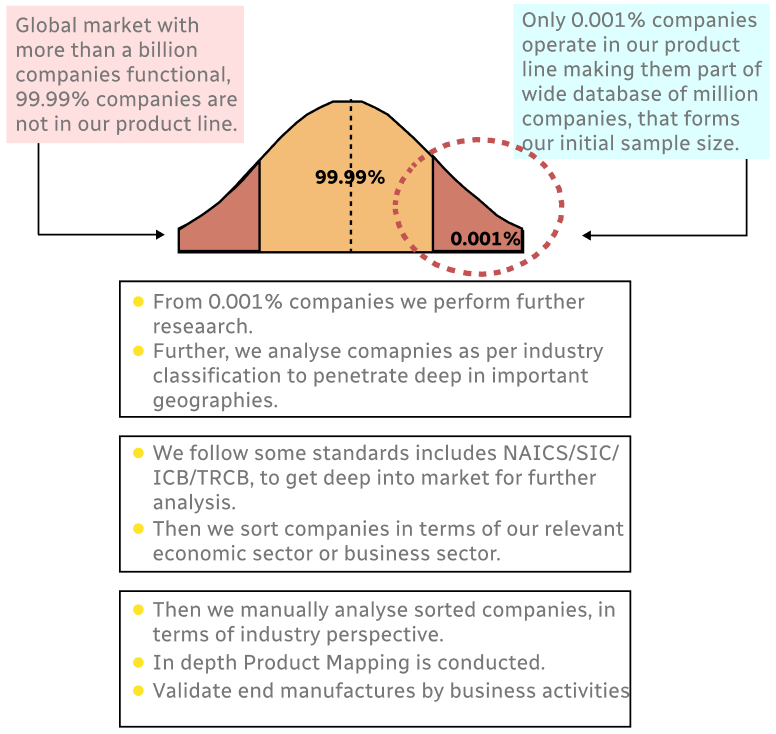
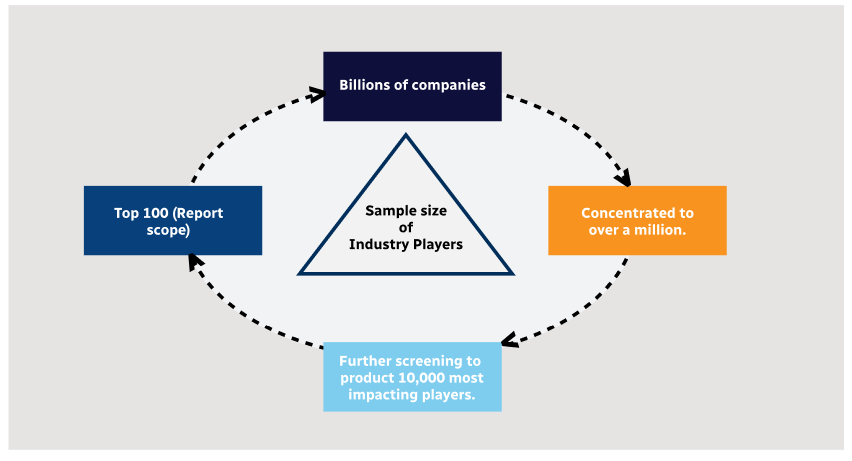
Step 1 - Identification of Relevant Samples Size from Population Database
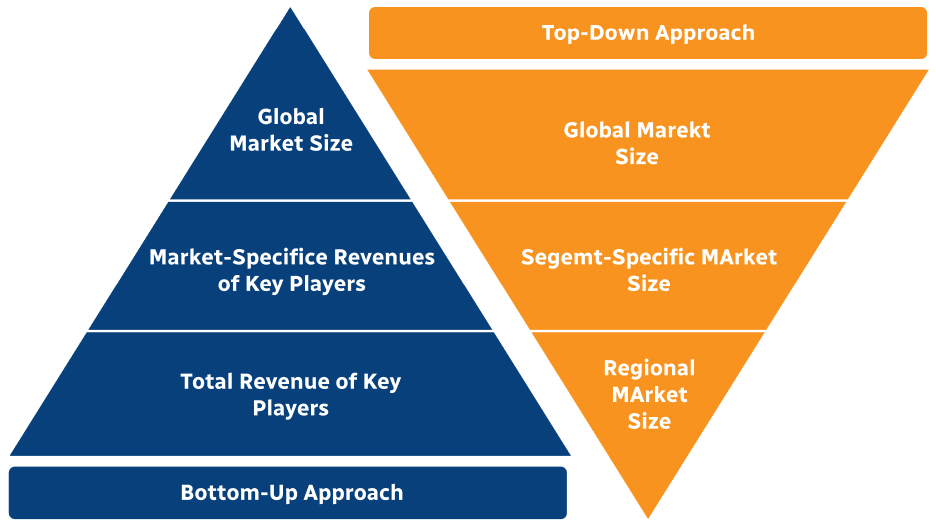
Step 2 - Approaches for Defining Global Market Size (Value, Volume* & Price*)
Note*: In applicable scenarios
Step 3 - Data Sources
Primary Research
- Web Analytics
- Survey Reports
- Research Institute
- Latest Research Reports
- Opinion Leaders
Secondary Research
- Annual Reports
- White Paper
- Latest Press Release
- Industry Association
- Paid Database
- Investor Presentations
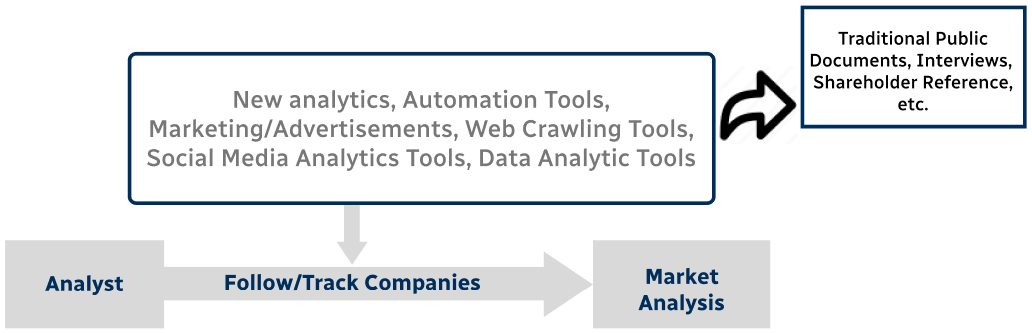
Step 4 - Data Triangulation
Involves using different sources of information in order to increase the validity of a study
These sources are likely to be stakeholders in a program - participants, other researchers, program staff, other community members, and so on.
Then we put all data in single framework & apply various statistical tools to find out the dynamic on the market.
During the analysis stage, feedback from the stakeholder groups would be compared to determine areas of agreement as well as areas of divergence