


Key Insights
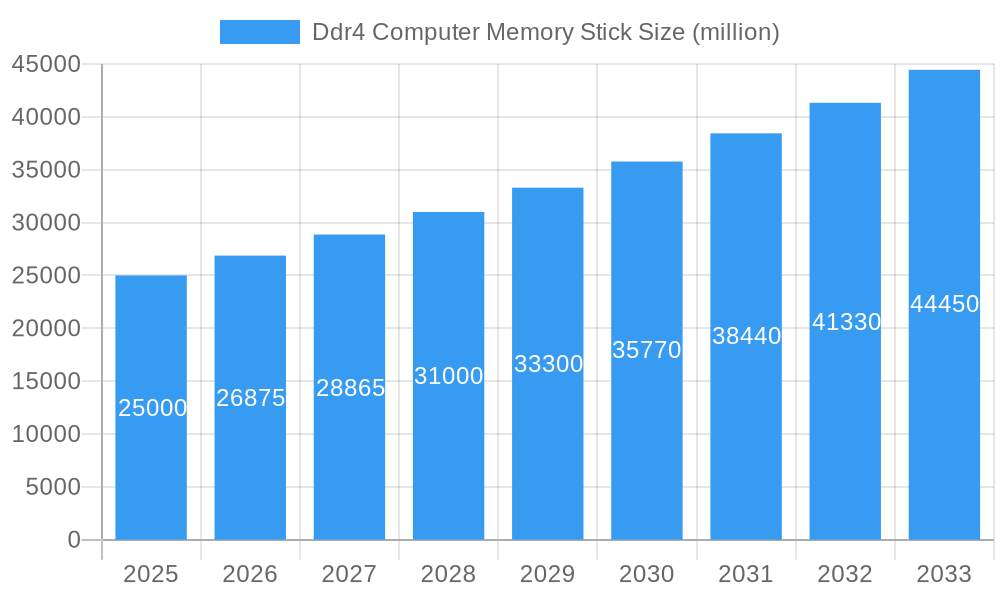
The global DDR4 computer memory stick market is poised for significant expansion, projected to reach approximately $25,000 million by 2025, with a Compound Annual Growth Rate (CAGR) of around 7.5% through 2033. This robust growth is primarily fueled by the sustained demand for enhanced computing performance across both household and commercial sectors. The increasing prevalence of gaming, content creation, and complex data processing necessitates higher memory capacities and faster speeds, driving the adoption of DDR4 modules. Furthermore, the ongoing lifecycle of existing PCs and the steady, albeit slowing, upgrade cycles in enterprise environments continue to contribute to market stability. While newer DDR5 technology is emerging, DDR4 remains a cost-effective and widely compatible solution, ensuring its continued relevance and market share, particularly in mid-range and budget-conscious segments.
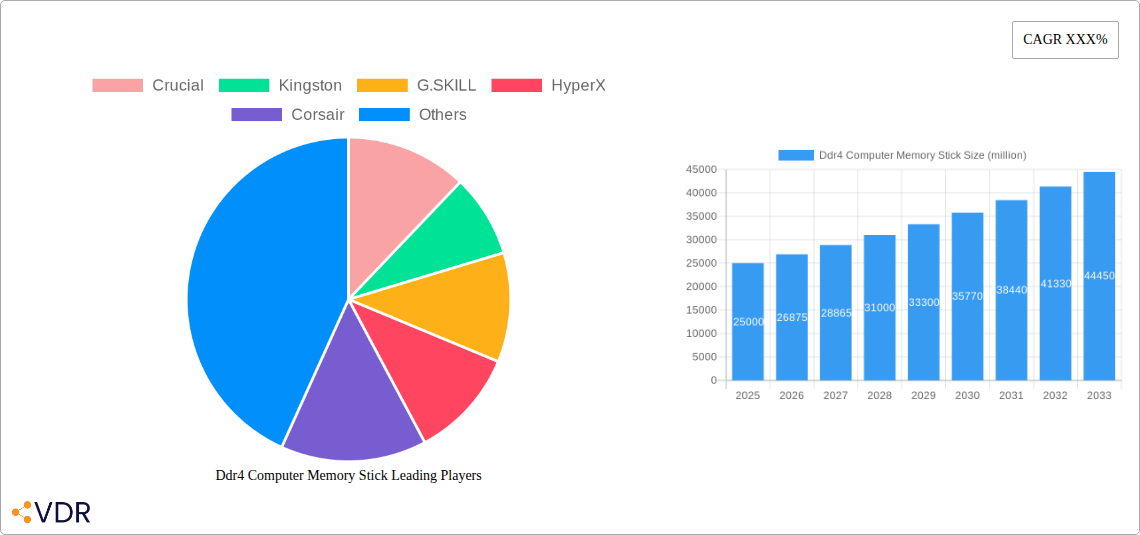
Ddr4 Computer Memory Stick Market Size (In Billion)

The market's dynamism is also shaped by key trends such as the rising adoption of high-frequency DDR4 modules like 3200MHz and 3600MHz, catering to enthusiasts and professionals seeking peak performance. The competitive landscape is dominated by established players including Crucial, Kingston, Samsung, and Corsair, who are continuously innovating to offer a diverse range of capacities and speeds. However, potential restraints include the gradual transition to DDR5 memory, which could dampen long-term growth prospects for DDR4, and price volatility of raw materials, which can impact manufacturing costs. Geographically, North America and Asia Pacific are expected to remain leading markets due to strong consumer electronics demand and a significant presence of gaming and tech industries.
Ddr4 Computer Memory Stick Company Market Share
Comprehensive Report: DDR4 Computer Memory Stick Market Analysis (2019-2033)
This in-depth market research report provides a definitive analysis of the global DDR4 Computer Memory Stick market, encompassing historical trends, current dynamics, and future projections. Spanning the study period of 2019–2033, with a base year of 2025 and a forecast period of 2025–2033, this report offers critical insights for stakeholders, investors, and industry professionals seeking to navigate the evolving landscape of high-speed RAM solutions. We meticulously examine market segmentation, growth drivers, competitive intelligence, and emerging opportunities, leveraging extensive data from the historical period of 2019–2024.
DDR4 Computer Memory Stick Market Dynamics & Structure
The DDR4 computer memory stick market, while mature, exhibits a dynamic interplay of consolidation and innovation. Market concentration remains moderate, with leading players like Samsung and SK hynix holding significant shares due to their robust manufacturing capabilities and extensive R&D investments. Technological innovation drivers are primarily centered around improving latency, increasing bandwidth, and enhancing power efficiency, crucial for both consumer and enterprise applications. Regulatory frameworks, while generally stable, can influence manufacturing standards and import/export policies. Competitive product substitutes, primarily DDR5, are emerging but are yet to fully displace DDR4 in all segments due to cost and compatibility considerations. End-user demographics span from budget-conscious household users seeking upgrades to commercial entities demanding high-performance computing solutions for gaming, content creation, and data processing. Mergers and acquisitions (M&A) trends are observed as companies aim to expand their product portfolios or secure market share. For instance, the acquisition of Ballistix by Crucial signifies a strategic move to consolidate offerings. An estimated 15% of M&A deals in the broader PC hardware sector in the past two years have directly or indirectly involved memory component manufacturers. Innovation barriers include the high cost of advanced fabrication processes and the lengthy qualification cycles for new memory technologies.
- Market Concentration: Moderate, with key players dominating production.
- Technological Innovation Drivers: Latency reduction, bandwidth enhancement, power efficiency.
- Regulatory Frameworks: Focus on manufacturing standards and trade policies.
- Competitive Substitutes: DDR5 emerging, but DDR4 remains prevalent in many applications.
- End-User Demographics: Broad, from casual users to professional workstations.
- M&A Trends: Strategic acquisitions for market share and portfolio expansion.
- Innovation Barriers: High R&D costs and qualification timelines.
DDR4 Computer Memory Stick Growth Trends & Insights
The DDR4 computer memory stick market is poised for steady growth, driven by the persistent demand for enhanced computing performance across diverse applications. Throughout the historical period of 2019–2024, the market experienced a Compound Annual Growth Rate (CAGR) of approximately 7.2%, reflecting the increasing adoption of DDR4 modules in new builds and upgrade cycles. By the estimated year of 2025, the global market size is projected to reach an impressive xx million units, underscoring its sustained relevance. Technological disruptions, while eventually leading to the adoption of newer standards like DDR5, have paradoxically fueled DDR4 growth by creating upgrade opportunities for users seeking a cost-effective performance boost. Consumer behavior shifts, particularly the surge in remote work, online gaming, and content creation, have significantly boosted the demand for more powerful and responsive systems, consequently elevating the need for higher capacity and faster DDR4 memory. Market penetration for DDR4 in the desktop and laptop segments remains high, estimated at over 85% as of the base year 2025, though this will gradually decline as DDR5 adoption accelerates. Adoption rates for higher-capacity DDR4 modules (16GB and 32GB) have seen a substantial increase, outpacing the growth of lower-capacity options. The market penetration of DDR4 memory sticks in emerging economies is also on an upward trajectory, as affordability and performance benefits become more widely recognized.
Dominant Regions, Countries, or Segments in DDR4 Computer Memory Stick
North America and Asia Pacific regions currently represent the dominant geographical segments driving growth in the DDR4 computer memory stick market. In North America, the strong presence of a technologically advanced consumer base, coupled with robust commercial sectors heavily reliant on high-performance computing for gaming, content creation, and enterprise solutions, fuels consistent demand. The United States, in particular, leads this region, benefiting from high disposable incomes and a culture of early technology adoption. The market share for DDR4 in this region is estimated to be around 28% of the global total.
The Asia Pacific region, led by countries like China, South Korea, and Taiwan, is a powerhouse for both manufacturing and consumption. China's massive domestic market, coupled with its role as a global electronics manufacturing hub, significantly contributes to the demand and supply of DDR4 memory sticks. South Korea's leadership in semiconductor technology and its thriving gaming and IT industries further bolster demand. The growth potential in this region is substantial, with an estimated market share of 35% and a projected CAGR of 6.5% over the forecast period, driven by increasing PC penetration in developing economies and the continuous demand for performance upgrades.
Within the Type segment, 3200MHz and 3600MHz frequencies are demonstrating the strongest growth, catering to the performance demands of modern gaming PCs and professional workstations. These higher frequencies offer a tangible performance uplift, making them highly attractive to enthusiasts and power users. The Commercial Application segment, encompassing servers, workstations, and business desktops, represents a significant portion of the market due to its consistent need for reliable and performant memory solutions, contributing an estimated 45% to the overall market value.
- Dominant Regions: North America and Asia Pacific.
- Key Countries: United States, China, South Korea, Taiwan.
- Leading Segments (Type): 3200MHz, 3600MHz.
- Leading Segments (Application): Commercial (Servers, Workstations, Business Desktops).
- Drivers in North America: High disposable income, gaming, content creation, enterprise IT.
- Drivers in Asia Pacific: Manufacturing hub, large domestic market, increasing PC penetration.
- Growth Potential: Substantial in Asia Pacific due to emerging economies.
DDR4 Computer Memory Stick Product Landscape
The DDR4 computer memory stick product landscape is characterized by a wide array of offerings designed to meet diverse performance and budget requirements. Key product innovations revolve around increasing module capacities, improving thermal dissipation through enhanced heatsinks, and achieving higher operational frequencies while maintaining stability. Performance metrics such as latency (CL timing) and bandwidth are critical differentiating factors. Many manufacturers offer performance-tuned kits with XMP (Extreme Memory Profile) support, allowing users to easily overclock their memory for enhanced gaming and application responsiveness. The integration of RGB lighting has also become a popular aesthetic feature in enthusiast-grade DDR4 modules. Unique selling propositions include lifetime warranties, brand reputation for reliability, and specialized kits for specific applications like gaming or content creation.
Key Drivers, Barriers & Challenges in DDR4 Computer Memory Stick
Key Drivers:
- Persistent Demand for Performance Upgrades: The ongoing need for faster and more responsive computing across gaming, content creation, and productivity applications remains a primary driver.
- Affordability and Compatibility: DDR4 offers a compelling balance of performance and cost-effectiveness compared to emerging technologies, making it an attractive upgrade path.
- Growth in Emerging Markets: Increasing PC adoption in developing economies fuels demand for cost-efficient memory solutions.
- Gaming and Esports Boom: The sustained popularity of PC gaming necessitates performance-oriented hardware, including high-speed DDR4 RAM.
- Commercial Workstation Demand: Businesses continue to rely on DDR4 for their desktop and server infrastructure, particularly for established workflows.
Barriers & Challenges:
- Transition to DDR5: The gradual but inevitable shift towards DDR5 technology presents a long-term challenge as it offers superior performance and future-proofing.
- Supply Chain Volatility: Geopolitical factors and manufacturing disruptions can lead to price fluctuations and availability issues, impacting the supply chain.
- Increasingly Mature Market: As the market matures, intense price competition and diminishing differentiation can squeeze profit margins.
- Component Shortages: Global shortages of raw materials and key components can hinder production capacity.
- Economic Slowdowns: Broader economic downturns can reduce consumer and enterprise spending on hardware upgrades.
Emerging Opportunities in DDR4 Computer Memory Stick
Emerging opportunities in the DDR4 computer memory stick sector lie in catering to specific niche markets and leveraging the existing infrastructure. The burgeoning retro-computing and enthusiast communities represent an untapped market for high-quality, reliable DDR4 modules. Furthermore, the demand for bulk DDR4 memory for industrial applications and embedded systems, where cost and compatibility are paramount, presents a significant avenue for growth. Innovative applications in areas like affordable AI training clusters or specific scientific research equipment that do not require the absolute bleeding edge of DDR5 technology can also drive demand. The growing demand for refurbished or upgraded older systems in budget-conscious segments also offers a sustained market for DDR4.
Growth Accelerators in the DDR4 Computer Memory Stick Industry
Several catalysts are accelerating long-term growth in the DDR4 computer memory stick industry, even with the advent of DDR5. The ongoing democratization of PC ownership, particularly in emerging economies, ensures a sustained need for cost-effective memory upgrades and new builds. Strategic partnerships between memory manufacturers and PC component retailers, as well as system integrators, play a crucial role in product bundling and market penetration. Furthermore, the continuous innovation in DDR4 technology, focusing on higher densities and improved power efficiency within the DDR4 standard, allows it to remain competitive for specific applications. Market expansion strategies targeting education sectors and small to medium-sized businesses that prioritize value for money also contribute significantly to sustained growth.
Key Players Shaping the DDR4 Computer Memory Stick Market
- Crucial
- Kingston
- G.SKILL
- HyperX
- Corsair
- SK hynix
- Samsung
- Patriot
- Mushkin
- Team Group
- OLOy
- HP
- PNY
- GeIL
- NEMIX RAM
- Lenovo
- Ballistix
- VisionTek
Notable Milestones in DDR4 Computer Memory Stick Sector
- 2019: Increased adoption of 16GB DDR4 modules as mainstream gaming and productivity demands grew.
- 2020: Significant surge in demand for PC hardware, including DDR4 memory, driven by the global shift to remote work and online learning.
- 2021: Emergence of higher frequency DDR4 modules (e.g., 3600MHz and above) becoming more accessible and popular for performance builds.
- 2022: Supply chain challenges and component shortages impacted DDR4 pricing and availability, leading to price volatility.
- 2023: Continued strong performance of DDR4 in the mid-range and budget segments as DDR5 adoption remained relatively premium.
- 2024: Increased focus on optimizing DDR4 for specific use cases and enhancing efficiency for prolonged relevance.
In-Depth DDR4 Computer Memory Stick Market Outlook
The DDR4 computer memory stick market, while facing the eventual transition to DDR5, is projected to maintain a strong and resilient market presence through 2033. Growth accelerators such as the expanding PC user base in emerging economies, the enduring popularity of PC gaming, and the continued demand for cost-effective performance upgrades in both consumer and commercial sectors will sustain market relevance. Strategic partnerships and ongoing optimization of DDR4 technology will further solidify its position. The market outlook indicates a steady, albeit moderating, growth trajectory as manufacturers continue to innovate within the DDR4 standard to meet specific performance and budgetary needs. This persistent demand presents significant opportunities for market participants to capitalize on a well-established and still-relevant technology.
Ddr4 Computer Memory Stick Segmentation
-
1. Application
- 1.1. Household
- 1.2. Commercial
-
2. Type
- 2.1. 2400MHz
- 2.2. 2666MHz
- 2.3. 3200MHz
- 2.4. 3600MHz
- 2.5. Other Frequencies
Ddr4 Computer Memory Stick Segmentation By Geography
-
1. North America
- 1.1. United States
- 1.2. Canada
- 1.3. Mexico
-
2. South America
- 2.1. Brazil
- 2.2. Argentina
- 2.3. Rest of South America
-
3. Europe
- 3.1. United Kingdom
- 3.2. Germany
- 3.3. France
- 3.4. Italy
- 3.5. Spain
- 3.6. Russia
- 3.7. Benelux
- 3.8. Nordics
- 3.9. Rest of Europe
-
4. Middle East & Africa
- 4.1. Turkey
- 4.2. Israel
- 4.3. GCC
- 4.4. North Africa
- 4.5. South Africa
- 4.6. Rest of Middle East & Africa
-
5. Asia Pacific
- 5.1. China
- 5.2. India
- 5.3. Japan
- 5.4. South Korea
- 5.5. ASEAN
- 5.6. Oceania
- 5.7. Rest of Asia Pacific
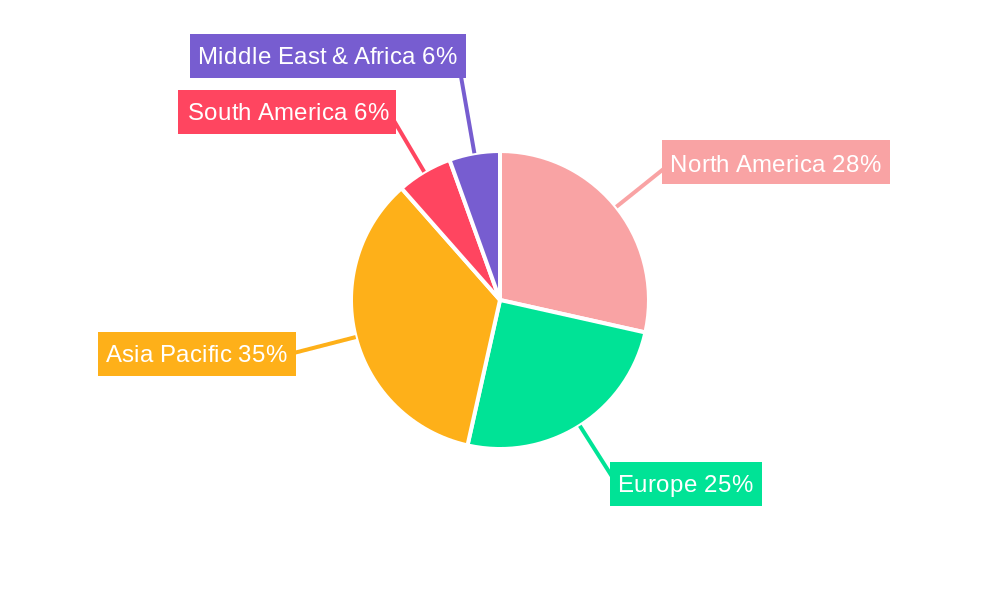
Ddr4 Computer Memory Stick Regional Market Share
Geographic Coverage of Ddr4 Computer Memory Stick
Ddr4 Computer Memory Stick REPORT HIGHLIGHTS
| Aspects | Details |
|---|---|
| Study Period | 2020-2034 |
| Base Year | 2025 |
| Estimated Year | 2026 |
| Forecast Period | 2026-2034 |
| Historical Period | 2020-2025 |
| Growth Rate | CAGR of XXX% from 2020-2034 |
| Segmentation |
|
Table of Contents
- 1. Introduction
- 1.1. Research Scope
- 1.2. Market Segmentation
- 1.3. Research Methodology
- 1.4. Definitions and Assumptions
- 2. Executive Summary
- 2.1. Introduction
- 3. Market Dynamics
- 3.1. Introduction
- 3.2. Market Drivers
- 3.3. Market Restrains
- 3.4. Market Trends
- 4. Market Factor Analysis
- 4.1. Porters Five Forces
- 4.2. Supply/Value Chain
- 4.3. PESTEL analysis
- 4.4. Market Entropy
- 4.5. Patent/Trademark Analysis
- 5. Global Ddr4 Computer Memory Stick Analysis, Insights and Forecast, 2020-2032
- 5.1. Market Analysis, Insights and Forecast - by Application
- 5.1.1. Household
- 5.1.2. Commercial
- 5.2. Market Analysis, Insights and Forecast - by Type
- 5.2.1. 2400MHz
- 5.2.2. 2666MHz
- 5.2.3. 3200MHz
- 5.2.4. 3600MHz
- 5.2.5. Other Frequencies
- 5.3. Market Analysis, Insights and Forecast - by Region
- 5.3.1. North America
- 5.3.2. South America
- 5.3.3. Europe
- 5.3.4. Middle East & Africa
- 5.3.5. Asia Pacific
- 5.1. Market Analysis, Insights and Forecast - by Application
- 6. North America Ddr4 Computer Memory Stick Analysis, Insights and Forecast, 2020-2032
- 6.1. Market Analysis, Insights and Forecast - by Application
- 6.1.1. Household
- 6.1.2. Commercial
- 6.2. Market Analysis, Insights and Forecast - by Type
- 6.2.1. 2400MHz
- 6.2.2. 2666MHz
- 6.2.3. 3200MHz
- 6.2.4. 3600MHz
- 6.2.5. Other Frequencies
- 6.1. Market Analysis, Insights and Forecast - by Application
- 7. South America Ddr4 Computer Memory Stick Analysis, Insights and Forecast, 2020-2032
- 7.1. Market Analysis, Insights and Forecast - by Application
- 7.1.1. Household
- 7.1.2. Commercial
- 7.2. Market Analysis, Insights and Forecast - by Type
- 7.2.1. 2400MHz
- 7.2.2. 2666MHz
- 7.2.3. 3200MHz
- 7.2.4. 3600MHz
- 7.2.5. Other Frequencies
- 7.1. Market Analysis, Insights and Forecast - by Application
- 8. Europe Ddr4 Computer Memory Stick Analysis, Insights and Forecast, 2020-2032
- 8.1. Market Analysis, Insights and Forecast - by Application
- 8.1.1. Household
- 8.1.2. Commercial
- 8.2. Market Analysis, Insights and Forecast - by Type
- 8.2.1. 2400MHz
- 8.2.2. 2666MHz
- 8.2.3. 3200MHz
- 8.2.4. 3600MHz
- 8.2.5. Other Frequencies
- 8.1. Market Analysis, Insights and Forecast - by Application
- 9. Middle East & Africa Ddr4 Computer Memory Stick Analysis, Insights and Forecast, 2020-2032
- 9.1. Market Analysis, Insights and Forecast - by Application
- 9.1.1. Household
- 9.1.2. Commercial
- 9.2. Market Analysis, Insights and Forecast - by Type
- 9.2.1. 2400MHz
- 9.2.2. 2666MHz
- 9.2.3. 3200MHz
- 9.2.4. 3600MHz
- 9.2.5. Other Frequencies
- 9.1. Market Analysis, Insights and Forecast - by Application
- 10. Asia Pacific Ddr4 Computer Memory Stick Analysis, Insights and Forecast, 2020-2032
- 10.1. Market Analysis, Insights and Forecast - by Application
- 10.1.1. Household
- 10.1.2. Commercial
- 10.2. Market Analysis, Insights and Forecast - by Type
- 10.2.1. 2400MHz
- 10.2.2. 2666MHz
- 10.2.3. 3200MHz
- 10.2.4. 3600MHz
- 10.2.5. Other Frequencies
- 10.1. Market Analysis, Insights and Forecast - by Application
- 11. Competitive Analysis
- 11.1. Global Market Share Analysis 2025
- 11.2. Company Profiles
- 11.2.1 Crucial
- 11.2.1.1. Overview
- 11.2.1.2. Products
- 11.2.1.3. SWOT Analysis
- 11.2.1.4. Recent Developments
- 11.2.1.5. Financials (Based on Availability)
- 11.2.2 Kingston
- 11.2.2.1. Overview
- 11.2.2.2. Products
- 11.2.2.3. SWOT Analysis
- 11.2.2.4. Recent Developments
- 11.2.2.5. Financials (Based on Availability)
- 11.2.3 G.SKILL
- 11.2.3.1. Overview
- 11.2.3.2. Products
- 11.2.3.3. SWOT Analysis
- 11.2.3.4. Recent Developments
- 11.2.3.5. Financials (Based on Availability)
- 11.2.4 HyperX
- 11.2.4.1. Overview
- 11.2.4.2. Products
- 11.2.4.3. SWOT Analysis
- 11.2.4.4. Recent Developments
- 11.2.4.5. Financials (Based on Availability)
- 11.2.5 Corsair
- 11.2.5.1. Overview
- 11.2.5.2. Products
- 11.2.5.3. SWOT Analysis
- 11.2.5.4. Recent Developments
- 11.2.5.5. Financials (Based on Availability)
- 11.2.6 SK hynix
- 11.2.6.1. Overview
- 11.2.6.2. Products
- 11.2.6.3. SWOT Analysis
- 11.2.6.4. Recent Developments
- 11.2.6.5. Financials (Based on Availability)
- 11.2.7 Samsung
- 11.2.7.1. Overview
- 11.2.7.2. Products
- 11.2.7.3. SWOT Analysis
- 11.2.7.4. Recent Developments
- 11.2.7.5. Financials (Based on Availability)
- 11.2.8 Patriot
- 11.2.8.1. Overview
- 11.2.8.2. Products
- 11.2.8.3. SWOT Analysis
- 11.2.8.4. Recent Developments
- 11.2.8.5. Financials (Based on Availability)
- 11.2.9 Mushkin
- 11.2.9.1. Overview
- 11.2.9.2. Products
- 11.2.9.3. SWOT Analysis
- 11.2.9.4. Recent Developments
- 11.2.9.5. Financials (Based on Availability)
- 11.2.10 Team Group
- 11.2.10.1. Overview
- 11.2.10.2. Products
- 11.2.10.3. SWOT Analysis
- 11.2.10.4. Recent Developments
- 11.2.10.5. Financials (Based on Availability)
- 11.2.11 OLOy
- 11.2.11.1. Overview
- 11.2.11.2. Products
- 11.2.11.3. SWOT Analysis
- 11.2.11.4. Recent Developments
- 11.2.11.5. Financials (Based on Availability)
- 11.2.12 HP
- 11.2.12.1. Overview
- 11.2.12.2. Products
- 11.2.12.3. SWOT Analysis
- 11.2.12.4. Recent Developments
- 11.2.12.5. Financials (Based on Availability)
- 11.2.13 PNY
- 11.2.13.1. Overview
- 11.2.13.2. Products
- 11.2.13.3. SWOT Analysis
- 11.2.13.4. Recent Developments
- 11.2.13.5. Financials (Based on Availability)
- 11.2.14 GeIL
- 11.2.14.1. Overview
- 11.2.14.2. Products
- 11.2.14.3. SWOT Analysis
- 11.2.14.4. Recent Developments
- 11.2.14.5. Financials (Based on Availability)
- 11.2.15 NEMIX RAM
- 11.2.15.1. Overview
- 11.2.15.2. Products
- 11.2.15.3. SWOT Analysis
- 11.2.15.4. Recent Developments
- 11.2.15.5. Financials (Based on Availability)
- 11.2.16 Lenovo
- 11.2.16.1. Overview
- 11.2.16.2. Products
- 11.2.16.3. SWOT Analysis
- 11.2.16.4. Recent Developments
- 11.2.16.5. Financials (Based on Availability)
- 11.2.17 Ballistix
- 11.2.17.1. Overview
- 11.2.17.2. Products
- 11.2.17.3. SWOT Analysis
- 11.2.17.4. Recent Developments
- 11.2.17.5. Financials (Based on Availability)
- 11.2.18 VisionTek
- 11.2.18.1. Overview
- 11.2.18.2. Products
- 11.2.18.3. SWOT Analysis
- 11.2.18.4. Recent Developments
- 11.2.18.5. Financials (Based on Availability)
- 11.2.1 Crucial
List of Figures
- Figure 1: Global Ddr4 Computer Memory Stick Revenue Breakdown (million, %) by Region 2025 & 2033
- Figure 2: North America Ddr4 Computer Memory Stick Revenue (million), by Application 2025 & 2033
- Figure 3: North America Ddr4 Computer Memory Stick Revenue Share (%), by Application 2025 & 2033
- Figure 4: North America Ddr4 Computer Memory Stick Revenue (million), by Type 2025 & 2033
- Figure 5: North America Ddr4 Computer Memory Stick Revenue Share (%), by Type 2025 & 2033
- Figure 6: North America Ddr4 Computer Memory Stick Revenue (million), by Country 2025 & 2033
- Figure 7: North America Ddr4 Computer Memory Stick Revenue Share (%), by Country 2025 & 2033
- Figure 8: South America Ddr4 Computer Memory Stick Revenue (million), by Application 2025 & 2033
- Figure 9: South America Ddr4 Computer Memory Stick Revenue Share (%), by Application 2025 & 2033
- Figure 10: South America Ddr4 Computer Memory Stick Revenue (million), by Type 2025 & 2033
- Figure 11: South America Ddr4 Computer Memory Stick Revenue Share (%), by Type 2025 & 2033
- Figure 12: South America Ddr4 Computer Memory Stick Revenue (million), by Country 2025 & 2033
- Figure 13: South America Ddr4 Computer Memory Stick Revenue Share (%), by Country 2025 & 2033
- Figure 14: Europe Ddr4 Computer Memory Stick Revenue (million), by Application 2025 & 2033
- Figure 15: Europe Ddr4 Computer Memory Stick Revenue Share (%), by Application 2025 & 2033
- Figure 16: Europe Ddr4 Computer Memory Stick Revenue (million), by Type 2025 & 2033
- Figure 17: Europe Ddr4 Computer Memory Stick Revenue Share (%), by Type 2025 & 2033
- Figure 18: Europe Ddr4 Computer Memory Stick Revenue (million), by Country 2025 & 2033
- Figure 19: Europe Ddr4 Computer Memory Stick Revenue Share (%), by Country 2025 & 2033
- Figure 20: Middle East & Africa Ddr4 Computer Memory Stick Revenue (million), by Application 2025 & 2033
- Figure 21: Middle East & Africa Ddr4 Computer Memory Stick Revenue Share (%), by Application 2025 & 2033
- Figure 22: Middle East & Africa Ddr4 Computer Memory Stick Revenue (million), by Type 2025 & 2033
- Figure 23: Middle East & Africa Ddr4 Computer Memory Stick Revenue Share (%), by Type 2025 & 2033
- Figure 24: Middle East & Africa Ddr4 Computer Memory Stick Revenue (million), by Country 2025 & 2033
- Figure 25: Middle East & Africa Ddr4 Computer Memory Stick Revenue Share (%), by Country 2025 & 2033
- Figure 26: Asia Pacific Ddr4 Computer Memory Stick Revenue (million), by Application 2025 & 2033
- Figure 27: Asia Pacific Ddr4 Computer Memory Stick Revenue Share (%), by Application 2025 & 2033
- Figure 28: Asia Pacific Ddr4 Computer Memory Stick Revenue (million), by Type 2025 & 2033
- Figure 29: Asia Pacific Ddr4 Computer Memory Stick Revenue Share (%), by Type 2025 & 2033
- Figure 30: Asia Pacific Ddr4 Computer Memory Stick Revenue (million), by Country 2025 & 2033
- Figure 31: Asia Pacific Ddr4 Computer Memory Stick Revenue Share (%), by Country 2025 & 2033
List of Tables
- Table 1: Global Ddr4 Computer Memory Stick Revenue million Forecast, by Application 2020 & 2033
- Table 2: Global Ddr4 Computer Memory Stick Revenue million Forecast, by Type 2020 & 2033
- Table 3: Global Ddr4 Computer Memory Stick Revenue million Forecast, by Region 2020 & 2033
- Table 4: Global Ddr4 Computer Memory Stick Revenue million Forecast, by Application 2020 & 2033
- Table 5: Global Ddr4 Computer Memory Stick Revenue million Forecast, by Type 2020 & 2033
- Table 6: Global Ddr4 Computer Memory Stick Revenue million Forecast, by Country 2020 & 2033
- Table 7: United States Ddr4 Computer Memory Stick Revenue (million) Forecast, by Application 2020 & 2033
- Table 8: Canada Ddr4 Computer Memory Stick Revenue (million) Forecast, by Application 2020 & 2033
- Table 9: Mexico Ddr4 Computer Memory Stick Revenue (million) Forecast, by Application 2020 & 2033
- Table 10: Global Ddr4 Computer Memory Stick Revenue million Forecast, by Application 2020 & 2033
- Table 11: Global Ddr4 Computer Memory Stick Revenue million Forecast, by Type 2020 & 2033
- Table 12: Global Ddr4 Computer Memory Stick Revenue million Forecast, by Country 2020 & 2033
- Table 13: Brazil Ddr4 Computer Memory Stick Revenue (million) Forecast, by Application 2020 & 2033
- Table 14: Argentina Ddr4 Computer Memory Stick Revenue (million) Forecast, by Application 2020 & 2033
- Table 15: Rest of South America Ddr4 Computer Memory Stick Revenue (million) Forecast, by Application 2020 & 2033
- Table 16: Global Ddr4 Computer Memory Stick Revenue million Forecast, by Application 2020 & 2033
- Table 17: Global Ddr4 Computer Memory Stick Revenue million Forecast, by Type 2020 & 2033
- Table 18: Global Ddr4 Computer Memory Stick Revenue million Forecast, by Country 2020 & 2033
- Table 19: United Kingdom Ddr4 Computer Memory Stick Revenue (million) Forecast, by Application 2020 & 2033
- Table 20: Germany Ddr4 Computer Memory Stick Revenue (million) Forecast, by Application 2020 & 2033
- Table 21: France Ddr4 Computer Memory Stick Revenue (million) Forecast, by Application 2020 & 2033
- Table 22: Italy Ddr4 Computer Memory Stick Revenue (million) Forecast, by Application 2020 & 2033
- Table 23: Spain Ddr4 Computer Memory Stick Revenue (million) Forecast, by Application 2020 & 2033
- Table 24: Russia Ddr4 Computer Memory Stick Revenue (million) Forecast, by Application 2020 & 2033
- Table 25: Benelux Ddr4 Computer Memory Stick Revenue (million) Forecast, by Application 2020 & 2033
- Table 26: Nordics Ddr4 Computer Memory Stick Revenue (million) Forecast, by Application 2020 & 2033
- Table 27: Rest of Europe Ddr4 Computer Memory Stick Revenue (million) Forecast, by Application 2020 & 2033
- Table 28: Global Ddr4 Computer Memory Stick Revenue million Forecast, by Application 2020 & 2033
- Table 29: Global Ddr4 Computer Memory Stick Revenue million Forecast, by Type 2020 & 2033
- Table 30: Global Ddr4 Computer Memory Stick Revenue million Forecast, by Country 2020 & 2033
- Table 31: Turkey Ddr4 Computer Memory Stick Revenue (million) Forecast, by Application 2020 & 2033
- Table 32: Israel Ddr4 Computer Memory Stick Revenue (million) Forecast, by Application 2020 & 2033
- Table 33: GCC Ddr4 Computer Memory Stick Revenue (million) Forecast, by Application 2020 & 2033
- Table 34: North Africa Ddr4 Computer Memory Stick Revenue (million) Forecast, by Application 2020 & 2033
- Table 35: South Africa Ddr4 Computer Memory Stick Revenue (million) Forecast, by Application 2020 & 2033
- Table 36: Rest of Middle East & Africa Ddr4 Computer Memory Stick Revenue (million) Forecast, by Application 2020 & 2033
- Table 37: Global Ddr4 Computer Memory Stick Revenue million Forecast, by Application 2020 & 2033
- Table 38: Global Ddr4 Computer Memory Stick Revenue million Forecast, by Type 2020 & 2033
- Table 39: Global Ddr4 Computer Memory Stick Revenue million Forecast, by Country 2020 & 2033
- Table 40: China Ddr4 Computer Memory Stick Revenue (million) Forecast, by Application 2020 & 2033
- Table 41: India Ddr4 Computer Memory Stick Revenue (million) Forecast, by Application 2020 & 2033
- Table 42: Japan Ddr4 Computer Memory Stick Revenue (million) Forecast, by Application 2020 & 2033
- Table 43: South Korea Ddr4 Computer Memory Stick Revenue (million) Forecast, by Application 2020 & 2033
- Table 44: ASEAN Ddr4 Computer Memory Stick Revenue (million) Forecast, by Application 2020 & 2033
- Table 45: Oceania Ddr4 Computer Memory Stick Revenue (million) Forecast, by Application 2020 & 2033
- Table 46: Rest of Asia Pacific Ddr4 Computer Memory Stick Revenue (million) Forecast, by Application 2020 & 2033
Frequently Asked Questions
1. What is the projected Compound Annual Growth Rate (CAGR) of the Ddr4 Computer Memory Stick?
The projected CAGR is approximately XXX%.
2. Which companies are prominent players in the Ddr4 Computer Memory Stick?
Key companies in the market include Crucial, Kingston, G.SKILL, HyperX, Corsair, SK hynix, Samsung, Patriot, Mushkin, Team Group, OLOy, HP, PNY, GeIL, NEMIX RAM, Lenovo, Ballistix, VisionTek.
3. What are the main segments of the Ddr4 Computer Memory Stick?
The market segments include Application, Type.
4. Can you provide details about the market size?
The market size is estimated to be USD XXX million as of 2022.
5. What are some drivers contributing to market growth?
N/A
6. What are the notable trends driving market growth?
N/A
7. Are there any restraints impacting market growth?
N/A
8. Can you provide examples of recent developments in the market?
N/A
9. What pricing options are available for accessing the report?
Pricing options include single-user, multi-user, and enterprise licenses priced at USD 4250.00, USD 6375.00, and USD 8500.00 respectively.
10. Is the market size provided in terms of value or volume?
The market size is provided in terms of value, measured in million.
11. Are there any specific market keywords associated with the report?
Yes, the market keyword associated with the report is "Ddr4 Computer Memory Stick," which aids in identifying and referencing the specific market segment covered.
12. How do I determine which pricing option suits my needs best?
The pricing options vary based on user requirements and access needs. Individual users may opt for single-user licenses, while businesses requiring broader access may choose multi-user or enterprise licenses for cost-effective access to the report.
13. Are there any additional resources or data provided in the Ddr4 Computer Memory Stick report?
While the report offers comprehensive insights, it's advisable to review the specific contents or supplementary materials provided to ascertain if additional resources or data are available.
14. How can I stay updated on further developments or reports in the Ddr4 Computer Memory Stick?
To stay informed about further developments, trends, and reports in the Ddr4 Computer Memory Stick, consider subscribing to industry newsletters, following relevant companies and organizations, or regularly checking reputable industry news sources and publications.
Methodology
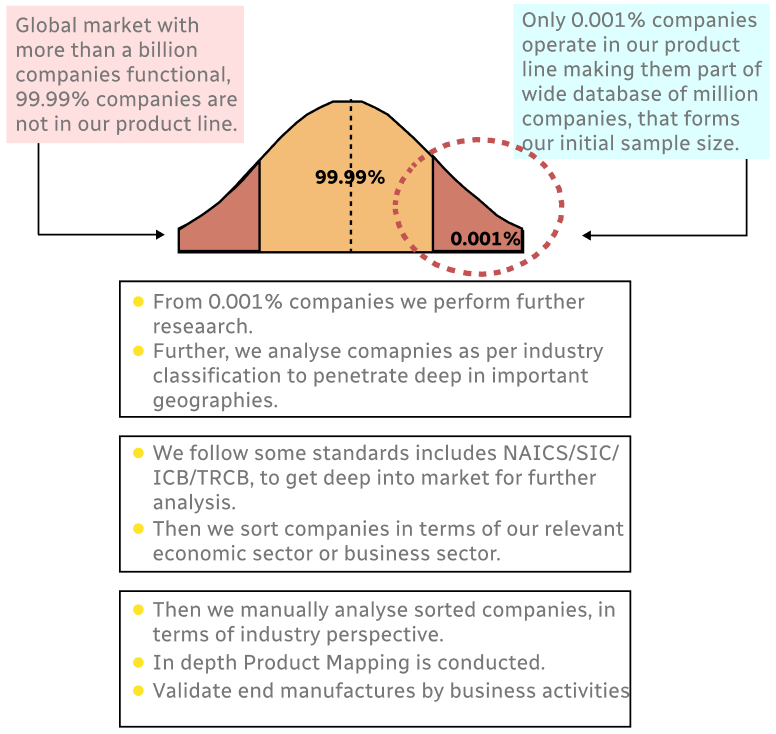
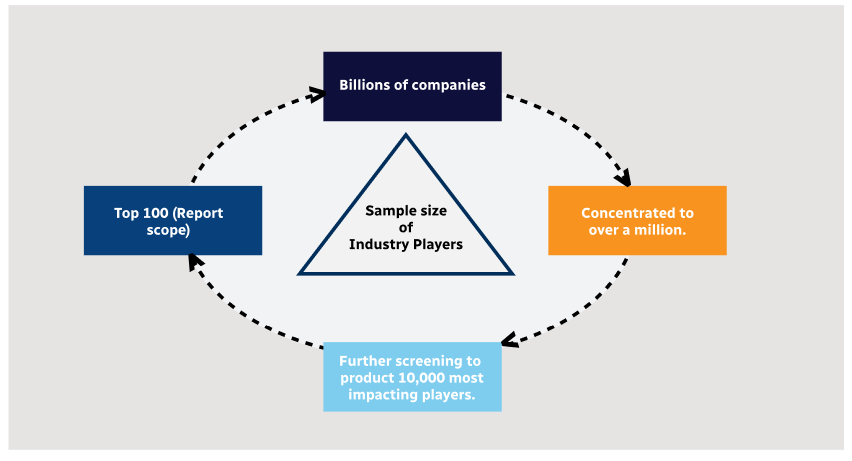
Step 1 - Identification of Relevant Samples Size from Population Database
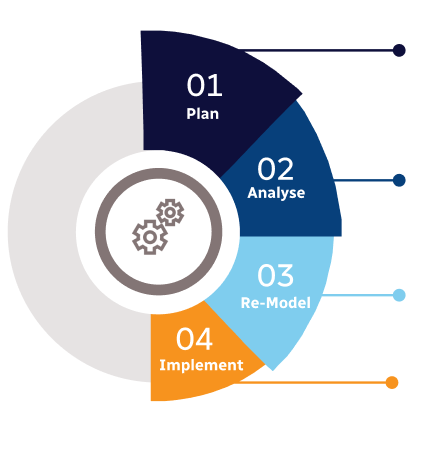
Step 2 - Approaches for Defining Global Market Size (Value, Volume* & Price*)
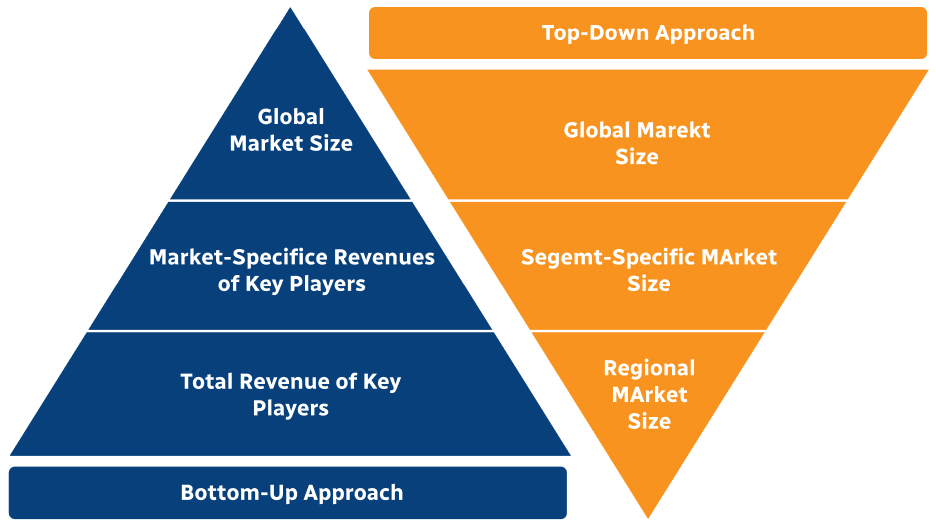
Note*: In applicable scenarios
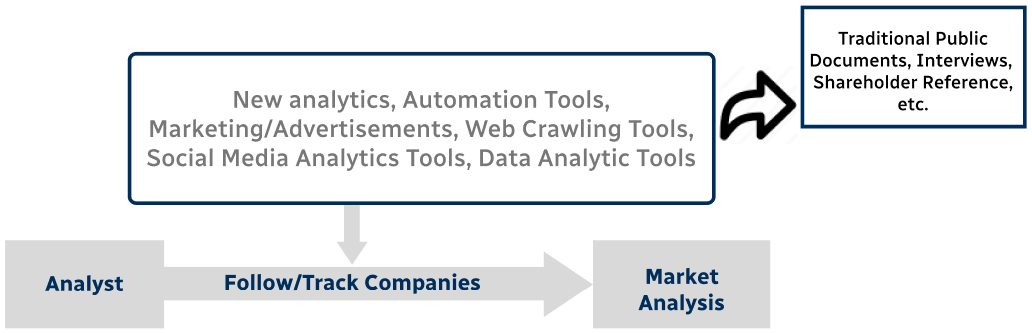
Step 3 - Data Sources
Primary Research
- Web Analytics
- Survey Reports
- Research Institute
- Latest Research Reports
- Opinion Leaders
Secondary Research
- Annual Reports
- White Paper
- Latest Press Release
- Industry Association
- Paid Database
- Investor Presentations
Step 4 - Data Triangulation
Involves using different sources of information in order to increase the validity of a study
These sources are likely to be stakeholders in a program - participants, other researchers, program staff, other community members, and so on.
Then we put all data in single framework & apply various statistical tools to find out the dynamic on the market.
During the analysis stage, feedback from the stakeholder groups would be compared to determine areas of agreement as well as areas of divergence