


Key Insights
The Data Attached Storage (DAS) System market is projected to experience robust growth, reaching an estimated market size of approximately USD 28,500 million in 2025 and expanding to over USD 45,000 million by 2033. This growth is fueled by a Compound Annual Growth Rate (CAGR) of around 6.5% during the forecast period of 2025-2033. The increasing demand for efficient and direct data access, particularly in high-performance computing and mission-critical applications, is a significant driver. Furthermore, the proliferation of digital content and the need for localized, low-latency storage solutions across both personal and commercial sectors are contributing to market expansion. Businesses are increasingly relying on DAS for tasks requiring immediate data processing, such as video editing, scientific simulations, and gaming, where the direct connection minimizes overhead and maximizes throughput.
-System.png&w=1920&q=75)
Data Attached Storage (DAS) System Market Size (In Billion)

Key trends shaping the DAS market include advancements in storage technologies, such as the adoption of NVMe SSDs for enhanced speed and the development of more compact and power-efficient solutions. The "Other" application segment, likely encompassing specialized industrial and embedded systems, is expected to show considerable dynamism. However, the market faces restraints such as the growing popularity of network-attached storage (NAS) and storage area networks (SAN) for their scalability and centralized management capabilities, especially in larger enterprises. Despite these challenges, the simplicity, cost-effectiveness, and raw performance of DAS ensure its continued relevance, particularly for individual users and smaller businesses prioritizing speed and direct control over their data. The market is segmented by capacity, with solutions below 1TB and between 2-8TB likely dominating current adoption, while the "Above 8T" segment is poised for growth driven by increasing data volumes.
-System.png&w=1920&q=75)
Data Attached Storage (DAS) System Company Market Share
Data Attached Storage (DAS) System Market Dynamics & Structure
The Data Attached Storage (DAS) system market is characterized by a dynamic interplay of technological innovation, evolving end-user demands, and a moderately concentrated competitive landscape. The study period from 2019 to 2033, with a base year of 2025, reveals a consistent drive towards higher capacity and faster performance, fueled by the escalating data generation across personal and commercial applications. Key innovation drivers include the demand for faster data access for real-time analytics, enhanced data security features, and increasingly compact and energy-efficient designs. Regulatory frameworks, particularly concerning data privacy and security, are also playing a crucial role in shaping product development and market entry strategies. While direct competitors within the DAS segment are numerous, competitive product substitutes such as Network Attached Storage (NAS) and Storage Area Networks (SAN) are gaining traction for certain enterprise use cases, pushing DAS vendors to focus on its core strengths: simplicity, direct performance, and cost-effectiveness for specific applications. End-user demographics are shifting, with a growing adoption by small and medium-sized businesses (SMBs) alongside traditional individual users seeking localized, high-speed storage solutions. Mergers and acquisitions (M&A) are an ongoing trend, with larger technology conglomerates acquiring niche DAS providers to consolidate their storage portfolios and expand their market reach. For instance, the historical M&A volume indicates approximately 15-20 significant deals annually between 2019 and 2024, with an estimated market share consolidation trend of 2-3% for acquiring entities on average.
- Market Concentration: Moderately concentrated, with a few key players holding significant market share but with ample room for niche and emerging vendors.
- Technological Innovation Drivers: Demand for high-speed access, increased storage density, improved data protection, and reduced power consumption.
- Regulatory Frameworks: Data privacy (e.g., GDPR, CCPA) and cybersecurity compliance are increasingly influencing product design and marketing.
- Competitive Product Substitutes: NAS and SAN solutions are prevalent alternatives, especially in complex enterprise environments.
- End-User Demographics: Expanding beyond individual consumers to include SMBs, creative professionals, and specialized scientific research sectors.
- M&A Trends: Ongoing consolidation, with strategic acquisitions aimed at expanding product lines and market penetration.
Data Attached Storage (DAS) System Growth Trends & Insights
The Data Attached Storage (DAS) system market is poised for robust growth, driven by an ever-increasing deluge of digital information and the persistent need for direct, high-performance data access. The market size is projected to expand significantly from its estimated value in the base year of 2025, exhibiting a Compound Annual Growth Rate (CAGR) of approximately 7.5% during the forecast period of 2025–2033. This growth is underpinned by escalating adoption rates across both consumer and commercial segments, fueled by a variety of factors.
Technological disruptions, while more pronounced in cloud-based storage, are indirectly benefiting DAS by driving down the cost of storage components and spurring innovation in interface technologies like Thunderbolt and USB4. This allows for faster data transfer speeds, crucial for demanding applications such as high-resolution video editing, gaming, and large-scale data analysis. Consumer behavior shifts are also a significant catalyst. Individuals are creating and consuming more data than ever before, from high-definition videos and professional photography to immersive gaming experiences. This necessitates local, readily accessible storage solutions that offer superior performance compared to remote cloud options for immediate access and editing.
In the commercial sphere, the proliferation of IoT devices, the growth of AI and machine learning workloads, and the increasing volume of business-critical data are creating an urgent demand for high-capacity, low-latency storage. While cloud solutions offer scalability, the direct performance and predictable cost of DAS make it an attractive option for specific enterprise workloads, particularly for edge computing scenarios and departmental data storage. Adoption rates for higher capacity drives (Above 8T) are accelerating as prices continue to fall, making terabytes of storage more accessible for a wider range of users. Market penetration is deepening within segments like creative industries, where rapid access to large project files is paramount. The shift towards external SSDs for DAS applications is also a notable trend, offering substantial performance gains over traditional HDDs, albeit at a higher cost point, further segmenting the market based on performance and budget requirements. The increasing affordability of high-capacity drives, coupled with the ongoing demand for localized data storage, positions the DAS market for sustained expansion.
Dominant Regions, Countries, or Segments in Data Attached Storage (DAS) System
The Data Attached Storage (DAS) system market's dominance is significantly influenced by a confluence of technological adoption, economic conditions, and consumer needs. While global adoption is widespread, the Commercial application segment, particularly for DAS solutions Above 8T, is emerging as a primary growth engine and a dominant force within the market. This ascendancy is propelled by several critical factors, making it the focal point of market expansion and investment throughout the study period (2019–2033).
The sheer volume of data generated by businesses across various industries, from financial services and healthcare to media and manufacturing, necessitates robust and high-capacity storage solutions. DAS, with its direct connection and high throughput, offers a compelling proposition for on-premises data management, local backups, and critical application data. The "Above 8T" category within DAS is witnessing accelerated adoption due to the declining cost per terabyte and the growing need to house massive datasets for analytics, AI/ML training, and digital archiving.
Key drivers behind this dominance include:
- Economic Policies and Infrastructure: Developed economies with strong IT infrastructure and supportive business environments, such as North America (specifically the United States) and Western Europe, are at the forefront of this trend. Governments in these regions often promote digital transformation initiatives and offer incentives for businesses to invest in advanced data management technologies.
- Industry-Specific Demands: Industries that deal with massive datasets, such as media and entertainment (high-resolution video production), scientific research (genomics, simulations), and automotive (autonomous driving data), are heavily reliant on DAS solutions Above 8T for their operational workflows. The ability to quickly access and process these large files directly is critical for productivity and innovation.
- Small and Medium-sized Businesses (SMBs): While large enterprises may opt for more complex SAN or cloud solutions, a significant portion of the commercial growth in DAS Above 8T is being driven by SMBs. They often find DAS to be a more cost-effective and simpler solution for their storage needs, offering a balance of capacity, performance, and manageability.
- Technological Advancements: The continuous improvement in storage technologies, including the increasing density of hard drives and the growing adoption of SSDs in higher capacities, makes large-capacity DAS solutions more feasible and affordable. Innovations in interface technologies like Thunderbolt 4 and USB 3.2 Gen 2x2 further enhance the performance of DAS, making it a viable option for even demanding commercial applications.
- Data Sovereignty and Security Concerns: For many businesses, keeping sensitive data on-premises via DAS offers greater control and addresses concerns related to data sovereignty and compliance with local regulations, especially when compared to off-site cloud storage.
While other segments like Personal DAS and smaller capacity drives (Below 1T, 2-8T) will continue to exist and serve their respective niches, the commercial application with high-capacity drives is demonstrably the most significant growth area, influencing market trends, product development, and overall market value in the coming years.
Data Attached Storage (DAS) System Product Landscape
The Data Attached Storage (DAS) system product landscape is characterized by increasing capacity, enhanced speed, and improved user experience. Innovations are focused on delivering high-performance storage solutions that are easy to set up and integrate, catering to a diverse range of users from professionals to enthusiasts. Products are increasingly featuring advanced interfaces like Thunderbolt 4 and USB 3.2 Gen 2x2, enabling sequential read/write speeds that rival internal drives, thus drastically reducing data transfer times for large files. Furthermore, the focus on ruggedized designs for portable DAS devices is growing, catering to professionals who require reliable storage in challenging environments. Manufacturers are also incorporating advanced data protection features, such as hardware encryption and RAID configurations, directly into their DAS units, offering enhanced security and data redundancy without the complexity of enterprise-level solutions.
Key Drivers, Barriers & Challenges in Data Attached Storage (DAS) System
Key Drivers:
The Data Attached Storage (DAS) system market is propelled by several key factors. The relentless growth of digital data across personal and professional spheres, fueled by high-resolution media, IoT devices, and big data analytics, creates a constant demand for high-capacity and fast-access storage. Technological advancements, particularly in interface speeds (e.g., Thunderbolt, USB 3.2 Gen 2x2) and storage density (e.g., high-capacity HDDs, larger SSDs), are making DAS solutions more powerful and cost-effective. The inherent simplicity and plug-and-play nature of DAS also appeal to a broad user base, from individuals to small businesses, who prefer straightforward storage management over complex network configurations. Furthermore, the increasing need for localized data storage for performance-critical applications, gaming, and professional content creation directly benefits DAS adoption.
Barriers & Challenges:
Despite strong drivers, the DAS market faces several challenges. The increasing popularity and scalability of cloud storage solutions present a significant competitive threat, offering off-site accessibility and disaster recovery capabilities that DAS alone may not provide. For enterprise-level applications requiring shared access and sophisticated management, Network Attached Storage (NAS) and Storage Area Networks (SAN) remain preferred alternatives, limiting DAS's penetration in these segments. Supply chain disruptions, exacerbated by global events, can impact the availability and cost of essential components like storage drives and chipsets, leading to price volatility. Furthermore, while DAS offers direct performance, its inherent limitation to a single connected device can be a bottleneck for collaborative environments. Evolving cybersecurity threats also necessitate robust data protection features, adding to the cost and complexity of some DAS solutions, and consumer awareness of these advanced features can be a barrier to adoption for less tech-savvy users.
Emerging Opportunities in Data Attached Storage (DAS) System
Emerging opportunities in the Data Attached Storage (DAS) system market lie in capitalizing on the growing demand for edge computing solutions. As more data is generated and processed at the edge, compact, high-performance DAS devices become essential for local data storage and analysis in remote or decentralized environments. The expansion of creative industries, particularly in video production and 3D rendering, presents a significant opportunity for high-capacity and high-speed DAS solutions that can handle massive file sizes and complex workflows. Furthermore, the increasing adoption of gaming and virtual reality (VR)/augmented reality (AR) experiences by consumers drives the need for ultra-fast local storage to reduce loading times and enhance immersion, creating a niche for performance-oriented DAS. The development of more intelligent and self-managing DAS units, potentially with integrated software for advanced data analytics and AI inference at the edge, also represents a promising avenue for future growth and differentiation.
Growth Accelerators in the Data Attached Storage (DAS) System Industry
The Data Attached Storage (DAS) system industry is experiencing significant growth acceleration driven by several key catalysts. The relentless expansion of digital content creation, from high-definition video and professional photography to gaming and scientific research data, directly fuels the demand for larger and faster storage capacities. Advances in interface technologies, such as Thunderbolt and USB4, are dramatically increasing data transfer speeds, making DAS solutions indispensable for workflows that require immediate access to massive files. The increasing affordability of high-capacity hard disk drives (HDDs) and solid-state drives (SSDs) is lowering the cost per terabyte, making terabytes of localized storage accessible to a broader consumer and business base. Strategic partnerships between storage manufacturers and CPU/GPU providers are also optimizing DAS performance for specific applications, further enhancing its appeal. Moreover, the growing trend of remote work and the proliferation of personal digital libraries necessitate robust and reliable local storage solutions, acting as a consistent growth accelerator.
Key Players Shaping the Data Attached Storage (DAS) System Market
- Lenovo
- Aberdeen
- Huawei
- Contegix
- Cisco Systems
- Dell
- Seagate Technology
- Fujitsu
- Broadberry Data Systems
- Intel Corporation
- The Curtiss-Wright Corporation
Notable Milestones in Data Attached Storage (DAS) System Sector
- 2019: Introduction of Thunderbolt 3 enabled external SSDs offering sequential read/write speeds exceeding 2,500 MB/s.
- 2020: Launch of high-capacity (20TB+) single-drive external HDDs for the consumer market, significantly reducing cost per terabyte.
- 2021: Increased adoption of NVMe SSDs in external DAS enclosures, bringing near-internal SSD performance to external solutions.
- 2022: Enhanced focus on ruggedized and portable DAS designs for professionals working in field or harsh environments.
- 2023: Integration of hardware encryption capabilities becoming more mainstream in mid-to-high-end DAS products for enhanced data security.
- 2024: Emergence of DAS solutions designed for edge computing applications, offering compact form factors and robust data management features.
In-Depth Data Attached Storage (DAS) System Market Outlook
The future outlook for the Data Attached Storage (DAS) system market is one of sustained and dynamic growth, driven by an insatiable demand for localized, high-performance data solutions. The ongoing explosion of data generated by consumers and businesses alike, coupled with the increasing complexity of digital workflows, will continue to propel the adoption of DAS. Advancements in storage technologies, particularly in higher density drives and faster interface standards, will further enhance the capabilities and appeal of DAS, making it an indispensable tool for creative professionals, gamers, and data-intensive commercial applications. The strategic positioning of DAS for edge computing, where direct and low-latency data access is critical, presents a significant growth avenue. While cloud storage will continue to evolve, the unique advantages of DAS in terms of performance, simplicity, and cost-effectiveness for specific use cases ensure its enduring relevance and continued expansion within the global storage market.
Data Attached Storage (DAS) System Segmentation
-
1. Application
- 1.1. Personal
- 1.2. Commercial
- 1.3. Other
-
2. Types
- 2.1. Below 1T
- 2.2. 2-8T
- 2.3. Above 8T
Data Attached Storage (DAS) System Segmentation By Geography
-
1. North America
- 1.1. United States
- 1.2. Canada
- 1.3. Mexico
-
2. South America
- 2.1. Brazil
- 2.2. Argentina
- 2.3. Rest of South America
-
3. Europe
- 3.1. United Kingdom
- 3.2. Germany
- 3.3. France
- 3.4. Italy
- 3.5. Spain
- 3.6. Russia
- 3.7. Benelux
- 3.8. Nordics
- 3.9. Rest of Europe
-
4. Middle East & Africa
- 4.1. Turkey
- 4.2. Israel
- 4.3. GCC
- 4.4. North Africa
- 4.5. South Africa
- 4.6. Rest of Middle East & Africa
-
5. Asia Pacific
- 5.1. China
- 5.2. India
- 5.3. Japan
- 5.4. South Korea
- 5.5. ASEAN
- 5.6. Oceania
- 5.7. Rest of Asia Pacific
-System.png&w=1920&q=75)
Data Attached Storage (DAS) System Regional Market Share
Geographic Coverage of Data Attached Storage (DAS) System
Data Attached Storage (DAS) System REPORT HIGHLIGHTS
| Aspects | Details |
|---|---|
| Study Period | 2020-2034 |
| Base Year | 2025 |
| Estimated Year | 2026 |
| Forecast Period | 2026-2034 |
| Historical Period | 2020-2025 |
| Growth Rate | CAGR of XX% from 2020-2034 |
| Segmentation |
|
Table of Contents
- 1. Introduction
- 1.1. Research Scope
- 1.2. Market Segmentation
- 1.3. Research Methodology
- 1.4. Definitions and Assumptions
- 2. Executive Summary
- 2.1. Introduction
- 3. Market Dynamics
- 3.1. Introduction
- 3.2. Market Drivers
- 3.3. Market Restrains
- 3.4. Market Trends
- 4. Market Factor Analysis
- 4.1. Porters Five Forces
- 4.2. Supply/Value Chain
- 4.3. PESTEL analysis
- 4.4. Market Entropy
- 4.5. Patent/Trademark Analysis
- 5. Global Data Attached Storage (DAS) System Analysis, Insights and Forecast, 2020-2032
- 5.1. Market Analysis, Insights and Forecast - by Application
- 5.1.1. Personal
- 5.1.2. Commercial
- 5.1.3. Other
- 5.2. Market Analysis, Insights and Forecast - by Types
- 5.2.1. Below 1T
- 5.2.2. 2-8T
- 5.2.3. Above 8T
- 5.3. Market Analysis, Insights and Forecast - by Region
- 5.3.1. North America
- 5.3.2. South America
- 5.3.3. Europe
- 5.3.4. Middle East & Africa
- 5.3.5. Asia Pacific
- 5.1. Market Analysis, Insights and Forecast - by Application
- 6. North America Data Attached Storage (DAS) System Analysis, Insights and Forecast, 2020-2032
- 6.1. Market Analysis, Insights and Forecast - by Application
- 6.1.1. Personal
- 6.1.2. Commercial
- 6.1.3. Other
- 6.2. Market Analysis, Insights and Forecast - by Types
- 6.2.1. Below 1T
- 6.2.2. 2-8T
- 6.2.3. Above 8T
- 6.1. Market Analysis, Insights and Forecast - by Application
- 7. South America Data Attached Storage (DAS) System Analysis, Insights and Forecast, 2020-2032
- 7.1. Market Analysis, Insights and Forecast - by Application
- 7.1.1. Personal
- 7.1.2. Commercial
- 7.1.3. Other
- 7.2. Market Analysis, Insights and Forecast - by Types
- 7.2.1. Below 1T
- 7.2.2. 2-8T
- 7.2.3. Above 8T
- 7.1. Market Analysis, Insights and Forecast - by Application
- 8. Europe Data Attached Storage (DAS) System Analysis, Insights and Forecast, 2020-2032
- 8.1. Market Analysis, Insights and Forecast - by Application
- 8.1.1. Personal
- 8.1.2. Commercial
- 8.1.3. Other
- 8.2. Market Analysis, Insights and Forecast - by Types
- 8.2.1. Below 1T
- 8.2.2. 2-8T
- 8.2.3. Above 8T
- 8.1. Market Analysis, Insights and Forecast - by Application
- 9. Middle East & Africa Data Attached Storage (DAS) System Analysis, Insights and Forecast, 2020-2032
- 9.1. Market Analysis, Insights and Forecast - by Application
- 9.1.1. Personal
- 9.1.2. Commercial
- 9.1.3. Other
- 9.2. Market Analysis, Insights and Forecast - by Types
- 9.2.1. Below 1T
- 9.2.2. 2-8T
- 9.2.3. Above 8T
- 9.1. Market Analysis, Insights and Forecast - by Application
- 10. Asia Pacific Data Attached Storage (DAS) System Analysis, Insights and Forecast, 2020-2032
- 10.1. Market Analysis, Insights and Forecast - by Application
- 10.1.1. Personal
- 10.1.2. Commercial
- 10.1.3. Other
- 10.2. Market Analysis, Insights and Forecast - by Types
- 10.2.1. Below 1T
- 10.2.2. 2-8T
- 10.2.3. Above 8T
- 10.1. Market Analysis, Insights and Forecast - by Application
- 11. Competitive Analysis
- 11.1. Global Market Share Analysis 2025
- 11.2. Company Profiles
- 11.2.1 Lenovo
- 11.2.1.1. Overview
- 11.2.1.2. Products
- 11.2.1.3. SWOT Analysis
- 11.2.1.4. Recent Developments
- 11.2.1.5. Financials (Based on Availability)
- 11.2.2 Aberdeen
- 11.2.2.1. Overview
- 11.2.2.2. Products
- 11.2.2.3. SWOT Analysis
- 11.2.2.4. Recent Developments
- 11.2.2.5. Financials (Based on Availability)
- 11.2.3 Huawei
- 11.2.3.1. Overview
- 11.2.3.2. Products
- 11.2.3.3. SWOT Analysis
- 11.2.3.4. Recent Developments
- 11.2.3.5. Financials (Based on Availability)
- 11.2.4 Contegix
- 11.2.4.1. Overview
- 11.2.4.2. Products
- 11.2.4.3. SWOT Analysis
- 11.2.4.4. Recent Developments
- 11.2.4.5. Financials (Based on Availability)
- 11.2.5 Cisco Systems
- 11.2.5.1. Overview
- 11.2.5.2. Products
- 11.2.5.3. SWOT Analysis
- 11.2.5.4. Recent Developments
- 11.2.5.5. Financials (Based on Availability)
- 11.2.6 Dell
- 11.2.6.1. Overview
- 11.2.6.2. Products
- 11.2.6.3. SWOT Analysis
- 11.2.6.4. Recent Developments
- 11.2.6.5. Financials (Based on Availability)
- 11.2.7 Seagate Technology
- 11.2.7.1. Overview
- 11.2.7.2. Products
- 11.2.7.3. SWOT Analysis
- 11.2.7.4. Recent Developments
- 11.2.7.5. Financials (Based on Availability)
- 11.2.8 Fujitsu
- 11.2.8.1. Overview
- 11.2.8.2. Products
- 11.2.8.3. SWOT Analysis
- 11.2.8.4. Recent Developments
- 11.2.8.5. Financials (Based on Availability)
- 11.2.9 Broadberry Data Systems
- 11.2.9.1. Overview
- 11.2.9.2. Products
- 11.2.9.3. SWOT Analysis
- 11.2.9.4. Recent Developments
- 11.2.9.5. Financials (Based on Availability)
- 11.2.10 Intel Corporation
- 11.2.10.1. Overview
- 11.2.10.2. Products
- 11.2.10.3. SWOT Analysis
- 11.2.10.4. Recent Developments
- 11.2.10.5. Financials (Based on Availability)
- 11.2.11 The Curtiss-Wright Corporation
- 11.2.11.1. Overview
- 11.2.11.2. Products
- 11.2.11.3. SWOT Analysis
- 11.2.11.4. Recent Developments
- 11.2.11.5. Financials (Based on Availability)
- 11.2.1 Lenovo
List of Figures
- Figure 1: Global Data Attached Storage (DAS) System Revenue Breakdown (million, %) by Region 2025 & 2033
- Figure 2: North America Data Attached Storage (DAS) System Revenue (million), by Application 2025 & 2033
- Figure 3: North America Data Attached Storage (DAS) System Revenue Share (%), by Application 2025 & 2033
- Figure 4: North America Data Attached Storage (DAS) System Revenue (million), by Types 2025 & 2033
- Figure 5: North America Data Attached Storage (DAS) System Revenue Share (%), by Types 2025 & 2033
- Figure 6: North America Data Attached Storage (DAS) System Revenue (million), by Country 2025 & 2033
- Figure 7: North America Data Attached Storage (DAS) System Revenue Share (%), by Country 2025 & 2033
- Figure 8: South America Data Attached Storage (DAS) System Revenue (million), by Application 2025 & 2033
- Figure 9: South America Data Attached Storage (DAS) System Revenue Share (%), by Application 2025 & 2033
- Figure 10: South America Data Attached Storage (DAS) System Revenue (million), by Types 2025 & 2033
- Figure 11: South America Data Attached Storage (DAS) System Revenue Share (%), by Types 2025 & 2033
- Figure 12: South America Data Attached Storage (DAS) System Revenue (million), by Country 2025 & 2033
- Figure 13: South America Data Attached Storage (DAS) System Revenue Share (%), by Country 2025 & 2033
- Figure 14: Europe Data Attached Storage (DAS) System Revenue (million), by Application 2025 & 2033
- Figure 15: Europe Data Attached Storage (DAS) System Revenue Share (%), by Application 2025 & 2033
- Figure 16: Europe Data Attached Storage (DAS) System Revenue (million), by Types 2025 & 2033
- Figure 17: Europe Data Attached Storage (DAS) System Revenue Share (%), by Types 2025 & 2033
- Figure 18: Europe Data Attached Storage (DAS) System Revenue (million), by Country 2025 & 2033
- Figure 19: Europe Data Attached Storage (DAS) System Revenue Share (%), by Country 2025 & 2033
- Figure 20: Middle East & Africa Data Attached Storage (DAS) System Revenue (million), by Application 2025 & 2033
- Figure 21: Middle East & Africa Data Attached Storage (DAS) System Revenue Share (%), by Application 2025 & 2033
- Figure 22: Middle East & Africa Data Attached Storage (DAS) System Revenue (million), by Types 2025 & 2033
- Figure 23: Middle East & Africa Data Attached Storage (DAS) System Revenue Share (%), by Types 2025 & 2033
- Figure 24: Middle East & Africa Data Attached Storage (DAS) System Revenue (million), by Country 2025 & 2033
- Figure 25: Middle East & Africa Data Attached Storage (DAS) System Revenue Share (%), by Country 2025 & 2033
- Figure 26: Asia Pacific Data Attached Storage (DAS) System Revenue (million), by Application 2025 & 2033
- Figure 27: Asia Pacific Data Attached Storage (DAS) System Revenue Share (%), by Application 2025 & 2033
- Figure 28: Asia Pacific Data Attached Storage (DAS) System Revenue (million), by Types 2025 & 2033
- Figure 29: Asia Pacific Data Attached Storage (DAS) System Revenue Share (%), by Types 2025 & 2033
- Figure 30: Asia Pacific Data Attached Storage (DAS) System Revenue (million), by Country 2025 & 2033
- Figure 31: Asia Pacific Data Attached Storage (DAS) System Revenue Share (%), by Country 2025 & 2033
List of Tables
- Table 1: Global Data Attached Storage (DAS) System Revenue million Forecast, by Application 2020 & 2033
- Table 2: Global Data Attached Storage (DAS) System Revenue million Forecast, by Types 2020 & 2033
- Table 3: Global Data Attached Storage (DAS) System Revenue million Forecast, by Region 2020 & 2033
- Table 4: Global Data Attached Storage (DAS) System Revenue million Forecast, by Application 2020 & 2033
- Table 5: Global Data Attached Storage (DAS) System Revenue million Forecast, by Types 2020 & 2033
- Table 6: Global Data Attached Storage (DAS) System Revenue million Forecast, by Country 2020 & 2033
- Table 7: United States Data Attached Storage (DAS) System Revenue (million) Forecast, by Application 2020 & 2033
- Table 8: Canada Data Attached Storage (DAS) System Revenue (million) Forecast, by Application 2020 & 2033
- Table 9: Mexico Data Attached Storage (DAS) System Revenue (million) Forecast, by Application 2020 & 2033
- Table 10: Global Data Attached Storage (DAS) System Revenue million Forecast, by Application 2020 & 2033
- Table 11: Global Data Attached Storage (DAS) System Revenue million Forecast, by Types 2020 & 2033
- Table 12: Global Data Attached Storage (DAS) System Revenue million Forecast, by Country 2020 & 2033
- Table 13: Brazil Data Attached Storage (DAS) System Revenue (million) Forecast, by Application 2020 & 2033
- Table 14: Argentina Data Attached Storage (DAS) System Revenue (million) Forecast, by Application 2020 & 2033
- Table 15: Rest of South America Data Attached Storage (DAS) System Revenue (million) Forecast, by Application 2020 & 2033
- Table 16: Global Data Attached Storage (DAS) System Revenue million Forecast, by Application 2020 & 2033
- Table 17: Global Data Attached Storage (DAS) System Revenue million Forecast, by Types 2020 & 2033
- Table 18: Global Data Attached Storage (DAS) System Revenue million Forecast, by Country 2020 & 2033
- Table 19: United Kingdom Data Attached Storage (DAS) System Revenue (million) Forecast, by Application 2020 & 2033
- Table 20: Germany Data Attached Storage (DAS) System Revenue (million) Forecast, by Application 2020 & 2033
- Table 21: France Data Attached Storage (DAS) System Revenue (million) Forecast, by Application 2020 & 2033
- Table 22: Italy Data Attached Storage (DAS) System Revenue (million) Forecast, by Application 2020 & 2033
- Table 23: Spain Data Attached Storage (DAS) System Revenue (million) Forecast, by Application 2020 & 2033
- Table 24: Russia Data Attached Storage (DAS) System Revenue (million) Forecast, by Application 2020 & 2033
- Table 25: Benelux Data Attached Storage (DAS) System Revenue (million) Forecast, by Application 2020 & 2033
- Table 26: Nordics Data Attached Storage (DAS) System Revenue (million) Forecast, by Application 2020 & 2033
- Table 27: Rest of Europe Data Attached Storage (DAS) System Revenue (million) Forecast, by Application 2020 & 2033
- Table 28: Global Data Attached Storage (DAS) System Revenue million Forecast, by Application 2020 & 2033
- Table 29: Global Data Attached Storage (DAS) System Revenue million Forecast, by Types 2020 & 2033
- Table 30: Global Data Attached Storage (DAS) System Revenue million Forecast, by Country 2020 & 2033
- Table 31: Turkey Data Attached Storage (DAS) System Revenue (million) Forecast, by Application 2020 & 2033
- Table 32: Israel Data Attached Storage (DAS) System Revenue (million) Forecast, by Application 2020 & 2033
- Table 33: GCC Data Attached Storage (DAS) System Revenue (million) Forecast, by Application 2020 & 2033
- Table 34: North Africa Data Attached Storage (DAS) System Revenue (million) Forecast, by Application 2020 & 2033
- Table 35: South Africa Data Attached Storage (DAS) System Revenue (million) Forecast, by Application 2020 & 2033
- Table 36: Rest of Middle East & Africa Data Attached Storage (DAS) System Revenue (million) Forecast, by Application 2020 & 2033
- Table 37: Global Data Attached Storage (DAS) System Revenue million Forecast, by Application 2020 & 2033
- Table 38: Global Data Attached Storage (DAS) System Revenue million Forecast, by Types 2020 & 2033
- Table 39: Global Data Attached Storage (DAS) System Revenue million Forecast, by Country 2020 & 2033
- Table 40: China Data Attached Storage (DAS) System Revenue (million) Forecast, by Application 2020 & 2033
- Table 41: India Data Attached Storage (DAS) System Revenue (million) Forecast, by Application 2020 & 2033
- Table 42: Japan Data Attached Storage (DAS) System Revenue (million) Forecast, by Application 2020 & 2033
- Table 43: South Korea Data Attached Storage (DAS) System Revenue (million) Forecast, by Application 2020 & 2033
- Table 44: ASEAN Data Attached Storage (DAS) System Revenue (million) Forecast, by Application 2020 & 2033
- Table 45: Oceania Data Attached Storage (DAS) System Revenue (million) Forecast, by Application 2020 & 2033
- Table 46: Rest of Asia Pacific Data Attached Storage (DAS) System Revenue (million) Forecast, by Application 2020 & 2033
Frequently Asked Questions
1. What is the projected Compound Annual Growth Rate (CAGR) of the Data Attached Storage (DAS) System?
The projected CAGR is approximately XX%.
2. Which companies are prominent players in the Data Attached Storage (DAS) System?
Key companies in the market include Lenovo, Aberdeen, Huawei, Contegix, Cisco Systems, Dell, Seagate Technology, Fujitsu, Broadberry Data Systems, Intel Corporation, The Curtiss-Wright Corporation.
3. What are the main segments of the Data Attached Storage (DAS) System?
The market segments include Application, Types.
4. Can you provide details about the market size?
The market size is estimated to be USD XXX million as of 2022.
5. What are some drivers contributing to market growth?
N/A
6. What are the notable trends driving market growth?
N/A
7. Are there any restraints impacting market growth?
N/A
8. Can you provide examples of recent developments in the market?
N/A
9. What pricing options are available for accessing the report?
Pricing options include single-user, multi-user, and enterprise licenses priced at USD 5600.00, USD 8400.00, and USD 11200.00 respectively.
10. Is the market size provided in terms of value or volume?
The market size is provided in terms of value, measured in million.
11. Are there any specific market keywords associated with the report?
Yes, the market keyword associated with the report is "Data Attached Storage (DAS) System," which aids in identifying and referencing the specific market segment covered.
12. How do I determine which pricing option suits my needs best?
The pricing options vary based on user requirements and access needs. Individual users may opt for single-user licenses, while businesses requiring broader access may choose multi-user or enterprise licenses for cost-effective access to the report.
13. Are there any additional resources or data provided in the Data Attached Storage (DAS) System report?
While the report offers comprehensive insights, it's advisable to review the specific contents or supplementary materials provided to ascertain if additional resources or data are available.
14. How can I stay updated on further developments or reports in the Data Attached Storage (DAS) System?
To stay informed about further developments, trends, and reports in the Data Attached Storage (DAS) System, consider subscribing to industry newsletters, following relevant companies and organizations, or regularly checking reputable industry news sources and publications.
Methodology
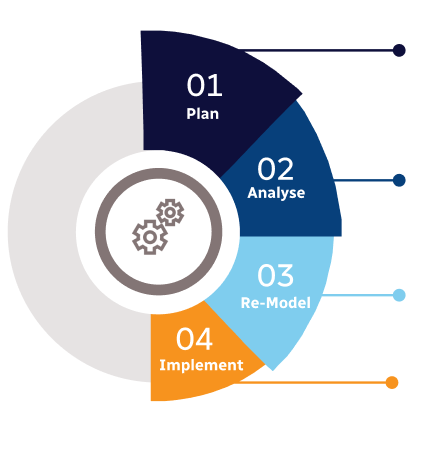
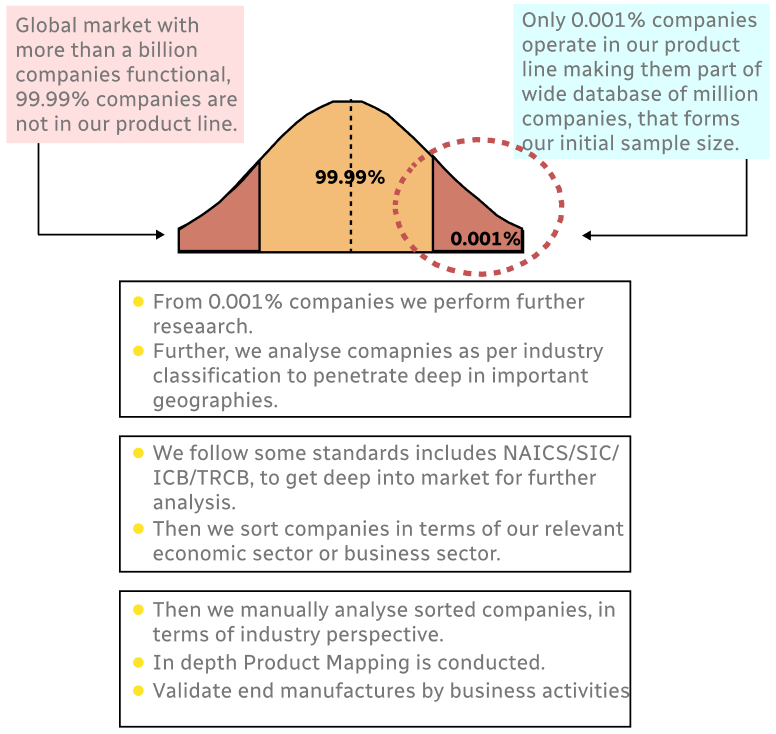
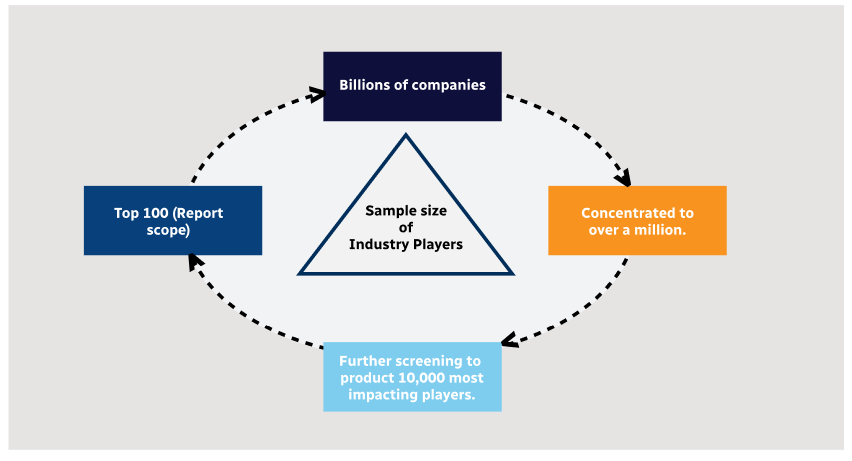
Step 1 - Identification of Relevant Samples Size from Population Database
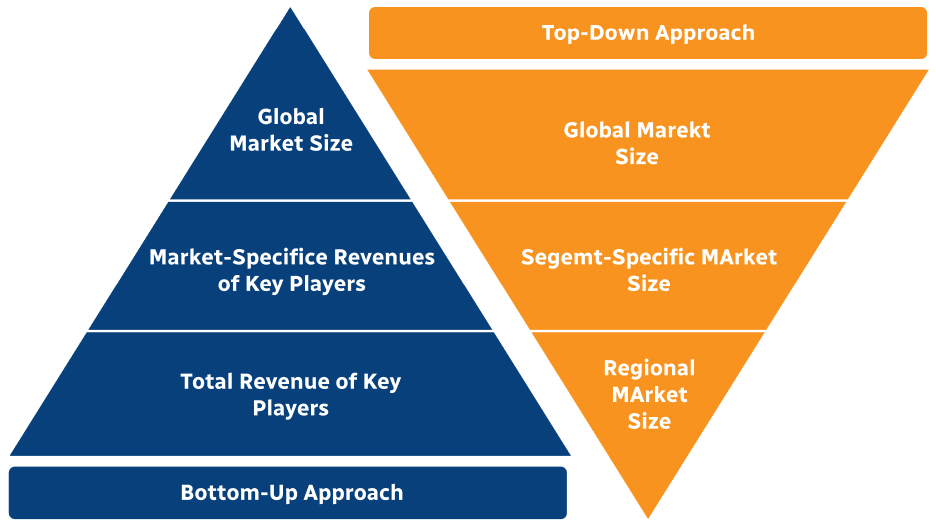
Step 2 - Approaches for Defining Global Market Size (Value, Volume* & Price*)
Note*: In applicable scenarios
Step 3 - Data Sources
Primary Research
- Web Analytics
- Survey Reports
- Research Institute
- Latest Research Reports
- Opinion Leaders
Secondary Research
- Annual Reports
- White Paper
- Latest Press Release
- Industry Association
- Paid Database
- Investor Presentations
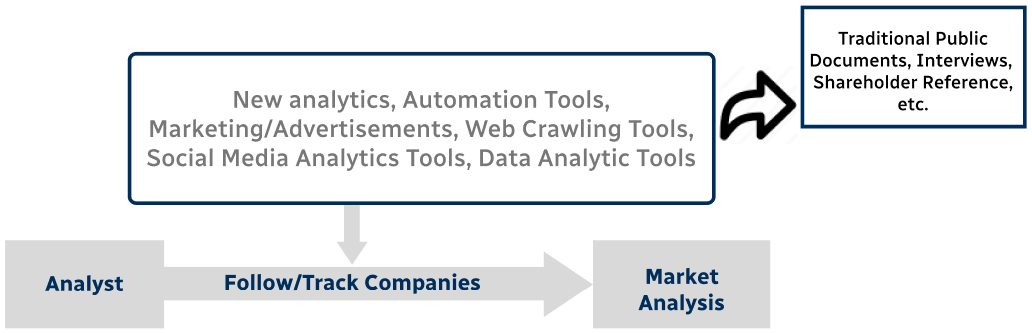
Step 4 - Data Triangulation
Involves using different sources of information in order to increase the validity of a study
These sources are likely to be stakeholders in a program - participants, other researchers, program staff, other community members, and so on.
Then we put all data in single framework & apply various statistical tools to find out the dynamic on the market.
During the analysis stage, feedback from the stakeholder groups would be compared to determine areas of agreement as well as areas of divergence