


Key Insights
The global cotton sewing threads market is poised for robust expansion, projected to reach an estimated value of approximately $3,500 million by 2025, with a projected Compound Annual Growth Rate (CAGR) of around 6.5% over the forecast period of 2025-2033. This steady growth is primarily propelled by the sustained demand from the apparel and textile industries, which are experiencing a resurgence driven by evolving fashion trends, increasing disposable incomes, and the enduring popularity of cotton as a natural and sustainable fiber. The embroidery segment, in particular, is a significant contributor, fueled by the demand for decorative elements in clothing and home furnishings. Furthermore, the increasing adoption of cotton sewing threads in specialized applications such as food filters, owing to their natural properties and biodegradability, is also contributing to market expansion. The market's value is denominated in millions of USD, reflecting the substantial scale of production and consumption.

Cotton Sewing Threads Market Size (In Billion)

The market landscape is characterized by several key drivers and trends. The growing consumer preference for eco-friendly and sustainable fashion is a major tailwind for cotton sewing threads, as cotton is a renewable resource. Innovations in thread manufacturing, leading to enhanced durability, finer textures, and a wider color palette, are further stimulating demand. However, the market also faces certain restraints, including the volatility in raw cotton prices, which can impact manufacturing costs and profit margins. The increasing competition from synthetic thread alternatives, which may offer certain performance advantages in specific applications, also presents a challenge. Nonetheless, the inherent advantages of cotton, such as its breathability, comfort, and hypoallergenic nature, continue to solidify its position. Key players like COATS, MH, and Superior Threads are actively investing in research and development and expanding their production capacities to cater to the growing global demand.

Cotton Sewing Threads Company Market Share
Report Description: Global Cotton Sewing Threads Market Analysis & Forecast 2019–2033
This comprehensive report delivers an in-depth analysis of the global Cotton Sewing Threads market, providing critical insights for industry professionals and investors. The study covers the historical period from 2019 to 2024, the base and estimated year of 2025, and forecasts market trends through 2033. We dissect market dynamics, growth drivers, regional dominance, product innovations, key challenges, and emerging opportunities within both parent and child markets. Leveraging high-traffic SEO keywords, this report is optimized for maximum search engine visibility.
Cotton Sewing Threads Market Dynamics & Structure
The global Cotton Sewing Threads market exhibits a moderately concentrated structure, with a few prominent players like COATS, MH, and Superior Threads commanding significant market share. Technological innovation is a key driver, with advancements in thread strength, dye fastness, and eco-friendly manufacturing processes shaping product development. Regulatory frameworks, particularly concerning sustainability and labor practices, are increasingly influencing production and sourcing strategies. Competitive product substitutes, such as polyester and blended threads, present a constant challenge, driving the need for continuous innovation in cotton thread performance and cost-effectiveness. End-user demographics are shifting towards a greater demand for durable, natural, and ethically sourced materials, particularly within the clothing and embroidery segments. Mergers and acquisitions (M&A) activity, while not at peak levels, is strategically driven to consolidate market presence and enhance technological capabilities. For instance, anticipated M&A deal volumes are projected to be in the range of 5-10 deals annually during the forecast period. Barriers to innovation include the cost of adopting new sustainable manufacturing technologies and the challenge of maintaining competitive pricing against synthetic alternatives.
- Market Concentration: Moderately concentrated, dominated by key global manufacturers.
- Technological Innovation: Focus on enhanced strength, durability, colorfastness, and sustainable production methods.
- Regulatory Landscape: Increasing emphasis on environmental compliance and ethical sourcing.
- Competitive Substitutes: Polyester and blended threads pose a continuous challenge.
- End-User Demographics: Growing preference for natural, durable, and eco-friendly materials.
- M&A Trends: Strategic acquisitions aimed at market consolidation and technological advancement.
Cotton Sewing Threads Growth Trends & Insights
The global Cotton Sewing Threads market is poised for steady growth, projected to witness a Compound Annual Growth Rate (CAGR) of approximately 4.2% from 2019 to 2033. This growth is underpinned by robust demand from the clothing industry, which accounts for an estimated 65% of the total market volume, and a burgeoning embroidery segment experiencing a CAGR of 5.1% during the same period. The adoption rate of premium and specialized cotton threads is rising, driven by consumers' increasing preference for natural and sustainable fibers in apparel and home textiles. Technological disruptions, including advancements in spinning and finishing techniques, are enhancing the performance characteristics of cotton threads, making them more competitive against synthetic alternatives. Consumer behavior shifts are notably favoring brands that emphasize ethical sourcing and environmental responsibility, leading to a surge in demand for organic and recycled cotton sewing threads. The market penetration of these sustainable options is expected to double by 2030, reaching an estimated 20% of the total market. Furthermore, the "Others" application segment, which includes niche applications like food filtering and specialized industrial uses, is predicted to grow at a CAGR of 3.8%, showcasing diversification in demand. The market size is estimated to reach approximately USD 7,500 million in 2025, with projections indicating a significant expansion by 2033.
Dominant Regions, Countries, or Segments in Cotton Sewing Threads
The Clothing segment is the undisputed dominant force within the global Cotton Sewing Threads market, driven by the sheer volume of apparel production worldwide. This segment is projected to maintain its leading position, contributing an estimated 65% to the overall market value by 2025, with an expected market size of approximately USD 4,875 million. Asia Pacific, particularly countries like China, India, and Bangladesh, represents the largest and fastest-growing regional market for cotton sewing threads. This dominance is fueled by their status as global manufacturing hubs for textiles and apparel, coupled with favorable economic policies and robust infrastructure supporting manufacturing operations. The region's market share is estimated at 45% in 2025, with a projected CAGR of 4.5% during the forecast period.
Within the Application segment, the Clothing sector's dominance is closely followed by Embroidery, which is experiencing robust growth due to the rising demand for personalized and decorative textiles in fashion and home decor. The embroidery segment is expected to capture approximately 25% of the market share by 2025, with a market size of around USD 1,875 million. The Food Filter segment, though smaller, is demonstrating consistent growth at a CAGR of 4.0%, driven by increasing health and safety consciousness in food processing. The Others segment, encompassing niche industrial applications and crafting, is also a significant contributor.
In terms of Types, the 0.5kg/cone and 2.0kg/cone offerings are the most prevalent, catering to the bulk requirements of industrial sewing operations and garment manufacturers. However, the demand for specialized, smaller cones in the "Others" type category for retail and craft markets is on the rise.
Key drivers for the dominance of these segments and regions include:
- Economic Policies: Favorable trade agreements and manufacturing incentives in key Asian economies.
- Infrastructure: Well-established supply chains and logistics networks for raw material sourcing and finished product distribution.
- Consumer Demand: Growing global demand for apparel, home textiles, and decorative items.
- Technological Advancements: Innovations in thread production that enhance performance and sustainability.
- Cost Competitiveness: Efficient manufacturing processes in dominant regions offer competitive pricing.
Cotton Sewing Threads Product Landscape
The Cotton Sewing Threads market is characterized by ongoing product innovation focused on enhancing performance, sustainability, and application-specific functionalities. Manufacturers are actively developing threads with improved tensile strength, superior colorfastness, and enhanced abrasion resistance to meet the demanding requirements of the clothing and embroidery industries. A significant trend is the introduction of organic and GOTS-certified cotton sewing threads, catering to the increasing consumer demand for eco-friendly products. Innovations also extend to specialized treatments, such as mercerization, which improves luster and dye uptake, and anti-microbial finishes for specific applications. The 0.5kg/cone and 2.0kg/cone types remain dominant for industrial use, while specialized finishes and eco-friendly options are gaining traction across all segments.
Key Drivers, Barriers & Challenges in Cotton Sewing Threads
Key Drivers:
- Growing Apparel and Textile Industry: Sustained demand from the global clothing manufacturing sector is a primary growth catalyst.
- Rising Demand for Natural and Sustainable Fibers: Increasing consumer preference for eco-friendly and ethically sourced materials.
- Growth in Embroidery and Home Textiles: Expanding decorative applications and a rising disposable income driving demand for premium home furnishings.
- Technological Advancements: Innovations in spinning, dyeing, and finishing processes enhance thread performance and appeal.
- Government Initiatives: Supportive policies for textile manufacturing and sustainable practices in key producing nations.
Barriers & Challenges:
- Price Volatility of Raw Cotton: Fluctuations in cotton prices directly impact production costs and profit margins.
- Competition from Synthetic Threads: Polyester and other synthetic threads offer comparable performance at potentially lower costs.
- Supply Chain Disruptions: Geopolitical events, natural disasters, and logistical challenges can disrupt the supply of raw materials and finished goods.
- Stringent Environmental Regulations: Increasing compliance costs associated with sustainable manufacturing practices.
- Skilled Labor Shortages: Finding and retaining skilled labor for specialized manufacturing processes can be challenging. The estimated impact of supply chain disruptions on market growth is approximately 1-2% annually.
Emerging Opportunities in Cotton Sewing Threads
Emerging opportunities in the Cotton Sewing Threads market are centered on the growing demand for specialty threads and untapped niche applications. The proliferation of custom apparel and personalized fashion is creating a significant opportunity for high-performance, specialized cotton threads in vibrant colors and unique finishes. Furthermore, the increasing awareness and adoption of sustainable fashion practices are driving demand for organic, recycled, and biodegradable cotton sewing threads, presenting a substantial growth avenue. The "Others" application segment, particularly in areas like medical textiles, technical fabrics, and artisanal crafts, offers fertile ground for innovation and market expansion. The rise of e-commerce platforms also provides a direct channel for manufacturers to reach niche consumer segments and offer customized product bundles.
Growth Accelerators in the Cotton Sewing Threads Industry
Long-term growth in the Cotton Sewing Threads industry will be significantly accelerated by a confluence of technological breakthroughs, strategic market expansion, and evolving consumer consciousness. The development of advanced cotton processing techniques that enhance durability, reduce environmental impact, and offer superior aesthetic qualities will be pivotal. Strategic partnerships between thread manufacturers and apparel brands, particularly those focused on sustainability and ethical production, will foster market penetration and brand loyalty. Furthermore, aggressive market expansion into emerging economies with rapidly growing textile sectors, coupled with a focus on educating consumers about the benefits of high-quality cotton sewing threads, will drive sustained demand. The integration of smart technologies into thread production for enhanced traceability and quality control also presents a significant growth accelerator.
Key Players Shaping the Cotton Sewing Threads Market
- COATS
- MH
- Superior Threads
- Durak Tekstil
- A&E Gutermann
- FUJIX Ltd
- Ecological Textiles
- Senbagam
- Greenfibres
- Shenzhen Shun Long Thread
Notable Milestones in Cotton Sewing Threads Sector
- 2020: Launch of innovative, eco-friendly cotton sewing thread ranges by several key players in response to rising sustainability concerns.
- 2021: Increased investment in research and development for advanced cotton fiber treatment technologies aimed at improving thread strength and durability.
- 2022: Several strategic partnerships formed between cotton thread manufacturers and sustainable fashion brands to promote eco-conscious textile production.
- 2023: Significant growth in the adoption of GOTS-certified organic cotton sewing threads across major apparel manufacturing regions.
- 2024: Advancements in dyeing technologies leading to more vibrant and colorfast cotton sewing threads.
- 2025 (Projected): Emergence of fully traceable cotton sewing thread supply chains facilitated by blockchain technology.
In-Depth Cotton Sewing Threads Market Outlook
The future outlook for the Cotton Sewing Threads market is exceptionally promising, driven by sustained demand from the apparel industry and a significant shift towards sustainable and natural fibers. Growth accelerators such as technological innovations in fiber processing and dyeing, coupled with strategic collaborations, will fuel market expansion. The increasing consumer awareness regarding ethical sourcing and environmental impact positions premium and eco-friendly cotton sewing threads for substantial growth. Untapped markets in emerging economies and niche applications within technical textiles and artisanal crafts present further opportunities for diversification and market penetration. The industry is on a trajectory of robust, long-term growth, driven by a commitment to innovation, sustainability, and meeting the evolving needs of the global textile and apparel sector.
Cotton Sewing Threads Segmentation
-
1. Application
- 1.1. Embroidery
- 1.2. Clothing
- 1.3. Food Filter
- 1.4. Others
-
2. Types
- 2.1. 0.5kg/cone
- 2.2. 2.0kg/cone
- 2.3. Others
Cotton Sewing Threads Segmentation By Geography
-
1. North America
- 1.1. United States
- 1.2. Canada
- 1.3. Mexico
-
2. South America
- 2.1. Brazil
- 2.2. Argentina
- 2.3. Rest of South America
-
3. Europe
- 3.1. United Kingdom
- 3.2. Germany
- 3.3. France
- 3.4. Italy
- 3.5. Spain
- 3.6. Russia
- 3.7. Benelux
- 3.8. Nordics
- 3.9. Rest of Europe
-
4. Middle East & Africa
- 4.1. Turkey
- 4.2. Israel
- 4.3. GCC
- 4.4. North Africa
- 4.5. South Africa
- 4.6. Rest of Middle East & Africa
-
5. Asia Pacific
- 5.1. China
- 5.2. India
- 5.3. Japan
- 5.4. South Korea
- 5.5. ASEAN
- 5.6. Oceania
- 5.7. Rest of Asia Pacific

Cotton Sewing Threads Regional Market Share
Geographic Coverage of Cotton Sewing Threads
Cotton Sewing Threads REPORT HIGHLIGHTS
| Aspects | Details |
|---|---|
| Study Period | 2020-2034 |
| Base Year | 2025 |
| Estimated Year | 2026 |
| Forecast Period | 2026-2034 |
| Historical Period | 2020-2025 |
| Growth Rate | CAGR of XX% from 2020-2034 |
| Segmentation |
|
Table of Contents
- 1. Introduction
- 1.1. Research Scope
- 1.2. Market Segmentation
- 1.3. Research Methodology
- 1.4. Definitions and Assumptions
- 2. Executive Summary
- 2.1. Introduction
- 3. Market Dynamics
- 3.1. Introduction
- 3.2. Market Drivers
- 3.3. Market Restrains
- 3.4. Market Trends
- 4. Market Factor Analysis
- 4.1. Porters Five Forces
- 4.2. Supply/Value Chain
- 4.3. PESTEL analysis
- 4.4. Market Entropy
- 4.5. Patent/Trademark Analysis
- 5. Global Cotton Sewing Threads Analysis, Insights and Forecast, 2020-2032
- 5.1. Market Analysis, Insights and Forecast - by Application
- 5.1.1. Embroidery
- 5.1.2. Clothing
- 5.1.3. Food Filter
- 5.1.4. Others
- 5.2. Market Analysis, Insights and Forecast - by Types
- 5.2.1. 0.5kg/cone
- 5.2.2. 2.0kg/cone
- 5.2.3. Others
- 5.3. Market Analysis, Insights and Forecast - by Region
- 5.3.1. North America
- 5.3.2. South America
- 5.3.3. Europe
- 5.3.4. Middle East & Africa
- 5.3.5. Asia Pacific
- 5.1. Market Analysis, Insights and Forecast - by Application
- 6. North America Cotton Sewing Threads Analysis, Insights and Forecast, 2020-2032
- 6.1. Market Analysis, Insights and Forecast - by Application
- 6.1.1. Embroidery
- 6.1.2. Clothing
- 6.1.3. Food Filter
- 6.1.4. Others
- 6.2. Market Analysis, Insights and Forecast - by Types
- 6.2.1. 0.5kg/cone
- 6.2.2. 2.0kg/cone
- 6.2.3. Others
- 6.1. Market Analysis, Insights and Forecast - by Application
- 7. South America Cotton Sewing Threads Analysis, Insights and Forecast, 2020-2032
- 7.1. Market Analysis, Insights and Forecast - by Application
- 7.1.1. Embroidery
- 7.1.2. Clothing
- 7.1.3. Food Filter
- 7.1.4. Others
- 7.2. Market Analysis, Insights and Forecast - by Types
- 7.2.1. 0.5kg/cone
- 7.2.2. 2.0kg/cone
- 7.2.3. Others
- 7.1. Market Analysis, Insights and Forecast - by Application
- 8. Europe Cotton Sewing Threads Analysis, Insights and Forecast, 2020-2032
- 8.1. Market Analysis, Insights and Forecast - by Application
- 8.1.1. Embroidery
- 8.1.2. Clothing
- 8.1.3. Food Filter
- 8.1.4. Others
- 8.2. Market Analysis, Insights and Forecast - by Types
- 8.2.1. 0.5kg/cone
- 8.2.2. 2.0kg/cone
- 8.2.3. Others
- 8.1. Market Analysis, Insights and Forecast - by Application
- 9. Middle East & Africa Cotton Sewing Threads Analysis, Insights and Forecast, 2020-2032
- 9.1. Market Analysis, Insights and Forecast - by Application
- 9.1.1. Embroidery
- 9.1.2. Clothing
- 9.1.3. Food Filter
- 9.1.4. Others
- 9.2. Market Analysis, Insights and Forecast - by Types
- 9.2.1. 0.5kg/cone
- 9.2.2. 2.0kg/cone
- 9.2.3. Others
- 9.1. Market Analysis, Insights and Forecast - by Application
- 10. Asia Pacific Cotton Sewing Threads Analysis, Insights and Forecast, 2020-2032
- 10.1. Market Analysis, Insights and Forecast - by Application
- 10.1.1. Embroidery
- 10.1.2. Clothing
- 10.1.3. Food Filter
- 10.1.4. Others
- 10.2. Market Analysis, Insights and Forecast - by Types
- 10.2.1. 0.5kg/cone
- 10.2.2. 2.0kg/cone
- 10.2.3. Others
- 10.1. Market Analysis, Insights and Forecast - by Application
- 11. Competitive Analysis
- 11.1. Global Market Share Analysis 2025
- 11.2. Company Profiles
- 11.2.1 COATS
- 11.2.1.1. Overview
- 11.2.1.2. Products
- 11.2.1.3. SWOT Analysis
- 11.2.1.4. Recent Developments
- 11.2.1.5. Financials (Based on Availability)
- 11.2.2 MH
- 11.2.2.1. Overview
- 11.2.2.2. Products
- 11.2.2.3. SWOT Analysis
- 11.2.2.4. Recent Developments
- 11.2.2.5. Financials (Based on Availability)
- 11.2.3 Superrior Threads
- 11.2.3.1. Overview
- 11.2.3.2. Products
- 11.2.3.3. SWOT Analysis
- 11.2.3.4. Recent Developments
- 11.2.3.5. Financials (Based on Availability)
- 11.2.4 Durak Tekstil
- 11.2.4.1. Overview
- 11.2.4.2. Products
- 11.2.4.3. SWOT Analysis
- 11.2.4.4. Recent Developments
- 11.2.4.5. Financials (Based on Availability)
- 11.2.5 A&Egutermann
- 11.2.5.1. Overview
- 11.2.5.2. Products
- 11.2.5.3. SWOT Analysis
- 11.2.5.4. Recent Developments
- 11.2.5.5. Financials (Based on Availability)
- 11.2.6 FUJIX Ltd
- 11.2.6.1. Overview
- 11.2.6.2. Products
- 11.2.6.3. SWOT Analysis
- 11.2.6.4. Recent Developments
- 11.2.6.5. Financials (Based on Availability)
- 11.2.7 Ecological Textiles
- 11.2.7.1. Overview
- 11.2.7.2. Products
- 11.2.7.3. SWOT Analysis
- 11.2.7.4. Recent Developments
- 11.2.7.5. Financials (Based on Availability)
- 11.2.8 Senbagam
- 11.2.8.1. Overview
- 11.2.8.2. Products
- 11.2.8.3. SWOT Analysis
- 11.2.8.4. Recent Developments
- 11.2.8.5. Financials (Based on Availability)
- 11.2.9 Greenfibres
- 11.2.9.1. Overview
- 11.2.9.2. Products
- 11.2.9.3. SWOT Analysis
- 11.2.9.4. Recent Developments
- 11.2.9.5. Financials (Based on Availability)
- 11.2.10 Shenzhen Shun Long Thread
- 11.2.10.1. Overview
- 11.2.10.2. Products
- 11.2.10.3. SWOT Analysis
- 11.2.10.4. Recent Developments
- 11.2.10.5. Financials (Based on Availability)
- 11.2.1 COATS
List of Figures
- Figure 1: Global Cotton Sewing Threads Revenue Breakdown (million, %) by Region 2025 & 2033
- Figure 2: North America Cotton Sewing Threads Revenue (million), by Application 2025 & 2033
- Figure 3: North America Cotton Sewing Threads Revenue Share (%), by Application 2025 & 2033
- Figure 4: North America Cotton Sewing Threads Revenue (million), by Types 2025 & 2033
- Figure 5: North America Cotton Sewing Threads Revenue Share (%), by Types 2025 & 2033
- Figure 6: North America Cotton Sewing Threads Revenue (million), by Country 2025 & 2033
- Figure 7: North America Cotton Sewing Threads Revenue Share (%), by Country 2025 & 2033
- Figure 8: South America Cotton Sewing Threads Revenue (million), by Application 2025 & 2033
- Figure 9: South America Cotton Sewing Threads Revenue Share (%), by Application 2025 & 2033
- Figure 10: South America Cotton Sewing Threads Revenue (million), by Types 2025 & 2033
- Figure 11: South America Cotton Sewing Threads Revenue Share (%), by Types 2025 & 2033
- Figure 12: South America Cotton Sewing Threads Revenue (million), by Country 2025 & 2033
- Figure 13: South America Cotton Sewing Threads Revenue Share (%), by Country 2025 & 2033
- Figure 14: Europe Cotton Sewing Threads Revenue (million), by Application 2025 & 2033
- Figure 15: Europe Cotton Sewing Threads Revenue Share (%), by Application 2025 & 2033
- Figure 16: Europe Cotton Sewing Threads Revenue (million), by Types 2025 & 2033
- Figure 17: Europe Cotton Sewing Threads Revenue Share (%), by Types 2025 & 2033
- Figure 18: Europe Cotton Sewing Threads Revenue (million), by Country 2025 & 2033
- Figure 19: Europe Cotton Sewing Threads Revenue Share (%), by Country 2025 & 2033
- Figure 20: Middle East & Africa Cotton Sewing Threads Revenue (million), by Application 2025 & 2033
- Figure 21: Middle East & Africa Cotton Sewing Threads Revenue Share (%), by Application 2025 & 2033
- Figure 22: Middle East & Africa Cotton Sewing Threads Revenue (million), by Types 2025 & 2033
- Figure 23: Middle East & Africa Cotton Sewing Threads Revenue Share (%), by Types 2025 & 2033
- Figure 24: Middle East & Africa Cotton Sewing Threads Revenue (million), by Country 2025 & 2033
- Figure 25: Middle East & Africa Cotton Sewing Threads Revenue Share (%), by Country 2025 & 2033
- Figure 26: Asia Pacific Cotton Sewing Threads Revenue (million), by Application 2025 & 2033
- Figure 27: Asia Pacific Cotton Sewing Threads Revenue Share (%), by Application 2025 & 2033
- Figure 28: Asia Pacific Cotton Sewing Threads Revenue (million), by Types 2025 & 2033
- Figure 29: Asia Pacific Cotton Sewing Threads Revenue Share (%), by Types 2025 & 2033
- Figure 30: Asia Pacific Cotton Sewing Threads Revenue (million), by Country 2025 & 2033
- Figure 31: Asia Pacific Cotton Sewing Threads Revenue Share (%), by Country 2025 & 2033
List of Tables
- Table 1: Global Cotton Sewing Threads Revenue million Forecast, by Application 2020 & 2033
- Table 2: Global Cotton Sewing Threads Revenue million Forecast, by Types 2020 & 2033
- Table 3: Global Cotton Sewing Threads Revenue million Forecast, by Region 2020 & 2033
- Table 4: Global Cotton Sewing Threads Revenue million Forecast, by Application 2020 & 2033
- Table 5: Global Cotton Sewing Threads Revenue million Forecast, by Types 2020 & 2033
- Table 6: Global Cotton Sewing Threads Revenue million Forecast, by Country 2020 & 2033
- Table 7: United States Cotton Sewing Threads Revenue (million) Forecast, by Application 2020 & 2033
- Table 8: Canada Cotton Sewing Threads Revenue (million) Forecast, by Application 2020 & 2033
- Table 9: Mexico Cotton Sewing Threads Revenue (million) Forecast, by Application 2020 & 2033
- Table 10: Global Cotton Sewing Threads Revenue million Forecast, by Application 2020 & 2033
- Table 11: Global Cotton Sewing Threads Revenue million Forecast, by Types 2020 & 2033
- Table 12: Global Cotton Sewing Threads Revenue million Forecast, by Country 2020 & 2033
- Table 13: Brazil Cotton Sewing Threads Revenue (million) Forecast, by Application 2020 & 2033
- Table 14: Argentina Cotton Sewing Threads Revenue (million) Forecast, by Application 2020 & 2033
- Table 15: Rest of South America Cotton Sewing Threads Revenue (million) Forecast, by Application 2020 & 2033
- Table 16: Global Cotton Sewing Threads Revenue million Forecast, by Application 2020 & 2033
- Table 17: Global Cotton Sewing Threads Revenue million Forecast, by Types 2020 & 2033
- Table 18: Global Cotton Sewing Threads Revenue million Forecast, by Country 2020 & 2033
- Table 19: United Kingdom Cotton Sewing Threads Revenue (million) Forecast, by Application 2020 & 2033
- Table 20: Germany Cotton Sewing Threads Revenue (million) Forecast, by Application 2020 & 2033
- Table 21: France Cotton Sewing Threads Revenue (million) Forecast, by Application 2020 & 2033
- Table 22: Italy Cotton Sewing Threads Revenue (million) Forecast, by Application 2020 & 2033
- Table 23: Spain Cotton Sewing Threads Revenue (million) Forecast, by Application 2020 & 2033
- Table 24: Russia Cotton Sewing Threads Revenue (million) Forecast, by Application 2020 & 2033
- Table 25: Benelux Cotton Sewing Threads Revenue (million) Forecast, by Application 2020 & 2033
- Table 26: Nordics Cotton Sewing Threads Revenue (million) Forecast, by Application 2020 & 2033
- Table 27: Rest of Europe Cotton Sewing Threads Revenue (million) Forecast, by Application 2020 & 2033
- Table 28: Global Cotton Sewing Threads Revenue million Forecast, by Application 2020 & 2033
- Table 29: Global Cotton Sewing Threads Revenue million Forecast, by Types 2020 & 2033
- Table 30: Global Cotton Sewing Threads Revenue million Forecast, by Country 2020 & 2033
- Table 31: Turkey Cotton Sewing Threads Revenue (million) Forecast, by Application 2020 & 2033
- Table 32: Israel Cotton Sewing Threads Revenue (million) Forecast, by Application 2020 & 2033
- Table 33: GCC Cotton Sewing Threads Revenue (million) Forecast, by Application 2020 & 2033
- Table 34: North Africa Cotton Sewing Threads Revenue (million) Forecast, by Application 2020 & 2033
- Table 35: South Africa Cotton Sewing Threads Revenue (million) Forecast, by Application 2020 & 2033
- Table 36: Rest of Middle East & Africa Cotton Sewing Threads Revenue (million) Forecast, by Application 2020 & 2033
- Table 37: Global Cotton Sewing Threads Revenue million Forecast, by Application 2020 & 2033
- Table 38: Global Cotton Sewing Threads Revenue million Forecast, by Types 2020 & 2033
- Table 39: Global Cotton Sewing Threads Revenue million Forecast, by Country 2020 & 2033
- Table 40: China Cotton Sewing Threads Revenue (million) Forecast, by Application 2020 & 2033
- Table 41: India Cotton Sewing Threads Revenue (million) Forecast, by Application 2020 & 2033
- Table 42: Japan Cotton Sewing Threads Revenue (million) Forecast, by Application 2020 & 2033
- Table 43: South Korea Cotton Sewing Threads Revenue (million) Forecast, by Application 2020 & 2033
- Table 44: ASEAN Cotton Sewing Threads Revenue (million) Forecast, by Application 2020 & 2033
- Table 45: Oceania Cotton Sewing Threads Revenue (million) Forecast, by Application 2020 & 2033
- Table 46: Rest of Asia Pacific Cotton Sewing Threads Revenue (million) Forecast, by Application 2020 & 2033
Frequently Asked Questions
1. What is the projected Compound Annual Growth Rate (CAGR) of the Cotton Sewing Threads?
The projected CAGR is approximately XX%.
2. Which companies are prominent players in the Cotton Sewing Threads?
Key companies in the market include COATS, MH, Superrior Threads, Durak Tekstil, A&Egutermann, FUJIX Ltd, Ecological Textiles, Senbagam, Greenfibres, Shenzhen Shun Long Thread.
3. What are the main segments of the Cotton Sewing Threads?
The market segments include Application, Types.
4. Can you provide details about the market size?
The market size is estimated to be USD XXX million as of 2022.
5. What are some drivers contributing to market growth?
N/A
6. What are the notable trends driving market growth?
N/A
7. Are there any restraints impacting market growth?
N/A
8. Can you provide examples of recent developments in the market?
N/A
9. What pricing options are available for accessing the report?
Pricing options include single-user, multi-user, and enterprise licenses priced at USD 4900.00, USD 7350.00, and USD 9800.00 respectively.
10. Is the market size provided in terms of value or volume?
The market size is provided in terms of value, measured in million.
11. Are there any specific market keywords associated with the report?
Yes, the market keyword associated with the report is "Cotton Sewing Threads," which aids in identifying and referencing the specific market segment covered.
12. How do I determine which pricing option suits my needs best?
The pricing options vary based on user requirements and access needs. Individual users may opt for single-user licenses, while businesses requiring broader access may choose multi-user or enterprise licenses for cost-effective access to the report.
13. Are there any additional resources or data provided in the Cotton Sewing Threads report?
While the report offers comprehensive insights, it's advisable to review the specific contents or supplementary materials provided to ascertain if additional resources or data are available.
14. How can I stay updated on further developments or reports in the Cotton Sewing Threads?
To stay informed about further developments, trends, and reports in the Cotton Sewing Threads, consider subscribing to industry newsletters, following relevant companies and organizations, or regularly checking reputable industry news sources and publications.
Methodology
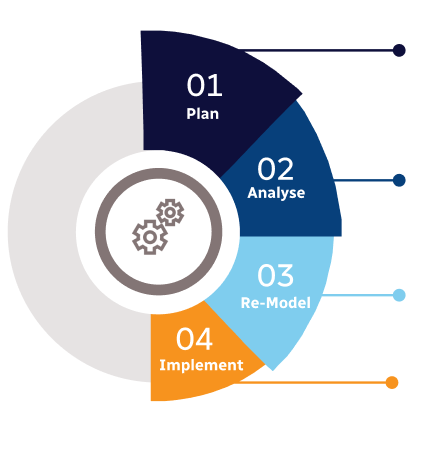
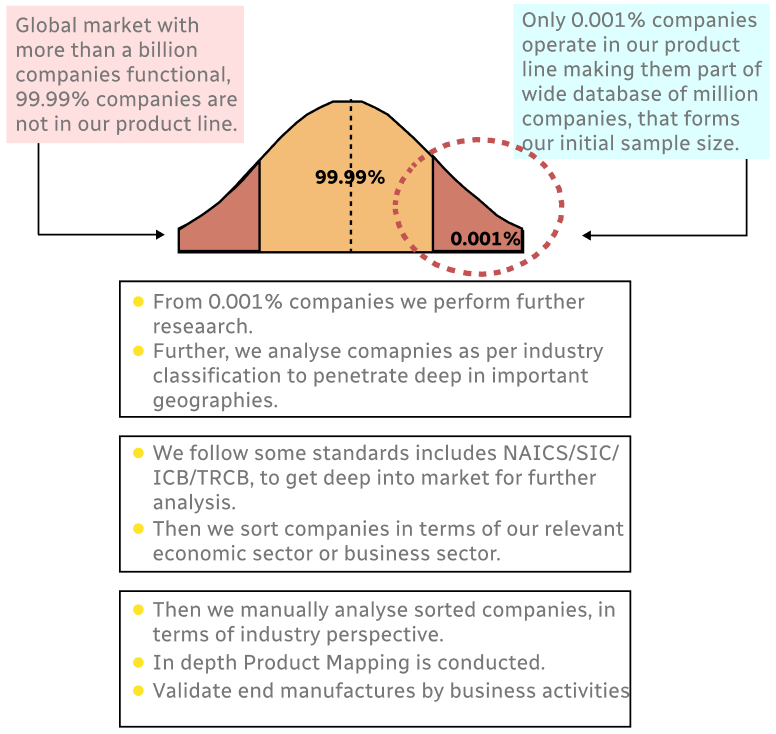
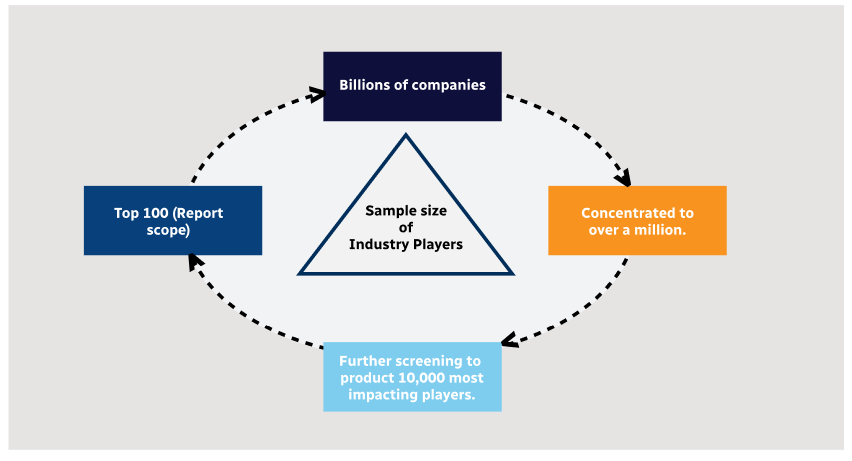
Step 1 - Identification of Relevant Samples Size from Population Database
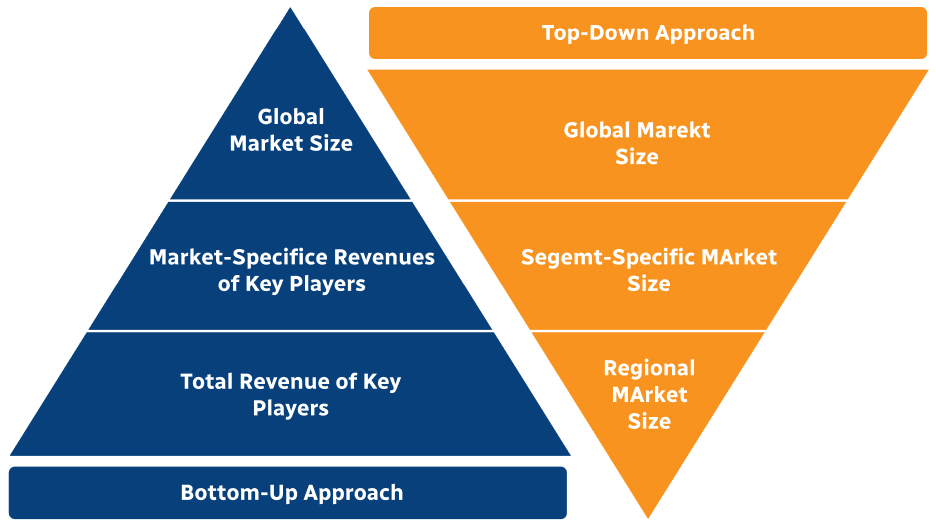
Step 2 - Approaches for Defining Global Market Size (Value, Volume* & Price*)
Note*: In applicable scenarios
Step 3 - Data Sources
Primary Research
- Web Analytics
- Survey Reports
- Research Institute
- Latest Research Reports
- Opinion Leaders
Secondary Research
- Annual Reports
- White Paper
- Latest Press Release
- Industry Association
- Paid Database
- Investor Presentations
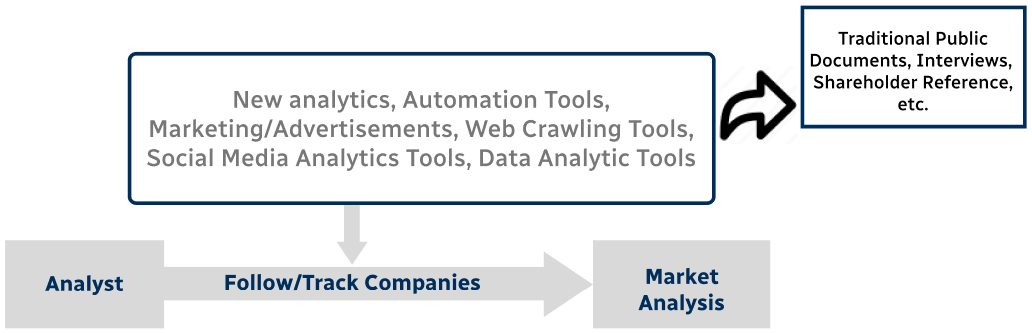
Step 4 - Data Triangulation
Involves using different sources of information in order to increase the validity of a study
These sources are likely to be stakeholders in a program - participants, other researchers, program staff, other community members, and so on.
Then we put all data in single framework & apply various statistical tools to find out the dynamic on the market.
During the analysis stage, feedback from the stakeholder groups would be compared to determine areas of agreement as well as areas of divergence