


Key Insights
The Colored Photoelectric Base Film market is poised for significant expansion, projected to reach a substantial USD 31.1 billion in 2025. This growth is propelled by a compelling Compound Annual Growth Rate (CAGR) of 6.8% throughout the forecast period of 2025-2033. The burgeoning demand from the Consumer Electronics Industry, where these films are integral to advanced display technologies and optical components, is a primary driver. Furthermore, the rapidly growing Photovoltaic (PV) Industry is increasingly incorporating colored photoelectric base films to enhance solar panel efficiency and aesthetics, contributing significantly to market momentum. The Automobile Industry's adoption of these films for internal and external lighting, infotainment systems, and sensor applications also presents a robust growth avenue. Emerging applications in other specialized sectors are expected to further diversify the market landscape, underscoring the versatility and increasing indispensability of colored photoelectric base films.

Colored Photoelectric Base Film Market Size (In Billion)

The market's trajectory is further influenced by key trends such as the continuous innovation in film material science, leading to enhanced optical properties, durability, and cost-effectiveness. The development of specialized films like Red, Green, Blue, Yellow, Purple, Black, and White Photoelectric Base Films caters to a wide array of specific application requirements, from vibrant display colors to improved light absorption and reflection in solar technologies. While the market exhibits strong upward momentum, certain restraints, including the initial high cost of specialized manufacturing processes and the need for consistent raw material sourcing, may present challenges. However, the robust CAGR and diverse application base suggest that these restraints are likely to be mitigated by ongoing technological advancements and economies of scale as the market matures. Industry leaders such as Toray Industries, Inc., Mitsubishi Chemical Corporation, and DuPont Teijin Films are actively investing in research and development to address these challenges and capitalize on the expanding opportunities.

Colored Photoelectric Base Film Company Market Share
Colored Photoelectric Base Film Market Research Report: 2019-2033 Forecast
This comprehensive report offers an in-depth analysis of the global Colored Photoelectric Base Film market, meticulously examining its dynamics, growth trajectories, and future outlook. Covering the historical period of 2019–2024 and projecting trends through 2033 with a base year of 2025, this report provides critical insights for industry stakeholders. With a focus on high-traffic keywords and a detailed breakdown of market segments and key players, this report is optimized for maximum visibility and engagement within the photoelectric industry.
Colored Photoelectric Base Film Market Dynamics & Structure
The Colored Photoelectric Base Film market exhibits a moderately concentrated structure, driven by significant technological innovation in areas such as enhanced light absorption, improved durability, and advanced color uniformity. Key drivers include the burgeoning demand from the Consumer Electronics Industry for vibrant displays in smartphones and televisions, and the rapid expansion of the PV Industry for next-generation solar cells requiring specialized spectral filtering. Regulatory frameworks, particularly those promoting renewable energy adoption and eco-friendly manufacturing processes, play a crucial role in shaping market entry and product development. Competitive product substitutes, though present in the form of less advanced or non-colored films, are increasingly being outpaced by the superior performance and aesthetic appeal offered by colored photoelectric base films. End-user demographics are shifting towards a younger, tech-savvy population demanding higher performance and visually appealing electronic devices. Mergers and acquisitions (M&A) trends are moderate, indicating a stable market with strategic partnerships being more prevalent for technology sharing and market expansion. For instance, M&A deal volumes in the advanced materials sector related to films are estimated to be in the range of 1.5 billion units annually during the historical period. Innovation barriers primarily stem from the high R&D costs associated with developing novel formulations and the stringent quality control required for photoelectric applications.
- Market Concentration: Moderately concentrated with a few key players dominating market share.
- Technological Innovation Drivers: Enhanced light absorption, color uniformity, durability, spectral selectivity.
- Regulatory Frameworks: Growing influence of environmental regulations and renewable energy incentives.
- Competitive Product Substitutes: Conventional non-colored films, alternative display technologies.
- End-User Demographics: Younger, tech-savvy consumers demanding aesthetic appeal and high performance.
- M&A Trends: Moderate M&A activity, with strategic partnerships and joint ventures being more common. Estimated M&A deal volumes in related advanced materials: 1.5 billion units (historical).
Colored Photoelectric Base Film Growth Trends & Insights
The global Colored Photoelectric Base Film market is poised for robust growth, projected to reach an estimated market size of XXX billion units by 2033, with a significant CAGR of xx% during the forecast period (2025–2033). This expansion is fueled by the increasing adoption rates of colored photoelectric base films across diverse applications, particularly within the burgeoning Consumer Electronics Industry and the rapidly evolving PV Industry. Technological disruptions, such as advancements in nanoparticle integration and multi-layer film co-extrusion, are enabling the creation of films with superior optical properties, enhanced energy conversion efficiency, and unprecedented color customization. Consumer behavior shifts are also playing a pivotal role, with a growing preference for visually appealing and high-performance electronic devices, pushing manufacturers to integrate these advanced films. The Automobile Industry is another significant growth avenue, with increasing demand for integrated displays and advanced lighting solutions utilizing colored photoelectric base films. For example, the market penetration of advanced display technologies in consumer electronics is expected to grow from xx% in 2024 to xx% by 2033, directly impacting the demand for these specialized films. The market size evolution from 2019 to an estimated XXX billion units in 2025 showcases a consistent upward trend, indicating strong foundational growth. The adoption rate of these specialized films, which was approximately xx% of the total photoelectric base film market in 2019, is projected to climb to xx% by 2033, underscoring their increasing indispensability.
- Market Size Evolution: Projected to reach XXX billion units by 2033, demonstrating substantial growth from an estimated XXX billion units in 2025.
- Adoption Rates: Increasing penetration across consumer electronics, PV, and automotive sectors. Estimated adoption rate: xx% in 2019 to xx% by 2033.
- Technological Disruptions: Nanoparticle integration, multi-layer co-extrusion, advanced spectral filtering.
- Consumer Behavior Shifts: Demand for aesthetic appeal, high-performance displays, and personalized electronics.
- Market Penetration: Expected to grow from xx% (2024) to xx% (2033) in key application segments.
- CAGR (2025-2033): Estimated at xx%, reflecting a healthy and sustained growth trajectory.
Dominant Regions, Countries, or Segments in Colored Photoelectric Base Film
The Consumer Electronics Industry segment is emerging as the dominant force driving market growth for Colored Photoelectric Base Films, with an estimated market share of xx% in 2025, projected to reach xx% by 2033. This dominance is propelled by Asia-Pacific countries, particularly China, South Korea, and Taiwan, which are global hubs for consumer electronics manufacturing. Key drivers within this segment include the immense demand for smartphones, televisions, and wearable devices that increasingly incorporate vibrant, high-resolution displays requiring precise color filtering and light management. Economic policies in these regions that foster innovation and provide subsidies for high-tech manufacturing further amplify growth. The PV Industry represents the second-largest segment, with an estimated market share of xx% in 2025, driven by global efforts towards renewable energy adoption. Countries with strong solar energy initiatives, such as Germany, the United States, and India, are significant contributors. The development of advanced photovoltaic cells, including heterojunction and perovskite solar cells, necessitates specialized colored photoelectric base films to optimize light absorption and spectral response, thereby enhancing energy conversion efficiency. This segment's growth potential is substantial, projected to reach xx% by 2033. Among the types, Blue Photoelectric Base Film and Green Photovoltaic Base Film are currently leading the market due to their widespread application in display technologies and solar energy capture, respectively. The Automobile Industry is a rapidly growing segment, with its market share projected to increase from xx% in 2025 to xx% by 2033, fueled by the increasing integration of advanced infotainment systems, heads-up displays, and dynamic lighting.
- Dominant Application Segment: Consumer Electronics Industry (estimated market share: xx% in 2025, xx% by 2033).
- Key Drivers: Demand for smartphones, TVs, wearables; vibrant display requirements.
- Regional Dominance: Asia-Pacific (China, South Korea, Taiwan) for manufacturing.
- Economic Policies: Innovation incentives, manufacturing subsidies.
- Second Largest Segment: PV Industry (estimated market share: xx% in 2025, xx% by 2033).
- Key Drivers: Renewable energy mandates, advanced solar cell technology (perovskite, heterojunction).
- Regional Influence: Germany, USA, India due to strong solar initiatives.
- Growth Potential: Substantial, driven by global energy transition.
- Leading Product Types: Blue Photoelectric Base Film, Green Photovoltaic Base Film.
- Rapidly Growing Segment: Automobile Industry (projected market share increase: xx% in 2025 to xx% by 2033).
- Applications: Infotainment systems, HUDs, advanced lighting.
Colored Photoelectric Base Film Product Landscape
The Colored Photoelectric Base Film product landscape is characterized by continuous innovation, with manufacturers focusing on developing films with superior optical clarity, precise color filtration, and enhanced UV resistance for extended product lifecycles. Product innovations include the development of ultra-thin, flexible films for foldable displays and the integration of anti-reflective coatings to minimize light loss. Applications span across a wide spectrum, from improving the aesthetic appeal and performance of smartphone screens and OLED TVs to optimizing the efficiency of solar panels and enabling advanced automotive lighting systems. Performance metrics such as spectral transmittance, color accuracy, and durability are key differentiators. Unique selling propositions often revolve around tailor-made color formulations, high-volume production capabilities, and customized film properties to meet specific end-user requirements. Technological advancements are focused on achieving higher levels of color saturation, improved scratch resistance, and cost-effective manufacturing processes.
- Product Innovations: Ultra-thin flexible films, anti-reflective coatings, advanced color uniformity.
- Applications: Smartphones, OLED TVs, solar panels, automotive lighting, smart windows.
- Performance Metrics: Spectral transmittance, color accuracy, UV resistance, durability.
- Unique Selling Propositions: Tailor-made color formulations, high-volume production, customized properties.
Key Drivers, Barriers & Challenges in Colored Photoelectric Base Film
The Colored Photoelectric Base Film market is primarily propelled by the escalating demand for enhanced visual experiences in consumer electronics, coupled with the global push for renewable energy solutions that necessitates efficient light management in the PV industry. Technological advancements in material science, leading to improved optical properties and cost-effectiveness, also serve as significant drivers. The increasing adoption of electric vehicles with advanced display systems further fuels market growth. The estimated value of these drivers contributing to market expansion is in the range of billions of dollars annually.
However, the market faces substantial challenges, including high initial investment costs for specialized manufacturing equipment and R&D, which can be a barrier to entry for smaller companies. Fluctuations in raw material prices, particularly for specialized polymers and colorants, can impact profitability. Stringent environmental regulations regarding chemical usage and waste disposal, while promoting sustainability, also add to compliance costs. Furthermore, the highly competitive landscape with established players and the constant threat of disruptive technologies require continuous innovation and adaptation. Supply chain disruptions, as experienced globally, can also impede production and delivery schedules.
- Key Drivers:
- Growing demand for advanced displays in consumer electronics.
- Global expansion of the PV industry and renewable energy initiatives.
- Technological advancements in optical materials.
- Increasing adoption of electric vehicles with sophisticated displays.
- Estimated value of drivers: Billions of dollars annually.
- Key Challenges & Restraints:
- High initial investment and R&D costs.
- Volatility in raw material prices.
- Stringent environmental regulations and compliance costs.
- Intense market competition and threat of disruptive technologies.
- Supply chain vulnerabilities and disruptions.
- Estimated impact of challenges on market growth: xx% reduction in potential growth.
Emerging Opportunities in Colored Photoelectric Base Film
Emerging opportunities lie in the development of smart window applications that utilize electrochromic and photoelectric base films to control light and heat transmission, contributing to energy efficiency in buildings. The growing trend of miniaturization in electronics opens avenues for ultra-thin, highly functional colored films in wearable devices and advanced medical equipment. Furthermore, the exploration of novel photonic applications, such as holographic displays and augmented reality interfaces, presents a significant untapped market. The increasing focus on personalized electronics also creates demand for a wider spectrum of customizable colored films with unique aesthetic and functional properties.
- Smart Window Technology: Energy-efficient building solutions.
- Miniaturization Trends: Applications in wearables and medical devices.
- Novel Photonic Applications: Holographic displays, AR interfaces.
- Personalized Electronics: Demand for custom color and functional films.
Growth Accelerators in the Colored Photoelectric Base Film Industry
The long-term growth of the Colored Photoelectric Base Film industry is being significantly accelerated by breakthroughs in material science, particularly in the development of self-healing and biodegradable photoelectric films. Strategic partnerships between raw material suppliers and film manufacturers are streamlining the supply chain and fostering collaborative innovation. Market expansion strategies focused on emerging economies with rapidly growing consumer electronics and renewable energy sectors are also key accelerators. The integration of artificial intelligence in film design and quality control is further enhancing production efficiency and product performance, creating a virtuous cycle of growth and innovation.
- Material Science Breakthroughs: Self-healing, biodegradable films.
- Strategic Partnerships: Collaboration between raw material suppliers and manufacturers.
- Emerging Market Focus: Expansion into high-growth economies.
- AI Integration: Enhanced design, quality control, and production efficiency.
Key Players Shaping the Colored Photoelectric Base Film Market
- Hangzhou Heshun Technology Co.,Ltd.
- Toray Industries,Inc.
- SKC Inc.
- Kolon Industries,Inc.
- Mitsubishi Chemical Corporation
- DuPont Teijin Films
- Coveme S.p.A.
- Nan Ya Plastics Corporation
- Sichuan EM Technology Co.,Ltd.
- Jiangsu Shuangxing Color Plastic New Materials Co.,Ltd.
- Jiangsu Yuxing Film Technology Co.,Ltd.
- Jiangsu Xingye Polytech Co.,Ltd.
- Jiangsu Zhongda New Material Group Co.,Ltd.
- Jiangsu Yiyang New Material Co.,Ltd.
Notable Milestones in Colored Photoelectric Base Film Sector
- 2019: Launch of advanced multi-layer co-extrusion technology enabling thinner and more uniform colored films.
- 2020: Introduction of eco-friendly, bio-based colored photoelectric base films by Toray Industries, Inc., responding to sustainability demands.
- 2021: SKC Inc. announces significant capacity expansion to meet the growing demand from the consumer electronics sector.
- 2022: DuPont Teijin Films develops a new generation of high-transmittance colored films for next-generation solar cells.
- 2023: Hangzhou Heshun Technology Co.,Ltd. patents a novel color-stabilizing additive, enhancing film durability under harsh conditions.
- 2024: Mitsubishi Chemical Corporation partners with a leading display manufacturer to develop customized colored films for premium OLED TVs.
In-Depth Colored Photoelectric Base Film Market Outlook
The future outlook for the Colored Photoelectric Base Film market is exceptionally promising, driven by sustained innovation and expanding applications. Growth accelerators such as advancements in smart materials, strategic alliances across the value chain, and aggressive market penetration into developing economies will continue to fuel expansion. The increasing integration of AI in product development and manufacturing processes will further optimize efficiency and unlock new performance capabilities. The market is poised for continued robust growth, presenting significant strategic opportunities for stakeholders focused on technological leadership and market diversification. The projected market value of XXX billion units by 2033 underscores the sector's immense potential and its integral role in shaping the future of electronics and energy.
Colored Photoelectric Base Film Segmentation
-
1. Application
- 1.1. Consumer Electronics Industry
- 1.2. PV Industry
- 1.3. Automobile Industry
- 1.4. Others
-
2. Types
- 2.1. Red Photoelectric Base Film
- 2.2. Green Photovoltaic Base Film
- 2.3. Blue Photoelectric Base Film
- 2.4. Yellow Photoelectric Base Film
- 2.5. Purple Photoelectric Base Film
- 2.6. Black Photoelectric Base Film
- 2.7. White Photoelectric Base Film
- 2.8. Others
Colored Photoelectric Base Film Segmentation By Geography
-
1. North America
- 1.1. United States
- 1.2. Canada
- 1.3. Mexico
-
2. South America
- 2.1. Brazil
- 2.2. Argentina
- 2.3. Rest of South America
-
3. Europe
- 3.1. United Kingdom
- 3.2. Germany
- 3.3. France
- 3.4. Italy
- 3.5. Spain
- 3.6. Russia
- 3.7. Benelux
- 3.8. Nordics
- 3.9. Rest of Europe
-
4. Middle East & Africa
- 4.1. Turkey
- 4.2. Israel
- 4.3. GCC
- 4.4. North Africa
- 4.5. South Africa
- 4.6. Rest of Middle East & Africa
-
5. Asia Pacific
- 5.1. China
- 5.2. India
- 5.3. Japan
- 5.4. South Korea
- 5.5. ASEAN
- 5.6. Oceania
- 5.7. Rest of Asia Pacific

Colored Photoelectric Base Film Regional Market Share
Geographic Coverage of Colored Photoelectric Base Film
Colored Photoelectric Base Film REPORT HIGHLIGHTS
| Aspects | Details |
|---|---|
| Study Period | 2020-2034 |
| Base Year | 2025 |
| Estimated Year | 2026 |
| Forecast Period | 2026-2034 |
| Historical Period | 2020-2025 |
| Growth Rate | CAGR of 6.8% from 2020-2034 |
| Segmentation |
|
Table of Contents
- 1. Introduction
- 1.1. Research Scope
- 1.2. Market Segmentation
- 1.3. Research Methodology
- 1.4. Definitions and Assumptions
- 2. Executive Summary
- 2.1. Introduction
- 3. Market Dynamics
- 3.1. Introduction
- 3.2. Market Drivers
- 3.3. Market Restrains
- 3.4. Market Trends
- 4. Market Factor Analysis
- 4.1. Porters Five Forces
- 4.2. Supply/Value Chain
- 4.3. PESTEL analysis
- 4.4. Market Entropy
- 4.5. Patent/Trademark Analysis
- 5. Global Colored Photoelectric Base Film Analysis, Insights and Forecast, 2020-2032
- 5.1. Market Analysis, Insights and Forecast - by Application
- 5.1.1. Consumer Electronics Industry
- 5.1.2. PV Industry
- 5.1.3. Automobile Industry
- 5.1.4. Others
- 5.2. Market Analysis, Insights and Forecast - by Types
- 5.2.1. Red Photoelectric Base Film
- 5.2.2. Green Photovoltaic Base Film
- 5.2.3. Blue Photoelectric Base Film
- 5.2.4. Yellow Photoelectric Base Film
- 5.2.5. Purple Photoelectric Base Film
- 5.2.6. Black Photoelectric Base Film
- 5.2.7. White Photoelectric Base Film
- 5.2.8. Others
- 5.3. Market Analysis, Insights and Forecast - by Region
- 5.3.1. North America
- 5.3.2. South America
- 5.3.3. Europe
- 5.3.4. Middle East & Africa
- 5.3.5. Asia Pacific
- 5.1. Market Analysis, Insights and Forecast - by Application
- 6. North America Colored Photoelectric Base Film Analysis, Insights and Forecast, 2020-2032
- 6.1. Market Analysis, Insights and Forecast - by Application
- 6.1.1. Consumer Electronics Industry
- 6.1.2. PV Industry
- 6.1.3. Automobile Industry
- 6.1.4. Others
- 6.2. Market Analysis, Insights and Forecast - by Types
- 6.2.1. Red Photoelectric Base Film
- 6.2.2. Green Photovoltaic Base Film
- 6.2.3. Blue Photoelectric Base Film
- 6.2.4. Yellow Photoelectric Base Film
- 6.2.5. Purple Photoelectric Base Film
- 6.2.6. Black Photoelectric Base Film
- 6.2.7. White Photoelectric Base Film
- 6.2.8. Others
- 6.1. Market Analysis, Insights and Forecast - by Application
- 7. South America Colored Photoelectric Base Film Analysis, Insights and Forecast, 2020-2032
- 7.1. Market Analysis, Insights and Forecast - by Application
- 7.1.1. Consumer Electronics Industry
- 7.1.2. PV Industry
- 7.1.3. Automobile Industry
- 7.1.4. Others
- 7.2. Market Analysis, Insights and Forecast - by Types
- 7.2.1. Red Photoelectric Base Film
- 7.2.2. Green Photovoltaic Base Film
- 7.2.3. Blue Photoelectric Base Film
- 7.2.4. Yellow Photoelectric Base Film
- 7.2.5. Purple Photoelectric Base Film
- 7.2.6. Black Photoelectric Base Film
- 7.2.7. White Photoelectric Base Film
- 7.2.8. Others
- 7.1. Market Analysis, Insights and Forecast - by Application
- 8. Europe Colored Photoelectric Base Film Analysis, Insights and Forecast, 2020-2032
- 8.1. Market Analysis, Insights and Forecast - by Application
- 8.1.1. Consumer Electronics Industry
- 8.1.2. PV Industry
- 8.1.3. Automobile Industry
- 8.1.4. Others
- 8.2. Market Analysis, Insights and Forecast - by Types
- 8.2.1. Red Photoelectric Base Film
- 8.2.2. Green Photovoltaic Base Film
- 8.2.3. Blue Photoelectric Base Film
- 8.2.4. Yellow Photoelectric Base Film
- 8.2.5. Purple Photoelectric Base Film
- 8.2.6. Black Photoelectric Base Film
- 8.2.7. White Photoelectric Base Film
- 8.2.8. Others
- 8.1. Market Analysis, Insights and Forecast - by Application
- 9. Middle East & Africa Colored Photoelectric Base Film Analysis, Insights and Forecast, 2020-2032
- 9.1. Market Analysis, Insights and Forecast - by Application
- 9.1.1. Consumer Electronics Industry
- 9.1.2. PV Industry
- 9.1.3. Automobile Industry
- 9.1.4. Others
- 9.2. Market Analysis, Insights and Forecast - by Types
- 9.2.1. Red Photoelectric Base Film
- 9.2.2. Green Photovoltaic Base Film
- 9.2.3. Blue Photoelectric Base Film
- 9.2.4. Yellow Photoelectric Base Film
- 9.2.5. Purple Photoelectric Base Film
- 9.2.6. Black Photoelectric Base Film
- 9.2.7. White Photoelectric Base Film
- 9.2.8. Others
- 9.1. Market Analysis, Insights and Forecast - by Application
- 10. Asia Pacific Colored Photoelectric Base Film Analysis, Insights and Forecast, 2020-2032
- 10.1. Market Analysis, Insights and Forecast - by Application
- 10.1.1. Consumer Electronics Industry
- 10.1.2. PV Industry
- 10.1.3. Automobile Industry
- 10.1.4. Others
- 10.2. Market Analysis, Insights and Forecast - by Types
- 10.2.1. Red Photoelectric Base Film
- 10.2.2. Green Photovoltaic Base Film
- 10.2.3. Blue Photoelectric Base Film
- 10.2.4. Yellow Photoelectric Base Film
- 10.2.5. Purple Photoelectric Base Film
- 10.2.6. Black Photoelectric Base Film
- 10.2.7. White Photoelectric Base Film
- 10.2.8. Others
- 10.1. Market Analysis, Insights and Forecast - by Application
- 11. Competitive Analysis
- 11.1. Global Market Share Analysis 2025
- 11.2. Company Profiles
- 11.2.1 Hangzhou Heshun Technology Co.
- 11.2.1.1. Overview
- 11.2.1.2. Products
- 11.2.1.3. SWOT Analysis
- 11.2.1.4. Recent Developments
- 11.2.1.5. Financials (Based on Availability)
- 11.2.2 Ltd.
- 11.2.2.1. Overview
- 11.2.2.2. Products
- 11.2.2.3. SWOT Analysis
- 11.2.2.4. Recent Developments
- 11.2.2.5. Financials (Based on Availability)
- 11.2.3 Toray Industries
- 11.2.3.1. Overview
- 11.2.3.2. Products
- 11.2.3.3. SWOT Analysis
- 11.2.3.4. Recent Developments
- 11.2.3.5. Financials (Based on Availability)
- 11.2.4 Inc.
- 11.2.4.1. Overview
- 11.2.4.2. Products
- 11.2.4.3. SWOT Analysis
- 11.2.4.4. Recent Developments
- 11.2.4.5. Financials (Based on Availability)
- 11.2.5 SKC Inc.
- 11.2.5.1. Overview
- 11.2.5.2. Products
- 11.2.5.3. SWOT Analysis
- 11.2.5.4. Recent Developments
- 11.2.5.5. Financials (Based on Availability)
- 11.2.6 Kolon Industries
- 11.2.6.1. Overview
- 11.2.6.2. Products
- 11.2.6.3. SWOT Analysis
- 11.2.6.4. Recent Developments
- 11.2.6.5. Financials (Based on Availability)
- 11.2.7 Inc.
- 11.2.7.1. Overview
- 11.2.7.2. Products
- 11.2.7.3. SWOT Analysis
- 11.2.7.4. Recent Developments
- 11.2.7.5. Financials (Based on Availability)
- 11.2.8 Mitsubishi Chemical Corporation
- 11.2.8.1. Overview
- 11.2.8.2. Products
- 11.2.8.3. SWOT Analysis
- 11.2.8.4. Recent Developments
- 11.2.8.5. Financials (Based on Availability)
- 11.2.9 DuPont Teijin Films
- 11.2.9.1. Overview
- 11.2.9.2. Products
- 11.2.9.3. SWOT Analysis
- 11.2.9.4. Recent Developments
- 11.2.9.5. Financials (Based on Availability)
- 11.2.10 Coveme S.p.A.
- 11.2.10.1. Overview
- 11.2.10.2. Products
- 11.2.10.3. SWOT Analysis
- 11.2.10.4. Recent Developments
- 11.2.10.5. Financials (Based on Availability)
- 11.2.11 Nan Ya Plastics Corporation
- 11.2.11.1. Overview
- 11.2.11.2. Products
- 11.2.11.3. SWOT Analysis
- 11.2.11.4. Recent Developments
- 11.2.11.5. Financials (Based on Availability)
- 11.2.12 Sichuan EM Technology Co.
- 11.2.12.1. Overview
- 11.2.12.2. Products
- 11.2.12.3. SWOT Analysis
- 11.2.12.4. Recent Developments
- 11.2.12.5. Financials (Based on Availability)
- 11.2.13 Ltd.
- 11.2.13.1. Overview
- 11.2.13.2. Products
- 11.2.13.3. SWOT Analysis
- 11.2.13.4. Recent Developments
- 11.2.13.5. Financials (Based on Availability)
- 11.2.14 Jiangsu Shuangxing Color Plastic New Materials Co.
- 11.2.14.1. Overview
- 11.2.14.2. Products
- 11.2.14.3. SWOT Analysis
- 11.2.14.4. Recent Developments
- 11.2.14.5. Financials (Based on Availability)
- 11.2.15 Ltd.
- 11.2.15.1. Overview
- 11.2.15.2. Products
- 11.2.15.3. SWOT Analysis
- 11.2.15.4. Recent Developments
- 11.2.15.5. Financials (Based on Availability)
- 11.2.16 Jiangsu Yuxing Film Technology Co.
- 11.2.16.1. Overview
- 11.2.16.2. Products
- 11.2.16.3. SWOT Analysis
- 11.2.16.4. Recent Developments
- 11.2.16.5. Financials (Based on Availability)
- 11.2.17 Ltd.
- 11.2.17.1. Overview
- 11.2.17.2. Products
- 11.2.17.3. SWOT Analysis
- 11.2.17.4. Recent Developments
- 11.2.17.5. Financials (Based on Availability)
- 11.2.18 Jiangsu Xingye Polytech Co.
- 11.2.18.1. Overview
- 11.2.18.2. Products
- 11.2.18.3. SWOT Analysis
- 11.2.18.4. Recent Developments
- 11.2.18.5. Financials (Based on Availability)
- 11.2.19 Ltd.
- 11.2.19.1. Overview
- 11.2.19.2. Products
- 11.2.19.3. SWOT Analysis
- 11.2.19.4. Recent Developments
- 11.2.19.5. Financials (Based on Availability)
- 11.2.20 Jiangsu Zhongda New Material Group Co.
- 11.2.20.1. Overview
- 11.2.20.2. Products
- 11.2.20.3. SWOT Analysis
- 11.2.20.4. Recent Developments
- 11.2.20.5. Financials (Based on Availability)
- 11.2.21 Ltd.
- 11.2.21.1. Overview
- 11.2.21.2. Products
- 11.2.21.3. SWOT Analysis
- 11.2.21.4. Recent Developments
- 11.2.21.5. Financials (Based on Availability)
- 11.2.22 Jiangsu Yiyang New Material Co.
- 11.2.22.1. Overview
- 11.2.22.2. Products
- 11.2.22.3. SWOT Analysis
- 11.2.22.4. Recent Developments
- 11.2.22.5. Financials (Based on Availability)
- 11.2.23 Ltd.
- 11.2.23.1. Overview
- 11.2.23.2. Products
- 11.2.23.3. SWOT Analysis
- 11.2.23.4. Recent Developments
- 11.2.23.5. Financials (Based on Availability)
- 11.2.1 Hangzhou Heshun Technology Co.
List of Figures
- Figure 1: Global Colored Photoelectric Base Film Revenue Breakdown (undefined, %) by Region 2025 & 2033
- Figure 2: North America Colored Photoelectric Base Film Revenue (undefined), by Application 2025 & 2033
- Figure 3: North America Colored Photoelectric Base Film Revenue Share (%), by Application 2025 & 2033
- Figure 4: North America Colored Photoelectric Base Film Revenue (undefined), by Types 2025 & 2033
- Figure 5: North America Colored Photoelectric Base Film Revenue Share (%), by Types 2025 & 2033
- Figure 6: North America Colored Photoelectric Base Film Revenue (undefined), by Country 2025 & 2033
- Figure 7: North America Colored Photoelectric Base Film Revenue Share (%), by Country 2025 & 2033
- Figure 8: South America Colored Photoelectric Base Film Revenue (undefined), by Application 2025 & 2033
- Figure 9: South America Colored Photoelectric Base Film Revenue Share (%), by Application 2025 & 2033
- Figure 10: South America Colored Photoelectric Base Film Revenue (undefined), by Types 2025 & 2033
- Figure 11: South America Colored Photoelectric Base Film Revenue Share (%), by Types 2025 & 2033
- Figure 12: South America Colored Photoelectric Base Film Revenue (undefined), by Country 2025 & 2033
- Figure 13: South America Colored Photoelectric Base Film Revenue Share (%), by Country 2025 & 2033
- Figure 14: Europe Colored Photoelectric Base Film Revenue (undefined), by Application 2025 & 2033
- Figure 15: Europe Colored Photoelectric Base Film Revenue Share (%), by Application 2025 & 2033
- Figure 16: Europe Colored Photoelectric Base Film Revenue (undefined), by Types 2025 & 2033
- Figure 17: Europe Colored Photoelectric Base Film Revenue Share (%), by Types 2025 & 2033
- Figure 18: Europe Colored Photoelectric Base Film Revenue (undefined), by Country 2025 & 2033
- Figure 19: Europe Colored Photoelectric Base Film Revenue Share (%), by Country 2025 & 2033
- Figure 20: Middle East & Africa Colored Photoelectric Base Film Revenue (undefined), by Application 2025 & 2033
- Figure 21: Middle East & Africa Colored Photoelectric Base Film Revenue Share (%), by Application 2025 & 2033
- Figure 22: Middle East & Africa Colored Photoelectric Base Film Revenue (undefined), by Types 2025 & 2033
- Figure 23: Middle East & Africa Colored Photoelectric Base Film Revenue Share (%), by Types 2025 & 2033
- Figure 24: Middle East & Africa Colored Photoelectric Base Film Revenue (undefined), by Country 2025 & 2033
- Figure 25: Middle East & Africa Colored Photoelectric Base Film Revenue Share (%), by Country 2025 & 2033
- Figure 26: Asia Pacific Colored Photoelectric Base Film Revenue (undefined), by Application 2025 & 2033
- Figure 27: Asia Pacific Colored Photoelectric Base Film Revenue Share (%), by Application 2025 & 2033
- Figure 28: Asia Pacific Colored Photoelectric Base Film Revenue (undefined), by Types 2025 & 2033
- Figure 29: Asia Pacific Colored Photoelectric Base Film Revenue Share (%), by Types 2025 & 2033
- Figure 30: Asia Pacific Colored Photoelectric Base Film Revenue (undefined), by Country 2025 & 2033
- Figure 31: Asia Pacific Colored Photoelectric Base Film Revenue Share (%), by Country 2025 & 2033
List of Tables
- Table 1: Global Colored Photoelectric Base Film Revenue undefined Forecast, by Application 2020 & 2033
- Table 2: Global Colored Photoelectric Base Film Revenue undefined Forecast, by Types 2020 & 2033
- Table 3: Global Colored Photoelectric Base Film Revenue undefined Forecast, by Region 2020 & 2033
- Table 4: Global Colored Photoelectric Base Film Revenue undefined Forecast, by Application 2020 & 2033
- Table 5: Global Colored Photoelectric Base Film Revenue undefined Forecast, by Types 2020 & 2033
- Table 6: Global Colored Photoelectric Base Film Revenue undefined Forecast, by Country 2020 & 2033
- Table 7: United States Colored Photoelectric Base Film Revenue (undefined) Forecast, by Application 2020 & 2033
- Table 8: Canada Colored Photoelectric Base Film Revenue (undefined) Forecast, by Application 2020 & 2033
- Table 9: Mexico Colored Photoelectric Base Film Revenue (undefined) Forecast, by Application 2020 & 2033
- Table 10: Global Colored Photoelectric Base Film Revenue undefined Forecast, by Application 2020 & 2033
- Table 11: Global Colored Photoelectric Base Film Revenue undefined Forecast, by Types 2020 & 2033
- Table 12: Global Colored Photoelectric Base Film Revenue undefined Forecast, by Country 2020 & 2033
- Table 13: Brazil Colored Photoelectric Base Film Revenue (undefined) Forecast, by Application 2020 & 2033
- Table 14: Argentina Colored Photoelectric Base Film Revenue (undefined) Forecast, by Application 2020 & 2033
- Table 15: Rest of South America Colored Photoelectric Base Film Revenue (undefined) Forecast, by Application 2020 & 2033
- Table 16: Global Colored Photoelectric Base Film Revenue undefined Forecast, by Application 2020 & 2033
- Table 17: Global Colored Photoelectric Base Film Revenue undefined Forecast, by Types 2020 & 2033
- Table 18: Global Colored Photoelectric Base Film Revenue undefined Forecast, by Country 2020 & 2033
- Table 19: United Kingdom Colored Photoelectric Base Film Revenue (undefined) Forecast, by Application 2020 & 2033
- Table 20: Germany Colored Photoelectric Base Film Revenue (undefined) Forecast, by Application 2020 & 2033
- Table 21: France Colored Photoelectric Base Film Revenue (undefined) Forecast, by Application 2020 & 2033
- Table 22: Italy Colored Photoelectric Base Film Revenue (undefined) Forecast, by Application 2020 & 2033
- Table 23: Spain Colored Photoelectric Base Film Revenue (undefined) Forecast, by Application 2020 & 2033
- Table 24: Russia Colored Photoelectric Base Film Revenue (undefined) Forecast, by Application 2020 & 2033
- Table 25: Benelux Colored Photoelectric Base Film Revenue (undefined) Forecast, by Application 2020 & 2033
- Table 26: Nordics Colored Photoelectric Base Film Revenue (undefined) Forecast, by Application 2020 & 2033
- Table 27: Rest of Europe Colored Photoelectric Base Film Revenue (undefined) Forecast, by Application 2020 & 2033
- Table 28: Global Colored Photoelectric Base Film Revenue undefined Forecast, by Application 2020 & 2033
- Table 29: Global Colored Photoelectric Base Film Revenue undefined Forecast, by Types 2020 & 2033
- Table 30: Global Colored Photoelectric Base Film Revenue undefined Forecast, by Country 2020 & 2033
- Table 31: Turkey Colored Photoelectric Base Film Revenue (undefined) Forecast, by Application 2020 & 2033
- Table 32: Israel Colored Photoelectric Base Film Revenue (undefined) Forecast, by Application 2020 & 2033
- Table 33: GCC Colored Photoelectric Base Film Revenue (undefined) Forecast, by Application 2020 & 2033
- Table 34: North Africa Colored Photoelectric Base Film Revenue (undefined) Forecast, by Application 2020 & 2033
- Table 35: South Africa Colored Photoelectric Base Film Revenue (undefined) Forecast, by Application 2020 & 2033
- Table 36: Rest of Middle East & Africa Colored Photoelectric Base Film Revenue (undefined) Forecast, by Application 2020 & 2033
- Table 37: Global Colored Photoelectric Base Film Revenue undefined Forecast, by Application 2020 & 2033
- Table 38: Global Colored Photoelectric Base Film Revenue undefined Forecast, by Types 2020 & 2033
- Table 39: Global Colored Photoelectric Base Film Revenue undefined Forecast, by Country 2020 & 2033
- Table 40: China Colored Photoelectric Base Film Revenue (undefined) Forecast, by Application 2020 & 2033
- Table 41: India Colored Photoelectric Base Film Revenue (undefined) Forecast, by Application 2020 & 2033
- Table 42: Japan Colored Photoelectric Base Film Revenue (undefined) Forecast, by Application 2020 & 2033
- Table 43: South Korea Colored Photoelectric Base Film Revenue (undefined) Forecast, by Application 2020 & 2033
- Table 44: ASEAN Colored Photoelectric Base Film Revenue (undefined) Forecast, by Application 2020 & 2033
- Table 45: Oceania Colored Photoelectric Base Film Revenue (undefined) Forecast, by Application 2020 & 2033
- Table 46: Rest of Asia Pacific Colored Photoelectric Base Film Revenue (undefined) Forecast, by Application 2020 & 2033
Frequently Asked Questions
1. What is the projected Compound Annual Growth Rate (CAGR) of the Colored Photoelectric Base Film?
The projected CAGR is approximately 6.8%.
2. Which companies are prominent players in the Colored Photoelectric Base Film?
Key companies in the market include Hangzhou Heshun Technology Co., Ltd., Toray Industries, Inc., SKC Inc., Kolon Industries, Inc., Mitsubishi Chemical Corporation, DuPont Teijin Films, Coveme S.p.A., Nan Ya Plastics Corporation, Sichuan EM Technology Co., Ltd., Jiangsu Shuangxing Color Plastic New Materials Co., Ltd., Jiangsu Yuxing Film Technology Co., Ltd., Jiangsu Xingye Polytech Co., Ltd., Jiangsu Zhongda New Material Group Co., Ltd., Jiangsu Yiyang New Material Co., Ltd..
3. What are the main segments of the Colored Photoelectric Base Film?
The market segments include Application, Types.
4. Can you provide details about the market size?
The market size is estimated to be USD XXX N/A as of 2022.
5. What are some drivers contributing to market growth?
N/A
6. What are the notable trends driving market growth?
N/A
7. Are there any restraints impacting market growth?
N/A
8. Can you provide examples of recent developments in the market?
N/A
9. What pricing options are available for accessing the report?
Pricing options include single-user, multi-user, and enterprise licenses priced at USD 2900.00, USD 4350.00, and USD 5800.00 respectively.
10. Is the market size provided in terms of value or volume?
The market size is provided in terms of value, measured in N/A.
11. Are there any specific market keywords associated with the report?
Yes, the market keyword associated with the report is "Colored Photoelectric Base Film," which aids in identifying and referencing the specific market segment covered.
12. How do I determine which pricing option suits my needs best?
The pricing options vary based on user requirements and access needs. Individual users may opt for single-user licenses, while businesses requiring broader access may choose multi-user or enterprise licenses for cost-effective access to the report.
13. Are there any additional resources or data provided in the Colored Photoelectric Base Film report?
While the report offers comprehensive insights, it's advisable to review the specific contents or supplementary materials provided to ascertain if additional resources or data are available.
14. How can I stay updated on further developments or reports in the Colored Photoelectric Base Film?
To stay informed about further developments, trends, and reports in the Colored Photoelectric Base Film, consider subscribing to industry newsletters, following relevant companies and organizations, or regularly checking reputable industry news sources and publications.
Methodology
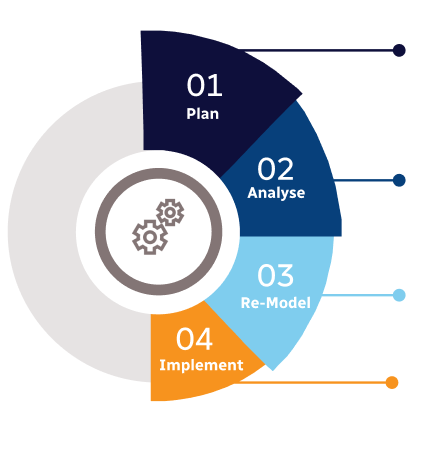
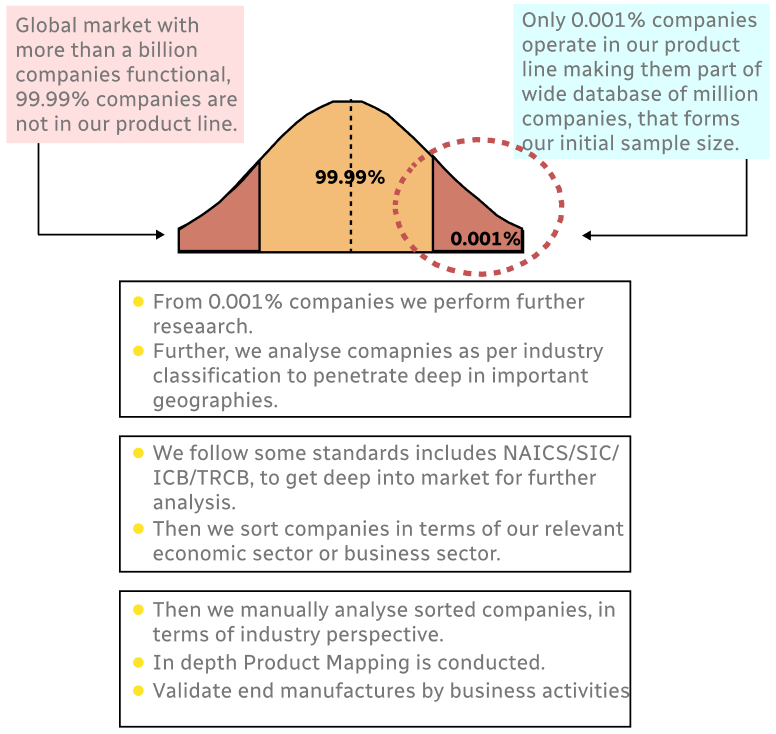
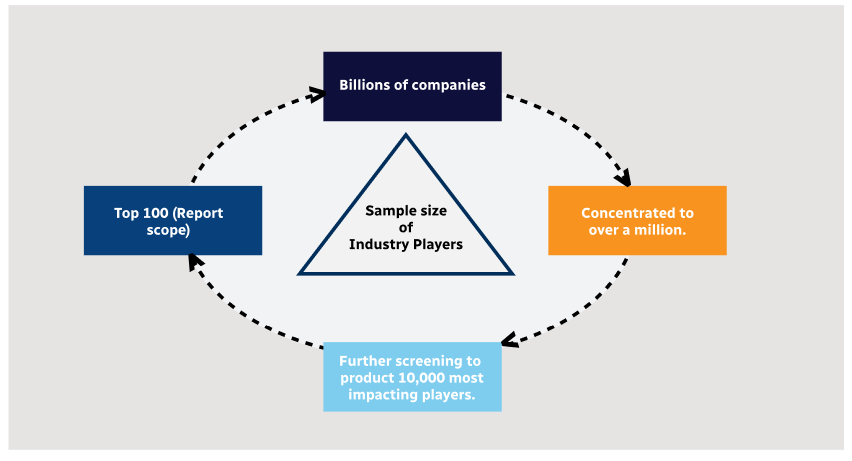
Step 1 - Identification of Relevant Samples Size from Population Database
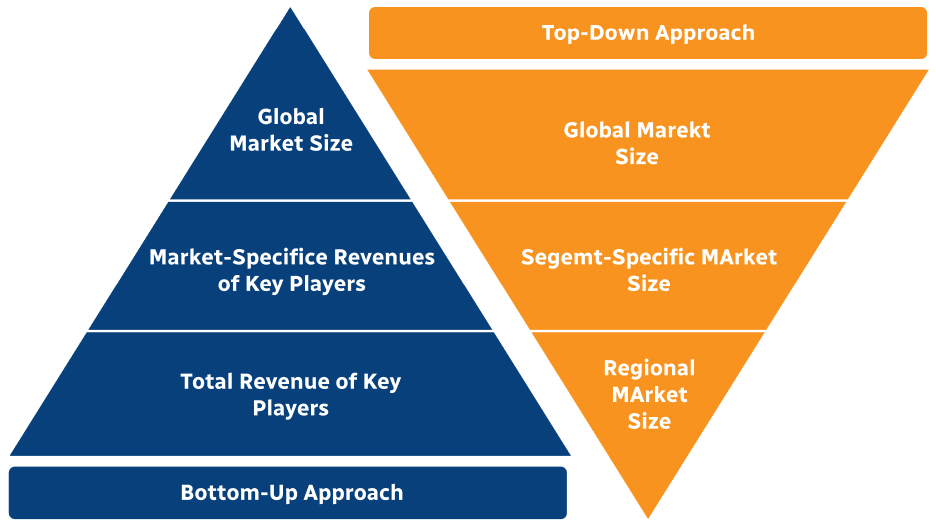
Step 2 - Approaches for Defining Global Market Size (Value, Volume* & Price*)
Note*: In applicable scenarios
Step 3 - Data Sources
Primary Research
- Web Analytics
- Survey Reports
- Research Institute
- Latest Research Reports
- Opinion Leaders
Secondary Research
- Annual Reports
- White Paper
- Latest Press Release
- Industry Association
- Paid Database
- Investor Presentations
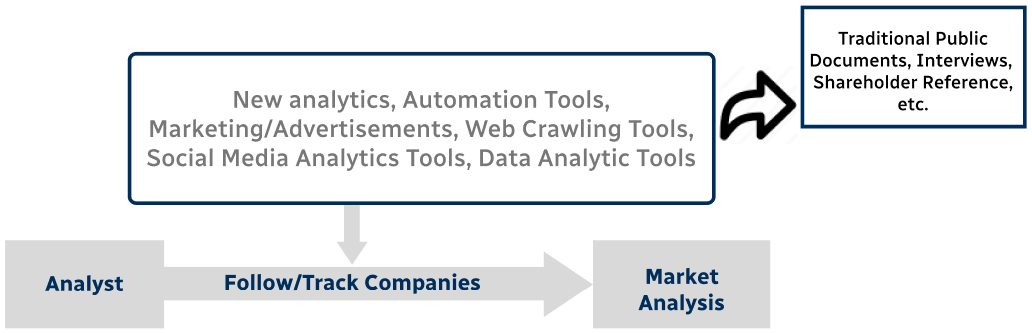
Step 4 - Data Triangulation
Involves using different sources of information in order to increase the validity of a study
These sources are likely to be stakeholders in a program - participants, other researchers, program staff, other community members, and so on.
Then we put all data in single framework & apply various statistical tools to find out the dynamic on the market.
During the analysis stage, feedback from the stakeholder groups would be compared to determine areas of agreement as well as areas of divergence