


Key Insights
The global Charter Flight Cargo market is poised for significant expansion, with an estimated market size of $20,000 million in 2025, projected to grow at a Compound Annual Growth Rate (CAGR) of 7.5% through 2033. This robust growth is fueled by an increasing demand for flexible, rapid, and specialized air cargo solutions. Key drivers include the e-commerce boom, necessitating swift delivery of goods, and the growing need for transporting high-value, perishable, or time-sensitive items. The sector's ability to overcome limitations of scheduled cargo, such as fixed routes and less frequent departures, makes it an indispensable component of global supply chains. Innovations in aircraft technology and improved logistics management further bolster its appeal. The market is segmented into Private Use and Commercial Use, with Commercial Use dominating due to increased industrial and international trade activities.
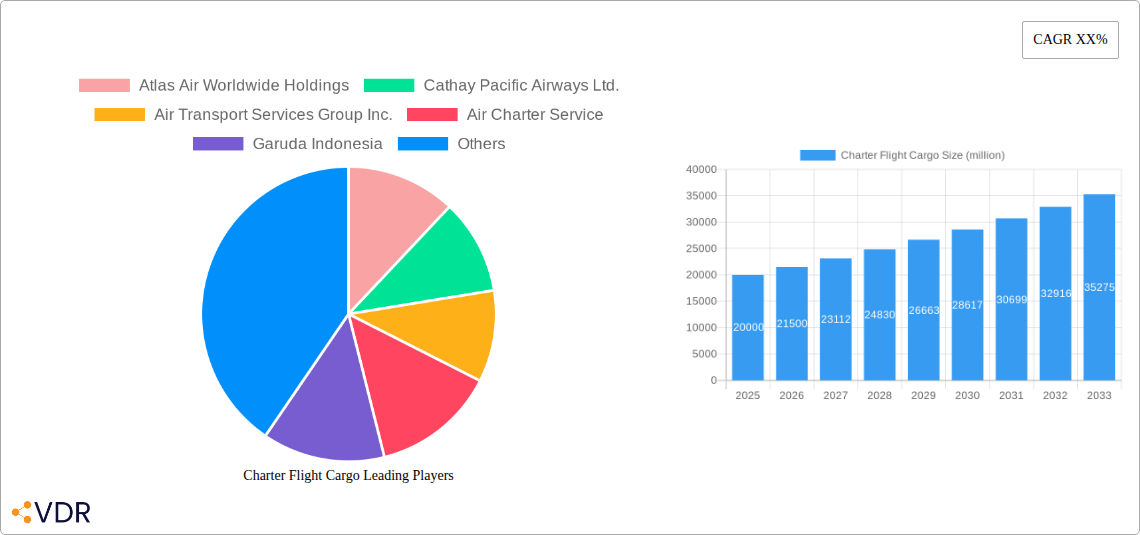
Charter Flight Cargo Market Size (In Billion)

The Charter Flight Cargo market is witnessing dynamic trends, including a surge in demand for specialized cargo services like dangerous goods and animal transportation, requiring stringent safety protocols and expert handling. The "Other" category is also expanding, likely encompassing oversized machinery, project cargo, and urgent medical supplies, highlighting the market's adaptability. Geographically, the Asia Pacific region is emerging as a powerhouse, driven by rapid industrialization and expanding trade networks in countries like China and India. North America and Europe remain dominant with established infrastructure and high demand for premium cargo services. Restraints, such as high operational costs and potential regulatory hurdles, are being mitigated by technological advancements and strategic partnerships among key players like Atlas Air Worldwide Holdings, Cathay Pacific Airways Ltd., and Air Charter Service. These companies are actively investing in fleet modernization and expanding their service portfolios to cater to evolving market needs.
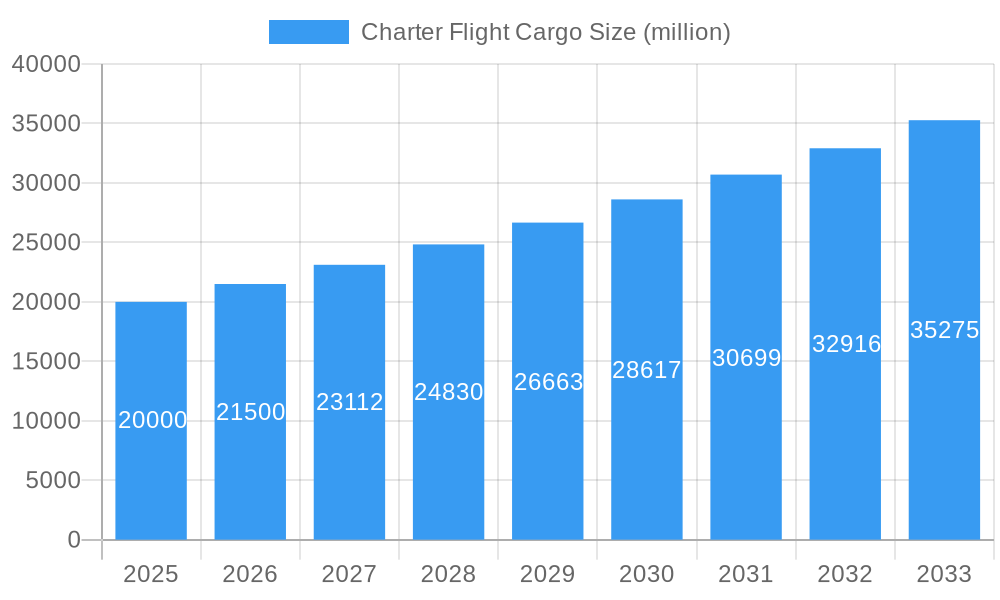
Charter Flight Cargo Company Market Share
Charter Flight Cargo Market Dynamics & Structure
The global charter flight cargo market is characterized by a dynamic and evolving landscape, driven by specialized logistical needs and the increasing demand for flexible and expedited air freight solutions. Market concentration is moderate, with a blend of large, established air cargo operators and agile charter service providers vying for market share. Technological innovation, particularly in real-time tracking, advanced fleet management software, and specialized aircraft configurations, is a significant driver, enhancing efficiency and safety. Regulatory frameworks, encompassing international aviation standards and specific cargo handling protocols (e.g., for dangerous goods or live animals), play a crucial role in market access and operational compliance. Competitive product substitutes, such as less-than-truckload (LTL) shipping and dedicated freighter services by scheduled airlines, offer alternative solutions, though charter flights often provide unparalleled speed and direct routing. End-user demographics span a broad spectrum, from multinational corporations requiring urgent supply chain solutions to high-net-worth individuals needing secure transport for high-value assets. Mergers and acquisitions (M&A) trends are evident as companies seek to expand their global reach, diversify their service offerings, and achieve economies of scale. For instance, the Air Freight segment has seen consolidation as larger players acquire niche charter operators to bolster their specialized cargo capabilities.
- Market Concentration: Moderate, with a mix of large-scale operators and specialized providers.
- Technological Innovation Drivers: Real-time tracking, fleet management software, specialized aircraft.
- Regulatory Frameworks: International aviation standards, specific cargo handling protocols (e.g., IATA DGR, live animal regulations).
- Competitive Product Substitutes: LTL shipping, scheduled freighter services, sea freight for non-urgent shipments.
- End-User Demographics: Multinational corporations, event organizers, governments, individuals with specialized transport needs.
- M&A Trends: Acquisitions to enhance global networks, expand service portfolios, and achieve synergy.
Charter Flight Cargo Growth Trends & Insights
The global charter flight cargo market is projected to experience robust growth, driven by its inherent flexibility and ability to cater to time-sensitive and specialized logistical demands. The study period of 2019–2033, with a base year of 2025, forecasts a substantial expansion in market size. Following a historical period from 2019–2024, which witnessed fluctuations due to global events but also highlighted the resilience of on-demand air cargo solutions, the market is anticipated to accelerate during the forecast period of 2025–2033. Adoption rates for charter cargo services are steadily increasing across various industries as businesses prioritize supply chain agility and minimize disruptions. Technological advancements are playing a pivotal role, with the integration of AI-powered route optimization, predictive maintenance for aircraft, and enhanced cargo screening technologies improving operational efficiency and reliability. Consumer behavior shifts are also contributing to growth; the e-commerce boom has necessitated faster delivery of high-value or perishable goods, often requiring specialized charter solutions. Furthermore, the growing complexity of global supply chains, coupled with geopolitical uncertainties, has amplified the need for adaptable and secure air transport. The CAGR (Compound Annual Growth Rate) is expected to be significant, reflecting the market's premium positioning for critical cargo movements. Market penetration is expanding beyond traditional sectors into niche areas like medical supplies, automotive parts, and oversized industrial equipment. Disruptions in scheduled air freight capacity, whether due to economic downturns or global health crises, invariably lead to increased demand for charter flight cargo as a dependable alternative. The parent market, encompassing overall air freight, provides a broad context, while the charter segment represents a high-value, specialized niche within it. The market's ability to offer tailored solutions for applications like private use (e.g., executive travel with cargo) and commercial use (e.g., B2B logistics) further solidifies its growth trajectory.
Dominant Regions, Countries, or Segments in Charter Flight Cargo
The global charter flight cargo market is significantly influenced by economic powerhouse regions and specific application segments that demand high-value, time-critical, or specialized transportation. Commercial Use stands out as the dominant application segment, driven by the insatiable demand for efficient business-to-business logistics, global supply chain resilience, and the urgent movement of goods across continents. This segment encompasses a vast array of industries, from manufacturing and technology to pharmaceuticals and perishables, all of which rely on charter flights for their unique logistical challenges. Within the Types of cargo, Heavy and Outsize Cargo represents a key growth driver. The increasing complexity of industrial projects, the need for transporting large-scale machinery, and the development of new energy infrastructure often necessitate aircraft with specialized cargo holds and heavy-lift capabilities that only charter operations can reliably provide. The parent market for air freight in regions like North America and Europe fuels this demand, offering a robust infrastructure and a concentrated base of businesses requiring such services.
Dominant Application Segment: Commercial Use.
- Key Drivers: Global supply chain optimization, e-commerce fulfillment, time-sensitive business needs, just-in-time manufacturing.
- Market Share & Growth Potential: Holds the largest market share due to the sheer volume of commercial goods moved globally. High growth potential driven by continued globalization and the need for agile logistics.
- Economic Policies: Favorable trade agreements and business-friendly environments in key regions encourage international trade and thus demand for charter cargo.
- Infrastructure: Presence of major international airports and cargo hubs in North America, Europe, and Asia-Pacific facilitates widespread commercial charter operations.
Dominant Cargo Type: Heavy and Outsize Cargo.
- Key Drivers: Industrial project logistics, energy sector (oil & gas, renewables), aerospace manufacturing, oversized equipment transport.
- Market Share & Growth Potential: Represents a significant and growing segment, albeit smaller in volume than general commercial cargo. High growth potential due to large-scale infrastructure projects and specialized industrial demands.
- Technological Advancements: Development of specialized cargo aircraft and handling equipment enables the transport of increasingly large and heavy items.
- Infrastructure: Requires specialized airport facilities and ground support equipment capable of handling oversized loads.
Leading Regions: North America and Europe.
- Dominance Factors: Mature economies, strong industrial bases, high concentration of multinational corporations, advanced logistics networks, and established charter service providers.
- Growth Potential: Continued demand from established industries and emerging technological sectors.
- Regulatory Environment: Relatively stable and predictable regulatory frameworks for aviation and cargo.
Charter Flight Cargo Product Landscape
The charter flight cargo product landscape is defined by its specialized nature, offering bespoke solutions for unique logistical challenges. Innovations focus on enhancing aircraft efficiency, cargo security, and the ability to handle diverse cargo types. This includes the development of freighters with flexible configurations, advanced temperature-controlled units for sensitive payloads, and specialized equipment for Heavy and Outsize Cargo and Dangerous Cargo. Performance metrics are paramount, emphasizing on-time delivery, flight safety, and the integrity of the transported goods. Unique selling propositions lie in the direct routing, reduced transit times, and the ability to access remote or less-served destinations, providing a competitive edge for businesses relying on expedited or specialized shipments. Technological advancements are continuously improving route planning, fuel efficiency, and real-time cargo monitoring.
Key Drivers, Barriers & Challenges in Charter Flight Cargo
Key Drivers:
- Time-Sensitivity: The paramount need for expedited delivery for critical components, perishable goods, and time-bound projects.
- Flexibility & Customization: Ability to adapt to specific cargo dimensions, weight, and handling requirements, offering tailored flight schedules and routes.
- Global Reach: Access to remote locations or areas with limited scheduled air cargo infrastructure.
- Supply Chain Resilience: Providing an alternative during disruptions to traditional shipping methods.
- High-Value Cargo Security: Offering secure and direct transport for valuable assets.
Key Barriers & Challenges:
- High Cost: Charter flights are inherently more expensive than scheduled freight, limiting their use to high-priority or high-value shipments.
- Aircraft Availability & Lead Times: Access to suitable aircraft, especially for specialized cargo, can be subject to availability and require significant advance booking.
- Regulatory Compliance: Stringent regulations for transporting Dangerous Cargo, live animals, and certain types of materials can add complexity and cost.
- Fuel Price Volatility: Fluctuations in fuel prices directly impact operational costs and the overall price of charter services.
- Economic Downturns: Reduced global trade and business activity can lead to a decrease in overall demand for air cargo services.
- Infrastructure Limitations: Availability of suitable airports and ground handling facilities for Heavy and Outsize Cargo can be a constraint in certain regions.
Emerging Opportunities in Charter Flight Cargo
Emerging opportunities in the charter flight cargo industry are driven by technological advancements, evolving global trade patterns, and the increasing demand for specialized logistical solutions. The growth of niche e-commerce sectors requiring rapid delivery of high-value or perishable goods presents untapped markets. Innovations in sustainable aviation fuels and more fuel-efficient aircraft offer opportunities to address environmental concerns and attract environmentally conscious clients. The burgeoning space exploration industry and the need for transporting sensitive satellite components represent a significant new frontier. Furthermore, the increasing frequency of global events and humanitarian crises necessitates agile and rapid deployment of medical supplies, equipment, and personnel, a role that charter cargo is uniquely positioned to fulfill. The expansion of the medical tourism sector also creates opportunities for specialized transport of equipment and pharmaceuticals.
Growth Accelerators in the Charter Flight Cargo Industry
Several catalysts are accelerating long-term growth in the charter flight cargo industry. Technological breakthroughs in AI-powered logistics management and predictive analytics are optimizing flight planning, reducing operational costs, and enhancing customer experience. Strategic partnerships between charter operators, freight forwarders like Shiprocket and Kerryindev Logistics, and logistics giants such as Schenker International (H.K.), Nippon Express, and SINO Shipping are expanding global networks and service offerings. The increasing demand for specialized cargo, including Animal Transportation and Dangerous Cargo, necessitates investment in dedicated fleets and advanced handling capabilities, acting as a growth accelerator. Furthermore, market expansion into emerging economies with developing logistics infrastructure provides significant growth potential, as businesses in these regions increasingly seek efficient and reliable air freight solutions for their expanding trade activities. The integration of digital platforms for seamless booking and tracking is also enhancing accessibility and customer engagement.
Key Players Shaping the Charter Flight Cargo Market
- Atlas Air Worldwide Holdings
- Cathay Pacific Airways Ltd.
- Air Transport Services Group Inc.
- Air Charter Service
- Garuda Indonesia
- Rhenus Group
- Air Partner
- ACC Aviation
- Chapman Freeborn
- Air Freight
- Jet edge International
- Thai Airways International Public Co.,Ltd.
- Cargo Air Chartering
- C R V Air Services
- AFM Logistics Pvt Ltd
- Shiprocket
- Kerryindev Logistics
- Schenker International (H.K.)
- Japan Airlines Co Ltd
- Nippon Express
- JHJ International Transportation Co Ltd
- SINO Shipping
- PDS International Pvt Ltd
- Air China Cargo Co Ltd
- SNCF Voyageurs
- Air France-KLM Group
- DPDgroup
- Air France
Notable Milestones in Charter Flight Cargo Sector
- 2019: Increased focus on specialized cargo handling for sensitive pharmaceuticals and medical equipment.
- 2020: Surge in demand for charter flights to transport PPE and medical supplies globally due to the pandemic.
- 2021: Introduction of advanced real-time tracking and monitoring technologies for improved cargo visibility.
- 2022: Growing adoption of eco-friendlier practices and exploration of sustainable aviation fuels.
- 2023: Expansion of charter services to support emerging markets and critical infrastructure projects.
- 2024: Integration of AI and machine learning for route optimization and predictive maintenance in charter operations.
In-Depth Charter Flight Cargo Market Outlook
The in-depth charter flight cargo market outlook points towards sustained and accelerated growth, driven by a confluence of strategic imperatives and evolving industry dynamics. Growth accelerators such as technological innovation in fleet management, enhanced cargo security, and digital booking platforms are making charter services more accessible and efficient. Strategic partnerships among key players like Air Partner and ACC Aviation with global logistics providers are expanding reach and service portfolios. The persistent demand for agility in global supply chains, particularly for Heavy and Outsize Cargo and time-critical shipments, ensures a strong market base. Emerging opportunities in niche sectors, coupled with the increasing global focus on supply chain resilience, position the charter flight cargo industry for significant future potential, promising lucrative strategic opportunities for market participants.
Charter Flight Cargo Segmentation
-
1. Application
- 1.1. Private Use
- 1.2. Commercial Use
-
2. Types
- 2.1. Heavy And Outsize Cargo
- 2.2. Dangerous Cargo
- 2.3. Animal Transportation
- 2.4. Other
Charter Flight Cargo Segmentation By Geography
-
1. North America
- 1.1. United States
- 1.2. Canada
- 1.3. Mexico
-
2. South America
- 2.1. Brazil
- 2.2. Argentina
- 2.3. Rest of South America
-
3. Europe
- 3.1. United Kingdom
- 3.2. Germany
- 3.3. France
- 3.4. Italy
- 3.5. Spain
- 3.6. Russia
- 3.7. Benelux
- 3.8. Nordics
- 3.9. Rest of Europe
-
4. Middle East & Africa
- 4.1. Turkey
- 4.2. Israel
- 4.3. GCC
- 4.4. North Africa
- 4.5. South Africa
- 4.6. Rest of Middle East & Africa
-
5. Asia Pacific
- 5.1. China
- 5.2. India
- 5.3. Japan
- 5.4. South Korea
- 5.5. ASEAN
- 5.6. Oceania
- 5.7. Rest of Asia Pacific
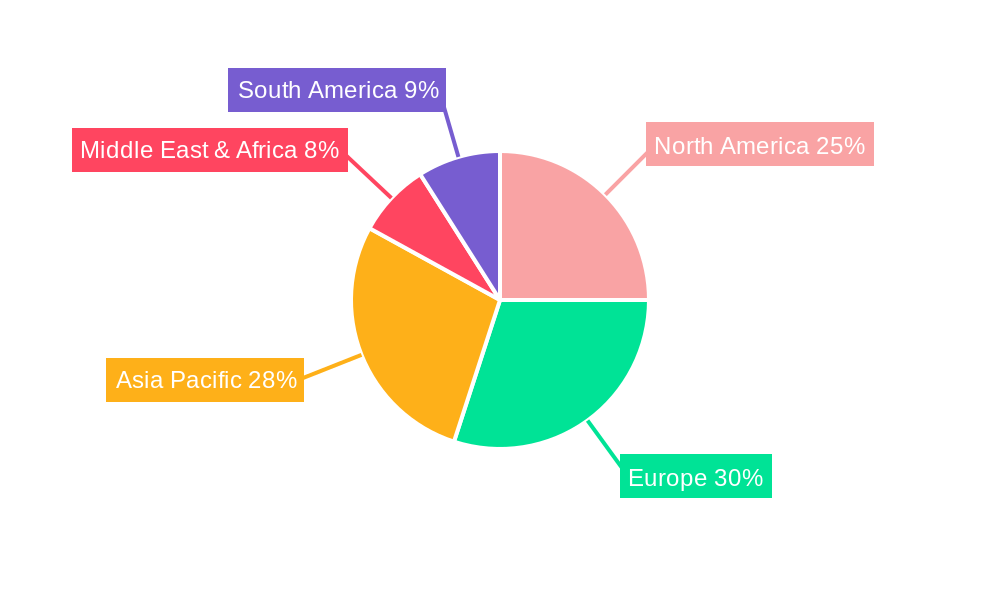
Charter Flight Cargo Regional Market Share
Geographic Coverage of Charter Flight Cargo
Charter Flight Cargo REPORT HIGHLIGHTS
| Aspects | Details |
|---|---|
| Study Period | 2020-2034 |
| Base Year | 2025 |
| Estimated Year | 2026 |
| Forecast Period | 2026-2034 |
| Historical Period | 2020-2025 |
| Growth Rate | CAGR of XX% from 2020-2034 |
| Segmentation |
|
Table of Contents
- 1. Introduction
- 1.1. Research Scope
- 1.2. Market Segmentation
- 1.3. Research Methodology
- 1.4. Definitions and Assumptions
- 2. Executive Summary
- 2.1. Introduction
- 3. Market Dynamics
- 3.1. Introduction
- 3.2. Market Drivers
- 3.3. Market Restrains
- 3.4. Market Trends
- 4. Market Factor Analysis
- 4.1. Porters Five Forces
- 4.2. Supply/Value Chain
- 4.3. PESTEL analysis
- 4.4. Market Entropy
- 4.5. Patent/Trademark Analysis
- 5. Global Charter Flight Cargo Analysis, Insights and Forecast, 2020-2032
- 5.1. Market Analysis, Insights and Forecast - by Application
- 5.1.1. Private Use
- 5.1.2. Commercial Use
- 5.2. Market Analysis, Insights and Forecast - by Types
- 5.2.1. Heavy And Outsize Cargo
- 5.2.2. Dangerous Cargo
- 5.2.3. Animal Transportation
- 5.2.4. Other
- 5.3. Market Analysis, Insights and Forecast - by Region
- 5.3.1. North America
- 5.3.2. South America
- 5.3.3. Europe
- 5.3.4. Middle East & Africa
- 5.3.5. Asia Pacific
- 5.1. Market Analysis, Insights and Forecast - by Application
- 6. North America Charter Flight Cargo Analysis, Insights and Forecast, 2020-2032
- 6.1. Market Analysis, Insights and Forecast - by Application
- 6.1.1. Private Use
- 6.1.2. Commercial Use
- 6.2. Market Analysis, Insights and Forecast - by Types
- 6.2.1. Heavy And Outsize Cargo
- 6.2.2. Dangerous Cargo
- 6.2.3. Animal Transportation
- 6.2.4. Other
- 6.1. Market Analysis, Insights and Forecast - by Application
- 7. South America Charter Flight Cargo Analysis, Insights and Forecast, 2020-2032
- 7.1. Market Analysis, Insights and Forecast - by Application
- 7.1.1. Private Use
- 7.1.2. Commercial Use
- 7.2. Market Analysis, Insights and Forecast - by Types
- 7.2.1. Heavy And Outsize Cargo
- 7.2.2. Dangerous Cargo
- 7.2.3. Animal Transportation
- 7.2.4. Other
- 7.1. Market Analysis, Insights and Forecast - by Application
- 8. Europe Charter Flight Cargo Analysis, Insights and Forecast, 2020-2032
- 8.1. Market Analysis, Insights and Forecast - by Application
- 8.1.1. Private Use
- 8.1.2. Commercial Use
- 8.2. Market Analysis, Insights and Forecast - by Types
- 8.2.1. Heavy And Outsize Cargo
- 8.2.2. Dangerous Cargo
- 8.2.3. Animal Transportation
- 8.2.4. Other
- 8.1. Market Analysis, Insights and Forecast - by Application
- 9. Middle East & Africa Charter Flight Cargo Analysis, Insights and Forecast, 2020-2032
- 9.1. Market Analysis, Insights and Forecast - by Application
- 9.1.1. Private Use
- 9.1.2. Commercial Use
- 9.2. Market Analysis, Insights and Forecast - by Types
- 9.2.1. Heavy And Outsize Cargo
- 9.2.2. Dangerous Cargo
- 9.2.3. Animal Transportation
- 9.2.4. Other
- 9.1. Market Analysis, Insights and Forecast - by Application
- 10. Asia Pacific Charter Flight Cargo Analysis, Insights and Forecast, 2020-2032
- 10.1. Market Analysis, Insights and Forecast - by Application
- 10.1.1. Private Use
- 10.1.2. Commercial Use
- 10.2. Market Analysis, Insights and Forecast - by Types
- 10.2.1. Heavy And Outsize Cargo
- 10.2.2. Dangerous Cargo
- 10.2.3. Animal Transportation
- 10.2.4. Other
- 10.1. Market Analysis, Insights and Forecast - by Application
- 11. Competitive Analysis
- 11.1. Global Market Share Analysis 2025
- 11.2. Company Profiles
- 11.2.1 Atlas Air Worldwide Holdings
- 11.2.1.1. Overview
- 11.2.1.2. Products
- 11.2.1.3. SWOT Analysis
- 11.2.1.4. Recent Developments
- 11.2.1.5. Financials (Based on Availability)
- 11.2.2 Cathay Pacific Airways Ltd.
- 11.2.2.1. Overview
- 11.2.2.2. Products
- 11.2.2.3. SWOT Analysis
- 11.2.2.4. Recent Developments
- 11.2.2.5. Financials (Based on Availability)
- 11.2.3 Air Transport Services Group Inc.
- 11.2.3.1. Overview
- 11.2.3.2. Products
- 11.2.3.3. SWOT Analysis
- 11.2.3.4. Recent Developments
- 11.2.3.5. Financials (Based on Availability)
- 11.2.4 Air Charter Service
- 11.2.4.1. Overview
- 11.2.4.2. Products
- 11.2.4.3. SWOT Analysis
- 11.2.4.4. Recent Developments
- 11.2.4.5. Financials (Based on Availability)
- 11.2.5 Garuda Indonesia
- 11.2.5.1. Overview
- 11.2.5.2. Products
- 11.2.5.3. SWOT Analysis
- 11.2.5.4. Recent Developments
- 11.2.5.5. Financials (Based on Availability)
- 11.2.6 Garuda Indonesia
- 11.2.6.1. Overview
- 11.2.6.2. Products
- 11.2.6.3. SWOT Analysis
- 11.2.6.4. Recent Developments
- 11.2.6.5. Financials (Based on Availability)
- 11.2.7 Rhenus Group
- 11.2.7.1. Overview
- 11.2.7.2. Products
- 11.2.7.3. SWOT Analysis
- 11.2.7.4. Recent Developments
- 11.2.7.5. Financials (Based on Availability)
- 11.2.8 Air Partner
- 11.2.8.1. Overview
- 11.2.8.2. Products
- 11.2.8.3. SWOT Analysis
- 11.2.8.4. Recent Developments
- 11.2.8.5. Financials (Based on Availability)
- 11.2.9 ACC Aviation
- 11.2.9.1. Overview
- 11.2.9.2. Products
- 11.2.9.3. SWOT Analysis
- 11.2.9.4. Recent Developments
- 11.2.9.5. Financials (Based on Availability)
- 11.2.10 Chapman Freeborn
- 11.2.10.1. Overview
- 11.2.10.2. Products
- 11.2.10.3. SWOT Analysis
- 11.2.10.4. Recent Developments
- 11.2.10.5. Financials (Based on Availability)
- 11.2.11 Air Freight
- 11.2.11.1. Overview
- 11.2.11.2. Products
- 11.2.11.3. SWOT Analysis
- 11.2.11.4. Recent Developments
- 11.2.11.5. Financials (Based on Availability)
- 11.2.12 Jet edge International
- 11.2.12.1. Overview
- 11.2.12.2. Products
- 11.2.12.3. SWOT Analysis
- 11.2.12.4. Recent Developments
- 11.2.12.5. Financials (Based on Availability)
- 11.2.13 Air Partner
- 11.2.13.1. Overview
- 11.2.13.2. Products
- 11.2.13.3. SWOT Analysis
- 11.2.13.4. Recent Developments
- 11.2.13.5. Financials (Based on Availability)
- 11.2.14 Thai Airways International Public Co.
- 11.2.14.1. Overview
- 11.2.14.2. Products
- 11.2.14.3. SWOT Analysis
- 11.2.14.4. Recent Developments
- 11.2.14.5. Financials (Based on Availability)
- 11.2.15 Ltd.
- 11.2.15.1. Overview
- 11.2.15.2. Products
- 11.2.15.3. SWOT Analysis
- 11.2.15.4. Recent Developments
- 11.2.15.5. Financials (Based on Availability)
- 11.2.16 Cargo Air Chartering
- 11.2.16.1. Overview
- 11.2.16.2. Products
- 11.2.16.3. SWOT Analysis
- 11.2.16.4. Recent Developments
- 11.2.16.5. Financials (Based on Availability)
- 11.2.17 C R V Air Services
- 11.2.17.1. Overview
- 11.2.17.2. Products
- 11.2.17.3. SWOT Analysis
- 11.2.17.4. Recent Developments
- 11.2.17.5. Financials (Based on Availability)
- 11.2.18 AFM Logistics Pvt Ltd
- 11.2.18.1. Overview
- 11.2.18.2. Products
- 11.2.18.3. SWOT Analysis
- 11.2.18.4. Recent Developments
- 11.2.18.5. Financials (Based on Availability)
- 11.2.19 Shiprocket
- 11.2.19.1. Overview
- 11.2.19.2. Products
- 11.2.19.3. SWOT Analysis
- 11.2.19.4. Recent Developments
- 11.2.19.5. Financials (Based on Availability)
- 11.2.20 Kerryindev Logistics
- 11.2.20.1. Overview
- 11.2.20.2. Products
- 11.2.20.3. SWOT Analysis
- 11.2.20.4. Recent Developments
- 11.2.20.5. Financials (Based on Availability)
- 11.2.21 Schenker International (H.K.)
- 11.2.21.1. Overview
- 11.2.21.2. Products
- 11.2.21.3. SWOT Analysis
- 11.2.21.4. Recent Developments
- 11.2.21.5. Financials (Based on Availability)
- 11.2.22 Japan Airlines Co Ltd
- 11.2.22.1. Overview
- 11.2.22.2. Products
- 11.2.22.3. SWOT Analysis
- 11.2.22.4. Recent Developments
- 11.2.22.5. Financials (Based on Availability)
- 11.2.23 Nippon Express
- 11.2.23.1. Overview
- 11.2.23.2. Products
- 11.2.23.3. SWOT Analysis
- 11.2.23.4. Recent Developments
- 11.2.23.5. Financials (Based on Availability)
- 11.2.24 JHJ International Transportation Co Ltd
- 11.2.24.1. Overview
- 11.2.24.2. Products
- 11.2.24.3. SWOT Analysis
- 11.2.24.4. Recent Developments
- 11.2.24.5. Financials (Based on Availability)
- 11.2.25 SINO Shipping
- 11.2.25.1. Overview
- 11.2.25.2. Products
- 11.2.25.3. SWOT Analysis
- 11.2.25.4. Recent Developments
- 11.2.25.5. Financials (Based on Availability)
- 11.2.26 PDS International Pvt Ltd
- 11.2.26.1. Overview
- 11.2.26.2. Products
- 11.2.26.3. SWOT Analysis
- 11.2.26.4. Recent Developments
- 11.2.26.5. Financials (Based on Availability)
- 11.2.27 Air China Cargo Co Ltd
- 11.2.27.1. Overview
- 11.2.27.2. Products
- 11.2.27.3. SWOT Analysis
- 11.2.27.4. Recent Developments
- 11.2.27.5. Financials (Based on Availability)
- 11.2.28 SNCF Voyageurs
- 11.2.28.1. Overview
- 11.2.28.2. Products
- 11.2.28.3. SWOT Analysis
- 11.2.28.4. Recent Developments
- 11.2.28.5. Financials (Based on Availability)
- 11.2.29 Air France-KLM Group
- 11.2.29.1. Overview
- 11.2.29.2. Products
- 11.2.29.3. SWOT Analysis
- 11.2.29.4. Recent Developments
- 11.2.29.5. Financials (Based on Availability)
- 11.2.30 DPDgroup
- 11.2.30.1. Overview
- 11.2.30.2. Products
- 11.2.30.3. SWOT Analysis
- 11.2.30.4. Recent Developments
- 11.2.30.5. Financials (Based on Availability)
- 11.2.31 Air France
- 11.2.31.1. Overview
- 11.2.31.2. Products
- 11.2.31.3. SWOT Analysis
- 11.2.31.4. Recent Developments
- 11.2.31.5. Financials (Based on Availability)
- 11.2.1 Atlas Air Worldwide Holdings
List of Figures
- Figure 1: Global Charter Flight Cargo Revenue Breakdown (million, %) by Region 2025 & 2033
- Figure 2: North America Charter Flight Cargo Revenue (million), by Application 2025 & 2033
- Figure 3: North America Charter Flight Cargo Revenue Share (%), by Application 2025 & 2033
- Figure 4: North America Charter Flight Cargo Revenue (million), by Types 2025 & 2033
- Figure 5: North America Charter Flight Cargo Revenue Share (%), by Types 2025 & 2033
- Figure 6: North America Charter Flight Cargo Revenue (million), by Country 2025 & 2033
- Figure 7: North America Charter Flight Cargo Revenue Share (%), by Country 2025 & 2033
- Figure 8: South America Charter Flight Cargo Revenue (million), by Application 2025 & 2033
- Figure 9: South America Charter Flight Cargo Revenue Share (%), by Application 2025 & 2033
- Figure 10: South America Charter Flight Cargo Revenue (million), by Types 2025 & 2033
- Figure 11: South America Charter Flight Cargo Revenue Share (%), by Types 2025 & 2033
- Figure 12: South America Charter Flight Cargo Revenue (million), by Country 2025 & 2033
- Figure 13: South America Charter Flight Cargo Revenue Share (%), by Country 2025 & 2033
- Figure 14: Europe Charter Flight Cargo Revenue (million), by Application 2025 & 2033
- Figure 15: Europe Charter Flight Cargo Revenue Share (%), by Application 2025 & 2033
- Figure 16: Europe Charter Flight Cargo Revenue (million), by Types 2025 & 2033
- Figure 17: Europe Charter Flight Cargo Revenue Share (%), by Types 2025 & 2033
- Figure 18: Europe Charter Flight Cargo Revenue (million), by Country 2025 & 2033
- Figure 19: Europe Charter Flight Cargo Revenue Share (%), by Country 2025 & 2033
- Figure 20: Middle East & Africa Charter Flight Cargo Revenue (million), by Application 2025 & 2033
- Figure 21: Middle East & Africa Charter Flight Cargo Revenue Share (%), by Application 2025 & 2033
- Figure 22: Middle East & Africa Charter Flight Cargo Revenue (million), by Types 2025 & 2033
- Figure 23: Middle East & Africa Charter Flight Cargo Revenue Share (%), by Types 2025 & 2033
- Figure 24: Middle East & Africa Charter Flight Cargo Revenue (million), by Country 2025 & 2033
- Figure 25: Middle East & Africa Charter Flight Cargo Revenue Share (%), by Country 2025 & 2033
- Figure 26: Asia Pacific Charter Flight Cargo Revenue (million), by Application 2025 & 2033
- Figure 27: Asia Pacific Charter Flight Cargo Revenue Share (%), by Application 2025 & 2033
- Figure 28: Asia Pacific Charter Flight Cargo Revenue (million), by Types 2025 & 2033
- Figure 29: Asia Pacific Charter Flight Cargo Revenue Share (%), by Types 2025 & 2033
- Figure 30: Asia Pacific Charter Flight Cargo Revenue (million), by Country 2025 & 2033
- Figure 31: Asia Pacific Charter Flight Cargo Revenue Share (%), by Country 2025 & 2033
List of Tables
- Table 1: Global Charter Flight Cargo Revenue million Forecast, by Application 2020 & 2033
- Table 2: Global Charter Flight Cargo Revenue million Forecast, by Types 2020 & 2033
- Table 3: Global Charter Flight Cargo Revenue million Forecast, by Region 2020 & 2033
- Table 4: Global Charter Flight Cargo Revenue million Forecast, by Application 2020 & 2033
- Table 5: Global Charter Flight Cargo Revenue million Forecast, by Types 2020 & 2033
- Table 6: Global Charter Flight Cargo Revenue million Forecast, by Country 2020 & 2033
- Table 7: United States Charter Flight Cargo Revenue (million) Forecast, by Application 2020 & 2033
- Table 8: Canada Charter Flight Cargo Revenue (million) Forecast, by Application 2020 & 2033
- Table 9: Mexico Charter Flight Cargo Revenue (million) Forecast, by Application 2020 & 2033
- Table 10: Global Charter Flight Cargo Revenue million Forecast, by Application 2020 & 2033
- Table 11: Global Charter Flight Cargo Revenue million Forecast, by Types 2020 & 2033
- Table 12: Global Charter Flight Cargo Revenue million Forecast, by Country 2020 & 2033
- Table 13: Brazil Charter Flight Cargo Revenue (million) Forecast, by Application 2020 & 2033
- Table 14: Argentina Charter Flight Cargo Revenue (million) Forecast, by Application 2020 & 2033
- Table 15: Rest of South America Charter Flight Cargo Revenue (million) Forecast, by Application 2020 & 2033
- Table 16: Global Charter Flight Cargo Revenue million Forecast, by Application 2020 & 2033
- Table 17: Global Charter Flight Cargo Revenue million Forecast, by Types 2020 & 2033
- Table 18: Global Charter Flight Cargo Revenue million Forecast, by Country 2020 & 2033
- Table 19: United Kingdom Charter Flight Cargo Revenue (million) Forecast, by Application 2020 & 2033
- Table 20: Germany Charter Flight Cargo Revenue (million) Forecast, by Application 2020 & 2033
- Table 21: France Charter Flight Cargo Revenue (million) Forecast, by Application 2020 & 2033
- Table 22: Italy Charter Flight Cargo Revenue (million) Forecast, by Application 2020 & 2033
- Table 23: Spain Charter Flight Cargo Revenue (million) Forecast, by Application 2020 & 2033
- Table 24: Russia Charter Flight Cargo Revenue (million) Forecast, by Application 2020 & 2033
- Table 25: Benelux Charter Flight Cargo Revenue (million) Forecast, by Application 2020 & 2033
- Table 26: Nordics Charter Flight Cargo Revenue (million) Forecast, by Application 2020 & 2033
- Table 27: Rest of Europe Charter Flight Cargo Revenue (million) Forecast, by Application 2020 & 2033
- Table 28: Global Charter Flight Cargo Revenue million Forecast, by Application 2020 & 2033
- Table 29: Global Charter Flight Cargo Revenue million Forecast, by Types 2020 & 2033
- Table 30: Global Charter Flight Cargo Revenue million Forecast, by Country 2020 & 2033
- Table 31: Turkey Charter Flight Cargo Revenue (million) Forecast, by Application 2020 & 2033
- Table 32: Israel Charter Flight Cargo Revenue (million) Forecast, by Application 2020 & 2033
- Table 33: GCC Charter Flight Cargo Revenue (million) Forecast, by Application 2020 & 2033
- Table 34: North Africa Charter Flight Cargo Revenue (million) Forecast, by Application 2020 & 2033
- Table 35: South Africa Charter Flight Cargo Revenue (million) Forecast, by Application 2020 & 2033
- Table 36: Rest of Middle East & Africa Charter Flight Cargo Revenue (million) Forecast, by Application 2020 & 2033
- Table 37: Global Charter Flight Cargo Revenue million Forecast, by Application 2020 & 2033
- Table 38: Global Charter Flight Cargo Revenue million Forecast, by Types 2020 & 2033
- Table 39: Global Charter Flight Cargo Revenue million Forecast, by Country 2020 & 2033
- Table 40: China Charter Flight Cargo Revenue (million) Forecast, by Application 2020 & 2033
- Table 41: India Charter Flight Cargo Revenue (million) Forecast, by Application 2020 & 2033
- Table 42: Japan Charter Flight Cargo Revenue (million) Forecast, by Application 2020 & 2033
- Table 43: South Korea Charter Flight Cargo Revenue (million) Forecast, by Application 2020 & 2033
- Table 44: ASEAN Charter Flight Cargo Revenue (million) Forecast, by Application 2020 & 2033
- Table 45: Oceania Charter Flight Cargo Revenue (million) Forecast, by Application 2020 & 2033
- Table 46: Rest of Asia Pacific Charter Flight Cargo Revenue (million) Forecast, by Application 2020 & 2033
Frequently Asked Questions
1. What is the projected Compound Annual Growth Rate (CAGR) of the Charter Flight Cargo?
The projected CAGR is approximately XX%.
2. Which companies are prominent players in the Charter Flight Cargo?
Key companies in the market include Atlas Air Worldwide Holdings, Cathay Pacific Airways Ltd., Air Transport Services Group Inc., Air Charter Service, Garuda Indonesia, Garuda Indonesia, Rhenus Group, Air Partner, ACC Aviation, Chapman Freeborn, Air Freight, Jet edge International, Air Partner, Thai Airways International Public Co., Ltd., Cargo Air Chartering, C R V Air Services, AFM Logistics Pvt Ltd, Shiprocket, Kerryindev Logistics, Schenker International (H.K.), Japan Airlines Co Ltd, Nippon Express, JHJ International Transportation Co Ltd, SINO Shipping, PDS International Pvt Ltd, Air China Cargo Co Ltd, SNCF Voyageurs, Air France-KLM Group, DPDgroup, Air France.
3. What are the main segments of the Charter Flight Cargo?
The market segments include Application, Types.
4. Can you provide details about the market size?
The market size is estimated to be USD XXX million as of 2022.
5. What are some drivers contributing to market growth?
N/A
6. What are the notable trends driving market growth?
N/A
7. Are there any restraints impacting market growth?
N/A
8. Can you provide examples of recent developments in the market?
N/A
9. What pricing options are available for accessing the report?
Pricing options include single-user, multi-user, and enterprise licenses priced at USD 2900.00, USD 4350.00, and USD 5800.00 respectively.
10. Is the market size provided in terms of value or volume?
The market size is provided in terms of value, measured in million.
11. Are there any specific market keywords associated with the report?
Yes, the market keyword associated with the report is "Charter Flight Cargo," which aids in identifying and referencing the specific market segment covered.
12. How do I determine which pricing option suits my needs best?
The pricing options vary based on user requirements and access needs. Individual users may opt for single-user licenses, while businesses requiring broader access may choose multi-user or enterprise licenses for cost-effective access to the report.
13. Are there any additional resources or data provided in the Charter Flight Cargo report?
While the report offers comprehensive insights, it's advisable to review the specific contents or supplementary materials provided to ascertain if additional resources or data are available.
14. How can I stay updated on further developments or reports in the Charter Flight Cargo?
To stay informed about further developments, trends, and reports in the Charter Flight Cargo, consider subscribing to industry newsletters, following relevant companies and organizations, or regularly checking reputable industry news sources and publications.
Methodology
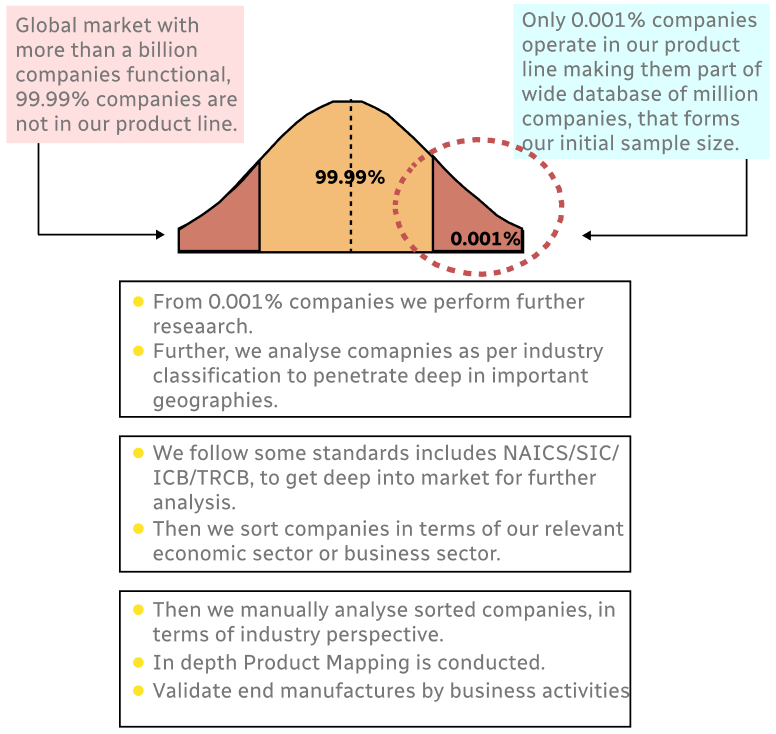
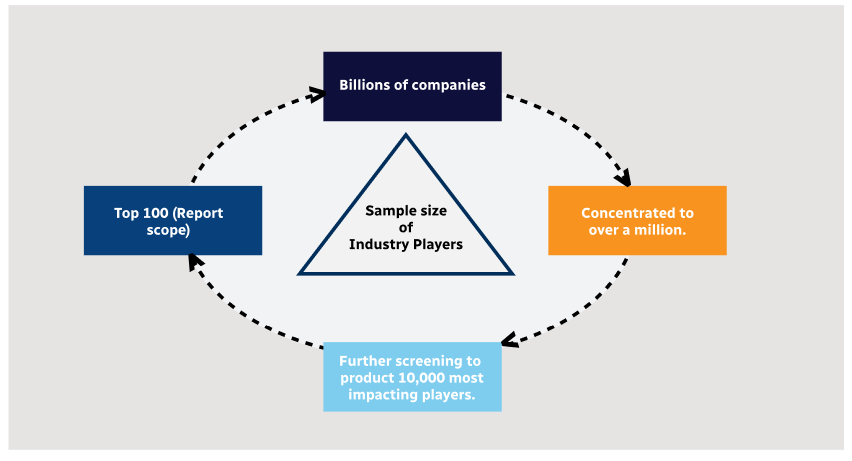
Step 1 - Identification of Relevant Samples Size from Population Database
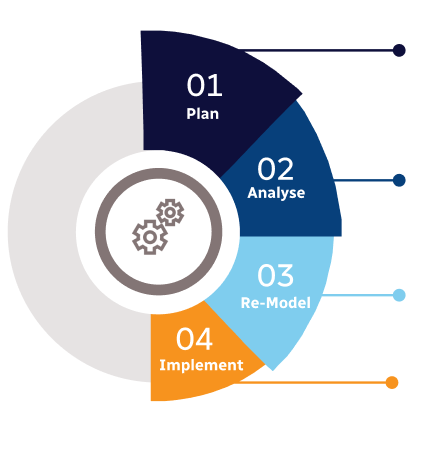
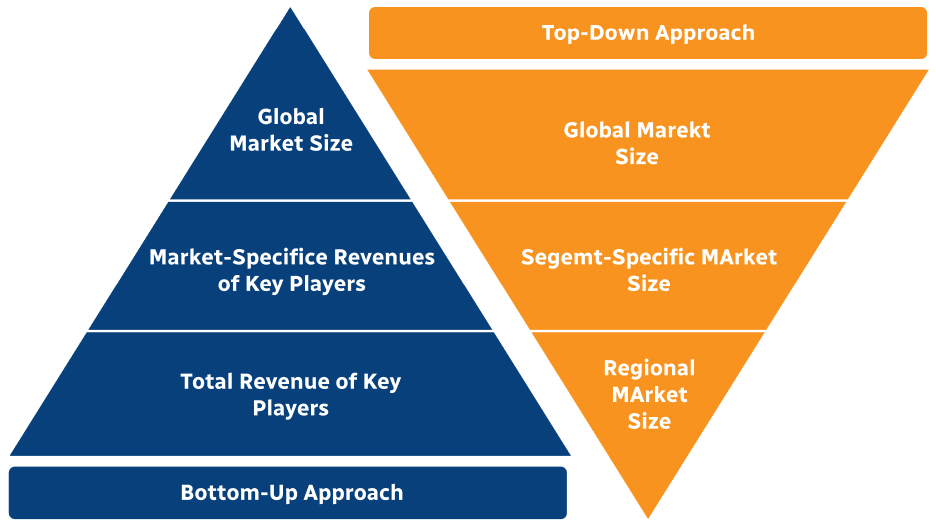
Step 2 - Approaches for Defining Global Market Size (Value, Volume* & Price*)
Note*: In applicable scenarios
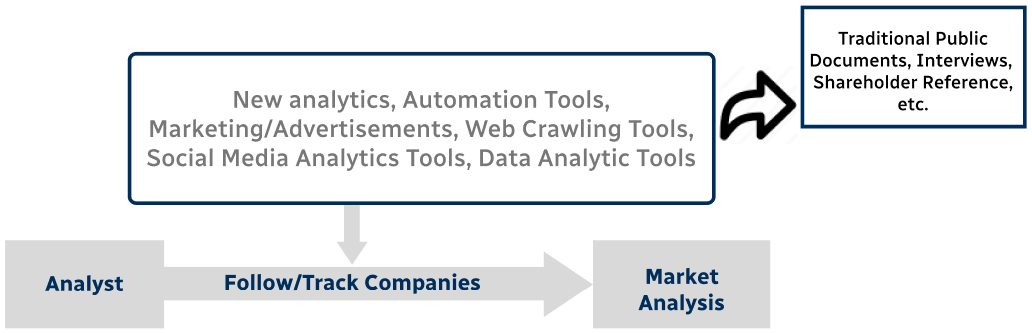
Step 3 - Data Sources
Primary Research
- Web Analytics
- Survey Reports
- Research Institute
- Latest Research Reports
- Opinion Leaders
Secondary Research
- Annual Reports
- White Paper
- Latest Press Release
- Industry Association
- Paid Database
- Investor Presentations
Step 4 - Data Triangulation
Involves using different sources of information in order to increase the validity of a study
These sources are likely to be stakeholders in a program - participants, other researchers, program staff, other community members, and so on.
Then we put all data in single framework & apply various statistical tools to find out the dynamic on the market.
During the analysis stage, feedback from the stakeholder groups would be compared to determine areas of agreement as well as areas of divergence