


Key Insights
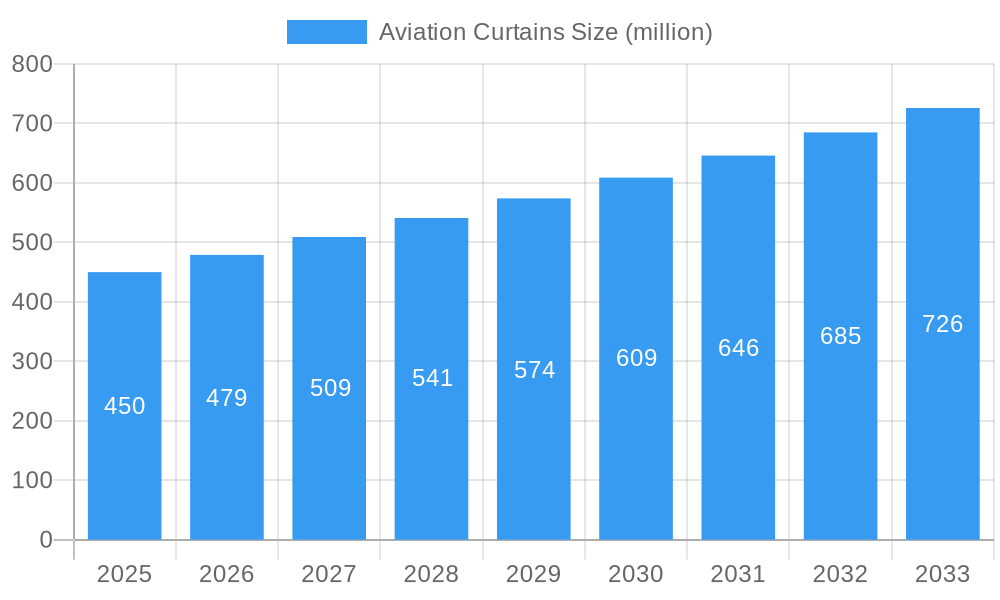
The global Aviation Curtains market is projected to reach an estimated USD 450 million by 2025, experiencing a robust Compound Annual Growth Rate (CAGR) of 6.5% over the forecast period of 2025-2033. This significant growth is primarily driven by the increasing demand for enhanced passenger comfort, privacy, and safety features in both commercial and military aircraft. The expansion of air travel, coupled with ongoing fleet modernization initiatives and the introduction of new aircraft models, are key catalysts for market expansion. Furthermore, advancements in material science, leading to the development of lighter, flame-retardant, and aesthetically pleasing curtain fabrics, are contributing to market dynamism. The military aviation segment, in particular, is expected to witness substantial growth due to heightened defense spending and the requirement for specialized, high-performance cabin solutions that offer noise reduction and UV protection.
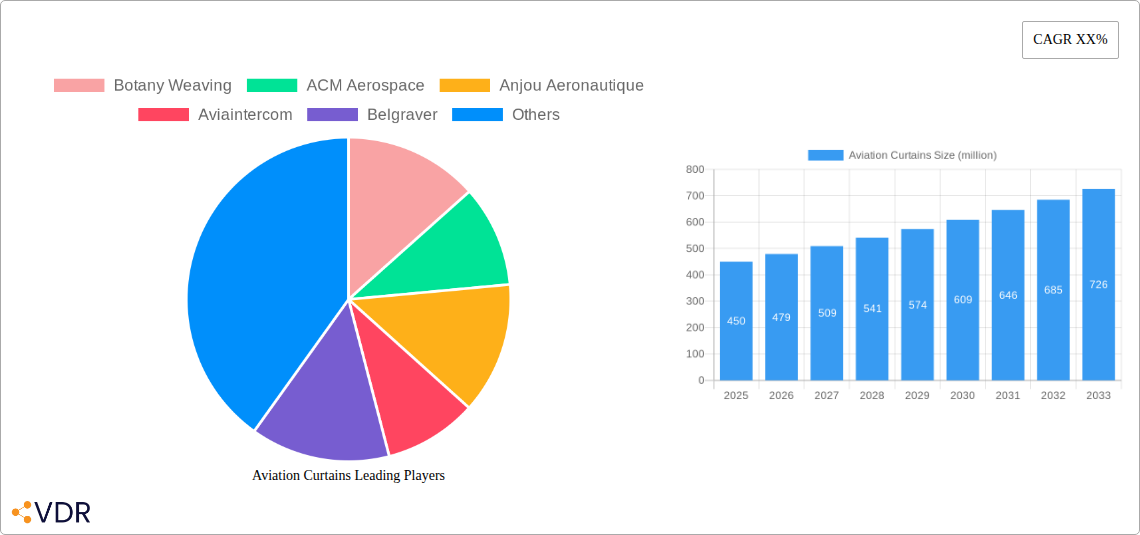
Aviation Curtains Market Size (In Million)

The market segmentation by application highlights the dualistic nature of demand, with Civil Aviation constituting the larger share owing to the sheer volume of commercial flights, while Military Aviation presents a high-growth niche. In terms of material types, while Polyester currently dominates due to its durability and cost-effectiveness, the increasing focus on sustainability and premium cabin experiences is likely to fuel the adoption of advanced materials and specialized wool blends in the coming years. Restraints such as the stringent regulatory requirements for aviation materials and the high cost of certification processes can pose challenges, but the industry's inherent innovation and the continuous pursuit of superior passenger experiences are expected to propel the market forward. Key players are actively investing in research and development to introduce innovative solutions that meet evolving industry standards and passenger expectations, ensuring a sustained upward trajectory for the aviation curtains market.
Aviation Curtains Company Market Share
This comprehensive report delves into the global Aviation Curtains Market, offering an in-depth analysis of its dynamics, growth trajectories, and future outlook. Covering the period from 2019 to 2033, with a base year of 2025, this report provides critical insights for industry stakeholders, including manufacturers, airlines, and investors. We examine key segments such as Military Aviation and Civil Aviation, alongside material types like Wool, Polyester, and Others, to paint a complete picture of the market landscape. With a focus on high-traffic keywords like "aircraft interior," "airline cabin," "aerospace materials," and "passenger comfort," this report is optimized for maximum search engine visibility and engagement within the aviation industry.
Aviation Curtains Market Dynamics & Structure
The Aviation Curtains Market exhibits a moderately consolidated structure, with a few key players dominating the landscape, alongside a growing number of specialized manufacturers. Technological innovation is a significant driver, with advancements focusing on enhanced fire retardancy, acoustic insulation, lightweight materials, and antimicrobial properties to meet stringent aviation safety regulations and improve passenger experience. Regulatory frameworks, particularly those from aviation authorities like the FAA and EASA, are paramount, dictating material certifications and performance standards. Competitive product substitutes, while limited within the core function of cabin dividers, include advancements in cabin design and digital displays that may reduce the reliance on traditional curtains for certain applications. End-user demographics are shifting, with increasing demand for premium cabin experiences in civil aviation and enhanced durability and functionality in military applications. Mergers and acquisitions (M&A) are anticipated to play a role in market consolidation and expansion, particularly for companies seeking to broaden their product portfolios or gain access to new geographical markets.
- Market Concentration: Dominated by established aerospace interior suppliers, with potential for new entrants focusing on niche material technologies.
- Technological Innovation Drivers: Fire safety (e.g., FAR 25.853 compliance), soundproofing, weight reduction, antimicrobial coatings, and aesthetic enhancements for premium cabins.
- Regulatory Frameworks: Strict adherence to international aviation safety standards (e.g., FAA, EASA) is a non-negotiable requirement for market entry and product approval.
- Competitive Product Substitutes: Advancements in smart cabin technologies and modular interior designs may offer alternative solutions for privacy and ambiance.
- End-User Demographics: Growing demand for sustainable and lightweight materials, coupled with an increasing focus on passenger well-being and comfort.
- M&A Trends: Potential for strategic acquisitions by larger aerospace interior conglomerates to expand market share and technological capabilities.
Aviation Curtains Growth Trends & Insights
The global Aviation Curtains Market is projected for robust growth driven by the steady recovery and expansion of the aviation industry post-pandemic. The market size is estimated to reach approximately $2,000 million by 2025, with a projected Compound Annual Growth Rate (CAGR) of 6.5% during the forecast period of 2025–2033. This growth is fueled by several key trends, including the increasing fleet sizes of commercial airlines globally and the consistent demand for retrofitting and cabin upgrades to enhance passenger experience and comply with evolving safety regulations. Adoption rates for advanced, lightweight, and sustainable curtain materials are on the rise, reflecting airlines' commitment to fuel efficiency and environmental responsibility. Technological disruptions are primarily centered around innovative material science, leading to the development of curtains with superior fire-retardant properties, improved acoustic insulation, and enhanced aesthetic appeal. Passenger behavior shifts, characterized by an elevated expectation for comfort, privacy, and a premium in-flight experience, are directly influencing airline purchasing decisions for cabin interiors, including curtains. The market penetration of specialized, high-performance aviation curtains is expected to increase as airlines prioritize differentiated cabin offerings. The historical period from 2019–2024 saw initial disruptions due to the pandemic, followed by a strong rebound, setting a positive trajectory for the future.
Dominant Regions, Countries, or Segments in Aviation Curtains
The Civil Aviation segment is the dominant force in the Aviation Curtains Market, driven by the sheer volume of commercial aircraft operations and the continuous need for cabin refurbishments and new aircraft deliveries. Within this segment, Polyester curtains are projected to hold a significant market share due to their durability, cost-effectiveness, and ease of maintenance, aligning with the operational demands of commercial airlines.
North America is expected to lead regional market growth, owing to its established aerospace manufacturing base, a large number of major airlines, and consistent investment in aircraft modernization programs. The presence of key players and strong research and development capabilities further bolsters its dominance.
Application Dominance:
- Civil Aviation: Accounts for the largest share due to high aircraft production and maintenance, repair, and overhaul (MRO) activities. Demand is driven by passenger comfort, aesthetics, and regulatory compliance.
- Military Aviation: Significant demand for specialized, durable, and functional curtains designed for harsh environments and specific operational needs, though volumes are lower than civil aviation.
Type Dominance:
- Polyester: Offers a balance of cost, performance, and durability, making it a preferred choice for commercial airlines. Expected market share of 45% in 2025.
- Wool: Valued for its natural fire-retardant properties, insulation, and premium feel, often used in business and first-class cabins. Expected market share of 30% in 2025.
- Others: Includes blended fabrics, antimicrobial materials, and advanced composites offering unique properties. Expected market share of 25% in 2025.
Regional Dominance (North America):
- Economic Policies: Supportive government initiatives and a robust aerospace ecosystem.
- Infrastructure: Extensive network of aircraft manufacturers, airlines, and MRO facilities.
- Technological Advancement: Leading research and development in aerospace materials and interior solutions.
- Market Share: Projected to hold approximately 35% of the global market share by 2025.
Aviation Curtains Product Landscape
The Aviation Curtains Market is characterized by continuous product innovation focused on enhancing safety, comfort, and weight reduction. Manufacturers are developing advanced materials that meet stringent fire, smoke, and toxicity (FST) regulations, while also offering superior acoustic insulation to minimize cabin noise and improve passenger experience. Unique selling propositions include lightweight construction for fuel efficiency, antimicrobial coatings for hygiene, and aesthetically pleasing designs that align with airline branding and premium cabin configurations. Technological advancements are also leading to the integration of smart features, such as dimmable curtains and integrated lighting solutions, further elevating the in-flight environment.
Key Drivers, Barriers & Challenges in Aviation Curtains
Key Drivers:
- Growing Global Air Traffic: The steady recovery and projected expansion of passenger and cargo air traffic necessitate increased aircraft production and cabin maintenance, driving demand for aviation curtains.
- Fleet Modernization & Retrofitting: Airlines continuously invest in upgrading their existing fleets with newer interiors, including curtains, to enhance passenger comfort, safety, and aesthetics.
- Stringent Safety Regulations: Evolving and rigorous fire safety and material performance standards by aviation authorities compel manufacturers to innovate and airlines to replace older, non-compliant curtains.
- Demand for Enhanced Passenger Comfort: Airlines are differentiating themselves through superior cabin experiences, leading to a higher demand for aesthetically pleasing, acoustically insulating, and lightweight curtains.
Key Barriers & Challenges:
- High Certification Costs and Timeframes: Obtaining regulatory approval for new materials and designs in the aviation industry is a lengthy and expensive process, acting as a significant barrier to entry.
- Supply Chain Volatility: Global supply chain disruptions, raw material price fluctuations, and geopolitical instability can impact production costs and lead times for specialized aviation materials.
- Intense Competition: The market, while moderately consolidated, faces competition from both established players and emerging manufacturers, leading to pricing pressures.
- Economic Downturns and Geopolitical Instability: Aviation is a cyclical industry susceptible to global economic conditions and geopolitical events, which can lead to fluctuations in airline spending on cabin interiors.
- Weight Restrictions: The constant drive for aircraft weight reduction places pressure on curtain manufacturers to develop ultra-lightweight solutions without compromising performance, presenting a significant engineering challenge.
Emerging Opportunities in Aviation Curtains
Emerging opportunities in the Aviation Curtains Market lie in the development and adoption of sustainable and eco-friendly materials, driven by increasing environmental regulations and consumer preference for responsible travel. The integration of smart technologies, such as self-cleaning coatings and embedded sensors for monitoring air quality or temperature, presents a significant avenue for innovation. Furthermore, the growing demand for personalized cabin experiences in premium travel segments opens doors for bespoke design and material solutions. Untapped markets in emerging economies with expanding aviation sectors also offer considerable growth potential.
Growth Accelerators in the Aviation Curtains Industry
Key catalysts driving long-term growth in the Aviation Curtains Industry include significant technological breakthroughs in advanced material science, leading to lighter, stronger, and more sustainable curtain options. Strategic partnerships between curtain manufacturers, aircraft OEMs, and airline interiors suppliers will foster collaborative innovation and streamlined product development. Market expansion strategies, particularly focusing on regions with rapidly growing aviation infrastructure and increasing passenger traffic, will further accelerate growth. The continuous drive for cabin differentiation by airlines, fueled by competitive pressures and evolving passenger expectations, will also serve as a powerful growth accelerator.
Key Players Shaping the Aviation Curtains Market
- Botany Weaving
- ACM Aerospace
- Anjou Aeronautique
- Aviaintercom
- Belgraver
- Innovint Aircraft Interior
- Lantal
- Neotex
- Mohawk
- ACH
- Kiara Aviation
- Niemla
- Industrial Neotex
- Fellfab
Notable Milestones in Aviation Curtains Sector
- 2019: Introduction of advanced antimicrobial treated fabrics for enhanced cabin hygiene.
- 2020: Development of ultra-lightweight composite materials for improved fuel efficiency.
- 2021: Increased focus on recyclable and biodegradable materials in response to sustainability demands.
- 2022: Launch of innovative acoustic damping curtains to reduce cabin noise by up to 15%.
- 2023: Significant advancements in fire-retardant treatments meeting stricter global aviation safety standards.
- 2024: Increased adoption of customizable digital print solutions for cabin aesthetics and branding.
In-Depth Aviation Curtains Market Outlook
The future of the Aviation Curtains Market is exceptionally promising, underpinned by a confluence of strong industry recovery, persistent demand for cabin enhancements, and groundbreaking technological advancements. Growth accelerators such as the development of smart, sustainable materials and strategic collaborations between key industry players will pave the way for market expansion. The ongoing emphasis on passenger comfort, safety, and aircraft efficiency ensures a sustained need for innovative curtain solutions. The market is poised to witness an increase in specialized, high-performance products, catering to both the robust civil aviation sector and the specialized requirements of military aviation, offering significant strategic opportunities for market participants to capitalize on evolving industry trends and demands.
Aviation Curtains Segmentation
-
1. Application
- 1.1. Military Aviation
- 1.2. Civil Aviation
-
2. Types
- 2.1. Wool
- 2.2. Polyester
- 2.3. Others
Aviation Curtains Segmentation By Geography
-
1. North America
- 1.1. United States
- 1.2. Canada
- 1.3. Mexico
-
2. South America
- 2.1. Brazil
- 2.2. Argentina
- 2.3. Rest of South America
-
3. Europe
- 3.1. United Kingdom
- 3.2. Germany
- 3.3. France
- 3.4. Italy
- 3.5. Spain
- 3.6. Russia
- 3.7. Benelux
- 3.8. Nordics
- 3.9. Rest of Europe
-
4. Middle East & Africa
- 4.1. Turkey
- 4.2. Israel
- 4.3. GCC
- 4.4. North Africa
- 4.5. South Africa
- 4.6. Rest of Middle East & Africa
-
5. Asia Pacific
- 5.1. China
- 5.2. India
- 5.3. Japan
- 5.4. South Korea
- 5.5. ASEAN
- 5.6. Oceania
- 5.7. Rest of Asia Pacific
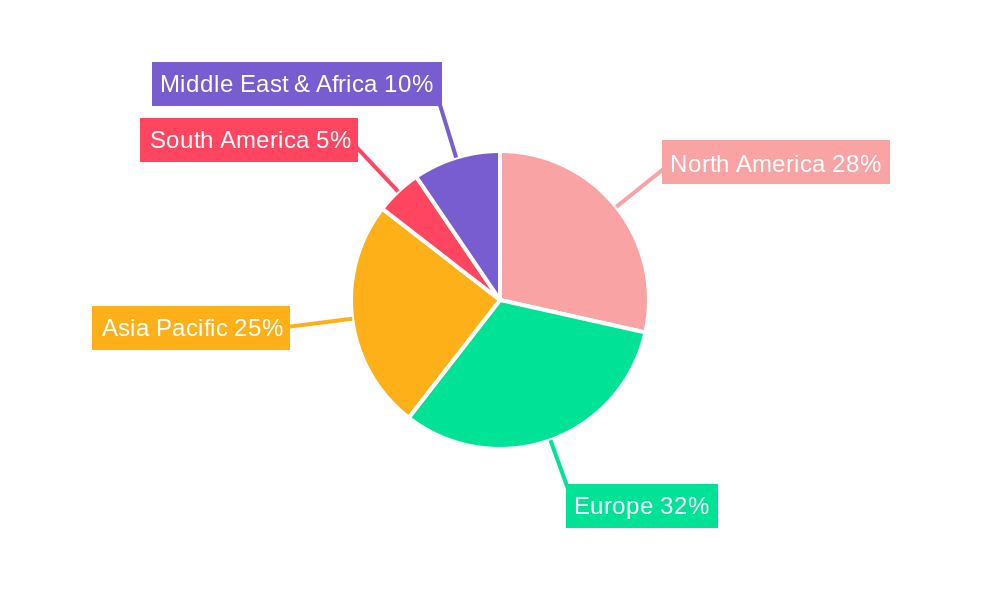
Aviation Curtains Regional Market Share
Geographic Coverage of Aviation Curtains
Aviation Curtains REPORT HIGHLIGHTS
| Aspects | Details |
|---|---|
| Study Period | 2020-2034 |
| Base Year | 2025 |
| Estimated Year | 2026 |
| Forecast Period | 2026-2034 |
| Historical Period | 2020-2025 |
| Growth Rate | CAGR of XX% from 2020-2034 |
| Segmentation |
|
Table of Contents
- 1. Introduction
- 1.1. Research Scope
- 1.2. Market Segmentation
- 1.3. Research Methodology
- 1.4. Definitions and Assumptions
- 2. Executive Summary
- 2.1. Introduction
- 3. Market Dynamics
- 3.1. Introduction
- 3.2. Market Drivers
- 3.3. Market Restrains
- 3.4. Market Trends
- 4. Market Factor Analysis
- 4.1. Porters Five Forces
- 4.2. Supply/Value Chain
- 4.3. PESTEL analysis
- 4.4. Market Entropy
- 4.5. Patent/Trademark Analysis
- 5. Global Aviation Curtains Analysis, Insights and Forecast, 2020-2032
- 5.1. Market Analysis, Insights and Forecast - by Application
- 5.1.1. Military Aviation
- 5.1.2. Civil Aviation
- 5.2. Market Analysis, Insights and Forecast - by Types
- 5.2.1. Wool
- 5.2.2. Polyester
- 5.2.3. Others
- 5.3. Market Analysis, Insights and Forecast - by Region
- 5.3.1. North America
- 5.3.2. South America
- 5.3.3. Europe
- 5.3.4. Middle East & Africa
- 5.3.5. Asia Pacific
- 5.1. Market Analysis, Insights and Forecast - by Application
- 6. North America Aviation Curtains Analysis, Insights and Forecast, 2020-2032
- 6.1. Market Analysis, Insights and Forecast - by Application
- 6.1.1. Military Aviation
- 6.1.2. Civil Aviation
- 6.2. Market Analysis, Insights and Forecast - by Types
- 6.2.1. Wool
- 6.2.2. Polyester
- 6.2.3. Others
- 6.1. Market Analysis, Insights and Forecast - by Application
- 7. South America Aviation Curtains Analysis, Insights and Forecast, 2020-2032
- 7.1. Market Analysis, Insights and Forecast - by Application
- 7.1.1. Military Aviation
- 7.1.2. Civil Aviation
- 7.2. Market Analysis, Insights and Forecast - by Types
- 7.2.1. Wool
- 7.2.2. Polyester
- 7.2.3. Others
- 7.1. Market Analysis, Insights and Forecast - by Application
- 8. Europe Aviation Curtains Analysis, Insights and Forecast, 2020-2032
- 8.1. Market Analysis, Insights and Forecast - by Application
- 8.1.1. Military Aviation
- 8.1.2. Civil Aviation
- 8.2. Market Analysis, Insights and Forecast - by Types
- 8.2.1. Wool
- 8.2.2. Polyester
- 8.2.3. Others
- 8.1. Market Analysis, Insights and Forecast - by Application
- 9. Middle East & Africa Aviation Curtains Analysis, Insights and Forecast, 2020-2032
- 9.1. Market Analysis, Insights and Forecast - by Application
- 9.1.1. Military Aviation
- 9.1.2. Civil Aviation
- 9.2. Market Analysis, Insights and Forecast - by Types
- 9.2.1. Wool
- 9.2.2. Polyester
- 9.2.3. Others
- 9.1. Market Analysis, Insights and Forecast - by Application
- 10. Asia Pacific Aviation Curtains Analysis, Insights and Forecast, 2020-2032
- 10.1. Market Analysis, Insights and Forecast - by Application
- 10.1.1. Military Aviation
- 10.1.2. Civil Aviation
- 10.2. Market Analysis, Insights and Forecast - by Types
- 10.2.1. Wool
- 10.2.2. Polyester
- 10.2.3. Others
- 10.1. Market Analysis, Insights and Forecast - by Application
- 11. Competitive Analysis
- 11.1. Global Market Share Analysis 2025
- 11.2. Company Profiles
- 11.2.1 Botany Weaving
- 11.2.1.1. Overview
- 11.2.1.2. Products
- 11.2.1.3. SWOT Analysis
- 11.2.1.4. Recent Developments
- 11.2.1.5. Financials (Based on Availability)
- 11.2.2 ACM Aerospace
- 11.2.2.1. Overview
- 11.2.2.2. Products
- 11.2.2.3. SWOT Analysis
- 11.2.2.4. Recent Developments
- 11.2.2.5. Financials (Based on Availability)
- 11.2.3 Anjou Aeronautique
- 11.2.3.1. Overview
- 11.2.3.2. Products
- 11.2.3.3. SWOT Analysis
- 11.2.3.4. Recent Developments
- 11.2.3.5. Financials (Based on Availability)
- 11.2.4 Aviaintercom
- 11.2.4.1. Overview
- 11.2.4.2. Products
- 11.2.4.3. SWOT Analysis
- 11.2.4.4. Recent Developments
- 11.2.4.5. Financials (Based on Availability)
- 11.2.5 Belgraver
- 11.2.5.1. Overview
- 11.2.5.2. Products
- 11.2.5.3. SWOT Analysis
- 11.2.5.4. Recent Developments
- 11.2.5.5. Financials (Based on Availability)
- 11.2.6 Innovint Aircraft Interior
- 11.2.6.1. Overview
- 11.2.6.2. Products
- 11.2.6.3. SWOT Analysis
- 11.2.6.4. Recent Developments
- 11.2.6.5. Financials (Based on Availability)
- 11.2.7 Lantal
- 11.2.7.1. Overview
- 11.2.7.2. Products
- 11.2.7.3. SWOT Analysis
- 11.2.7.4. Recent Developments
- 11.2.7.5. Financials (Based on Availability)
- 11.2.8 Neotex
- 11.2.8.1. Overview
- 11.2.8.2. Products
- 11.2.8.3. SWOT Analysis
- 11.2.8.4. Recent Developments
- 11.2.8.5. Financials (Based on Availability)
- 11.2.9 Mohawk
- 11.2.9.1. Overview
- 11.2.9.2. Products
- 11.2.9.3. SWOT Analysis
- 11.2.9.4. Recent Developments
- 11.2.9.5. Financials (Based on Availability)
- 11.2.10 ACH
- 11.2.10.1. Overview
- 11.2.10.2. Products
- 11.2.10.3. SWOT Analysis
- 11.2.10.4. Recent Developments
- 11.2.10.5. Financials (Based on Availability)
- 11.2.11 Kiara Aviation
- 11.2.11.1. Overview
- 11.2.11.2. Products
- 11.2.11.3. SWOT Analysis
- 11.2.11.4. Recent Developments
- 11.2.11.5. Financials (Based on Availability)
- 11.2.12 Niemla
- 11.2.12.1. Overview
- 11.2.12.2. Products
- 11.2.12.3. SWOT Analysis
- 11.2.12.4. Recent Developments
- 11.2.12.5. Financials (Based on Availability)
- 11.2.13 Industrial Neotex
- 11.2.13.1. Overview
- 11.2.13.2. Products
- 11.2.13.3. SWOT Analysis
- 11.2.13.4. Recent Developments
- 11.2.13.5. Financials (Based on Availability)
- 11.2.14 Fellfab
- 11.2.14.1. Overview
- 11.2.14.2. Products
- 11.2.14.3. SWOT Analysis
- 11.2.14.4. Recent Developments
- 11.2.14.5. Financials (Based on Availability)
- 11.2.1 Botany Weaving
List of Figures
- Figure 1: Global Aviation Curtains Revenue Breakdown (million, %) by Region 2025 & 2033
- Figure 2: North America Aviation Curtains Revenue (million), by Application 2025 & 2033
- Figure 3: North America Aviation Curtains Revenue Share (%), by Application 2025 & 2033
- Figure 4: North America Aviation Curtains Revenue (million), by Types 2025 & 2033
- Figure 5: North America Aviation Curtains Revenue Share (%), by Types 2025 & 2033
- Figure 6: North America Aviation Curtains Revenue (million), by Country 2025 & 2033
- Figure 7: North America Aviation Curtains Revenue Share (%), by Country 2025 & 2033
- Figure 8: South America Aviation Curtains Revenue (million), by Application 2025 & 2033
- Figure 9: South America Aviation Curtains Revenue Share (%), by Application 2025 & 2033
- Figure 10: South America Aviation Curtains Revenue (million), by Types 2025 & 2033
- Figure 11: South America Aviation Curtains Revenue Share (%), by Types 2025 & 2033
- Figure 12: South America Aviation Curtains Revenue (million), by Country 2025 & 2033
- Figure 13: South America Aviation Curtains Revenue Share (%), by Country 2025 & 2033
- Figure 14: Europe Aviation Curtains Revenue (million), by Application 2025 & 2033
- Figure 15: Europe Aviation Curtains Revenue Share (%), by Application 2025 & 2033
- Figure 16: Europe Aviation Curtains Revenue (million), by Types 2025 & 2033
- Figure 17: Europe Aviation Curtains Revenue Share (%), by Types 2025 & 2033
- Figure 18: Europe Aviation Curtains Revenue (million), by Country 2025 & 2033
- Figure 19: Europe Aviation Curtains Revenue Share (%), by Country 2025 & 2033
- Figure 20: Middle East & Africa Aviation Curtains Revenue (million), by Application 2025 & 2033
- Figure 21: Middle East & Africa Aviation Curtains Revenue Share (%), by Application 2025 & 2033
- Figure 22: Middle East & Africa Aviation Curtains Revenue (million), by Types 2025 & 2033
- Figure 23: Middle East & Africa Aviation Curtains Revenue Share (%), by Types 2025 & 2033
- Figure 24: Middle East & Africa Aviation Curtains Revenue (million), by Country 2025 & 2033
- Figure 25: Middle East & Africa Aviation Curtains Revenue Share (%), by Country 2025 & 2033
- Figure 26: Asia Pacific Aviation Curtains Revenue (million), by Application 2025 & 2033
- Figure 27: Asia Pacific Aviation Curtains Revenue Share (%), by Application 2025 & 2033
- Figure 28: Asia Pacific Aviation Curtains Revenue (million), by Types 2025 & 2033
- Figure 29: Asia Pacific Aviation Curtains Revenue Share (%), by Types 2025 & 2033
- Figure 30: Asia Pacific Aviation Curtains Revenue (million), by Country 2025 & 2033
- Figure 31: Asia Pacific Aviation Curtains Revenue Share (%), by Country 2025 & 2033
List of Tables
- Table 1: Global Aviation Curtains Revenue million Forecast, by Application 2020 & 2033
- Table 2: Global Aviation Curtains Revenue million Forecast, by Types 2020 & 2033
- Table 3: Global Aviation Curtains Revenue million Forecast, by Region 2020 & 2033
- Table 4: Global Aviation Curtains Revenue million Forecast, by Application 2020 & 2033
- Table 5: Global Aviation Curtains Revenue million Forecast, by Types 2020 & 2033
- Table 6: Global Aviation Curtains Revenue million Forecast, by Country 2020 & 2033
- Table 7: United States Aviation Curtains Revenue (million) Forecast, by Application 2020 & 2033
- Table 8: Canada Aviation Curtains Revenue (million) Forecast, by Application 2020 & 2033
- Table 9: Mexico Aviation Curtains Revenue (million) Forecast, by Application 2020 & 2033
- Table 10: Global Aviation Curtains Revenue million Forecast, by Application 2020 & 2033
- Table 11: Global Aviation Curtains Revenue million Forecast, by Types 2020 & 2033
- Table 12: Global Aviation Curtains Revenue million Forecast, by Country 2020 & 2033
- Table 13: Brazil Aviation Curtains Revenue (million) Forecast, by Application 2020 & 2033
- Table 14: Argentina Aviation Curtains Revenue (million) Forecast, by Application 2020 & 2033
- Table 15: Rest of South America Aviation Curtains Revenue (million) Forecast, by Application 2020 & 2033
- Table 16: Global Aviation Curtains Revenue million Forecast, by Application 2020 & 2033
- Table 17: Global Aviation Curtains Revenue million Forecast, by Types 2020 & 2033
- Table 18: Global Aviation Curtains Revenue million Forecast, by Country 2020 & 2033
- Table 19: United Kingdom Aviation Curtains Revenue (million) Forecast, by Application 2020 & 2033
- Table 20: Germany Aviation Curtains Revenue (million) Forecast, by Application 2020 & 2033
- Table 21: France Aviation Curtains Revenue (million) Forecast, by Application 2020 & 2033
- Table 22: Italy Aviation Curtains Revenue (million) Forecast, by Application 2020 & 2033
- Table 23: Spain Aviation Curtains Revenue (million) Forecast, by Application 2020 & 2033
- Table 24: Russia Aviation Curtains Revenue (million) Forecast, by Application 2020 & 2033
- Table 25: Benelux Aviation Curtains Revenue (million) Forecast, by Application 2020 & 2033
- Table 26: Nordics Aviation Curtains Revenue (million) Forecast, by Application 2020 & 2033
- Table 27: Rest of Europe Aviation Curtains Revenue (million) Forecast, by Application 2020 & 2033
- Table 28: Global Aviation Curtains Revenue million Forecast, by Application 2020 & 2033
- Table 29: Global Aviation Curtains Revenue million Forecast, by Types 2020 & 2033
- Table 30: Global Aviation Curtains Revenue million Forecast, by Country 2020 & 2033
- Table 31: Turkey Aviation Curtains Revenue (million) Forecast, by Application 2020 & 2033
- Table 32: Israel Aviation Curtains Revenue (million) Forecast, by Application 2020 & 2033
- Table 33: GCC Aviation Curtains Revenue (million) Forecast, by Application 2020 & 2033
- Table 34: North Africa Aviation Curtains Revenue (million) Forecast, by Application 2020 & 2033
- Table 35: South Africa Aviation Curtains Revenue (million) Forecast, by Application 2020 & 2033
- Table 36: Rest of Middle East & Africa Aviation Curtains Revenue (million) Forecast, by Application 2020 & 2033
- Table 37: Global Aviation Curtains Revenue million Forecast, by Application 2020 & 2033
- Table 38: Global Aviation Curtains Revenue million Forecast, by Types 2020 & 2033
- Table 39: Global Aviation Curtains Revenue million Forecast, by Country 2020 & 2033
- Table 40: China Aviation Curtains Revenue (million) Forecast, by Application 2020 & 2033
- Table 41: India Aviation Curtains Revenue (million) Forecast, by Application 2020 & 2033
- Table 42: Japan Aviation Curtains Revenue (million) Forecast, by Application 2020 & 2033
- Table 43: South Korea Aviation Curtains Revenue (million) Forecast, by Application 2020 & 2033
- Table 44: ASEAN Aviation Curtains Revenue (million) Forecast, by Application 2020 & 2033
- Table 45: Oceania Aviation Curtains Revenue (million) Forecast, by Application 2020 & 2033
- Table 46: Rest of Asia Pacific Aviation Curtains Revenue (million) Forecast, by Application 2020 & 2033
Frequently Asked Questions
1. What is the projected Compound Annual Growth Rate (CAGR) of the Aviation Curtains?
The projected CAGR is approximately XX%.
2. Which companies are prominent players in the Aviation Curtains?
Key companies in the market include Botany Weaving, ACM Aerospace, Anjou Aeronautique, Aviaintercom, Belgraver, Innovint Aircraft Interior, Lantal, Neotex, Mohawk, ACH, Kiara Aviation, Niemla, Industrial Neotex, Fellfab.
3. What are the main segments of the Aviation Curtains?
The market segments include Application, Types.
4. Can you provide details about the market size?
The market size is estimated to be USD XXX million as of 2022.
5. What are some drivers contributing to market growth?
N/A
6. What are the notable trends driving market growth?
N/A
7. Are there any restraints impacting market growth?
N/A
8. Can you provide examples of recent developments in the market?
N/A
9. What pricing options are available for accessing the report?
Pricing options include single-user, multi-user, and enterprise licenses priced at USD 4900.00, USD 7350.00, and USD 9800.00 respectively.
10. Is the market size provided in terms of value or volume?
The market size is provided in terms of value, measured in million.
11. Are there any specific market keywords associated with the report?
Yes, the market keyword associated with the report is "Aviation Curtains," which aids in identifying and referencing the specific market segment covered.
12. How do I determine which pricing option suits my needs best?
The pricing options vary based on user requirements and access needs. Individual users may opt for single-user licenses, while businesses requiring broader access may choose multi-user or enterprise licenses for cost-effective access to the report.
13. Are there any additional resources or data provided in the Aviation Curtains report?
While the report offers comprehensive insights, it's advisable to review the specific contents or supplementary materials provided to ascertain if additional resources or data are available.
14. How can I stay updated on further developments or reports in the Aviation Curtains?
To stay informed about further developments, trends, and reports in the Aviation Curtains, consider subscribing to industry newsletters, following relevant companies and organizations, or regularly checking reputable industry news sources and publications.
Methodology
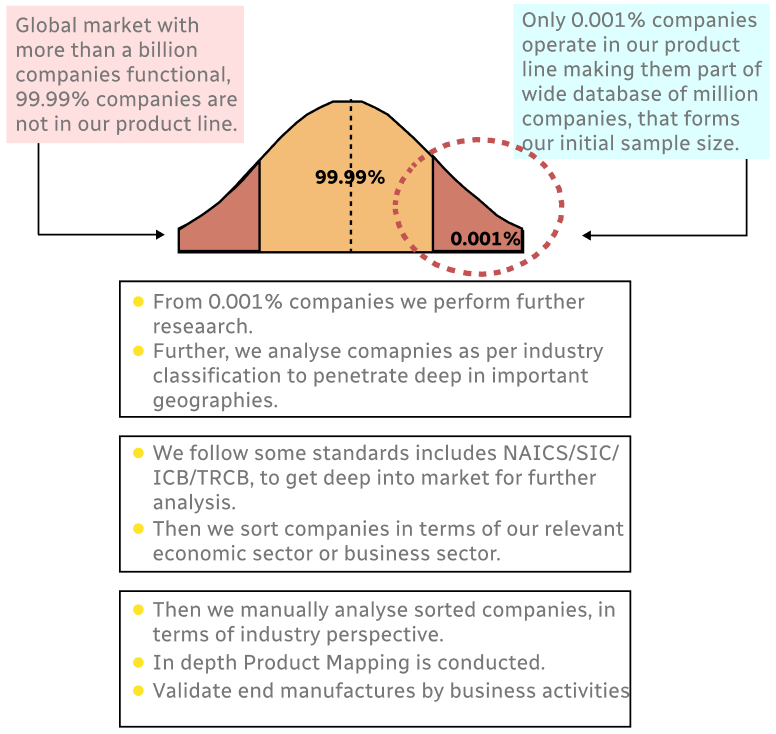
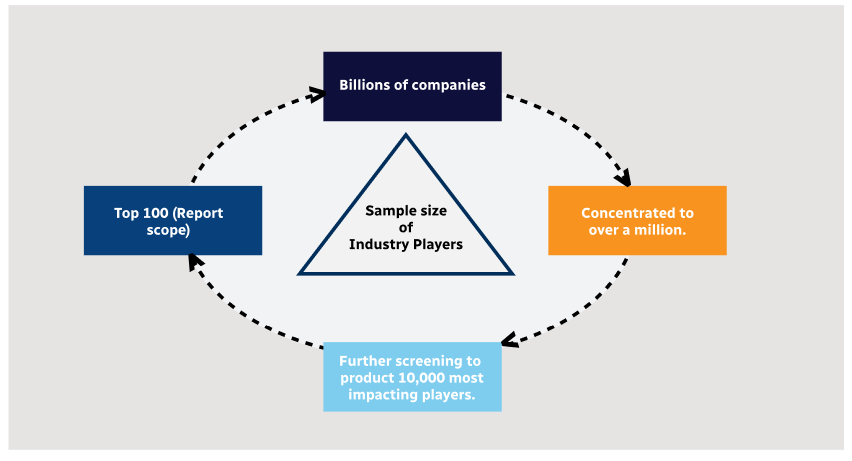
Step 1 - Identification of Relevant Samples Size from Population Database
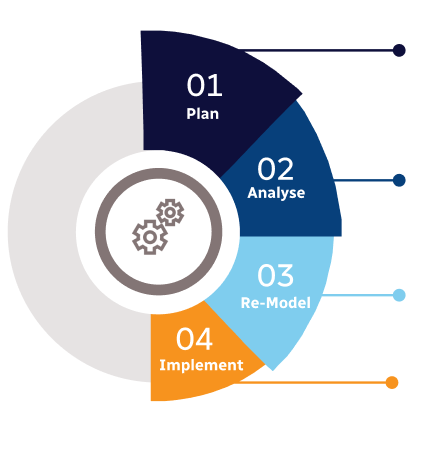
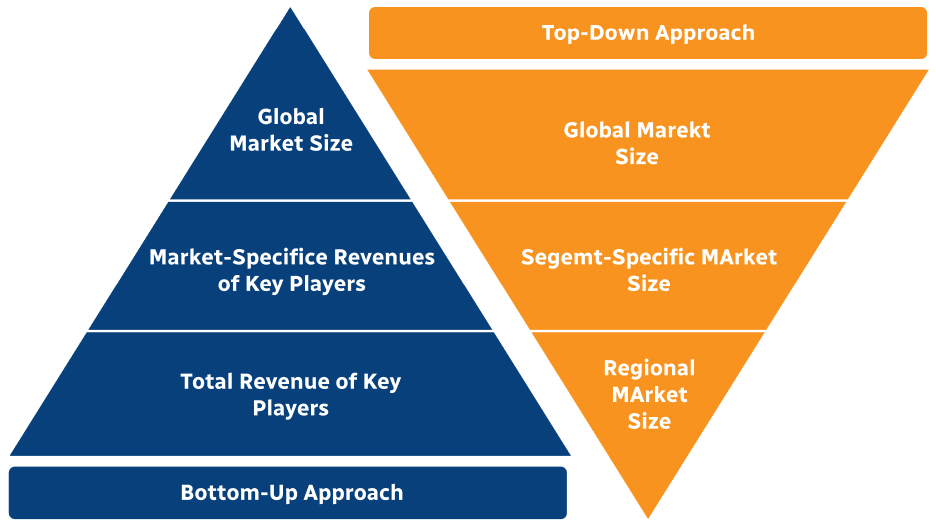
Step 2 - Approaches for Defining Global Market Size (Value, Volume* & Price*)
Note*: In applicable scenarios
Step 3 - Data Sources
Primary Research
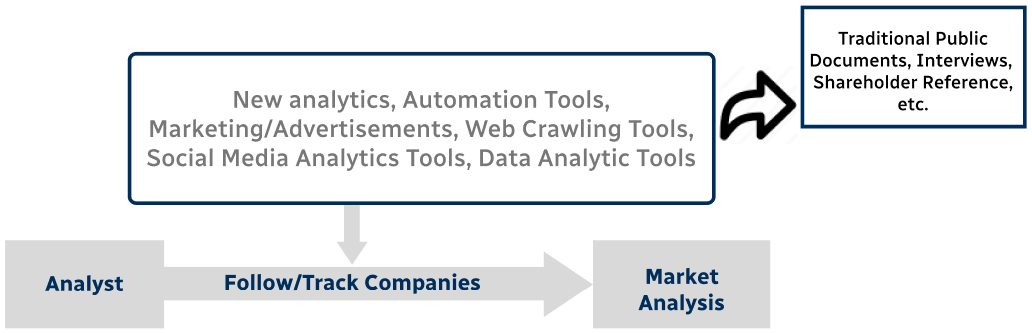
- Web Analytics
- Survey Reports
- Research Institute
- Latest Research Reports
- Opinion Leaders
Secondary Research
- Annual Reports
- White Paper
- Latest Press Release
- Industry Association
- Paid Database
- Investor Presentations
Step 4 - Data Triangulation
Involves using different sources of information in order to increase the validity of a study
These sources are likely to be stakeholders in a program - participants, other researchers, program staff, other community members, and so on.
Then we put all data in single framework & apply various statistical tools to find out the dynamic on the market.
During the analysis stage, feedback from the stakeholder groups would be compared to determine areas of agreement as well as areas of divergence