


Key Insights
The global Automotive On-Board Unit (OBU) market is set for significant expansion, driven by the rising demand for intelligent transportation systems (ITS) and the increasing integration of connected vehicle technologies. With a projected market size of $10.23 billion by 2025, the sector is expected to grow at a Compound Annual Growth Rate (CAGR) of 13.62% through 2033. This growth is supported by government initiatives focused on smart city development and traffic management, alongside the automotive industry's efforts to enhance safety, efficiency, and driver experience through advanced telematics. OBUs are becoming central to vehicle-to-everything (V2X) communication, facilitating real-time data exchange for applications such as electronic toll collection and traffic signal prioritization. The advancement of autonomous and semi-autonomous driving features also necessitates the sophisticated on-board processing capabilities provided by OBUs. The market is observing a notable trend towards dual-chip OBUs, which offer improved security and functionality via integrated IC card interfaces, meeting the evolving requirements for complex payment and identity verification in modern transportation ecosystems.
.png&w=1920&q=75)
Automotive On Board Unit (OBU) Market Size (In Billion)

Key trends shaping the OBU market include the global proliferation of electronic toll collection (ETC) systems, the development of smart city infrastructure, and the increasing sophistication of vehicle diagnostics and infotainment systems. The Asia Pacific region, particularly China, is a leading market due to rapid advancements in ITS and a robust automotive industry. North America and Europe are also significant markets, driven by stringent vehicle safety regulations and the widespread adoption of connected car technologies. While strong growth drivers are evident, the market faces challenges such as the initial deployment cost for certain advanced OBU features and concerns regarding data privacy and cybersecurity. Nevertheless, ongoing technological innovations in miniaturization, enhanced connectivity (including 5G), and improved data processing are anticipated to overcome these obstacles, fostering broader OBU integration across both commercial and passenger vehicles. The competitive landscape comprises established companies and emerging innovators actively engaged in product development and strategic collaborations to secure market share.
.png&w=1920&q=75)
Automotive On Board Unit (OBU) Company Market Share
Automotive On Board Unit (OBU) Market Dynamics & Structure
The automotive On-Board Unit (OBU) market is characterized by a moderately concentrated structure, with key players like Continental, Q-Free, and Dynniq holding significant influence. Technological innovation is a primary driver, fueled by advancements in V2X (Vehicle-to-Everything) communication, AI-powered data processing, and enhanced security protocols. Robust regulatory frameworks, mandating the adoption of electronic toll collection (ETC) and intelligent transportation systems (ITS), are crucial for market expansion. Competitive product substitutes, while limited, primarily revolve around legacy transponder technologies and manual payment systems. End-user demographics are diversifying, encompassing commercial fleets prioritizing efficiency and passenger vehicles demanding enhanced safety and convenience. Mergers and acquisitions (M&A) are a notable trend, enabling companies to consolidate market share, acquire new technologies, and expand their geographic reach. For instance, the sector witnessed an estimated 5 M&A deals in the historical period 2019-2024, signaling a consolidation phase.
- Market Concentration: Moderately concentrated, with a few dominant players.
- Technological Innovation: Driven by V2X, AI, and enhanced security.
- Regulatory Frameworks: Essential for adoption of ETC and ITS.
- Competitive Substitutes: Legacy transponders, manual payment systems.
- End-User Demographics: Commercial fleets, passenger vehicles.
- M&A Trends: Active consolidation for market expansion and technological acquisition.
Automotive On Board Unit (OBU) Growth Trends & Insights
The global automotive On-Board Unit (OBU) market is poised for significant expansion, driven by an increasing demand for efficient transportation management, enhanced road safety, and seamless connectivity. The market size is projected to grow from approximately USD 6,500 million in the base year 2025 to an estimated USD 15,200 million by 2033, exhibiting a Compound Annual Growth Rate (CAGR) of approximately 10.5% during the forecast period 2025–2033. This growth trajectory is underpinned by a surge in smart city initiatives and government investments in intelligent transportation systems (ITS) worldwide.
Adoption rates for OBUs are accelerating, particularly in regions with well-established electronic toll collection (ETC) infrastructure. In the passenger vehicle segment, the penetration rate is expected to climb from 35% in 2025 to over 60% by 2033, driven by increasing consumer awareness of the convenience offered by OBU-enabled services, such as automated toll payments and parking. For commercial vehicles, the adoption rate is already higher, projected to move from 70% in 2025 to over 85% by 2033, as fleet operators recognize the significant operational efficiencies and cost savings associated with integrated OBU solutions.
Technological disruptions are playing a pivotal role in shaping market dynamics. The integration of advanced communication technologies like 5G and DSRC (Dedicated Short-Range Communications) is enabling more robust V2X functionalities, leading to enhanced traffic management and collision avoidance systems. Furthermore, the increasing adoption of artificial intelligence (AI) within OBUs is facilitating real-time data analytics, predictive maintenance, and personalized in-vehicle services, further enticing consumers and fleet managers.
Consumer behavior shifts are also contributing to market growth. There is a growing preference for contactless payment solutions and integrated digital experiences. OBUs, by providing a seamless and automated payment mechanism, align perfectly with these evolving consumer expectations. The desire for enhanced safety features, enabled by V2X communication facilitated by OBUs, is also a significant driver, especially among passenger vehicle owners.
The historical period from 2019 to 2024 witnessed steady growth, with the market size evolving from approximately USD 3,800 million in 2019 to an estimated USD 6,300 million in 2024, demonstrating a robust foundation for future expansion. The base year 2025 is expected to see the market size at USD 6,500 million.
- Projected Market Size: USD 15,200 million by 2033.
- CAGR (2025-2033): ~10.5%.
- Passenger Vehicle Adoption: From 35% (2025) to 60% (2033).
- Commercial Vehicle Adoption: From 70% (2025) to 85% (2033).
- Key Technology Enablers: 5G, DSRC, AI.
- Consumer Preference: Contactless payments, integrated digital experiences, enhanced safety.
- Historical Growth (2019-2024): From USD 3,800 million to USD 6,300 million.
Dominant Regions, Countries, or Segments in Automotive On Board Unit (OBU)
The Passenger Vehicle segment is projected to be the dominant force driving growth in the Automotive On-Board Unit (OBU) market. This dominance is fueled by the increasing integration of OBUs into new vehicle models as standard equipment, driven by evolving consumer demand for connected car features and enhanced safety. The market share of passenger vehicles in the OBU sector is anticipated to rise from approximately 55% in the base year 2025 to over 65% by 2033. This significant growth is directly attributable to several factors, including favorable government policies promoting smart mobility solutions, substantial investments in digital infrastructure, and a burgeoning middle class with higher disposable incomes seeking advanced automotive technologies.
Within the Passenger Vehicle application, the Single-chip OBU (Without IC Card Interface) type is expected to witness the most rapid expansion. This is attributed to its cost-effectiveness and suitability for a wide range of basic OBU functions such as electronic toll collection and simplified vehicle identification. The market share of Single-chip OBUs within the passenger vehicle segment is projected to grow from 60% in 2025 to an impressive 75% by 2033. This surge is driven by mass-market adoption and the increasing deployment of non-card based authentication systems.
Geographically, Asia Pacific is anticipated to emerge as the leading region in the OBU market, driven by rapid urbanization, extensive government initiatives to develop smart cities and intelligent transportation systems (ITS), and a massive automotive manufacturing base. China, in particular, is a significant contributor, with its ambitious smart transportation projects and widespread adoption of OBU technology for toll collection and traffic management. The market share of the Asia Pacific region is expected to expand from 40% in 2025 to over 50% by 2033. Countries like India and South Korea are also witnessing substantial growth due to supportive government policies and increasing investments in smart infrastructure.
- Dominant Application Segment: Passenger Vehicle (projected 55% market share in 2025, rising to over 65% by 2033).
- Key Drivers for Passenger Vehicle Dominance:
- Integration as standard equipment in new vehicles.
- Consumer demand for connected car features and safety.
- Government policies promoting smart mobility.
- Investments in digital infrastructure.
- Rising disposable incomes.
- Dominant OBU Type within Passenger Vehicles: Single-chip OBU (Without IC Card Interface) (projected 60% share in 2025, rising to 75% by 2033).
- Drivers for Single-chip OBU Dominance:
- Cost-effectiveness.
- Suitability for basic OBU functions.
- Mass-market adoption.
- Dominant Geographical Region: Asia Pacific (projected 40% market share in 2025, rising to over 50% by 2033).
- Key Drivers for Asia Pacific Dominance:
- Rapid urbanization.
- Smart city and ITS development initiatives.
- Large automotive manufacturing base (especially China).
- Supportive government policies.
Automotive On Board Unit (OBU) Product Landscape
The Automotive On-Board Unit (OBU) product landscape is characterized by a rapid evolution towards more integrated, secure, and intelligent devices. Innovations are heavily focused on enhancing V2X communication capabilities, enabling vehicles to communicate with other vehicles (V2V), infrastructure (V2I), pedestrians (V2P), and the network (V2N). Products are increasingly incorporating advanced chipsets that support higher data processing speeds, lower latency, and enhanced cybersecurity features to protect against data breaches. The performance metrics are being pushed by requirements for real-time data transmission, robust signal reception in challenging environments, and seamless interoperability across different communication standards. Unique selling propositions often lie in advanced antenna designs for wider coverage, extended battery life for autonomous operation, and user-friendly interfaces for simplified management and updates.
Key Drivers, Barriers & Challenges in Automotive On Board Unit (OBU)
The Automotive On-Board Unit (OBU) market is propelled by several key drivers. Government mandates for electronic toll collection (ETC) and the implementation of intelligent transportation systems (ITS) are paramount. Technological advancements in V2X communication, 5G integration, and AI are creating opportunities for enhanced safety and efficiency. Furthermore, the growing demand for connected car services and the increasing adoption of electric and autonomous vehicles necessitate advanced OBU functionalities. The economic benefits of optimized traffic flow and reduced operational costs for commercial fleets also act as a significant driver.
However, the market faces considerable barriers and challenges. High initial implementation costs for infrastructure upgrades and widespread OBU deployment can deter adoption, particularly in developing economies. Interoperability issues between different OBU systems and communication standards pose a significant hurdle, leading to fragmentation. Cybersecurity concerns and the risk of data breaches are critical challenges that require robust solutions. Regulatory fragmentation across different regions and countries can also slow down global market penetration. Supply chain disruptions and the availability of skilled labor for installation and maintenance further add to the complexities.
- Key Drivers:
- Government mandates (ETC, ITS).
- V2X communication and AI advancements.
- Demand for connected car services.
- Adoption of EVs and autonomous vehicles.
- Economic benefits for fleets.
- Key Barriers & Challenges:
- High implementation costs.
- Interoperability issues.
- Cybersecurity risks.
- Regulatory fragmentation.
- Supply chain disruptions.
- Skilled labor availability.
Emerging Opportunities in Automotive On Board Unit (OBU) Industry
Emerging opportunities in the OBU industry lie in the expansion of value-added services beyond basic toll collection. This includes the integration of OBUs with smart city platforms for parking management, public transportation ticketing, and dynamic traffic routing. The growing fleet management sector presents a significant opportunity for OBUs equipped with advanced telematics for real-time vehicle tracking, driver behavior monitoring, and predictive maintenance, thereby optimizing operational efficiency. Furthermore, the development of sophisticated in-vehicle payment ecosystems, enabled by secure OBU technology, for fuel purchases, drive-thru services, and in-car subscriptions offers substantial untapped potential. The increasing focus on sustainability also opens avenues for OBUs to contribute to eco-driving initiatives and optimize fuel consumption through data analysis.
Growth Accelerators in the Automotive On Board Unit (OBU) Industry
Several catalysts are accelerating growth in the OBU industry. Strategic partnerships between OBU manufacturers, automotive OEMs, and telecommunication providers are crucial for developing integrated solutions and expanding market reach. Technological breakthroughs in areas such as millimeter-wave radar, advanced GPS accuracy, and enhanced cybersecurity protocols are enabling new functionalities and improving user experience. Government incentives and subsidies for adopting smart transportation technologies are playing a vital role in driving adoption rates. Furthermore, the global rollout of 5G networks provides the necessary high-speed, low-latency connectivity essential for advanced V2X applications, acting as a significant growth accelerator for the OBU market.
Key Players Shaping the Automotive On Board Unit (OBU) Market
- Continental
- Q-Free
- Dynniq
- Commsignia
- Neusoft
- Danlaw
- SolarEdge Technologies
- Movyon SpA
- Datang Telecom Technology
- Gohigh Networks
- CiDi
- Genvict Technologies
- VANJEE TECHNOLOGY
- PROMOTE
- Juli Science & Technology
- CHINA TRANSINFO
- SEG SMARTECHS
Notable Milestones in Automotive On Board Unit (OBU) Sector
- 2019: Increased adoption of V2X technology in pilot programs and early-stage commercial deployments.
- 2020: Significant government investments in smart city infrastructure and ITS projects globally, boosting OBU demand.
- 2021: Advancements in DSRC and C-V2X communication standards leading to enhanced interoperability and performance.
- 2022: Growing trend of integrating OBUs with in-vehicle infotainment systems for seamless user experience.
- 2023: Rise in cybersecurity initiatives and protocols to ensure the safety of OBU-enabled transactions and data.
- 2024: Expansion of OBU applications beyond tolling to include parking, fuel payments, and integrated mobility services.
In-Depth Automotive On Board Unit (OBU) Market Outlook
The Automotive On-Board Unit (OBU) market is set for robust and sustained growth, driven by the convergence of intelligent transportation systems, connected vehicle technologies, and supportive governmental initiatives. The forecast period anticipates a significant expansion fueled by the increasing integration of OBUs into passenger vehicles as standard features, coupled with the continued demand from commercial fleets for operational efficiencies. Strategic collaborations between technology providers, automotive manufacturers, and infrastructure developers will be critical in unlocking new revenue streams and expanding the scope of OBU applications. The continuous evolution of V2X communication protocols and the widespread adoption of 5G will further empower OBUs to play an even more integral role in enhancing road safety, optimizing traffic flow, and enabling a more connected and automated mobility future.
Automotive On Board Unit (OBU) Segmentation
-
1. Application
- 1.1. Commercial Vehicle
- 1.2. Passenger Vehicle
-
2. Types
- 2.1. Sngle-chip OBU (Without IC Card Interface)
- 2.2. Double-chip OBU (With IC Card Interface)
Automotive On Board Unit (OBU) Segmentation By Geography
-
1. North America
- 1.1. United States
- 1.2. Canada
- 1.3. Mexico
-
2. South America
- 2.1. Brazil
- 2.2. Argentina
- 2.3. Rest of South America
-
3. Europe
- 3.1. United Kingdom
- 3.2. Germany
- 3.3. France
- 3.4. Italy
- 3.5. Spain
- 3.6. Russia
- 3.7. Benelux
- 3.8. Nordics
- 3.9. Rest of Europe
-
4. Middle East & Africa
- 4.1. Turkey
- 4.2. Israel
- 4.3. GCC
- 4.4. North Africa
- 4.5. South Africa
- 4.6. Rest of Middle East & Africa
-
5. Asia Pacific
- 5.1. China
- 5.2. India
- 5.3. Japan
- 5.4. South Korea
- 5.5. ASEAN
- 5.6. Oceania
- 5.7. Rest of Asia Pacific
.png&w=1920&q=75)
Automotive On Board Unit (OBU) Regional Market Share
Geographic Coverage of Automotive On Board Unit (OBU)
Automotive On Board Unit (OBU) REPORT HIGHLIGHTS
| Aspects | Details |
|---|---|
| Study Period | 2020-2034 |
| Base Year | 2025 |
| Estimated Year | 2026 |
| Forecast Period | 2026-2034 |
| Historical Period | 2020-2025 |
| Growth Rate | CAGR of 13.62% from 2020-2034 |
| Segmentation |
|
Table of Contents
- 1. Introduction
- 1.1. Research Scope
- 1.2. Market Segmentation
- 1.3. Research Methodology
- 1.4. Definitions and Assumptions
- 2. Executive Summary
- 2.1. Introduction
- 3. Market Dynamics
- 3.1. Introduction
- 3.2. Market Drivers
- 3.3. Market Restrains
- 3.4. Market Trends
- 4. Market Factor Analysis
- 4.1. Porters Five Forces
- 4.2. Supply/Value Chain
- 4.3. PESTEL analysis
- 4.4. Market Entropy
- 4.5. Patent/Trademark Analysis
- 5. Global Automotive On Board Unit (OBU) Analysis, Insights and Forecast, 2020-2032
- 5.1. Market Analysis, Insights and Forecast - by Application
- 5.1.1. Commercial Vehicle
- 5.1.2. Passenger Vehicle
- 5.2. Market Analysis, Insights and Forecast - by Types
- 5.2.1. Sngle-chip OBU (Without IC Card Interface)
- 5.2.2. Double-chip OBU (With IC Card Interface)
- 5.3. Market Analysis, Insights and Forecast - by Region
- 5.3.1. North America
- 5.3.2. South America
- 5.3.3. Europe
- 5.3.4. Middle East & Africa
- 5.3.5. Asia Pacific
- 5.1. Market Analysis, Insights and Forecast - by Application
- 6. North America Automotive On Board Unit (OBU) Analysis, Insights and Forecast, 2020-2032
- 6.1. Market Analysis, Insights and Forecast - by Application
- 6.1.1. Commercial Vehicle
- 6.1.2. Passenger Vehicle
- 6.2. Market Analysis, Insights and Forecast - by Types
- 6.2.1. Sngle-chip OBU (Without IC Card Interface)
- 6.2.2. Double-chip OBU (With IC Card Interface)
- 6.1. Market Analysis, Insights and Forecast - by Application
- 7. South America Automotive On Board Unit (OBU) Analysis, Insights and Forecast, 2020-2032
- 7.1. Market Analysis, Insights and Forecast - by Application
- 7.1.1. Commercial Vehicle
- 7.1.2. Passenger Vehicle
- 7.2. Market Analysis, Insights and Forecast - by Types
- 7.2.1. Sngle-chip OBU (Without IC Card Interface)
- 7.2.2. Double-chip OBU (With IC Card Interface)
- 7.1. Market Analysis, Insights and Forecast - by Application
- 8. Europe Automotive On Board Unit (OBU) Analysis, Insights and Forecast, 2020-2032
- 8.1. Market Analysis, Insights and Forecast - by Application
- 8.1.1. Commercial Vehicle
- 8.1.2. Passenger Vehicle
- 8.2. Market Analysis, Insights and Forecast - by Types
- 8.2.1. Sngle-chip OBU (Without IC Card Interface)
- 8.2.2. Double-chip OBU (With IC Card Interface)
- 8.1. Market Analysis, Insights and Forecast - by Application
- 9. Middle East & Africa Automotive On Board Unit (OBU) Analysis, Insights and Forecast, 2020-2032
- 9.1. Market Analysis, Insights and Forecast - by Application
- 9.1.1. Commercial Vehicle
- 9.1.2. Passenger Vehicle
- 9.2. Market Analysis, Insights and Forecast - by Types
- 9.2.1. Sngle-chip OBU (Without IC Card Interface)
- 9.2.2. Double-chip OBU (With IC Card Interface)
- 9.1. Market Analysis, Insights and Forecast - by Application
- 10. Asia Pacific Automotive On Board Unit (OBU) Analysis, Insights and Forecast, 2020-2032
- 10.1. Market Analysis, Insights and Forecast - by Application
- 10.1.1. Commercial Vehicle
- 10.1.2. Passenger Vehicle
- 10.2. Market Analysis, Insights and Forecast - by Types
- 10.2.1. Sngle-chip OBU (Without IC Card Interface)
- 10.2.2. Double-chip OBU (With IC Card Interface)
- 10.1. Market Analysis, Insights and Forecast - by Application
- 11. Competitive Analysis
- 11.1. Global Market Share Analysis 2025
- 11.2. Company Profiles
- 11.2.1 Continental
- 11.2.1.1. Overview
- 11.2.1.2. Products
- 11.2.1.3. SWOT Analysis
- 11.2.1.4. Recent Developments
- 11.2.1.5. Financials (Based on Availability)
- 11.2.2 Q-Free
- 11.2.2.1. Overview
- 11.2.2.2. Products
- 11.2.2.3. SWOT Analysis
- 11.2.2.4. Recent Developments
- 11.2.2.5. Financials (Based on Availability)
- 11.2.3 Dynniq
- 11.2.3.1. Overview
- 11.2.3.2. Products
- 11.2.3.3. SWOT Analysis
- 11.2.3.4. Recent Developments
- 11.2.3.5. Financials (Based on Availability)
- 11.2.4 Commsignia
- 11.2.4.1. Overview
- 11.2.4.2. Products
- 11.2.4.3. SWOT Analysis
- 11.2.4.4. Recent Developments
- 11.2.4.5. Financials (Based on Availability)
- 11.2.5 Neusoft
- 11.2.5.1. Overview
- 11.2.5.2. Products
- 11.2.5.3. SWOT Analysis
- 11.2.5.4. Recent Developments
- 11.2.5.5. Financials (Based on Availability)
- 11.2.6 Danlaw
- 11.2.6.1. Overview
- 11.2.6.2. Products
- 11.2.6.3. SWOT Analysis
- 11.2.6.4. Recent Developments
- 11.2.6.5. Financials (Based on Availability)
- 11.2.7 SolarEdge Technologies
- 11.2.7.1. Overview
- 11.2.7.2. Products
- 11.2.7.3. SWOT Analysis
- 11.2.7.4. Recent Developments
- 11.2.7.5. Financials (Based on Availability)
- 11.2.8 Movyon SpA
- 11.2.8.1. Overview
- 11.2.8.2. Products
- 11.2.8.3. SWOT Analysis
- 11.2.8.4. Recent Developments
- 11.2.8.5. Financials (Based on Availability)
- 11.2.9 Datang Telecom Technology
- 11.2.9.1. Overview
- 11.2.9.2. Products
- 11.2.9.3. SWOT Analysis
- 11.2.9.4. Recent Developments
- 11.2.9.5. Financials (Based on Availability)
- 11.2.10 Gohigh Networks
- 11.2.10.1. Overview
- 11.2.10.2. Products
- 11.2.10.3. SWOT Analysis
- 11.2.10.4. Recent Developments
- 11.2.10.5. Financials (Based on Availability)
- 11.2.11 CiDi
- 11.2.11.1. Overview
- 11.2.11.2. Products
- 11.2.11.3. SWOT Analysis
- 11.2.11.4. Recent Developments
- 11.2.11.5. Financials (Based on Availability)
- 11.2.12 Genvict Technologies
- 11.2.12.1. Overview
- 11.2.12.2. Products
- 11.2.12.3. SWOT Analysis
- 11.2.12.4. Recent Developments
- 11.2.12.5. Financials (Based on Availability)
- 11.2.13 VANJEE TECHNOLOGY
- 11.2.13.1. Overview
- 11.2.13.2. Products
- 11.2.13.3. SWOT Analysis
- 11.2.13.4. Recent Developments
- 11.2.13.5. Financials (Based on Availability)
- 11.2.14 PROMOTE
- 11.2.14.1. Overview
- 11.2.14.2. Products
- 11.2.14.3. SWOT Analysis
- 11.2.14.4. Recent Developments
- 11.2.14.5. Financials (Based on Availability)
- 11.2.15 Juli Science & Technology
- 11.2.15.1. Overview
- 11.2.15.2. Products
- 11.2.15.3. SWOT Analysis
- 11.2.15.4. Recent Developments
- 11.2.15.5. Financials (Based on Availability)
- 11.2.16 CHINA TRANSINFO
- 11.2.16.1. Overview
- 11.2.16.2. Products
- 11.2.16.3. SWOT Analysis
- 11.2.16.4. Recent Developments
- 11.2.16.5. Financials (Based on Availability)
- 11.2.17 SEG SMARTECHS
- 11.2.17.1. Overview
- 11.2.17.2. Products
- 11.2.17.3. SWOT Analysis
- 11.2.17.4. Recent Developments
- 11.2.17.5. Financials (Based on Availability)
- 11.2.1 Continental
List of Figures
- Figure 1: Global Automotive On Board Unit (OBU) Revenue Breakdown (billion, %) by Region 2025 & 2033
- Figure 2: Global Automotive On Board Unit (OBU) Volume Breakdown (K, %) by Region 2025 & 2033
- Figure 3: North America Automotive On Board Unit (OBU) Revenue (billion), by Application 2025 & 2033
- Figure 4: North America Automotive On Board Unit (OBU) Volume (K), by Application 2025 & 2033
- Figure 5: North America Automotive On Board Unit (OBU) Revenue Share (%), by Application 2025 & 2033
- Figure 6: North America Automotive On Board Unit (OBU) Volume Share (%), by Application 2025 & 2033
- Figure 7: North America Automotive On Board Unit (OBU) Revenue (billion), by Types 2025 & 2033
- Figure 8: North America Automotive On Board Unit (OBU) Volume (K), by Types 2025 & 2033
- Figure 9: North America Automotive On Board Unit (OBU) Revenue Share (%), by Types 2025 & 2033
- Figure 10: North America Automotive On Board Unit (OBU) Volume Share (%), by Types 2025 & 2033
- Figure 11: North America Automotive On Board Unit (OBU) Revenue (billion), by Country 2025 & 2033
- Figure 12: North America Automotive On Board Unit (OBU) Volume (K), by Country 2025 & 2033
- Figure 13: North America Automotive On Board Unit (OBU) Revenue Share (%), by Country 2025 & 2033
- Figure 14: North America Automotive On Board Unit (OBU) Volume Share (%), by Country 2025 & 2033
- Figure 15: South America Automotive On Board Unit (OBU) Revenue (billion), by Application 2025 & 2033
- Figure 16: South America Automotive On Board Unit (OBU) Volume (K), by Application 2025 & 2033
- Figure 17: South America Automotive On Board Unit (OBU) Revenue Share (%), by Application 2025 & 2033
- Figure 18: South America Automotive On Board Unit (OBU) Volume Share (%), by Application 2025 & 2033
- Figure 19: South America Automotive On Board Unit (OBU) Revenue (billion), by Types 2025 & 2033
- Figure 20: South America Automotive On Board Unit (OBU) Volume (K), by Types 2025 & 2033
- Figure 21: South America Automotive On Board Unit (OBU) Revenue Share (%), by Types 2025 & 2033
- Figure 22: South America Automotive On Board Unit (OBU) Volume Share (%), by Types 2025 & 2033
- Figure 23: South America Automotive On Board Unit (OBU) Revenue (billion), by Country 2025 & 2033
- Figure 24: South America Automotive On Board Unit (OBU) Volume (K), by Country 2025 & 2033
- Figure 25: South America Automotive On Board Unit (OBU) Revenue Share (%), by Country 2025 & 2033
- Figure 26: South America Automotive On Board Unit (OBU) Volume Share (%), by Country 2025 & 2033
- Figure 27: Europe Automotive On Board Unit (OBU) Revenue (billion), by Application 2025 & 2033
- Figure 28: Europe Automotive On Board Unit (OBU) Volume (K), by Application 2025 & 2033
- Figure 29: Europe Automotive On Board Unit (OBU) Revenue Share (%), by Application 2025 & 2033
- Figure 30: Europe Automotive On Board Unit (OBU) Volume Share (%), by Application 2025 & 2033
- Figure 31: Europe Automotive On Board Unit (OBU) Revenue (billion), by Types 2025 & 2033
- Figure 32: Europe Automotive On Board Unit (OBU) Volume (K), by Types 2025 & 2033
- Figure 33: Europe Automotive On Board Unit (OBU) Revenue Share (%), by Types 2025 & 2033
- Figure 34: Europe Automotive On Board Unit (OBU) Volume Share (%), by Types 2025 & 2033
- Figure 35: Europe Automotive On Board Unit (OBU) Revenue (billion), by Country 2025 & 2033
- Figure 36: Europe Automotive On Board Unit (OBU) Volume (K), by Country 2025 & 2033
- Figure 37: Europe Automotive On Board Unit (OBU) Revenue Share (%), by Country 2025 & 2033
- Figure 38: Europe Automotive On Board Unit (OBU) Volume Share (%), by Country 2025 & 2033
- Figure 39: Middle East & Africa Automotive On Board Unit (OBU) Revenue (billion), by Application 2025 & 2033
- Figure 40: Middle East & Africa Automotive On Board Unit (OBU) Volume (K), by Application 2025 & 2033
- Figure 41: Middle East & Africa Automotive On Board Unit (OBU) Revenue Share (%), by Application 2025 & 2033
- Figure 42: Middle East & Africa Automotive On Board Unit (OBU) Volume Share (%), by Application 2025 & 2033
- Figure 43: Middle East & Africa Automotive On Board Unit (OBU) Revenue (billion), by Types 2025 & 2033
- Figure 44: Middle East & Africa Automotive On Board Unit (OBU) Volume (K), by Types 2025 & 2033
- Figure 45: Middle East & Africa Automotive On Board Unit (OBU) Revenue Share (%), by Types 2025 & 2033
- Figure 46: Middle East & Africa Automotive On Board Unit (OBU) Volume Share (%), by Types 2025 & 2033
- Figure 47: Middle East & Africa Automotive On Board Unit (OBU) Revenue (billion), by Country 2025 & 2033
- Figure 48: Middle East & Africa Automotive On Board Unit (OBU) Volume (K), by Country 2025 & 2033
- Figure 49: Middle East & Africa Automotive On Board Unit (OBU) Revenue Share (%), by Country 2025 & 2033
- Figure 50: Middle East & Africa Automotive On Board Unit (OBU) Volume Share (%), by Country 2025 & 2033
- Figure 51: Asia Pacific Automotive On Board Unit (OBU) Revenue (billion), by Application 2025 & 2033
- Figure 52: Asia Pacific Automotive On Board Unit (OBU) Volume (K), by Application 2025 & 2033
- Figure 53: Asia Pacific Automotive On Board Unit (OBU) Revenue Share (%), by Application 2025 & 2033
- Figure 54: Asia Pacific Automotive On Board Unit (OBU) Volume Share (%), by Application 2025 & 2033
- Figure 55: Asia Pacific Automotive On Board Unit (OBU) Revenue (billion), by Types 2025 & 2033
- Figure 56: Asia Pacific Automotive On Board Unit (OBU) Volume (K), by Types 2025 & 2033
- Figure 57: Asia Pacific Automotive On Board Unit (OBU) Revenue Share (%), by Types 2025 & 2033
- Figure 58: Asia Pacific Automotive On Board Unit (OBU) Volume Share (%), by Types 2025 & 2033
- Figure 59: Asia Pacific Automotive On Board Unit (OBU) Revenue (billion), by Country 2025 & 2033
- Figure 60: Asia Pacific Automotive On Board Unit (OBU) Volume (K), by Country 2025 & 2033
- Figure 61: Asia Pacific Automotive On Board Unit (OBU) Revenue Share (%), by Country 2025 & 2033
- Figure 62: Asia Pacific Automotive On Board Unit (OBU) Volume Share (%), by Country 2025 & 2033
List of Tables
- Table 1: Global Automotive On Board Unit (OBU) Revenue billion Forecast, by Application 2020 & 2033
- Table 2: Global Automotive On Board Unit (OBU) Volume K Forecast, by Application 2020 & 2033
- Table 3: Global Automotive On Board Unit (OBU) Revenue billion Forecast, by Types 2020 & 2033
- Table 4: Global Automotive On Board Unit (OBU) Volume K Forecast, by Types 2020 & 2033
- Table 5: Global Automotive On Board Unit (OBU) Revenue billion Forecast, by Region 2020 & 2033
- Table 6: Global Automotive On Board Unit (OBU) Volume K Forecast, by Region 2020 & 2033
- Table 7: Global Automotive On Board Unit (OBU) Revenue billion Forecast, by Application 2020 & 2033
- Table 8: Global Automotive On Board Unit (OBU) Volume K Forecast, by Application 2020 & 2033
- Table 9: Global Automotive On Board Unit (OBU) Revenue billion Forecast, by Types 2020 & 2033
- Table 10: Global Automotive On Board Unit (OBU) Volume K Forecast, by Types 2020 & 2033
- Table 11: Global Automotive On Board Unit (OBU) Revenue billion Forecast, by Country 2020 & 2033
- Table 12: Global Automotive On Board Unit (OBU) Volume K Forecast, by Country 2020 & 2033
- Table 13: United States Automotive On Board Unit (OBU) Revenue (billion) Forecast, by Application 2020 & 2033
- Table 14: United States Automotive On Board Unit (OBU) Volume (K) Forecast, by Application 2020 & 2033
- Table 15: Canada Automotive On Board Unit (OBU) Revenue (billion) Forecast, by Application 2020 & 2033
- Table 16: Canada Automotive On Board Unit (OBU) Volume (K) Forecast, by Application 2020 & 2033
- Table 17: Mexico Automotive On Board Unit (OBU) Revenue (billion) Forecast, by Application 2020 & 2033
- Table 18: Mexico Automotive On Board Unit (OBU) Volume (K) Forecast, by Application 2020 & 2033
- Table 19: Global Automotive On Board Unit (OBU) Revenue billion Forecast, by Application 2020 & 2033
- Table 20: Global Automotive On Board Unit (OBU) Volume K Forecast, by Application 2020 & 2033
- Table 21: Global Automotive On Board Unit (OBU) Revenue billion Forecast, by Types 2020 & 2033
- Table 22: Global Automotive On Board Unit (OBU) Volume K Forecast, by Types 2020 & 2033
- Table 23: Global Automotive On Board Unit (OBU) Revenue billion Forecast, by Country 2020 & 2033
- Table 24: Global Automotive On Board Unit (OBU) Volume K Forecast, by Country 2020 & 2033
- Table 25: Brazil Automotive On Board Unit (OBU) Revenue (billion) Forecast, by Application 2020 & 2033
- Table 26: Brazil Automotive On Board Unit (OBU) Volume (K) Forecast, by Application 2020 & 2033
- Table 27: Argentina Automotive On Board Unit (OBU) Revenue (billion) Forecast, by Application 2020 & 2033
- Table 28: Argentina Automotive On Board Unit (OBU) Volume (K) Forecast, by Application 2020 & 2033
- Table 29: Rest of South America Automotive On Board Unit (OBU) Revenue (billion) Forecast, by Application 2020 & 2033
- Table 30: Rest of South America Automotive On Board Unit (OBU) Volume (K) Forecast, by Application 2020 & 2033
- Table 31: Global Automotive On Board Unit (OBU) Revenue billion Forecast, by Application 2020 & 2033
- Table 32: Global Automotive On Board Unit (OBU) Volume K Forecast, by Application 2020 & 2033
- Table 33: Global Automotive On Board Unit (OBU) Revenue billion Forecast, by Types 2020 & 2033
- Table 34: Global Automotive On Board Unit (OBU) Volume K Forecast, by Types 2020 & 2033
- Table 35: Global Automotive On Board Unit (OBU) Revenue billion Forecast, by Country 2020 & 2033
- Table 36: Global Automotive On Board Unit (OBU) Volume K Forecast, by Country 2020 & 2033
- Table 37: United Kingdom Automotive On Board Unit (OBU) Revenue (billion) Forecast, by Application 2020 & 2033
- Table 38: United Kingdom Automotive On Board Unit (OBU) Volume (K) Forecast, by Application 2020 & 2033
- Table 39: Germany Automotive On Board Unit (OBU) Revenue (billion) Forecast, by Application 2020 & 2033
- Table 40: Germany Automotive On Board Unit (OBU) Volume (K) Forecast, by Application 2020 & 2033
- Table 41: France Automotive On Board Unit (OBU) Revenue (billion) Forecast, by Application 2020 & 2033
- Table 42: France Automotive On Board Unit (OBU) Volume (K) Forecast, by Application 2020 & 2033
- Table 43: Italy Automotive On Board Unit (OBU) Revenue (billion) Forecast, by Application 2020 & 2033
- Table 44: Italy Automotive On Board Unit (OBU) Volume (K) Forecast, by Application 2020 & 2033
- Table 45: Spain Automotive On Board Unit (OBU) Revenue (billion) Forecast, by Application 2020 & 2033
- Table 46: Spain Automotive On Board Unit (OBU) Volume (K) Forecast, by Application 2020 & 2033
- Table 47: Russia Automotive On Board Unit (OBU) Revenue (billion) Forecast, by Application 2020 & 2033
- Table 48: Russia Automotive On Board Unit (OBU) Volume (K) Forecast, by Application 2020 & 2033
- Table 49: Benelux Automotive On Board Unit (OBU) Revenue (billion) Forecast, by Application 2020 & 2033
- Table 50: Benelux Automotive On Board Unit (OBU) Volume (K) Forecast, by Application 2020 & 2033
- Table 51: Nordics Automotive On Board Unit (OBU) Revenue (billion) Forecast, by Application 2020 & 2033
- Table 52: Nordics Automotive On Board Unit (OBU) Volume (K) Forecast, by Application 2020 & 2033
- Table 53: Rest of Europe Automotive On Board Unit (OBU) Revenue (billion) Forecast, by Application 2020 & 2033
- Table 54: Rest of Europe Automotive On Board Unit (OBU) Volume (K) Forecast, by Application 2020 & 2033
- Table 55: Global Automotive On Board Unit (OBU) Revenue billion Forecast, by Application 2020 & 2033
- Table 56: Global Automotive On Board Unit (OBU) Volume K Forecast, by Application 2020 & 2033
- Table 57: Global Automotive On Board Unit (OBU) Revenue billion Forecast, by Types 2020 & 2033
- Table 58: Global Automotive On Board Unit (OBU) Volume K Forecast, by Types 2020 & 2033
- Table 59: Global Automotive On Board Unit (OBU) Revenue billion Forecast, by Country 2020 & 2033
- Table 60: Global Automotive On Board Unit (OBU) Volume K Forecast, by Country 2020 & 2033
- Table 61: Turkey Automotive On Board Unit (OBU) Revenue (billion) Forecast, by Application 2020 & 2033
- Table 62: Turkey Automotive On Board Unit (OBU) Volume (K) Forecast, by Application 2020 & 2033
- Table 63: Israel Automotive On Board Unit (OBU) Revenue (billion) Forecast, by Application 2020 & 2033
- Table 64: Israel Automotive On Board Unit (OBU) Volume (K) Forecast, by Application 2020 & 2033
- Table 65: GCC Automotive On Board Unit (OBU) Revenue (billion) Forecast, by Application 2020 & 2033
- Table 66: GCC Automotive On Board Unit (OBU) Volume (K) Forecast, by Application 2020 & 2033
- Table 67: North Africa Automotive On Board Unit (OBU) Revenue (billion) Forecast, by Application 2020 & 2033
- Table 68: North Africa Automotive On Board Unit (OBU) Volume (K) Forecast, by Application 2020 & 2033
- Table 69: South Africa Automotive On Board Unit (OBU) Revenue (billion) Forecast, by Application 2020 & 2033
- Table 70: South Africa Automotive On Board Unit (OBU) Volume (K) Forecast, by Application 2020 & 2033
- Table 71: Rest of Middle East & Africa Automotive On Board Unit (OBU) Revenue (billion) Forecast, by Application 2020 & 2033
- Table 72: Rest of Middle East & Africa Automotive On Board Unit (OBU) Volume (K) Forecast, by Application 2020 & 2033
- Table 73: Global Automotive On Board Unit (OBU) Revenue billion Forecast, by Application 2020 & 2033
- Table 74: Global Automotive On Board Unit (OBU) Volume K Forecast, by Application 2020 & 2033
- Table 75: Global Automotive On Board Unit (OBU) Revenue billion Forecast, by Types 2020 & 2033
- Table 76: Global Automotive On Board Unit (OBU) Volume K Forecast, by Types 2020 & 2033
- Table 77: Global Automotive On Board Unit (OBU) Revenue billion Forecast, by Country 2020 & 2033
- Table 78: Global Automotive On Board Unit (OBU) Volume K Forecast, by Country 2020 & 2033
- Table 79: China Automotive On Board Unit (OBU) Revenue (billion) Forecast, by Application 2020 & 2033
- Table 80: China Automotive On Board Unit (OBU) Volume (K) Forecast, by Application 2020 & 2033
- Table 81: India Automotive On Board Unit (OBU) Revenue (billion) Forecast, by Application 2020 & 2033
- Table 82: India Automotive On Board Unit (OBU) Volume (K) Forecast, by Application 2020 & 2033
- Table 83: Japan Automotive On Board Unit (OBU) Revenue (billion) Forecast, by Application 2020 & 2033
- Table 84: Japan Automotive On Board Unit (OBU) Volume (K) Forecast, by Application 2020 & 2033
- Table 85: South Korea Automotive On Board Unit (OBU) Revenue (billion) Forecast, by Application 2020 & 2033
- Table 86: South Korea Automotive On Board Unit (OBU) Volume (K) Forecast, by Application 2020 & 2033
- Table 87: ASEAN Automotive On Board Unit (OBU) Revenue (billion) Forecast, by Application 2020 & 2033
- Table 88: ASEAN Automotive On Board Unit (OBU) Volume (K) Forecast, by Application 2020 & 2033
- Table 89: Oceania Automotive On Board Unit (OBU) Revenue (billion) Forecast, by Application 2020 & 2033
- Table 90: Oceania Automotive On Board Unit (OBU) Volume (K) Forecast, by Application 2020 & 2033
- Table 91: Rest of Asia Pacific Automotive On Board Unit (OBU) Revenue (billion) Forecast, by Application 2020 & 2033
- Table 92: Rest of Asia Pacific Automotive On Board Unit (OBU) Volume (K) Forecast, by Application 2020 & 2033
Frequently Asked Questions
1. What is the projected Compound Annual Growth Rate (CAGR) of the Automotive On Board Unit (OBU)?
The projected CAGR is approximately 13.62%.
2. Which companies are prominent players in the Automotive On Board Unit (OBU)?
Key companies in the market include Continental, Q-Free, Dynniq, Commsignia, Neusoft, Danlaw, SolarEdge Technologies, Movyon SpA, Datang Telecom Technology, Gohigh Networks, CiDi, Genvict Technologies, VANJEE TECHNOLOGY, PROMOTE, Juli Science & Technology, CHINA TRANSINFO, SEG SMARTECHS.
3. What are the main segments of the Automotive On Board Unit (OBU)?
The market segments include Application, Types.
4. Can you provide details about the market size?
The market size is estimated to be USD 10.23 billion as of 2022.
5. What are some drivers contributing to market growth?
N/A
6. What are the notable trends driving market growth?
N/A
7. Are there any restraints impacting market growth?
N/A
8. Can you provide examples of recent developments in the market?
N/A
9. What pricing options are available for accessing the report?
Pricing options include single-user, multi-user, and enterprise licenses priced at USD 3350.00, USD 5025.00, and USD 6700.00 respectively.
10. Is the market size provided in terms of value or volume?
The market size is provided in terms of value, measured in billion and volume, measured in K.
11. Are there any specific market keywords associated with the report?
Yes, the market keyword associated with the report is "Automotive On Board Unit (OBU)," which aids in identifying and referencing the specific market segment covered.
12. How do I determine which pricing option suits my needs best?
The pricing options vary based on user requirements and access needs. Individual users may opt for single-user licenses, while businesses requiring broader access may choose multi-user or enterprise licenses for cost-effective access to the report.
13. Are there any additional resources or data provided in the Automotive On Board Unit (OBU) report?
While the report offers comprehensive insights, it's advisable to review the specific contents or supplementary materials provided to ascertain if additional resources or data are available.
14. How can I stay updated on further developments or reports in the Automotive On Board Unit (OBU)?
To stay informed about further developments, trends, and reports in the Automotive On Board Unit (OBU), consider subscribing to industry newsletters, following relevant companies and organizations, or regularly checking reputable industry news sources and publications.
Methodology
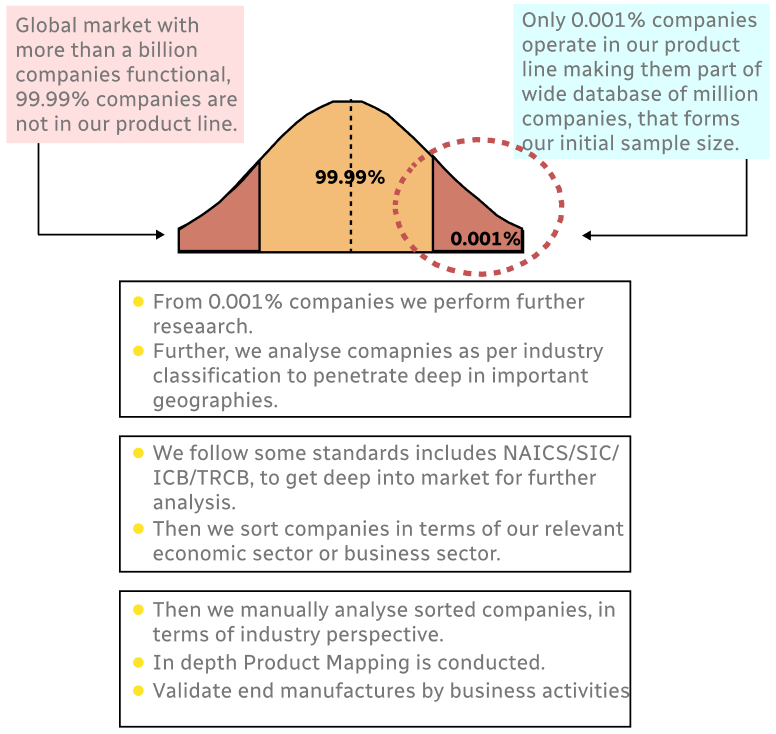
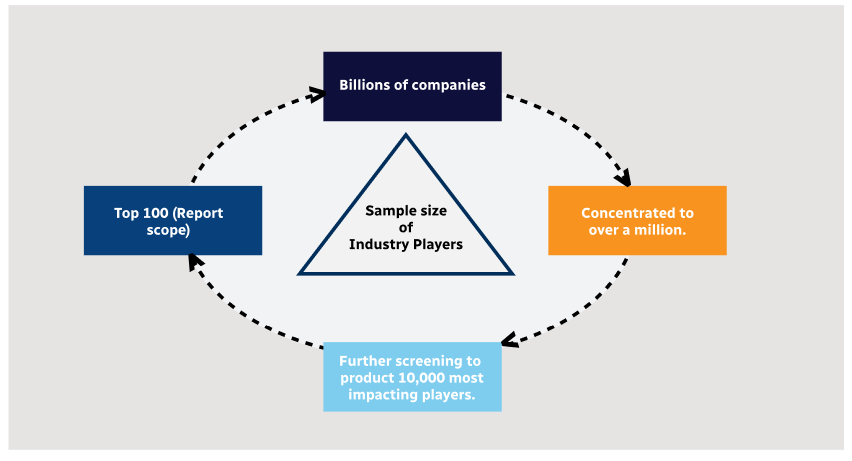
Step 1 - Identification of Relevant Samples Size from Population Database
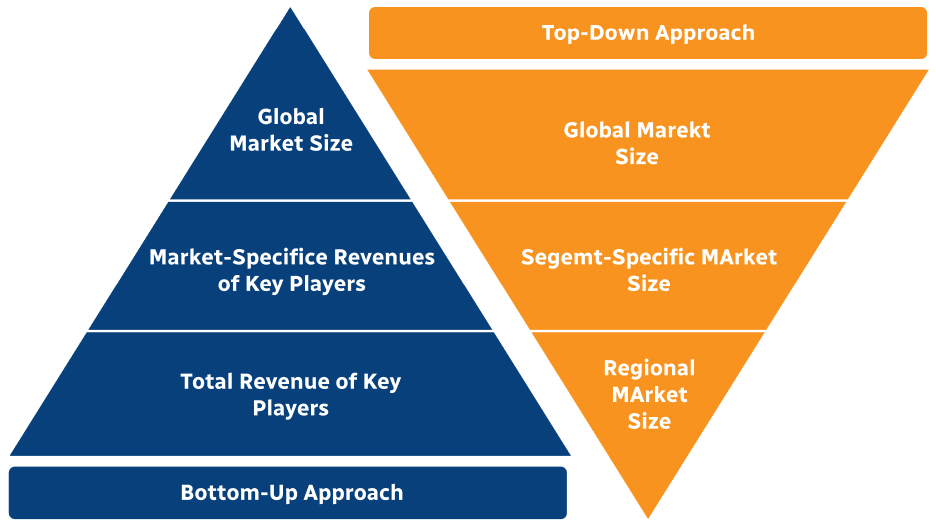
Step 2 - Approaches for Defining Global Market Size (Value, Volume* & Price*)
Note*: In applicable scenarios
Step 3 - Data Sources
Primary Research
- Web Analytics
- Survey Reports
- Research Institute
- Latest Research Reports
- Opinion Leaders
Secondary Research
- Annual Reports
- White Paper
- Latest Press Release
- Industry Association
- Paid Database
- Investor Presentations
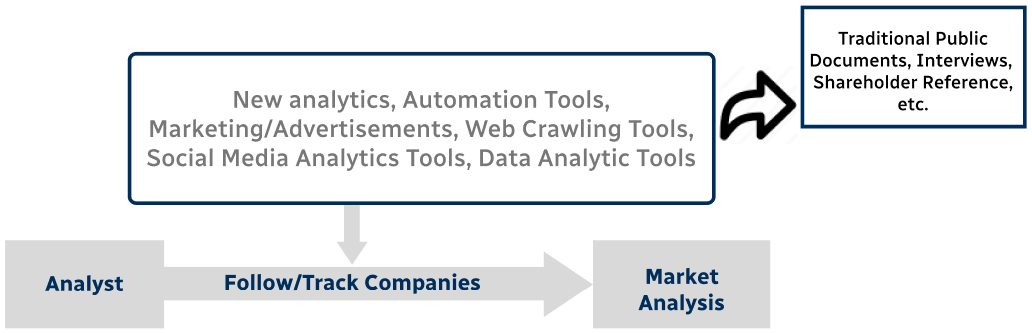
Step 4 - Data Triangulation
Involves using different sources of information in order to increase the validity of a study
These sources are likely to be stakeholders in a program - participants, other researchers, program staff, other community members, and so on.
Then we put all data in single framework & apply various statistical tools to find out the dynamic on the market.
During the analysis stage, feedback from the stakeholder groups would be compared to determine areas of agreement as well as areas of divergence