


Key Insights
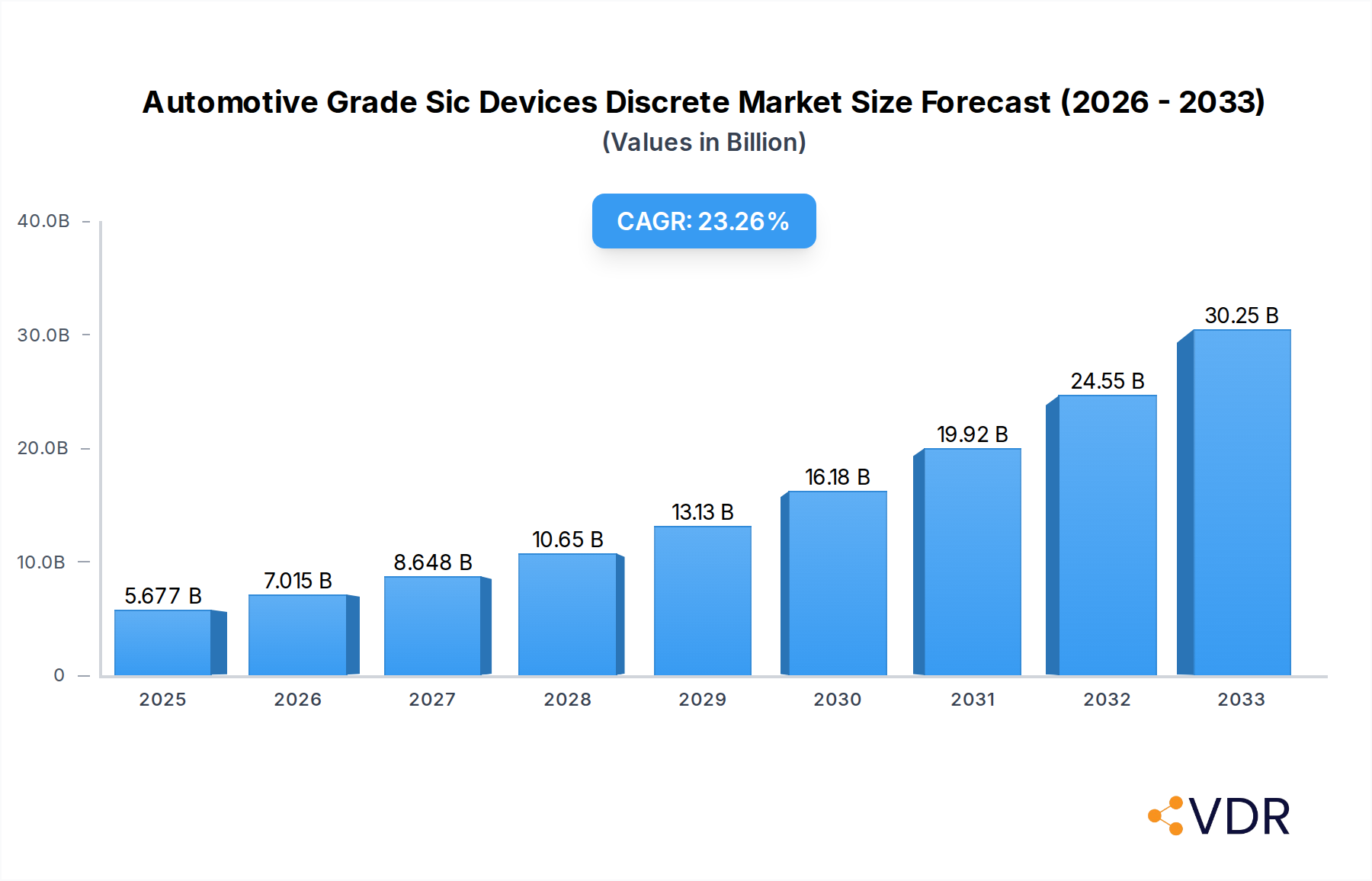
The Automotive Grade SiC Devices Discrete market is poised for substantial expansion, driven by the accelerating adoption of electric and hybrid electric vehicles (EVs/HEVs). Valued at an estimated $5,677 million in 2025, this dynamic sector is projected to experience a remarkable CAGR of 23.5% throughout the forecast period of 2025-2033. This robust growth is primarily fueled by the inherent advantages of Silicon Carbide (SiC) technology, including higher efficiency, superior thermal performance, and increased power density compared to traditional silicon-based components. These attributes are critical for optimizing EV powertrains, enabling longer driving ranges, faster charging times, and more compact and lightweight vehicle designs. The increasing demand for advanced inverters, on-board chargers (OBCs), and DC/DC converters in EVs and HEVs directly translates into a surge in the requirement for SiC MOSFET Discrete and SiC Diode Discrete (SiC SBD) devices.

Automotive Grade Sic Devices Discrete Market Size (In Billion)

The market's trajectory is further bolstered by stringent government regulations aimed at reducing emissions and promoting sustainable transportation, alongside growing consumer awareness and preference for greener mobility solutions. Key trends shaping this market include the continuous innovation in SiC device manufacturing processes, leading to improved reliability and reduced costs, and the increasing integration of these discrete components into next-generation electric vehicle architectures. While the market exhibits strong growth potential, potential restraints such as the initial higher cost of SiC devices compared to silicon counterparts and the need for specialized manufacturing expertise are being progressively addressed through economies of scale and technological advancements. The competitive landscape is characterized by a mix of established semiconductor giants and emerging SiC specialists, all vying for a significant share of this rapidly evolving market.
Automotive Grade Sic Devices Discrete Company Market Share
This comprehensive market research report provides an in-depth analysis of the Automotive Grade SiC Devices Discrete market, a critical component driving the next generation of electric vehicles (EVs) and hybrid electric vehicles (HEVs). Delve into the intricate dynamics, growth trajectories, and future potential of Silicon Carbide (SiC) MOSFET and SiC Schottky Barrier Diode (SBD) discretes, essential for enhanced efficiency, power density, and thermal management in automotive power electronics.
Automotive Grade Sic Devices Discrete Market Dynamics & Structure
The Automotive Grade SiC Devices Discrete market is characterized by a dynamic interplay of intense technological innovation, evolving regulatory landscapes, and a burgeoning demand from the electric vehicle sector. Market concentration is moderately fragmented, with key players like STMicroelectronics, Infineon, and Wolfspeed leading the innovation race and holding significant market share. Technological innovation is primarily driven by the pursuit of higher energy efficiency, increased power density, and improved thermal performance, crucial for extending EV range and reducing charging times. Regulatory frameworks, particularly stringent emission standards and government incentives for EV adoption, are powerful drivers shaping market demand. Competitive product substitutes, primarily traditional silicon-based devices, are rapidly being displaced by SiC's superior performance characteristics, though cost remains a factor. End-user demographics are predominantly automotive OEMs and Tier-1 suppliers focused on developing advanced powertrain systems. Mergers and acquisitions (M&A) are actively reshaping the landscape, with strategic consolidations aimed at securing supply chains, acquiring intellectual property, and expanding product portfolios.
- Market Concentration: Moderately fragmented with a few dominant players.
- Technological Innovation Drivers: Efficiency, power density, thermal management, cost reduction.
- Regulatory Frameworks: Emission standards (e.g., Euro 7, EPA mandates), EV subsidies, charging infrastructure development.
- Competitive Product Substitutes: Silicon IGBTs, Silicon MOSFETs.
- End-User Demographics: Automotive OEMs, Tier-1 suppliers, EV manufacturers.
- M&A Trends: Strategic acquisitions for IP, supply chain security, and market expansion. For instance, the historical period (2019-2024) has seen a notable increase in M&A activities as companies aim to secure critical SiC wafer and device manufacturing capabilities.
Automotive Grade Sic Devices Discrete Growth Trends & Insights
The Automotive Grade SiC Devices Discrete market is poised for exponential growth, fueled by the global transition towards electrified transportation. The market size is projected to witness a significant expansion from an estimated xx million units in the Base Year of 2025 to xx million units by the Forecast Period ending in 2033. This robust growth is underpinned by escalating EV adoption rates, driven by increasing consumer awareness of environmental issues, improving battery technology, and supportive government policies. Technological disruptions, such as the continuous refinement of SiC wafer manufacturing processes leading to reduced costs and improved device reliability, are accelerating market penetration. Consumer behavior is shifting towards embracing electric mobility, demanding longer driving ranges and faster charging, which SiC technology directly addresses. The adoption rate of SiC MOSFET Discrete and SiC Diode Discrete (SiC SBD) in main inverters, onboard chargers (OBCs), and DC/DC converters for EVs/HEVs is expected to surge. The Compound Annual Growth Rate (CAGR) for this sector is estimated to be a substantial xx% during the forecast period, indicating a dynamic and high-potential market. Historical data from 2019-2024 shows a foundational increase, setting the stage for this accelerated future.
Dominant Regions, Countries, or Segments in Automotive Grade Sic Devices Discrete
The Automotive Grade SiC Devices Discrete market's dominance is currently spearheaded by the Main Inverter (Electric Traction) application segment, which consistently demands high-performance SiC MOSFET Discrete and SiC Diode Discrete (SiC SBD) for optimizing the power delivery and efficiency of electric vehicle powertrains. This segment is critical for achieving longer driving ranges and reducing energy consumption. Geographically, Asia Pacific, particularly China, is emerging as a dominant region due to its leading position in EV manufacturing, strong government support for electric mobility, and a rapidly expanding domestic EV market. The country's ambitious targets for EV sales and significant investment in semiconductor manufacturing infrastructure make it a pivotal hub for SiC device consumption and innovation.
- Dominant Application Segment: Main Inverter (Electric Traction). This segment accounts for an estimated xx% of the total SiC discrete devices market in 2025, with projected growth to xx% by 2033.
- Key Drivers: Need for higher power density, improved efficiency in high-voltage powertrains, and thermal management for extended EV range.
- Market Share & Growth Potential: Expectation of substantial year-over-year growth exceeding xx% due to the increasing electrification of vehicles.
- Dominant Geographical Region: Asia Pacific (specifically China). This region is expected to capture an estimated xx% of the global SiC discrete market share in 2025, growing to xx% by 2033.
- Key Drivers: Extensive EV production, supportive government policies and incentives, robust domestic semiconductor industry, and a large consumer base for electric vehicles.
- Economic Policies & Infrastructure: Government initiatives promoting local manufacturing and R&D in advanced semiconductors are critical. Significant investments in EV charging infrastructure further bolster demand.
- Growth Potential: Anticipated CAGR of xx% in this region, driven by the aggressive expansion of EV manufacturing capacity.
Automotive Grade Sic Devices Discrete Product Landscape
The Automotive Grade SiC Devices Discrete product landscape is defined by continuous innovation in SiC MOSFET Discrete and SiC Diode Discrete (SiC SBD) technologies. Manufacturers are focusing on developing devices with lower on-resistance, faster switching speeds, and enhanced thermal dissipation capabilities, thereby improving the overall efficiency and performance of EV powertrains. Key applications like Main Inverters, Onboard Chargers (OBCs), and DC/DC Converters for EVs/HEVs benefit directly from these advancements, enabling smaller, lighter, and more robust power modules. Unique selling propositions include higher voltage ratings (1200V and above), reduced switching losses leading to improved fuel economy, and superior reliability in demanding automotive environments. Technological advancements are centered on achieving higher junction temperatures and lower parasitic inductance, pushing the boundaries of power electronics.
Key Drivers, Barriers & Challenges in Automotive Grade Sic Devices Discrete
The Automotive Grade SiC Devices Discrete market is propelled by several key drivers: the escalating global demand for electric vehicles, stringent environmental regulations mandating reduced emissions, and the inherent performance advantages of SiC over traditional silicon, including higher efficiency and power density. Technological advancements in SiC manufacturing are also contributing significantly.
- Key Drivers:
- EV Adoption: Rapid growth in EV sales worldwide.
- Environmental Regulations: Stricter emission standards pushing for electrification.
- Performance Benefits: Superior efficiency, power density, and thermal capabilities of SiC.
- Government Incentives: Subsidies and policies supporting EV and semiconductor development.
However, the market faces significant barriers and challenges. High manufacturing costs for SiC wafers and devices remain a primary restraint, impacting the overall cost of EVs. Supply chain constraints, particularly for high-quality SiC substrates, pose a risk to production volumes. The availability of skilled labor for advanced semiconductor manufacturing and the need for specialized testing and qualification processes also present hurdles. Furthermore, competition from advanced silicon carbide devices and the need for continuous R&D to stay ahead in technological advancements are ongoing challenges.
- Key Barriers & Challenges:
- High Manufacturing Costs: SiC wafer and device production is more expensive than silicon.
- Supply Chain Limitations: Availability and consistency of SiC substrates.
- Talent Shortage: Need for skilled personnel in advanced semiconductor manufacturing.
- R&D Investment: Continuous need for innovation and cost reduction.
- Qualification & Reliability: Stringent automotive qualification processes.
Emerging Opportunities in Automotive Grade Sic Devices Discrete
Emerging opportunities in the Automotive Grade SiC Devices Discrete market lie in the development of higher voltage and higher current SiC devices to support the next generation of electric vehicles with even greater power capabilities. Untapped markets in commercial electric vehicles, such as trucks and buses, present a significant growth avenue. Innovative applications in battery management systems (BMS) and advanced driver-assistance systems (ADAS) also offer new frontiers. Evolving consumer preferences for faster charging and longer driving ranges will continue to drive the demand for more efficient SiC solutions, creating opportunities for specialized product development and customization.
Growth Accelerators in the Automotive Grade Sic Devices Discrete Industry
Long-term growth in the Automotive Grade SiC Devices Discrete industry is significantly accelerated by breakthroughs in epitaxial growth techniques and wafer manufacturing, leading to improved material quality and reduced defect densities. Strategic partnerships between SiC device manufacturers and automotive OEMs are crucial for co-developing tailored solutions and securing long-term supply agreements. Market expansion strategies, including the establishment of localized manufacturing facilities in key automotive production hubs, will also play a vital role in driving sustained growth and addressing regional demand.
Key Players Shaping the Automotive Grade Sic Devices Discrete Market
STMicroelectronics, Infineon Technologies AG, Wolfspeed, Inc., Rohm Semiconductor, onsemi, BYD Semiconductor, Microchip Technology (Microsemi), Mitsubishi Electric (Vincotech), Semikron Danfoss, Fuji Electric Co., Ltd., Navitas Semiconductor (GeneSiC), Toshiba Corporation, Qorvo (UnitedSiC), San'an Optoelectronics, Littelfuse (IXYS), CETC 55, WeEn Semiconductors, BASiC Semiconductor, SemiQ, Diodes Incorporated, SanRex Corporation, Alpha & Omega Semiconductor, Robert Bosch GmbH, KEC Corporation, PANJIT Group, Nexperia, Vishay Intertechnology, Zhuzhou CRRC Times Electric Co., Ltd., China Resources Microelectronics Limited, StarPower Semiconductor, Yangzhou Yangjie Electronic Technology Co., Ltd., Guangdong AccoPower Semiconductor Co., Ltd., Changzhou Galaxy Century Microelectronics Co., Ltd., Hangzhou Silan Microelectronics Co., Ltd., Cissoid SA, SK powertech Co., Ltd., InventChip Technology Co., Ltd., Hebei Sinopack Electronic Technology Co., Ltd., Oriental Semiconductor Co., Ltd., Jilin Sino-Microelectronics Co., Ltd., PN Junction Semiconductor (Hangzhou) Co., Ltd.
Notable Milestones in Automotive Grade Sic Devices Discrete Sector
- 2019: Increased adoption of SiC MOSFETs in premium EV main inverters for enhanced efficiency.
- 2020: Significant breakthroughs in SiC wafer diameter increase, leading to potential cost reductions.
- 2021: Major automotive OEMs announce plans to transition to SiC technology for future EV platforms.
- 2022: Expansion of manufacturing capacity by key SiC device suppliers to meet surging demand.
- 2023: Introduction of more robust and higher voltage SiC diodes and MOSFETs for demanding automotive applications.
- 2024: Growing trend of vertical integration within the SiC supply chain by leading players.
In-Depth Automotive Grade Sic Devices Discrete Market Outlook
The Automotive Grade SiC Devices Discrete market is set for sustained and accelerated growth, driven by the undeniable global shift towards electric mobility. The increasing focus on energy efficiency, extended EV range, and faster charging times will continue to fuel the demand for SiC's superior performance characteristics in applications like main inverters, OBCs, and DC/DC converters. Strategic investments in R&D, coupled with expanding manufacturing capabilities and a maturing supply chain, are expected to mitigate cost barriers and enhance accessibility. The market's future potential lies in its ability to enable more sustainable and high-performing electric vehicles, making SiC discrete devices indispensable for the automotive industry's electrification journey.
Automotive Grade Sic Devices Discrete Segmentation
-
1. Application
- 1.1. Main Inverter (Electric Traction)
- 1.2. OBC
- 1.3. DC/DC Converter for EV/HEV
-
2. Type
- 2.1. SiC MOSFET Discrete
- 2.2. SiC Diode Discrete (SiC SBD)
Automotive Grade Sic Devices Discrete Segmentation By Geography
-
1. North America
- 1.1. United States
- 1.2. Canada
- 1.3. Mexico
-
2. South America
- 2.1. Brazil
- 2.2. Argentina
- 2.3. Rest of South America
-
3. Europe
- 3.1. United Kingdom
- 3.2. Germany
- 3.3. France
- 3.4. Italy
- 3.5. Spain
- 3.6. Russia
- 3.7. Benelux
- 3.8. Nordics
- 3.9. Rest of Europe
-
4. Middle East & Africa
- 4.1. Turkey
- 4.2. Israel
- 4.3. GCC
- 4.4. North Africa
- 4.5. South Africa
- 4.6. Rest of Middle East & Africa
-
5. Asia Pacific
- 5.1. China
- 5.2. India
- 5.3. Japan
- 5.4. South Korea
- 5.5. ASEAN
- 5.6. Oceania
- 5.7. Rest of Asia Pacific

Automotive Grade Sic Devices Discrete Regional Market Share
Geographic Coverage of Automotive Grade Sic Devices Discrete
Automotive Grade Sic Devices Discrete REPORT HIGHLIGHTS
| Aspects | Details |
|---|---|
| Study Period | 2020-2034 |
| Base Year | 2025 |
| Estimated Year | 2026 |
| Forecast Period | 2026-2034 |
| Historical Period | 2020-2025 |
| Growth Rate | CAGR of 23.5% from 2020-2034 |
| Segmentation |
|
Table of Contents
- 1. Introduction
- 1.1. Research Scope
- 1.2. Market Segmentation
- 1.3. Research Methodology
- 1.4. Definitions and Assumptions
- 2. Executive Summary
- 2.1. Introduction
- 3. Market Dynamics
- 3.1. Introduction
- 3.2. Market Drivers
- 3.3. Market Restrains
- 3.4. Market Trends
- 4. Market Factor Analysis
- 4.1. Porters Five Forces
- 4.2. Supply/Value Chain
- 4.3. PESTEL analysis
- 4.4. Market Entropy
- 4.5. Patent/Trademark Analysis
- 5. Global Automotive Grade Sic Devices Discrete Analysis, Insights and Forecast, 2020-2032
- 5.1. Market Analysis, Insights and Forecast - by Application
- 5.1.1. Main Inverter (Electric Traction)
- 5.1.2. OBC
- 5.1.3. DC/DC Converter for EV/HEV
- 5.2. Market Analysis, Insights and Forecast - by Type
- 5.2.1. SiC MOSFET Discrete
- 5.2.2. SiC Diode Discrete (SiC SBD)
- 5.3. Market Analysis, Insights and Forecast - by Region
- 5.3.1. North America
- 5.3.2. South America
- 5.3.3. Europe
- 5.3.4. Middle East & Africa
- 5.3.5. Asia Pacific
- 5.1. Market Analysis, Insights and Forecast - by Application
- 6. North America Automotive Grade Sic Devices Discrete Analysis, Insights and Forecast, 2020-2032
- 6.1. Market Analysis, Insights and Forecast - by Application
- 6.1.1. Main Inverter (Electric Traction)
- 6.1.2. OBC
- 6.1.3. DC/DC Converter for EV/HEV
- 6.2. Market Analysis, Insights and Forecast - by Type
- 6.2.1. SiC MOSFET Discrete
- 6.2.2. SiC Diode Discrete (SiC SBD)
- 6.1. Market Analysis, Insights and Forecast - by Application
- 7. South America Automotive Grade Sic Devices Discrete Analysis, Insights and Forecast, 2020-2032
- 7.1. Market Analysis, Insights and Forecast - by Application
- 7.1.1. Main Inverter (Electric Traction)
- 7.1.2. OBC
- 7.1.3. DC/DC Converter for EV/HEV
- 7.2. Market Analysis, Insights and Forecast - by Type
- 7.2.1. SiC MOSFET Discrete
- 7.2.2. SiC Diode Discrete (SiC SBD)
- 7.1. Market Analysis, Insights and Forecast - by Application
- 8. Europe Automotive Grade Sic Devices Discrete Analysis, Insights and Forecast, 2020-2032
- 8.1. Market Analysis, Insights and Forecast - by Application
- 8.1.1. Main Inverter (Electric Traction)
- 8.1.2. OBC
- 8.1.3. DC/DC Converter for EV/HEV
- 8.2. Market Analysis, Insights and Forecast - by Type
- 8.2.1. SiC MOSFET Discrete
- 8.2.2. SiC Diode Discrete (SiC SBD)
- 8.1. Market Analysis, Insights and Forecast - by Application
- 9. Middle East & Africa Automotive Grade Sic Devices Discrete Analysis, Insights and Forecast, 2020-2032
- 9.1. Market Analysis, Insights and Forecast - by Application
- 9.1.1. Main Inverter (Electric Traction)
- 9.1.2. OBC
- 9.1.3. DC/DC Converter for EV/HEV
- 9.2. Market Analysis, Insights and Forecast - by Type
- 9.2.1. SiC MOSFET Discrete
- 9.2.2. SiC Diode Discrete (SiC SBD)
- 9.1. Market Analysis, Insights and Forecast - by Application
- 10. Asia Pacific Automotive Grade Sic Devices Discrete Analysis, Insights and Forecast, 2020-2032
- 10.1. Market Analysis, Insights and Forecast - by Application
- 10.1.1. Main Inverter (Electric Traction)
- 10.1.2. OBC
- 10.1.3. DC/DC Converter for EV/HEV
- 10.2. Market Analysis, Insights and Forecast - by Type
- 10.2.1. SiC MOSFET Discrete
- 10.2.2. SiC Diode Discrete (SiC SBD)
- 10.1. Market Analysis, Insights and Forecast - by Application
- 11. Competitive Analysis
- 11.1. Global Market Share Analysis 2025
- 11.2. Company Profiles
- 11.2.1 STMicroelectronics
- 11.2.1.1. Overview
- 11.2.1.2. Products
- 11.2.1.3. SWOT Analysis
- 11.2.1.4. Recent Developments
- 11.2.1.5. Financials (Based on Availability)
- 11.2.2 Infineon
- 11.2.2.1. Overview
- 11.2.2.2. Products
- 11.2.2.3. SWOT Analysis
- 11.2.2.4. Recent Developments
- 11.2.2.5. Financials (Based on Availability)
- 11.2.3 Wolfspeed
- 11.2.3.1. Overview
- 11.2.3.2. Products
- 11.2.3.3. SWOT Analysis
- 11.2.3.4. Recent Developments
- 11.2.3.5. Financials (Based on Availability)
- 11.2.4 Rohm
- 11.2.4.1. Overview
- 11.2.4.2. Products
- 11.2.4.3. SWOT Analysis
- 11.2.4.4. Recent Developments
- 11.2.4.5. Financials (Based on Availability)
- 11.2.5 onsemi
- 11.2.5.1. Overview
- 11.2.5.2. Products
- 11.2.5.3. SWOT Analysis
- 11.2.5.4. Recent Developments
- 11.2.5.5. Financials (Based on Availability)
- 11.2.6 BYD Semiconductor
- 11.2.6.1. Overview
- 11.2.6.2. Products
- 11.2.6.3. SWOT Analysis
- 11.2.6.4. Recent Developments
- 11.2.6.5. Financials (Based on Availability)
- 11.2.7 Microchip (Microsemi)
- 11.2.7.1. Overview
- 11.2.7.2. Products
- 11.2.7.3. SWOT Analysis
- 11.2.7.4. Recent Developments
- 11.2.7.5. Financials (Based on Availability)
- 11.2.8 Mitsubishi Electric (Vincotech)
- 11.2.8.1. Overview
- 11.2.8.2. Products
- 11.2.8.3. SWOT Analysis
- 11.2.8.4. Recent Developments
- 11.2.8.5. Financials (Based on Availability)
- 11.2.9 Semikron Danfoss
- 11.2.9.1. Overview
- 11.2.9.2. Products
- 11.2.9.3. SWOT Analysis
- 11.2.9.4. Recent Developments
- 11.2.9.5. Financials (Based on Availability)
- 11.2.10 Fuji Electric
- 11.2.10.1. Overview
- 11.2.10.2. Products
- 11.2.10.3. SWOT Analysis
- 11.2.10.4. Recent Developments
- 11.2.10.5. Financials (Based on Availability)
- 11.2.11 Navitas (GeneSiC)
- 11.2.11.1. Overview
- 11.2.11.2. Products
- 11.2.11.3. SWOT Analysis
- 11.2.11.4. Recent Developments
- 11.2.11.5. Financials (Based on Availability)
- 11.2.12 Toshiba
- 11.2.12.1. Overview
- 11.2.12.2. Products
- 11.2.12.3. SWOT Analysis
- 11.2.12.4. Recent Developments
- 11.2.12.5. Financials (Based on Availability)
- 11.2.13 Qorvo (UnitedSiC)
- 11.2.13.1. Overview
- 11.2.13.2. Products
- 11.2.13.3. SWOT Analysis
- 11.2.13.4. Recent Developments
- 11.2.13.5. Financials (Based on Availability)
- 11.2.14 San'an Optoelectronics
- 11.2.14.1. Overview
- 11.2.14.2. Products
- 11.2.14.3. SWOT Analysis
- 11.2.14.4. Recent Developments
- 11.2.14.5. Financials (Based on Availability)
- 11.2.15 Littelfuse (IXYS)
- 11.2.15.1. Overview
- 11.2.15.2. Products
- 11.2.15.3. SWOT Analysis
- 11.2.15.4. Recent Developments
- 11.2.15.5. Financials (Based on Availability)
- 11.2.16 CETC 55
- 11.2.16.1. Overview
- 11.2.16.2. Products
- 11.2.16.3. SWOT Analysis
- 11.2.16.4. Recent Developments
- 11.2.16.5. Financials (Based on Availability)
- 11.2.17 WeEn Semiconductors
- 11.2.17.1. Overview
- 11.2.17.2. Products
- 11.2.17.3. SWOT Analysis
- 11.2.17.4. Recent Developments
- 11.2.17.5. Financials (Based on Availability)
- 11.2.18 BASiC Semiconductor
- 11.2.18.1. Overview
- 11.2.18.2. Products
- 11.2.18.3. SWOT Analysis
- 11.2.18.4. Recent Developments
- 11.2.18.5. Financials (Based on Availability)
- 11.2.19 SemiQ
- 11.2.19.1. Overview
- 11.2.19.2. Products
- 11.2.19.3. SWOT Analysis
- 11.2.19.4. Recent Developments
- 11.2.19.5. Financials (Based on Availability)
- 11.2.20 Diodes Incorporated
- 11.2.20.1. Overview
- 11.2.20.2. Products
- 11.2.20.3. SWOT Analysis
- 11.2.20.4. Recent Developments
- 11.2.20.5. Financials (Based on Availability)
- 11.2.21 SanRex
- 11.2.21.1. Overview
- 11.2.21.2. Products
- 11.2.21.3. SWOT Analysis
- 11.2.21.4. Recent Developments
- 11.2.21.5. Financials (Based on Availability)
- 11.2.22 Alpha & Omega Semiconductor
- 11.2.22.1. Overview
- 11.2.22.2. Products
- 11.2.22.3. SWOT Analysis
- 11.2.22.4. Recent Developments
- 11.2.22.5. Financials (Based on Availability)
- 11.2.23 Bosch
- 11.2.23.1. Overview
- 11.2.23.2. Products
- 11.2.23.3. SWOT Analysis
- 11.2.23.4. Recent Developments
- 11.2.23.5. Financials (Based on Availability)
- 11.2.24 KEC Corporation
- 11.2.24.1. Overview
- 11.2.24.2. Products
- 11.2.24.3. SWOT Analysis
- 11.2.24.4. Recent Developments
- 11.2.24.5. Financials (Based on Availability)
- 11.2.25 PANJIT Group
- 11.2.25.1. Overview
- 11.2.25.2. Products
- 11.2.25.3. SWOT Analysis
- 11.2.25.4. Recent Developments
- 11.2.25.5. Financials (Based on Availability)
- 11.2.26 Nexperia
- 11.2.26.1. Overview
- 11.2.26.2. Products
- 11.2.26.3. SWOT Analysis
- 11.2.26.4. Recent Developments
- 11.2.26.5. Financials (Based on Availability)
- 11.2.27 Vishay Intertechnology
- 11.2.27.1. Overview
- 11.2.27.2. Products
- 11.2.27.3. SWOT Analysis
- 11.2.27.4. Recent Developments
- 11.2.27.5. Financials (Based on Availability)
- 11.2.28 Zhuzhou CRRC Times Electric
- 11.2.28.1. Overview
- 11.2.28.2. Products
- 11.2.28.3. SWOT Analysis
- 11.2.28.4. Recent Developments
- 11.2.28.5. Financials (Based on Availability)
- 11.2.29 China Resources Microelectronics Limited
- 11.2.29.1. Overview
- 11.2.29.2. Products
- 11.2.29.3. SWOT Analysis
- 11.2.29.4. Recent Developments
- 11.2.29.5. Financials (Based on Availability)
- 11.2.30 StarPower
- 11.2.30.1. Overview
- 11.2.30.2. Products
- 11.2.30.3. SWOT Analysis
- 11.2.30.4. Recent Developments
- 11.2.30.5. Financials (Based on Availability)
- 11.2.31 Yangzhou Yangjie Electronic Technology
- 11.2.31.1. Overview
- 11.2.31.2. Products
- 11.2.31.3. SWOT Analysis
- 11.2.31.4. Recent Developments
- 11.2.31.5. Financials (Based on Availability)
- 11.2.32 Guangdong AccoPower Semiconductor
- 11.2.32.1. Overview
- 11.2.32.2. Products
- 11.2.32.3. SWOT Analysis
- 11.2.32.4. Recent Developments
- 11.2.32.5. Financials (Based on Availability)
- 11.2.33 Changzhou Galaxy Century Microelectronics
- 11.2.33.1. Overview
- 11.2.33.2. Products
- 11.2.33.3. SWOT Analysis
- 11.2.33.4. Recent Developments
- 11.2.33.5. Financials (Based on Availability)
- 11.2.34 Hangzhou Silan Microelectronics
- 11.2.34.1. Overview
- 11.2.34.2. Products
- 11.2.34.3. SWOT Analysis
- 11.2.34.4. Recent Developments
- 11.2.34.5. Financials (Based on Availability)
- 11.2.35 Cissoid
- 11.2.35.1. Overview
- 11.2.35.2. Products
- 11.2.35.3. SWOT Analysis
- 11.2.35.4. Recent Developments
- 11.2.35.5. Financials (Based on Availability)
- 11.2.36 SK powertech
- 11.2.36.1. Overview
- 11.2.36.2. Products
- 11.2.36.3. SWOT Analysis
- 11.2.36.4. Recent Developments
- 11.2.36.5. Financials (Based on Availability)
- 11.2.37 InventChip Technology
- 11.2.37.1. Overview
- 11.2.37.2. Products
- 11.2.37.3. SWOT Analysis
- 11.2.37.4. Recent Developments
- 11.2.37.5. Financials (Based on Availability)
- 11.2.38 Hebei Sinopack Electronic Technology
- 11.2.38.1. Overview
- 11.2.38.2. Products
- 11.2.38.3. SWOT Analysis
- 11.2.38.4. Recent Developments
- 11.2.38.5. Financials (Based on Availability)
- 11.2.39 Oriental Semiconductor
- 11.2.39.1. Overview
- 11.2.39.2. Products
- 11.2.39.3. SWOT Analysis
- 11.2.39.4. Recent Developments
- 11.2.39.5. Financials (Based on Availability)
- 11.2.40 Jilin Sino-Microelectronics
- 11.2.40.1. Overview
- 11.2.40.2. Products
- 11.2.40.3. SWOT Analysis
- 11.2.40.4. Recent Developments
- 11.2.40.5. Financials (Based on Availability)
- 11.2.41 PN Junction Semiconductor (Hangzhou)
- 11.2.41.1. Overview
- 11.2.41.2. Products
- 11.2.41.3. SWOT Analysis
- 11.2.41.4. Recent Developments
- 11.2.41.5. Financials (Based on Availability)
- 11.2.1 STMicroelectronics
List of Figures
- Figure 1: Global Automotive Grade Sic Devices Discrete Revenue Breakdown (million, %) by Region 2025 & 2033
- Figure 2: North America Automotive Grade Sic Devices Discrete Revenue (million), by Application 2025 & 2033
- Figure 3: North America Automotive Grade Sic Devices Discrete Revenue Share (%), by Application 2025 & 2033
- Figure 4: North America Automotive Grade Sic Devices Discrete Revenue (million), by Type 2025 & 2033
- Figure 5: North America Automotive Grade Sic Devices Discrete Revenue Share (%), by Type 2025 & 2033
- Figure 6: North America Automotive Grade Sic Devices Discrete Revenue (million), by Country 2025 & 2033
- Figure 7: North America Automotive Grade Sic Devices Discrete Revenue Share (%), by Country 2025 & 2033
- Figure 8: South America Automotive Grade Sic Devices Discrete Revenue (million), by Application 2025 & 2033
- Figure 9: South America Automotive Grade Sic Devices Discrete Revenue Share (%), by Application 2025 & 2033
- Figure 10: South America Automotive Grade Sic Devices Discrete Revenue (million), by Type 2025 & 2033
- Figure 11: South America Automotive Grade Sic Devices Discrete Revenue Share (%), by Type 2025 & 2033
- Figure 12: South America Automotive Grade Sic Devices Discrete Revenue (million), by Country 2025 & 2033
- Figure 13: South America Automotive Grade Sic Devices Discrete Revenue Share (%), by Country 2025 & 2033
- Figure 14: Europe Automotive Grade Sic Devices Discrete Revenue (million), by Application 2025 & 2033
- Figure 15: Europe Automotive Grade Sic Devices Discrete Revenue Share (%), by Application 2025 & 2033
- Figure 16: Europe Automotive Grade Sic Devices Discrete Revenue (million), by Type 2025 & 2033
- Figure 17: Europe Automotive Grade Sic Devices Discrete Revenue Share (%), by Type 2025 & 2033
- Figure 18: Europe Automotive Grade Sic Devices Discrete Revenue (million), by Country 2025 & 2033
- Figure 19: Europe Automotive Grade Sic Devices Discrete Revenue Share (%), by Country 2025 & 2033
- Figure 20: Middle East & Africa Automotive Grade Sic Devices Discrete Revenue (million), by Application 2025 & 2033
- Figure 21: Middle East & Africa Automotive Grade Sic Devices Discrete Revenue Share (%), by Application 2025 & 2033
- Figure 22: Middle East & Africa Automotive Grade Sic Devices Discrete Revenue (million), by Type 2025 & 2033
- Figure 23: Middle East & Africa Automotive Grade Sic Devices Discrete Revenue Share (%), by Type 2025 & 2033
- Figure 24: Middle East & Africa Automotive Grade Sic Devices Discrete Revenue (million), by Country 2025 & 2033
- Figure 25: Middle East & Africa Automotive Grade Sic Devices Discrete Revenue Share (%), by Country 2025 & 2033
- Figure 26: Asia Pacific Automotive Grade Sic Devices Discrete Revenue (million), by Application 2025 & 2033
- Figure 27: Asia Pacific Automotive Grade Sic Devices Discrete Revenue Share (%), by Application 2025 & 2033
- Figure 28: Asia Pacific Automotive Grade Sic Devices Discrete Revenue (million), by Type 2025 & 2033
- Figure 29: Asia Pacific Automotive Grade Sic Devices Discrete Revenue Share (%), by Type 2025 & 2033
- Figure 30: Asia Pacific Automotive Grade Sic Devices Discrete Revenue (million), by Country 2025 & 2033
- Figure 31: Asia Pacific Automotive Grade Sic Devices Discrete Revenue Share (%), by Country 2025 & 2033
List of Tables
- Table 1: Global Automotive Grade Sic Devices Discrete Revenue million Forecast, by Application 2020 & 2033
- Table 2: Global Automotive Grade Sic Devices Discrete Revenue million Forecast, by Type 2020 & 2033
- Table 3: Global Automotive Grade Sic Devices Discrete Revenue million Forecast, by Region 2020 & 2033
- Table 4: Global Automotive Grade Sic Devices Discrete Revenue million Forecast, by Application 2020 & 2033
- Table 5: Global Automotive Grade Sic Devices Discrete Revenue million Forecast, by Type 2020 & 2033
- Table 6: Global Automotive Grade Sic Devices Discrete Revenue million Forecast, by Country 2020 & 2033
- Table 7: United States Automotive Grade Sic Devices Discrete Revenue (million) Forecast, by Application 2020 & 2033
- Table 8: Canada Automotive Grade Sic Devices Discrete Revenue (million) Forecast, by Application 2020 & 2033
- Table 9: Mexico Automotive Grade Sic Devices Discrete Revenue (million) Forecast, by Application 2020 & 2033
- Table 10: Global Automotive Grade Sic Devices Discrete Revenue million Forecast, by Application 2020 & 2033
- Table 11: Global Automotive Grade Sic Devices Discrete Revenue million Forecast, by Type 2020 & 2033
- Table 12: Global Automotive Grade Sic Devices Discrete Revenue million Forecast, by Country 2020 & 2033
- Table 13: Brazil Automotive Grade Sic Devices Discrete Revenue (million) Forecast, by Application 2020 & 2033
- Table 14: Argentina Automotive Grade Sic Devices Discrete Revenue (million) Forecast, by Application 2020 & 2033
- Table 15: Rest of South America Automotive Grade Sic Devices Discrete Revenue (million) Forecast, by Application 2020 & 2033
- Table 16: Global Automotive Grade Sic Devices Discrete Revenue million Forecast, by Application 2020 & 2033
- Table 17: Global Automotive Grade Sic Devices Discrete Revenue million Forecast, by Type 2020 & 2033
- Table 18: Global Automotive Grade Sic Devices Discrete Revenue million Forecast, by Country 2020 & 2033
- Table 19: United Kingdom Automotive Grade Sic Devices Discrete Revenue (million) Forecast, by Application 2020 & 2033
- Table 20: Germany Automotive Grade Sic Devices Discrete Revenue (million) Forecast, by Application 2020 & 2033
- Table 21: France Automotive Grade Sic Devices Discrete Revenue (million) Forecast, by Application 2020 & 2033
- Table 22: Italy Automotive Grade Sic Devices Discrete Revenue (million) Forecast, by Application 2020 & 2033
- Table 23: Spain Automotive Grade Sic Devices Discrete Revenue (million) Forecast, by Application 2020 & 2033
- Table 24: Russia Automotive Grade Sic Devices Discrete Revenue (million) Forecast, by Application 2020 & 2033
- Table 25: Benelux Automotive Grade Sic Devices Discrete Revenue (million) Forecast, by Application 2020 & 2033
- Table 26: Nordics Automotive Grade Sic Devices Discrete Revenue (million) Forecast, by Application 2020 & 2033
- Table 27: Rest of Europe Automotive Grade Sic Devices Discrete Revenue (million) Forecast, by Application 2020 & 2033
- Table 28: Global Automotive Grade Sic Devices Discrete Revenue million Forecast, by Application 2020 & 2033
- Table 29: Global Automotive Grade Sic Devices Discrete Revenue million Forecast, by Type 2020 & 2033
- Table 30: Global Automotive Grade Sic Devices Discrete Revenue million Forecast, by Country 2020 & 2033
- Table 31: Turkey Automotive Grade Sic Devices Discrete Revenue (million) Forecast, by Application 2020 & 2033
- Table 32: Israel Automotive Grade Sic Devices Discrete Revenue (million) Forecast, by Application 2020 & 2033
- Table 33: GCC Automotive Grade Sic Devices Discrete Revenue (million) Forecast, by Application 2020 & 2033
- Table 34: North Africa Automotive Grade Sic Devices Discrete Revenue (million) Forecast, by Application 2020 & 2033
- Table 35: South Africa Automotive Grade Sic Devices Discrete Revenue (million) Forecast, by Application 2020 & 2033
- Table 36: Rest of Middle East & Africa Automotive Grade Sic Devices Discrete Revenue (million) Forecast, by Application 2020 & 2033
- Table 37: Global Automotive Grade Sic Devices Discrete Revenue million Forecast, by Application 2020 & 2033
- Table 38: Global Automotive Grade Sic Devices Discrete Revenue million Forecast, by Type 2020 & 2033
- Table 39: Global Automotive Grade Sic Devices Discrete Revenue million Forecast, by Country 2020 & 2033
- Table 40: China Automotive Grade Sic Devices Discrete Revenue (million) Forecast, by Application 2020 & 2033
- Table 41: India Automotive Grade Sic Devices Discrete Revenue (million) Forecast, by Application 2020 & 2033
- Table 42: Japan Automotive Grade Sic Devices Discrete Revenue (million) Forecast, by Application 2020 & 2033
- Table 43: South Korea Automotive Grade Sic Devices Discrete Revenue (million) Forecast, by Application 2020 & 2033
- Table 44: ASEAN Automotive Grade Sic Devices Discrete Revenue (million) Forecast, by Application 2020 & 2033
- Table 45: Oceania Automotive Grade Sic Devices Discrete Revenue (million) Forecast, by Application 2020 & 2033
- Table 46: Rest of Asia Pacific Automotive Grade Sic Devices Discrete Revenue (million) Forecast, by Application 2020 & 2033
Frequently Asked Questions
1. What is the projected Compound Annual Growth Rate (CAGR) of the Automotive Grade Sic Devices Discrete?
The projected CAGR is approximately 23.5%.
2. Which companies are prominent players in the Automotive Grade Sic Devices Discrete?
Key companies in the market include STMicroelectronics, Infineon, Wolfspeed, Rohm, onsemi, BYD Semiconductor, Microchip (Microsemi), Mitsubishi Electric (Vincotech), Semikron Danfoss, Fuji Electric, Navitas (GeneSiC), Toshiba, Qorvo (UnitedSiC), San'an Optoelectronics, Littelfuse (IXYS), CETC 55, WeEn Semiconductors, BASiC Semiconductor, SemiQ, Diodes Incorporated, SanRex, Alpha & Omega Semiconductor, Bosch, KEC Corporation, PANJIT Group, Nexperia, Vishay Intertechnology, Zhuzhou CRRC Times Electric, China Resources Microelectronics Limited, StarPower, Yangzhou Yangjie Electronic Technology, Guangdong AccoPower Semiconductor, Changzhou Galaxy Century Microelectronics, Hangzhou Silan Microelectronics, Cissoid, SK powertech, InventChip Technology, Hebei Sinopack Electronic Technology, Oriental Semiconductor, Jilin Sino-Microelectronics, PN Junction Semiconductor (Hangzhou).
3. What are the main segments of the Automotive Grade Sic Devices Discrete?
The market segments include Application, Type.
4. Can you provide details about the market size?
The market size is estimated to be USD 5677 million as of 2022.
5. What are some drivers contributing to market growth?
N/A
6. What are the notable trends driving market growth?
N/A
7. Are there any restraints impacting market growth?
N/A
8. Can you provide examples of recent developments in the market?
N/A
9. What pricing options are available for accessing the report?
Pricing options include single-user, multi-user, and enterprise licenses priced at USD 2900.00, USD 4350.00, and USD 5800.00 respectively.
10. Is the market size provided in terms of value or volume?
The market size is provided in terms of value, measured in million.
11. Are there any specific market keywords associated with the report?
Yes, the market keyword associated with the report is "Automotive Grade Sic Devices Discrete," which aids in identifying and referencing the specific market segment covered.
12. How do I determine which pricing option suits my needs best?
The pricing options vary based on user requirements and access needs. Individual users may opt for single-user licenses, while businesses requiring broader access may choose multi-user or enterprise licenses for cost-effective access to the report.
13. Are there any additional resources or data provided in the Automotive Grade Sic Devices Discrete report?
While the report offers comprehensive insights, it's advisable to review the specific contents or supplementary materials provided to ascertain if additional resources or data are available.
14. How can I stay updated on further developments or reports in the Automotive Grade Sic Devices Discrete?
To stay informed about further developments, trends, and reports in the Automotive Grade Sic Devices Discrete, consider subscribing to industry newsletters, following relevant companies and organizations, or regularly checking reputable industry news sources and publications.
Methodology
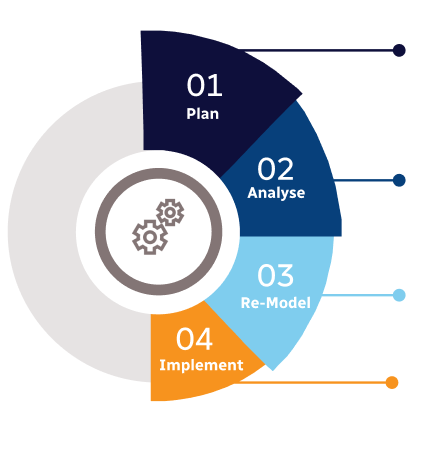
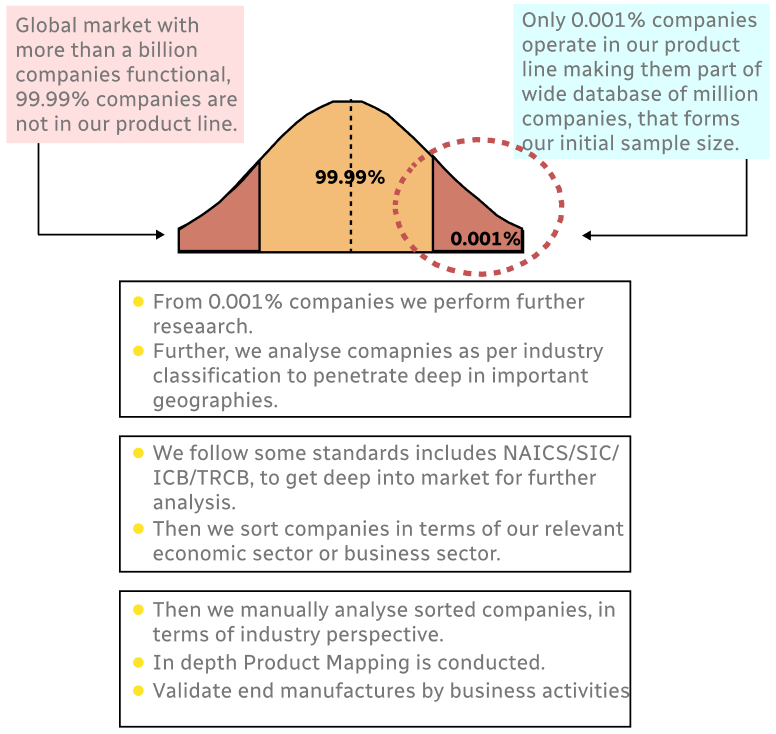
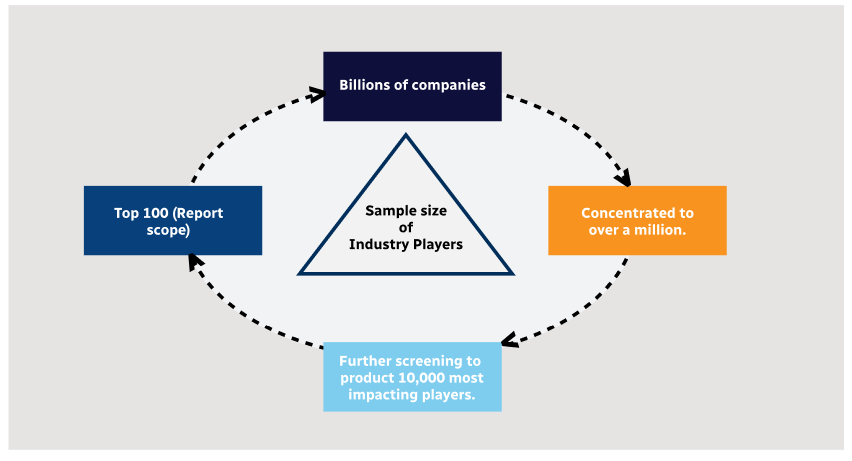
Step 1 - Identification of Relevant Samples Size from Population Database
Step 2 - Approaches for Defining Global Market Size (Value, Volume* & Price*)
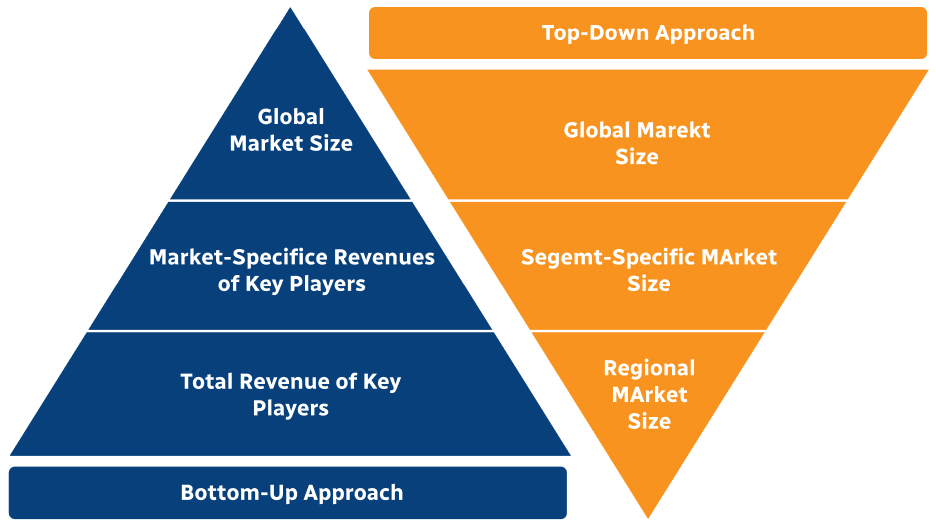
Note*: In applicable scenarios
Step 3 - Data Sources
Primary Research
- Web Analytics
- Survey Reports
- Research Institute
- Latest Research Reports
- Opinion Leaders
Secondary Research
- Annual Reports
- White Paper
- Latest Press Release
- Industry Association
- Paid Database
- Investor Presentations
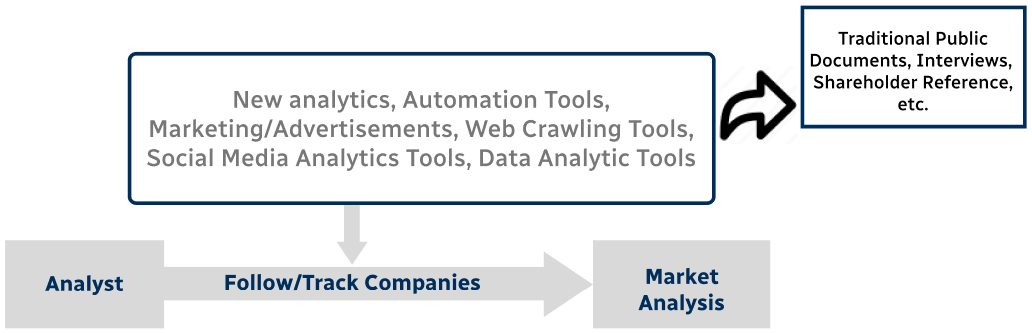
Step 4 - Data Triangulation
Involves using different sources of information in order to increase the validity of a study
These sources are likely to be stakeholders in a program - participants, other researchers, program staff, other community members, and so on.
Then we put all data in single framework & apply various statistical tools to find out the dynamic on the market.
During the analysis stage, feedback from the stakeholder groups would be compared to determine areas of agreement as well as areas of divergence