


Key Insights
The Asia-Pacific Agar Market is projected to experience substantial growth, reaching a market size of 287.8 million by 2033, with a compound annual growth rate (CAGR) of 4.52% from the base year 2024. This expansion is primarily driven by the increasing demand for agar as a versatile gelling agent and stabilizer across food and beverage, pharmaceutical, and biotechnology sectors. Key segments like bakery & confectionery, meat products, and dairy products are significant contributors, utilizing agar to improve texture, stability, and shelf-life. The pharmaceutical industry's reliance on agar for culture media and drug delivery systems further bolsters its market potential. Geographically, China is anticipated to lead the market, followed by India, Japan, and Australia, reflecting robust economic growth and expanding consumer bases. Emerging trends favor natural and plant-based ingredients, positioning agar advantageously against synthetic alternatives. Innovations in agar processing and extraction are also enhancing its market appeal.

Asia-Pacific Agar Market Market Size (In Million)

Despite positive growth prospects, the market faces challenges including raw material price volatility and fluctuations in availability due to seaweed cultivation dependence. Stringent food additive regulations in some countries may also present compliance hurdles. However, the overall market trajectory remains highly optimistic, with significant market size escalation anticipated between 2025 and 2033. Key players such as Agarindo Bogatama, Gelita AG, and Merck KGaA are actively investing in R&D, expanding production, and forming strategic partnerships to capitalize on growth opportunities and mitigate challenges.

Asia-Pacific Agar Market Company Market Share
This comprehensive report provides an in-depth analysis of the Asia-Pacific Agar Market, a vital ingredient across the food, pharmaceutical, and biotechnology industries. Covering the period from 2019 to 2033, with a base year of 2024, this study offers critical insights into market dynamics, growth drivers, regional leadership, and the competitive environment. Explore the substantial opportunities within the expanding agar market in Asia, influenced by evolving consumer demands and technological advancements.
This in-depth report delivers a granular analysis of the Asia-Pacific Agar Market, a critical ingredient in the food, pharmaceutical, and biotechnology industries. Spanning from 2019 to 2033, with a base year of 2024, this study provides unparalleled insights into market dynamics, growth drivers, regional dominance, and the competitive landscape. Discover the immense opportunities within the rapidly expanding agar-agar market in Asia, driven by evolving consumer preferences and technological advancements.
Asia-Pacific Agar Market Market Dynamics & Structure
The Asia-Pacific Agar Market is characterized by a moderate level of market concentration, with key players strategically investing in research and development to gain a competitive edge. Technological innovation is a significant driver, particularly in developing novel applications for agar in specialized food products and biotechnology. Regulatory frameworks across the region are evolving, influencing product standards and market access. The presence of competitive product substitutes, such as carrageenan and pectin, necessitates continuous innovation and cost-effectiveness from agar producers. End-user demographics are shifting, with a growing demand for natural and plant-based ingredients in the food and beverage sector. Merger and acquisition trends are anticipated to increase as companies seek to expand their geographical reach and product portfolios. For instance, the M&A deal volume is projected to reach approximately 5 million units by 2025, reflecting consolidation efforts. Innovation barriers include high initial investment costs for advanced processing technologies and stringent quality control requirements.
- Market Concentration: Moderate, with a few dominant players and several regional manufacturers.
- Technological Innovation: Driven by demand for enhanced gelling properties, microbial culturing, and new food applications.
- Regulatory Frameworks: Varying standards across countries, impacting import/export dynamics and product approvals.
- Competitive Substitutes: Carrageenan, pectin, gelatin, and other hydrocolloids exert price and performance pressure.
- End-User Demographics: Growing demand from health-conscious consumers and the burgeoning plant-based food sector.
- M&A Trends: Expected increase in consolidation to achieve economies of scale and market penetration.
- Innovation Barriers: High R&D costs, complex supply chains, and the need for specialized expertise.
Asia-Pacific Agar Market Growth Trends & Insights
The Asia-Pacific Agar Market is poised for robust expansion, with an estimated market size projected to reach $750 million by 2033. The historical period (2019-2024) witnessed a steady CAGR of approximately 6.5%, fueled by increasing consumer awareness of agar's natural origin and its diverse functional properties. The base year of 2025 sees the market at an estimated $500 million, with significant adoption rates in the food and beverage sector, particularly in bakery and confectionery applications. Technological disruptions, such as advancements in agar extraction and purification techniques, are enhancing its purity and functional performance, leading to wider acceptance. Consumer behavior shifts towards healthier eating habits and a preference for plant-based alternatives are major tailwinds for the agar market. The market penetration of agar in the pharmaceutical industry is also on an upward trajectory, driven by its use as a gelling agent and nutrient medium in microbiology. The forecast period (2025-2033) anticipates a sustained CAGR of 7.2%, indicating a strong growth trajectory. This expansion is further supported by the increasing disposable incomes and the growing food processing industry across key Asian economies. The versatility of agar as a texturizer, stabilizer, and thickener, coupled with its vegetarian and vegan appeal, positions it favorably against traditional animal-derived ingredients. Innovations in product formulation and application development are expected to unlock new market segments and drive revenue growth. The overall market evolution is characterized by a dynamic interplay of supply-side efficiencies and demand-side preferences, creating a fertile ground for sustained economic activity within the agar industry.
Dominant Regions, Countries, or Segments in Asia-Pacific Agar Market
China emerges as the dominant region in the Asia-Pacific Agar Market, accounting for an estimated 35% of the market share in 2025. This dominance is propelled by its vast population, a rapidly expanding food processing industry, and significant domestic production capabilities. The food and beverage segment, particularly bakery & confectionery, is the primary driver of agar consumption in China, with an estimated market value of $150 million in 2025. The increasing demand for convenience foods, desserts, and novelty confectionery items directly translates to a higher need for gelling agents like agar. Furthermore, China's robust pharmaceutical sector contributes to agar demand for culture media and drug formulations, estimated at $50 million in 2025.
- Dominant Region: China, owing to its large consumer base and advanced food processing infrastructure.
- Key Country Drivers (China):
- Economic Policies: Supportive government policies for the food and agriculture sectors.
- Infrastructure: Extensive logistics and supply chain networks for efficient distribution.
- Consumer Spending: Rising disposable incomes fueling demand for processed foods and beverages.
- Technological Adoption: Increasing investment in food technology and manufacturing processes.
- Dominant Segment (Application): Food and Beverage, specifically Bakery & Confectionery, leveraging its superior gelling and stabilizing properties.
- Market Share & Growth Potential: China is projected to maintain its lead with a CAGR of 7.5% during the forecast period.
- Other Significant Contributors: Japan and India are also crucial markets, with Japan showcasing high-quality agar usage in traditional cuisine and pharmaceuticals, while India's burgeoning food industry and vegetarian population offer substantial growth prospects. The Rest of Asia-Pacific, encompassing Southeast Asian nations, presents emerging opportunities due to increasing industrialization and evolving dietary habits. The powder form of agar is expected to dominate the market across all applications due to its ease of use and versatility, holding an estimated 70% market share in 2025.
Asia-Pacific Agar Market Product Landscape
The Asia-Pacific Agar Market's product landscape is marked by continuous innovation focused on enhanced purity, specific gelling strengths, and customized functionalities. Manufacturers are developing high-performance agar grades for niche applications, including low-lactose dairy products and specialized vegan desserts. Unique selling propositions often revolve around source traceability, sustainable harvesting practices, and specialized extraction methods that yield agar with superior texture and clarity. Technological advancements in spray-drying and granulation are leading to the development of agar powders with improved solubility and reduced clumping. Performance metrics such as gel strength (measured in g/cm²), melting point, and clarity are key differentiators. The market is also witnessing the introduction of agar blends with other hydrocolloids to achieve synergistic texturizing effects, catering to the evolving demands of the food and beverage industry.
Key Drivers, Barriers & Challenges in Asia-Pacific Agar Market
Key Drivers:
- Growing Demand for Natural & Plant-Based Ingredients: Increased consumer preference for vegetarian, vegan, and clean-label products.
- Expansion of the Food & Beverage Industry: Rising demand for processed foods, dairy products, bakery items, and confectionery.
- Advancements in Food Technology: Development of novel applications and improved processing techniques.
- Growth in Pharmaceutical and Biotechnology Sectors: Increasing use of agar as a culture medium and excipient.
- Rising Disposable Incomes: Enhanced purchasing power in emerging economies driving demand for premium food products.
Barriers & Challenges:
- Supply Chain Volatility: Dependence on natural raw material (seaweed) subject to environmental fluctuations and geopolitical factors.
- Regulatory Hurdles: Varying food safety and labeling regulations across different Asia-Pacific countries.
- Price Sensitivity: Competition from less expensive hydrocolloids and fluctuating raw material costs.
- Technical Expertise: Need for specialized knowledge in seaweed cultivation and agar extraction.
- Environmental Concerns: Sustainable harvesting practices and potential impact of climate change on seaweed availability.
Emerging Opportunities in Asia-Pacific Agar Market
Emerging opportunities in the Asia-Pacific Agar Market lie in the untapped potential of functional foods, particularly in leveraging agar's prebiotic properties. The growing "health and wellness" trend presents a significant avenue for agar-infused products designed to support gut health. Furthermore, the expansion of the plant-based meat and dairy alternatives market offers a substantial growth area, as agar's gelling and texturizing capabilities are crucial for mimicking the texture of animal-based products. Development of specialized agar grades for advanced pharmaceutical and cosmetic applications, such as drug delivery systems and natural skincare formulations, also represents an exciting frontier. The "Rest of Asia-Pacific" region, encompassing emerging economies in Southeast Asia, holds considerable promise due to rapid industrialization and increasing consumer awareness of novel food ingredients.
Growth Accelerators in the Asia-Pacific Agar Market Industry
Several catalysts are accelerating the growth of the Asia-Pacific Agar Market. Technological breakthroughs in sustainable seaweed cultivation and highly efficient agar extraction processes are reducing production costs and improving product quality. Strategic partnerships between agar manufacturers and major food and beverage companies are fostering innovation and driving the adoption of agar in new product formulations. Market expansion strategies, including the penetration into underserved rural markets and the development of targeted marketing campaigns for health-conscious consumers, are further bolstering growth. The increasing focus on export markets, driven by the demand for high-quality, natural ingredients, is also a significant growth accelerator. Investment in R&D for new applications in areas like bioplastics and hydroponics could unlock future growth avenues.
Key Players Shaping the Asia-Pacific Agar Market Market
- Agarindo Bogatama
- Gelita AG
- Merck KGaA
- Meron Group
- HISPANAGAR
- Norevo GmbH
- MSC Co Ltd
- Industrias Roko S A
Notable Milestones in Asia-Pacific Agar Market Sector
- 2019: Increased investment in sustainable seaweed farming practices across Southeast Asia.
- 2020: Launch of novel agar-based thickeners for plant-based dairy alternatives by leading manufacturers.
- 2021: Significant growth in agar demand for microbiological culture media due to increased research activities.
- 2022: Expansion of processing capacities by key players to meet rising food industry demands.
- 2023: Growing consumer preference for "clear label" products drives demand for natural hydrocolloids like agar.
- 2024: Introduction of advanced purification techniques leading to higher purity agar grades.
- 2025 (Estimated): Forecasted surge in R&D for agar in novel pharmaceutical applications.
- 2026-2033 (Projected): Anticipated market expansion into emerging economies with greater focus on value-added agar products.
In-Depth Asia-Pacific Agar Market Market Outlook
The future of the Asia-Pacific Agar Market is exceptionally bright, underpinned by powerful growth accelerators such as the unwavering global shift towards natural, plant-based, and clean-label ingredients. Continued technological advancements in extraction and application development will unlock new market segments and enhance product performance, driving adoption across food, pharmaceutical, and nascent biotechnological sectors. Strategic collaborations between ingredient suppliers and end-product manufacturers are poised to accelerate innovation and market penetration. The increasing disposable incomes and evolving consumer preferences in emerging economies within the Asia-Pacific region will further fuel demand. Overall, the market is on a trajectory for sustained and robust growth, offering significant strategic opportunities for stakeholders to capitalize on the evolving landscape of the global food and ingredients industry.
Asia-Pacific Agar Market Segmentation
-
1. Form
- 1.1. Strip
- 1.2. Powder
- 1.3. Others
-
2. Application
-
2.1. Food and Beverage
- 2.1.1. Bakery & Confectionary
- 2.1.2. Meat Products
- 2.1.3. Dairy Products
- 2.1.4. Others
- 2.2. Pharmaceuticals
- 2.3. Other Applications
-
2.1. Food and Beverage
-
3. Geography
- 3.1. China
- 3.2. Japan
- 3.3. India
- 3.4. Australia
- 3.5. Rest of Asia-Pacific
Asia-Pacific Agar Market Segmentation By Geography
- 1. China
- 2. Japan
- 3. India
- 4. Australia
- 5. Rest of Asia Pacific

Asia-Pacific Agar Market Regional Market Share
Geographic Coverage of Asia-Pacific Agar Market
Asia-Pacific Agar Market REPORT HIGHLIGHTS
| Aspects | Details |
|---|---|
| Study Period | 2020-2034 |
| Base Year | 2025 |
| Estimated Year | 2026 |
| Forecast Period | 2026-2034 |
| Historical Period | 2020-2025 |
| Growth Rate | CAGR of 4.52% from 2020-2034 |
| Segmentation |
|
Table of Contents
- 1. Introduction
- 1.1. Research Scope
- 1.2. Market Segmentation
- 1.3. Research Methodology
- 1.4. Definitions and Assumptions
- 2. Executive Summary
- 2.1. Introduction
- 3. Market Dynamics
- 3.1. Introduction
- 3.2. Market Drivers
- 3.2.1. Innovation in Vanillin Synthesis; Diverse Functionality of Vanillin In End-use Industries
- 3.3. Market Restrains
- 3.3.1. Supply Chain Variability Impacting Vanilla Bean Availability For Flavor Production
- 3.4. Market Trends
- 3.4.1. Growing Veganism Trend in the Region
- 4. Market Factor Analysis
- 4.1. Porters Five Forces
- 4.2. Supply/Value Chain
- 4.3. PESTEL analysis
- 4.4. Market Entropy
- 4.5. Patent/Trademark Analysis
- 5. Asia-Pacific Agar Market Analysis, Insights and Forecast, 2020-2032
- 5.1. Market Analysis, Insights and Forecast - by Form
- 5.1.1. Strip
- 5.1.2. Powder
- 5.1.3. Others
- 5.2. Market Analysis, Insights and Forecast - by Application
- 5.2.1. Food and Beverage
- 5.2.1.1. Bakery & Confectionary
- 5.2.1.2. Meat Products
- 5.2.1.3. Dairy Products
- 5.2.1.4. Others
- 5.2.2. Pharmaceuticals
- 5.2.3. Other Applications
- 5.2.1. Food and Beverage
- 5.3. Market Analysis, Insights and Forecast - by Geography
- 5.3.1. China
- 5.3.2. Japan
- 5.3.3. India
- 5.3.4. Australia
- 5.3.5. Rest of Asia-Pacific
- 5.4. Market Analysis, Insights and Forecast - by Region
- 5.4.1. China
- 5.4.2. Japan
- 5.4.3. India
- 5.4.4. Australia
- 5.4.5. Rest of Asia Pacific
- 5.1. Market Analysis, Insights and Forecast - by Form
- 6. China Asia-Pacific Agar Market Analysis, Insights and Forecast, 2020-2032
- 6.1. Market Analysis, Insights and Forecast - by Form
- 6.1.1. Strip
- 6.1.2. Powder
- 6.1.3. Others
- 6.2. Market Analysis, Insights and Forecast - by Application
- 6.2.1. Food and Beverage
- 6.2.1.1. Bakery & Confectionary
- 6.2.1.2. Meat Products
- 6.2.1.3. Dairy Products
- 6.2.1.4. Others
- 6.2.2. Pharmaceuticals
- 6.2.3. Other Applications
- 6.2.1. Food and Beverage
- 6.3. Market Analysis, Insights and Forecast - by Geography
- 6.3.1. China
- 6.3.2. Japan
- 6.3.3. India
- 6.3.4. Australia
- 6.3.5. Rest of Asia-Pacific
- 6.1. Market Analysis, Insights and Forecast - by Form
- 7. Japan Asia-Pacific Agar Market Analysis, Insights and Forecast, 2020-2032
- 7.1. Market Analysis, Insights and Forecast - by Form
- 7.1.1. Strip
- 7.1.2. Powder
- 7.1.3. Others
- 7.2. Market Analysis, Insights and Forecast - by Application
- 7.2.1. Food and Beverage
- 7.2.1.1. Bakery & Confectionary
- 7.2.1.2. Meat Products
- 7.2.1.3. Dairy Products
- 7.2.1.4. Others
- 7.2.2. Pharmaceuticals
- 7.2.3. Other Applications
- 7.2.1. Food and Beverage
- 7.3. Market Analysis, Insights and Forecast - by Geography
- 7.3.1. China
- 7.3.2. Japan
- 7.3.3. India
- 7.3.4. Australia
- 7.3.5. Rest of Asia-Pacific
- 7.1. Market Analysis, Insights and Forecast - by Form
- 8. India Asia-Pacific Agar Market Analysis, Insights and Forecast, 2020-2032
- 8.1. Market Analysis, Insights and Forecast - by Form
- 8.1.1. Strip
- 8.1.2. Powder
- 8.1.3. Others
- 8.2. Market Analysis, Insights and Forecast - by Application
- 8.2.1. Food and Beverage
- 8.2.1.1. Bakery & Confectionary
- 8.2.1.2. Meat Products
- 8.2.1.3. Dairy Products
- 8.2.1.4. Others
- 8.2.2. Pharmaceuticals
- 8.2.3. Other Applications
- 8.2.1. Food and Beverage
- 8.3. Market Analysis, Insights and Forecast - by Geography
- 8.3.1. China
- 8.3.2. Japan
- 8.3.3. India
- 8.3.4. Australia
- 8.3.5. Rest of Asia-Pacific
- 8.1. Market Analysis, Insights and Forecast - by Form
- 9. Australia Asia-Pacific Agar Market Analysis, Insights and Forecast, 2020-2032
- 9.1. Market Analysis, Insights and Forecast - by Form
- 9.1.1. Strip
- 9.1.2. Powder
- 9.1.3. Others
- 9.2. Market Analysis, Insights and Forecast - by Application
- 9.2.1. Food and Beverage
- 9.2.1.1. Bakery & Confectionary
- 9.2.1.2. Meat Products
- 9.2.1.3. Dairy Products
- 9.2.1.4. Others
- 9.2.2. Pharmaceuticals
- 9.2.3. Other Applications
- 9.2.1. Food and Beverage
- 9.3. Market Analysis, Insights and Forecast - by Geography
- 9.3.1. China
- 9.3.2. Japan
- 9.3.3. India
- 9.3.4. Australia
- 9.3.5. Rest of Asia-Pacific
- 9.1. Market Analysis, Insights and Forecast - by Form
- 10. Rest of Asia Pacific Asia-Pacific Agar Market Analysis, Insights and Forecast, 2020-2032
- 10.1. Market Analysis, Insights and Forecast - by Form
- 10.1.1. Strip
- 10.1.2. Powder
- 10.1.3. Others
- 10.2. Market Analysis, Insights and Forecast - by Application
- 10.2.1. Food and Beverage
- 10.2.1.1. Bakery & Confectionary
- 10.2.1.2. Meat Products
- 10.2.1.3. Dairy Products
- 10.2.1.4. Others
- 10.2.2. Pharmaceuticals
- 10.2.3. Other Applications
- 10.2.1. Food and Beverage
- 10.3. Market Analysis, Insights and Forecast - by Geography
- 10.3.1. China
- 10.3.2. Japan
- 10.3.3. India
- 10.3.4. Australia
- 10.3.5. Rest of Asia-Pacific
- 10.1. Market Analysis, Insights and Forecast - by Form
- 11. Competitive Analysis
- 11.1. Market Share Analysis 2025
- 11.2. Company Profiles
- 11.2.1 Agarindo Bogatama
- 11.2.1.1. Overview
- 11.2.1.2. Products
- 11.2.1.3. SWOT Analysis
- 11.2.1.4. Recent Developments
- 11.2.1.5. Financials (Based on Availability)
- 11.2.2 Gelita AG
- 11.2.2.1. Overview
- 11.2.2.2. Products
- 11.2.2.3. SWOT Analysis
- 11.2.2.4. Recent Developments
- 11.2.2.5. Financials (Based on Availability)
- 11.2.3 Merck KGaA
- 11.2.3.1. Overview
- 11.2.3.2. Products
- 11.2.3.3. SWOT Analysis
- 11.2.3.4. Recent Developments
- 11.2.3.5. Financials (Based on Availability)
- 11.2.4 Meron Group
- 11.2.4.1. Overview
- 11.2.4.2. Products
- 11.2.4.3. SWOT Analysis
- 11.2.4.4. Recent Developments
- 11.2.4.5. Financials (Based on Availability)
- 11.2.5 HISPANAGAR
- 11.2.5.1. Overview
- 11.2.5.2. Products
- 11.2.5.3. SWOT Analysis
- 11.2.5.4. Recent Developments
- 11.2.5.5. Financials (Based on Availability)
- 11.2.6 Norevo GmbH
- 11.2.6.1. Overview
- 11.2.6.2. Products
- 11.2.6.3. SWOT Analysis
- 11.2.6.4. Recent Developments
- 11.2.6.5. Financials (Based on Availability)
- 11.2.7 MSC Co Ltd
- 11.2.7.1. Overview
- 11.2.7.2. Products
- 11.2.7.3. SWOT Analysis
- 11.2.7.4. Recent Developments
- 11.2.7.5. Financials (Based on Availability)
- 11.2.8 Industrias Roko S A *List Not Exhaustive
- 11.2.8.1. Overview
- 11.2.8.2. Products
- 11.2.8.3. SWOT Analysis
- 11.2.8.4. Recent Developments
- 11.2.8.5. Financials (Based on Availability)
- 11.2.1 Agarindo Bogatama
List of Figures
- Figure 1: Asia-Pacific Agar Market Revenue Breakdown (million, %) by Product 2025 & 2033
- Figure 2: Asia-Pacific Agar Market Share (%) by Company 2025
List of Tables
- Table 1: Asia-Pacific Agar Market Revenue million Forecast, by Form 2020 & 2033
- Table 2: Asia-Pacific Agar Market Revenue million Forecast, by Application 2020 & 2033
- Table 3: Asia-Pacific Agar Market Revenue million Forecast, by Geography 2020 & 2033
- Table 4: Asia-Pacific Agar Market Revenue million Forecast, by Region 2020 & 2033
- Table 5: Asia-Pacific Agar Market Revenue million Forecast, by Form 2020 & 2033
- Table 6: Asia-Pacific Agar Market Revenue million Forecast, by Application 2020 & 2033
- Table 7: Asia-Pacific Agar Market Revenue million Forecast, by Geography 2020 & 2033
- Table 8: Asia-Pacific Agar Market Revenue million Forecast, by Country 2020 & 2033
- Table 9: Asia-Pacific Agar Market Revenue million Forecast, by Form 2020 & 2033
- Table 10: Asia-Pacific Agar Market Revenue million Forecast, by Application 2020 & 2033
- Table 11: Asia-Pacific Agar Market Revenue million Forecast, by Geography 2020 & 2033
- Table 12: Asia-Pacific Agar Market Revenue million Forecast, by Country 2020 & 2033
- Table 13: Asia-Pacific Agar Market Revenue million Forecast, by Form 2020 & 2033
- Table 14: Asia-Pacific Agar Market Revenue million Forecast, by Application 2020 & 2033
- Table 15: Asia-Pacific Agar Market Revenue million Forecast, by Geography 2020 & 2033
- Table 16: Asia-Pacific Agar Market Revenue million Forecast, by Country 2020 & 2033
- Table 17: Asia-Pacific Agar Market Revenue million Forecast, by Form 2020 & 2033
- Table 18: Asia-Pacific Agar Market Revenue million Forecast, by Application 2020 & 2033
- Table 19: Asia-Pacific Agar Market Revenue million Forecast, by Geography 2020 & 2033
- Table 20: Asia-Pacific Agar Market Revenue million Forecast, by Country 2020 & 2033
- Table 21: Asia-Pacific Agar Market Revenue million Forecast, by Form 2020 & 2033
- Table 22: Asia-Pacific Agar Market Revenue million Forecast, by Application 2020 & 2033
- Table 23: Asia-Pacific Agar Market Revenue million Forecast, by Geography 2020 & 2033
- Table 24: Asia-Pacific Agar Market Revenue million Forecast, by Country 2020 & 2033
Frequently Asked Questions
1. What is the projected Compound Annual Growth Rate (CAGR) of the Asia-Pacific Agar Market?
The projected CAGR is approximately 4.52%.
2. Which companies are prominent players in the Asia-Pacific Agar Market?
Key companies in the market include Agarindo Bogatama, Gelita AG, Merck KGaA, Meron Group, HISPANAGAR, Norevo GmbH, MSC Co Ltd, Industrias Roko S A *List Not Exhaustive.
3. What are the main segments of the Asia-Pacific Agar Market?
The market segments include Form, Application, Geography.
4. Can you provide details about the market size?
The market size is estimated to be USD 287.8 million as of 2022.
5. What are some drivers contributing to market growth?
Innovation in Vanillin Synthesis; Diverse Functionality of Vanillin In End-use Industries.
6. What are the notable trends driving market growth?
Growing Veganism Trend in the Region.
7. Are there any restraints impacting market growth?
Supply Chain Variability Impacting Vanilla Bean Availability For Flavor Production.
8. Can you provide examples of recent developments in the market?
N/A
9. What pricing options are available for accessing the report?
Pricing options include single-user, multi-user, and enterprise licenses priced at USD 4750, USD 5250, and USD 8750 respectively.
10. Is the market size provided in terms of value or volume?
The market size is provided in terms of value, measured in million.
11. Are there any specific market keywords associated with the report?
Yes, the market keyword associated with the report is "Asia-Pacific Agar Market," which aids in identifying and referencing the specific market segment covered.
12. How do I determine which pricing option suits my needs best?
The pricing options vary based on user requirements and access needs. Individual users may opt for single-user licenses, while businesses requiring broader access may choose multi-user or enterprise licenses for cost-effective access to the report.
13. Are there any additional resources or data provided in the Asia-Pacific Agar Market report?
While the report offers comprehensive insights, it's advisable to review the specific contents or supplementary materials provided to ascertain if additional resources or data are available.
14. How can I stay updated on further developments or reports in the Asia-Pacific Agar Market?
To stay informed about further developments, trends, and reports in the Asia-Pacific Agar Market, consider subscribing to industry newsletters, following relevant companies and organizations, or regularly checking reputable industry news sources and publications.
Methodology
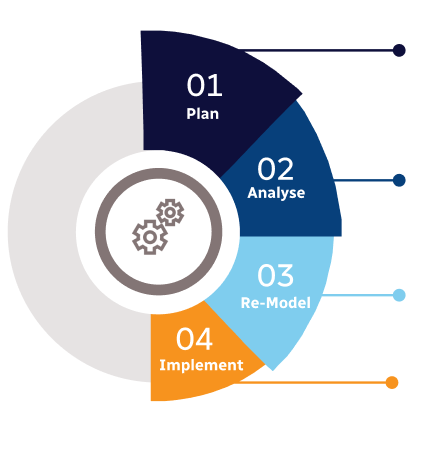
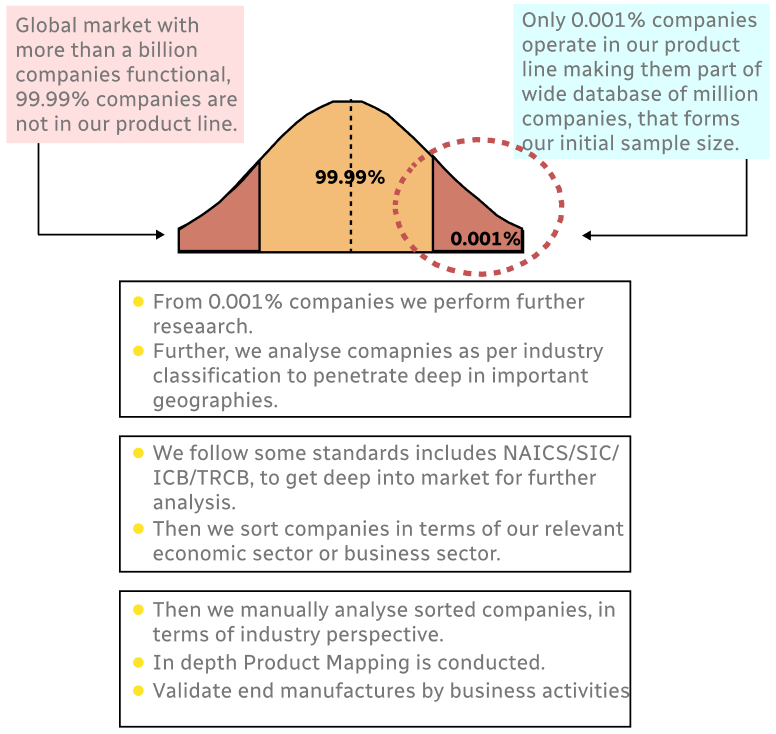
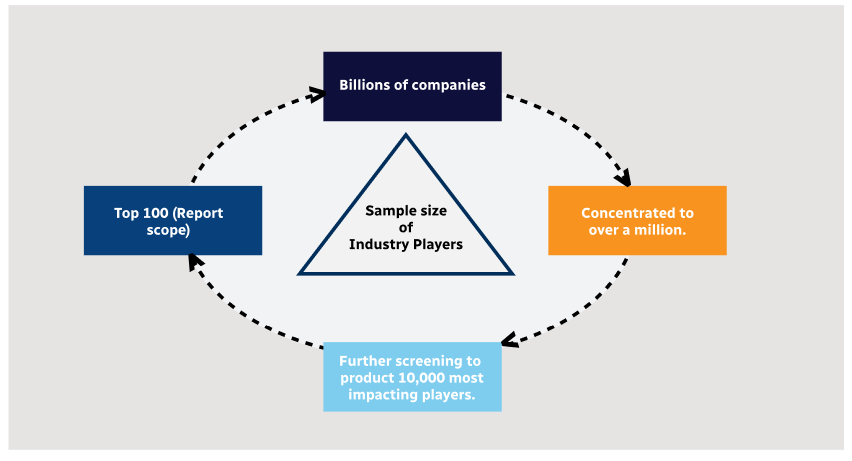
Step 1 - Identification of Relevant Samples Size from Population Database
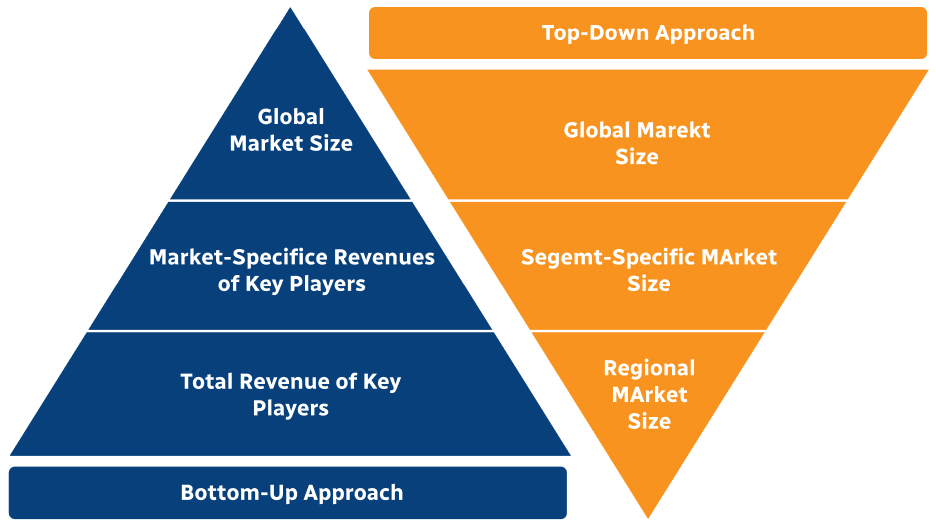
Step 2 - Approaches for Defining Global Market Size (Value, Volume* & Price*)
Note*: In applicable scenarios
Step 3 - Data Sources
Primary Research
- Web Analytics
- Survey Reports
- Research Institute
- Latest Research Reports
- Opinion Leaders
Secondary Research
- Annual Reports
- White Paper
- Latest Press Release
- Industry Association
- Paid Database
- Investor Presentations
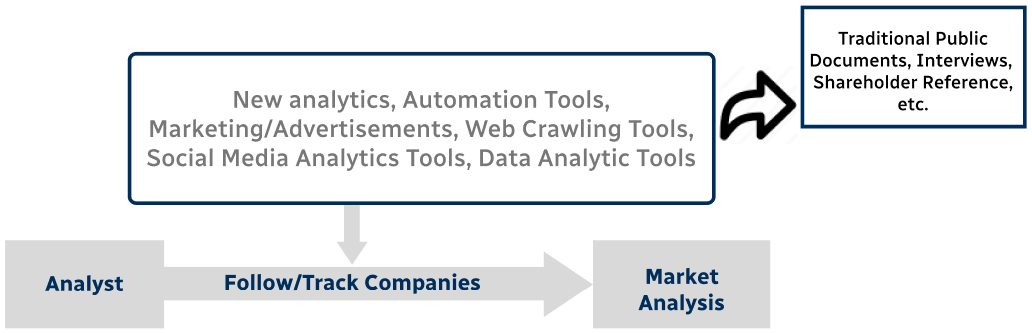
Step 4 - Data Triangulation
Involves using different sources of information in order to increase the validity of a study
These sources are likely to be stakeholders in a program - participants, other researchers, program staff, other community members, and so on.
Then we put all data in single framework & apply various statistical tools to find out the dynamic on the market.
During the analysis stage, feedback from the stakeholder groups would be compared to determine areas of agreement as well as areas of divergence