


Key Insights
The Asia Pacific (APAC) red meat market is projected for substantial growth, driven by increasing disposable incomes and rising per capita consumption of protein-rich foods in key developing economies. The expanding middle class, particularly in China and India, is a significant contributor, showing a preference for red meat due to its nutritional value and evolving culinary preferences. Technological advancements in processing and improved cold chain infrastructure are enhancing the availability and safety of fresh, frozen, and processed red meat products, thereby expanding consumer access and choice. The proliferation of modern retail formats and online grocery platforms further facilitates market reach.

APAC Red Meat Market Market Size (In Billion)

Key market trends include a growing demand for convenient, processed red meat options, such as ready-to-cook and ready-to-eat meals, aligning with urban lifestyles. Concurrently, heightened health and wellness awareness is fueling interest in premium and ethically sourced red meat, with consumers seeking supply chain transparency. Potential challenges encompass volatile raw material prices, the environmental impact of red meat production, and country-specific regulatory landscapes. Animal disease outbreaks also pose a risk. Nevertheless, the region's demographic strengths, economic progress, and cultural inclination towards meat consumption support sustained and significant growth in the APAC red meat sector. The market size is estimated at 562.81 billion in the base year 2025, with a projected Compound Annual Growth Rate (CAGR) of 6.24%, reaching a value of 562.81 billion by 2033.

APAC Red Meat Market Company Market Share
APAC Red Meat Market: Comprehensive Report on Growth, Trends, and Opportunities (2019-2033)
This report offers an in-depth analysis of the APAC Red Meat Market, meticulously examining its dynamics, growth trajectory, and competitive landscape. Covering the study period of 2019–2033, with a base and estimated year of 2025 and a forecast period of 2025–2033, this analysis delves into the intricacies of beef, mutton, and pork consumption, processing, and distribution across the Asia-Pacific region. We provide critical insights into market size evolution, regional dominance, key players, and emerging opportunities, empowering industry professionals with actionable intelligence. All values are presented in Million units.
APAC Red Meat Market Market Dynamics & Structure
The APAC Red Meat Market is characterized by a dynamic interplay of factors shaping its structure and growth. Market concentration varies across different segments, with some areas exhibiting consolidation among major players while others remain fragmented. Technological innovation drivers are pushing the boundaries of production efficiency, sustainability, and product development, influencing the adoption of advanced farming techniques, processing technologies, and cold chain logistics. Regulatory frameworks, including food safety standards, import/export policies, and animal welfare regulations, play a crucial role in defining market access and operational compliance. Competitive product substitutes, such as poultry and plant-based alternatives, pose a growing challenge, necessitating a focus on value proposition and product differentiation. End-user demographics are evolving, with rising disposable incomes, urbanization, and a growing health-conscious consumer base impacting demand patterns for various red meat types and forms. Mergers and acquisitions (M&A) trends are evident as companies seek to expand their market reach, diversify product portfolios, and achieve economies of scale.
- Market Concentration: High concentration observed in the pork segment due to major integrated producers. Beef and mutton markets exhibit moderate to low concentration in certain sub-regions.
- Technological Innovation: Advancements in precision agriculture, feed optimization, and processing automation are key drivers.
- Regulatory Frameworks: Stringent food safety regulations in countries like Japan and South Korea influence product quality and market entry.
- Competitive Product Substitutes: Increasing consumer interest in plant-based proteins and poultry presents a significant competitive threat.
- End-User Demographics: Growing middle class in Southeast Asia and East Asia fuels demand for convenient and high-quality red meat products.
- M&A Trends: Strategic acquisitions aimed at vertical integration and market expansion are prevalent. For instance, the recent expansion plans by Tyson Foods and WH Group indicate significant M&A activities or strategic investments.
APAC Red Meat Market Growth Trends & Insights
The APAC Red Meat Market is poised for robust growth, driven by a confluence of escalating demand, evolving consumer preferences, and advancements in production and distribution technologies. The market size is projected to witness significant expansion throughout the forecast period, fueled by increasing disposable incomes, rapid urbanization, and a growing appetite for protein-rich diets across the Asia-Pacific region. Adoption rates for various red meat products are on an upward trajectory, particularly in emerging economies where the middle class is rapidly expanding. Technological disruptions are playing a pivotal role, encompassing innovations in animal husbandry, feed efficiency, processing, and cold chain logistics, all contributing to enhanced product quality, safety, and availability.
Consumer behavior shifts are profoundly influencing market dynamics. There is a discernible trend towards seeking convenient, value-added, and healthier red meat options. This includes a growing demand for processed red meat products, ready-to-cook meals, and ethically sourced or sustainably produced meats. The rise of e-commerce and online food delivery platforms has further democratized access to red meat products, enabling consumers to procure their preferred cuts and preparations with unprecedented ease. While the historical period (2019-2024) laid the groundwork for this growth, the forecast period (2025-2033) is expected to witness accelerated expansion. The Compound Annual Growth Rate (CAGR) for the APAC Red Meat Market is estimated at approximately 5.8% during the forecast period, reflecting a sustained upward trend. Market penetration for red meat is already high in developed nations like Australia and New Zealand but is rapidly increasing in countries such as China, Vietnam, and Indonesia. Innovations in processing, such as vacuum sealing and modified atmosphere packaging, are extending shelf life and improving product appeal, thereby contributing to reduced wastage and increased consumption. The increasing awareness about the nutritional benefits of red meat, when consumed in moderation, is also bolstering its appeal among health-conscious consumers. Furthermore, the expanding food service sector, including restaurants and fast-food chains, continues to be a significant demand driver, offering a wide array of red meat-based dishes that cater to diverse palates. The integration of advanced technologies in supply chain management ensures greater traceability and efficiency, further enhancing consumer confidence and market accessibility for red meat products.
Dominant Regions, Countries, or Segments in APAC Red Meat Market
The APAC Red Meat Market exhibits a complex distribution of dominance across its various regions, countries, and product segments. China stands out as a leading country, driven by its massive population, rapidly growing middle class, and increasing per capita consumption of red meat, particularly pork. Its vast agricultural base and significant investments in modernizing livestock production contribute to its dominant position. Pork is the dominant meat type within China and across much of the APAC region, owing to cultural preferences and established farming practices.
In terms of product form, Fresh/Chilled red meat holds a significant share, catering to traditional culinary practices and consumer preferences for quality and taste. However, the Frozen segment is experiencing robust growth due to improved freezing technologies, enhanced shelf-life, and the increasing demand for convenience and bulk purchasing. Processed red meat is also gaining traction, driven by the demand for ready-to-eat meals and snacks.
The Off-Trade distribution channel, particularly Supermarkets and Hypermarkets and the burgeoning Online Channel, is a key driver of market growth. These channels offer a wide variety of products, convenient shopping experiences, and competitive pricing. The online channel, in particular, is witnessing exponential growth, facilitated by the expansion of e-commerce platforms and their integration with food delivery services.
Key Drivers of Dominance:
- Economic Policies: Supportive government policies for agriculture and livestock sectors in countries like China and Vietnam bolster domestic production and consumption.
- Infrastructure Development: Enhanced cold chain logistics, transportation networks, and retail infrastructure facilitate wider distribution and accessibility of red meat products.
- Consumer Income & Urbanization: Rising disposable incomes and rapid urbanization in emerging economies lead to increased demand for protein-rich diets and convenience foods.
- Cultural Preferences: Deep-rooted culinary traditions favoring red meat, especially pork in East Asia, continue to drive consumption.
- Technological Advancements: Adoption of modern farming techniques and processing technologies improves production efficiency and product quality.
Market Share and Growth Potential:
- China's dominance is underscored by its substantial share in global pork production and consumption.
- The online channel for red meat distribution is projected to witness a CAGR of over 10% in the coming years.
- Southeast Asian countries like Vietnam and Indonesia represent significant growth potential due to their expanding economies and youthful populations.
- The "Other Meat" category, encompassing lamb and goat, exhibits niche but growing demand in specific markets like Australia, New Zealand, and parts of South Asia.
APAC Red Meat Market Product Landscape
The APAC Red Meat Market product landscape is evolving rapidly, with a strong emphasis on innovation driven by consumer demand for quality, convenience, and health-conscious options. Companies are actively developing value-added products, including marinated cuts, ready-to-cook meals, and processed meats with enhanced flavor profiles and extended shelf lives. Technological advancements in processing, such as advanced curing and smoking techniques, are enabling the creation of diverse and appealing products. Unique selling propositions often revolve around sourcing (e.g., grass-fed, organic), specific breed origins, and innovative flavor combinations. For instance, the introduction of air-fried chicken bites by Tyson Foods Inc. in October 2021, though a poultry product, highlights the industry's focus on healthier snacking alternatives, a trend applicable to red meat products as well. The performance metrics being tracked and improved include shelf stability, nutritional content, and consumer taste preferences.
Key Drivers, Barriers & Challenges in APAC Red Meat Market
Key Drivers:
- Rising Disposable Incomes: Increased purchasing power in emerging APAC economies directly translates to higher demand for protein-rich foods like red meat.
- Urbanization and Lifestyle Changes: The shift towards urban living often leads to a greater reliance on convenient and processed food options, including red meat products.
- Growing Health Consciousness: Consumers are increasingly aware of the nutritional benefits of red meat, such as iron and protein content, when consumed as part of a balanced diet.
- Technological Advancements in Agriculture and Processing: Innovations in animal husbandry, feed, and processing technologies are improving efficiency, quality, and safety, making red meat more accessible and appealing.
- Expansion of Food Service Sector: The booming restaurant and food service industry across APAC is a significant contributor to red meat consumption.
Barriers & Challenges:
- Supply Chain Disruptions: Factors like disease outbreaks (e.g., African Swine Fever), extreme weather events, and logistical challenges can significantly impact supply and price volatility.
- Regulatory Hurdles and Food Safety Concerns: Stringent food safety regulations and evolving compliance requirements can pose challenges for market entry and operations. Public perception and concerns regarding food safety are paramount.
- Competition from Alternative Proteins: The increasing popularity of plant-based and other alternative protein sources presents a significant competitive pressure, potentially capping growth in certain segments.
- Environmental Sustainability Concerns: Growing awareness and pressure regarding the environmental impact of livestock farming can lead to regulatory scrutiny and affect consumer preferences.
- Price Volatility: Fluctuations in feed costs, disease impacts, and global market dynamics can lead to significant price variations, impacting affordability and demand. The impact of these challenges can range from a 5-10% increase in operational costs to significant supply shortages.
Emerging Opportunities in the APAC Red Meat Market
Emerging opportunities within the APAC Red Meat Market are driven by evolving consumer preferences and untapped market potential. The increasing demand for premium and specialty red meat products, such as grass-fed beef and organic lamb, presents a significant avenue for growth. Furthermore, the development of innovative, value-added processed red meat products, catering to the growing demand for convenience and diverse flavor profiles, offers substantial opportunities. The expansion of e-commerce and direct-to-consumer models allows for greater market reach and engagement. Untapped markets in developing nations within Southeast Asia and the Pacific Islands are ripe for development, with increasing disposable incomes and a growing appetite for Western-style diets. The trend towards functional foods also opens doors for red meat products fortified with specific nutrients or designed for specific health benefits.
Growth Accelerators in the APAC Red Meat Market Industry
The long-term growth of the APAC Red Meat Market is being significantly propelled by several key accelerators. Technological breakthroughs in livestock genetics, feed efficiency, and disease prevention are enhancing productivity and reducing production costs. Strategic partnerships between producers, processors, and retailers are crucial for optimizing supply chains and expanding market access. Furthermore, market expansion strategies, including penetration into underserved regions and the introduction of culturally relevant product variations, are driving sustained growth. The increasing adoption of sustainable farming practices not only addresses environmental concerns but also appeals to a growing segment of ethically conscious consumers, further accelerating market development.
Key Players Shaping the APAC Red Meat Market Market
- WH Group Limited
- Charoen Pokphand Foods Public Co Ltd
- NH Foods Ltd
- Muyuan Foods Co Ltd
- Tyson Foods Inc
- Cargill Inc
- F & G Foods Pte Ltd
- Allanasons Private Limited
- New Hope Liuhe Co Ltd
- JBS SA
- COFCO Corporation
Notable Milestones in APAC Red Meat Market Sector
- November 2023: Tyson Foods announced plans to build new production facilities in China and Thailand, and expand its facility in the Netherlands. The latest expansions add over 100,000 tonnes of fully cooked poultry capacity. The new plants in China and Thailand are expected to create more than 700 and 1000 jobs respectively, and the European expansion will add more than 150 jobs. This signals significant investment and capacity expansion in key APAC markets.
- November 2022: WH Group expanded its operations into the Europe region by selling its US-based Saratoga Food Specialties seasoning maker to Solina Group, a European company in the same business, through its wholly owned US subsidiary Smithfield Foods. The deal was valued at USD 587 million. This strategic divestment highlights WH Group's focus on core meat operations and potential re-investment in APAC.
- October 2021: Tyson Foods Inc. introduced air-fried chicken bites, a protein-packed snack with 75% lesser fat and 35% fewer calories. Tyson® Air Fried Chicken Bites are available in 20 oz packages providing seven servings per bag with protein counts of 13g for Spicy and 14g for Parmesan. While a poultry product, this launch showcases innovation in healthier, convenient protein snacking, a trend applicable and influential for the broader red meat market in APAC.
In-Depth APAC Red Meat Market Market Outlook
The APAC Red Meat Market is on a robust growth trajectory, fueled by persistent demand from a growing population and an expanding middle class with increasing disposable incomes. Future market potential is immense, particularly in Southeast Asia and emerging economies, where per capita consumption of red meat is still relatively low but rising rapidly. Strategic opportunities lie in further developing value-added processed products, investing in sustainable and ethical farming practices, and leveraging the burgeoning online retail channels. Companies that focus on product innovation, supply chain efficiency, and adapting to evolving consumer preferences for health and convenience are well-positioned to capitalize on the significant growth anticipated in this dynamic market.
APAC Red Meat Market Segmentation
-
1. Type
- 1.1. Beef
- 1.2. Mutton
- 1.3. Pork
- 1.4. Other Meat
-
2. Form
- 2.1. Canned
- 2.2. Fresh / Chilled
- 2.3. Frozen
- 2.4. Processed
-
3. Distribution Channel
-
3.1. Off-Trade
- 3.1.1. Convenience Stores
- 3.1.2. Online Channel
- 3.1.3. Supermarkets and Hypermarkets
- 3.1.4. Others
- 3.2. On-Trade
-
3.1. Off-Trade
APAC Red Meat Market Segmentation By Geography
-
1. North America
- 1.1. United States
- 1.2. Canada
- 1.3. Mexico
-
2. South America
- 2.1. Brazil
- 2.2. Argentina
- 2.3. Rest of South America
-
3. Europe
- 3.1. United Kingdom
- 3.2. Germany
- 3.3. France
- 3.4. Italy
- 3.5. Spain
- 3.6. Russia
- 3.7. Benelux
- 3.8. Nordics
- 3.9. Rest of Europe
-
4. Middle East & Africa
- 4.1. Turkey
- 4.2. Israel
- 4.3. GCC
- 4.4. North Africa
- 4.5. South Africa
- 4.6. Rest of Middle East & Africa
-
5. Asia Pacific
- 5.1. China
- 5.2. India
- 5.3. Japan
- 5.4. South Korea
- 5.5. ASEAN
- 5.6. Oceania
- 5.7. Rest of Asia Pacific

APAC Red Meat Market Regional Market Share
Geographic Coverage of APAC Red Meat Market
APAC Red Meat Market REPORT HIGHLIGHTS
| Aspects | Details |
|---|---|
| Study Period | 2020-2034 |
| Base Year | 2025 |
| Estimated Year | 2026 |
| Forecast Period | 2026-2034 |
| Historical Period | 2020-2025 |
| Growth Rate | CAGR of 6.24% from 2020-2034 |
| Segmentation |
|
Table of Contents
- 1. Introduction
- 1.1. Research Scope
- 1.2. Market Segmentation
- 1.3. Research Methodology
- 1.4. Definitions and Assumptions
- 2. Executive Summary
- 2.1. Introduction
- 3. Market Dynamics
- 3.1. Introduction
- 3.2. Market Drivers
- 3.2.1. Escalating Consumer Investment in Preventive Healthcare Products; Increasing Algal Protein Applications Among Various Supplements
- 3.3. Market Restrains
- 3.3.1. Availability of Alternative Protein Sources
- 3.4. Market Trends
- 3.4.1. OTHER KEY INDUSTRY TRENDS COVERED IN THE REPORT
- 4. Market Factor Analysis
- 4.1. Porters Five Forces
- 4.2. Supply/Value Chain
- 4.3. PESTEL analysis
- 4.4. Market Entropy
- 4.5. Patent/Trademark Analysis
- 5. Global APAC Red Meat Market Analysis, Insights and Forecast, 2020-2032
- 5.1. Market Analysis, Insights and Forecast - by Type
- 5.1.1. Beef
- 5.1.2. Mutton
- 5.1.3. Pork
- 5.1.4. Other Meat
- 5.2. Market Analysis, Insights and Forecast - by Form
- 5.2.1. Canned
- 5.2.2. Fresh / Chilled
- 5.2.3. Frozen
- 5.2.4. Processed
- 5.3. Market Analysis, Insights and Forecast - by Distribution Channel
- 5.3.1. Off-Trade
- 5.3.1.1. Convenience Stores
- 5.3.1.2. Online Channel
- 5.3.1.3. Supermarkets and Hypermarkets
- 5.3.1.4. Others
- 5.3.2. On-Trade
- 5.3.1. Off-Trade
- 5.4. Market Analysis, Insights and Forecast - by Region
- 5.4.1. North America
- 5.4.2. South America
- 5.4.3. Europe
- 5.4.4. Middle East & Africa
- 5.4.5. Asia Pacific
- 5.1. Market Analysis, Insights and Forecast - by Type
- 6. North America APAC Red Meat Market Analysis, Insights and Forecast, 2020-2032
- 6.1. Market Analysis, Insights and Forecast - by Type
- 6.1.1. Beef
- 6.1.2. Mutton
- 6.1.3. Pork
- 6.1.4. Other Meat
- 6.2. Market Analysis, Insights and Forecast - by Form
- 6.2.1. Canned
- 6.2.2. Fresh / Chilled
- 6.2.3. Frozen
- 6.2.4. Processed
- 6.3. Market Analysis, Insights and Forecast - by Distribution Channel
- 6.3.1. Off-Trade
- 6.3.1.1. Convenience Stores
- 6.3.1.2. Online Channel
- 6.3.1.3. Supermarkets and Hypermarkets
- 6.3.1.4. Others
- 6.3.2. On-Trade
- 6.3.1. Off-Trade
- 6.1. Market Analysis, Insights and Forecast - by Type
- 7. South America APAC Red Meat Market Analysis, Insights and Forecast, 2020-2032
- 7.1. Market Analysis, Insights and Forecast - by Type
- 7.1.1. Beef
- 7.1.2. Mutton
- 7.1.3. Pork
- 7.1.4. Other Meat
- 7.2. Market Analysis, Insights and Forecast - by Form
- 7.2.1. Canned
- 7.2.2. Fresh / Chilled
- 7.2.3. Frozen
- 7.2.4. Processed
- 7.3. Market Analysis, Insights and Forecast - by Distribution Channel
- 7.3.1. Off-Trade
- 7.3.1.1. Convenience Stores
- 7.3.1.2. Online Channel
- 7.3.1.3. Supermarkets and Hypermarkets
- 7.3.1.4. Others
- 7.3.2. On-Trade
- 7.3.1. Off-Trade
- 7.1. Market Analysis, Insights and Forecast - by Type
- 8. Europe APAC Red Meat Market Analysis, Insights and Forecast, 2020-2032
- 8.1. Market Analysis, Insights and Forecast - by Type
- 8.1.1. Beef
- 8.1.2. Mutton
- 8.1.3. Pork
- 8.1.4. Other Meat
- 8.2. Market Analysis, Insights and Forecast - by Form
- 8.2.1. Canned
- 8.2.2. Fresh / Chilled
- 8.2.3. Frozen
- 8.2.4. Processed
- 8.3. Market Analysis, Insights and Forecast - by Distribution Channel
- 8.3.1. Off-Trade
- 8.3.1.1. Convenience Stores
- 8.3.1.2. Online Channel
- 8.3.1.3. Supermarkets and Hypermarkets
- 8.3.1.4. Others
- 8.3.2. On-Trade
- 8.3.1. Off-Trade
- 8.1. Market Analysis, Insights and Forecast - by Type
- 9. Middle East & Africa APAC Red Meat Market Analysis, Insights and Forecast, 2020-2032
- 9.1. Market Analysis, Insights and Forecast - by Type
- 9.1.1. Beef
- 9.1.2. Mutton
- 9.1.3. Pork
- 9.1.4. Other Meat
- 9.2. Market Analysis, Insights and Forecast - by Form
- 9.2.1. Canned
- 9.2.2. Fresh / Chilled
- 9.2.3. Frozen
- 9.2.4. Processed
- 9.3. Market Analysis, Insights and Forecast - by Distribution Channel
- 9.3.1. Off-Trade
- 9.3.1.1. Convenience Stores
- 9.3.1.2. Online Channel
- 9.3.1.3. Supermarkets and Hypermarkets
- 9.3.1.4. Others
- 9.3.2. On-Trade
- 9.3.1. Off-Trade
- 9.1. Market Analysis, Insights and Forecast - by Type
- 10. Asia Pacific APAC Red Meat Market Analysis, Insights and Forecast, 2020-2032
- 10.1. Market Analysis, Insights and Forecast - by Type
- 10.1.1. Beef
- 10.1.2. Mutton
- 10.1.3. Pork
- 10.1.4. Other Meat
- 10.2. Market Analysis, Insights and Forecast - by Form
- 10.2.1. Canned
- 10.2.2. Fresh / Chilled
- 10.2.3. Frozen
- 10.2.4. Processed
- 10.3. Market Analysis, Insights and Forecast - by Distribution Channel
- 10.3.1. Off-Trade
- 10.3.1.1. Convenience Stores
- 10.3.1.2. Online Channel
- 10.3.1.3. Supermarkets and Hypermarkets
- 10.3.1.4. Others
- 10.3.2. On-Trade
- 10.3.1. Off-Trade
- 10.1. Market Analysis, Insights and Forecast - by Type
- 11. Competitive Analysis
- 11.1. Global Market Share Analysis 2025
- 11.2. Company Profiles
- 11.2.1 WH Group Limite
- 11.2.1.1. Overview
- 11.2.1.2. Products
- 11.2.1.3. SWOT Analysis
- 11.2.1.4. Recent Developments
- 11.2.1.5. Financials (Based on Availability)
- 11.2.2 Charoen Pokphand Foods Public Co Ltd
- 11.2.2.1. Overview
- 11.2.2.2. Products
- 11.2.2.3. SWOT Analysis
- 11.2.2.4. Recent Developments
- 11.2.2.5. Financials (Based on Availability)
- 11.2.3 NH Foods Ltd
- 11.2.3.1. Overview
- 11.2.3.2. Products
- 11.2.3.3. SWOT Analysis
- 11.2.3.4. Recent Developments
- 11.2.3.5. Financials (Based on Availability)
- 11.2.4 Muyuan Foods Co Ltd
- 11.2.4.1. Overview
- 11.2.4.2. Products
- 11.2.4.3. SWOT Analysis
- 11.2.4.4. Recent Developments
- 11.2.4.5. Financials (Based on Availability)
- 11.2.5 Tyson Foods Inc
- 11.2.5.1. Overview
- 11.2.5.2. Products
- 11.2.5.3. SWOT Analysis
- 11.2.5.4. Recent Developments
- 11.2.5.5. Financials (Based on Availability)
- 11.2.6 Cargill Inc
- 11.2.6.1. Overview
- 11.2.6.2. Products
- 11.2.6.3. SWOT Analysis
- 11.2.6.4. Recent Developments
- 11.2.6.5. Financials (Based on Availability)
- 11.2.7 F & G Foods Pte Ltd
- 11.2.7.1. Overview
- 11.2.7.2. Products
- 11.2.7.3. SWOT Analysis
- 11.2.7.4. Recent Developments
- 11.2.7.5. Financials (Based on Availability)
- 11.2.8 Allanasons Private Limited
- 11.2.8.1. Overview
- 11.2.8.2. Products
- 11.2.8.3. SWOT Analysis
- 11.2.8.4. Recent Developments
- 11.2.8.5. Financials (Based on Availability)
- 11.2.9 New Hope Liuhe Co Ltd
- 11.2.9.1. Overview
- 11.2.9.2. Products
- 11.2.9.3. SWOT Analysis
- 11.2.9.4. Recent Developments
- 11.2.9.5. Financials (Based on Availability)
- 11.2.10 JBS SA
- 11.2.10.1. Overview
- 11.2.10.2. Products
- 11.2.10.3. SWOT Analysis
- 11.2.10.4. Recent Developments
- 11.2.10.5. Financials (Based on Availability)
- 11.2.11 COFCO Corporation
- 11.2.11.1. Overview
- 11.2.11.2. Products
- 11.2.11.3. SWOT Analysis
- 11.2.11.4. Recent Developments
- 11.2.11.5. Financials (Based on Availability)
- 11.2.1 WH Group Limite
List of Figures
- Figure 1: Global APAC Red Meat Market Revenue Breakdown (billion, %) by Region 2025 & 2033
- Figure 2: North America APAC Red Meat Market Revenue (billion), by Type 2025 & 2033
- Figure 3: North America APAC Red Meat Market Revenue Share (%), by Type 2025 & 2033
- Figure 4: North America APAC Red Meat Market Revenue (billion), by Form 2025 & 2033
- Figure 5: North America APAC Red Meat Market Revenue Share (%), by Form 2025 & 2033
- Figure 6: North America APAC Red Meat Market Revenue (billion), by Distribution Channel 2025 & 2033
- Figure 7: North America APAC Red Meat Market Revenue Share (%), by Distribution Channel 2025 & 2033
- Figure 8: North America APAC Red Meat Market Revenue (billion), by Country 2025 & 2033
- Figure 9: North America APAC Red Meat Market Revenue Share (%), by Country 2025 & 2033
- Figure 10: South America APAC Red Meat Market Revenue (billion), by Type 2025 & 2033
- Figure 11: South America APAC Red Meat Market Revenue Share (%), by Type 2025 & 2033
- Figure 12: South America APAC Red Meat Market Revenue (billion), by Form 2025 & 2033
- Figure 13: South America APAC Red Meat Market Revenue Share (%), by Form 2025 & 2033
- Figure 14: South America APAC Red Meat Market Revenue (billion), by Distribution Channel 2025 & 2033
- Figure 15: South America APAC Red Meat Market Revenue Share (%), by Distribution Channel 2025 & 2033
- Figure 16: South America APAC Red Meat Market Revenue (billion), by Country 2025 & 2033
- Figure 17: South America APAC Red Meat Market Revenue Share (%), by Country 2025 & 2033
- Figure 18: Europe APAC Red Meat Market Revenue (billion), by Type 2025 & 2033
- Figure 19: Europe APAC Red Meat Market Revenue Share (%), by Type 2025 & 2033
- Figure 20: Europe APAC Red Meat Market Revenue (billion), by Form 2025 & 2033
- Figure 21: Europe APAC Red Meat Market Revenue Share (%), by Form 2025 & 2033
- Figure 22: Europe APAC Red Meat Market Revenue (billion), by Distribution Channel 2025 & 2033
- Figure 23: Europe APAC Red Meat Market Revenue Share (%), by Distribution Channel 2025 & 2033
- Figure 24: Europe APAC Red Meat Market Revenue (billion), by Country 2025 & 2033
- Figure 25: Europe APAC Red Meat Market Revenue Share (%), by Country 2025 & 2033
- Figure 26: Middle East & Africa APAC Red Meat Market Revenue (billion), by Type 2025 & 2033
- Figure 27: Middle East & Africa APAC Red Meat Market Revenue Share (%), by Type 2025 & 2033
- Figure 28: Middle East & Africa APAC Red Meat Market Revenue (billion), by Form 2025 & 2033
- Figure 29: Middle East & Africa APAC Red Meat Market Revenue Share (%), by Form 2025 & 2033
- Figure 30: Middle East & Africa APAC Red Meat Market Revenue (billion), by Distribution Channel 2025 & 2033
- Figure 31: Middle East & Africa APAC Red Meat Market Revenue Share (%), by Distribution Channel 2025 & 2033
- Figure 32: Middle East & Africa APAC Red Meat Market Revenue (billion), by Country 2025 & 2033
- Figure 33: Middle East & Africa APAC Red Meat Market Revenue Share (%), by Country 2025 & 2033
- Figure 34: Asia Pacific APAC Red Meat Market Revenue (billion), by Type 2025 & 2033
- Figure 35: Asia Pacific APAC Red Meat Market Revenue Share (%), by Type 2025 & 2033
- Figure 36: Asia Pacific APAC Red Meat Market Revenue (billion), by Form 2025 & 2033
- Figure 37: Asia Pacific APAC Red Meat Market Revenue Share (%), by Form 2025 & 2033
- Figure 38: Asia Pacific APAC Red Meat Market Revenue (billion), by Distribution Channel 2025 & 2033
- Figure 39: Asia Pacific APAC Red Meat Market Revenue Share (%), by Distribution Channel 2025 & 2033
- Figure 40: Asia Pacific APAC Red Meat Market Revenue (billion), by Country 2025 & 2033
- Figure 41: Asia Pacific APAC Red Meat Market Revenue Share (%), by Country 2025 & 2033
List of Tables
- Table 1: Global APAC Red Meat Market Revenue billion Forecast, by Type 2020 & 2033
- Table 2: Global APAC Red Meat Market Revenue billion Forecast, by Form 2020 & 2033
- Table 3: Global APAC Red Meat Market Revenue billion Forecast, by Distribution Channel 2020 & 2033
- Table 4: Global APAC Red Meat Market Revenue billion Forecast, by Region 2020 & 2033
- Table 5: Global APAC Red Meat Market Revenue billion Forecast, by Type 2020 & 2033
- Table 6: Global APAC Red Meat Market Revenue billion Forecast, by Form 2020 & 2033
- Table 7: Global APAC Red Meat Market Revenue billion Forecast, by Distribution Channel 2020 & 2033
- Table 8: Global APAC Red Meat Market Revenue billion Forecast, by Country 2020 & 2033
- Table 9: United States APAC Red Meat Market Revenue (billion) Forecast, by Application 2020 & 2033
- Table 10: Canada APAC Red Meat Market Revenue (billion) Forecast, by Application 2020 & 2033
- Table 11: Mexico APAC Red Meat Market Revenue (billion) Forecast, by Application 2020 & 2033
- Table 12: Global APAC Red Meat Market Revenue billion Forecast, by Type 2020 & 2033
- Table 13: Global APAC Red Meat Market Revenue billion Forecast, by Form 2020 & 2033
- Table 14: Global APAC Red Meat Market Revenue billion Forecast, by Distribution Channel 2020 & 2033
- Table 15: Global APAC Red Meat Market Revenue billion Forecast, by Country 2020 & 2033
- Table 16: Brazil APAC Red Meat Market Revenue (billion) Forecast, by Application 2020 & 2033
- Table 17: Argentina APAC Red Meat Market Revenue (billion) Forecast, by Application 2020 & 2033
- Table 18: Rest of South America APAC Red Meat Market Revenue (billion) Forecast, by Application 2020 & 2033
- Table 19: Global APAC Red Meat Market Revenue billion Forecast, by Type 2020 & 2033
- Table 20: Global APAC Red Meat Market Revenue billion Forecast, by Form 2020 & 2033
- Table 21: Global APAC Red Meat Market Revenue billion Forecast, by Distribution Channel 2020 & 2033
- Table 22: Global APAC Red Meat Market Revenue billion Forecast, by Country 2020 & 2033
- Table 23: United Kingdom APAC Red Meat Market Revenue (billion) Forecast, by Application 2020 & 2033
- Table 24: Germany APAC Red Meat Market Revenue (billion) Forecast, by Application 2020 & 2033
- Table 25: France APAC Red Meat Market Revenue (billion) Forecast, by Application 2020 & 2033
- Table 26: Italy APAC Red Meat Market Revenue (billion) Forecast, by Application 2020 & 2033
- Table 27: Spain APAC Red Meat Market Revenue (billion) Forecast, by Application 2020 & 2033
- Table 28: Russia APAC Red Meat Market Revenue (billion) Forecast, by Application 2020 & 2033
- Table 29: Benelux APAC Red Meat Market Revenue (billion) Forecast, by Application 2020 & 2033
- Table 30: Nordics APAC Red Meat Market Revenue (billion) Forecast, by Application 2020 & 2033
- Table 31: Rest of Europe APAC Red Meat Market Revenue (billion) Forecast, by Application 2020 & 2033
- Table 32: Global APAC Red Meat Market Revenue billion Forecast, by Type 2020 & 2033
- Table 33: Global APAC Red Meat Market Revenue billion Forecast, by Form 2020 & 2033
- Table 34: Global APAC Red Meat Market Revenue billion Forecast, by Distribution Channel 2020 & 2033
- Table 35: Global APAC Red Meat Market Revenue billion Forecast, by Country 2020 & 2033
- Table 36: Turkey APAC Red Meat Market Revenue (billion) Forecast, by Application 2020 & 2033
- Table 37: Israel APAC Red Meat Market Revenue (billion) Forecast, by Application 2020 & 2033
- Table 38: GCC APAC Red Meat Market Revenue (billion) Forecast, by Application 2020 & 2033
- Table 39: North Africa APAC Red Meat Market Revenue (billion) Forecast, by Application 2020 & 2033
- Table 40: South Africa APAC Red Meat Market Revenue (billion) Forecast, by Application 2020 & 2033
- Table 41: Rest of Middle East & Africa APAC Red Meat Market Revenue (billion) Forecast, by Application 2020 & 2033
- Table 42: Global APAC Red Meat Market Revenue billion Forecast, by Type 2020 & 2033
- Table 43: Global APAC Red Meat Market Revenue billion Forecast, by Form 2020 & 2033
- Table 44: Global APAC Red Meat Market Revenue billion Forecast, by Distribution Channel 2020 & 2033
- Table 45: Global APAC Red Meat Market Revenue billion Forecast, by Country 2020 & 2033
- Table 46: China APAC Red Meat Market Revenue (billion) Forecast, by Application 2020 & 2033
- Table 47: India APAC Red Meat Market Revenue (billion) Forecast, by Application 2020 & 2033
- Table 48: Japan APAC Red Meat Market Revenue (billion) Forecast, by Application 2020 & 2033
- Table 49: South Korea APAC Red Meat Market Revenue (billion) Forecast, by Application 2020 & 2033
- Table 50: ASEAN APAC Red Meat Market Revenue (billion) Forecast, by Application 2020 & 2033
- Table 51: Oceania APAC Red Meat Market Revenue (billion) Forecast, by Application 2020 & 2033
- Table 52: Rest of Asia Pacific APAC Red Meat Market Revenue (billion) Forecast, by Application 2020 & 2033
Frequently Asked Questions
1. What is the projected Compound Annual Growth Rate (CAGR) of the APAC Red Meat Market?
The projected CAGR is approximately 6.24%.
2. Which companies are prominent players in the APAC Red Meat Market?
Key companies in the market include WH Group Limite, Charoen Pokphand Foods Public Co Ltd, NH Foods Ltd, Muyuan Foods Co Ltd, Tyson Foods Inc, Cargill Inc, F & G Foods Pte Ltd, Allanasons Private Limited, New Hope Liuhe Co Ltd, JBS SA, COFCO Corporation.
3. What are the main segments of the APAC Red Meat Market?
The market segments include Type, Form, Distribution Channel.
4. Can you provide details about the market size?
The market size is estimated to be USD 562.81 billion as of 2022.
5. What are some drivers contributing to market growth?
Escalating Consumer Investment in Preventive Healthcare Products; Increasing Algal Protein Applications Among Various Supplements.
6. What are the notable trends driving market growth?
OTHER KEY INDUSTRY TRENDS COVERED IN THE REPORT.
7. Are there any restraints impacting market growth?
Availability of Alternative Protein Sources.
8. Can you provide examples of recent developments in the market?
November 2023: Tyson Foods announced plans to build new production facilities in China and Thailand, and expand its facility in the Netherlands. The latest expansions, adds over 100,000 tonnes of fully cooked poultry capacity. The new plant in China and Thailand is expected to create more than 700, 1000 jobs respectively and the European expansion will add more than 150 jobs.November 2022: WH Group has expanded it's operations into Europe region by selling its US-based Saratoga Food Specialties seasoning maker to Solina Group, a European company in the same business, through its wholly owned US subsidiary Smithfield Foods. The deal is valued worth USD 587 million.October 2021: Tyson Foods Inc. introduced air-fried chicken bites, a protein-packed snack with 75% lesser fat and 35% fewer calories. Tyson® Air Fried Chicken Bites are available in 20 oz packages providing seven servings per bag and protein count per flavor: 13g for Spicy and 14g for Parmesan.
9. What pricing options are available for accessing the report?
Pricing options include single-user, multi-user, and enterprise licenses priced at USD 3800, USD 4500, and USD 5800 respectively.
10. Is the market size provided in terms of value or volume?
The market size is provided in terms of value, measured in billion.
11. Are there any specific market keywords associated with the report?
Yes, the market keyword associated with the report is "APAC Red Meat Market," which aids in identifying and referencing the specific market segment covered.
12. How do I determine which pricing option suits my needs best?
The pricing options vary based on user requirements and access needs. Individual users may opt for single-user licenses, while businesses requiring broader access may choose multi-user or enterprise licenses for cost-effective access to the report.
13. Are there any additional resources or data provided in the APAC Red Meat Market report?
While the report offers comprehensive insights, it's advisable to review the specific contents or supplementary materials provided to ascertain if additional resources or data are available.
14. How can I stay updated on further developments or reports in the APAC Red Meat Market?
To stay informed about further developments, trends, and reports in the APAC Red Meat Market, consider subscribing to industry newsletters, following relevant companies and organizations, or regularly checking reputable industry news sources and publications.
Methodology
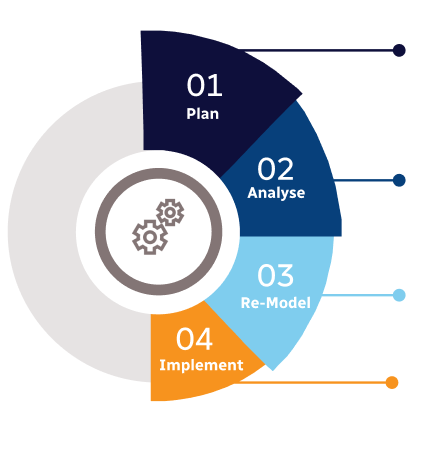
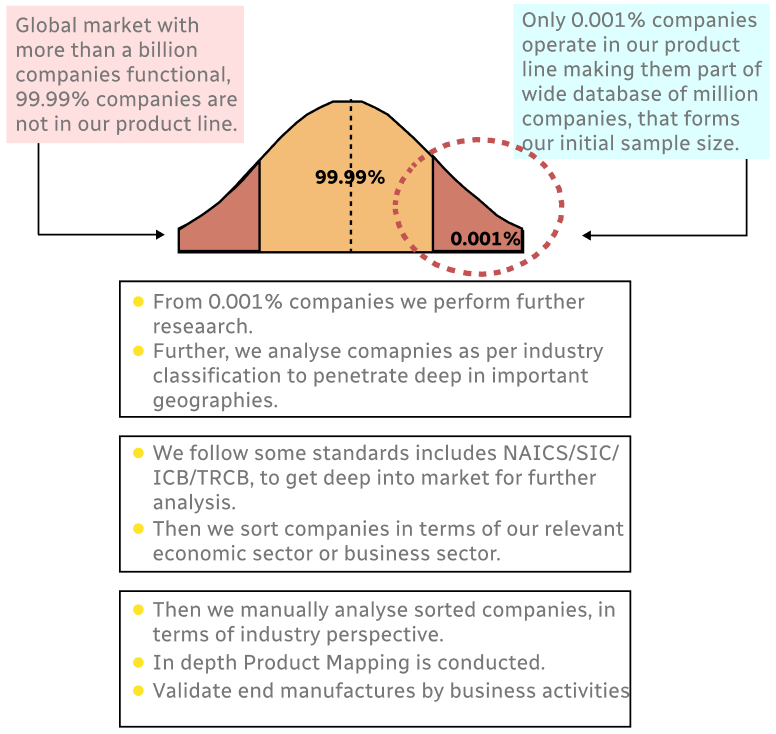
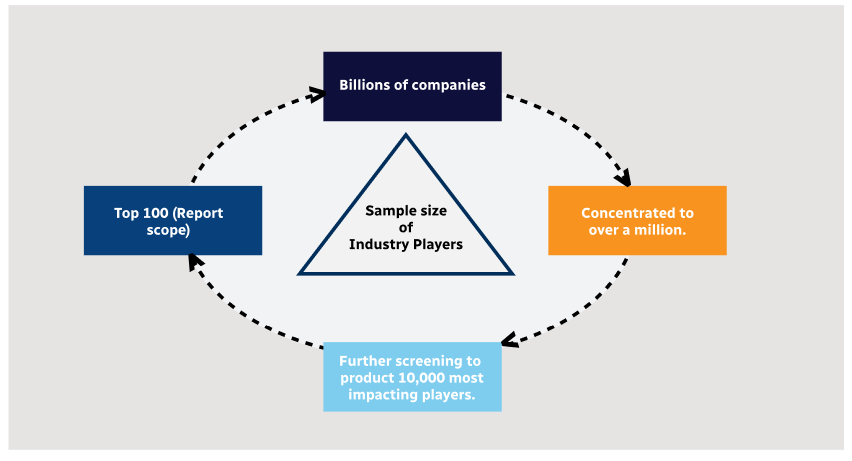
Step 1 - Identification of Relevant Samples Size from Population Database
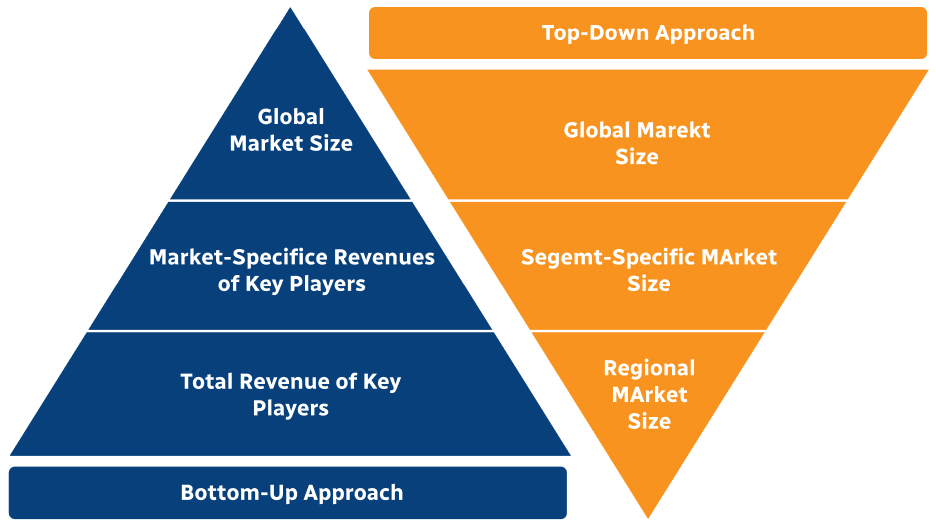
Step 2 - Approaches for Defining Global Market Size (Value, Volume* & Price*)
Note*: In applicable scenarios
Step 3 - Data Sources
Primary Research
- Web Analytics
- Survey Reports
- Research Institute
- Latest Research Reports
- Opinion Leaders
Secondary Research
- Annual Reports
- White Paper
- Latest Press Release
- Industry Association
- Paid Database
- Investor Presentations
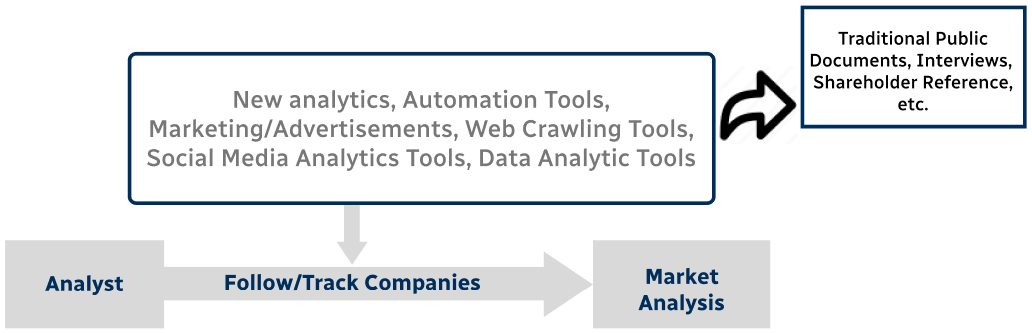
Step 4 - Data Triangulation
Involves using different sources of information in order to increase the validity of a study
These sources are likely to be stakeholders in a program - participants, other researchers, program staff, other community members, and so on.
Then we put all data in single framework & apply various statistical tools to find out the dynamic on the market.
During the analysis stage, feedback from the stakeholder groups would be compared to determine areas of agreement as well as areas of divergence