


Key Insights
The global Ammonium Stearate market is projected for significant expansion, expected to reach a market size of $7.99 billion by 2033, up from an estimated $550 million in 2025. This growth trajectory is supported by a robust Compound Annual Growth Rate (CAGR) of 6.97%. Key demand drivers include the escalating needs of the cosmetics and personal care sectors, where ammonium stearate is vital for its emulsifying, thickening, and opacifying functionalities. Its contribution to superior texture and stability in products like lotions, creams, and soaps makes it an essential ingredient. Additionally, industrial applications, notably as a mold release agent in rubber processing and in plastic manufacturing, also contribute substantially to market demand, driven by the increasing requirement for performance-enhancing additives.
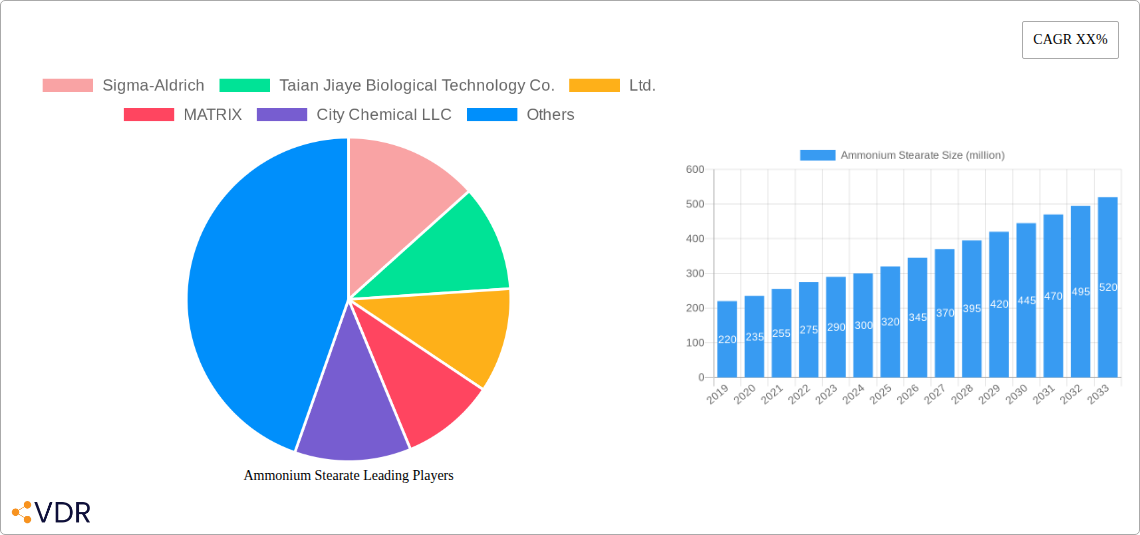
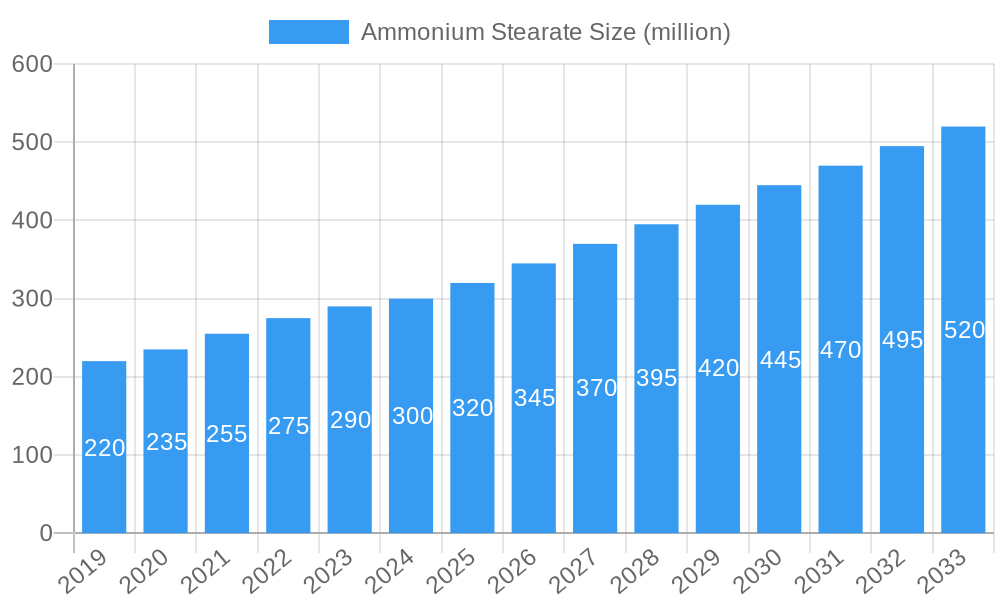
Ammonium Stearate Market Size (In Billion)

Ammonium Stearate market dynamics are shaped by evolving consumer preferences and technological advancements. The growing demand for natural and plant-derived ingredients favors the adoption of vegetable oil-based ammonium stearate, aligning with sustainability goals. Innovations in manufacturing processes, focusing on efficiency and environmental impact, are also fueling market growth. However, market expansion may be influenced by fluctuations in raw material costs, such as animal fats and vegetable oils, impacting production expenses. Stringent regulatory frameworks in specific regions concerning chemical additives in personal care products might present additional considerations. Despite these challenges, the Ammonium Stearate market outlook remains optimistic due to its broad utility and increasing adoption across key industries.
Ammonium Stearate Company Market Share
This comprehensive report provides an in-depth analysis of the global Ammonium Stearate market, detailing growth trends, regional dynamics, product segmentation, and strategic opportunities. Designed for industry stakeholders, this report offers actionable insights and forecasts, with a base year of 2025 and a forecast period extending to 2033. It incorporates extensive primary and secondary research to map the evolving Ammonium Stearate landscape and its market interdependencies.
Ammonium Stearate Market Dynamics & Structure
The Ammonium Stearate market is characterized by a moderately fragmented structure, with key players such as Sigma-Aldrich, Taian Jiaye Biological Technology Co.,Ltd., MATRIX, City Chemical LLC, Camida, and Bradford Soap holding significant market shares. Technological innovation is a primary driver, with ongoing research focused on enhancing product purity, developing sustainable production methods derived from vegetable oil and animal fat sources, and exploring novel applications. Regulatory frameworks, particularly concerning chemical safety and environmental impact, are becoming increasingly stringent, influencing production processes and product formulations. Competitive product substitutes, such as other metallic stearates and fatty acid salts, pose a constant challenge, driving the need for cost-effectiveness and performance optimization. End-user demographics are shifting, with a growing demand from the cosmetics and industrial sectors. Mergers and acquisitions (M&A) trends, while moderate, indicate a strategic consolidation aimed at expanding market reach and product portfolios. The market concentration is expected to remain relatively stable in the short term, with potential for increased consolidation driven by sustainability initiatives and supply chain resilience.
- Market Concentration: Moderately fragmented with established key players.
- Technological Innovation Drivers: Purity enhancement, sustainable sourcing (vegetable oil, animal fat), novel application development.
- Regulatory Frameworks: Focus on chemical safety, environmental compliance, and sustainable manufacturing practices.
- Competitive Product Substitutes: Other metallic stearates, various fatty acid salts.
- End-User Demographics: Growing demand from cosmetics, industrial applications, and deodorant manufacturing.
- M&A Trends: Strategic acquisitions for market expansion and portfolio enhancement.
Ammonium Stearate Growth Trends & Insights
The Ammonium Stearate market is projected to experience steady growth, driven by the expanding applications across diverse industries. The global market size is estimated to reach $XXX million in 2025 and is poised for a Compound Annual Growth Rate (CAGR) of approximately X.X% during the forecast period of 2025–2033. Adoption rates are influenced by the increasing demand for high-performance lubricants, emulsifiers, and stabilizers in industrial processes, as well as the burgeoning cosmetic sector's preference for natural-derived ingredients. Technological disruptions, such as advancements in greener chemical synthesis and the development of bio-based Ammonium Stearate, are set to redefine production methodologies and product offerings. Consumer behavior shifts, particularly the growing emphasis on eco-friendly and ethically sourced products, are creating new avenues for growth, especially for Ammonium Stearate derived from vegetable oils. The market penetration of Ammonium Stearate is expected to deepen in emerging economies as industrialization and consumer spending rise. Furthermore, the "Others" application segment, encompassing emerging uses in pharmaceuticals and specialty chemicals, is anticipated to exhibit a significant growth trajectory. The historical data from 2019 to 2024 indicates a resilient market performance, demonstrating its ability to adapt to economic fluctuations and evolving industry demands. The parent market, fatty acids and their derivatives, continues to provide a strong foundation for Ammonium Stearate's growth, while its child markets, such as specialized industrial chemicals and cosmetic ingredients, are increasingly reliant on its unique properties. The interplay between these markets underscores the strategic importance of Ammonium Stearate in various value chains.
Dominant Regions, Countries, or Segments in Ammonium Stearate
The Industrial application segment is identified as the dominant force driving growth in the global Ammonium Stearate market, accounting for a substantial XX% of the total market share in the base year of 2025. This dominance is attributed to the widespread use of Ammonium Stearate as a lubricant, mold release agent, and anti-caking agent in various manufacturing processes, including plastics, rubber, and textiles. The economic policies and infrastructure development in key industrial hubs across North America, Europe, and Asia-Pacific further bolster this segment's growth.
- Industrial Application: The primary growth engine, driven by its multifaceted roles as lubricants, mold release agents, and anti-caking agents in diverse manufacturing sectors like plastics, rubber, and textiles.
- Market Share (2025): XX%
- Growth Potential: High, fueled by ongoing industrial expansion and demand for performance enhancers.
- Key Drivers: Robust manufacturing output, increasing demand for specialized chemical additives, and advancements in industrial processes.
Asia-Pacific is the leading region in the Ammonium Stearate market, projected to maintain its dominance throughout the forecast period. This leadership is propelled by the region's rapidly expanding industrial base, burgeoning manufacturing sector, and increasing consumer demand across various end-use industries, including cosmetics and personal care. Favorable government initiatives promoting manufacturing, coupled with significant investments in infrastructure, further catalyze market expansion. The availability of raw materials, particularly vegetable oils, and a cost-competitive production environment contribute to Asia-Pacific's strong market position.
- Dominant Region: Asia-Pacific
- Market Share (2025): XX%
- Growth Drivers: Rapid industrialization, expanding manufacturing sector, rising consumer disposable income, government support for manufacturing, and a robust supply chain for raw materials.
- Key Countries: China, India, South Korea, Japan.
- Growth Potential: Significant, driven by both industrial and consumer-led demand.
Among the Types, Ammonium Stearate derived from Vegetable Oil is gaining increasing traction, driven by the global shift towards sustainable and bio-based products. While Animal Fat-derived Ammonium Stearate has historically held a significant share, the consumer preference for plant-based ingredients in cosmetics and the growing corporate sustainability mandates are propelling the growth of vegetable oil-based alternatives.
- Dominant Type: Vegetable Oil
- Market Share (2025): XX%
- Growth Drivers: Increasing consumer demand for natural and sustainable ingredients, corporate sustainability initiatives, and favorable regulatory trends promoting bio-based products.
- Growth Potential: Strong, projected to outpace animal fat-derived counterparts.
Ammonium Stearate Product Landscape
The Ammonium Stearate product landscape is characterized by continuous innovation aimed at enhancing its performance characteristics and expanding its application spectrum. Manufacturers are focusing on developing high-purity grades for sensitive applications like cosmetics and pharmaceuticals, alongside robust industrial grades for demanding environments. Key product innovations include improved emulsifying properties, enhanced stability under varying temperature conditions, and the development of eco-friendly formulations. Performance metrics such as melting point, solubility, and chemical purity are continuously optimized to meet evolving industry standards and client requirements. Unique selling propositions often revolve around sourcing transparency, sustainable production practices, and tailored formulations for specific end-uses. Technological advancements in synthesis and purification techniques are enabling the creation of novel Ammonium Stearate derivatives with specialized functionalities, further diversifying the product portfolio and market appeal.
Key Drivers, Barriers & Challenges in Ammonium Stearate
Key Drivers: The Ammonium Stearate market is propelled by several key drivers. The expanding cosmetics industry, with its increasing demand for emulsifiers, thickeners, and opacifiers, represents a significant growth catalyst. The industrial sector continues to drive demand through applications as lubricants, mold release agents, and anti-caking agents in plastics, rubber, and construction materials. Furthermore, the growing consumer preference for natural and bio-based ingredients, particularly in personal care products, favors Ammonium Stearate derived from vegetable oils. Technological advancements in production efficiency and product purity also contribute to market expansion.
Barriers & Challenges: Despite its growth potential, the Ammonium Stearate market faces several barriers and challenges. Volatility in raw material prices, particularly for animal fats and vegetable oils, can impact production costs and profitability. Stringent regulatory compliance concerning chemical safety and environmental impact can necessitate significant investment in research and development and process modifications. The presence of competitive product substitutes such as other metallic stearates and fatty acid derivatives poses a constant threat, requiring continuous innovation and competitive pricing strategies. Supply chain disruptions, exacerbated by global events, can affect the availability and cost of raw materials, posing a significant challenge to market stability.
Emerging Opportunities in Ammonium Stearate
Emerging opportunities in the Ammonium Stearate sector lie in the development of specialized, high-value applications and the expansion into underserved markets. The growing interest in biodegradable lubricants and eco-friendly plastic additives presents a significant avenue for growth, aligning with global sustainability trends. Furthermore, advancements in nanotechnology could lead to novel applications for Ammonium Stearate in advanced materials and coatings, offering unique performance benefits. The increasing demand for personal care products with enhanced sensory attributes and natural formulations in emerging economies also represents a substantial untapped market for premium-grade Ammonium Stearate.
Growth Accelerators in the Ammonium Stearate Industry
Several factors are acting as growth accelerators for the Ammonium Stearate industry. Strategic partnerships between raw material suppliers and Ammonium Stearate manufacturers are crucial for ensuring supply chain stability and cost optimization. Technological breakthroughs in greener chemical synthesis methods and the development of novel production processes are enhancing efficiency and reducing environmental footprints, making Ammonium Stearate more attractive. Market expansion strategies focused on emerging economies, coupled with tailored product development for specific regional needs, are key to unlocking new growth potentials. Investment in research and development for innovative applications, such as in the pharmaceutical and advanced materials sectors, will further accelerate industry growth.
Key Players Shaping the Ammonium Stearate Market
- Sigma-Aldrich
- Taian Jiaye Biological Technology Co.,Ltd.
- MATRIX
- City Chemical LLC
- Camida
- Bradford Soap
Notable Milestones in Ammonium Stearate Sector
- 2019: Increased focus on sustainable sourcing of vegetable oils for Ammonium Stearate production, driven by consumer demand.
- 2020: Emergence of specialized Ammonium Stearate grades with enhanced UV stability for cosmetic applications.
- 2021: Significant investment in R&D for bio-based Ammonium Stearate alternatives to animal-derived sources.
- 2022: Growing trend of M&A activities among smaller players seeking to gain market share and technological capabilities.
- 2023: Development of advanced purification techniques leading to higher purity Ammonium Stearate for pharmaceutical applications.
- 2024: Increased regulatory scrutiny on chemical manufacturing processes, prompting adoption of greener technologies.
In-Depth Ammonium Stearate Market Outlook
The Ammonium Stearate market outlook is robust, driven by persistent demand from its core application areas and the burgeoning potential of new and innovative uses. Growth accelerators such as sustainable sourcing initiatives, technological advancements in production, and strategic market expansion are expected to sustain a healthy growth trajectory. The increasing emphasis on natural and bio-based ingredients will continue to favor Ammonium Stearate derived from vegetable oils, while industrial applications will remain a strong foundational demand. Opportunities in specialized grades for cosmetics, pharmaceuticals, and advanced materials, coupled with the expansion into emerging economies, position the market for continued value creation and strategic development in the coming years.
Ammonium Stearate Segmentation
-
1. Application
- 1.1. Cosmetics
- 1.2. Industrial
- 1.3. Deodorant
- 1.4. Others
-
2. Types
- 2.1. Animal Fat
- 2.2. Vegetable Oil
- 2.3. Others
Ammonium Stearate Segmentation By Geography
-
1. North America
- 1.1. United States
- 1.2. Canada
- 1.3. Mexico
-
2. South America
- 2.1. Brazil
- 2.2. Argentina
- 2.3. Rest of South America
-
3. Europe
- 3.1. United Kingdom
- 3.2. Germany
- 3.3. France
- 3.4. Italy
- 3.5. Spain
- 3.6. Russia
- 3.7. Benelux
- 3.8. Nordics
- 3.9. Rest of Europe
-
4. Middle East & Africa
- 4.1. Turkey
- 4.2. Israel
- 4.3. GCC
- 4.4. North Africa
- 4.5. South Africa
- 4.6. Rest of Middle East & Africa
-
5. Asia Pacific
- 5.1. China
- 5.2. India
- 5.3. Japan
- 5.4. South Korea
- 5.5. ASEAN
- 5.6. Oceania
- 5.7. Rest of Asia Pacific
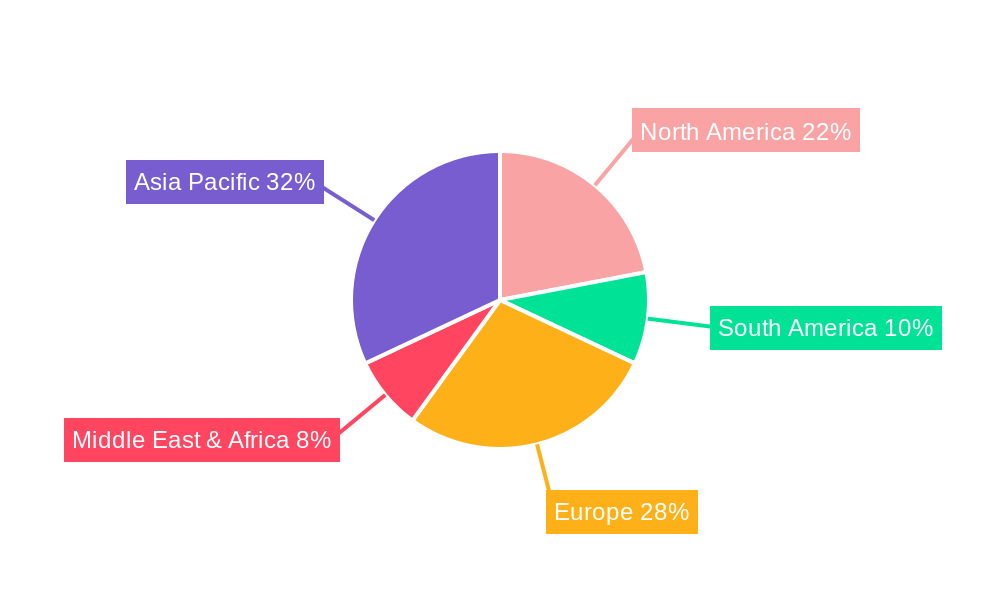
Ammonium Stearate Regional Market Share
Geographic Coverage of Ammonium Stearate
Ammonium Stearate REPORT HIGHLIGHTS
| Aspects | Details |
|---|---|
| Study Period | 2020-2034 |
| Base Year | 2025 |
| Estimated Year | 2026 |
| Forecast Period | 2026-2034 |
| Historical Period | 2020-2025 |
| Growth Rate | CAGR of 6.97% from 2020-2034 |
| Segmentation |
|
Table of Contents
- 1. Introduction
- 1.1. Research Scope
- 1.2. Market Segmentation
- 1.3. Research Methodology
- 1.4. Definitions and Assumptions
- 2. Executive Summary
- 2.1. Introduction
- 3. Market Dynamics
- 3.1. Introduction
- 3.2. Market Drivers
- 3.3. Market Restrains
- 3.4. Market Trends
- 4. Market Factor Analysis
- 4.1. Porters Five Forces
- 4.2. Supply/Value Chain
- 4.3. PESTEL analysis
- 4.4. Market Entropy
- 4.5. Patent/Trademark Analysis
- 5. Global Ammonium Stearate Analysis, Insights and Forecast, 2020-2032
- 5.1. Market Analysis, Insights and Forecast - by Application
- 5.1.1. Cosmetics
- 5.1.2. Industrial
- 5.1.3. Deodorant
- 5.1.4. Others
- 5.2. Market Analysis, Insights and Forecast - by Types
- 5.2.1. Animal Fat
- 5.2.2. Vegetable Oil
- 5.2.3. Others
- 5.3. Market Analysis, Insights and Forecast - by Region
- 5.3.1. North America
- 5.3.2. South America
- 5.3.3. Europe
- 5.3.4. Middle East & Africa
- 5.3.5. Asia Pacific
- 5.1. Market Analysis, Insights and Forecast - by Application
- 6. North America Ammonium Stearate Analysis, Insights and Forecast, 2020-2032
- 6.1. Market Analysis, Insights and Forecast - by Application
- 6.1.1. Cosmetics
- 6.1.2. Industrial
- 6.1.3. Deodorant
- 6.1.4. Others
- 6.2. Market Analysis, Insights and Forecast - by Types
- 6.2.1. Animal Fat
- 6.2.2. Vegetable Oil
- 6.2.3. Others
- 6.1. Market Analysis, Insights and Forecast - by Application
- 7. South America Ammonium Stearate Analysis, Insights and Forecast, 2020-2032
- 7.1. Market Analysis, Insights and Forecast - by Application
- 7.1.1. Cosmetics
- 7.1.2. Industrial
- 7.1.3. Deodorant
- 7.1.4. Others
- 7.2. Market Analysis, Insights and Forecast - by Types
- 7.2.1. Animal Fat
- 7.2.2. Vegetable Oil
- 7.2.3. Others
- 7.1. Market Analysis, Insights and Forecast - by Application
- 8. Europe Ammonium Stearate Analysis, Insights and Forecast, 2020-2032
- 8.1. Market Analysis, Insights and Forecast - by Application
- 8.1.1. Cosmetics
- 8.1.2. Industrial
- 8.1.3. Deodorant
- 8.1.4. Others
- 8.2. Market Analysis, Insights and Forecast - by Types
- 8.2.1. Animal Fat
- 8.2.2. Vegetable Oil
- 8.2.3. Others
- 8.1. Market Analysis, Insights and Forecast - by Application
- 9. Middle East & Africa Ammonium Stearate Analysis, Insights and Forecast, 2020-2032
- 9.1. Market Analysis, Insights and Forecast - by Application
- 9.1.1. Cosmetics
- 9.1.2. Industrial
- 9.1.3. Deodorant
- 9.1.4. Others
- 9.2. Market Analysis, Insights and Forecast - by Types
- 9.2.1. Animal Fat
- 9.2.2. Vegetable Oil
- 9.2.3. Others
- 9.1. Market Analysis, Insights and Forecast - by Application
- 10. Asia Pacific Ammonium Stearate Analysis, Insights and Forecast, 2020-2032
- 10.1. Market Analysis, Insights and Forecast - by Application
- 10.1.1. Cosmetics
- 10.1.2. Industrial
- 10.1.3. Deodorant
- 10.1.4. Others
- 10.2. Market Analysis, Insights and Forecast - by Types
- 10.2.1. Animal Fat
- 10.2.2. Vegetable Oil
- 10.2.3. Others
- 10.1. Market Analysis, Insights and Forecast - by Application
- 11. Competitive Analysis
- 11.1. Global Market Share Analysis 2025
- 11.2. Company Profiles
- 11.2.1 Sigma-Aldrich
- 11.2.1.1. Overview
- 11.2.1.2. Products
- 11.2.1.3. SWOT Analysis
- 11.2.1.4. Recent Developments
- 11.2.1.5. Financials (Based on Availability)
- 11.2.2 Taian Jiaye Biological Technology Co.
- 11.2.2.1. Overview
- 11.2.2.2. Products
- 11.2.2.3. SWOT Analysis
- 11.2.2.4. Recent Developments
- 11.2.2.5. Financials (Based on Availability)
- 11.2.3 Ltd.
- 11.2.3.1. Overview
- 11.2.3.2. Products
- 11.2.3.3. SWOT Analysis
- 11.2.3.4. Recent Developments
- 11.2.3.5. Financials (Based on Availability)
- 11.2.4 MATRIX
- 11.2.4.1. Overview
- 11.2.4.2. Products
- 11.2.4.3. SWOT Analysis
- 11.2.4.4. Recent Developments
- 11.2.4.5. Financials (Based on Availability)
- 11.2.5 City Chemical LLC
- 11.2.5.1. Overview
- 11.2.5.2. Products
- 11.2.5.3. SWOT Analysis
- 11.2.5.4. Recent Developments
- 11.2.5.5. Financials (Based on Availability)
- 11.2.6 Camida
- 11.2.6.1. Overview
- 11.2.6.2. Products
- 11.2.6.3. SWOT Analysis
- 11.2.6.4. Recent Developments
- 11.2.6.5. Financials (Based on Availability)
- 11.2.7 Bradford Soap
- 11.2.7.1. Overview
- 11.2.7.2. Products
- 11.2.7.3. SWOT Analysis
- 11.2.7.4. Recent Developments
- 11.2.7.5. Financials (Based on Availability)
- 11.2.1 Sigma-Aldrich
List of Figures
- Figure 1: Global Ammonium Stearate Revenue Breakdown (billion, %) by Region 2025 & 2033
- Figure 2: North America Ammonium Stearate Revenue (billion), by Application 2025 & 2033
- Figure 3: North America Ammonium Stearate Revenue Share (%), by Application 2025 & 2033
- Figure 4: North America Ammonium Stearate Revenue (billion), by Types 2025 & 2033
- Figure 5: North America Ammonium Stearate Revenue Share (%), by Types 2025 & 2033
- Figure 6: North America Ammonium Stearate Revenue (billion), by Country 2025 & 2033
- Figure 7: North America Ammonium Stearate Revenue Share (%), by Country 2025 & 2033
- Figure 8: South America Ammonium Stearate Revenue (billion), by Application 2025 & 2033
- Figure 9: South America Ammonium Stearate Revenue Share (%), by Application 2025 & 2033
- Figure 10: South America Ammonium Stearate Revenue (billion), by Types 2025 & 2033
- Figure 11: South America Ammonium Stearate Revenue Share (%), by Types 2025 & 2033
- Figure 12: South America Ammonium Stearate Revenue (billion), by Country 2025 & 2033
- Figure 13: South America Ammonium Stearate Revenue Share (%), by Country 2025 & 2033
- Figure 14: Europe Ammonium Stearate Revenue (billion), by Application 2025 & 2033
- Figure 15: Europe Ammonium Stearate Revenue Share (%), by Application 2025 & 2033
- Figure 16: Europe Ammonium Stearate Revenue (billion), by Types 2025 & 2033
- Figure 17: Europe Ammonium Stearate Revenue Share (%), by Types 2025 & 2033
- Figure 18: Europe Ammonium Stearate Revenue (billion), by Country 2025 & 2033
- Figure 19: Europe Ammonium Stearate Revenue Share (%), by Country 2025 & 2033
- Figure 20: Middle East & Africa Ammonium Stearate Revenue (billion), by Application 2025 & 2033
- Figure 21: Middle East & Africa Ammonium Stearate Revenue Share (%), by Application 2025 & 2033
- Figure 22: Middle East & Africa Ammonium Stearate Revenue (billion), by Types 2025 & 2033
- Figure 23: Middle East & Africa Ammonium Stearate Revenue Share (%), by Types 2025 & 2033
- Figure 24: Middle East & Africa Ammonium Stearate Revenue (billion), by Country 2025 & 2033
- Figure 25: Middle East & Africa Ammonium Stearate Revenue Share (%), by Country 2025 & 2033
- Figure 26: Asia Pacific Ammonium Stearate Revenue (billion), by Application 2025 & 2033
- Figure 27: Asia Pacific Ammonium Stearate Revenue Share (%), by Application 2025 & 2033
- Figure 28: Asia Pacific Ammonium Stearate Revenue (billion), by Types 2025 & 2033
- Figure 29: Asia Pacific Ammonium Stearate Revenue Share (%), by Types 2025 & 2033
- Figure 30: Asia Pacific Ammonium Stearate Revenue (billion), by Country 2025 & 2033
- Figure 31: Asia Pacific Ammonium Stearate Revenue Share (%), by Country 2025 & 2033
List of Tables
- Table 1: Global Ammonium Stearate Revenue billion Forecast, by Application 2020 & 2033
- Table 2: Global Ammonium Stearate Revenue billion Forecast, by Types 2020 & 2033
- Table 3: Global Ammonium Stearate Revenue billion Forecast, by Region 2020 & 2033
- Table 4: Global Ammonium Stearate Revenue billion Forecast, by Application 2020 & 2033
- Table 5: Global Ammonium Stearate Revenue billion Forecast, by Types 2020 & 2033
- Table 6: Global Ammonium Stearate Revenue billion Forecast, by Country 2020 & 2033
- Table 7: United States Ammonium Stearate Revenue (billion) Forecast, by Application 2020 & 2033
- Table 8: Canada Ammonium Stearate Revenue (billion) Forecast, by Application 2020 & 2033
- Table 9: Mexico Ammonium Stearate Revenue (billion) Forecast, by Application 2020 & 2033
- Table 10: Global Ammonium Stearate Revenue billion Forecast, by Application 2020 & 2033
- Table 11: Global Ammonium Stearate Revenue billion Forecast, by Types 2020 & 2033
- Table 12: Global Ammonium Stearate Revenue billion Forecast, by Country 2020 & 2033
- Table 13: Brazil Ammonium Stearate Revenue (billion) Forecast, by Application 2020 & 2033
- Table 14: Argentina Ammonium Stearate Revenue (billion) Forecast, by Application 2020 & 2033
- Table 15: Rest of South America Ammonium Stearate Revenue (billion) Forecast, by Application 2020 & 2033
- Table 16: Global Ammonium Stearate Revenue billion Forecast, by Application 2020 & 2033
- Table 17: Global Ammonium Stearate Revenue billion Forecast, by Types 2020 & 2033
- Table 18: Global Ammonium Stearate Revenue billion Forecast, by Country 2020 & 2033
- Table 19: United Kingdom Ammonium Stearate Revenue (billion) Forecast, by Application 2020 & 2033
- Table 20: Germany Ammonium Stearate Revenue (billion) Forecast, by Application 2020 & 2033
- Table 21: France Ammonium Stearate Revenue (billion) Forecast, by Application 2020 & 2033
- Table 22: Italy Ammonium Stearate Revenue (billion) Forecast, by Application 2020 & 2033
- Table 23: Spain Ammonium Stearate Revenue (billion) Forecast, by Application 2020 & 2033
- Table 24: Russia Ammonium Stearate Revenue (billion) Forecast, by Application 2020 & 2033
- Table 25: Benelux Ammonium Stearate Revenue (billion) Forecast, by Application 2020 & 2033
- Table 26: Nordics Ammonium Stearate Revenue (billion) Forecast, by Application 2020 & 2033
- Table 27: Rest of Europe Ammonium Stearate Revenue (billion) Forecast, by Application 2020 & 2033
- Table 28: Global Ammonium Stearate Revenue billion Forecast, by Application 2020 & 2033
- Table 29: Global Ammonium Stearate Revenue billion Forecast, by Types 2020 & 2033
- Table 30: Global Ammonium Stearate Revenue billion Forecast, by Country 2020 & 2033
- Table 31: Turkey Ammonium Stearate Revenue (billion) Forecast, by Application 2020 & 2033
- Table 32: Israel Ammonium Stearate Revenue (billion) Forecast, by Application 2020 & 2033
- Table 33: GCC Ammonium Stearate Revenue (billion) Forecast, by Application 2020 & 2033
- Table 34: North Africa Ammonium Stearate Revenue (billion) Forecast, by Application 2020 & 2033
- Table 35: South Africa Ammonium Stearate Revenue (billion) Forecast, by Application 2020 & 2033
- Table 36: Rest of Middle East & Africa Ammonium Stearate Revenue (billion) Forecast, by Application 2020 & 2033
- Table 37: Global Ammonium Stearate Revenue billion Forecast, by Application 2020 & 2033
- Table 38: Global Ammonium Stearate Revenue billion Forecast, by Types 2020 & 2033
- Table 39: Global Ammonium Stearate Revenue billion Forecast, by Country 2020 & 2033
- Table 40: China Ammonium Stearate Revenue (billion) Forecast, by Application 2020 & 2033
- Table 41: India Ammonium Stearate Revenue (billion) Forecast, by Application 2020 & 2033
- Table 42: Japan Ammonium Stearate Revenue (billion) Forecast, by Application 2020 & 2033
- Table 43: South Korea Ammonium Stearate Revenue (billion) Forecast, by Application 2020 & 2033
- Table 44: ASEAN Ammonium Stearate Revenue (billion) Forecast, by Application 2020 & 2033
- Table 45: Oceania Ammonium Stearate Revenue (billion) Forecast, by Application 2020 & 2033
- Table 46: Rest of Asia Pacific Ammonium Stearate Revenue (billion) Forecast, by Application 2020 & 2033
Frequently Asked Questions
1. What is the projected Compound Annual Growth Rate (CAGR) of the Ammonium Stearate?
The projected CAGR is approximately 6.97%.
2. Which companies are prominent players in the Ammonium Stearate?
Key companies in the market include Sigma-Aldrich, Taian Jiaye Biological Technology Co., Ltd., MATRIX, City Chemical LLC, Camida, Bradford Soap.
3. What are the main segments of the Ammonium Stearate?
The market segments include Application, Types.
4. Can you provide details about the market size?
The market size is estimated to be USD 7.99 billion as of 2022.
5. What are some drivers contributing to market growth?
N/A
6. What are the notable trends driving market growth?
N/A
7. Are there any restraints impacting market growth?
N/A
8. Can you provide examples of recent developments in the market?
N/A
9. What pricing options are available for accessing the report?
Pricing options include single-user, multi-user, and enterprise licenses priced at USD 4900.00, USD 7350.00, and USD 9800.00 respectively.
10. Is the market size provided in terms of value or volume?
The market size is provided in terms of value, measured in billion.
11. Are there any specific market keywords associated with the report?
Yes, the market keyword associated with the report is "Ammonium Stearate," which aids in identifying and referencing the specific market segment covered.
12. How do I determine which pricing option suits my needs best?
The pricing options vary based on user requirements and access needs. Individual users may opt for single-user licenses, while businesses requiring broader access may choose multi-user or enterprise licenses for cost-effective access to the report.
13. Are there any additional resources or data provided in the Ammonium Stearate report?
While the report offers comprehensive insights, it's advisable to review the specific contents or supplementary materials provided to ascertain if additional resources or data are available.
14. How can I stay updated on further developments or reports in the Ammonium Stearate?
To stay informed about further developments, trends, and reports in the Ammonium Stearate, consider subscribing to industry newsletters, following relevant companies and organizations, or regularly checking reputable industry news sources and publications.
Methodology
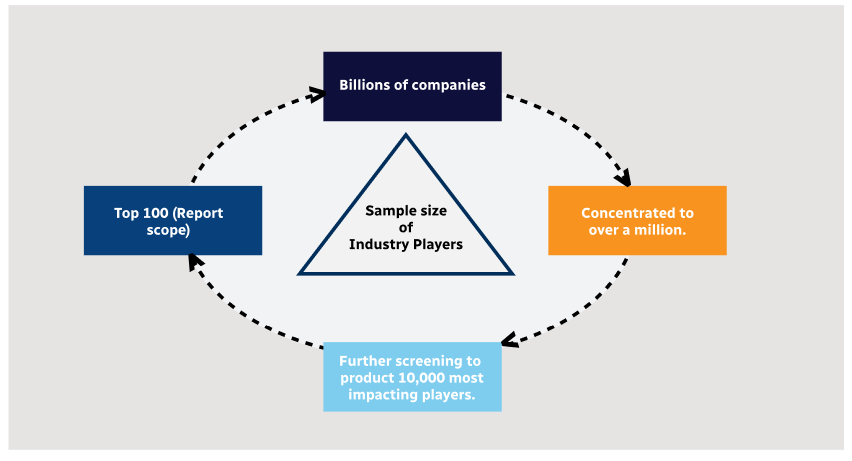
Step 1 - Identification of Relevant Samples Size from Population Database

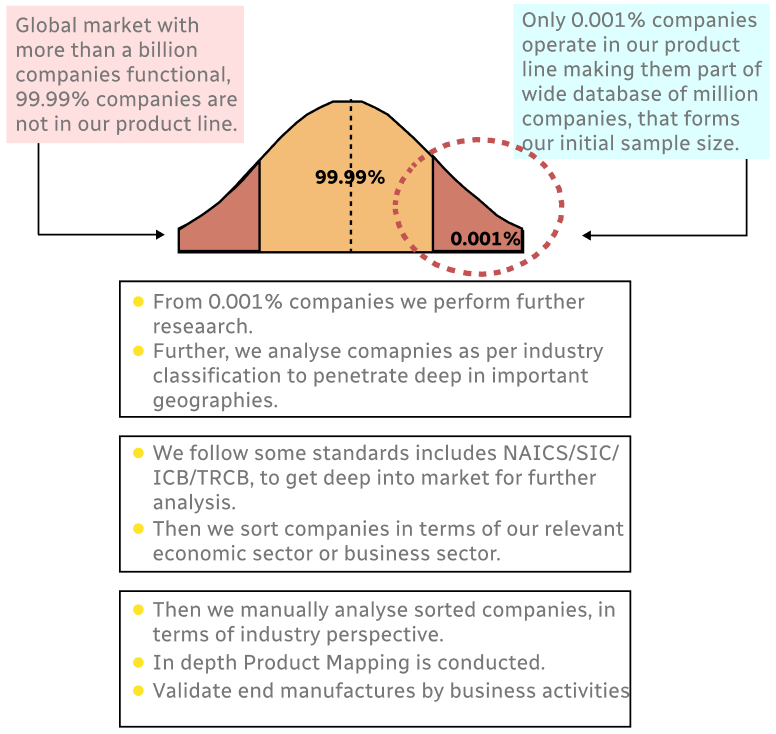
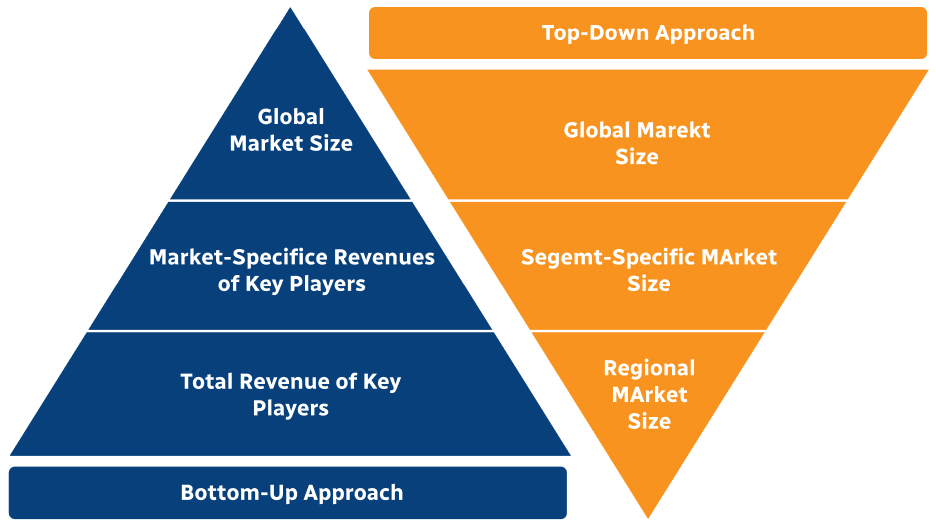
Step 2 - Approaches for Defining Global Market Size (Value, Volume* & Price*)
Note*: In applicable scenarios
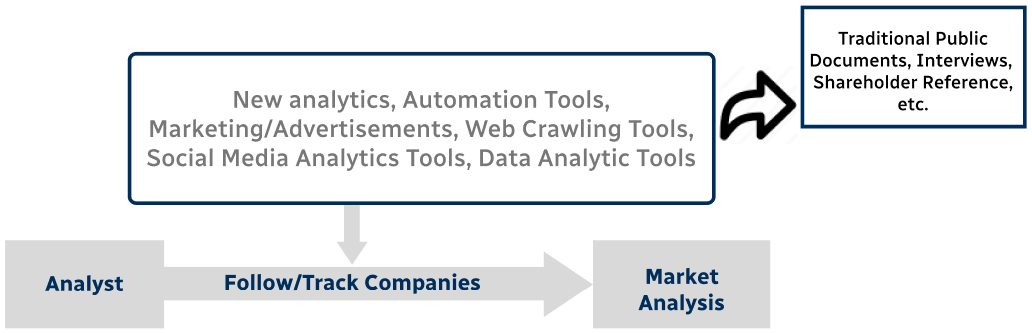
Step 3 - Data Sources
Primary Research
- Web Analytics
- Survey Reports
- Research Institute
- Latest Research Reports
- Opinion Leaders
Secondary Research
- Annual Reports
- White Paper
- Latest Press Release
- Industry Association
- Paid Database
- Investor Presentations
Step 4 - Data Triangulation
Involves using different sources of information in order to increase the validity of a study
These sources are likely to be stakeholders in a program - participants, other researchers, program staff, other community members, and so on.
Then we put all data in single framework & apply various statistical tools to find out the dynamic on the market.
During the analysis stage, feedback from the stakeholder groups would be compared to determine areas of agreement as well as areas of divergence