


Key Insights
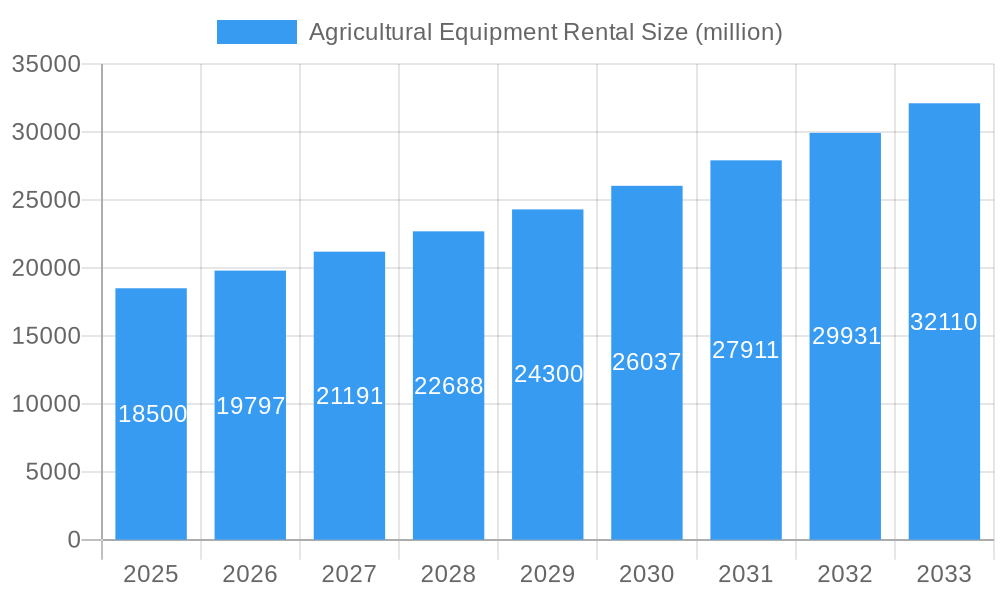
The global agricultural equipment rental market is poised for significant expansion, projected to reach a substantial market size of approximately \$18,500 million by 2025, with an anticipated Compound Annual Growth Rate (CAGR) of 7.5% through 2033. This robust growth is fueled by a confluence of factors, primarily driven by the increasing demand for advanced and specialized farming machinery without the burden of outright ownership and associated maintenance costs. Farmers, particularly small and medium-sized enterprises, are recognizing the cost-effectiveness and flexibility offered by rental models, allowing them access to cutting-edge technology and a diverse fleet of equipment that can be scaled according to seasonal needs. This trend is further amplified by the growing emphasis on precision agriculture and the adoption of sustainable farming practices, which often necessitate the use of sophisticated machinery for tasks like automated planting, harvesting, and soil management. The "Other" application segment, likely encompassing specialized machinery for niche farming operations and infrastructure development within agricultural settings, is also demonstrating considerable traction, indicating a diversifying demand for rental solutions beyond traditional crop cultivation.
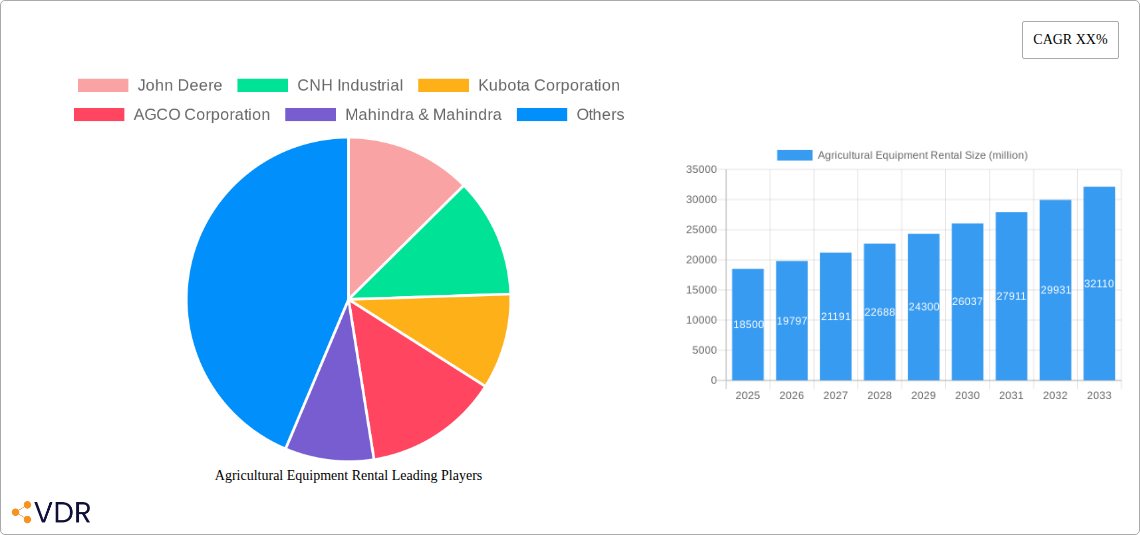
Agricultural Equipment Rental Market Size (In Billion)

The market is experiencing dynamic shifts with the rise of both long-term and short-term lease options, catering to a wide spectrum of agricultural operational requirements. While long-term leases provide stability and predictability for established farming operations, short-term rentals are proving invaluable for seasonal demands, project-specific needs, and for farmers experimenting with new techniques or crops. Geographic regions like North America and Europe are leading the charge, driven by their established agricultural sectors and early adoption of technological advancements. However, the Asia Pacific region, with its vast agricultural base and rapidly modernizing farming practices, presents a significant growth opportunity. Key players such as John Deere, CNH Industrial, and Kubota Corporation are actively participating, investing in expanding their rental fleets and service offerings to capture this burgeoning market. Despite the promising outlook, potential restraints include the initial high cost of advanced machinery for rental companies, regulatory hurdles in certain regions, and the need for robust maintenance and logistical infrastructure to ensure operational efficiency and customer satisfaction.
Agricultural Equipment Rental Company Market Share
Agricultural Equipment Rental Market: Comprehensive Report (2019-2033)
This in-depth report offers a granular analysis of the global Agricultural Equipment Rental market, covering a study period from 2019 to 2033, with 2025 as the base and estimated year, and a forecast period from 2025 to 2033. The historical period spans 2019-2024, providing a robust foundation for understanding market evolution. This research is critical for industry professionals, investors, and stakeholders seeking to navigate the complexities and capitalize on the opportunities within this dynamic sector. We delve into the parent market of agricultural machinery and its child market, rental services, presenting insights on market structure, growth trends, regional dominance, product landscape, key drivers and challenges, emerging opportunities, growth accelerators, and leading players. All quantitative data is presented in millions of units for clarity and impact.
Agricultural Equipment Rental Market Dynamics & Structure
The agricultural equipment rental market exhibits a moderately concentrated structure, with key players like John Deere, CNH Industrial, Kubota Corporation, AGCO Corporation, and Mahindra & Mahindra holding significant market share. Technological innovation, particularly in precision agriculture, automation, and telematics, serves as a primary driver, enhancing efficiency and reducing operational costs for end-users. Regulatory frameworks, while varied globally, often influence equipment standards, safety, and environmental compliance, indirectly shaping rental practices. Competitive product substitutes, such as outright purchase or leasing with purchase options, present a constant challenge. End-user demographics are shifting towards a younger generation of farmers who are more inclined towards flexible rental solutions due to capital constraints and a desire for access to the latest technology. Mergers and acquisitions (M&A) are notable trends, consolidating market presence and expanding service offerings. For instance, the acquisition of smaller regional rental providers by larger corporations aims to achieve economies of scale and broader geographic coverage.
- Market Concentration: Moderately concentrated with a few dominant global players.
- Technological Innovation: Driven by advancements in precision farming, IoT integration, and automation.
- Regulatory Frameworks: Impacting equipment standards, safety, and environmental considerations.
- Competitive Substitutes: Outright purchase, traditional leasing, and contract farming services.
- End-User Demographics: Growing adoption among younger farmers and those seeking flexibility.
- M&A Trends: Consolidation for market expansion and service portfolio enhancement.
Agricultural Equipment Rental Growth Trends & Insights
The global agricultural equipment rental market is poised for substantial expansion, driven by a confluence of economic, technological, and operational factors. The market size is projected to grow from approximately 25,000 million units in 2024 to over 38,000 million units by 2033, exhibiting a Compound Annual Growth Rate (CAGR) of approximately 4.5%. This growth is fueled by increasing demand for flexible and cost-effective farming solutions, particularly among small and medium-sized agricultural enterprises (SMEs) and emerging economies where upfront capital investment in machinery can be prohibitive. The adoption rate of rental services is accelerating as farmers recognize the benefits of accessing specialized equipment without the burden of ownership, maintenance, and depreciation.
Technological disruptions are significantly reshaping the rental landscape. The integration of IoT sensors, GPS tracking, and data analytics into rental fleets enables predictive maintenance, optimized equipment utilization, and enhanced farm management for renters. Rental companies are increasingly offering smart equipment that provides real-time performance data, assisting farmers in making informed decisions. Furthermore, the rise of ride-sharing platforms and digital marketplaces for agricultural equipment is simplifying the rental process, increasing accessibility, and fostering a more competitive environment.
Consumer behavior shifts are also playing a crucial role. Farmers are increasingly prioritizing operational flexibility and access to the latest technology over long-term asset ownership. This is particularly evident in regions with diversified agricultural practices, where a single farmer might require different types of equipment for various crops and seasons. The rental model provides this agility, allowing farmers to scale their operations up or down as needed. The growing emphasis on sustainable agriculture is also indirectly benefiting the rental market, as companies can invest in and offer the latest fuel-efficient and environmentally friendly machinery, which individual farmers might find too expensive to purchase outright.
- Market Size Evolution: Projected to reach over 38,000 million units by 2033 from approximately 25,000 million units in 2024.
- CAGR: Estimated at around 4.5% during the forecast period.
- Adoption Rates: Increasing significantly due to cost-effectiveness and flexibility.
- Technological Disruptions: IoT integration, GPS, telematics, and data analytics transforming rental services.
- Consumer Behavior Shifts: Growing preference for flexibility, access to technology, and reduced ownership burdens.
- Sustainable Agriculture Influence: Demand for eco-friendly and efficient rental machinery.
Dominant Regions, Countries, or Segments in Agricultural Equipment Rental
The Enterprise Application segment, particularly within the Long-term Lease type, is a dominant force driving growth in the global agricultural equipment rental market. This segment captures the needs of larger agricultural operations and commercial farms that require consistent access to a fleet of specialized machinery for extended periods. These enterprises often benefit from the predictable costs, maintenance inclusion, and the ability to upgrade equipment as part of the lease agreement, allowing them to focus on core farming activities rather than asset management. The market size within this segment is estimated to be over 18,000 million units in 2025, representing a significant portion of the overall market.
North America, particularly the United States, stands out as a dominant region in agricultural equipment rental. This is attributed to its large-scale farming operations, advanced agricultural practices, and a well-established rental infrastructure. Government incentives for agricultural modernization and robust private investment in farming technologies further bolster the demand for rental services. Key drivers in this region include the adoption of precision agriculture, the need for specialized machinery for diverse crops such as corn, soybeans, and wheat, and a proactive farming community open to innovative business models. The market share for North America in agricultural equipment rental is estimated at approximately 35% in 2025, with a projected growth potential driven by ongoing technological integration and farm consolidation.
In the Enterprise application, the Long-term Lease segment thrives due to its alignment with the operational cycles and capital expenditure strategies of large farms. These leases often encompass comprehensive service packages, including maintenance, insurance, and sometimes even operator training, providing a holistic solution for complex farming needs. The market share of long-term leases within the enterprise segment is estimated at 60% in 2025. The growth potential is further amplified by the increasing trend of farm consolidation, where larger entities are acquiring smaller farms and requiring expanded and modernized equipment fleets. Economic policies that support agricultural productivity, coupled with significant investments in rural infrastructure, further facilitate the seamless operation and widespread adoption of long-term rental agreements in this segment.
- Dominant Segment (Application): Enterprise
- Dominant Segment (Type): Long-term Lease
- Dominant Region: North America
- Key Drivers (North America): Large-scale farming, precision agriculture, diverse crop cultivation, proactive adoption of new models.
- Market Share (North America): Approximately 35% in 2025.
- Growth Potential Factors: Technological integration, farm consolidation, government incentives.
- Long-term Lease Dominance Factors: Predictable costs, maintenance inclusion, equipment upgrades, alignment with operational cycles of large farms.
Agricultural Equipment Rental Product Landscape
The agricultural equipment rental product landscape is increasingly characterized by the availability of advanced machinery designed for efficiency and precision. Rental fleets now prominently feature GPS-enabled tractors, autonomous harvesters, advanced spraying drones, and sophisticated soil monitoring equipment. These products offer enhanced operational performance metrics, including reduced fuel consumption (up to 15% lower than older models), increased acreage covered per hour (up to 20% more), and improved yield through precise application of fertilizers and pesticides. The unique selling proposition for rental providers lies in offering access to these cutting-edge technologies without the prohibitive purchase costs for individual farmers. Technological advancements are focused on connectivity, allowing for remote monitoring and diagnostics, thereby optimizing uptime and rental returns.
Key Drivers, Barriers & Challenges in Agricultural Equipment Rental
Key Drivers:
- Technological Advancements: The integration of IoT, AI, and precision farming tools in rental fleets enhances efficiency and attracts tech-savvy farmers.
- Cost-Effectiveness: Rental offers a flexible and capital-light alternative to outright purchase, especially for new farmers or those with seasonal needs.
- Operational Flexibility: Farmers can access specialized equipment for specific tasks or periods without long-term commitment.
- Government Support: Subsidies and incentives for modernizing agricultural practices indirectly boost rental demand.
- Growing Demand for Sustainable Agriculture: Rental companies can invest in and offer eco-friendly machinery.
Barriers & Challenges:
- High Initial Investment for Rental Companies: Acquiring a diverse and modern fleet requires substantial capital.
- Maintenance and Repair Costs: Ensuring a well-maintained fleet incurs ongoing operational expenses, estimated to be around 10-15% of the equipment's value annually.
- Seasonal Demand Fluctuations: Managing fleet utilization and profitability can be challenging due to the seasonality of agricultural operations.
- Competition from Used Equipment Market: Affordable used machinery presents a viable alternative for some farmers.
- Regulatory Hurdles: Compliance with evolving environmental and safety standards adds complexity and cost.
- Supply Chain Disruptions: Delays in manufacturing and delivery of new equipment can impact fleet expansion and availability, with potential delays of up to 6-12 months for specialized machinery.
Emerging Opportunities in Agricultural Equipment Rental
Emerging opportunities in the agricultural equipment rental sector are largely centered around technological integration and service expansion. The growing demand for "Agri-Tech as a Service" presents a significant avenue, where rental companies offer not just the machinery but also the associated data analytics and operational support. This includes drone-based crop monitoring services, AI-powered yield prediction tools, and integrated farm management software linked to the rented equipment. Furthermore, the development of smaller, more specialized, and potentially modular rental equipment for niche farming operations (e.g., vertical farming, urban agriculture) represents an untapped market. The increasing focus on circular economy principles also opens doors for refurbished and reconditioned equipment rental, offering a more sustainable and cost-effective option for certain segments.
Growth Accelerators in the Agricultural Equipment Rental Industry
The agricultural equipment rental industry's long-term growth is significantly accelerated by several key catalysts. The pervasive adoption of digital platforms and mobile applications is streamlining the rental process, making it more accessible and user-friendly for farmers globally. This digital transformation enhances booking, payment, and equipment tracking capabilities, thereby improving customer experience and operational efficiency for rental providers. Strategic partnerships between equipment manufacturers and rental companies are also crucial, ensuring that rental fleets are equipped with the latest innovations and that rental providers have preferential access to new technologies. Moreover, market expansion into emerging agricultural economies, where the need for modernized farming practices and flexible equipment access is high, represents a substantial growth accelerator. The development of innovative financing models and subscription-based rental plans further lowers the barrier to entry for a wider range of farmers.
Key Players Shaping the Agricultural Equipment Rental Market
- John Deere
- CNH Industrial
- Kubota Corporation
- AGCO Corporation
- Mahindra & Mahindra
- Escorts Ltd
- Flaman
- Messick’s
- Pacific Tractor
- Premier Equipment Rentals
- The Papé Group
Notable Milestones in Agricultural Equipment Rental Sector
- 2019: Launch of integrated telematics solutions by John Deere, offering remote monitoring and diagnostics for rental fleets.
- 2020: CNH Industrial expands its rental partnerships with agricultural cooperatives across Europe.
- 2021: Kubota Corporation introduces a new line of compact, rental-friendly tractors with advanced maneuverability.
- 2022: AGCO Corporation acquires a significant stake in a leading farm management software provider, enhancing its rental service integration.
- 2023 (Q1): Mahindra & Mahindra inaugurates its dedicated agricultural equipment rental division in India.
- 2023 (Q3): Escorts Ltd partners with a fintech company to offer flexible rental financing options.
- 2024 (Q1): Messick’s announces a strategic expansion of its rental services into three new US states.
In-Depth Agricultural Equipment Rental Market Outlook
The future outlook for the agricultural equipment rental market is exceptionally bright, driven by a confluence of factors that are reshaping modern agriculture. The persistent need for operational efficiency, coupled with the increasing cost of advanced machinery, positions rental as the preferred model for many farmers. Growth accelerators like the widespread adoption of IoT and AI in farming equipment will continue to drive demand for rental services that provide access to these sophisticated tools. Strategic partnerships will be paramount in ensuring that rental companies can offer comprehensive, integrated solutions that go beyond mere equipment provision. Furthermore, the expansion into underserved markets and the development of innovative, flexible rental plans will unlock new revenue streams and solidify the market's upward trajectory. The shift towards more sustainable farming practices will also favor rental companies that can invest in and offer the latest in fuel-efficient and environmentally conscious machinery, further cementing the rental market's vital role in the future of global agriculture.
Agricultural Equipment Rental Segmentation
-
1. Application
- 1.1. Personal
- 1.2. Enterprise
- 1.3. Other
-
2. Types
- 2.1. Long-term Lease
- 2.2. Short-term Lease
Agricultural Equipment Rental Segmentation By Geography
-
1. North America
- 1.1. United States
- 1.2. Canada
- 1.3. Mexico
-
2. South America
- 2.1. Brazil
- 2.2. Argentina
- 2.3. Rest of South America
-
3. Europe
- 3.1. United Kingdom
- 3.2. Germany
- 3.3. France
- 3.4. Italy
- 3.5. Spain
- 3.6. Russia
- 3.7. Benelux
- 3.8. Nordics
- 3.9. Rest of Europe
-
4. Middle East & Africa
- 4.1. Turkey
- 4.2. Israel
- 4.3. GCC
- 4.4. North Africa
- 4.5. South Africa
- 4.6. Rest of Middle East & Africa
-
5. Asia Pacific
- 5.1. China
- 5.2. India
- 5.3. Japan
- 5.4. South Korea
- 5.5. ASEAN
- 5.6. Oceania
- 5.7. Rest of Asia Pacific
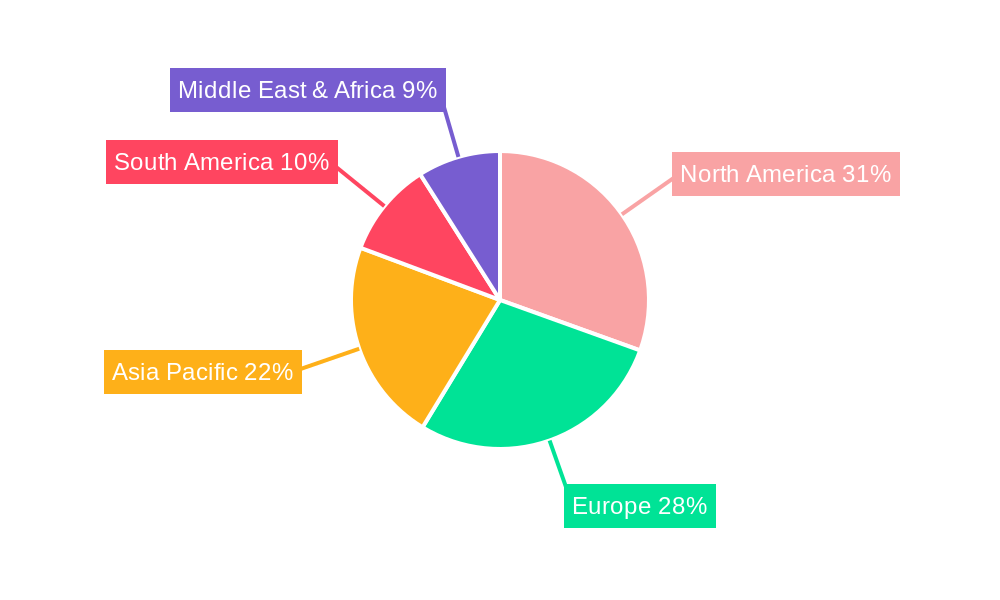
Agricultural Equipment Rental Regional Market Share
Geographic Coverage of Agricultural Equipment Rental
Agricultural Equipment Rental REPORT HIGHLIGHTS
| Aspects | Details |
|---|---|
| Study Period | 2020-2034 |
| Base Year | 2025 |
| Estimated Year | 2026 |
| Forecast Period | 2026-2034 |
| Historical Period | 2020-2025 |
| Growth Rate | CAGR of XX% from 2020-2034 |
| Segmentation |
|
Table of Contents
- 1. Introduction
- 1.1. Research Scope
- 1.2. Market Segmentation
- 1.3. Research Methodology
- 1.4. Definitions and Assumptions
- 2. Executive Summary
- 2.1. Introduction
- 3. Market Dynamics
- 3.1. Introduction
- 3.2. Market Drivers
- 3.3. Market Restrains
- 3.4. Market Trends
- 4. Market Factor Analysis
- 4.1. Porters Five Forces
- 4.2. Supply/Value Chain
- 4.3. PESTEL analysis
- 4.4. Market Entropy
- 4.5. Patent/Trademark Analysis
- 5. Global Agricultural Equipment Rental Analysis, Insights and Forecast, 2020-2032
- 5.1. Market Analysis, Insights and Forecast - by Application
- 5.1.1. Personal
- 5.1.2. Enterprise
- 5.1.3. Other
- 5.2. Market Analysis, Insights and Forecast - by Types
- 5.2.1. Long-term Lease
- 5.2.2. Short-term Lease
- 5.3. Market Analysis, Insights and Forecast - by Region
- 5.3.1. North America
- 5.3.2. South America
- 5.3.3. Europe
- 5.3.4. Middle East & Africa
- 5.3.5. Asia Pacific
- 5.1. Market Analysis, Insights and Forecast - by Application
- 6. North America Agricultural Equipment Rental Analysis, Insights and Forecast, 2020-2032
- 6.1. Market Analysis, Insights and Forecast - by Application
- 6.1.1. Personal
- 6.1.2. Enterprise
- 6.1.3. Other
- 6.2. Market Analysis, Insights and Forecast - by Types
- 6.2.1. Long-term Lease
- 6.2.2. Short-term Lease
- 6.1. Market Analysis, Insights and Forecast - by Application
- 7. South America Agricultural Equipment Rental Analysis, Insights and Forecast, 2020-2032
- 7.1. Market Analysis, Insights and Forecast - by Application
- 7.1.1. Personal
- 7.1.2. Enterprise
- 7.1.3. Other
- 7.2. Market Analysis, Insights and Forecast - by Types
- 7.2.1. Long-term Lease
- 7.2.2. Short-term Lease
- 7.1. Market Analysis, Insights and Forecast - by Application
- 8. Europe Agricultural Equipment Rental Analysis, Insights and Forecast, 2020-2032
- 8.1. Market Analysis, Insights and Forecast - by Application
- 8.1.1. Personal
- 8.1.2. Enterprise
- 8.1.3. Other
- 8.2. Market Analysis, Insights and Forecast - by Types
- 8.2.1. Long-term Lease
- 8.2.2. Short-term Lease
- 8.1. Market Analysis, Insights and Forecast - by Application
- 9. Middle East & Africa Agricultural Equipment Rental Analysis, Insights and Forecast, 2020-2032
- 9.1. Market Analysis, Insights and Forecast - by Application
- 9.1.1. Personal
- 9.1.2. Enterprise
- 9.1.3. Other
- 9.2. Market Analysis, Insights and Forecast - by Types
- 9.2.1. Long-term Lease
- 9.2.2. Short-term Lease
- 9.1. Market Analysis, Insights and Forecast - by Application
- 10. Asia Pacific Agricultural Equipment Rental Analysis, Insights and Forecast, 2020-2032
- 10.1. Market Analysis, Insights and Forecast - by Application
- 10.1.1. Personal
- 10.1.2. Enterprise
- 10.1.3. Other
- 10.2. Market Analysis, Insights and Forecast - by Types
- 10.2.1. Long-term Lease
- 10.2.2. Short-term Lease
- 10.1. Market Analysis, Insights and Forecast - by Application
- 11. Competitive Analysis
- 11.1. Global Market Share Analysis 2025
- 11.2. Company Profiles
- 11.2.1 John Deere
- 11.2.1.1. Overview
- 11.2.1.2. Products
- 11.2.1.3. SWOT Analysis
- 11.2.1.4. Recent Developments
- 11.2.1.5. Financials (Based on Availability)
- 11.2.2 CNH Industrial
- 11.2.2.1. Overview
- 11.2.2.2. Products
- 11.2.2.3. SWOT Analysis
- 11.2.2.4. Recent Developments
- 11.2.2.5. Financials (Based on Availability)
- 11.2.3 Kubota Corporation
- 11.2.3.1. Overview
- 11.2.3.2. Products
- 11.2.3.3. SWOT Analysis
- 11.2.3.4. Recent Developments
- 11.2.3.5. Financials (Based on Availability)
- 11.2.4 AGCO Corporation
- 11.2.4.1. Overview
- 11.2.4.2. Products
- 11.2.4.3. SWOT Analysis
- 11.2.4.4. Recent Developments
- 11.2.4.5. Financials (Based on Availability)
- 11.2.5 Mahindra & Mahindra
- 11.2.5.1. Overview
- 11.2.5.2. Products
- 11.2.5.3. SWOT Analysis
- 11.2.5.4. Recent Developments
- 11.2.5.5. Financials (Based on Availability)
- 11.2.6 Escorts Ltd
- 11.2.6.1. Overview
- 11.2.6.2. Products
- 11.2.6.3. SWOT Analysis
- 11.2.6.4. Recent Developments
- 11.2.6.5. Financials (Based on Availability)
- 11.2.7 Flaman
- 11.2.7.1. Overview
- 11.2.7.2. Products
- 11.2.7.3. SWOT Analysis
- 11.2.7.4. Recent Developments
- 11.2.7.5. Financials (Based on Availability)
- 11.2.8 Messick’s
- 11.2.8.1. Overview
- 11.2.8.2. Products
- 11.2.8.3. SWOT Analysis
- 11.2.8.4. Recent Developments
- 11.2.8.5. Financials (Based on Availability)
- 11.2.9 Pacific Tractor
- 11.2.9.1. Overview
- 11.2.9.2. Products
- 11.2.9.3. SWOT Analysis
- 11.2.9.4. Recent Developments
- 11.2.9.5. Financials (Based on Availability)
- 11.2.10 Premier Equipment Rentals
- 11.2.10.1. Overview
- 11.2.10.2. Products
- 11.2.10.3. SWOT Analysis
- 11.2.10.4. Recent Developments
- 11.2.10.5. Financials (Based on Availability)
- 11.2.11 The Papé Group
- 11.2.11.1. Overview
- 11.2.11.2. Products
- 11.2.11.3. SWOT Analysis
- 11.2.11.4. Recent Developments
- 11.2.11.5. Financials (Based on Availability)
- 11.2.1 John Deere
List of Figures
- Figure 1: Global Agricultural Equipment Rental Revenue Breakdown (million, %) by Region 2025 & 2033
- Figure 2: North America Agricultural Equipment Rental Revenue (million), by Application 2025 & 2033
- Figure 3: North America Agricultural Equipment Rental Revenue Share (%), by Application 2025 & 2033
- Figure 4: North America Agricultural Equipment Rental Revenue (million), by Types 2025 & 2033
- Figure 5: North America Agricultural Equipment Rental Revenue Share (%), by Types 2025 & 2033
- Figure 6: North America Agricultural Equipment Rental Revenue (million), by Country 2025 & 2033
- Figure 7: North America Agricultural Equipment Rental Revenue Share (%), by Country 2025 & 2033
- Figure 8: South America Agricultural Equipment Rental Revenue (million), by Application 2025 & 2033
- Figure 9: South America Agricultural Equipment Rental Revenue Share (%), by Application 2025 & 2033
- Figure 10: South America Agricultural Equipment Rental Revenue (million), by Types 2025 & 2033
- Figure 11: South America Agricultural Equipment Rental Revenue Share (%), by Types 2025 & 2033
- Figure 12: South America Agricultural Equipment Rental Revenue (million), by Country 2025 & 2033
- Figure 13: South America Agricultural Equipment Rental Revenue Share (%), by Country 2025 & 2033
- Figure 14: Europe Agricultural Equipment Rental Revenue (million), by Application 2025 & 2033
- Figure 15: Europe Agricultural Equipment Rental Revenue Share (%), by Application 2025 & 2033
- Figure 16: Europe Agricultural Equipment Rental Revenue (million), by Types 2025 & 2033
- Figure 17: Europe Agricultural Equipment Rental Revenue Share (%), by Types 2025 & 2033
- Figure 18: Europe Agricultural Equipment Rental Revenue (million), by Country 2025 & 2033
- Figure 19: Europe Agricultural Equipment Rental Revenue Share (%), by Country 2025 & 2033
- Figure 20: Middle East & Africa Agricultural Equipment Rental Revenue (million), by Application 2025 & 2033
- Figure 21: Middle East & Africa Agricultural Equipment Rental Revenue Share (%), by Application 2025 & 2033
- Figure 22: Middle East & Africa Agricultural Equipment Rental Revenue (million), by Types 2025 & 2033
- Figure 23: Middle East & Africa Agricultural Equipment Rental Revenue Share (%), by Types 2025 & 2033
- Figure 24: Middle East & Africa Agricultural Equipment Rental Revenue (million), by Country 2025 & 2033
- Figure 25: Middle East & Africa Agricultural Equipment Rental Revenue Share (%), by Country 2025 & 2033
- Figure 26: Asia Pacific Agricultural Equipment Rental Revenue (million), by Application 2025 & 2033
- Figure 27: Asia Pacific Agricultural Equipment Rental Revenue Share (%), by Application 2025 & 2033
- Figure 28: Asia Pacific Agricultural Equipment Rental Revenue (million), by Types 2025 & 2033
- Figure 29: Asia Pacific Agricultural Equipment Rental Revenue Share (%), by Types 2025 & 2033
- Figure 30: Asia Pacific Agricultural Equipment Rental Revenue (million), by Country 2025 & 2033
- Figure 31: Asia Pacific Agricultural Equipment Rental Revenue Share (%), by Country 2025 & 2033
List of Tables
- Table 1: Global Agricultural Equipment Rental Revenue million Forecast, by Application 2020 & 2033
- Table 2: Global Agricultural Equipment Rental Revenue million Forecast, by Types 2020 & 2033
- Table 3: Global Agricultural Equipment Rental Revenue million Forecast, by Region 2020 & 2033
- Table 4: Global Agricultural Equipment Rental Revenue million Forecast, by Application 2020 & 2033
- Table 5: Global Agricultural Equipment Rental Revenue million Forecast, by Types 2020 & 2033
- Table 6: Global Agricultural Equipment Rental Revenue million Forecast, by Country 2020 & 2033
- Table 7: United States Agricultural Equipment Rental Revenue (million) Forecast, by Application 2020 & 2033
- Table 8: Canada Agricultural Equipment Rental Revenue (million) Forecast, by Application 2020 & 2033
- Table 9: Mexico Agricultural Equipment Rental Revenue (million) Forecast, by Application 2020 & 2033
- Table 10: Global Agricultural Equipment Rental Revenue million Forecast, by Application 2020 & 2033
- Table 11: Global Agricultural Equipment Rental Revenue million Forecast, by Types 2020 & 2033
- Table 12: Global Agricultural Equipment Rental Revenue million Forecast, by Country 2020 & 2033
- Table 13: Brazil Agricultural Equipment Rental Revenue (million) Forecast, by Application 2020 & 2033
- Table 14: Argentina Agricultural Equipment Rental Revenue (million) Forecast, by Application 2020 & 2033
- Table 15: Rest of South America Agricultural Equipment Rental Revenue (million) Forecast, by Application 2020 & 2033
- Table 16: Global Agricultural Equipment Rental Revenue million Forecast, by Application 2020 & 2033
- Table 17: Global Agricultural Equipment Rental Revenue million Forecast, by Types 2020 & 2033
- Table 18: Global Agricultural Equipment Rental Revenue million Forecast, by Country 2020 & 2033
- Table 19: United Kingdom Agricultural Equipment Rental Revenue (million) Forecast, by Application 2020 & 2033
- Table 20: Germany Agricultural Equipment Rental Revenue (million) Forecast, by Application 2020 & 2033
- Table 21: France Agricultural Equipment Rental Revenue (million) Forecast, by Application 2020 & 2033
- Table 22: Italy Agricultural Equipment Rental Revenue (million) Forecast, by Application 2020 & 2033
- Table 23: Spain Agricultural Equipment Rental Revenue (million) Forecast, by Application 2020 & 2033
- Table 24: Russia Agricultural Equipment Rental Revenue (million) Forecast, by Application 2020 & 2033
- Table 25: Benelux Agricultural Equipment Rental Revenue (million) Forecast, by Application 2020 & 2033
- Table 26: Nordics Agricultural Equipment Rental Revenue (million) Forecast, by Application 2020 & 2033
- Table 27: Rest of Europe Agricultural Equipment Rental Revenue (million) Forecast, by Application 2020 & 2033
- Table 28: Global Agricultural Equipment Rental Revenue million Forecast, by Application 2020 & 2033
- Table 29: Global Agricultural Equipment Rental Revenue million Forecast, by Types 2020 & 2033
- Table 30: Global Agricultural Equipment Rental Revenue million Forecast, by Country 2020 & 2033
- Table 31: Turkey Agricultural Equipment Rental Revenue (million) Forecast, by Application 2020 & 2033
- Table 32: Israel Agricultural Equipment Rental Revenue (million) Forecast, by Application 2020 & 2033
- Table 33: GCC Agricultural Equipment Rental Revenue (million) Forecast, by Application 2020 & 2033
- Table 34: North Africa Agricultural Equipment Rental Revenue (million) Forecast, by Application 2020 & 2033
- Table 35: South Africa Agricultural Equipment Rental Revenue (million) Forecast, by Application 2020 & 2033
- Table 36: Rest of Middle East & Africa Agricultural Equipment Rental Revenue (million) Forecast, by Application 2020 & 2033
- Table 37: Global Agricultural Equipment Rental Revenue million Forecast, by Application 2020 & 2033
- Table 38: Global Agricultural Equipment Rental Revenue million Forecast, by Types 2020 & 2033
- Table 39: Global Agricultural Equipment Rental Revenue million Forecast, by Country 2020 & 2033
- Table 40: China Agricultural Equipment Rental Revenue (million) Forecast, by Application 2020 & 2033
- Table 41: India Agricultural Equipment Rental Revenue (million) Forecast, by Application 2020 & 2033
- Table 42: Japan Agricultural Equipment Rental Revenue (million) Forecast, by Application 2020 & 2033
- Table 43: South Korea Agricultural Equipment Rental Revenue (million) Forecast, by Application 2020 & 2033
- Table 44: ASEAN Agricultural Equipment Rental Revenue (million) Forecast, by Application 2020 & 2033
- Table 45: Oceania Agricultural Equipment Rental Revenue (million) Forecast, by Application 2020 & 2033
- Table 46: Rest of Asia Pacific Agricultural Equipment Rental Revenue (million) Forecast, by Application 2020 & 2033
Frequently Asked Questions
1. What is the projected Compound Annual Growth Rate (CAGR) of the Agricultural Equipment Rental?
The projected CAGR is approximately XX%.
2. Which companies are prominent players in the Agricultural Equipment Rental?
Key companies in the market include John Deere, CNH Industrial, Kubota Corporation, AGCO Corporation, Mahindra & Mahindra, Escorts Ltd, Flaman, Messick’s, Pacific Tractor, Premier Equipment Rentals, The Papé Group.
3. What are the main segments of the Agricultural Equipment Rental?
The market segments include Application, Types.
4. Can you provide details about the market size?
The market size is estimated to be USD XXX million as of 2022.
5. What are some drivers contributing to market growth?
N/A
6. What are the notable trends driving market growth?
N/A
7. Are there any restraints impacting market growth?
N/A
8. Can you provide examples of recent developments in the market?
N/A
9. What pricing options are available for accessing the report?
Pricing options include single-user, multi-user, and enterprise licenses priced at USD 2900.00, USD 4350.00, and USD 5800.00 respectively.
10. Is the market size provided in terms of value or volume?
The market size is provided in terms of value, measured in million.
11. Are there any specific market keywords associated with the report?
Yes, the market keyword associated with the report is "Agricultural Equipment Rental," which aids in identifying and referencing the specific market segment covered.
12. How do I determine which pricing option suits my needs best?
The pricing options vary based on user requirements and access needs. Individual users may opt for single-user licenses, while businesses requiring broader access may choose multi-user or enterprise licenses for cost-effective access to the report.
13. Are there any additional resources or data provided in the Agricultural Equipment Rental report?
While the report offers comprehensive insights, it's advisable to review the specific contents or supplementary materials provided to ascertain if additional resources or data are available.
14. How can I stay updated on further developments or reports in the Agricultural Equipment Rental?
To stay informed about further developments, trends, and reports in the Agricultural Equipment Rental, consider subscribing to industry newsletters, following relevant companies and organizations, or regularly checking reputable industry news sources and publications.
Methodology
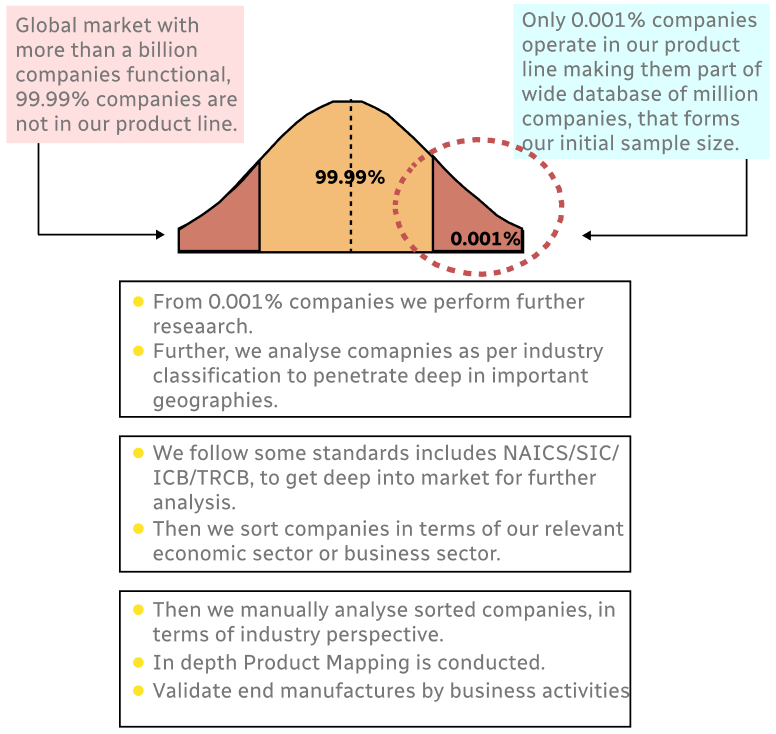
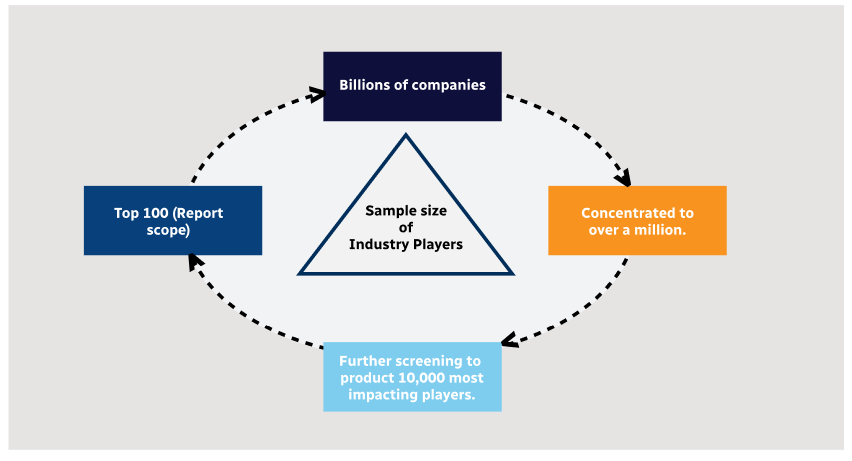
Step 1 - Identification of Relevant Samples Size from Population Database
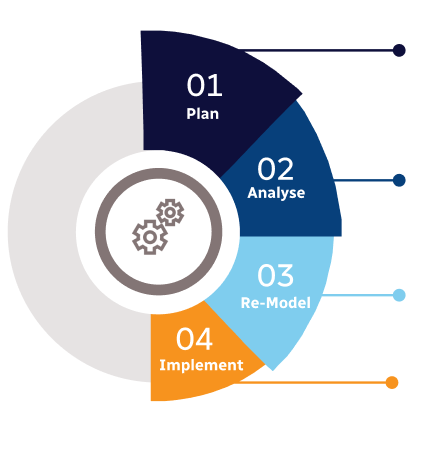
Step 2 - Approaches for Defining Global Market Size (Value, Volume* & Price*)
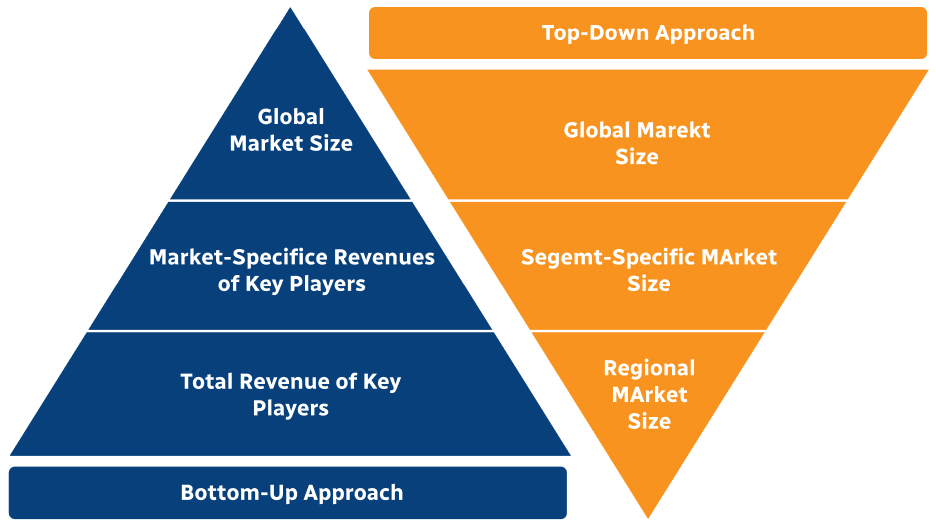
Note*: In applicable scenarios
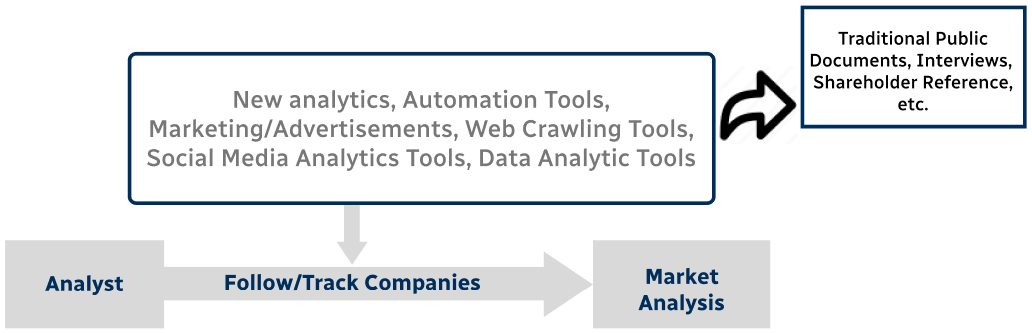
Step 3 - Data Sources
Primary Research
- Web Analytics
- Survey Reports
- Research Institute
- Latest Research Reports
- Opinion Leaders
Secondary Research
- Annual Reports
- White Paper
- Latest Press Release
- Industry Association
- Paid Database
- Investor Presentations
Step 4 - Data Triangulation
Involves using different sources of information in order to increase the validity of a study
These sources are likely to be stakeholders in a program - participants, other researchers, program staff, other community members, and so on.
Then we put all data in single framework & apply various statistical tools to find out the dynamic on the market.
During the analysis stage, feedback from the stakeholder groups would be compared to determine areas of agreement as well as areas of divergence